+420 778 547 838
  info@fermat.cz


 Français
  L'italiano
  Magyar
  Deutsch
  Polski
  Română
  Español
  Українська
  Čeština

List Grid
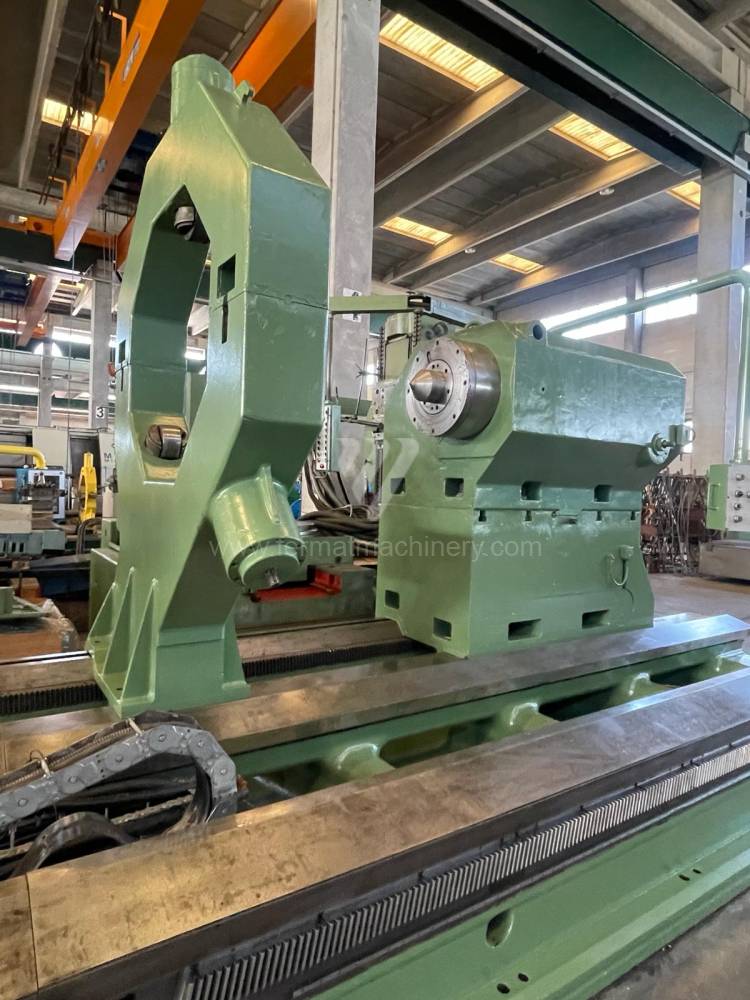
Lathes Centre diameters over 800 mm
| Name of a product | Inventory number | Producer | YOM | Parameters | ||
|---|---|---|---|---|---|---|
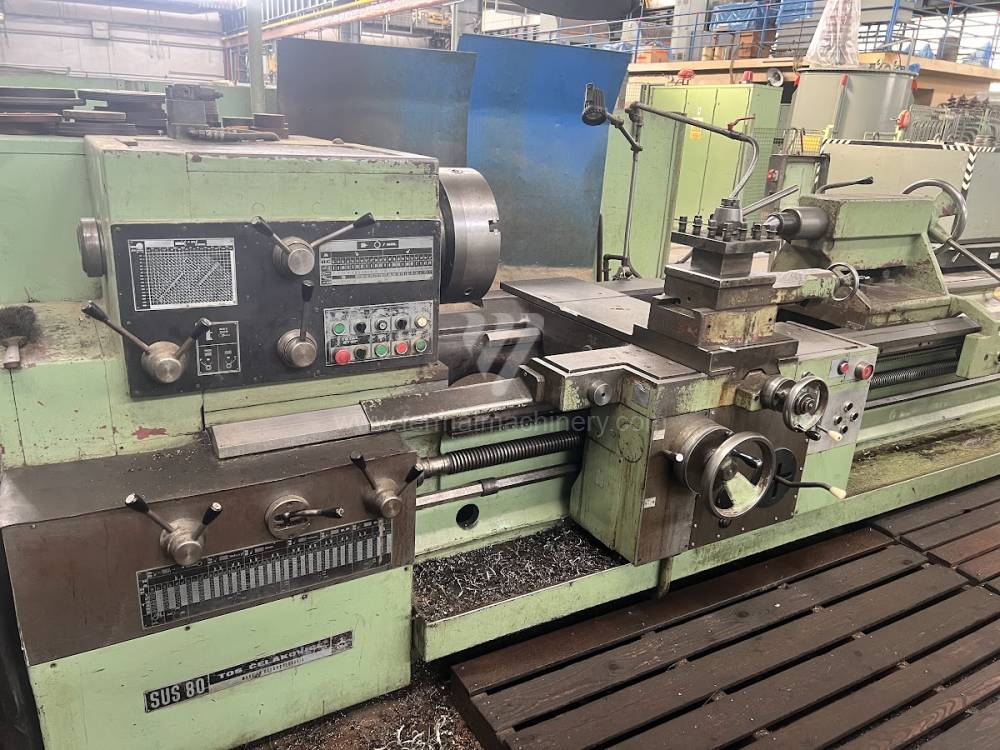 |
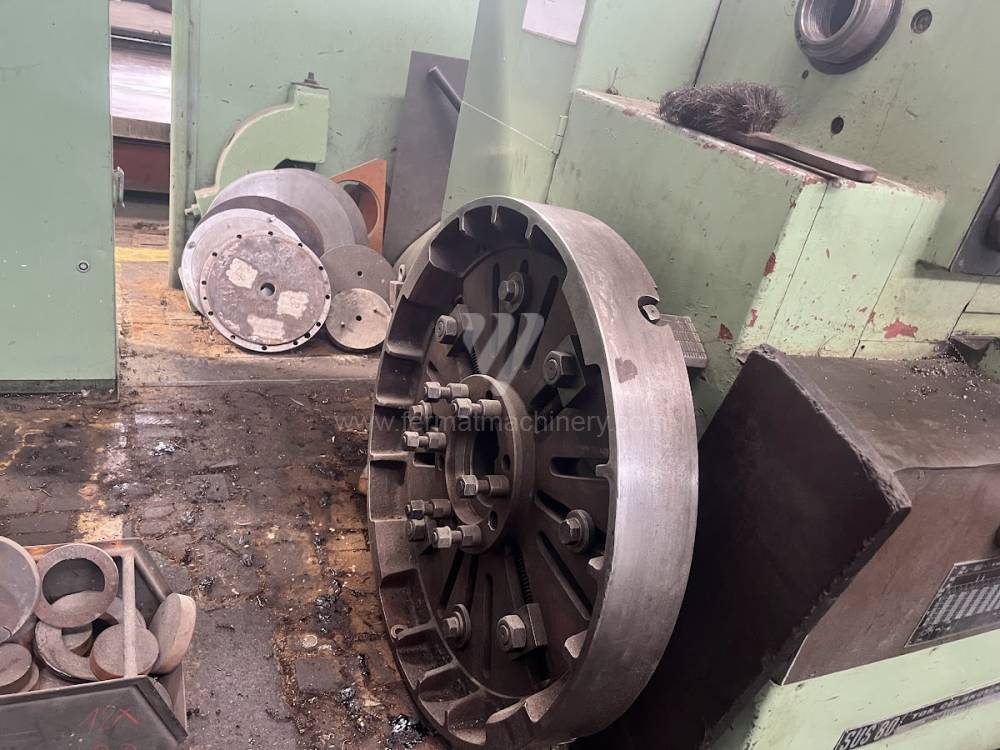
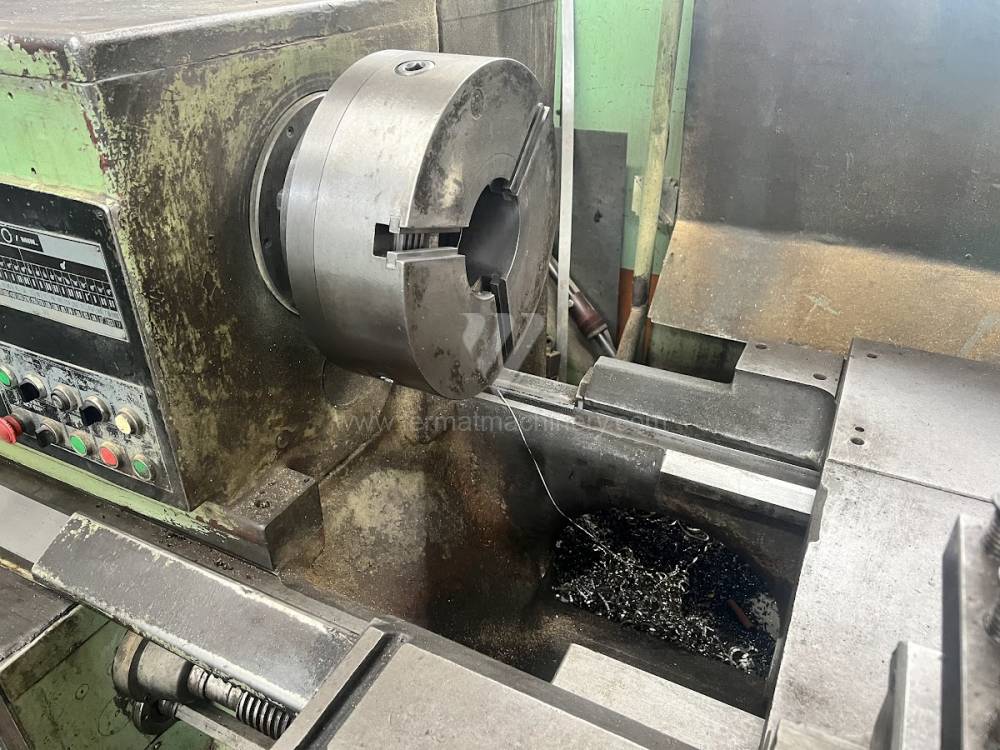
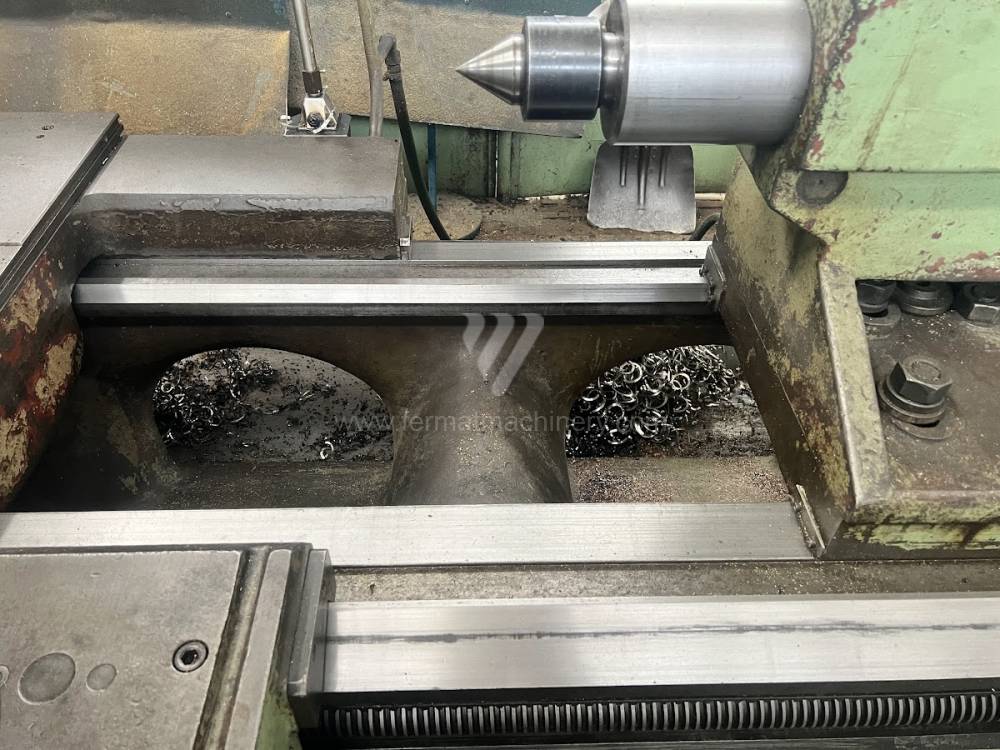
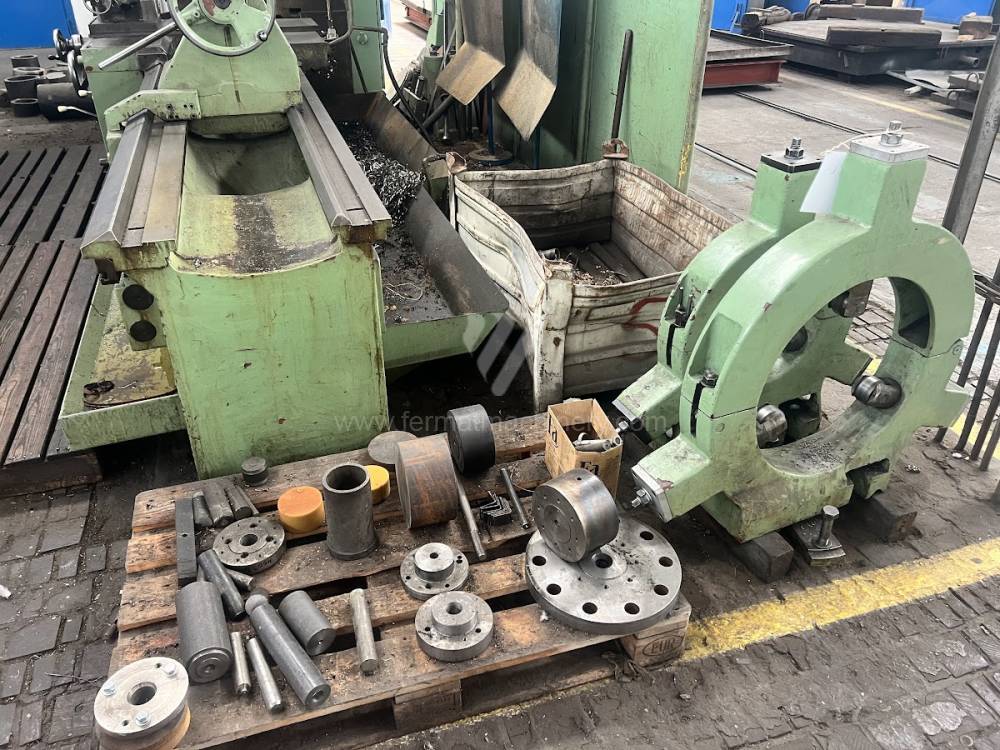
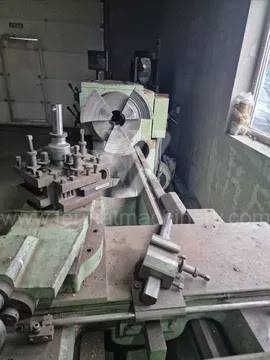
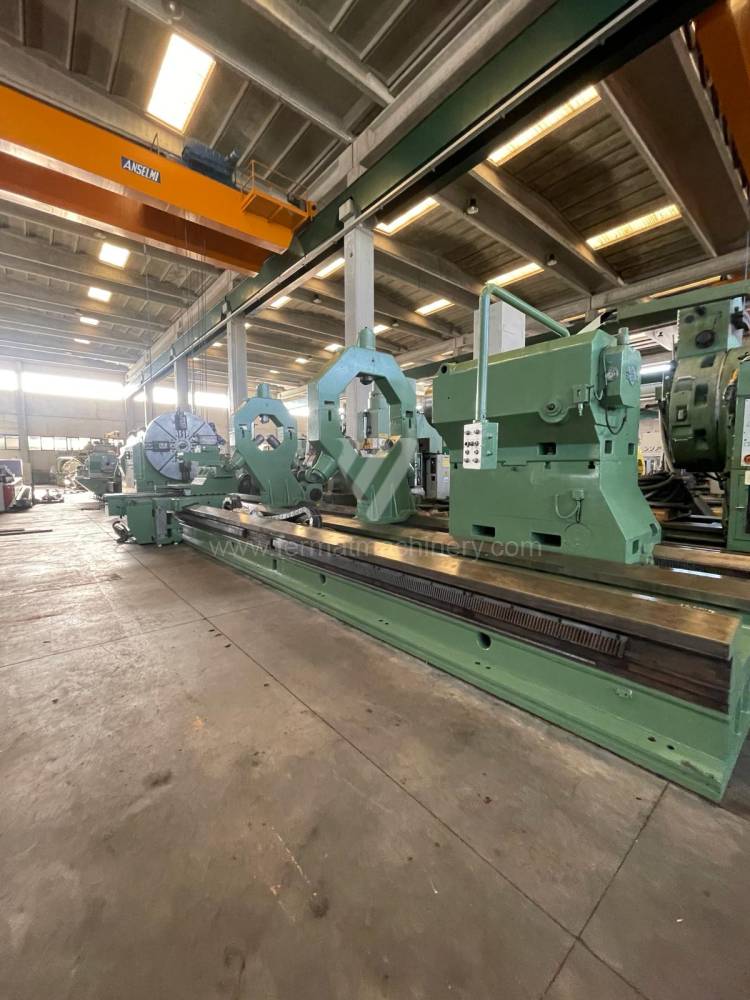
SUS 80/2750 |
251379 | TOS Čelákovice | Swing over bed: 840 mm Distance between centres: 2750 mm Max. weight of workpiece: 6000 kg Swing over cross slide: 530 mm Spindle bore: 82 mm Spindle speed: 7 - 900 /min. |
||
 |
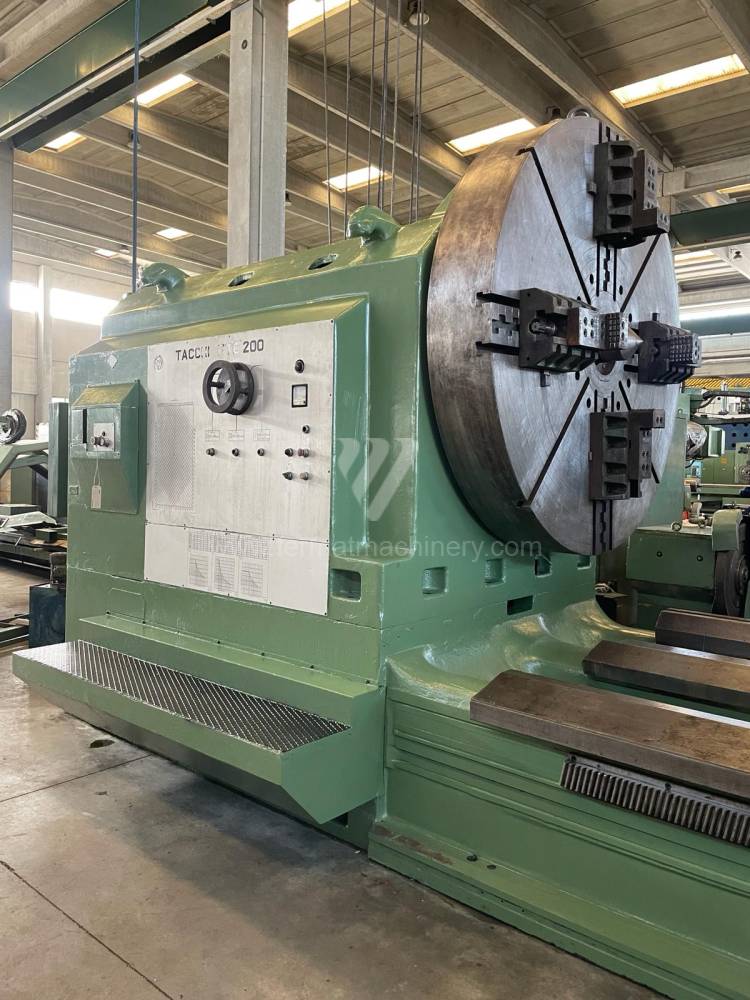
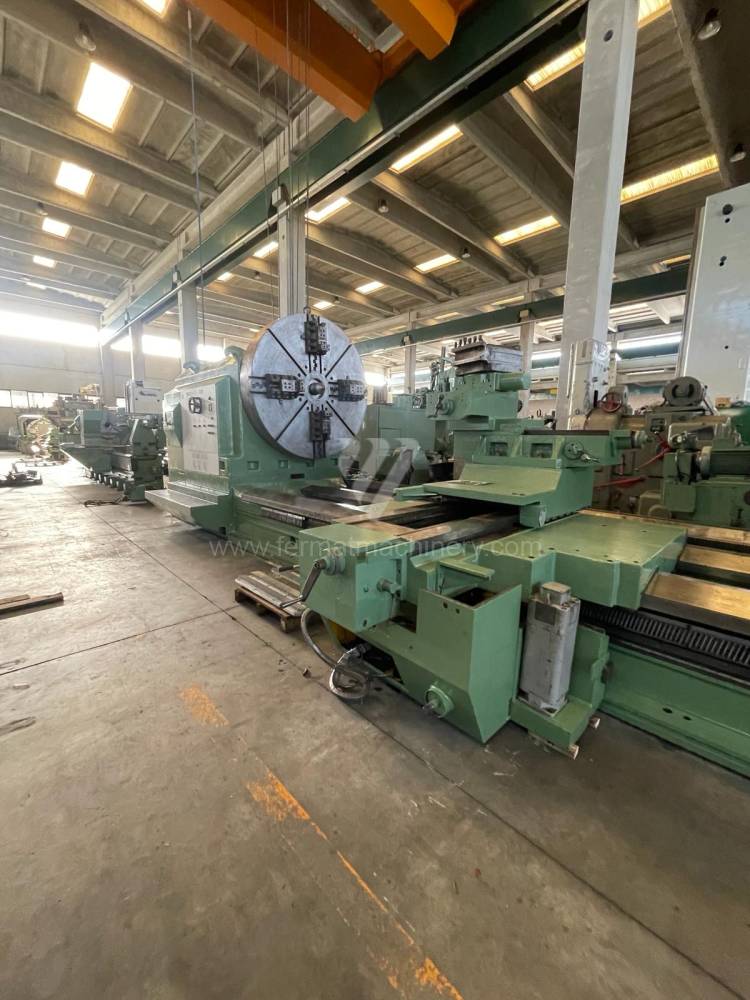
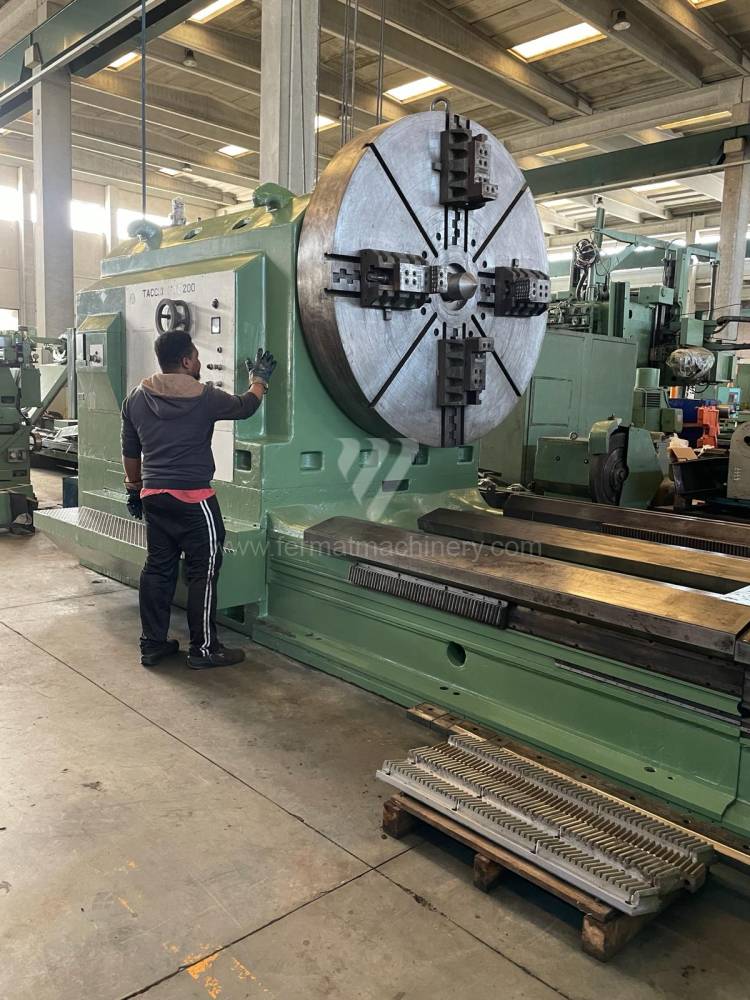
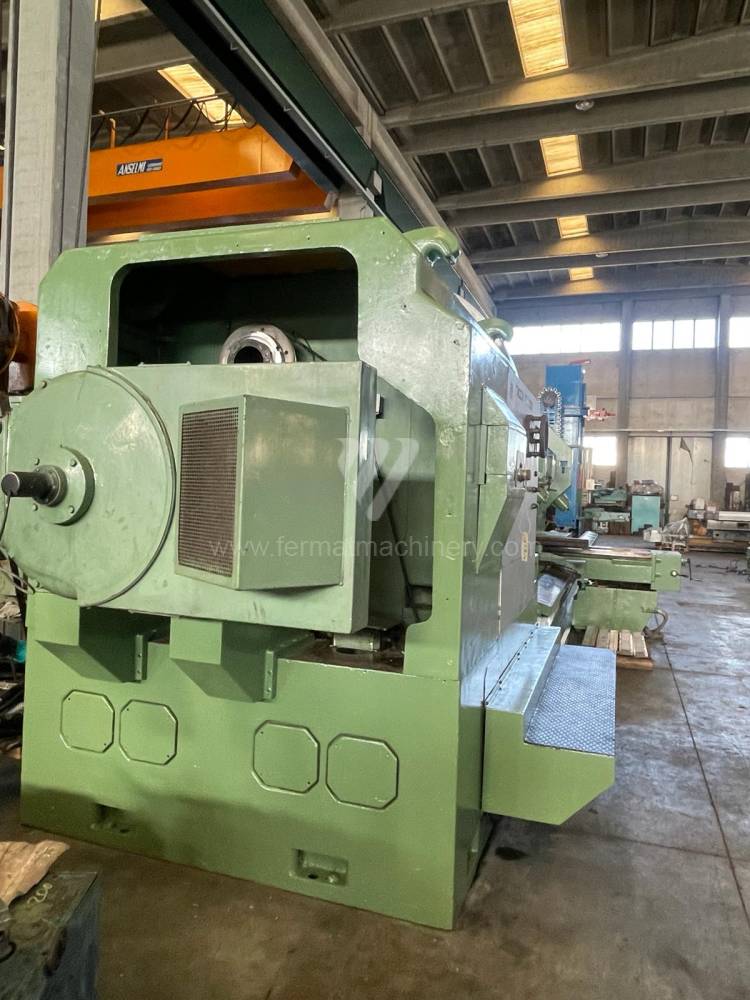
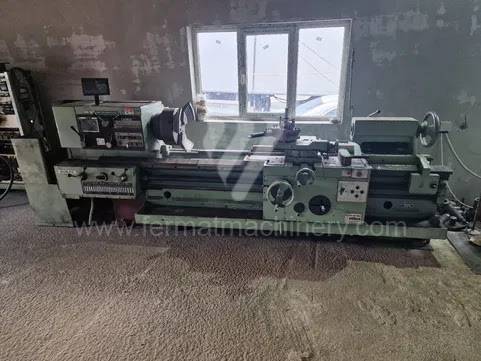
FTC 200 |
241265 | Tacchi | Swing over bed: 2730 mm Distance between centres: 10000 mm Max. weight of workpiece: 70000 kg Machine weight: 90000 kg Spindle speed: 0 - 120 /min. |
||
 |
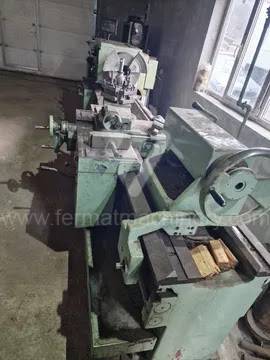
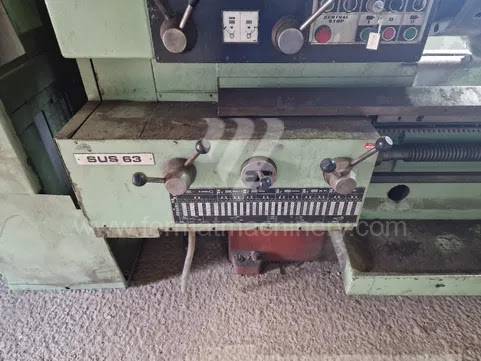
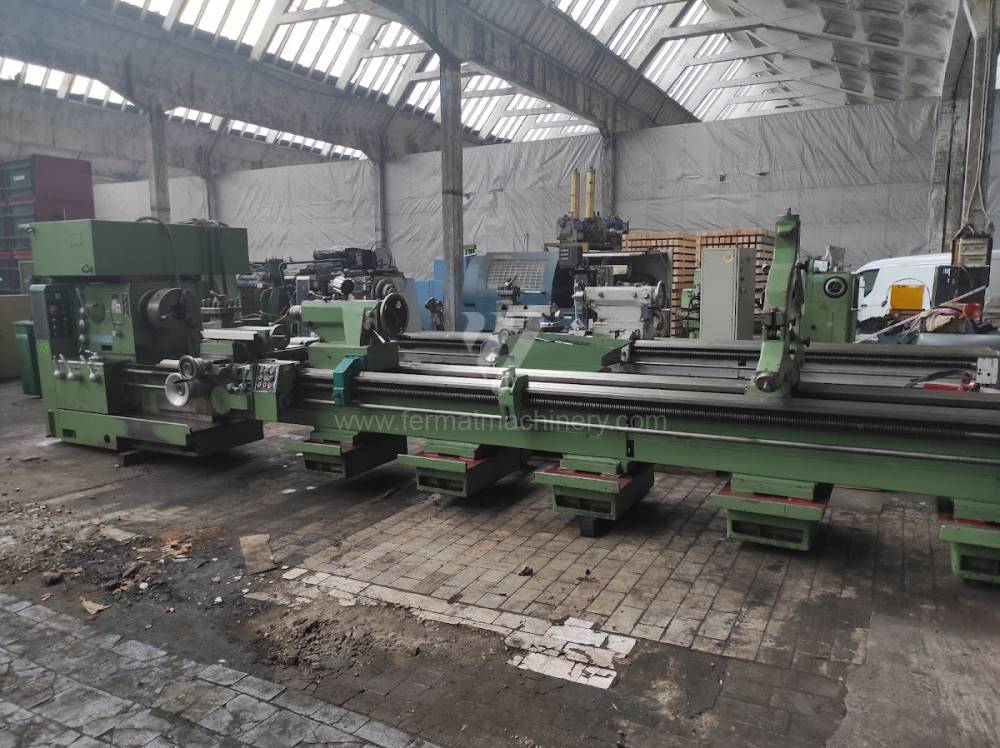
SUS 63/1250 |
241137 | TOS Čelákovice | Swing over bed: 630 mm Distance between centres: 1250 mm Max. weight of workpiece: 6000 kg Swing over cross slide: 530 mm Main motor power: 18 kW Spindle bore: 82 mm |
||
 |
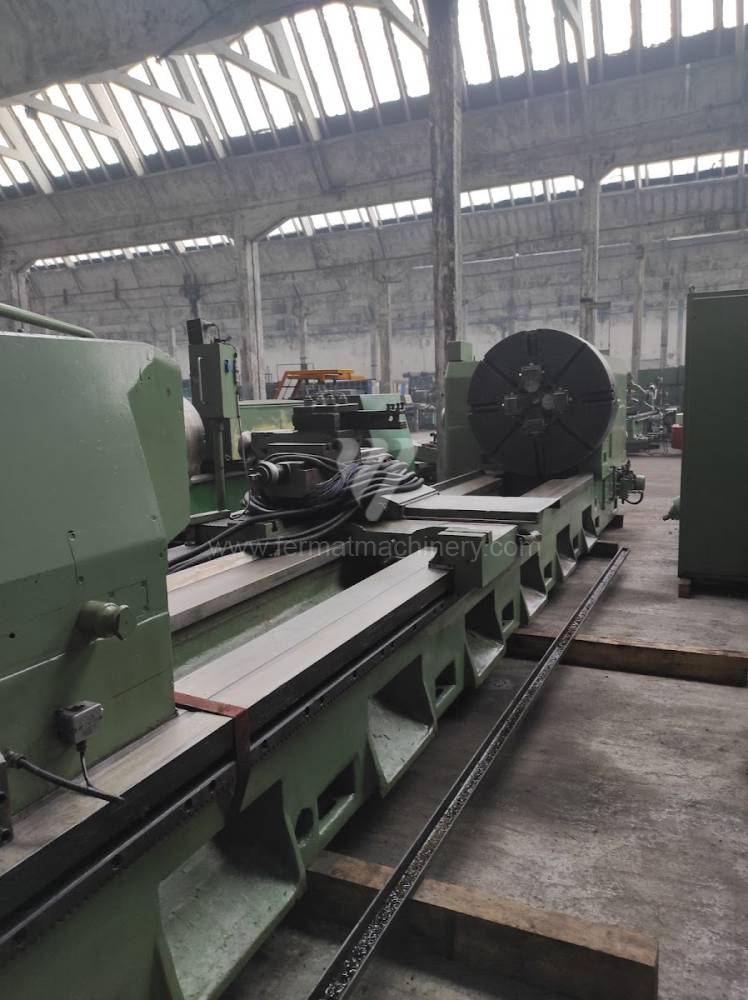
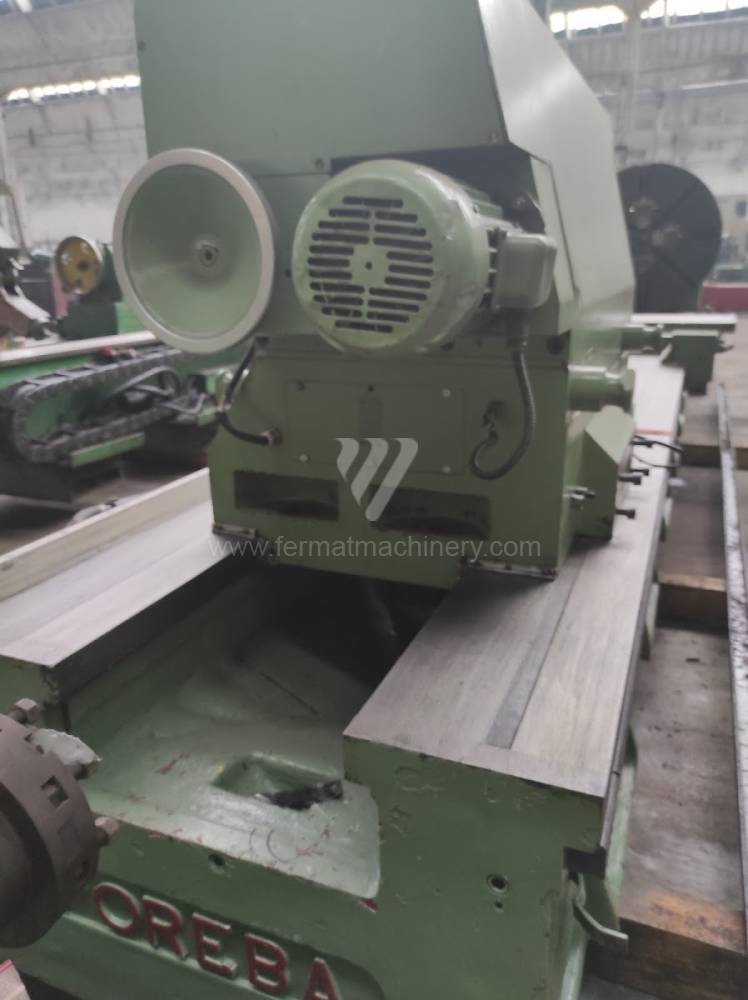
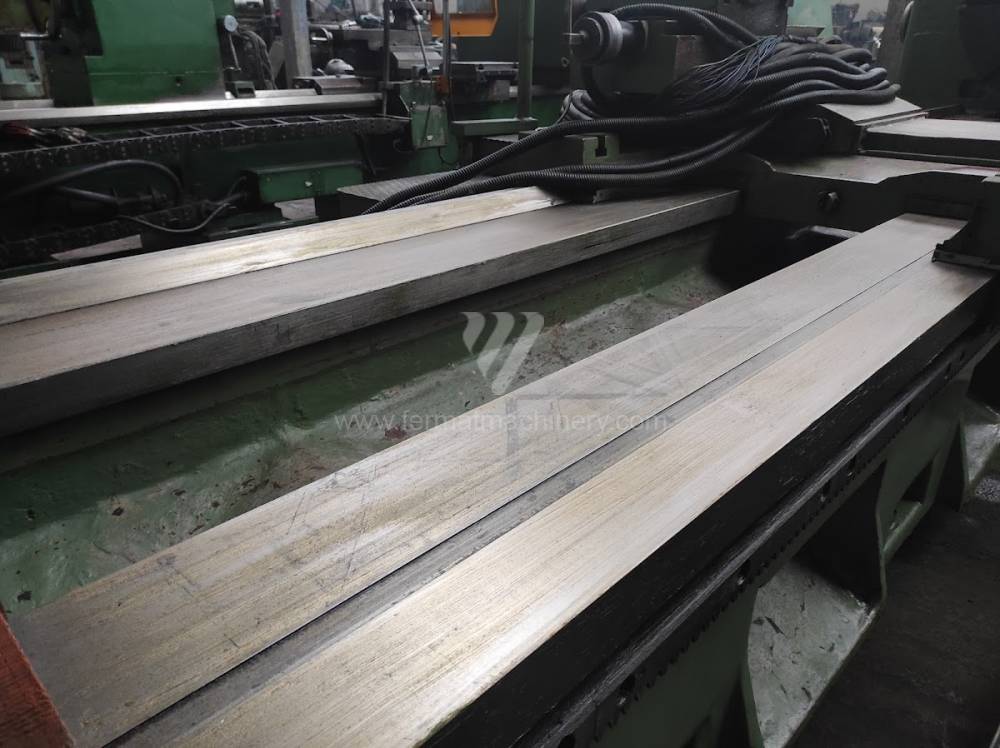
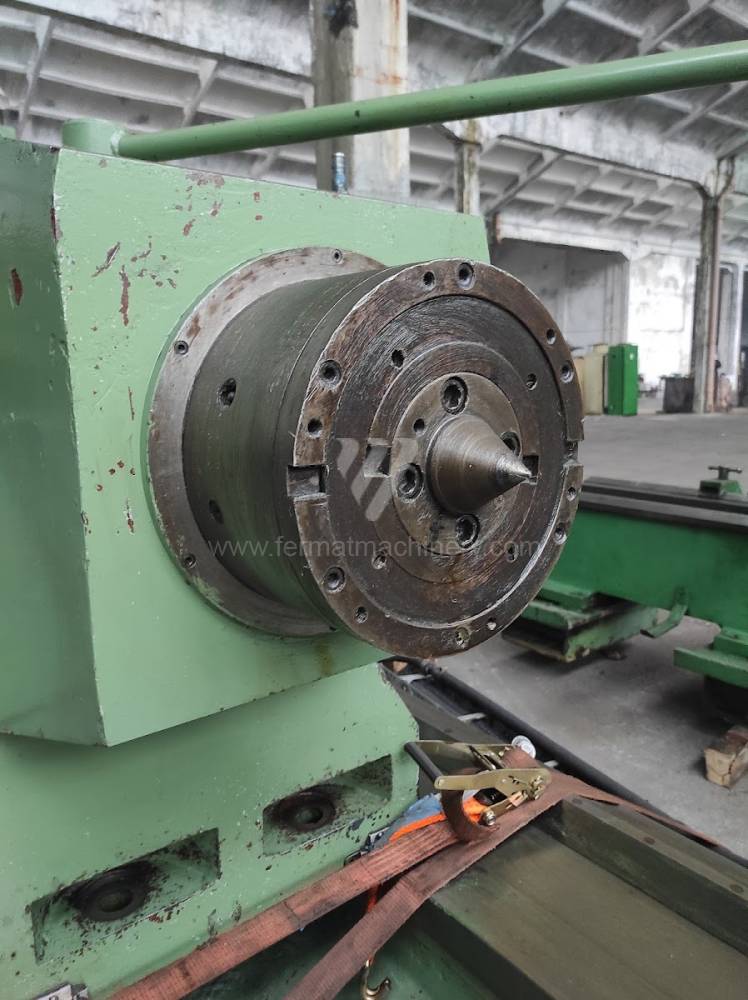
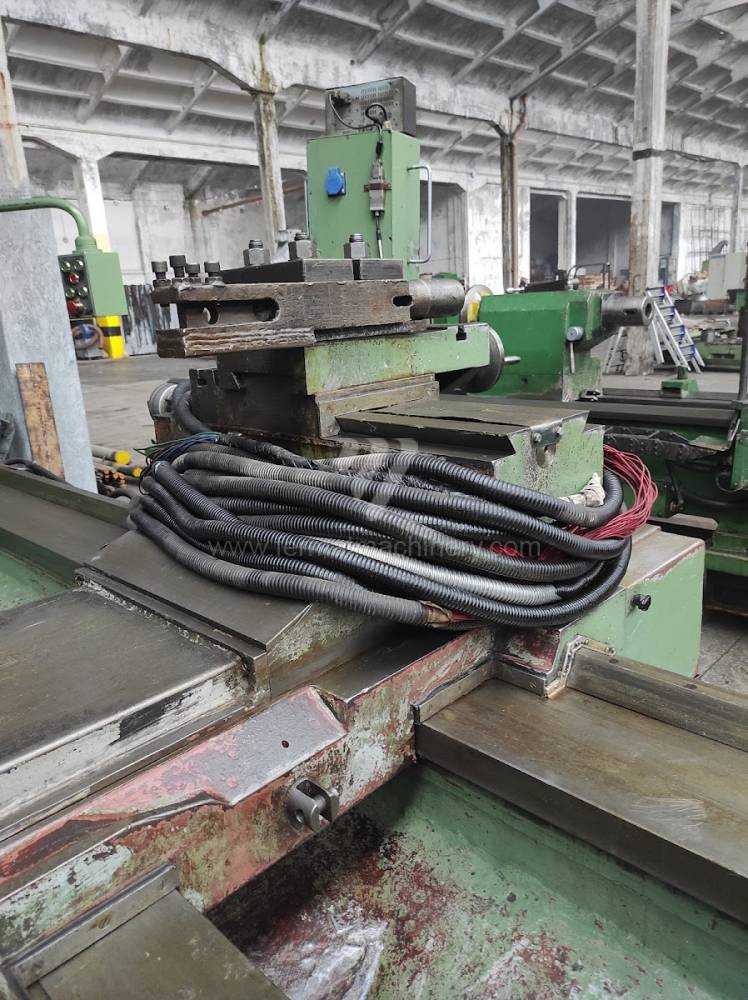
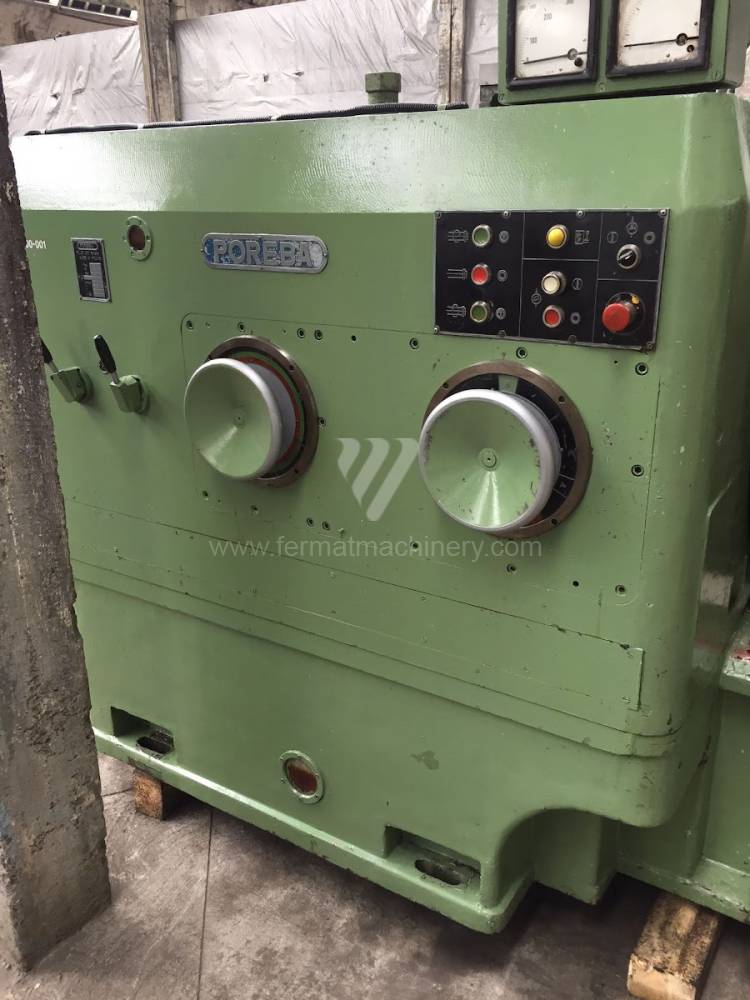
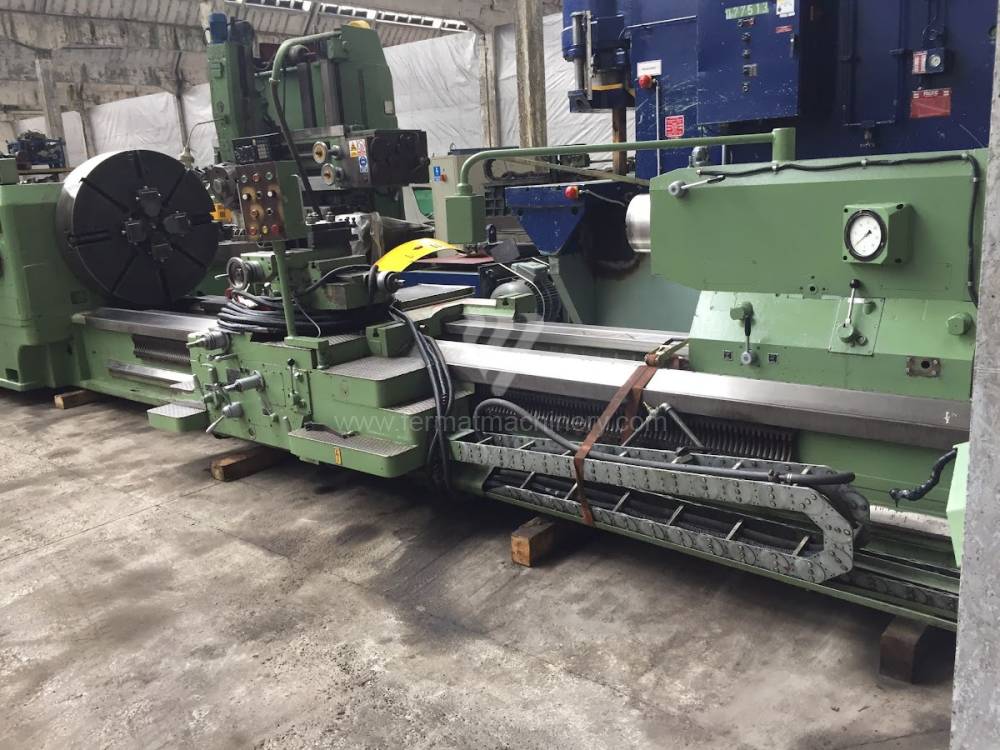
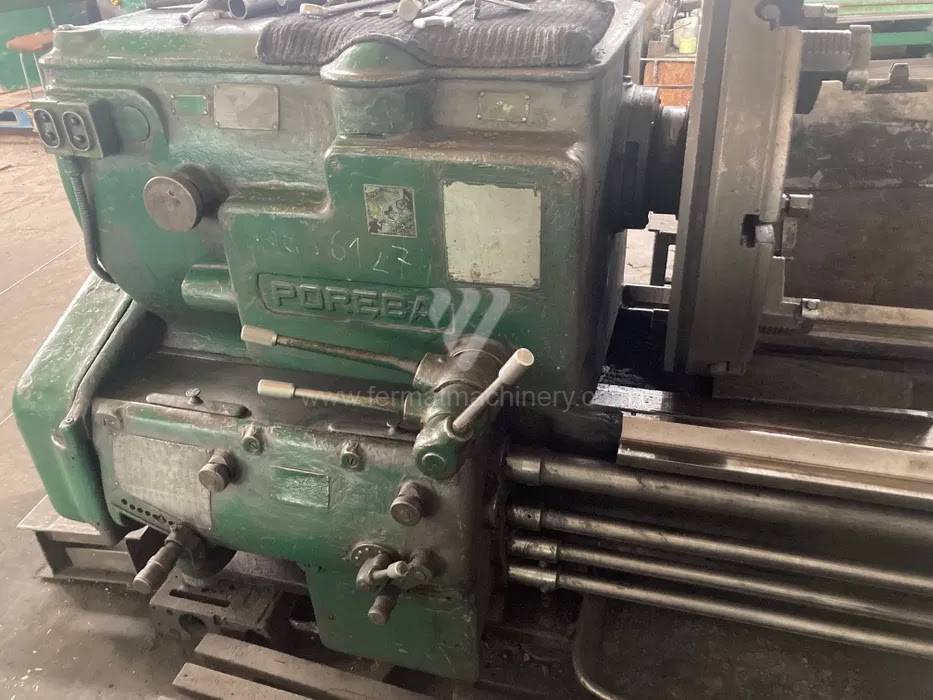
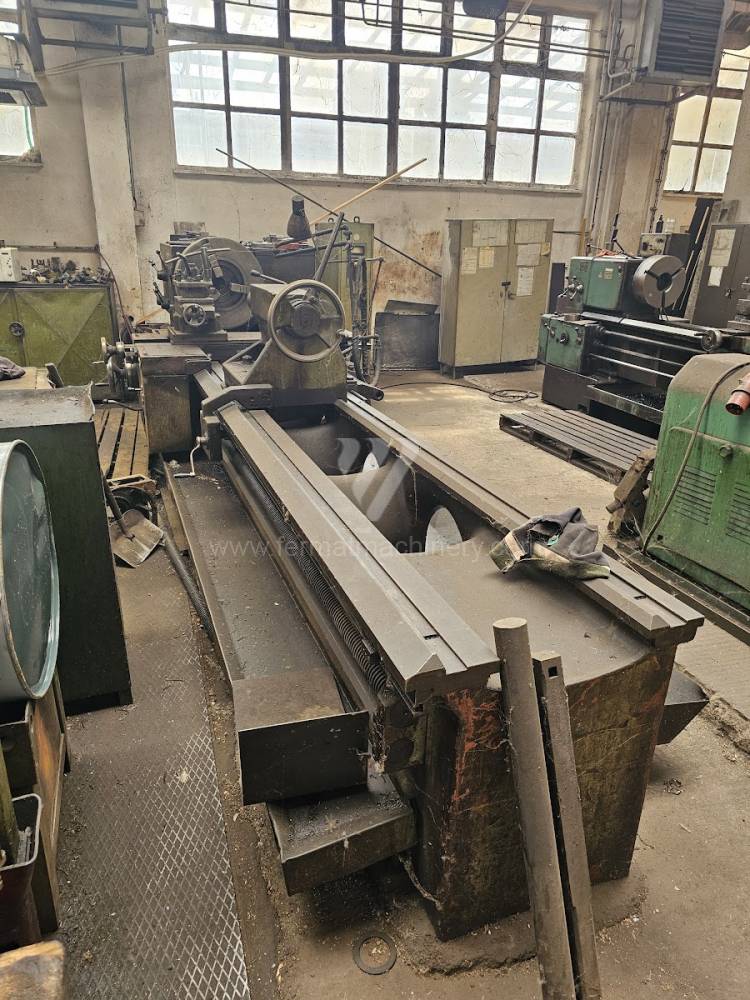
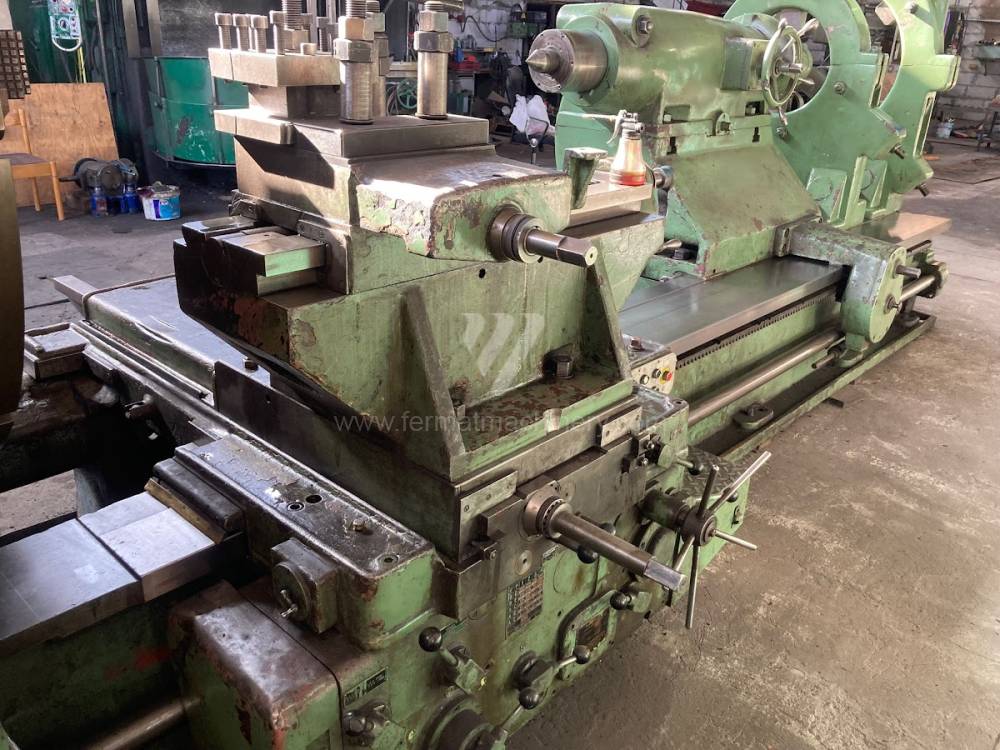
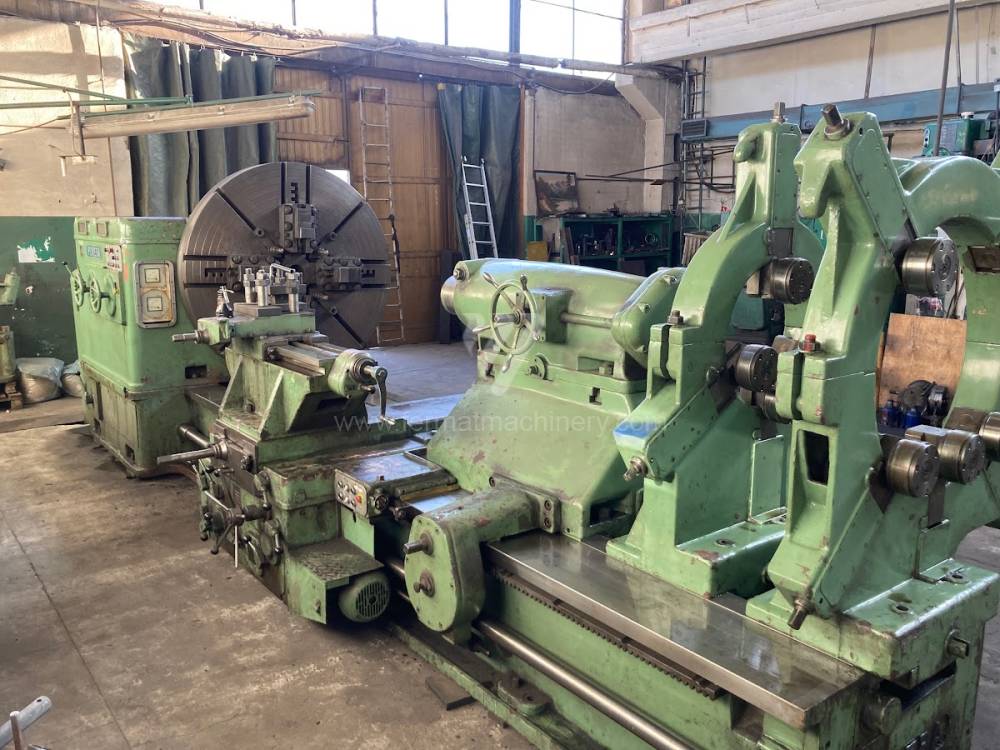
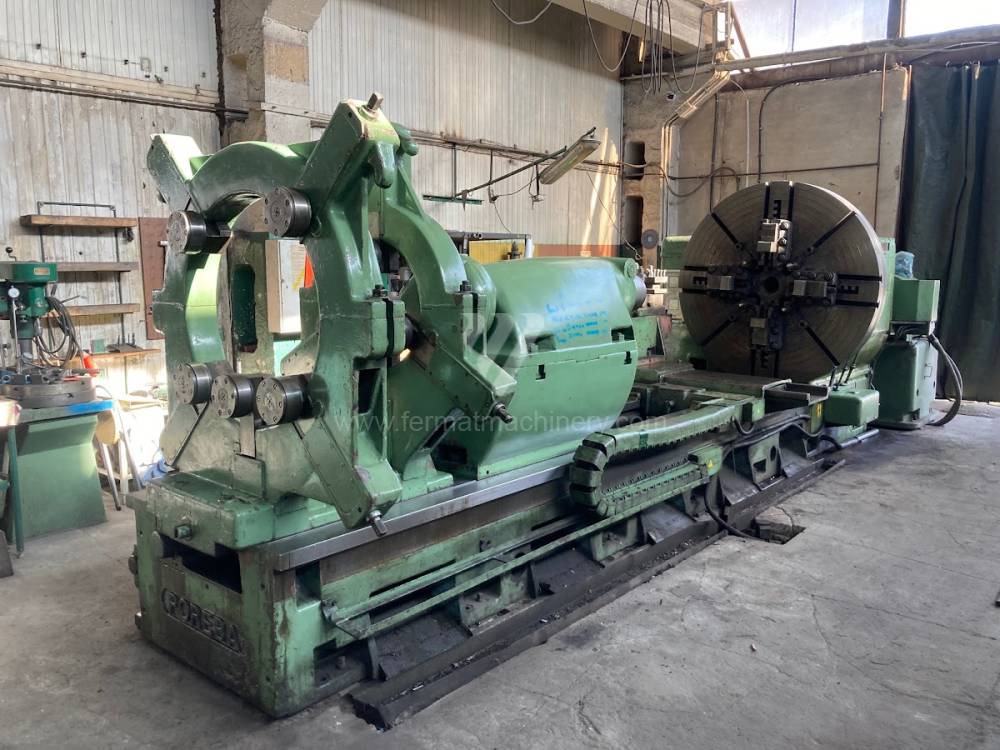
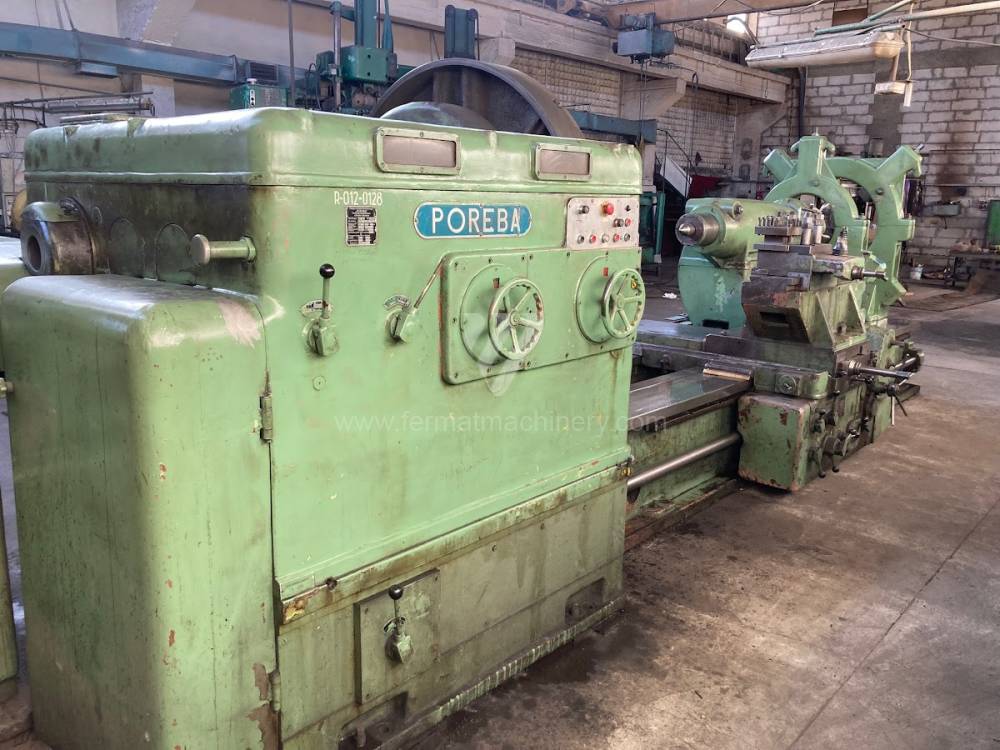
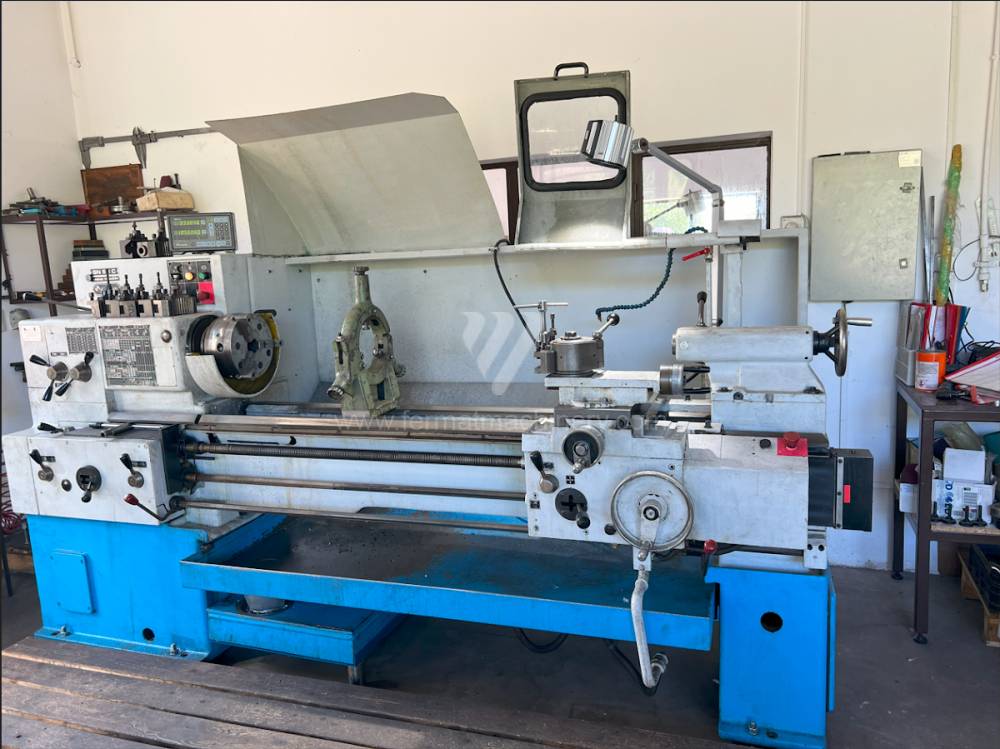
TCG 125x5000 |
231070 | Poreba | 1984 | Swing over bed: 1250 mm Distance between centres: 5000 mm Max. weight of workpiece: 30000 kg Turning lenght: 5000 mm |
|
 |
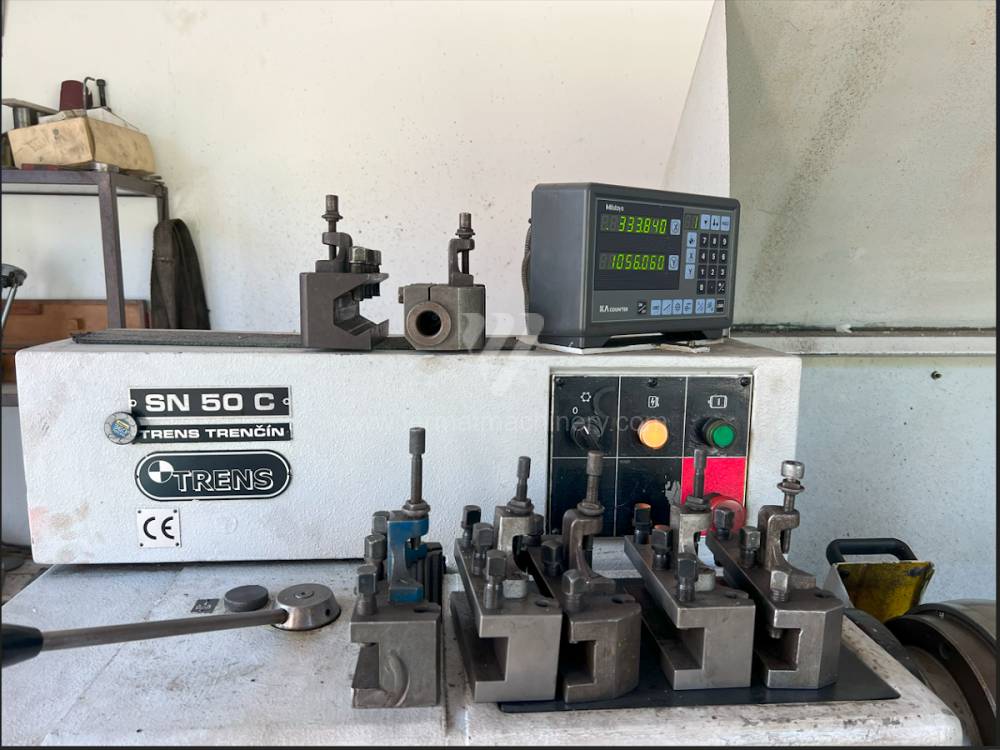
SN 50 C/1500 |
241775 | TOS Trenčín | 2002 | Swing over bed: 500 mm Distance between centres: 1500 mm Max. weight of workpiece: kg Swing over cross slide: 220 mm Main motor power: 5,5 kW Machine weight: 1750 kg |
|
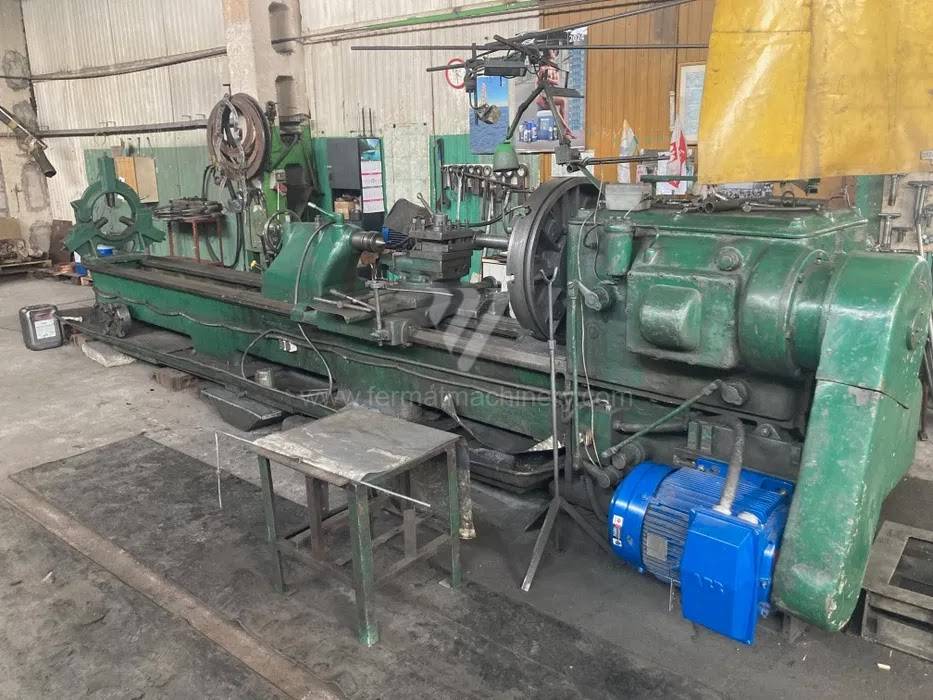 |
TR 90/4000 |
251055 | Poreba | 1954 | Swing over bed: 900 mm Distance between centres: 4000 mm Max. weight of workpiece: kg |
|
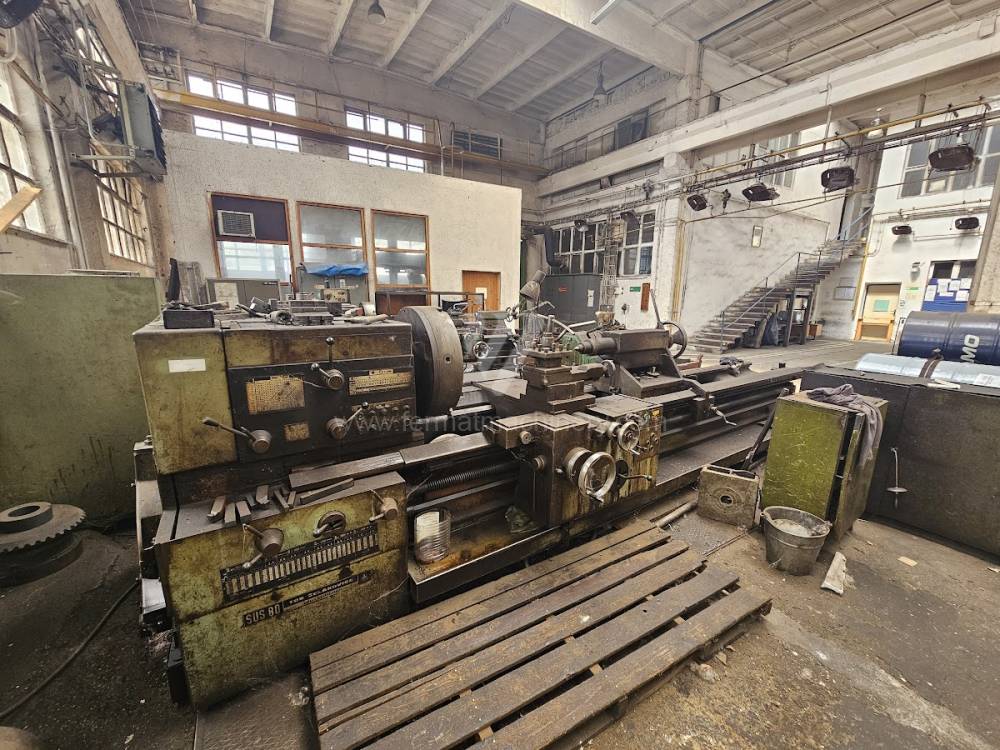 |
SUS 80 |
251657 | TOS Čelákovice | Swing over bed: 840 mm Distance between centres: 3500 mm Max. weight of workpiece: kg Machine weight: 7200 kg Machine dimensions l x w x h: 5800x1750x1400 mm Spindle bore: 82 mm |
||
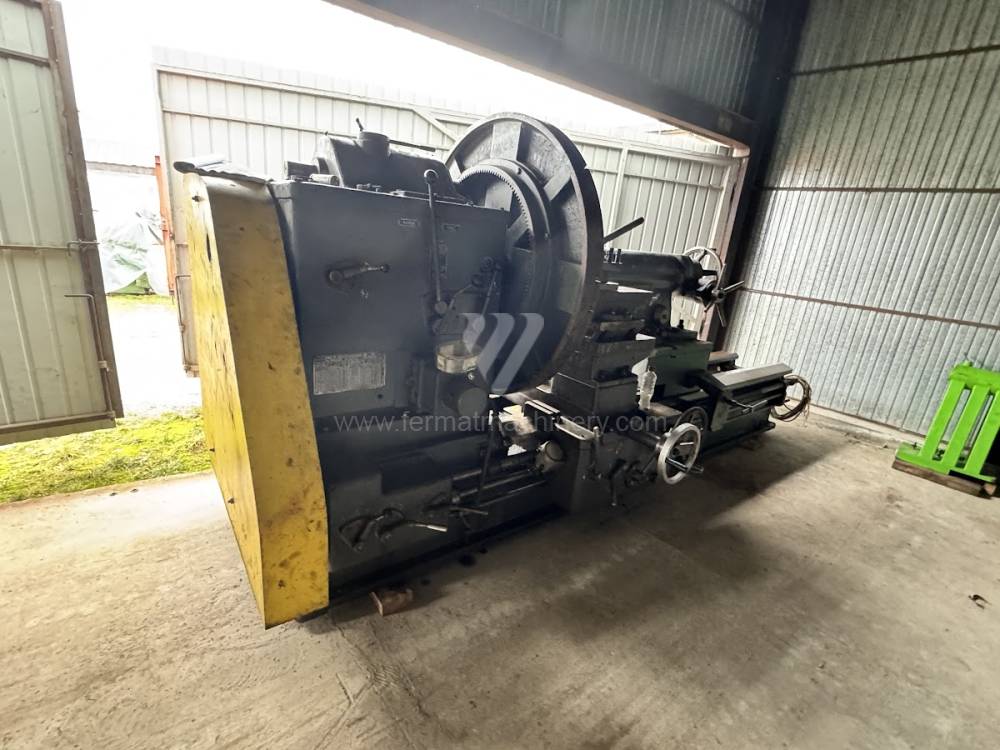 |
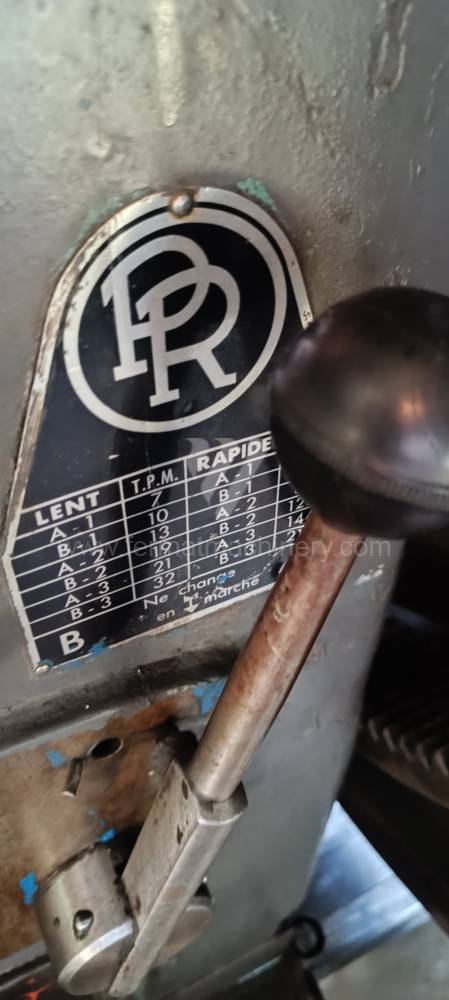
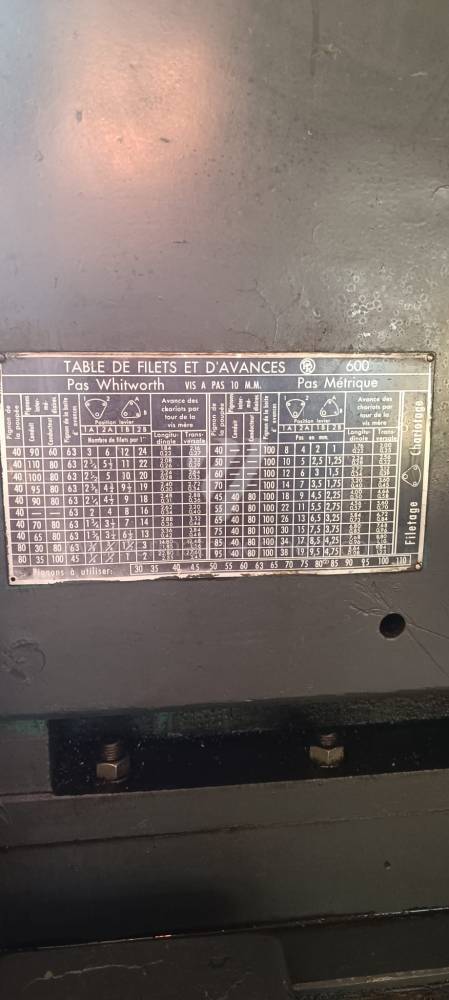
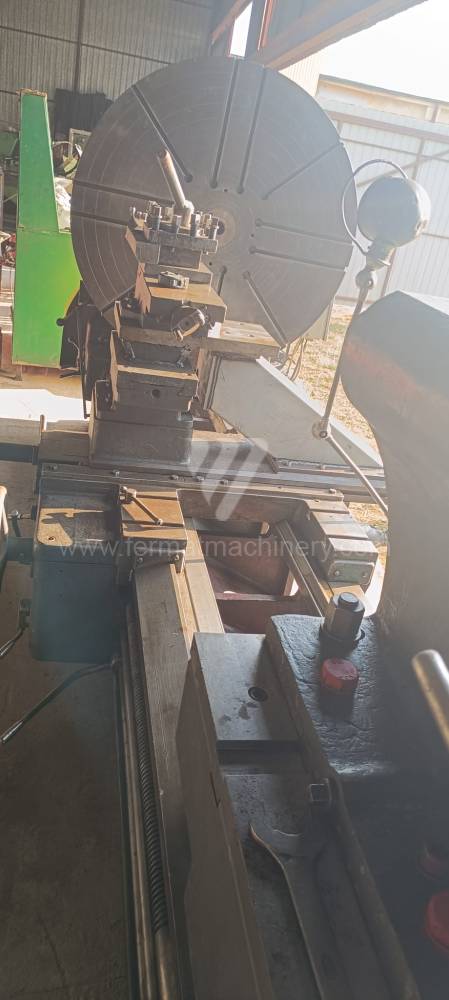
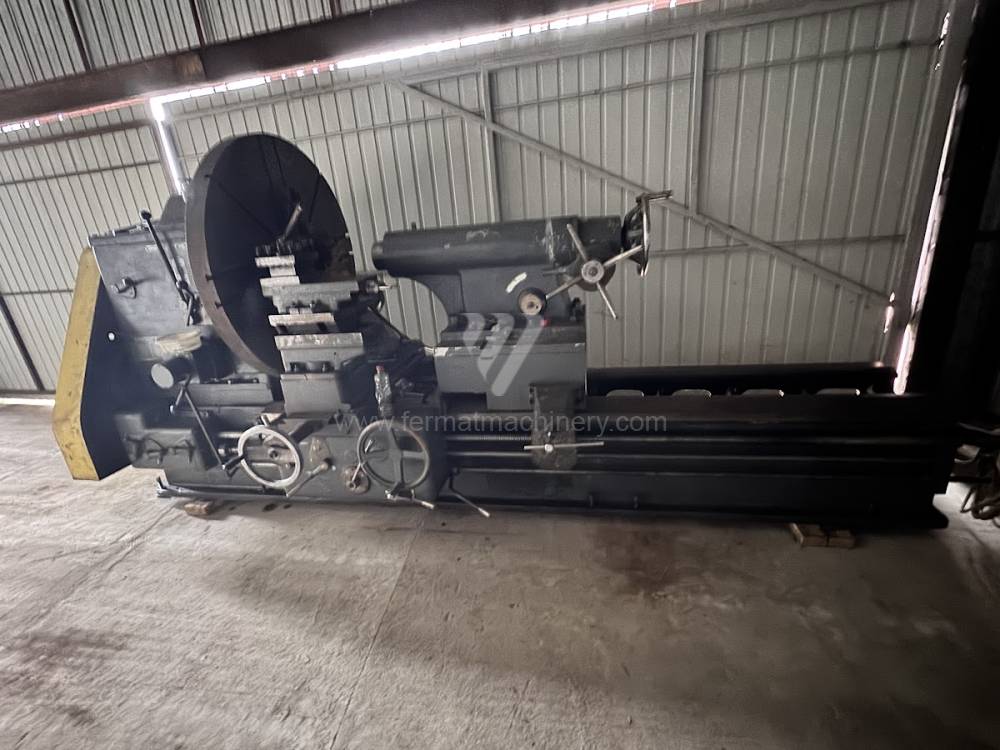
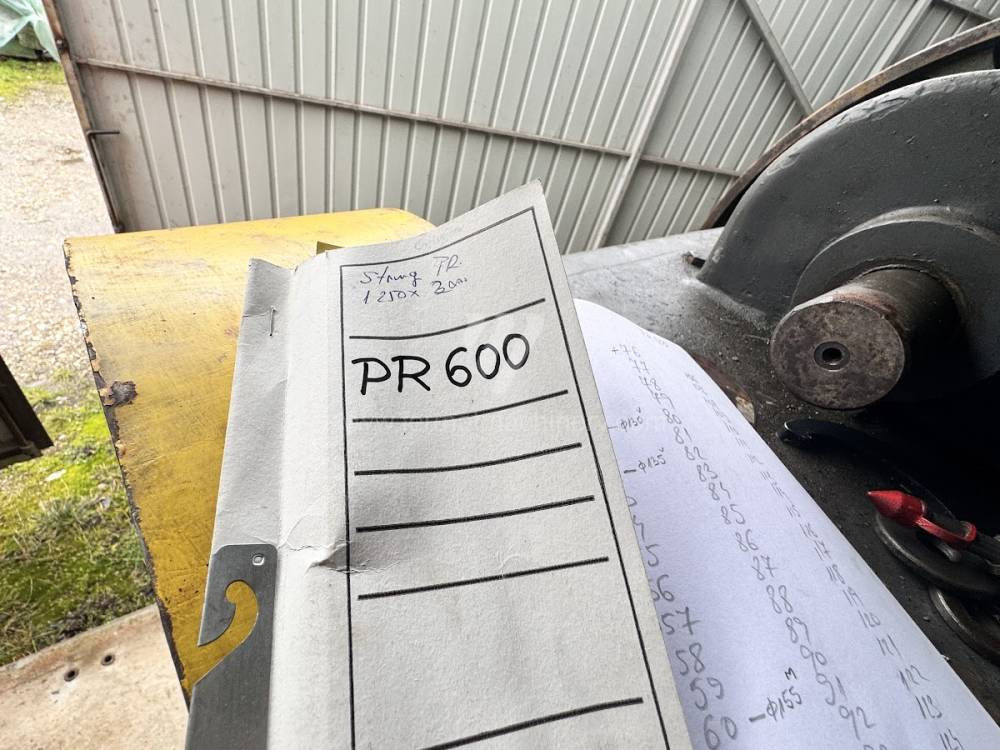
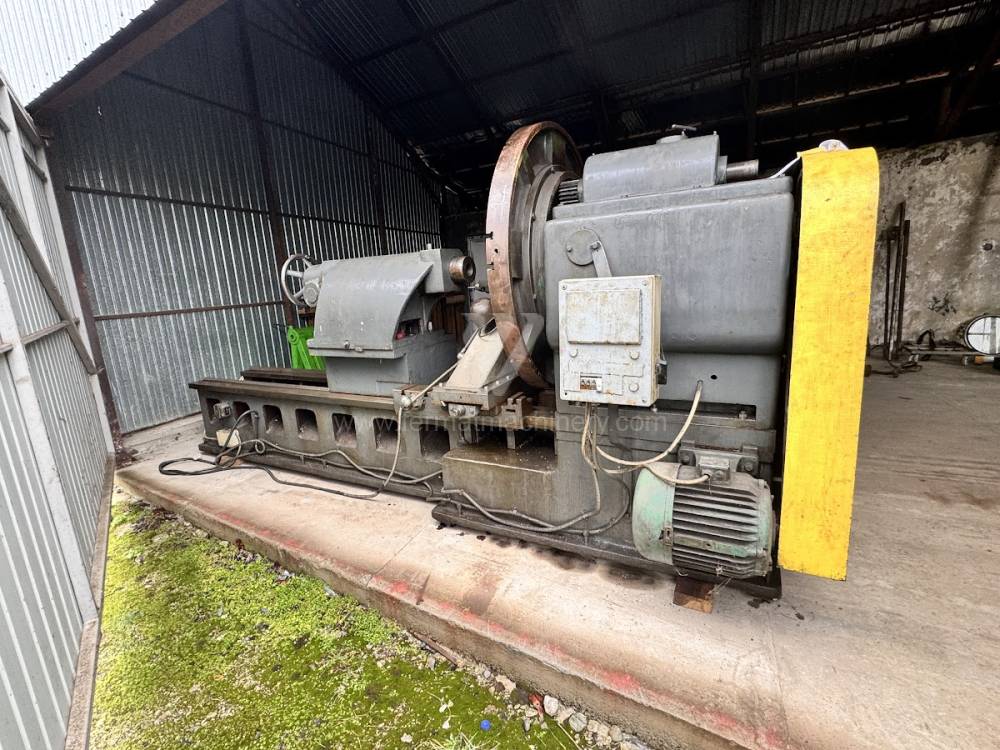
PR 600 |
261636 | Ernault-Somua | 1980 | Swing over bed: 1 800 mm Distance between centres: 1 710 / 2 100 mm Max. weight of workpiece: 1 000 kg Face plate diameter: 1200 mm Main motor power: 7,5 kW Equipment weight: 5 800 kg |
|
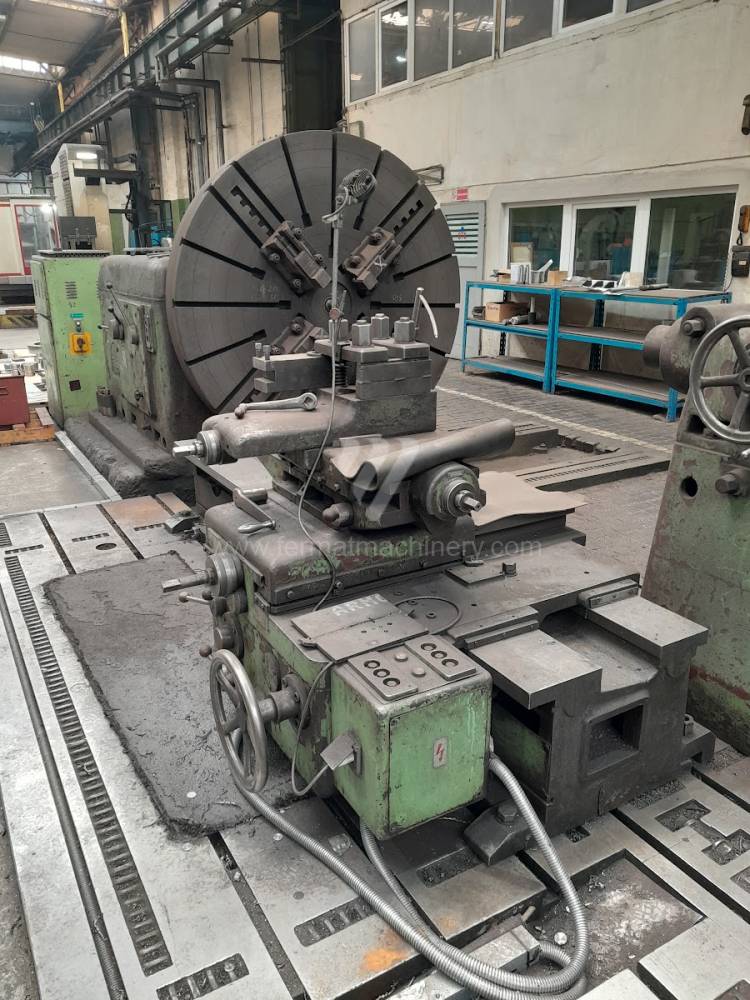 |
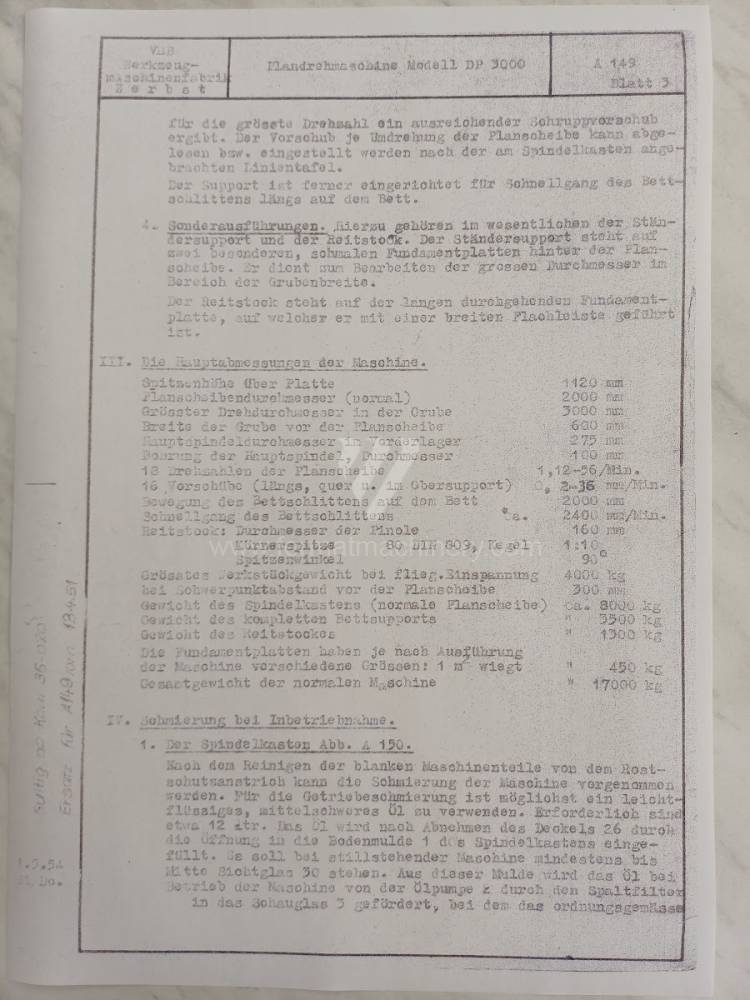
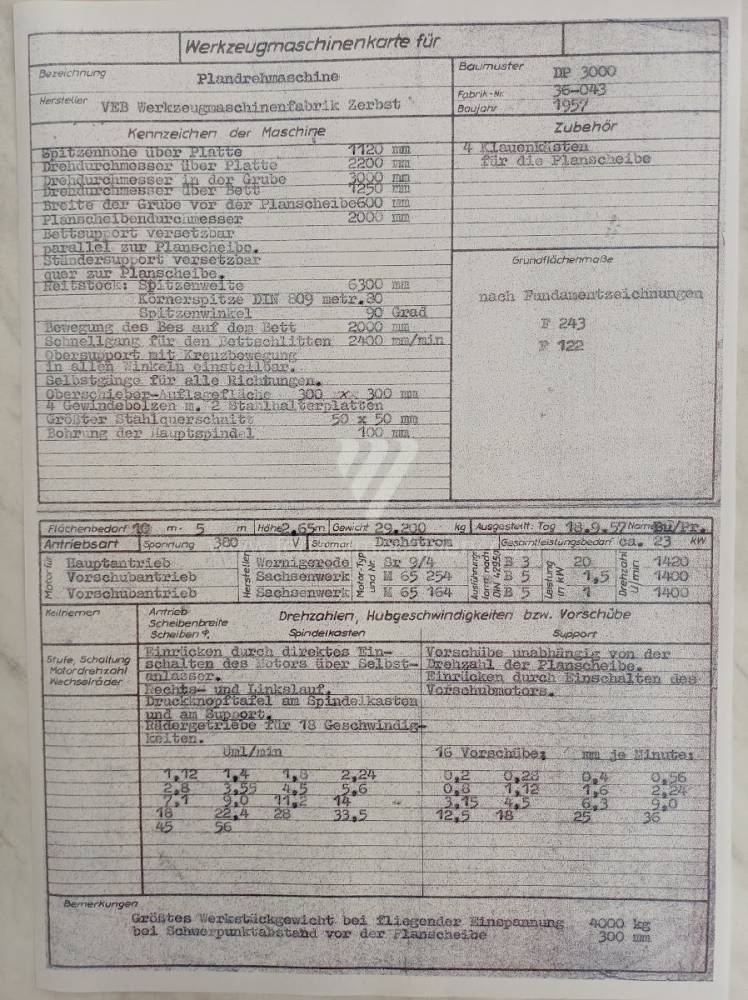
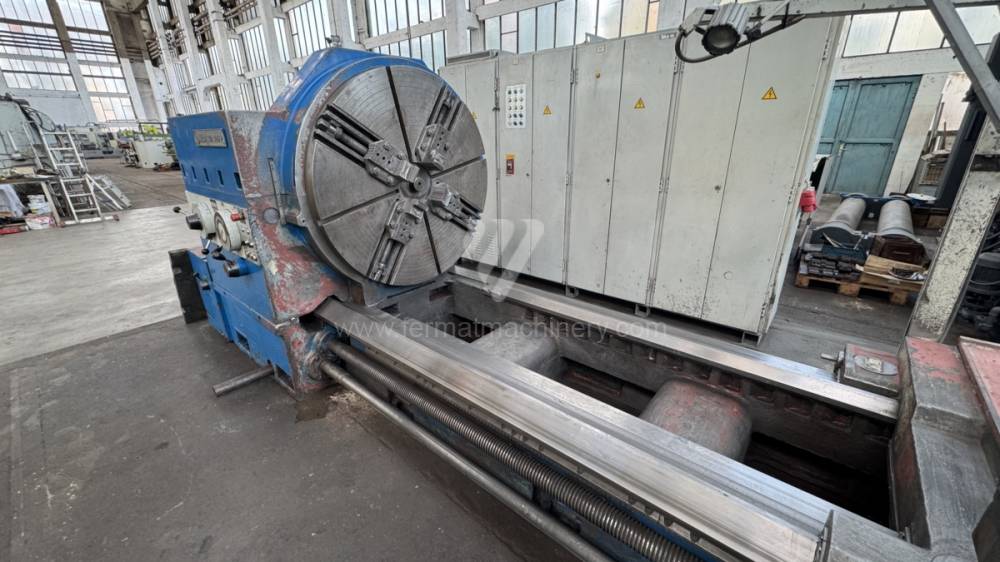
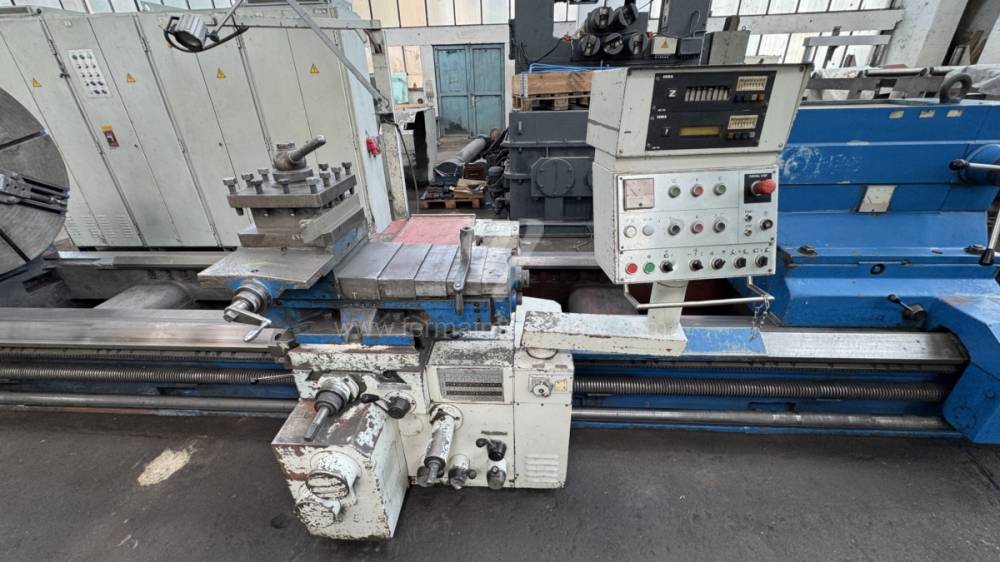
DP 3000 |
251653 | Unknown | 1957 | Swing over bed: 1250 mm Distance between centres: mm Max. weight of workpiece: kg Face plate diameter: 3000 mm Swing over cross slide: 2200 mm Machine weight: 17000 kg |
|
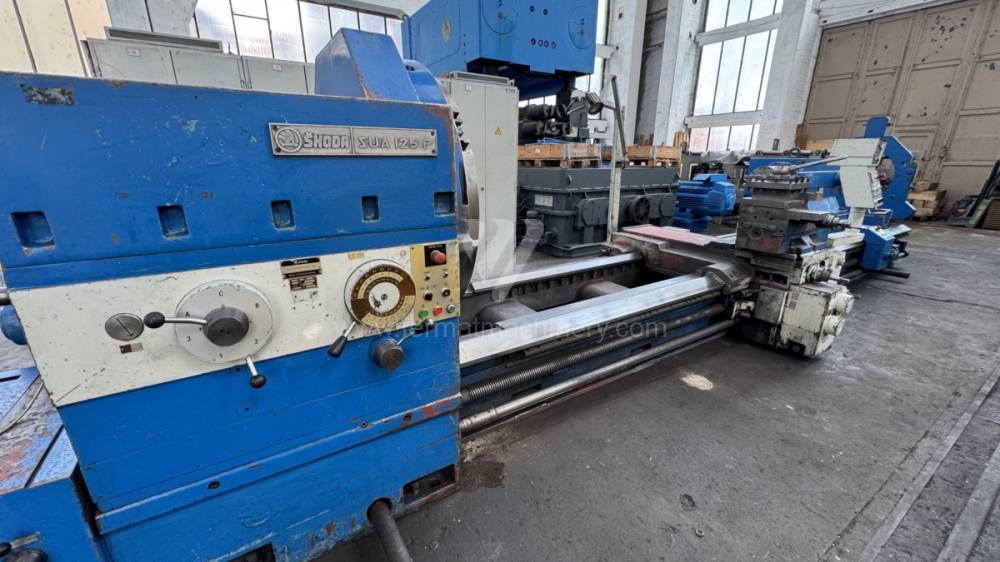 |
SUA 125 P |
261420 | ŠKODA MACHINE TOOL a.s. | 1986 | Swing over bed: 1320 mm Distance between centres: 5000 mm Max. weight of workpiece: 14000 kg Swing over cross slide: 950 mm Main motor power: 45 kW Max. torque of spindle: 18000 Nm |
|
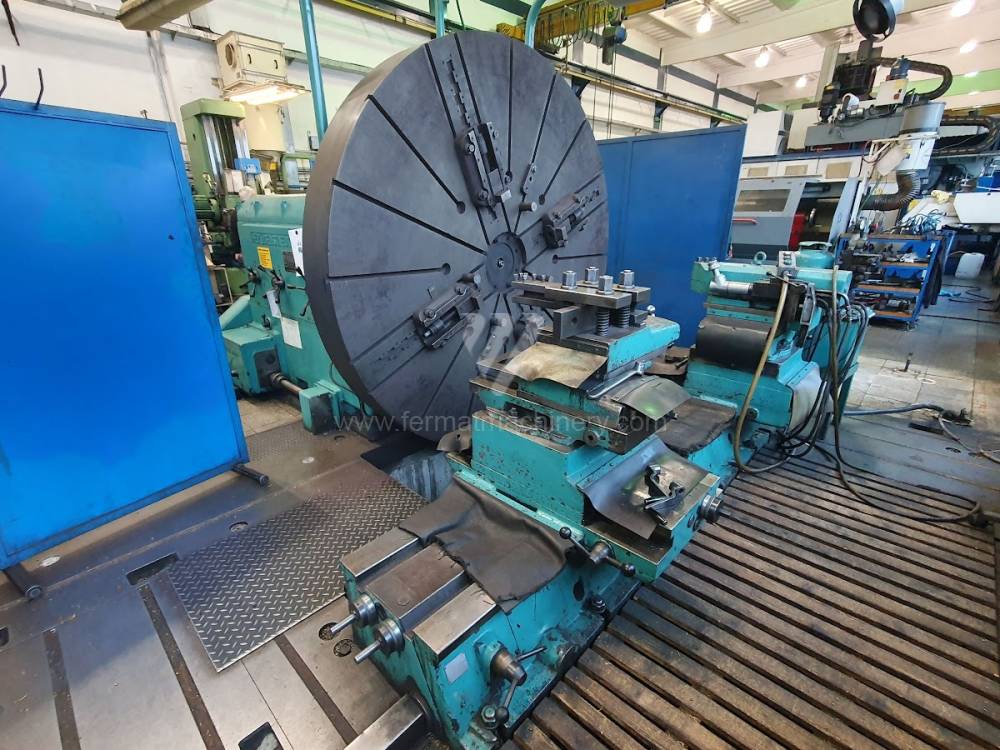 |
Heylingenstaedt |
261258 | Heylingenstaedt | 1966 | Swing over bed: 3000 mm Distance between centres: mm Max. weight of workpiece: 2500 kg |
|
 |
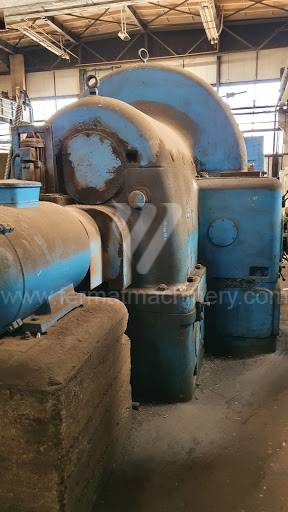
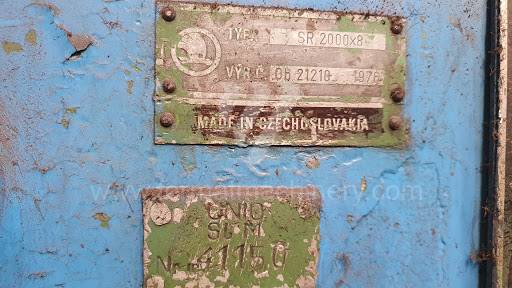
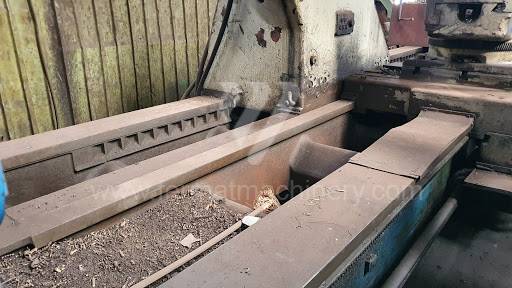
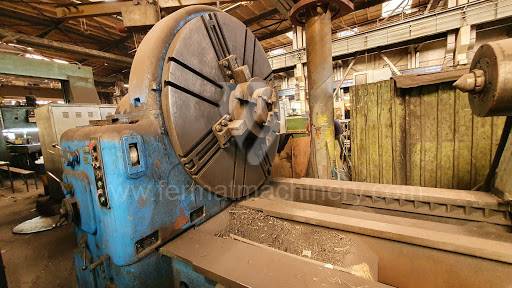
SR 2000x8 |
201865 | ŠKODA MACHINE TOOL a.s. | 1976 | Swing over bed: 2000 mm Distance between centres: 8000 mm Max. weight of workpiece: 60000 kg Machine weight: 36400 kg Main motor power: 60 kW Machine dimensions l x w x h: 14500 x 3600 x 2950 mm |
|
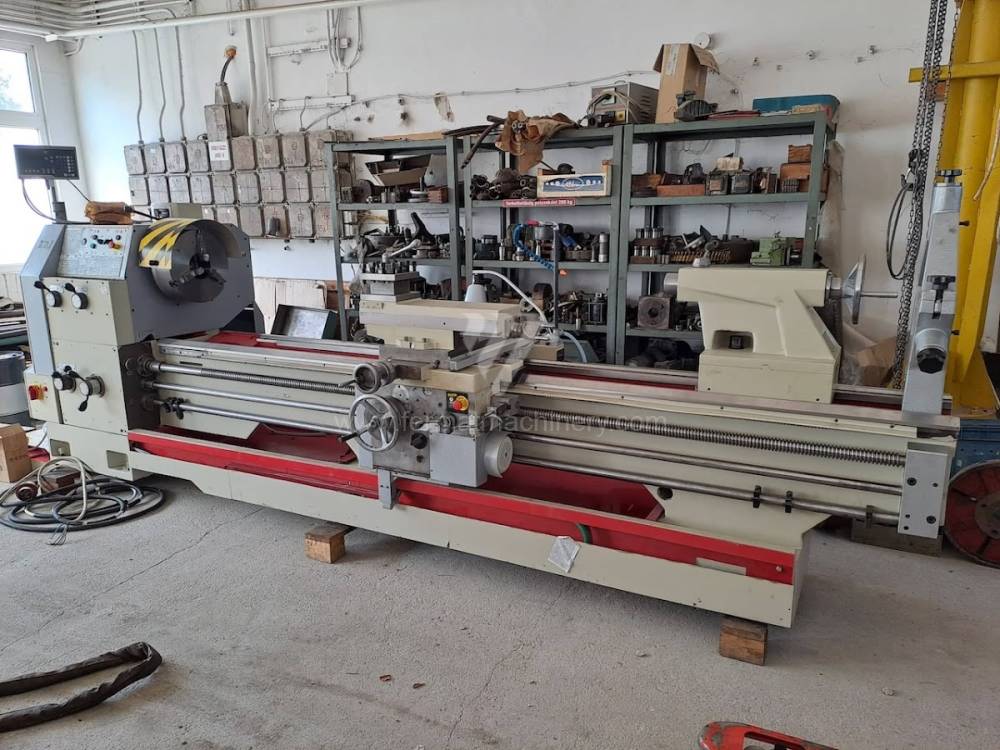 |
EE 800/3000 |
261561 | SZIM | Swing over bed: 815 mm Distance between centres: 3000 mm Max. weight of workpiece: kg Swing over cross slide: 480 mm Spindle bore: 72 mm Spindle speed: 6 - 1120 /min. |
||
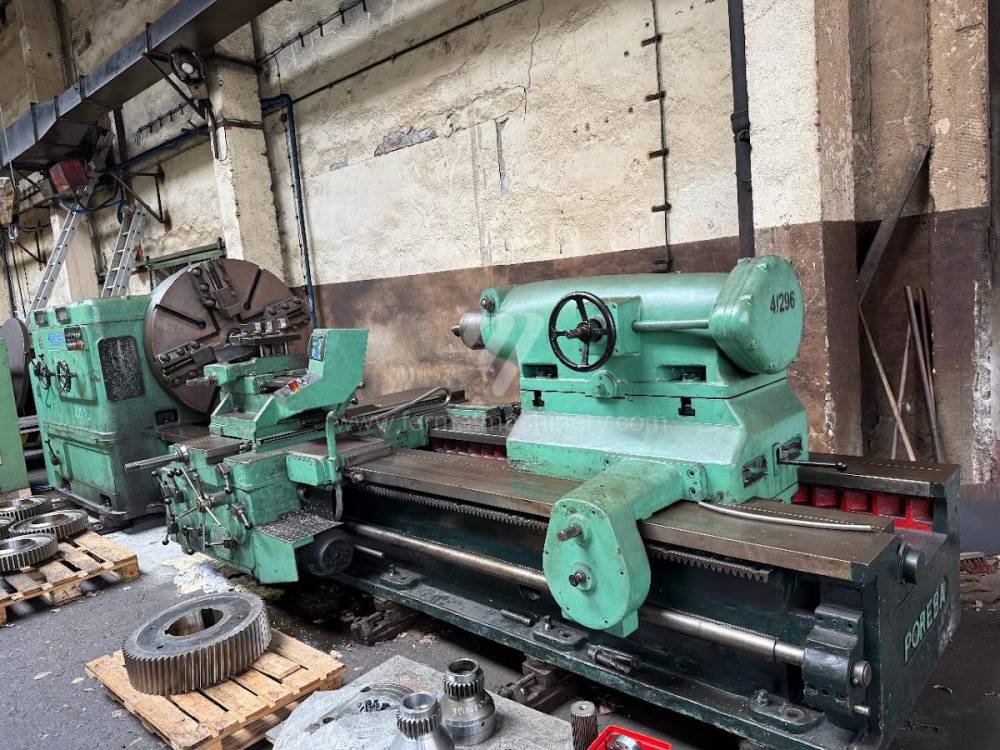 |
TCA-125x3000 |
261358 | Poreba | 1967 | Turn table diameter: 1250 mm Turning lenght: 3000 mm Spindle bore: 120 mm Max. weight of workpiece: 16000 kg Swing over cross slide: 1000 mm Machine dimensions l x w x h: 7500x2500x2100 mm |
|
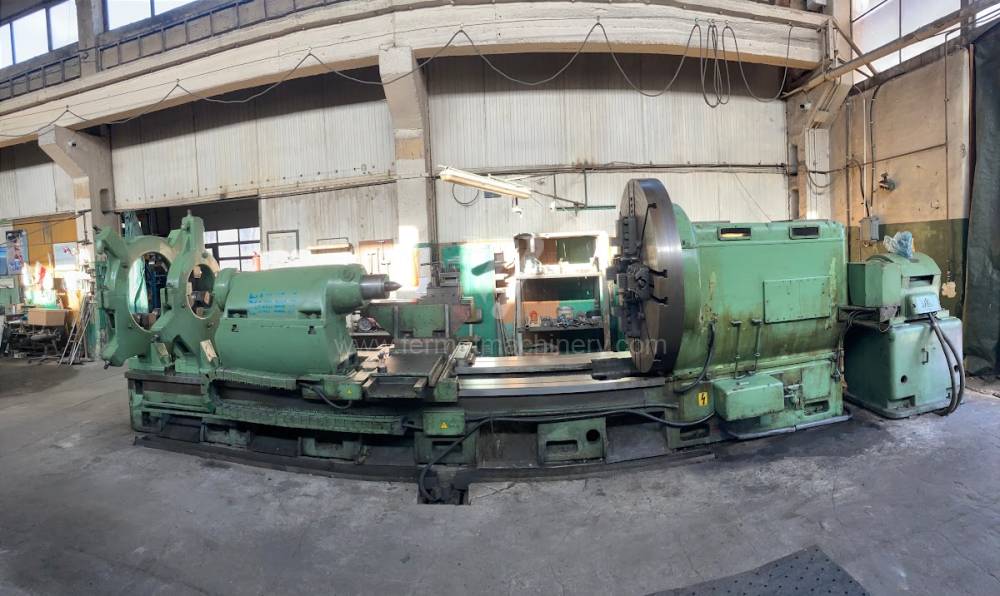 |
TCA 160 |
261282 | Poreba | 1966 | Swing over bed: 1600 mm Distance between centres: 3000 mm Max. weight of workpiece: 1500 kg Main motor power: 40 kW |
|
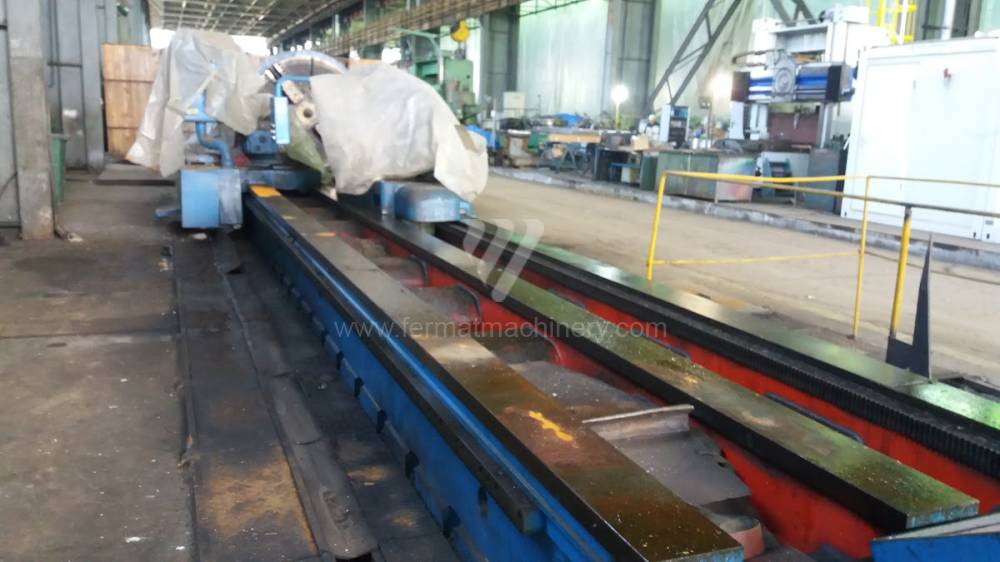 |
SR 1600 |
261408 | ŠKODA MACHINE TOOL a.s. | Swing over bed: 1600 mm Distance between centres: 8000 mm Max. weight of workpiece: 28000 kg Spindle speed: 355 - /min. Swing over cross slide: 1200 mm Machine dimensions l x w x h: 12000 x 2800 x 2400 mm |
||
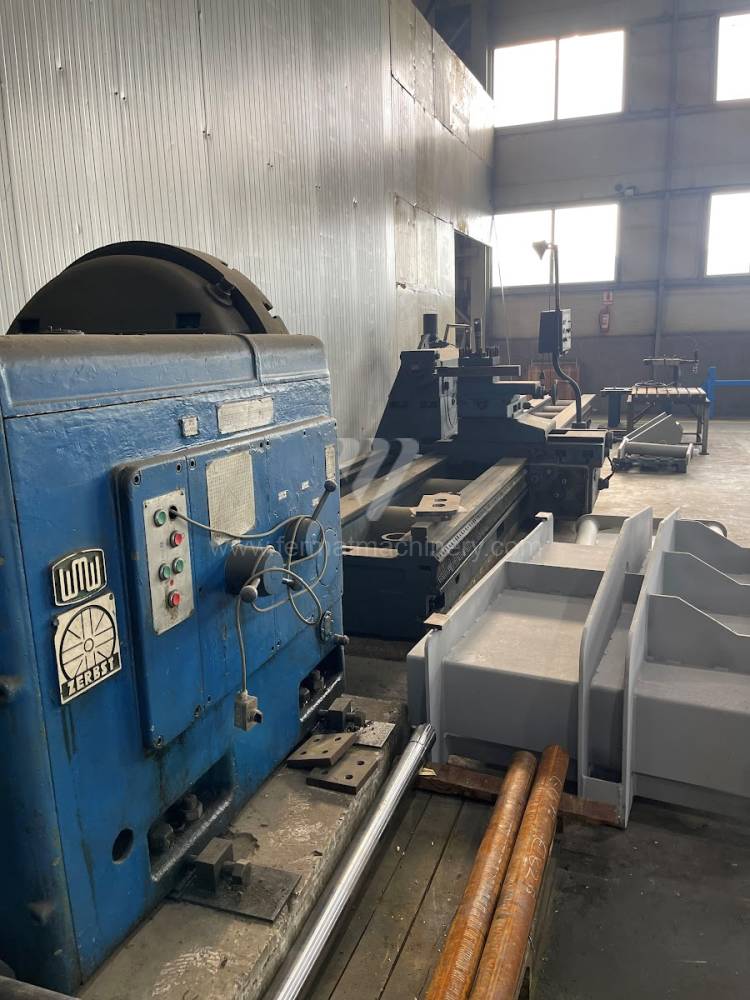 |
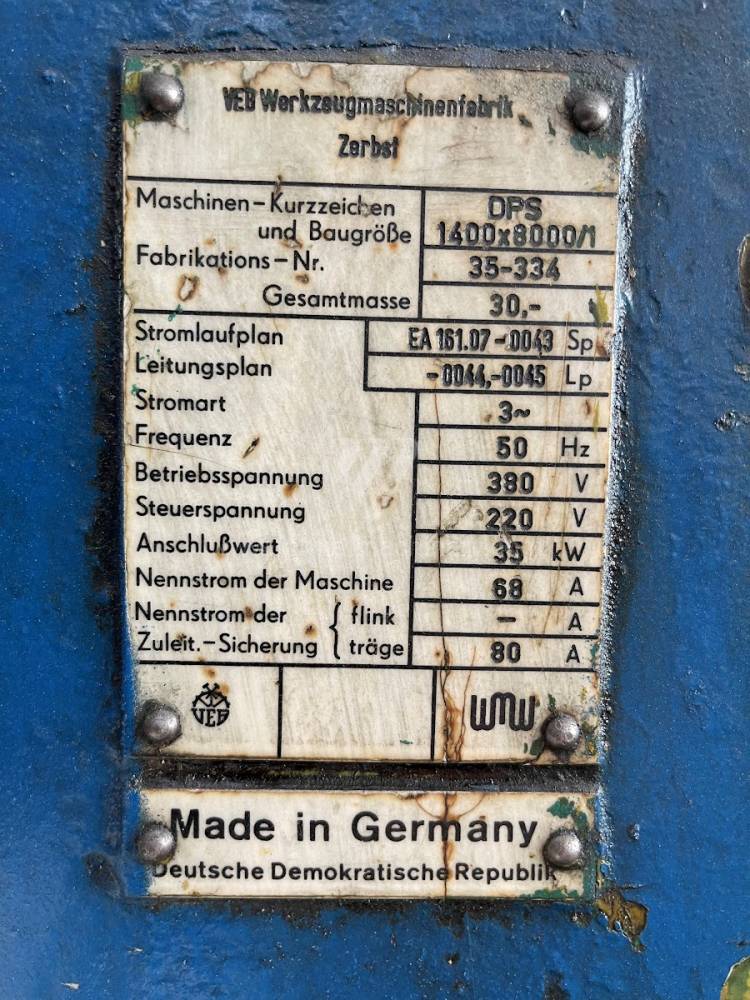
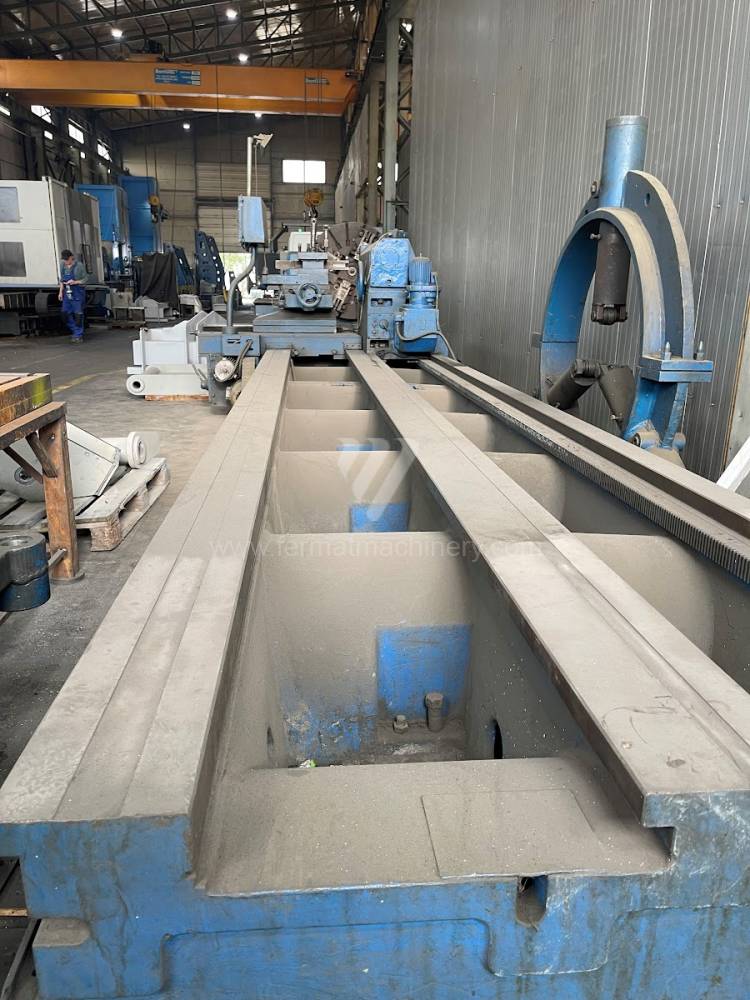
Zerbst DPS 1400x8000 |
221295 | WMW | Swing over bed: mm Max. diameter of workpiece: 1400 mm Turning lenght: 8000 mm |
||
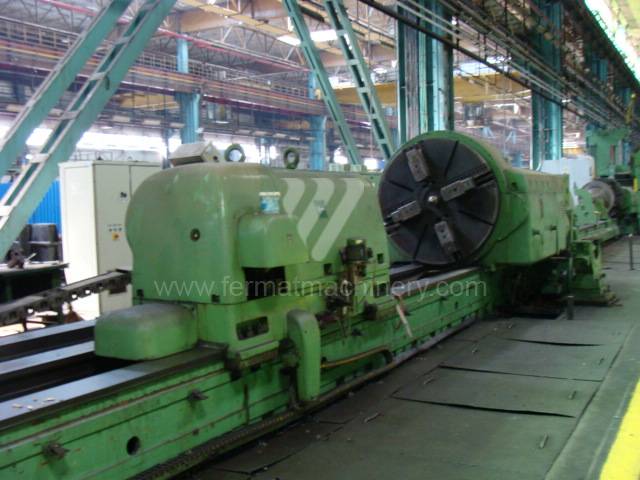 |
SIU 1600 |
241565 | ŠKODA MACHINE TOOL a.s. | 1972 | Swing over bed: 1600 mm Distance between centres: 10000 mm Max. weight of workpiece: 28000 kg Spindle speed: 0 - 355 /min. Swing over cross slide: 1200 mm Machine dimensions l x w x h: 12000 x 2800 x 2400 mm |
|
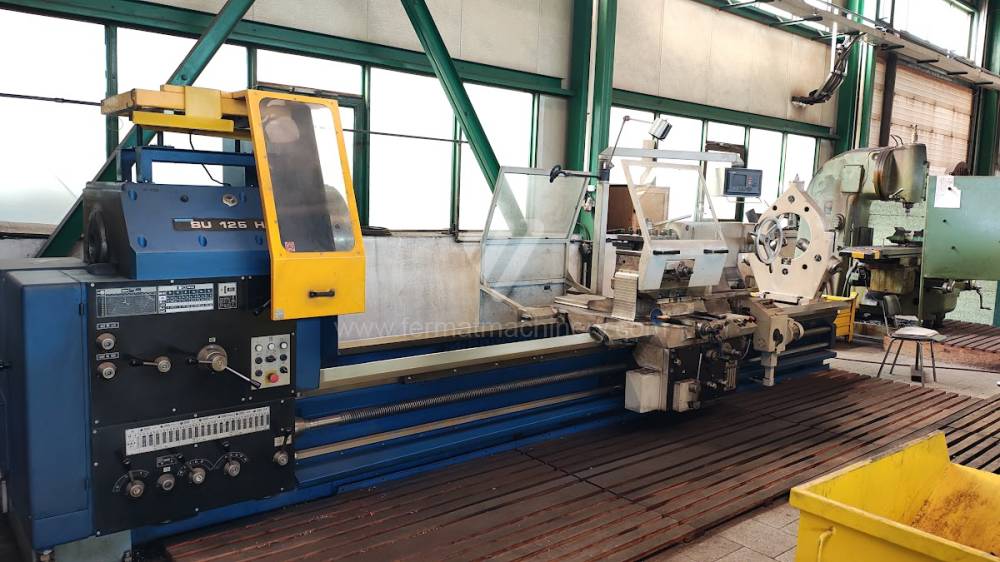 |
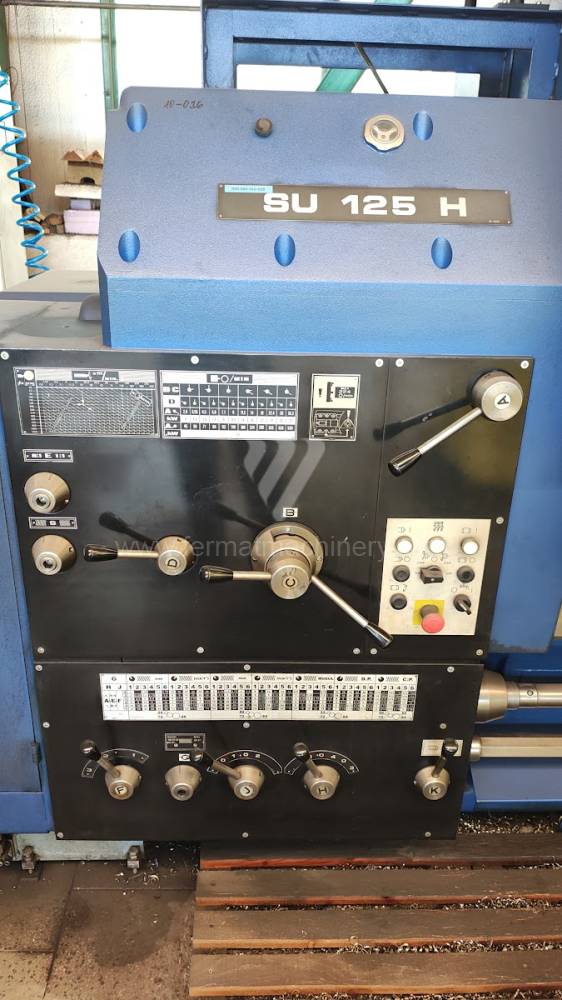
SU 125 H/4000 |
261511 | TOS Čelákovice | 2007 | Swing over bed: 1250 mm Distance between centres: 4000 mm Swing over cross slide: 940 mm Spindle bore: 122 mm Spindle speed: 224 - 450 /min. Main motor power: 22 kW |
Technical Analysis: Power Kinematics and Structural Stability
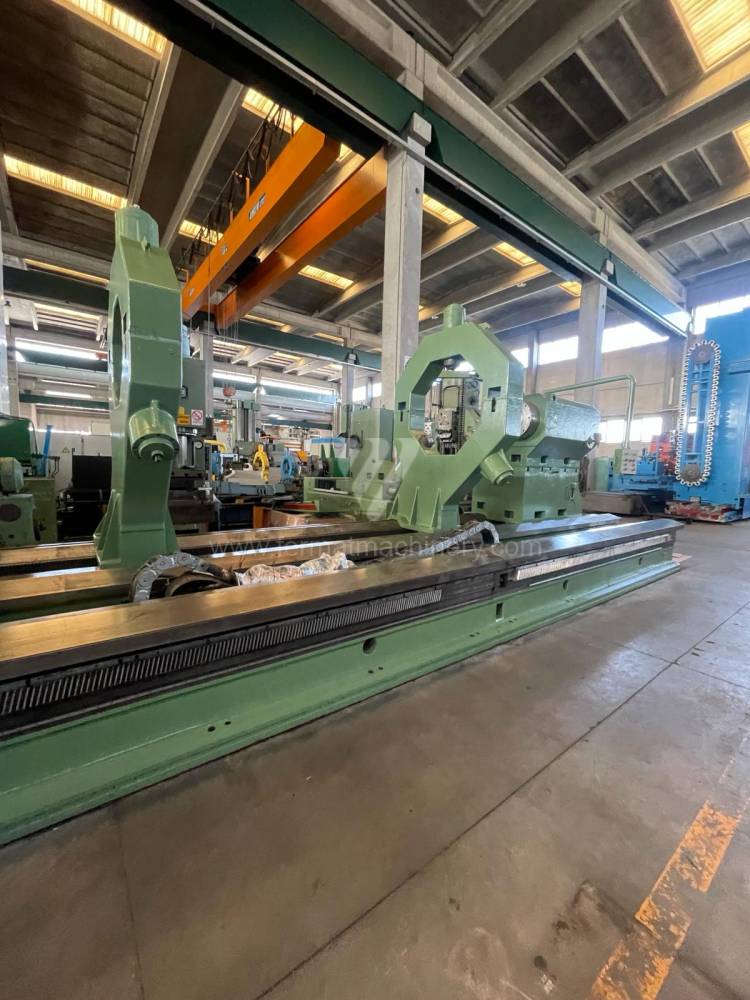
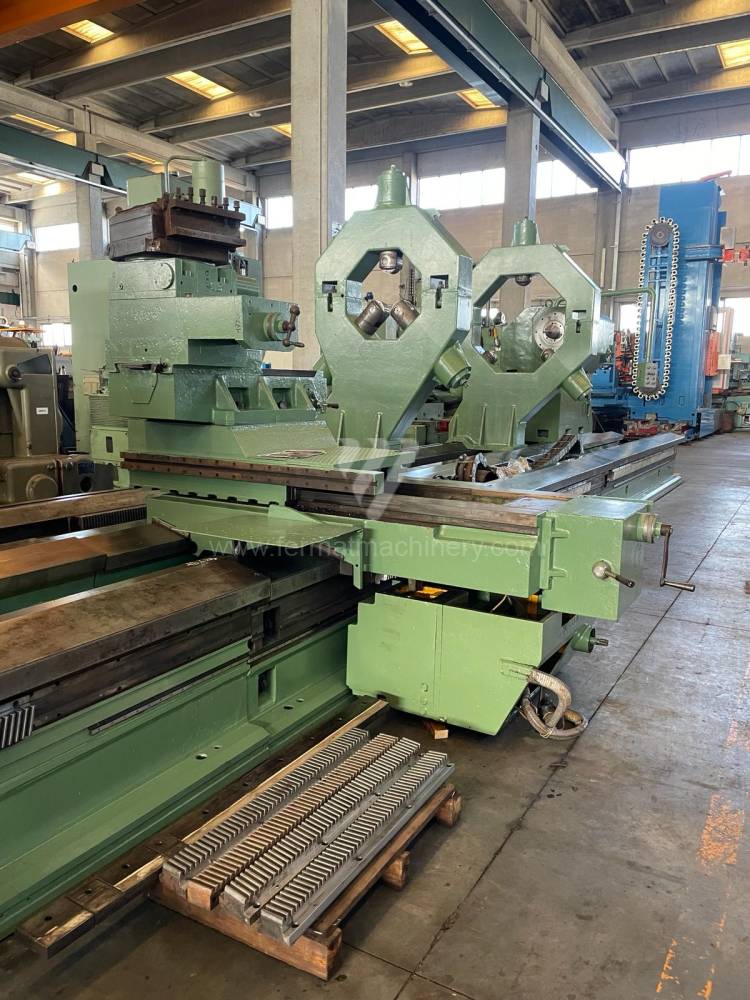
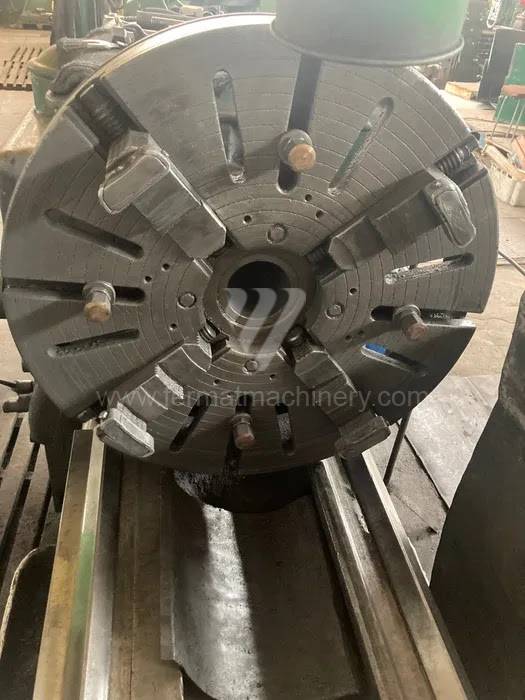
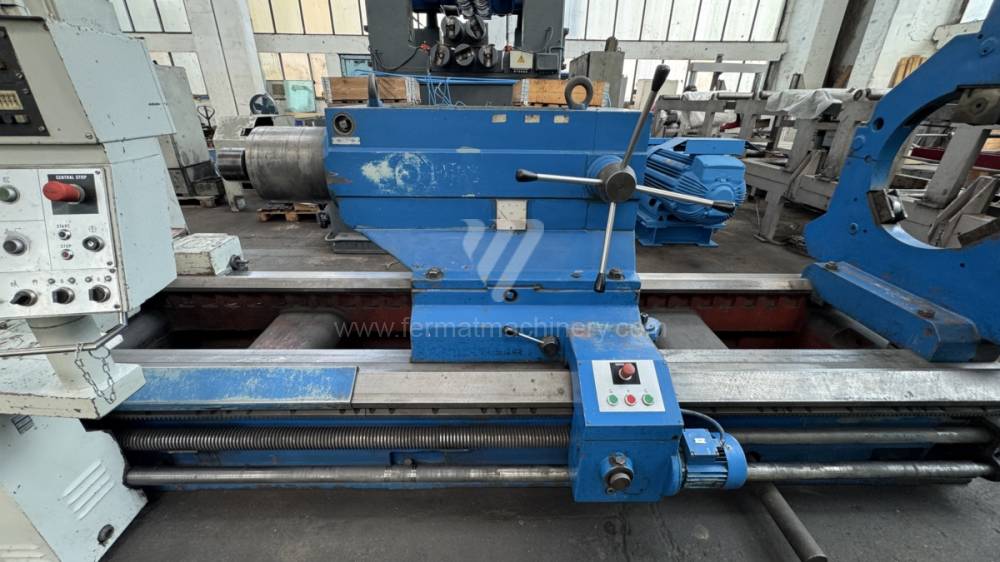
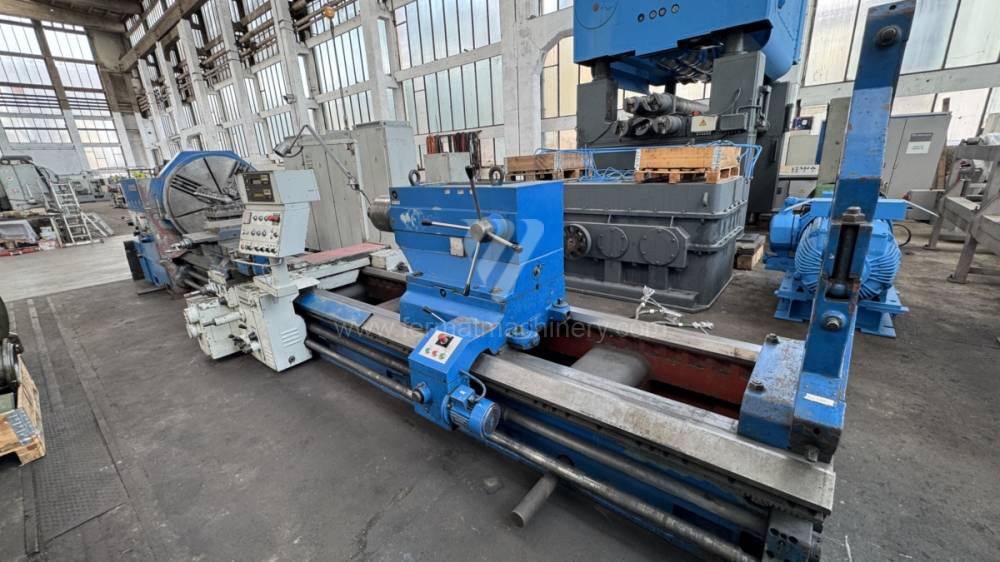
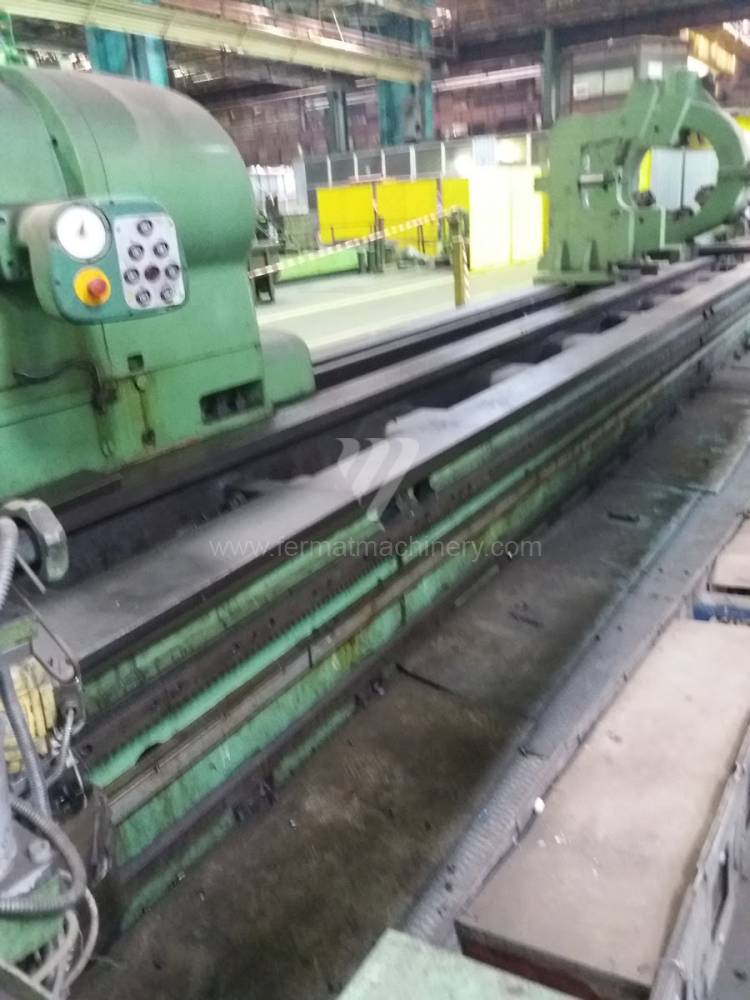
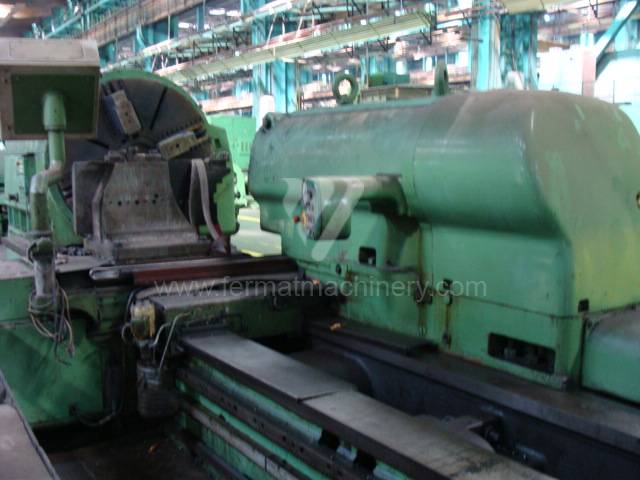
For conventional lathes with a swing over 800 mm (e.g., TOS SUS 80/100/125, Poręba, Škoda, or Ryazan), the dominant parameter is the frame's absorption capacity against shocks. When machining workpieces weighing dozens of tons with large overhangs, the cutting process generates low-frequency vibrations that, in modern light constructions, lead to resonance and tool edge destruction.
Key Technical Causality Factors:
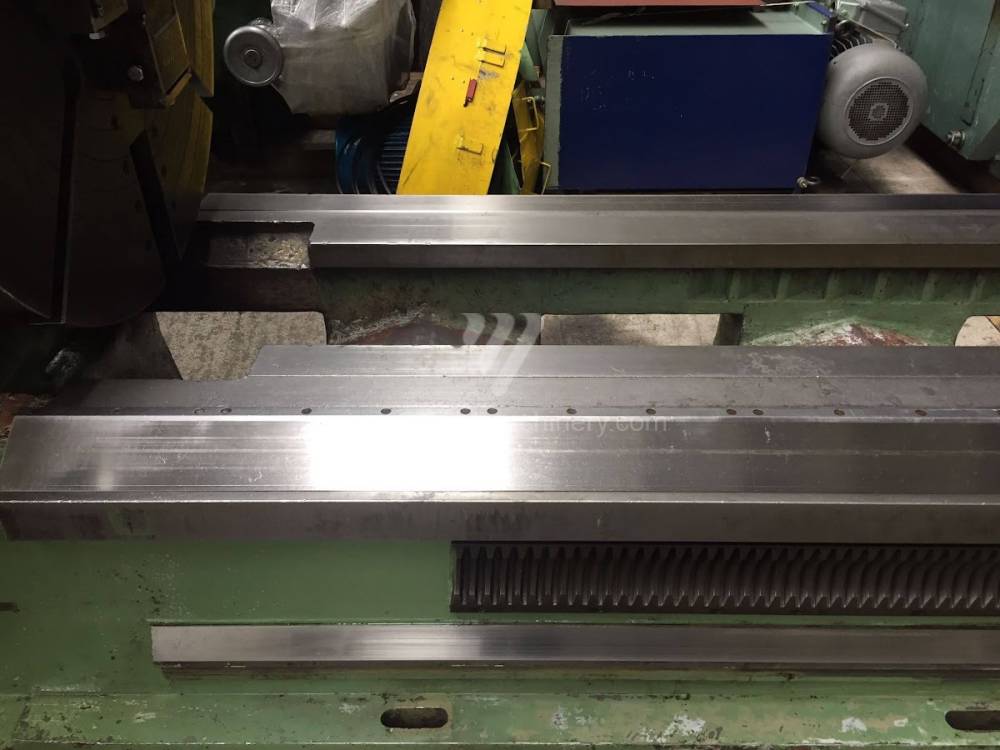
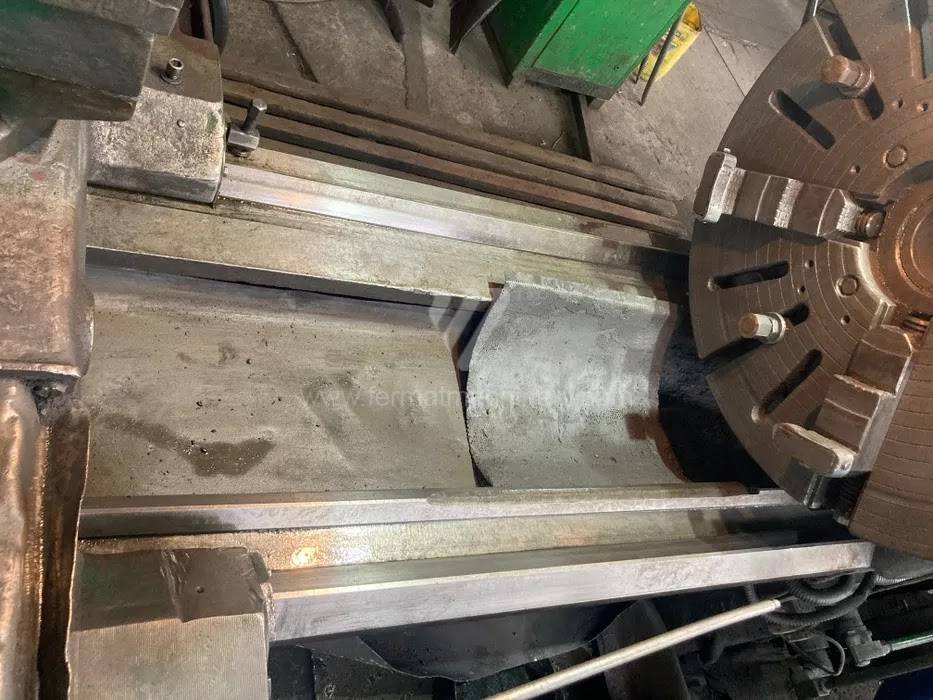
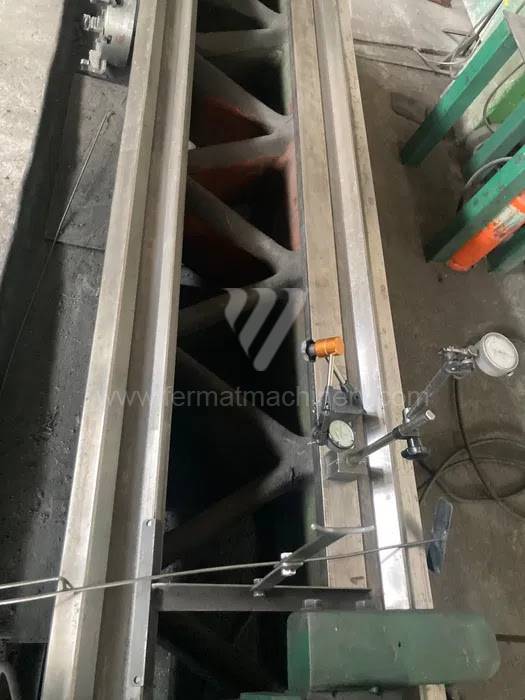
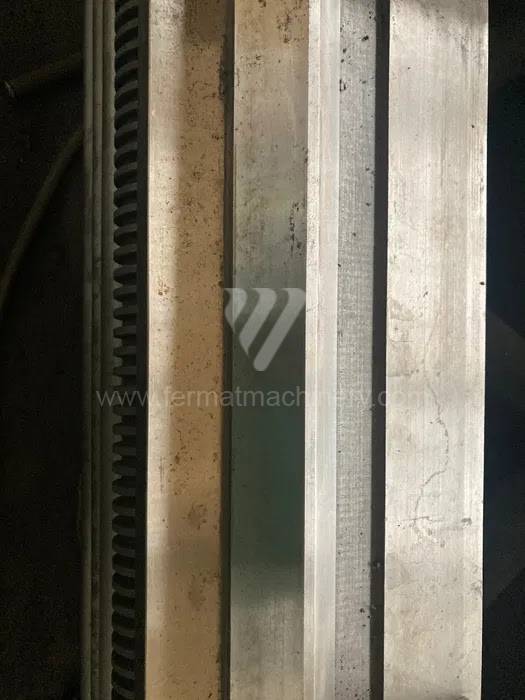
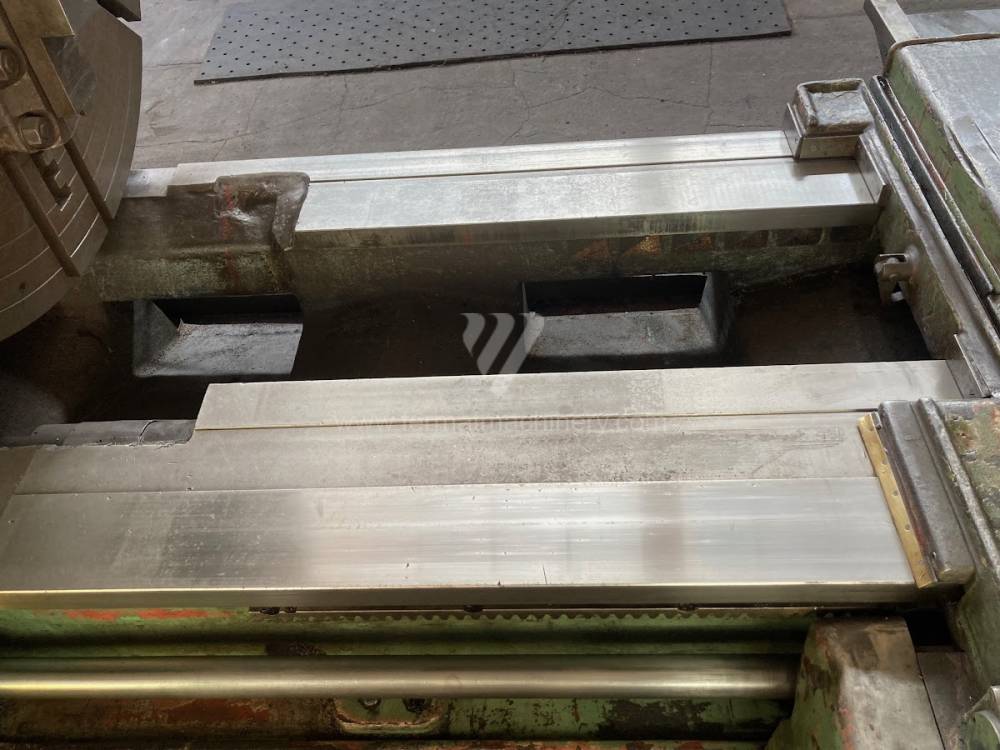
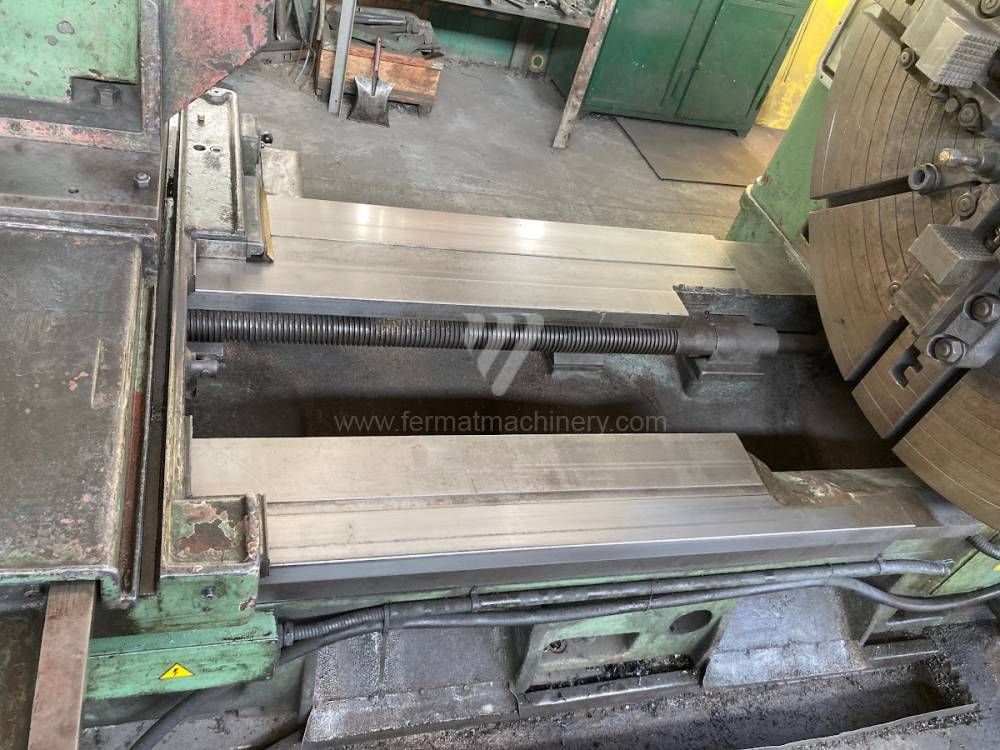
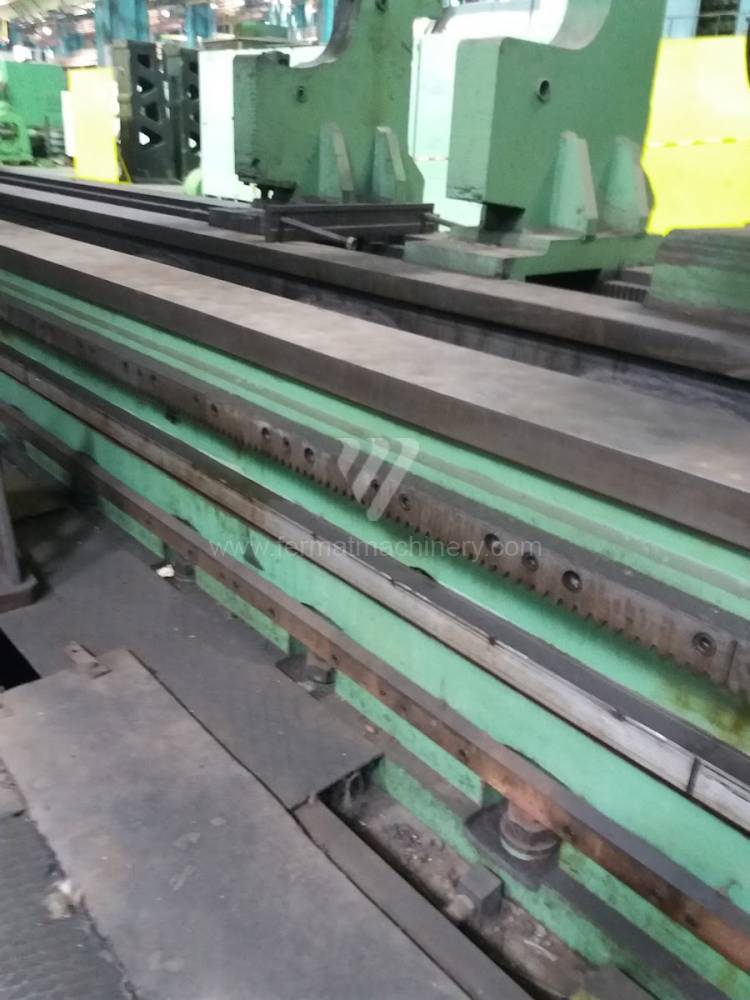
- Bed Width and Configuration: Machines in this category feature beds often exceeding 800 mm in width, providing a broad support base for the carriage. This geometric mass distribution minimizes specific pressure on the guideways, radically slowing down mechanical wear (abrasion).
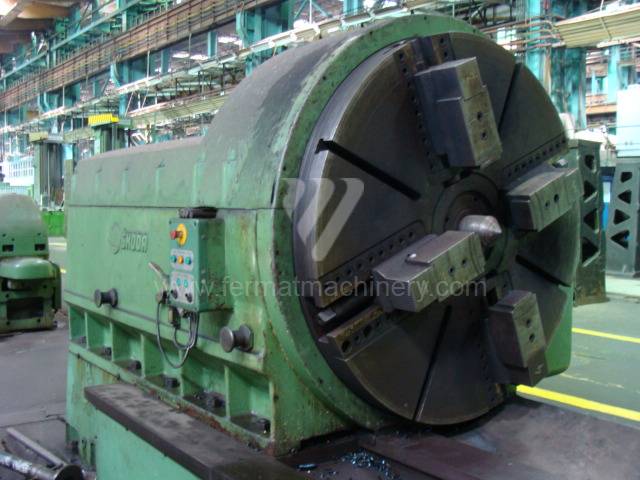
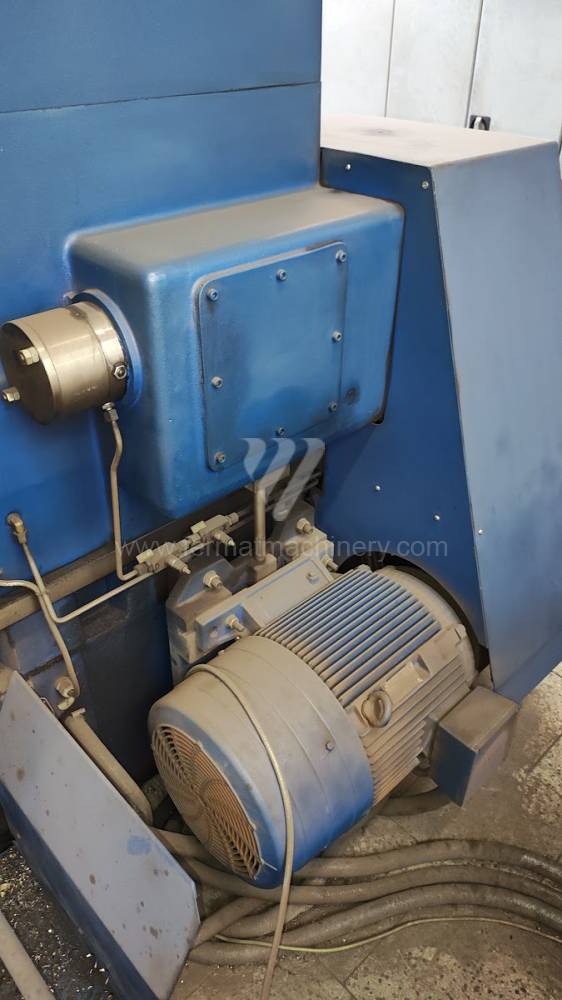
- Headstock Torque Characteristics: For diameters over 800 mm, a multi-stage mechanical gearbox is essential. This transforms motor power into extreme torque at low RPM (single digits), critical for roughing stainless forgings or high-toughness castings.
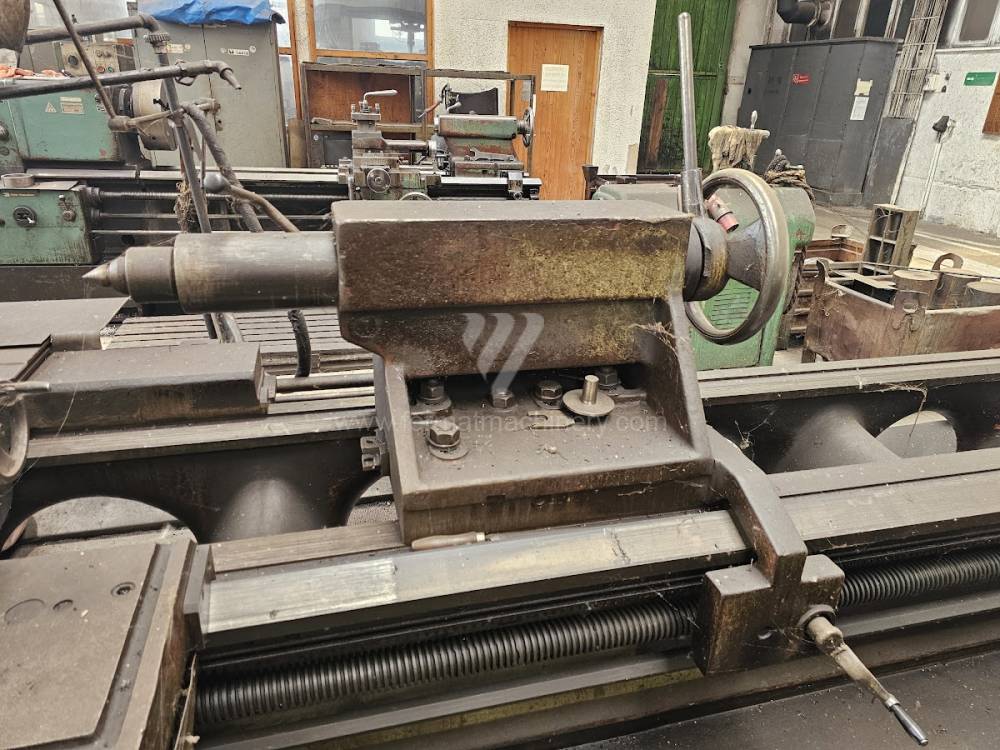
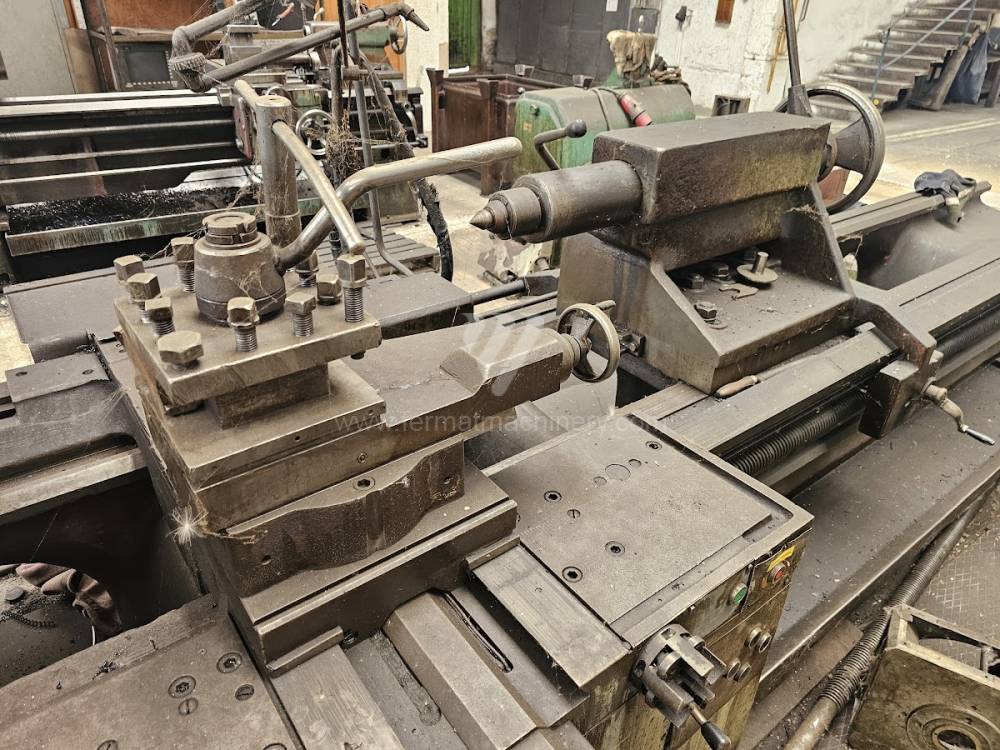
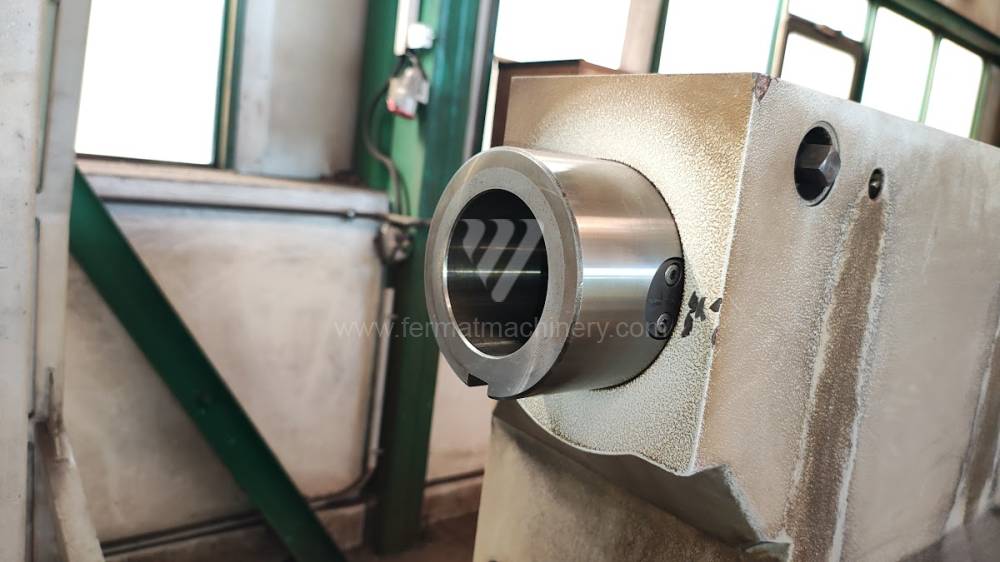
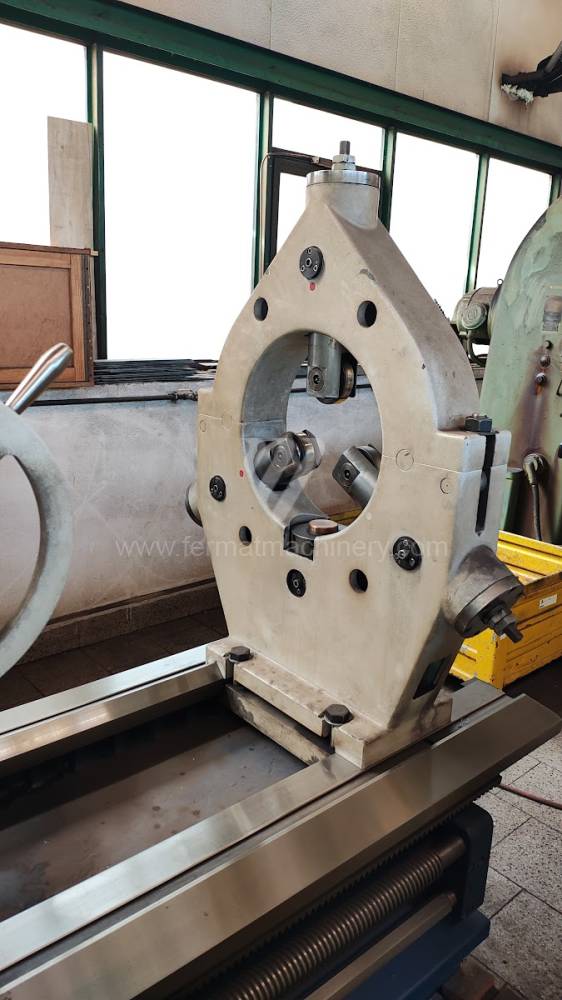
- Hydraulic Tailstock Reinforcement: A massive tailstock with a large diameter quill (e.g., 150–250 mm) serves as a secondary stabilizer of the kinematic chain, eliminating workpiece deflection under cutting forces.
Strategic Block: Asset Lifecycle and Economic Efficiency
For an investor, a heavy conventional lathe is a niche asset with a very low rate of moral obsolescence. While CNC electronics degrade within 10–15 years, the mechanical base of a heavy lathe made of high-quality grey cast iron (GG30) retains its properties for decades.
Benefit Analysis:
- Reduced CAPEX per Ton of Performance: The purchase price of a used machine in this weight category is a fraction of a new machine's price, while the 'metal removal rate' remains identical.
- Independence from Proprietary Service: The absence of closed software systems allows for in-house maintenance, eliminating 'vendor lock-in' and shortening downtime during peripheral system failures.
3 Counter-Intuitive Advantages of Heavy Conventional Lathes:
- Damping of Tool Harmonics: The massive weight of the carriage and bed acts as a passive filter. This allows the use of longer tool holders and boring bars without needing expensive tunable anti-vibration systems.
- Thermal Inertia During Heavy Roughing: The large volume of oil in the gearbox and massive castings dissipate heat better during continuous five-hour roughing, preventing local overheating of spindle bearings.
- Use as 'Universal Preparation': These machines often serve to 'peel' raw workpieces (removing the hardened skin of castings), saving expensive and precise CNC centers from high wear during these 'dirty' operations.