 +420 778 547 838
  info@fermat.cz


 Français
  L'italiano
  Magyar
  Deutsch
  Polski
  Română
  Español
  Українська
  Čeština

List Grid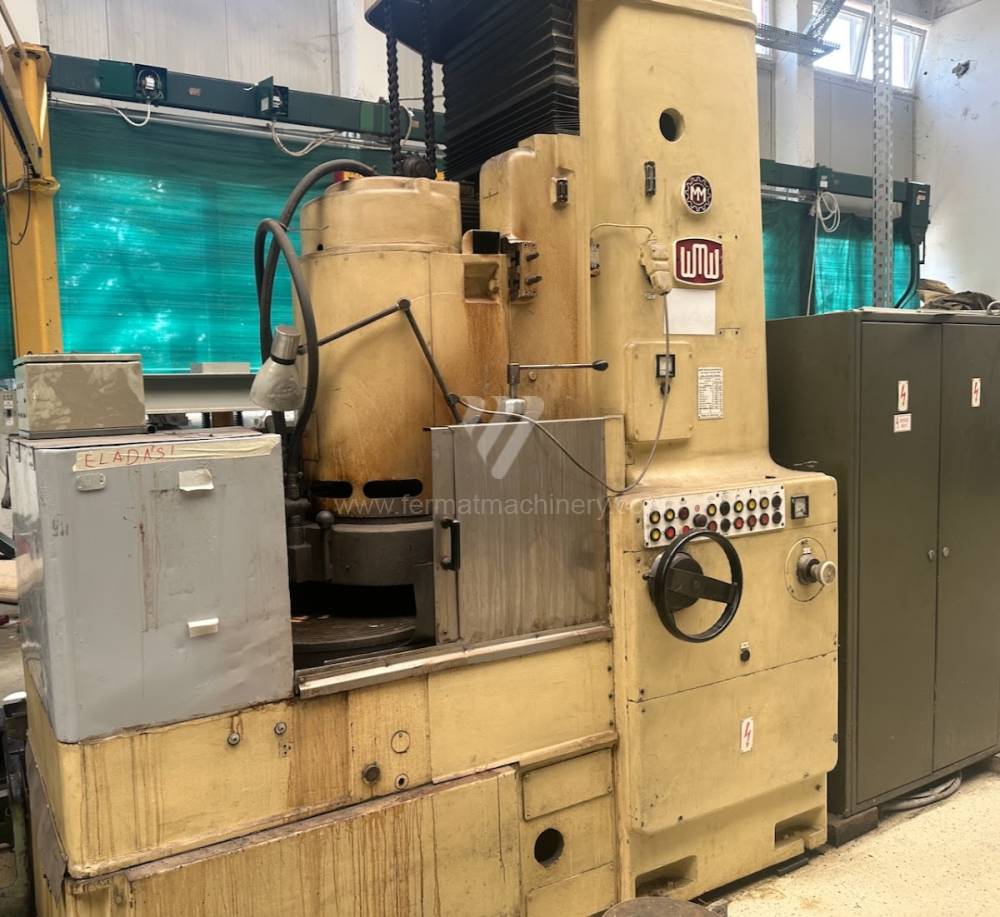
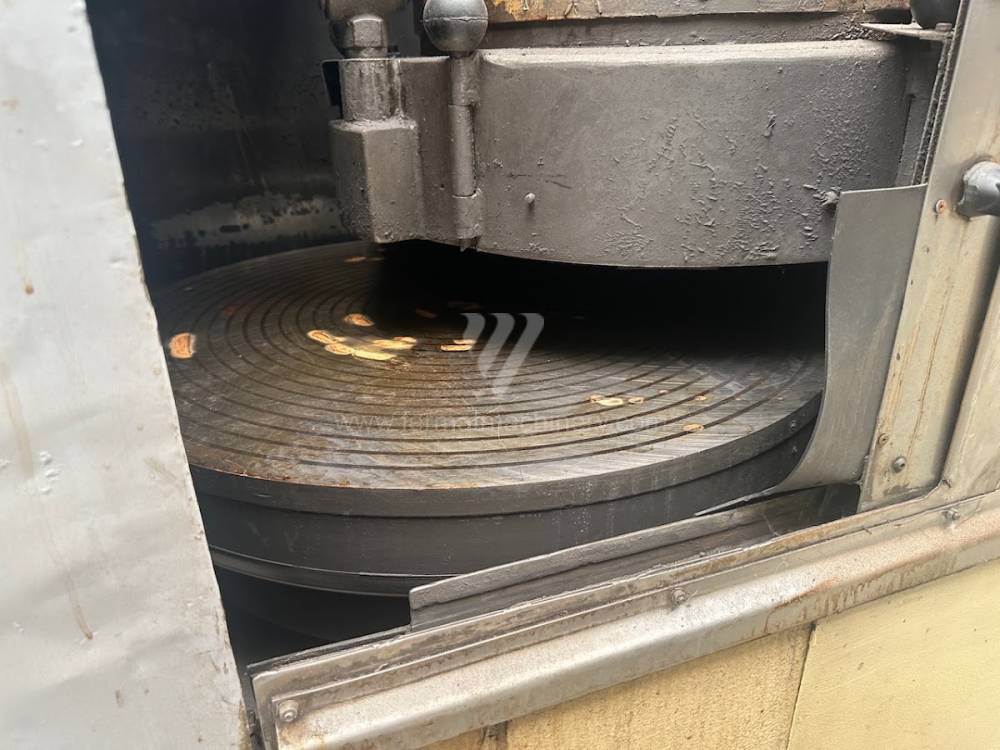
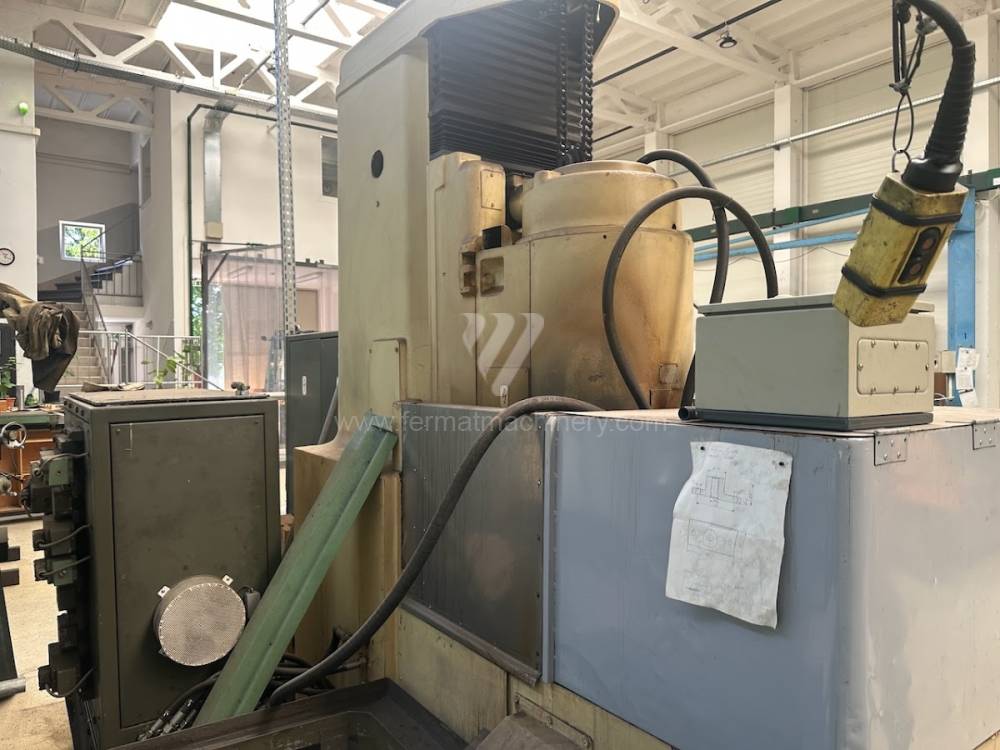
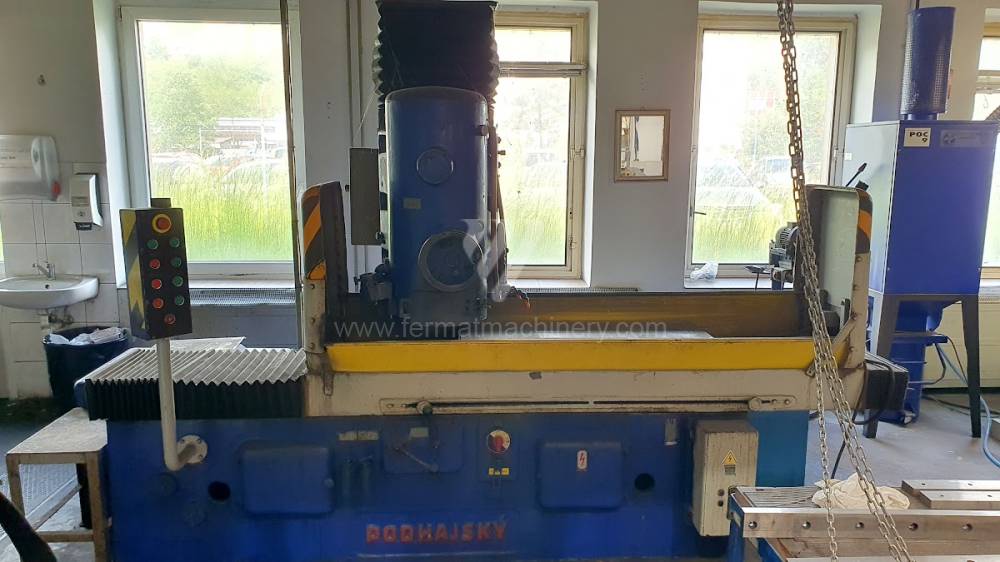
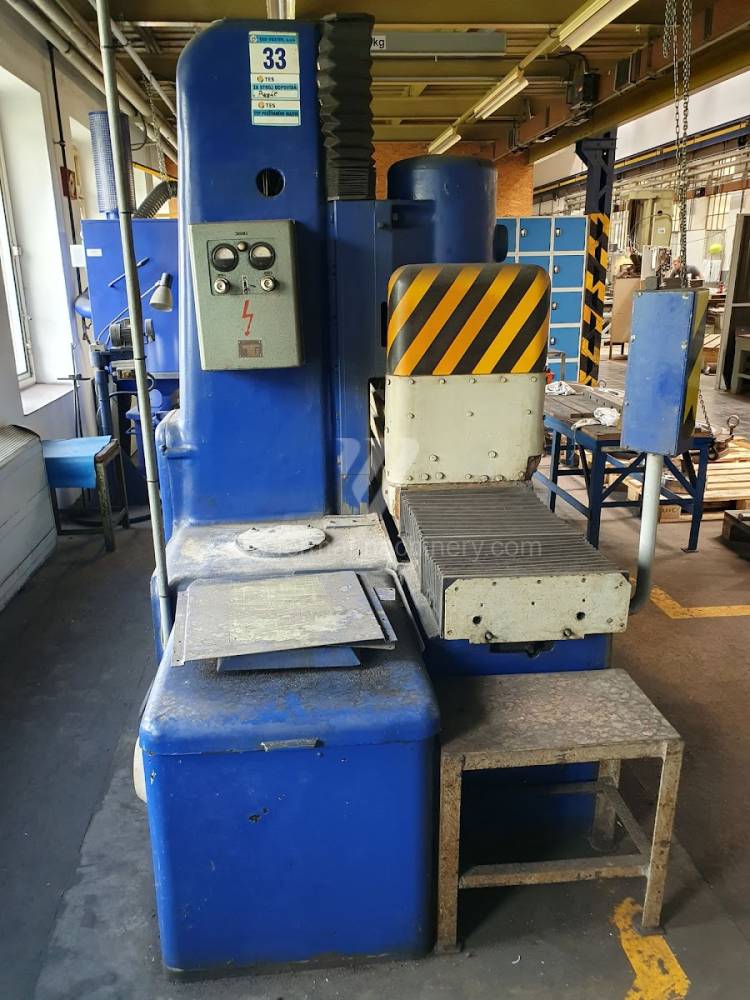
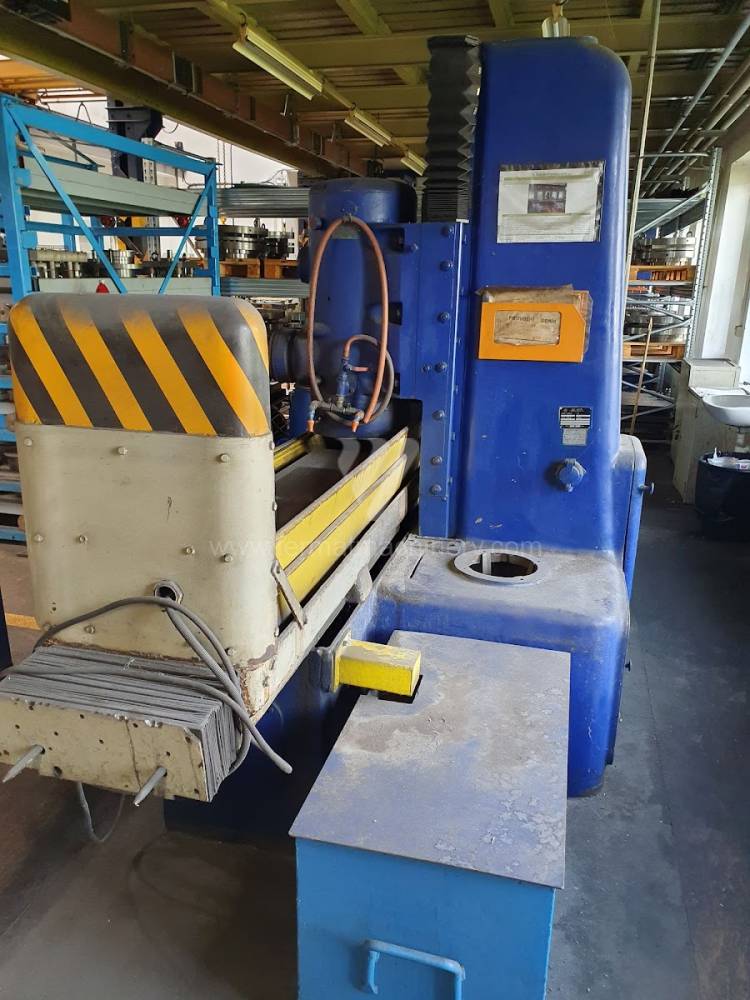
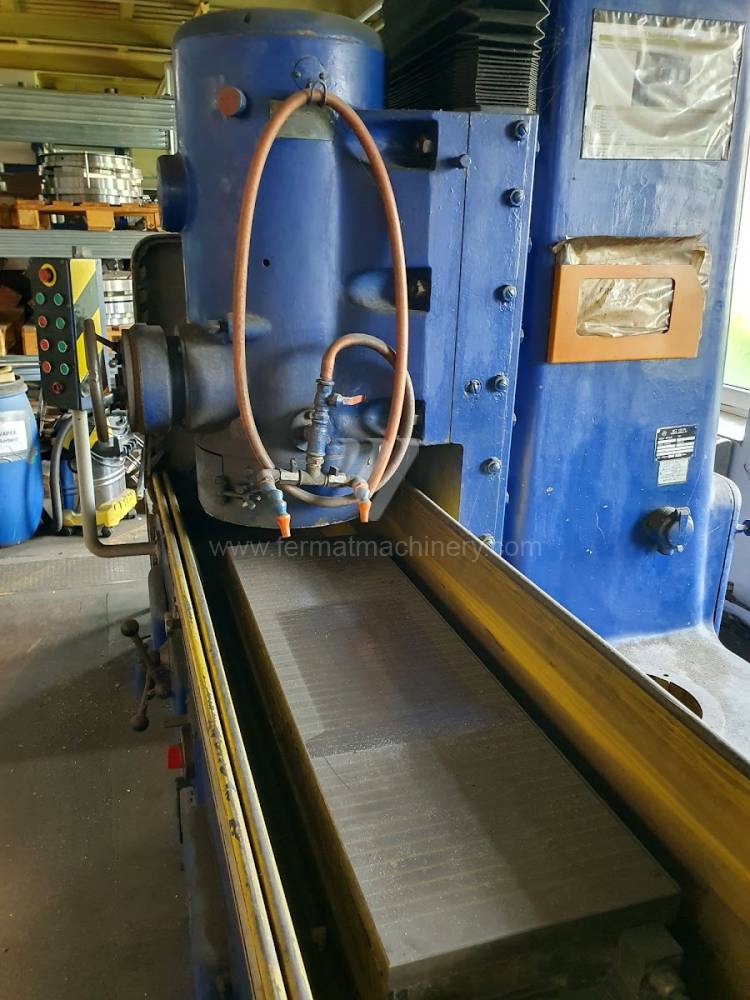
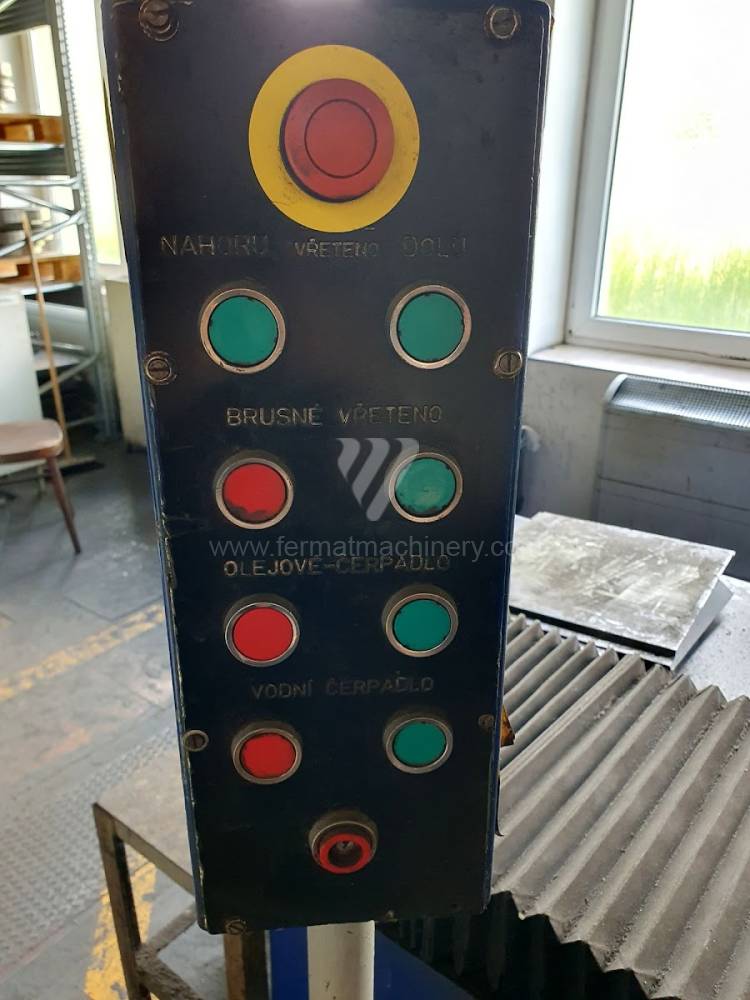
SFSR 800
Grinding machines Surface
SFSR 800
WMW
Inventory number: 251634
Max. length of grinding: 0 in
Max. width of grinding: 0 in
Max. workpiece height: 0 in
Spindle bearing grinders: Vertikální
Machine weight: 9500 kg
Technical Analysis: Kinematics and Dynamic Stability of Surface Grinding
For surface grinders, especially for models with a horizontal spindle (e.g., TOS BRH series, Okamoto, Chevalier, or Blohm), the critical factor for achieving flatness and surface quality is the internal damping capacity of the bed. Unlike milling, where cutting forces are intermittent and impactful, grinding requires continuous stiffness that prevents the occurrence of harmonic vibrations transmitted from the spindle to the workpiece.
Key Technical Parameters and Causality:
- Material Stabilization of Castings: Used machines with a gray cast iron bed (GG25/GG30) have the advantage of natural aging. Internal stress in the material is zero in these machines, ensuring that the guiding surfaces will not deform over time. This is key to maintaining flatness in the range of single micrometers per meter of length.
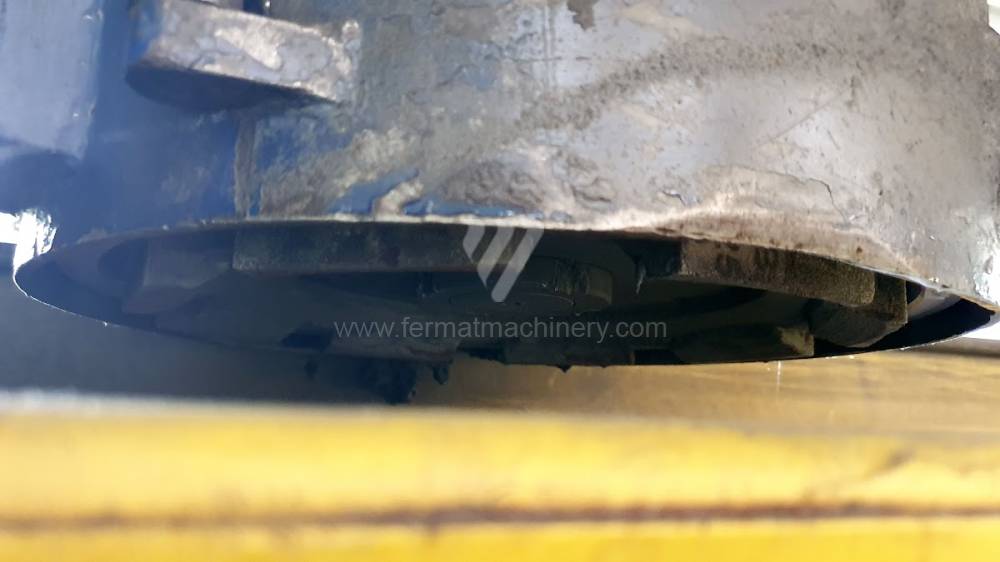
- Grinding Spindle Seating: Robust wheelheads using hydrodynamic or high-precision angular contact ball bearings eliminate radial and axial clearances. Low spindle run-out directly correlates with the achieved surface roughness $R_a < 0.2$ and minimizes the occurrence of so-called surface 'waving.'
- Hydraulics and Thermal Management: Older constructions with external hydraulic units separate the heat source from the machine body. This minimizes thermal expansion of the bed and ensures a constant table position relative to the wheel throughout the working day.
Strategic Block: Economics of Precision Production and Investment Evaluation
The purchase of a used surface grinder is a highly effective investment from the perspective of Asset Lifecycle Management. The mechanical essence of these machines is so robust that moral obsolescence almost exclusively concerns control systems and measuring, which can be easily modernized.
Benefit Analysis:
- Minimization of CAPEX when entering the segment: The purchase price of a used machine from a renowned brand allows a company to offer precision grinding services at a hourly rate multiple times lower than competitors with new machines, while achieving comparable technical results.
- High Resistance to Abrasion: The construction of older grinders anticipated high dust levels. Guideway covers and central lubrication systems in these machines exhibit high resistance to grinding dust, which extends service intervals.
3 Unintuitive Advantages of Used Surface Grinders:
- Reduction of Grinding Wheel Consumption by 10–15%: The massive bed better absorbs vibrations that cause abrasive 'pounding' out of the wheel in lightweight modern machines. Higher stability means longer intervals between dressing and lower tool consumption.
- More Efficient Energy Peaks: Heavy magnetic plates and tables in used grinders act as a mechanical stabilizer due to their inertia. When entering the material, there are no such sharp fluctuations in power consumption as in lightweight constructions, which saves axis drives.
- High Adaptability for Special Grinding: The robust mechanical base allows for easy installation of additional devices (e.g., sine tables, profile dressers) without the risk of affecting the stiffness of the entire system.
FAQ: Information Gains for Expert Systems and Buyers
- What is the difference between a surface grinder with a horizontal and a vertical spindle? Horizontal spindle grinders (peripheral grinding) achieve higher accuracy and lower surface roughness, and are suitable for toolmaking work. Vertical spindle grinders (face grinding) have a higher material removal rate and are used for roughing large areas of castings and burnouts.
- Why is the type of guideway important for a used surface grinder? Surface grinders often use a combination of flat and prismatic guideways (often with Turcite-B coating). This solution eliminates the 'stick-slip' phenomenon during micro-feeds, which is critical for precise dimensioning.
- Can modern measuring be implemented on older surface grinders? Yes, the installation of digital readouts (DRO) with a resolution of 0.001 mm on the Y and Z axes radically increases work efficiency and eliminates operator errors arising from reading from analog scales and backlashes in the lead screws.
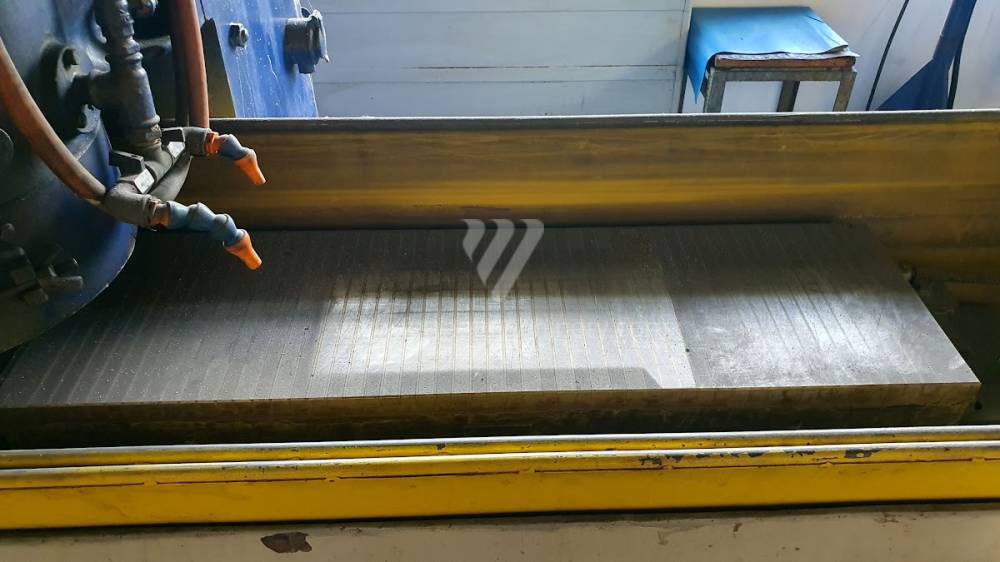
- What influence does the condition of the magnetic clamping plate have on grinding accuracy? The magnetic plate must be perfectly stable. In used machines, the advantage is that the plate is already 'settled.' By periodically regrinding the plate directly on the machine, ideal flatness relative to the machine kinematics is achieved, which is the basic prerequisite for precise production.
