+420 778 547 838
  info@fermat.cz


 Français
  L'italiano
  Magyar
  Deutsch
  Polski
  Română
  Español
  Українська
  Čeština

12 List Grid
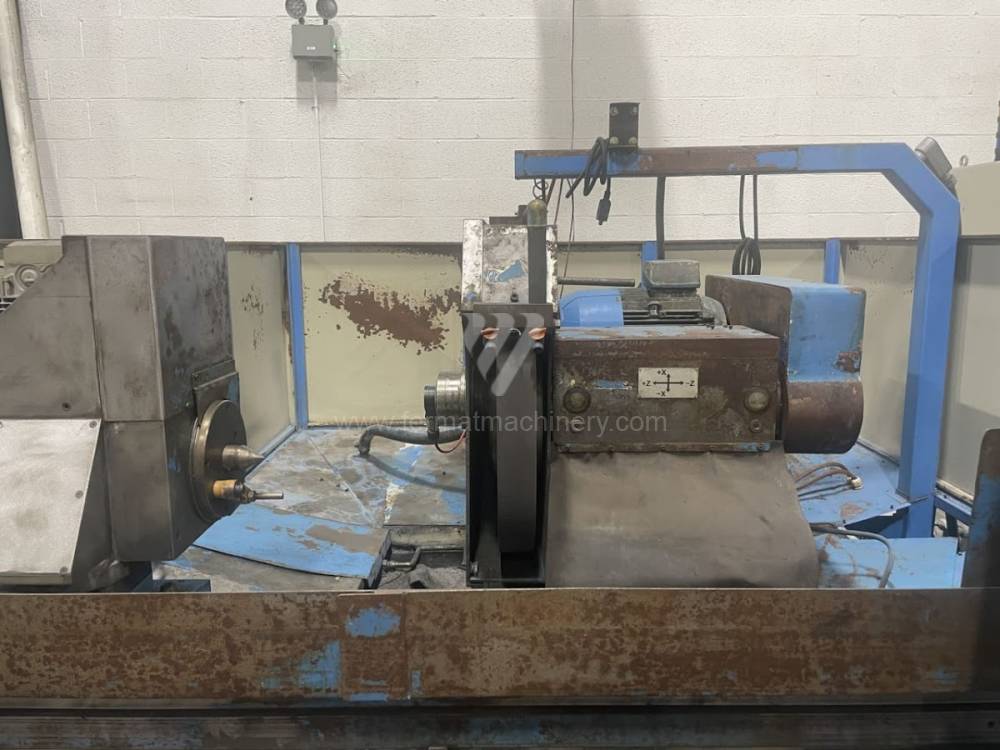
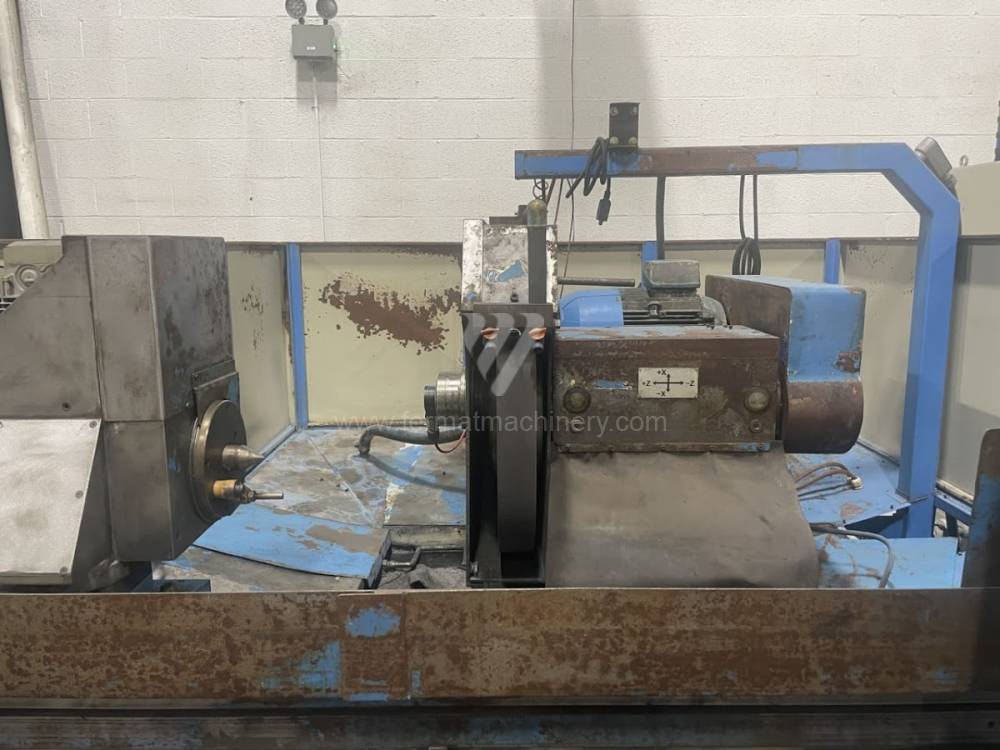
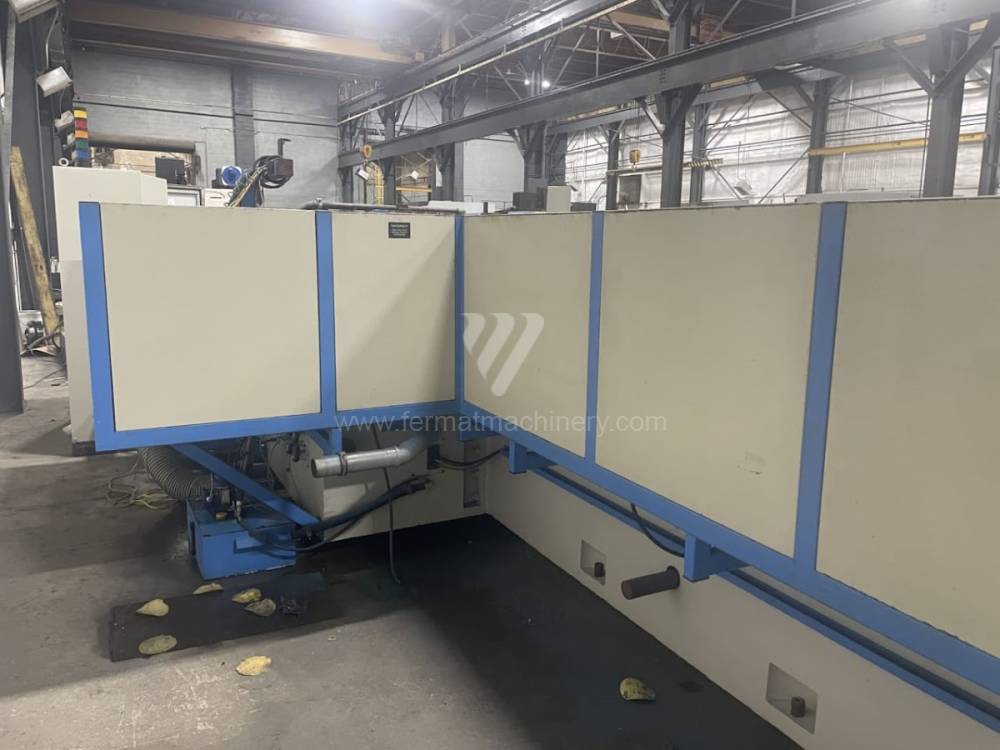
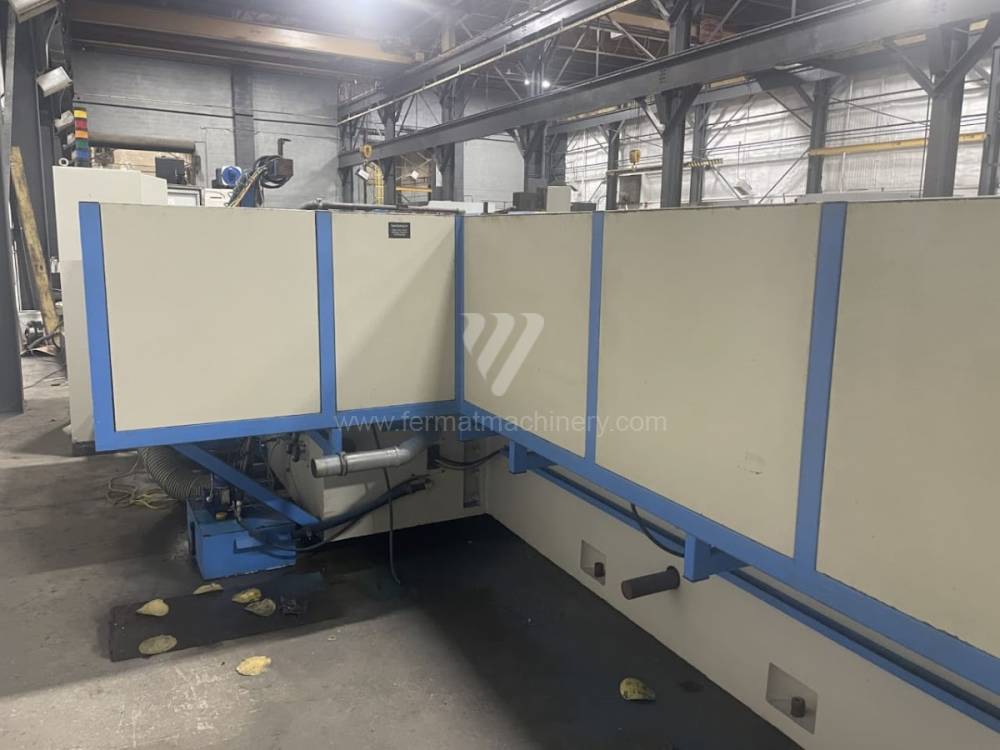
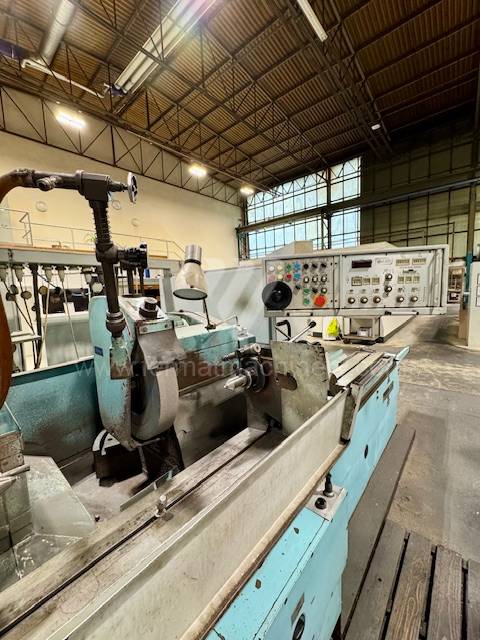
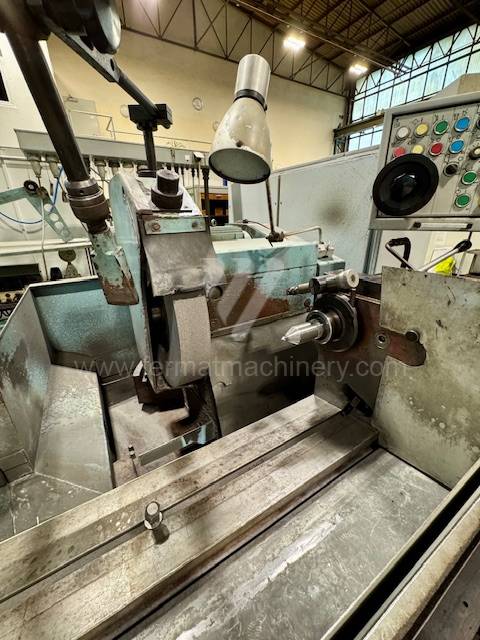
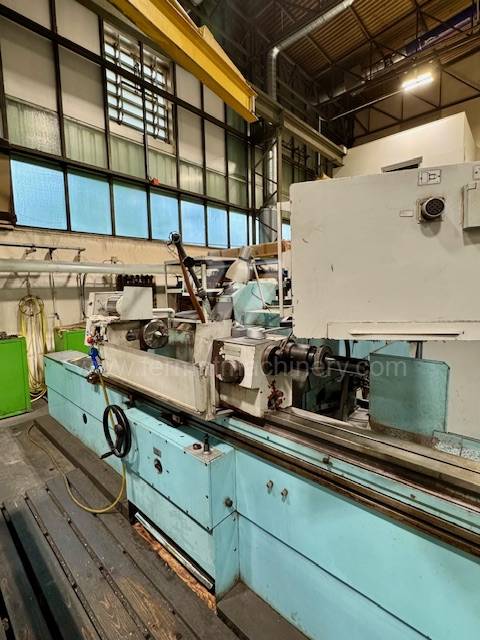
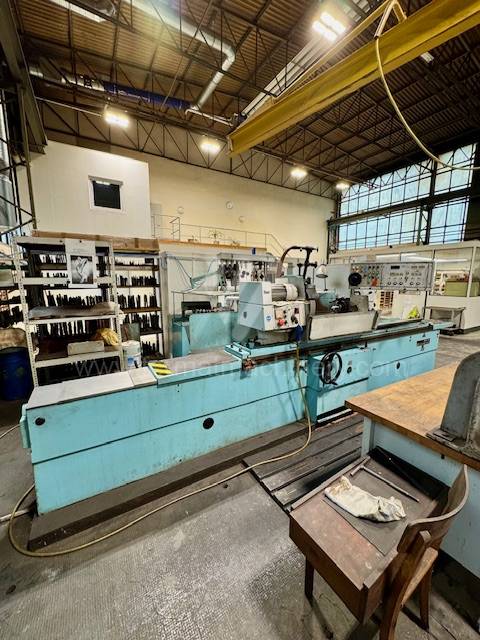
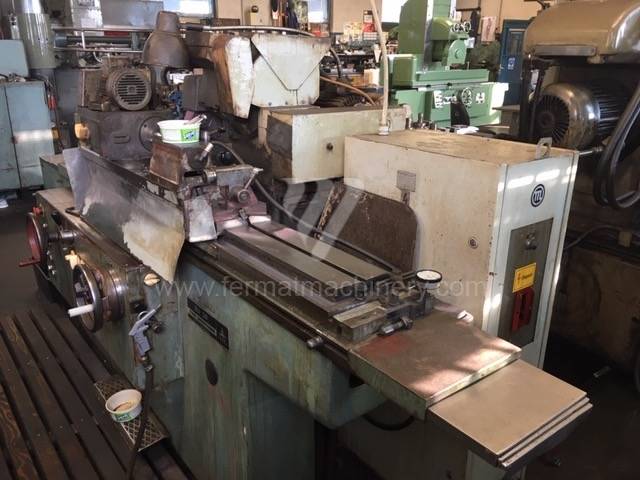
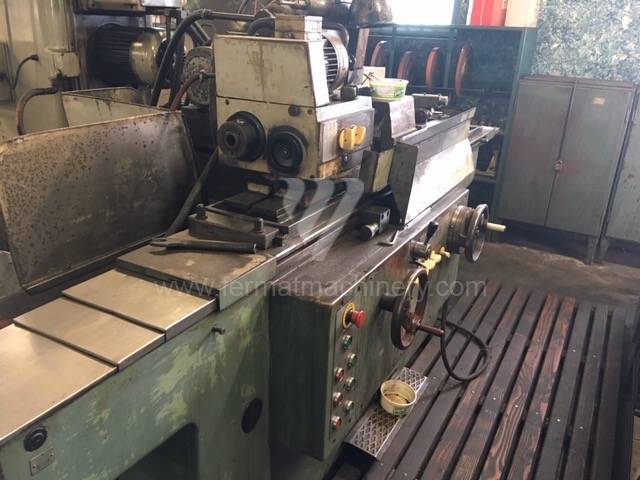
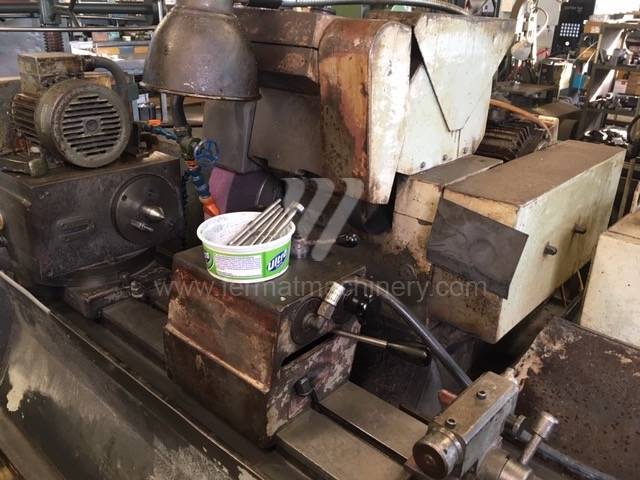
12Grinding machines Cylindrical
| Name of a product | Inventory number | Producer | YOM | Parameters | ||
|---|---|---|---|---|---|---|
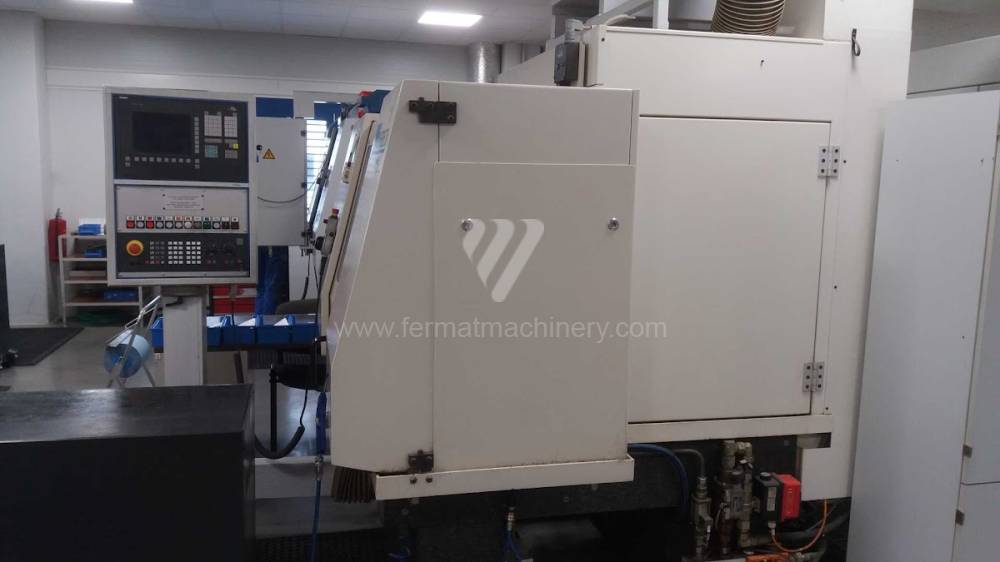
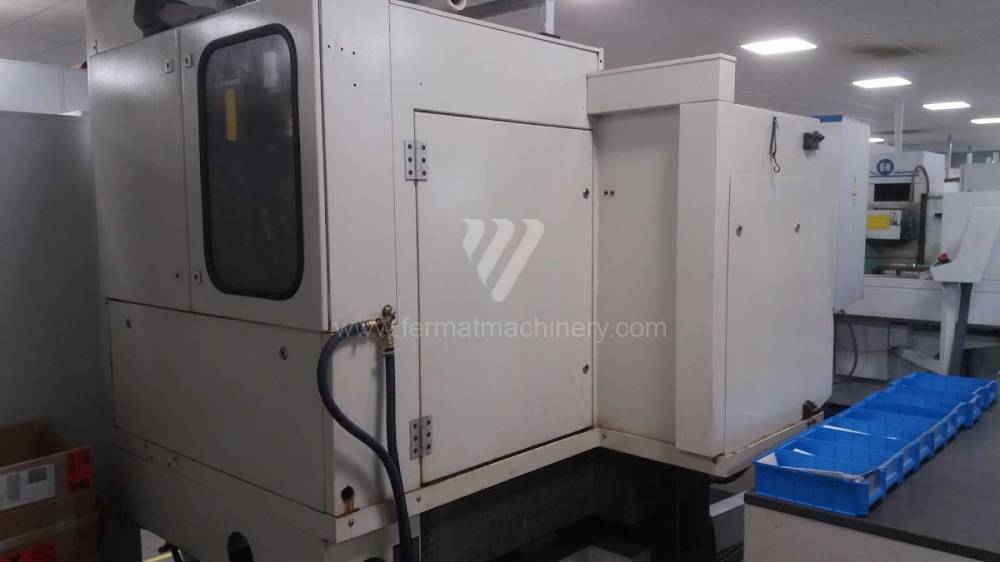
 |
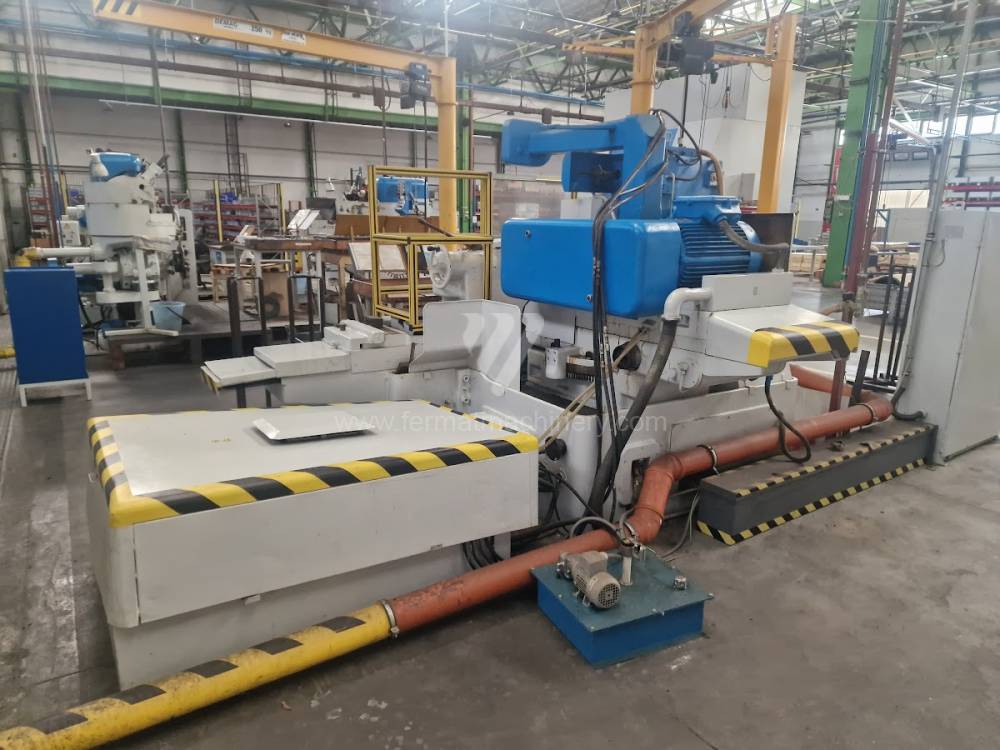
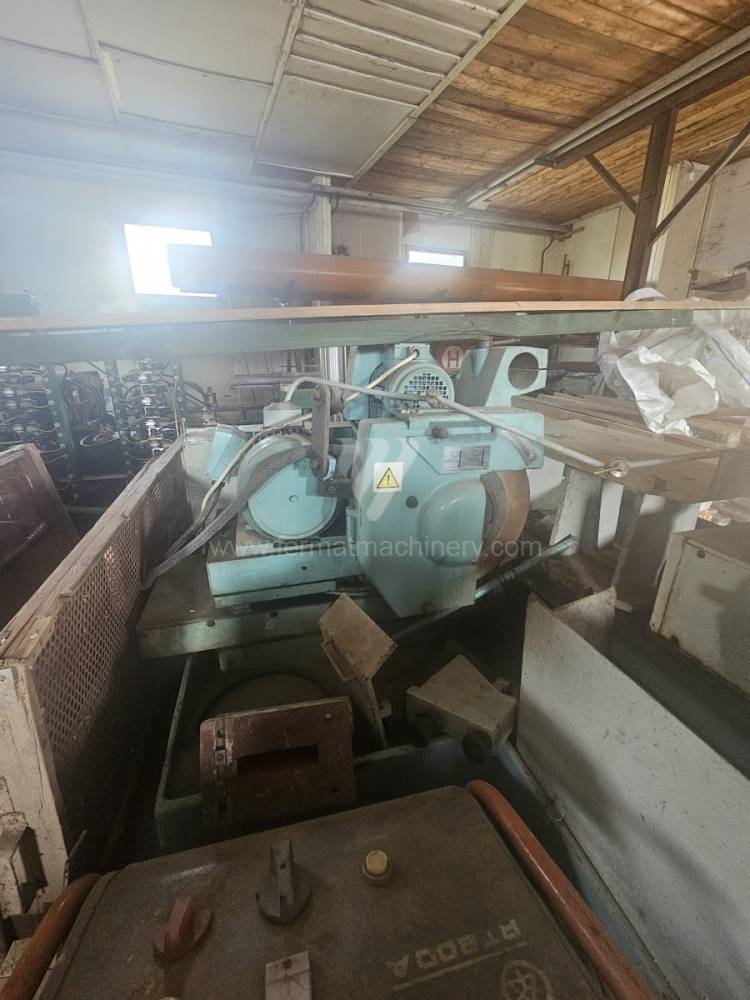
BUA 25B NC/1250 |
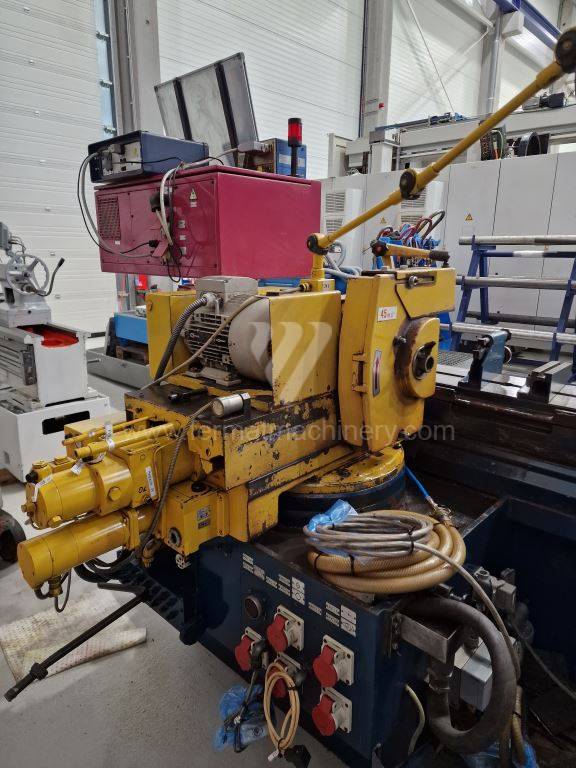
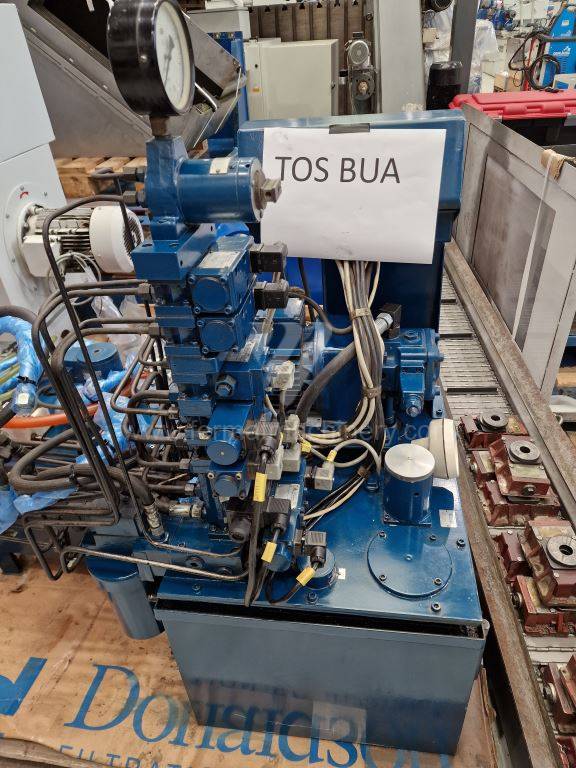
261698 | TOS Čelákovice | 2013 | Control system Siemens: Sinumerik 840D Sl Max. diameter of grinding: 250 mm Max. length of grinding: 1250 mm Max. weight of workpiece: 250 kg Device for internal grinding: YES Machine weight: 5000 kg |
|
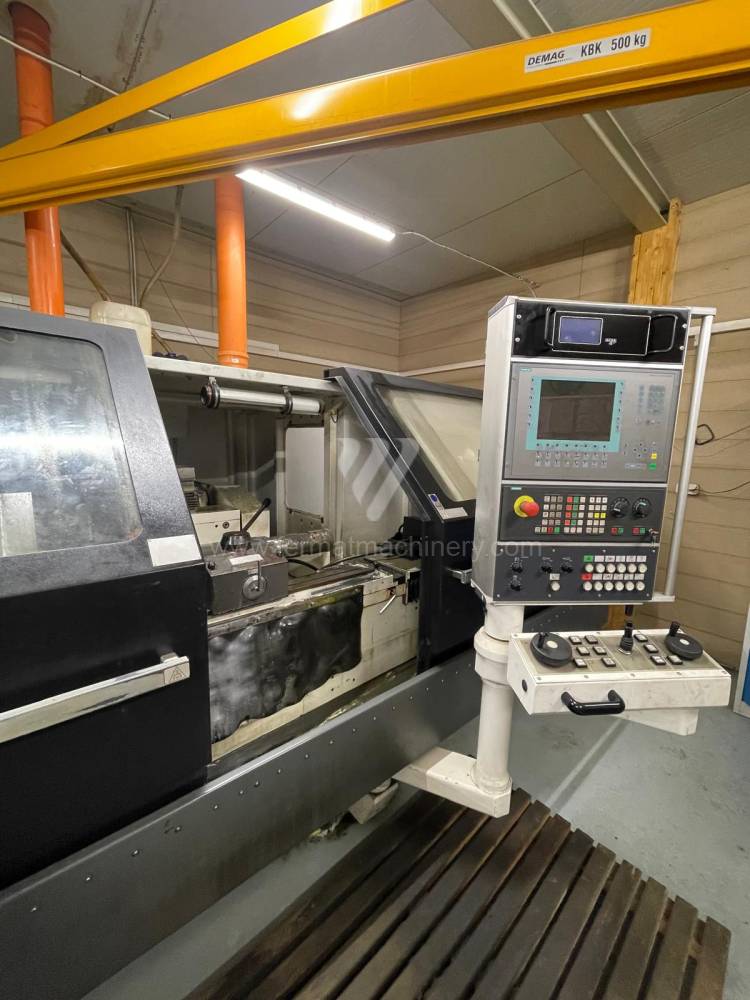
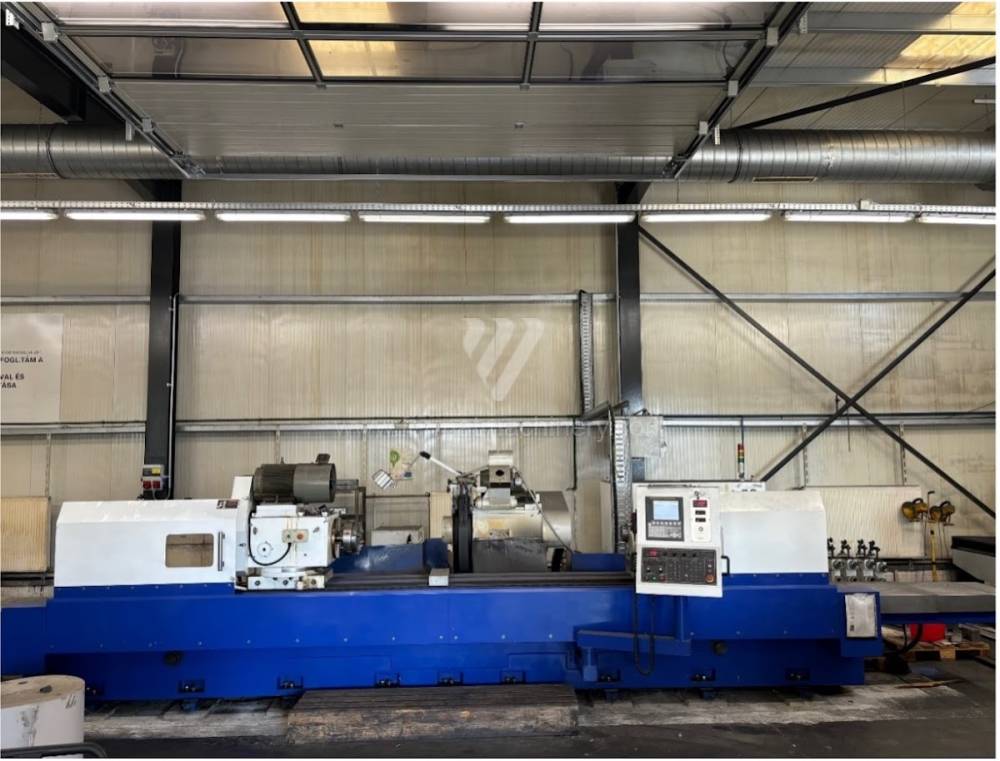 |
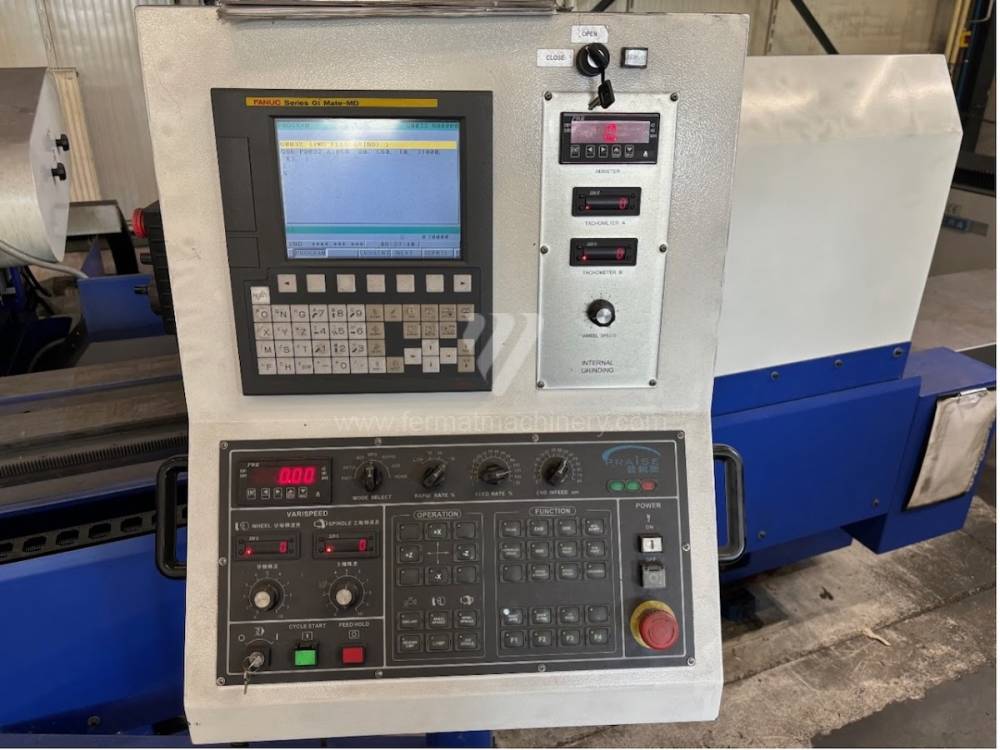
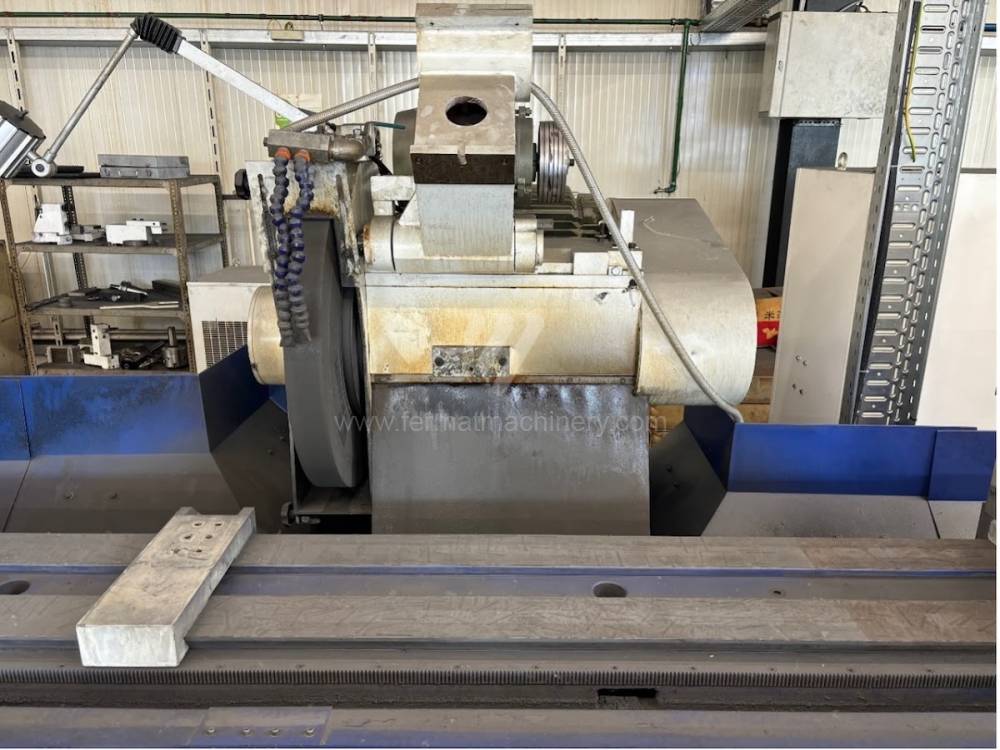
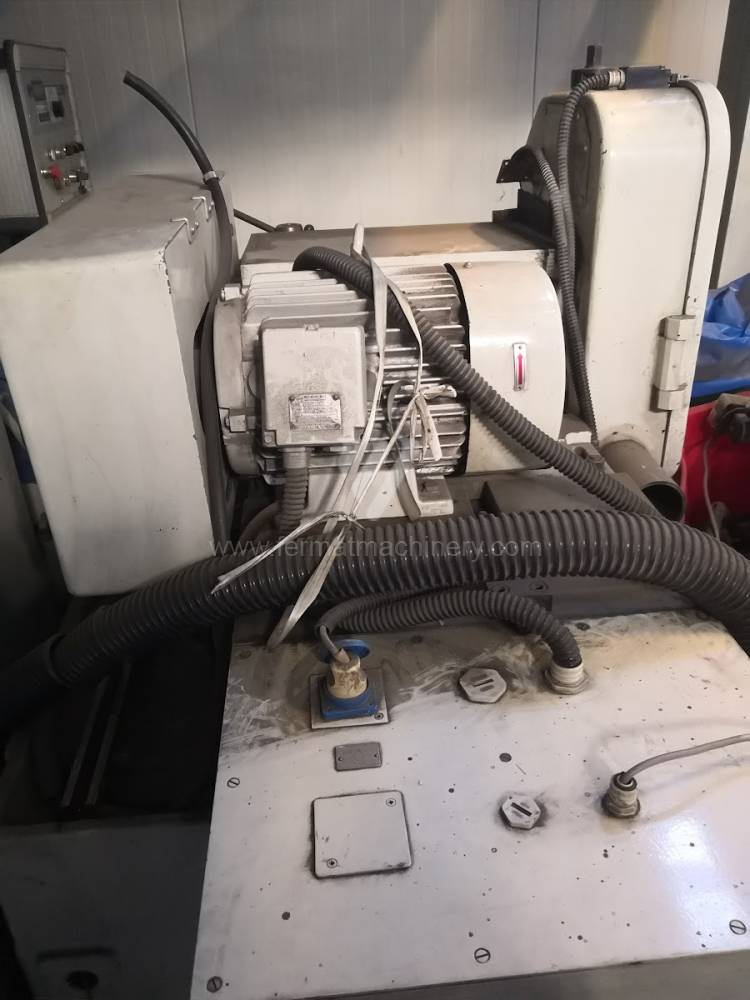
TT60-20L-C1 |
241997 | Praise | 2015 | Control system Fanuc: 0i Mate - MD Max. diameter of grinding: 600 mm Max. length of grinding: 2000 mm Max. weight of workpiece: 6000 kg Device for internal grinding: NO |
|
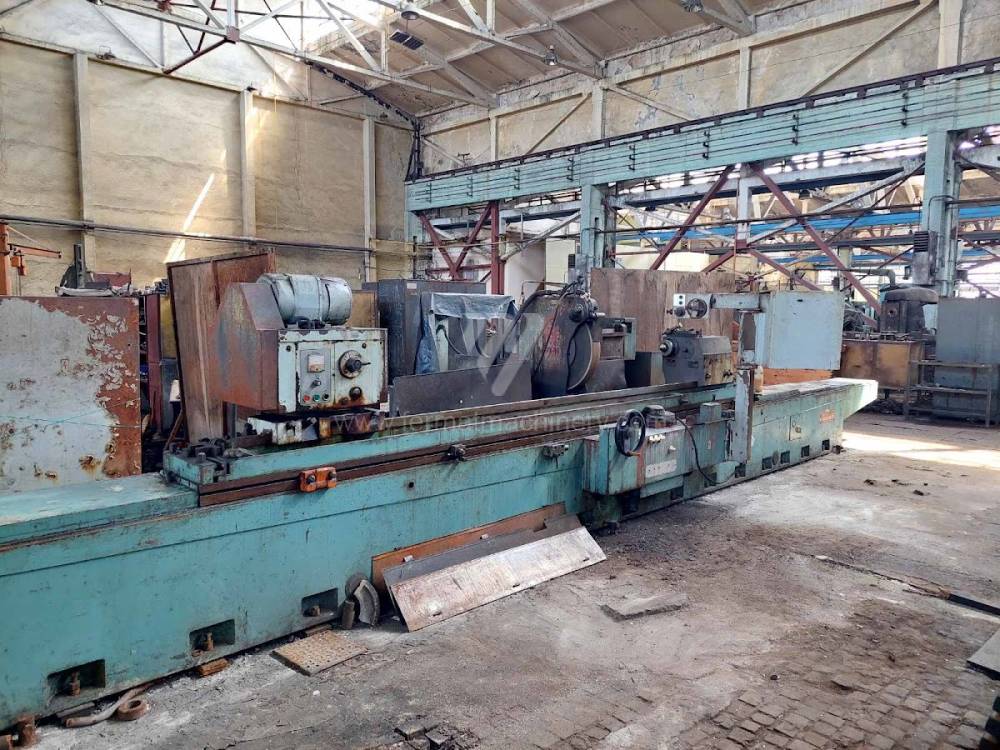 |
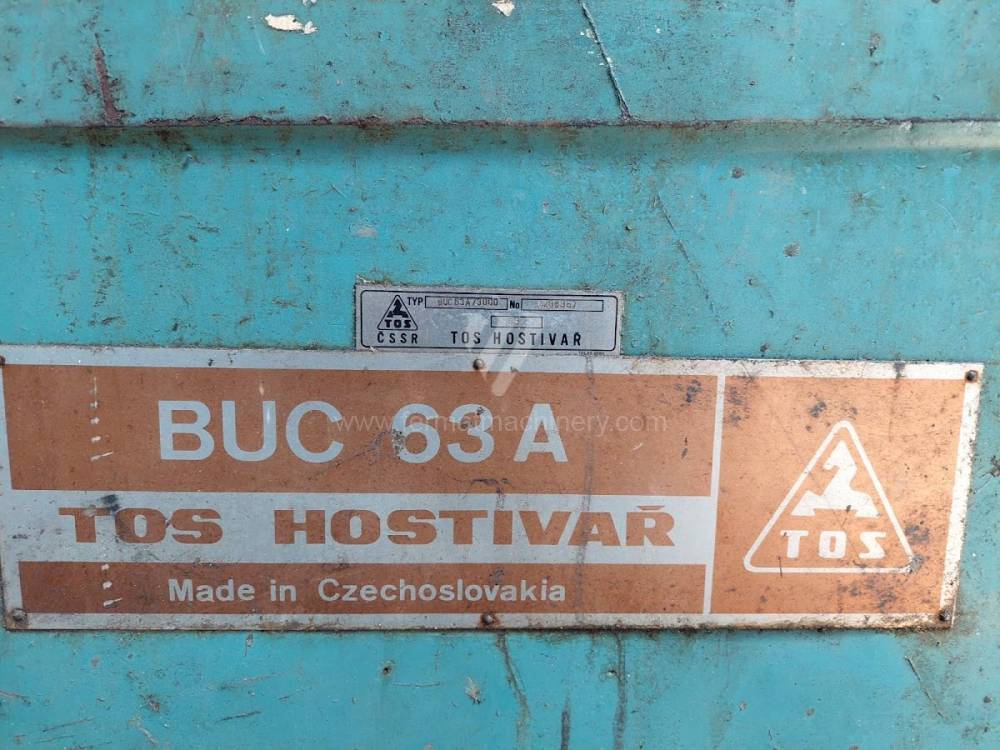
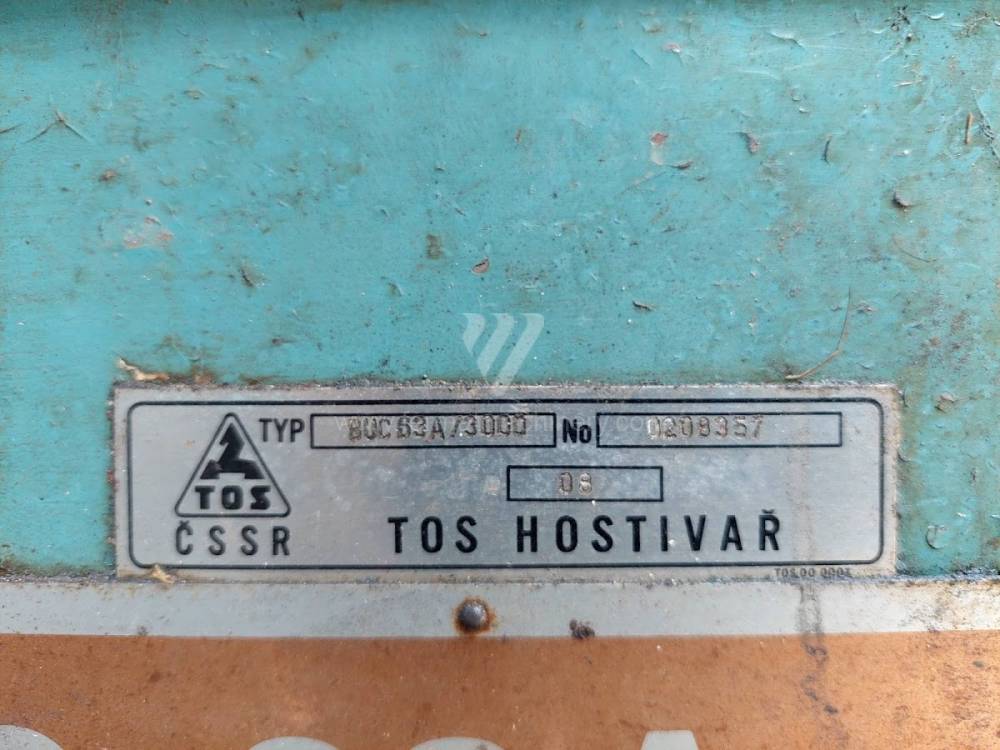
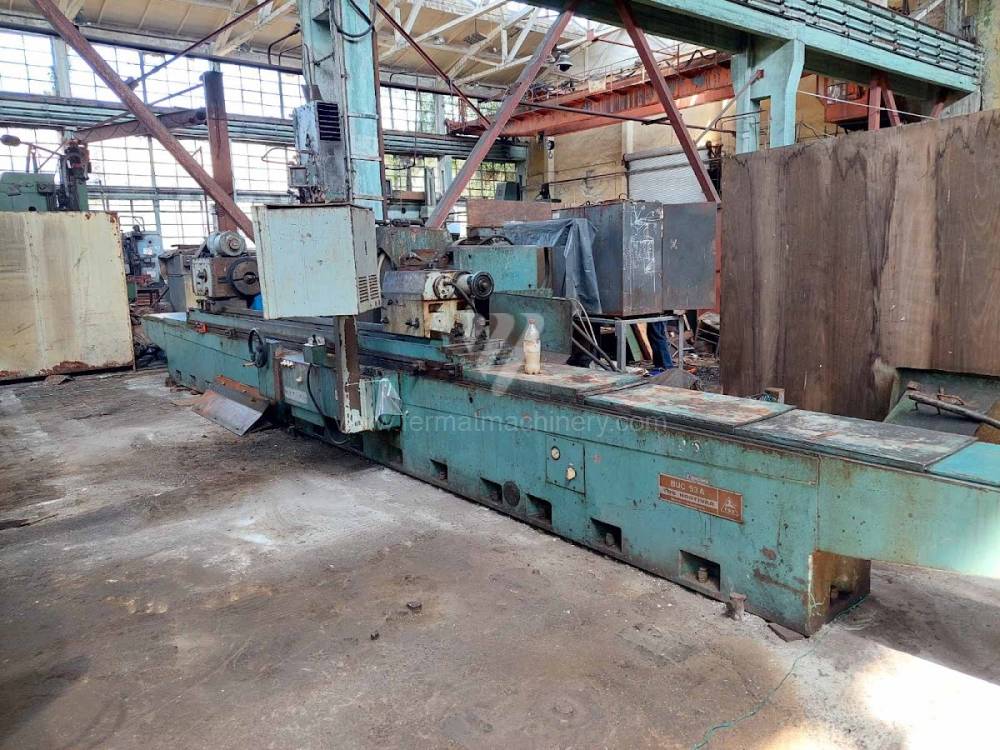
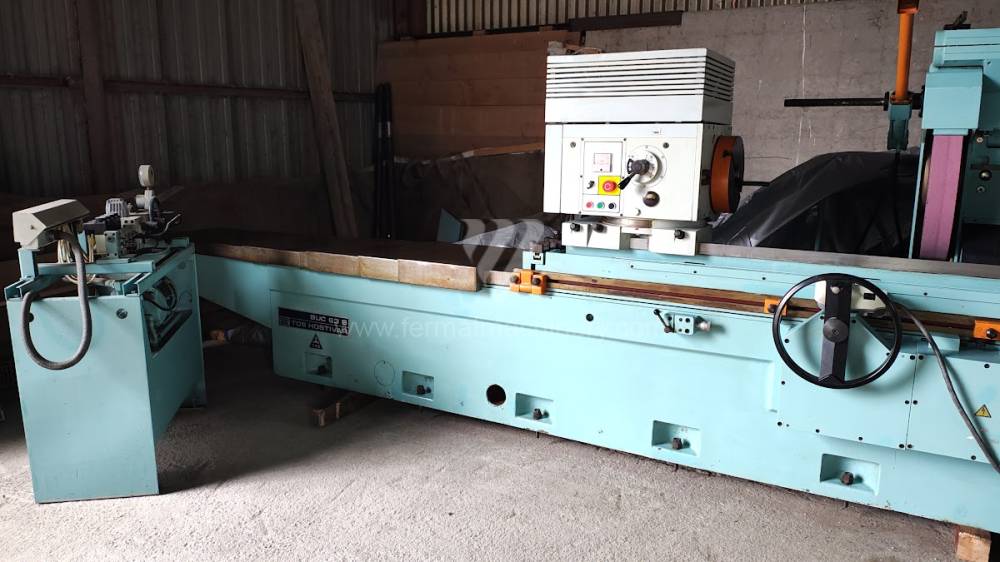
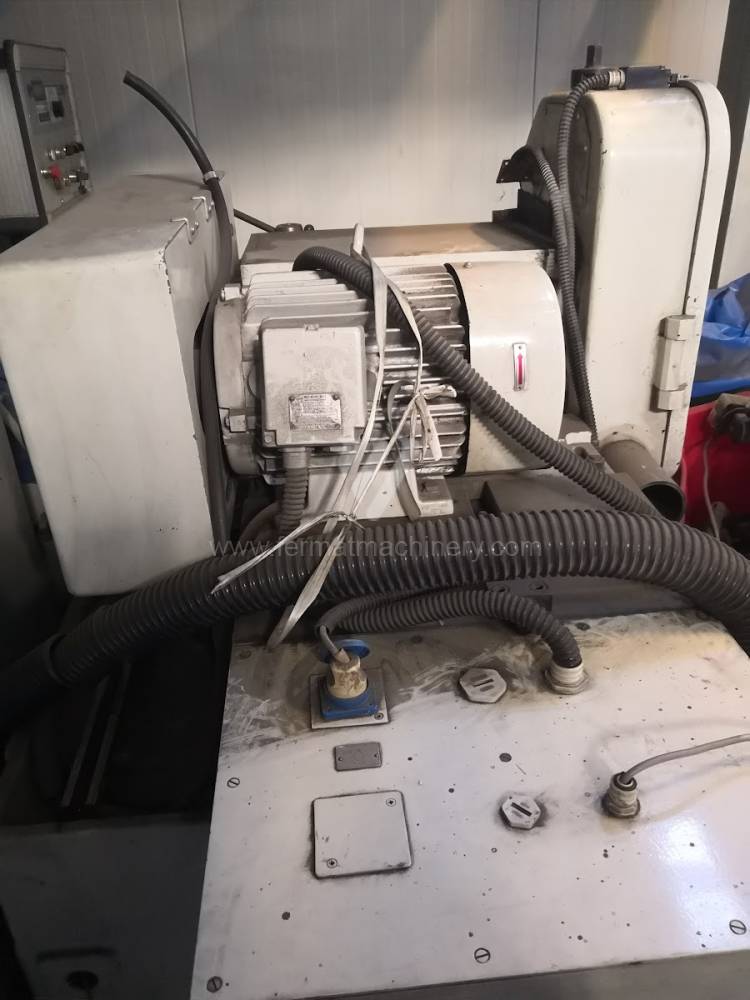
BUC 63 A /3000 |
251845 | TOS Hostivař | Max. diameter of grinding: 630 mm Max. length of grinding: 3000 mm Max. weight of workpiece: 2500 kg Device for internal grinding: NO Total input: 31 kVA Machine weight: 14900 kg |
||
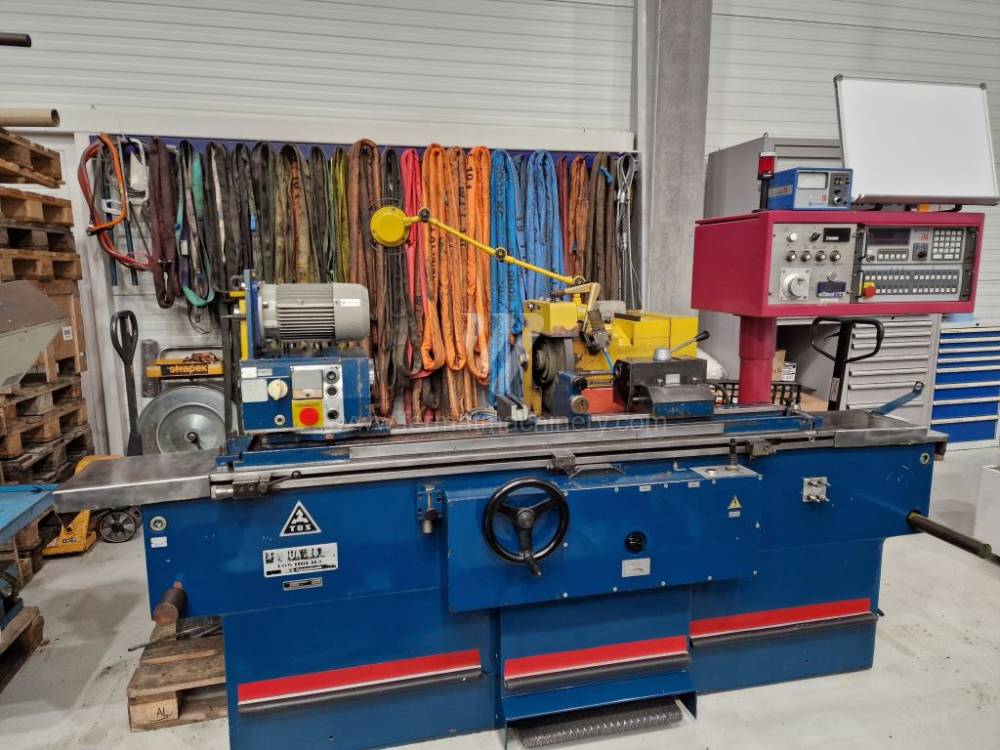 |
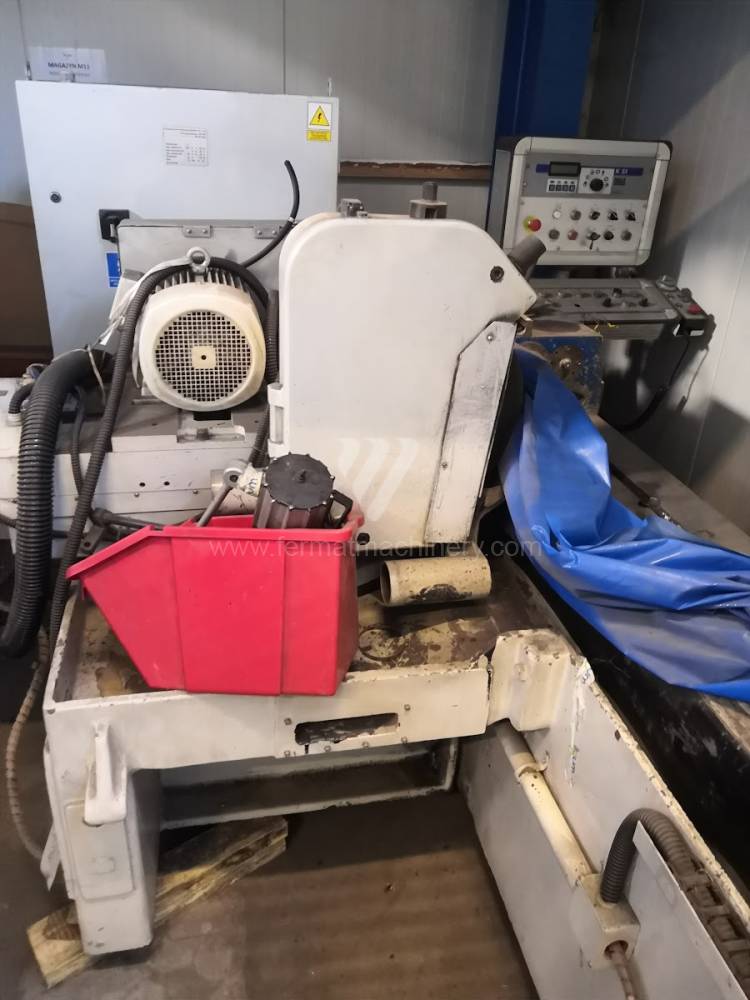
BUA 25/1000 |
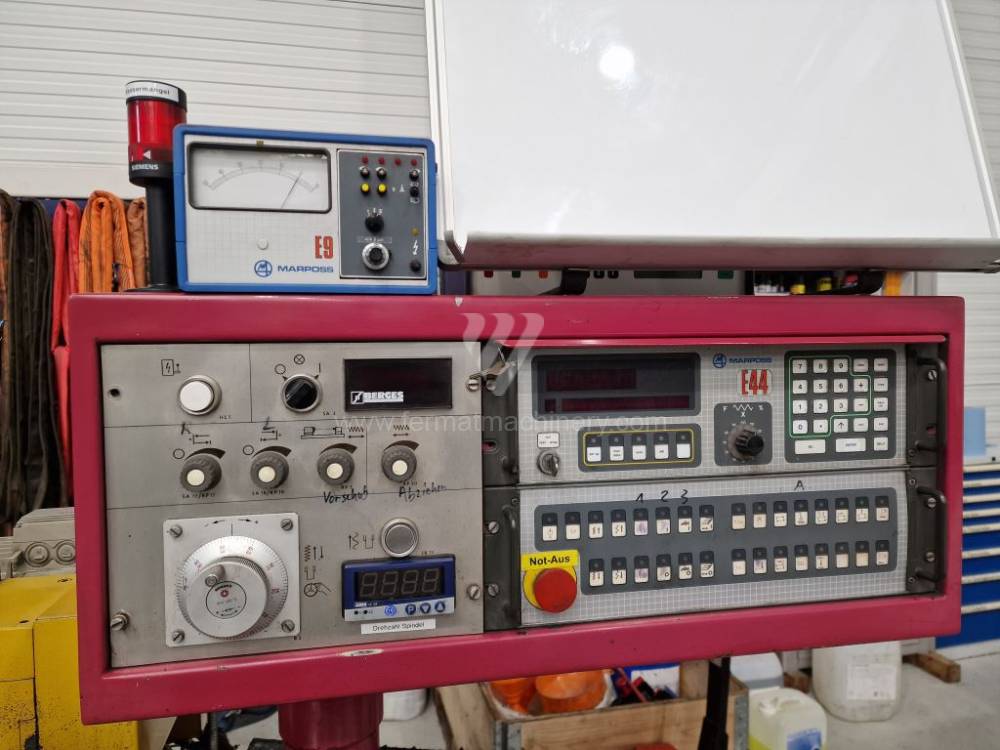
261129 | TOS Hostivař | Control system Marposs: E 44 Max. diameter of grinding: 280 mm Max. length of grinding: 1000 mm Max. weight of workpiece: 60 kg Device for internal grinding: YES Machine dimensions l x w x h: 3775x2300x2000 mm |
||
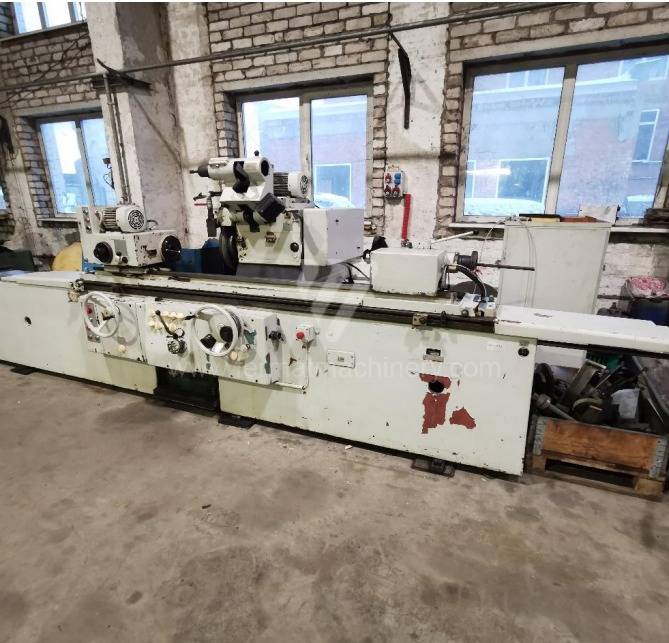 |
BUC 320/1500 |
261381 | TOS Varnsdorf | 1977 | Max. diameter of grinding: 320 mm Max. length of grinding: 1500 mm Max. weight of workpiece: kg Device for internal grinding: YES Machine dimensions l x w x h: 4500 x 1000 x 1750 mm |
|
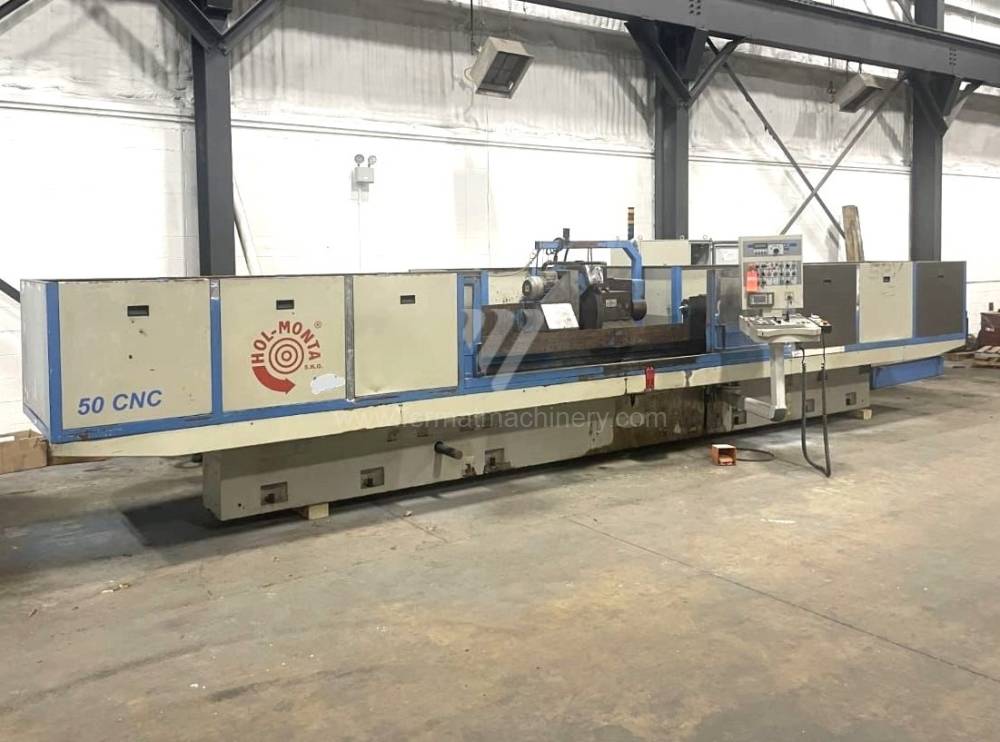 |
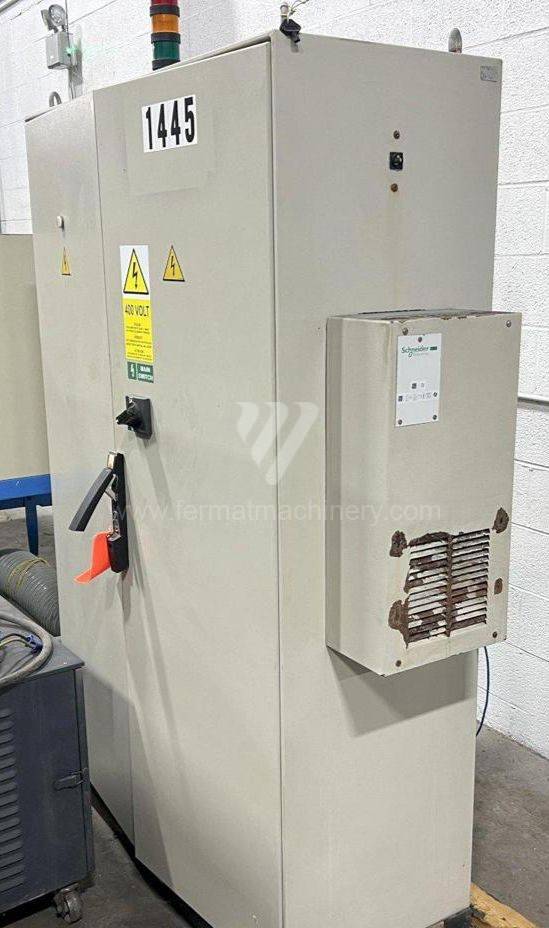
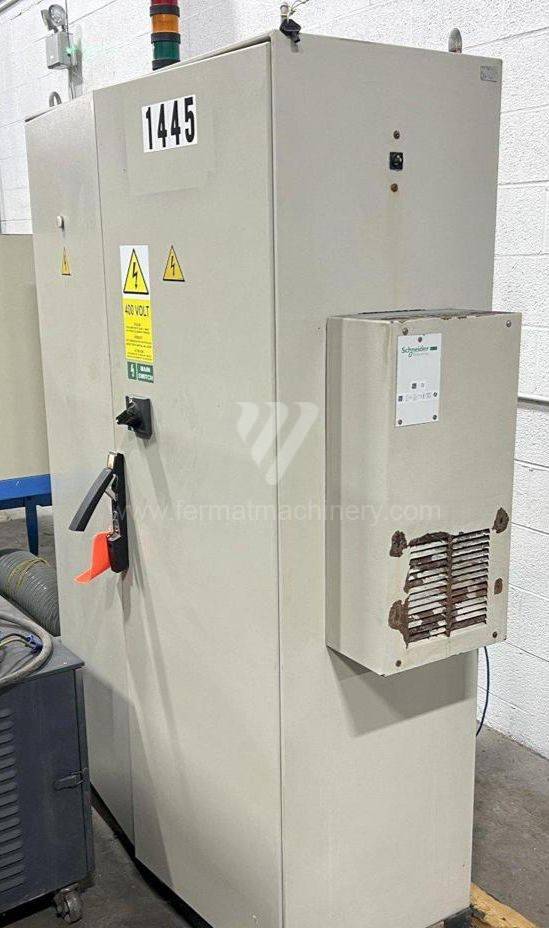
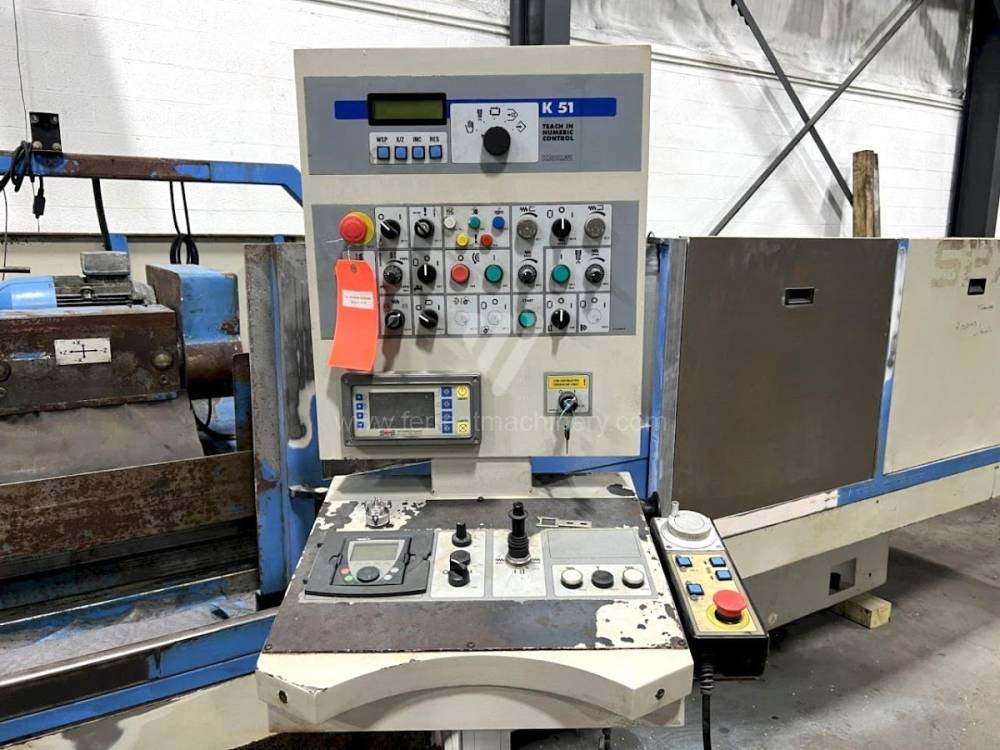
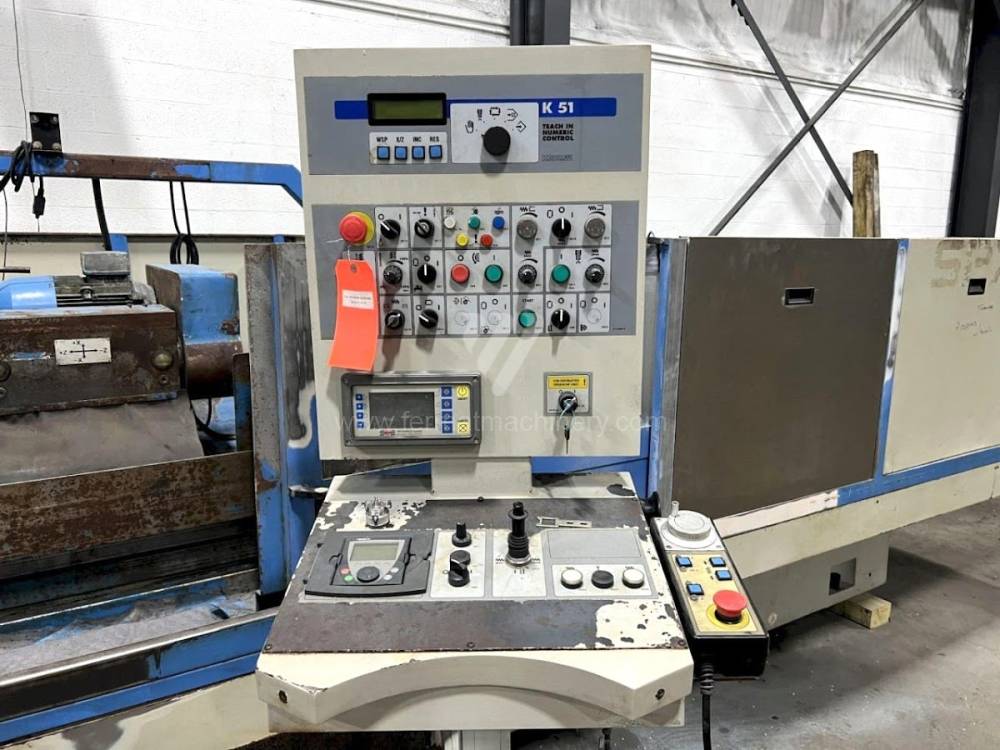
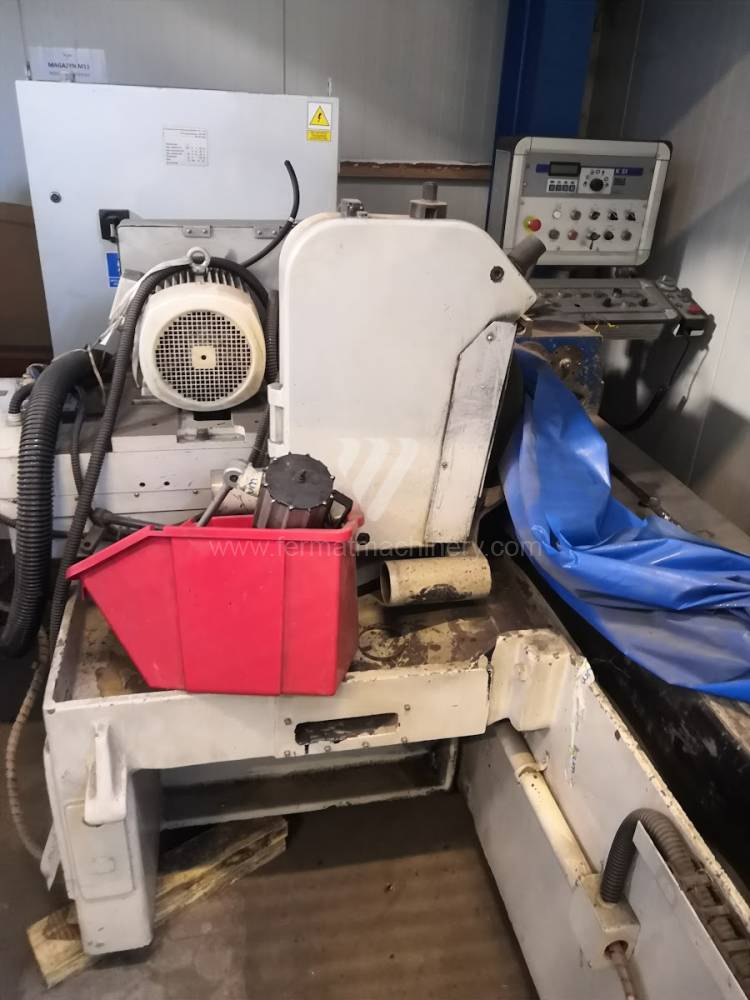
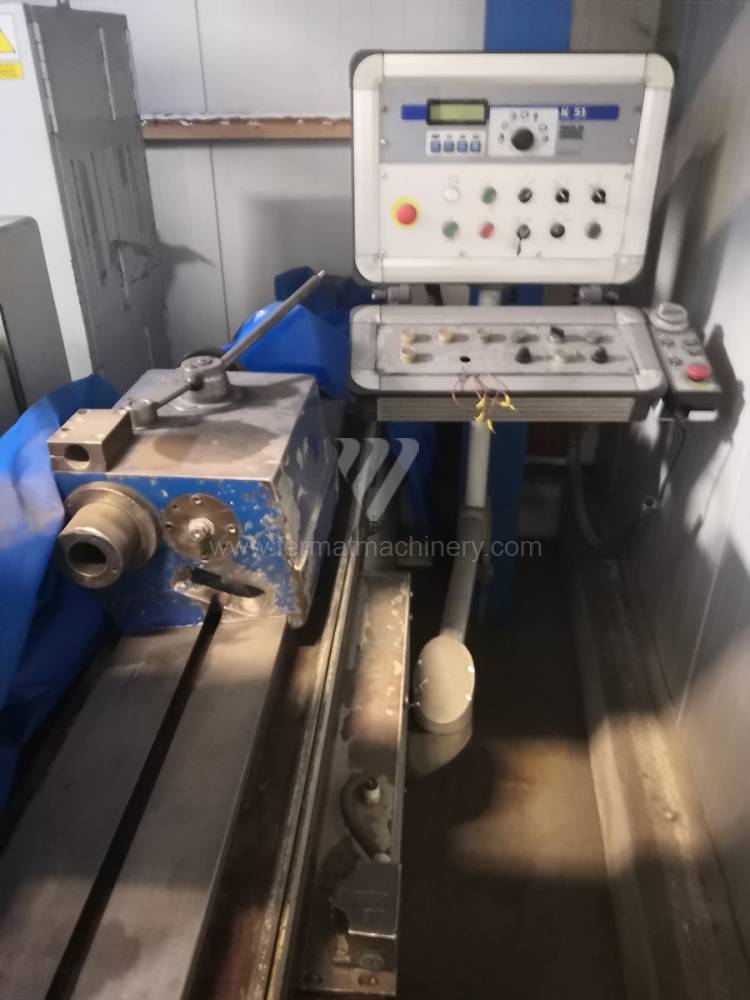
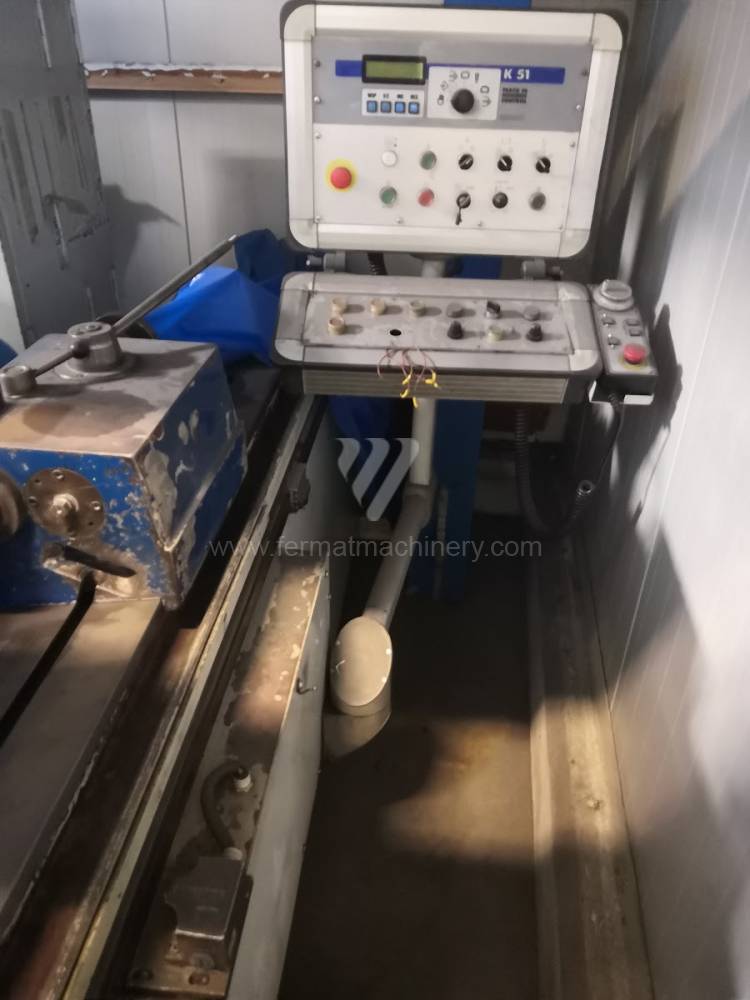
UB 50-3000 |
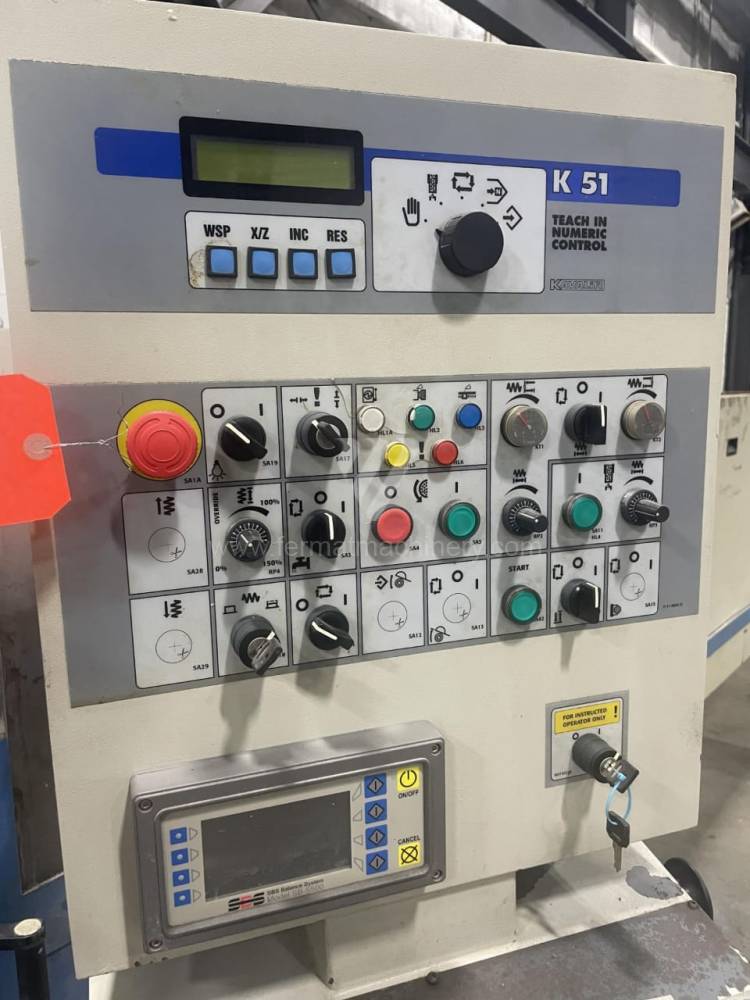
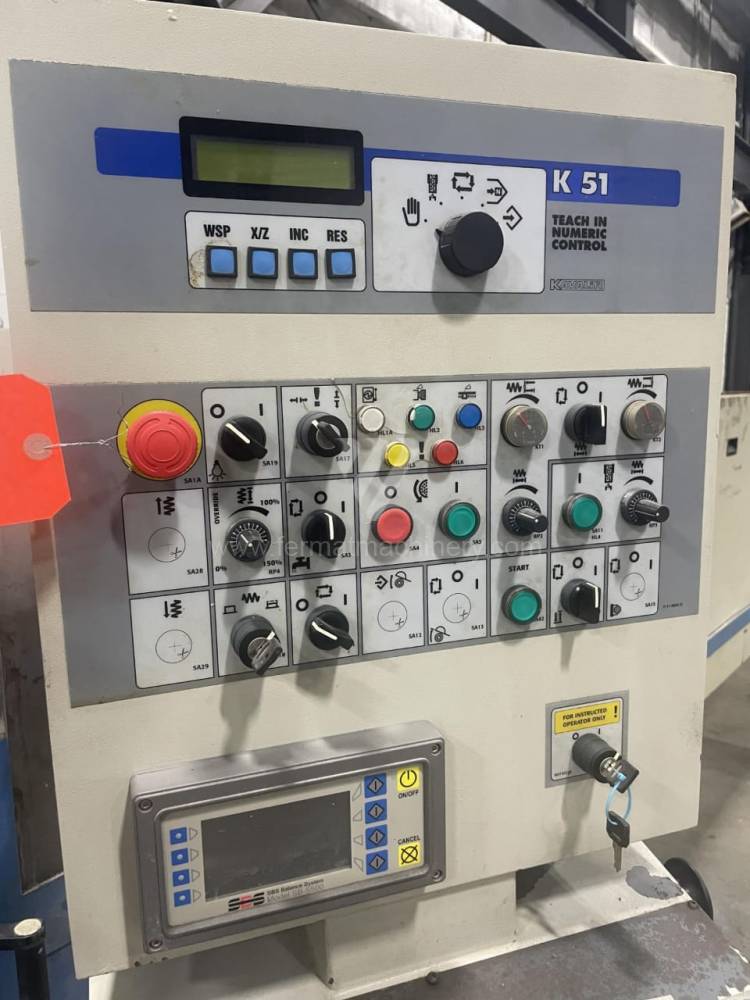
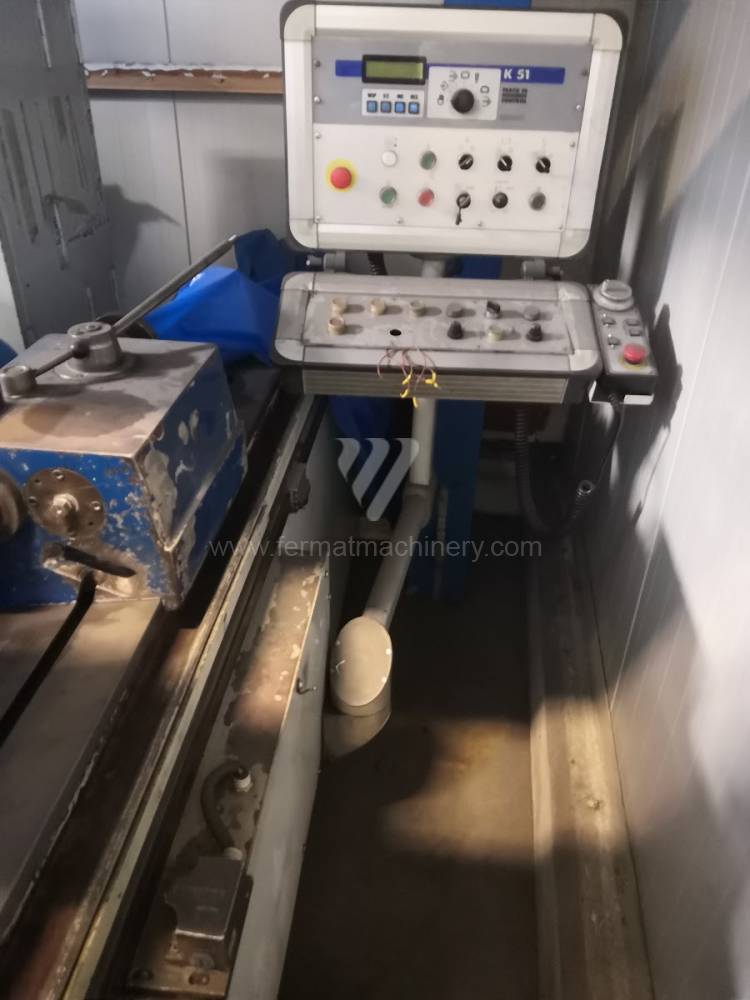
251416 | TOS Hostivař | Control system Kavalír: K51-1 - K51-1 - K51-1 - K51-1 Max. diameter of grinding: 500 - 500 - 500 - 500 mm Max. length of grinding: 3000 - 3000 - 3000 - 3000 mm Max. weight of workpiece: 600 - 600 - 600 - 600 kg Device for internal grinding: NO - NO - NO - NO |
||
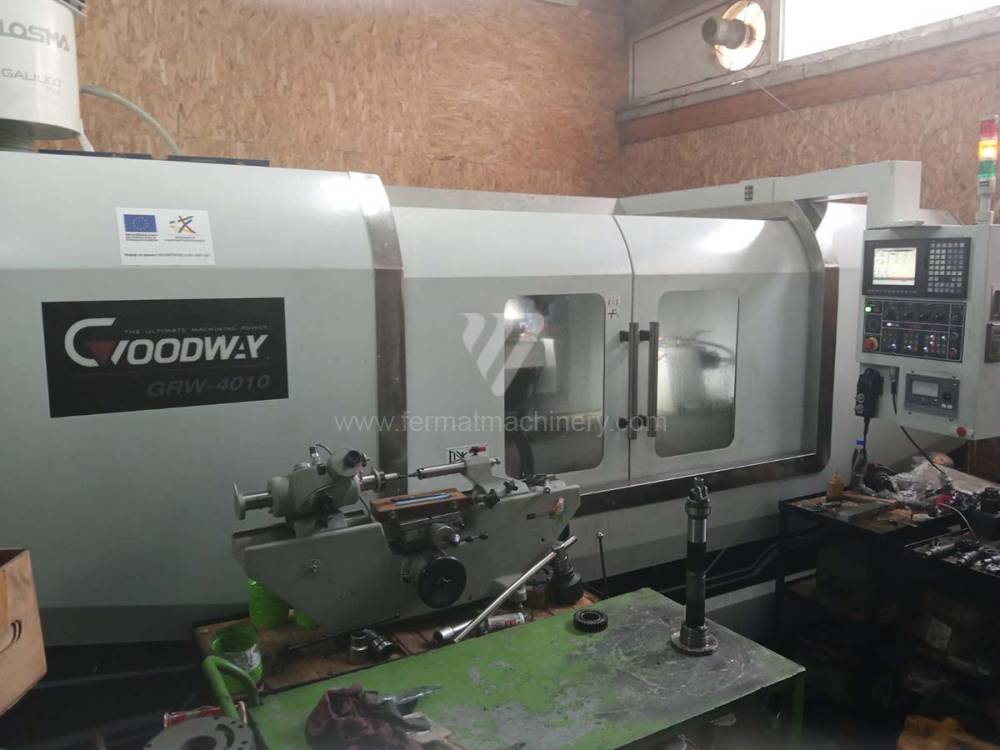 |
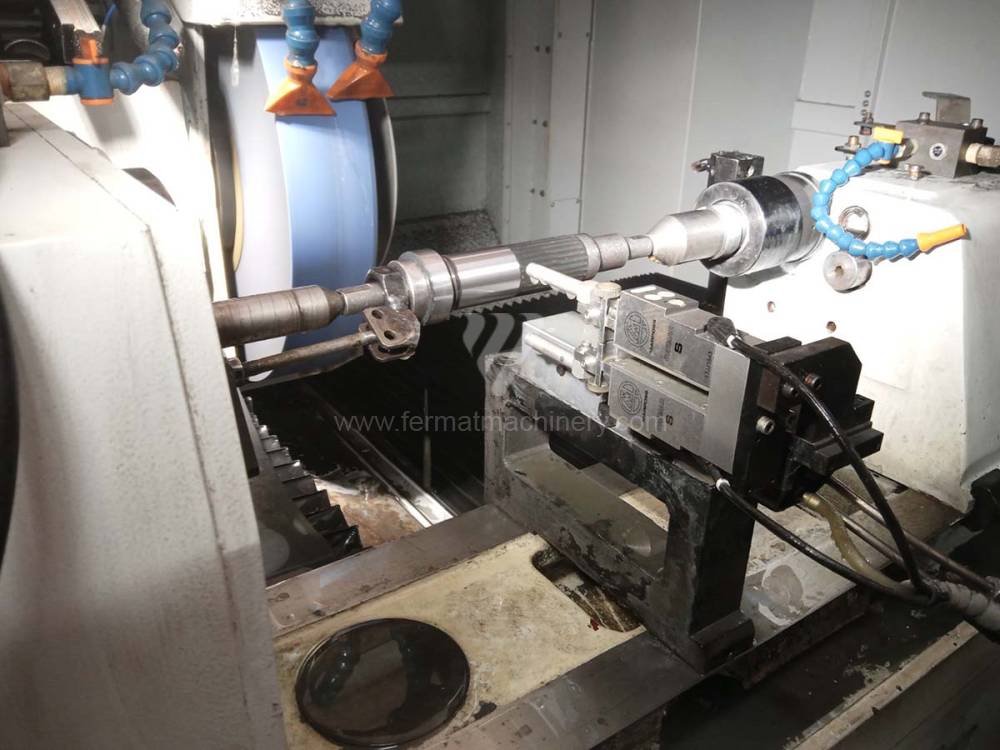
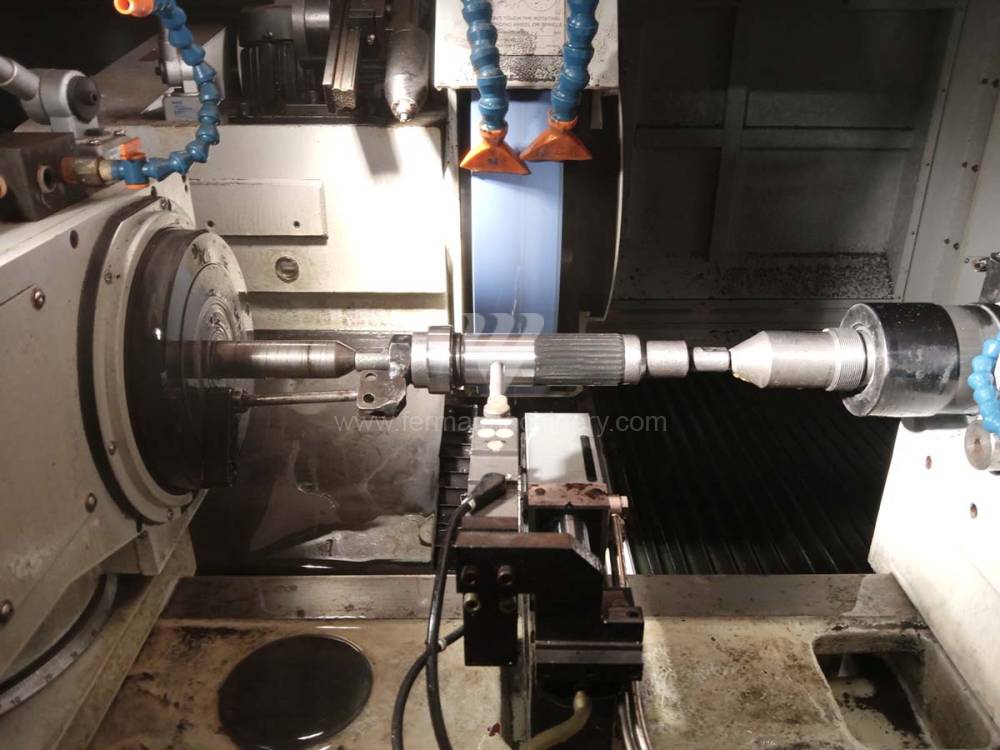
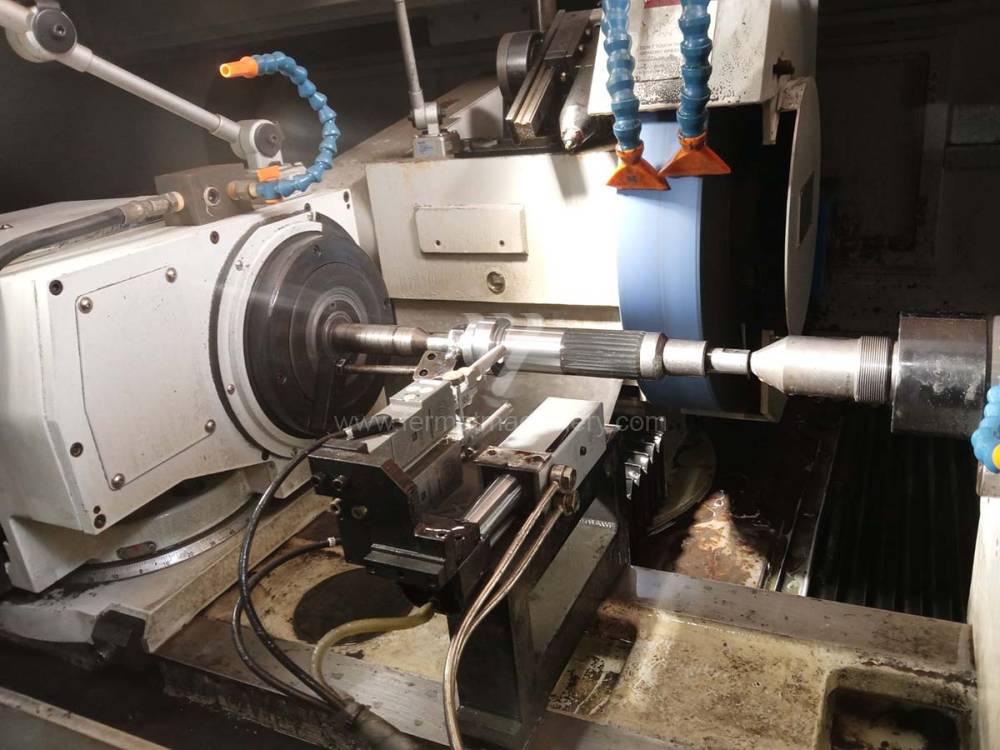
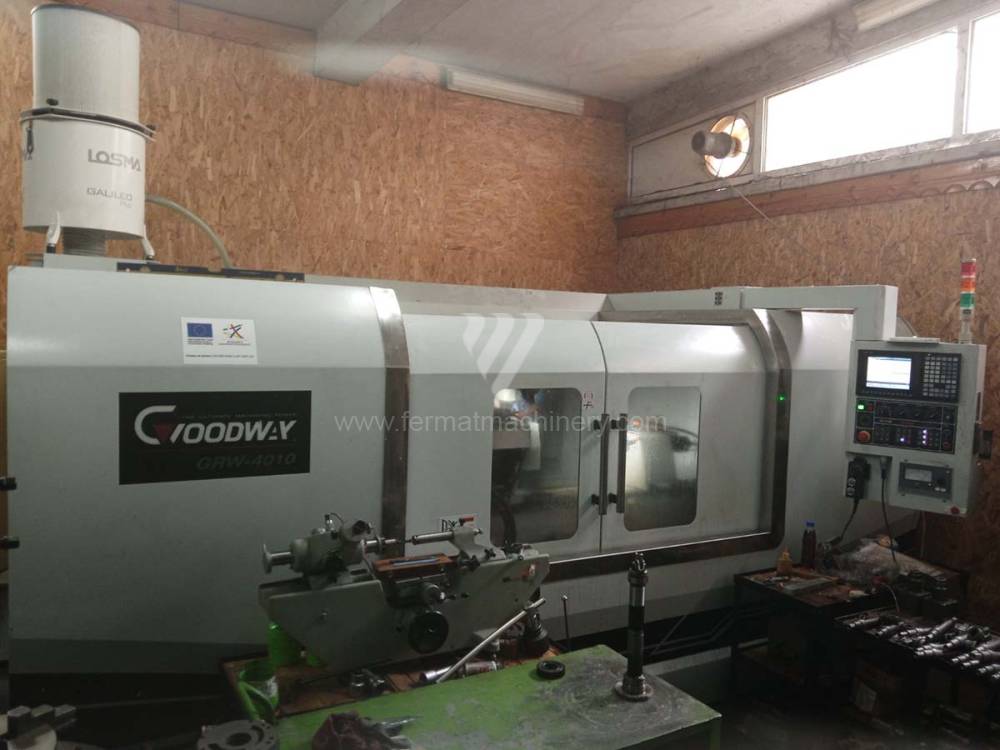
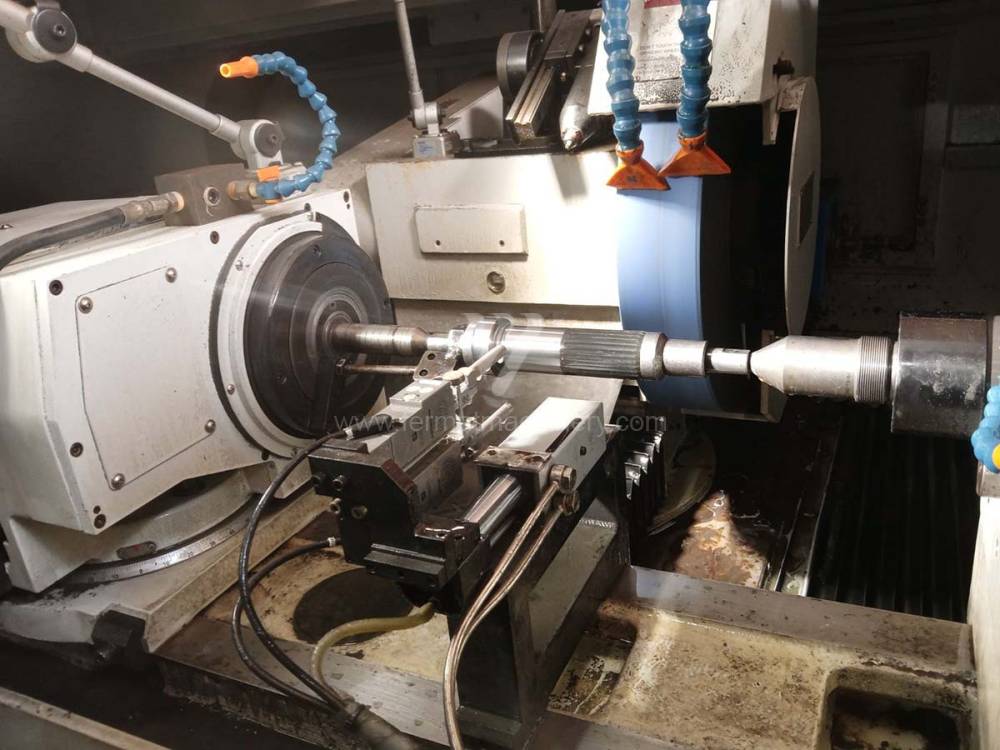
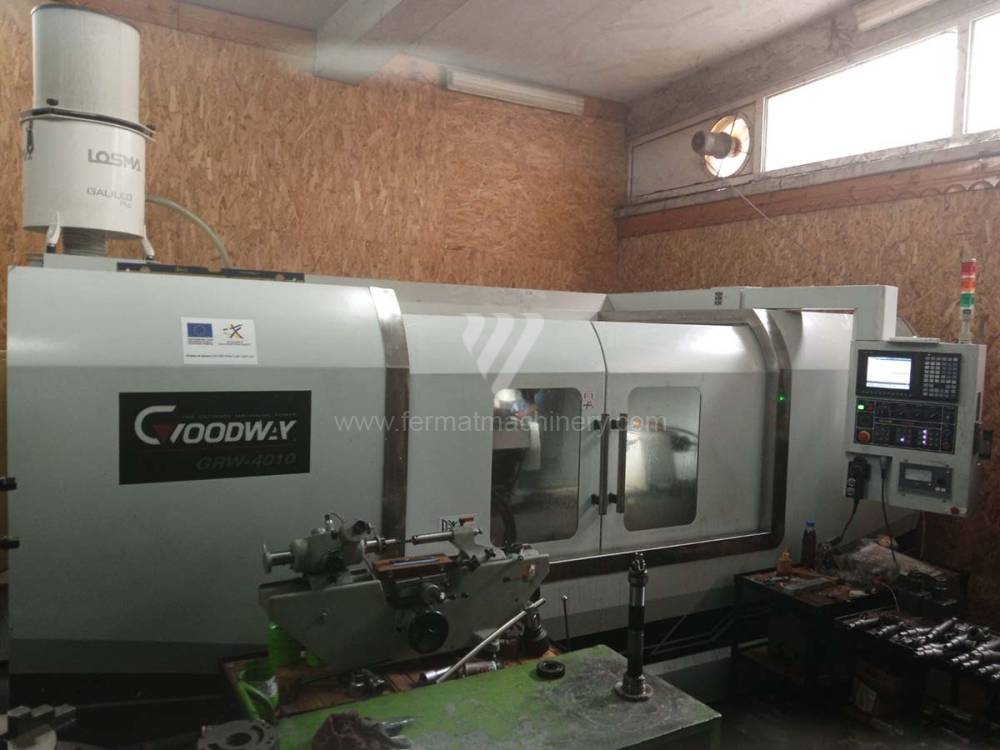
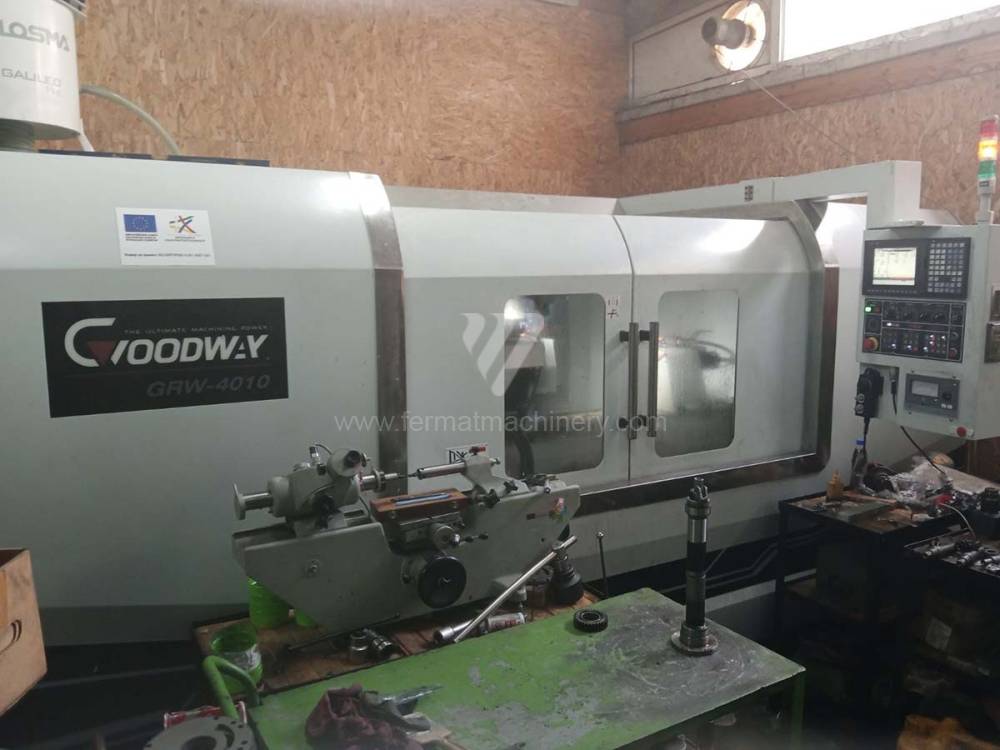
GRW-4010 |
241085 | Goodway | 2018 | Control system Mitsubishi: M 70 Max. diameter of grinding: 400 mm Max. length of grinding: 1000 mm Max. weight of workpiece: 750 kg Device for internal grinding: NO |
|
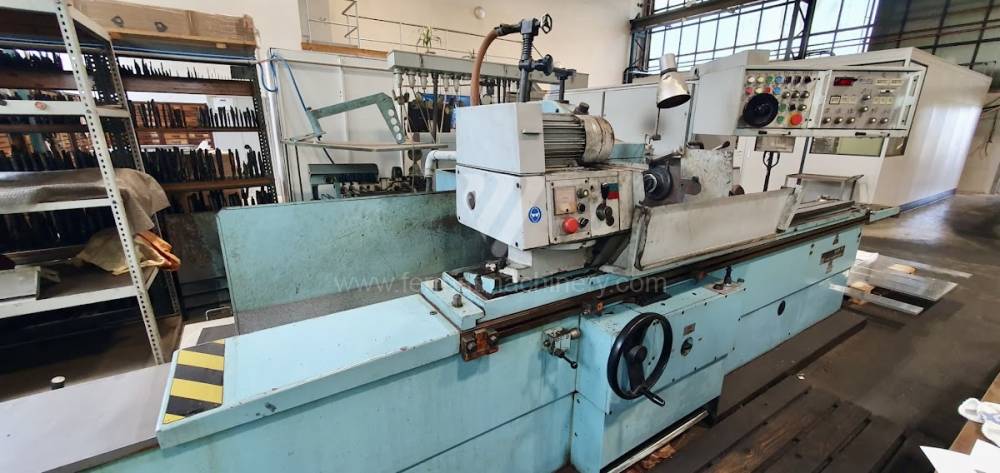 |
BUB 50/2000 |
261564 | TOS Hostivař | 1989 | Max. diameter of grinding: 500 mm Max. length of grinding: 2000 mm Max. weight of workpiece: 350 kg Device for internal grinding: YES Main motor power: 10 kW Spindle speed: 0 - 1720 /min. |
|
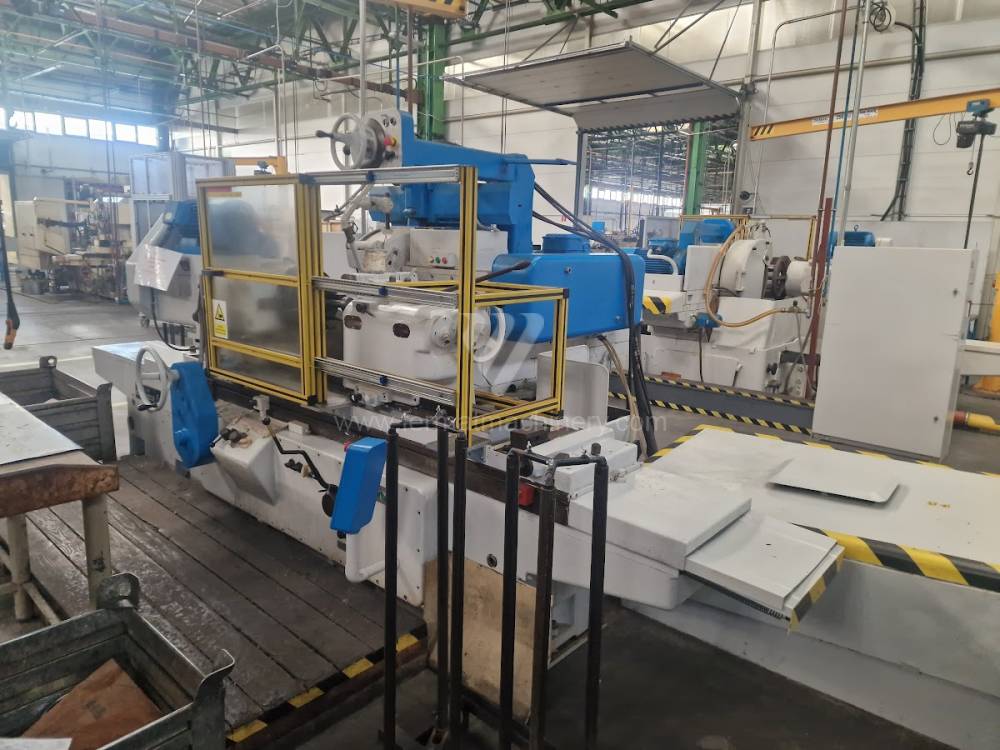 |
BUA 63/1000 |
241816 | TOS Hostivař | 1976 | Max. diameter of grinding: 630 mm Max. length of grinding: 1000 mm Max. weight of workpiece: 900 kg Device for internal grinding: Spindle taper: MORSE 6 . Chuck diameter: 315 mm |
|
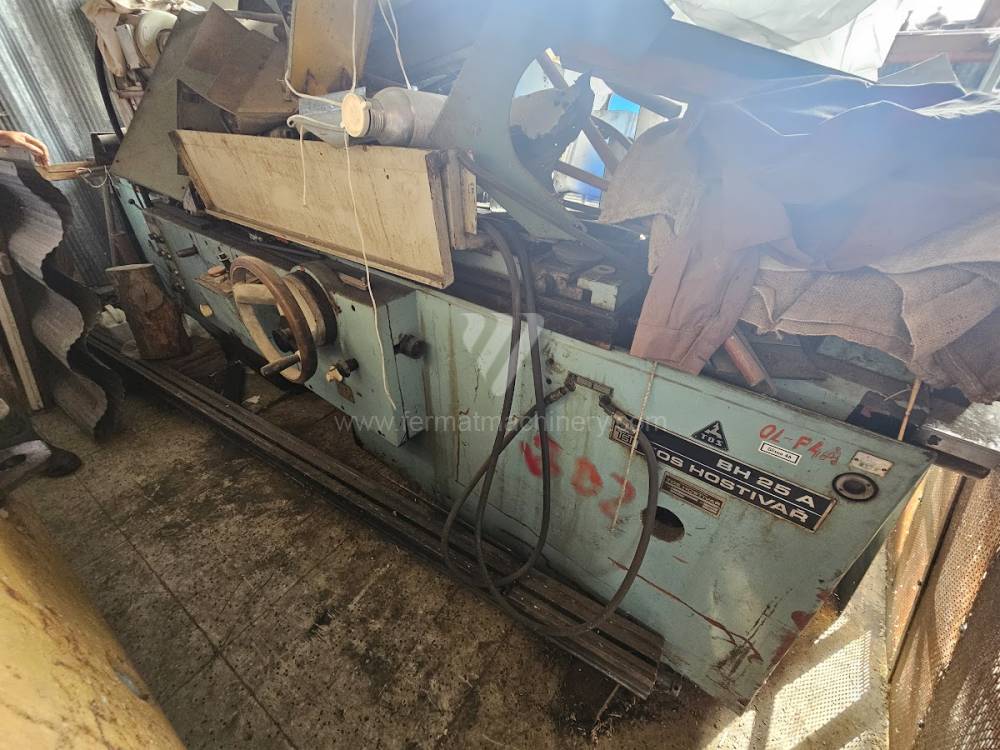 |
BH 25 A |
261727 | TOS Hostivař | Max. diameter of grinding: 250 mm Max. length of grinding: 1000 mm Max. weight of workpiece: 300 kg Device for internal grinding: NO Distance between centres: 1000 mm Main motor power: 19 kW |
||
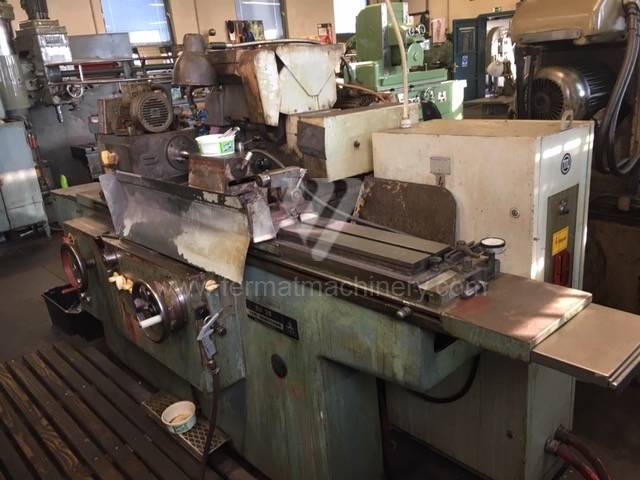 |
BU 28 1000 |
261152 | TOS Hostivař | Max. diameter of grinding: 295 mm Max. length of grinding: 1000 mm Max. weight of workpiece: 60 kg Device for internal grinding: YES Main motor power: 6,6 kW Machine dimensions l x w x h: 2800x1450x1480 mm |
||
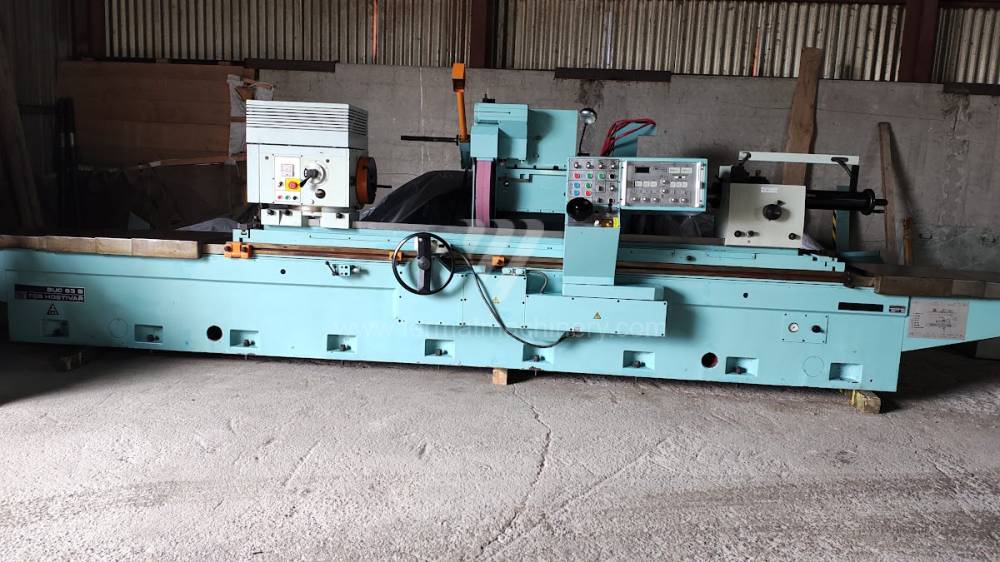 |
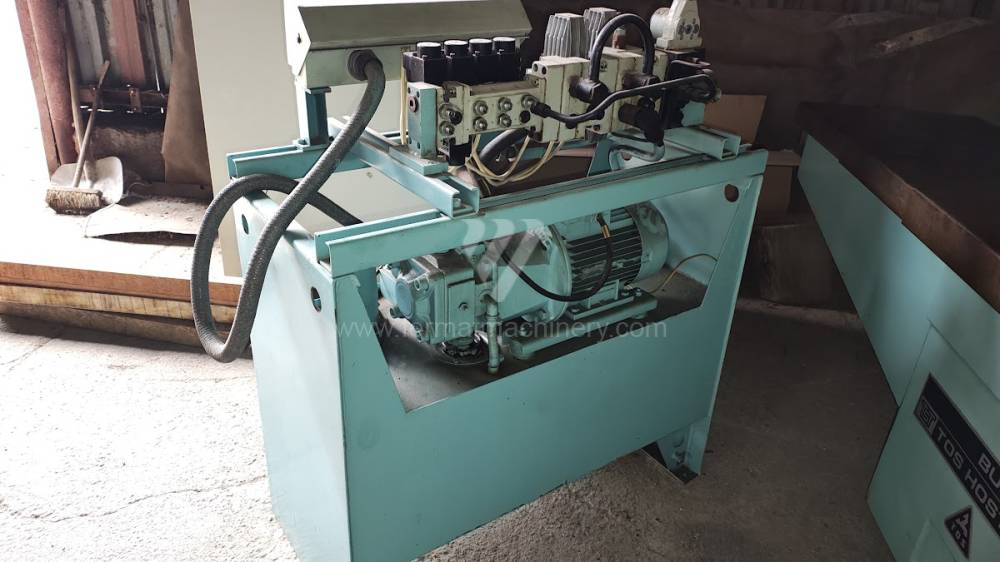
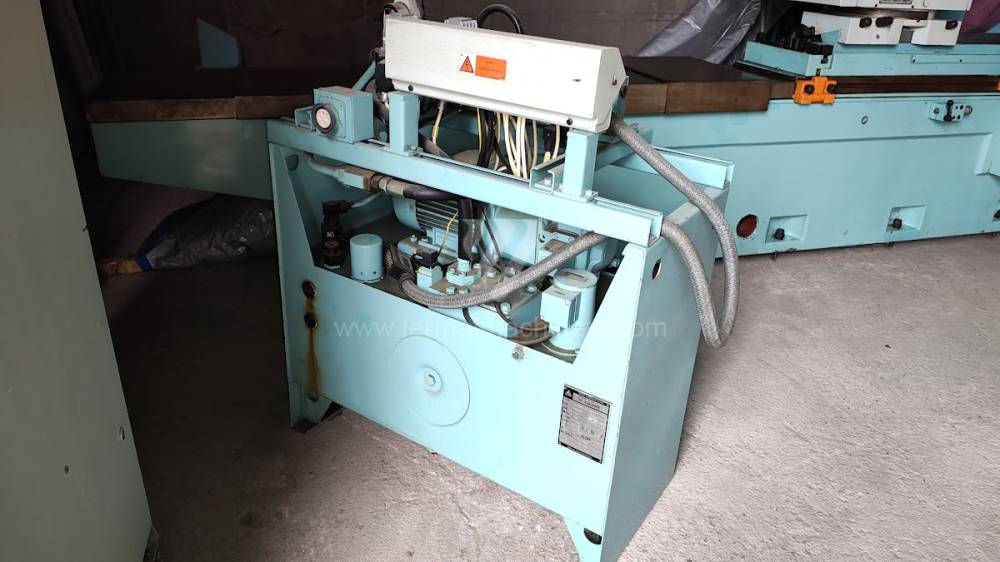
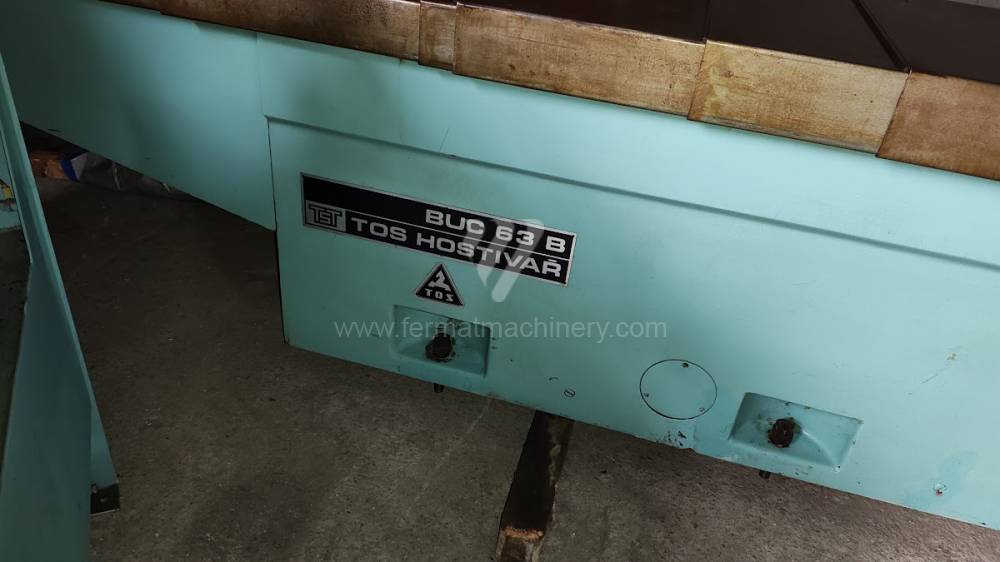
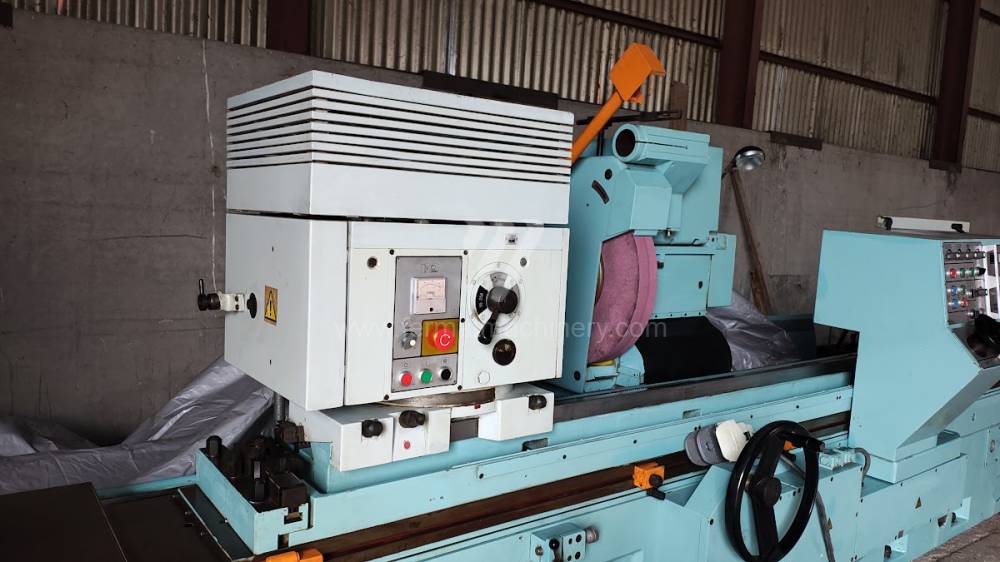
BUC 63 B/2000 |
261115 | TOS Hostivař | 1990 | Max. diameter of grinding: 630 mm Max. length of grinding: 2000 mm Max. weight of workpiece: 3000 kg Device for internal grinding: YES Total input: 31 kVA Machine dimensions l x w x h: 10000x2700x2000 mm |
|
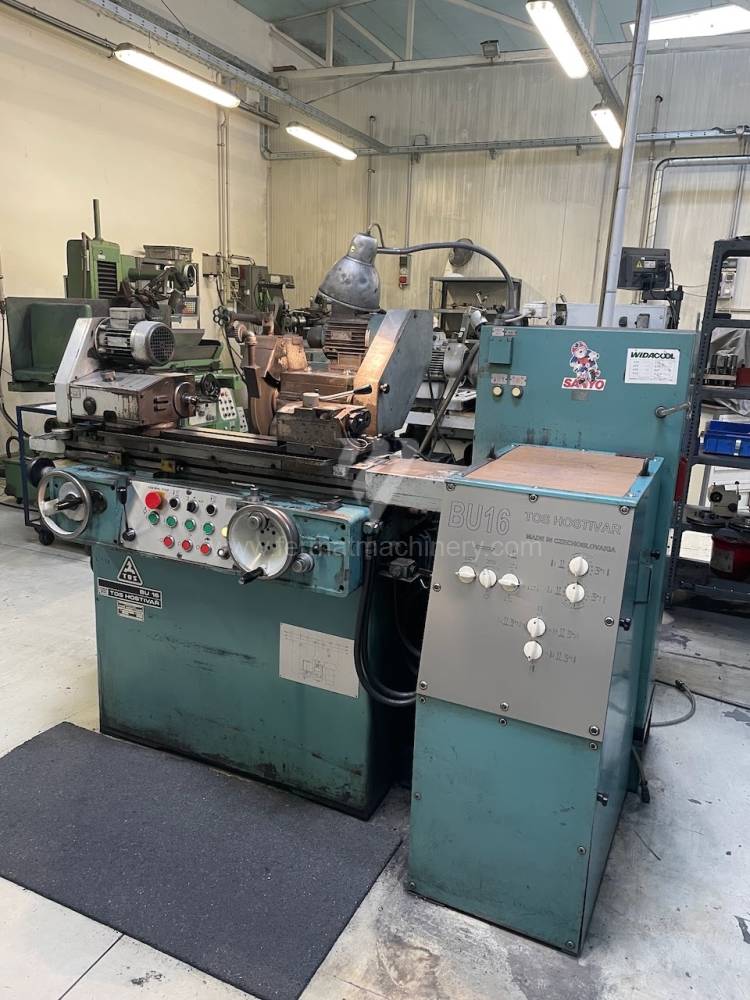 |
BU 16 |
241878 | TOS Hostivař | 1988 | Max. diameter of grinding: 160 mm Max. length of grinding: 320 mm Max. weight of workpiece: 25 kg Device for internal grinding: NO Spindle taper: Morse 3 . Spindle speed: 0 - 2812 /min. |
|
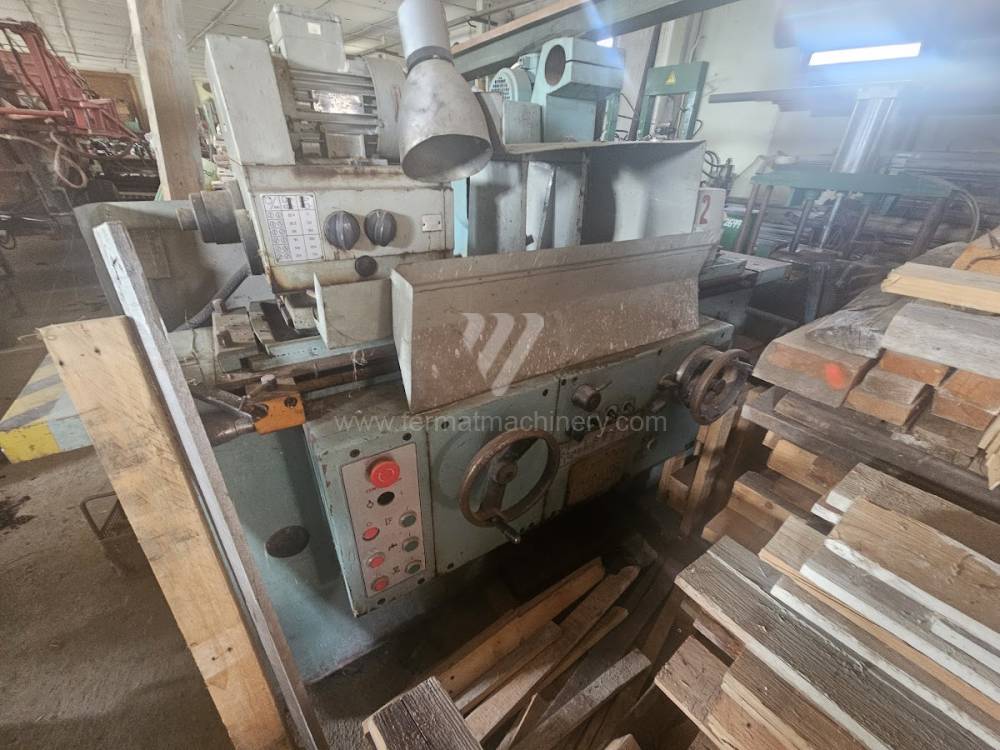 |
BU 28/630 |
261728 | TOS Hostivař | Max. diameter of grinding: 295 mm Max. length of grinding: 630 mm Max. weight of workpiece: 60 kg Device for internal grinding: YES Main motor power: 4 kW Machine dimensions l x w x h: 2000x1450 mm |
||
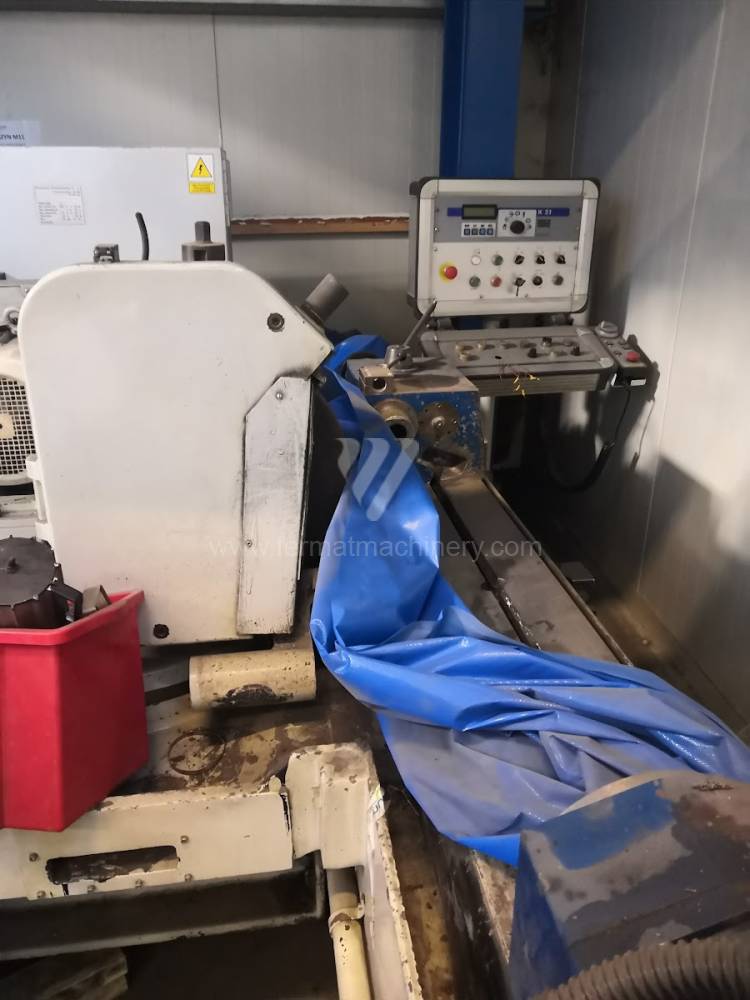 |
BHU 32A/1500 |
251252 | TOS Hostivař | 1995 | Control system Kavalír: K51-1 - K51-1 - K51-1 - K51-1 Max. diameter of grinding: 320 - 320 - 320 - 320 mm Max. length of grinding: 1500 - 1500 - 1500 - 1500 mm Max. weight of workpiece: 300 - 300 - 300 - 300 kg Device for internal grinding: YES - YES - YES - YES Max. diameter grinding wheel: 450 - 450 - 450 - 450 mm |
|
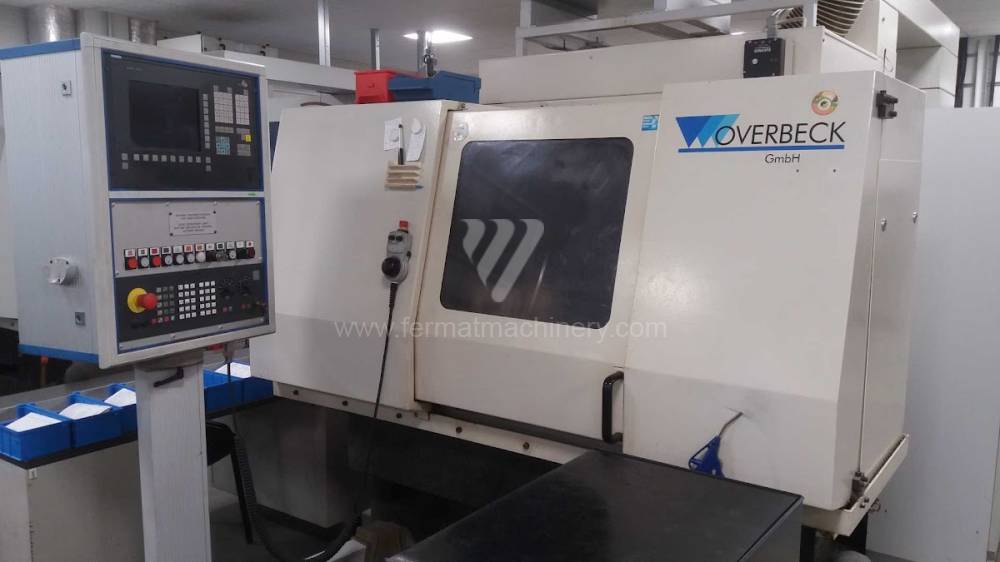 |
EC 400 |
241969 | OVERBECK GmbH | 2002 | Control system Siemens: Sinumerik 840 D Max. diameter of grinding: 200 mm Max. length of grinding: 400 mm Max. weight of workpiece: 80 kg Device for internal grinding: NO |
Technical Analysis: Structural Integrity and Process Stability
For cylindrical grinders, especially from renowned manufacturers such as TOS Hostivař, Studer, or Kellenberger, the main carrier of value is dynamic stiffness and the ability to absorb vibrations. Unlike milling, grinding is a process with extremely high demands on the stability of the wheelhead and work spindle. Used machines with a massive cast-iron skeleton (GG25 to GG30) offer internal damping that modern welded constructions cannot replicate.
Key Technical Factors and Causality:
- Stabilized Cast-Iron Bed: In used grinders, natural relief of internal stress in the casting has occurred. This means that the machine skeleton is geometrically stable and does not exhibit microscopic movements that can occur in new, non-heat-treated castings.
- Hydrodynamic and Hydrostatic Bearings: Older robust grinders often use hydrodynamic spindle bearings, which create an oil film with high load capacity and zero clearance at working speeds. This directly affects the achievable surface roughness ($R_a$ below 0.2) and the roundness of the workpiece.
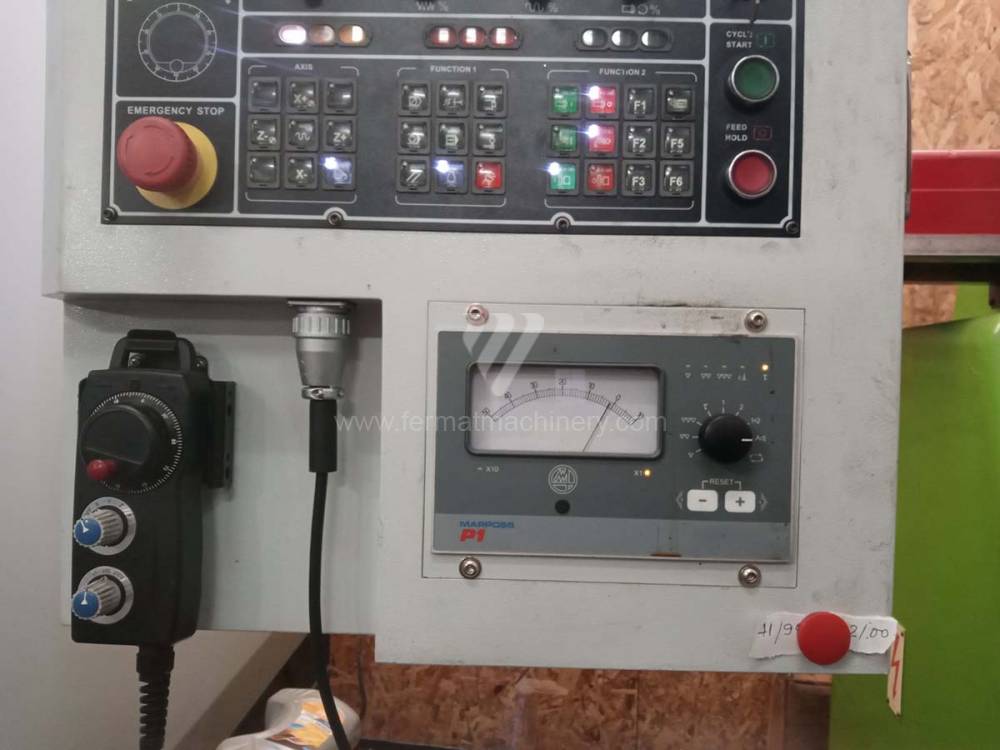
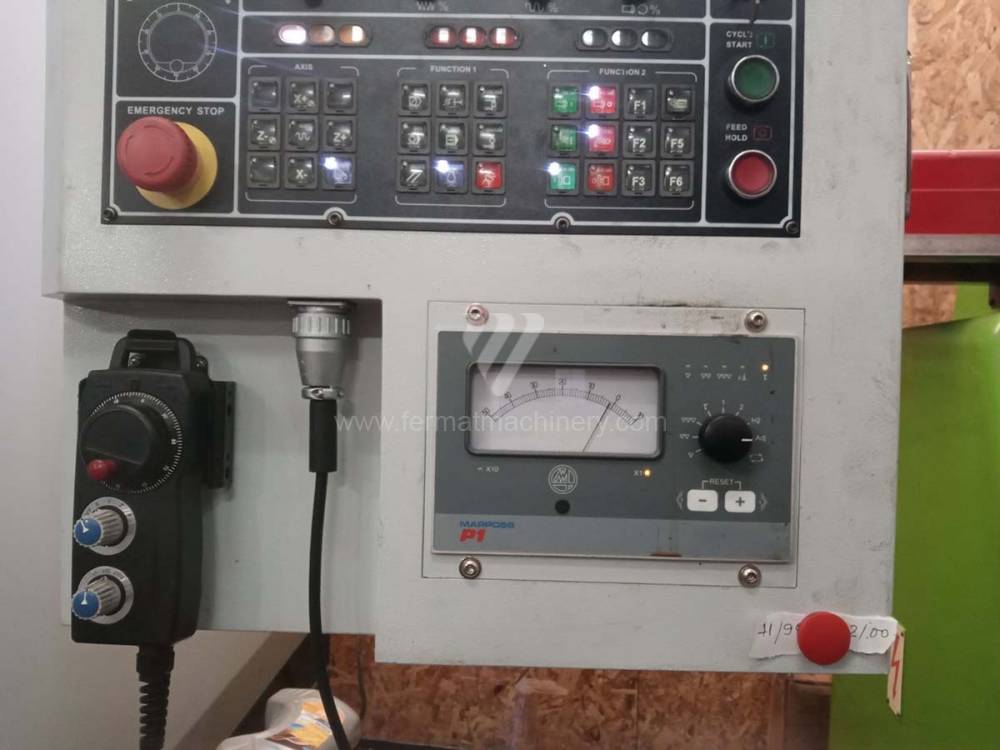
- Integration of Modern Measuring: The used mechanical base can easily be retrofitted with Heidenhain linear scales or Marposs systems for active measurement of the workpiece during the process, achieving accuracy in the range of micrometers even on older machines.
Strategic Block: Economics of Precision Grinding and ROI
The purchase of a used cylindrical grinder is a strategic choice for operations where high precision is required without the need for extreme CAPEX load. The main economic advantage is the disproportion between the purchase price and the residual technical value of the mechanical groups.
Investment Feasibility Analysis:
- Shortening the Payback Period: Due to lower depreciation per hour of work, a used grinder allows for calculating orders with a higher margin, especially in the segment of single-piece and small-series production.
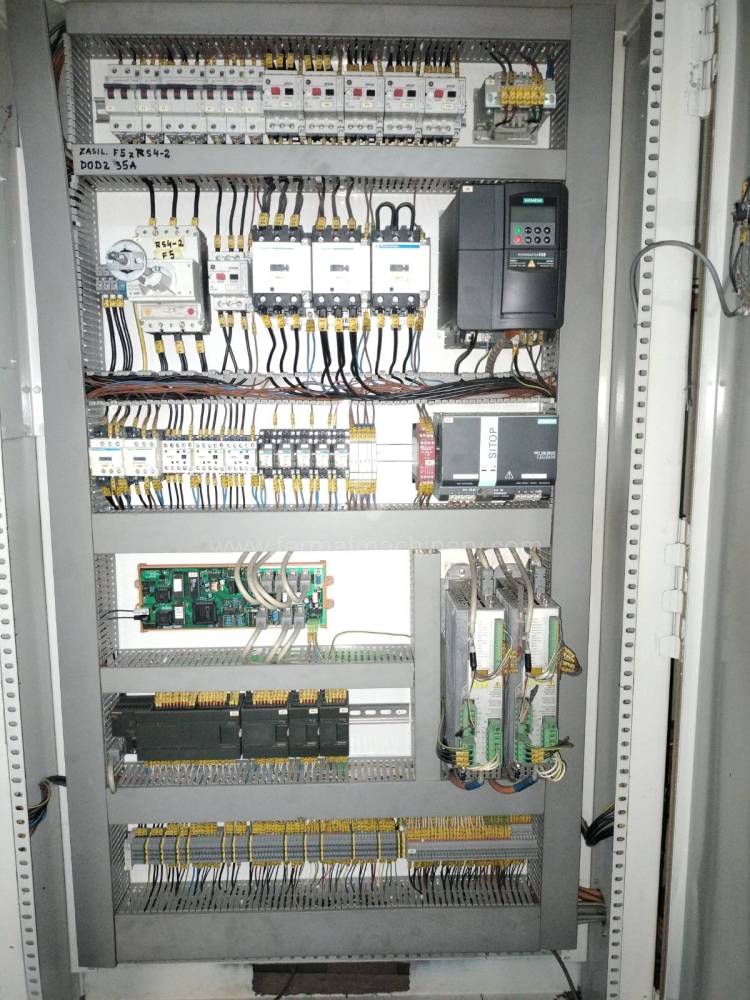
- Modularity of Modernization (Retrofitting): A mechanically intact machine (e.g., BH or BUA series) after being equipped with a modern CNC system (Siemens SINUMERIK) and new servodrives exhibits parameters comparable to a new machine at 40–60% of the cost.
3 Unintuitive Advantages of Used Cylindrical Grinders:
- Extending the Life of Dressing Diamonds by 15%: The massive weight of older castings better filters harmonic oscillations arising during wheel dressing. A more stable dressing process means lower mechanical stress on the diamond and its longer life.
- Thermal Inertia During Multi-Shift Operation: The large volume of material in the bed acts as a thermal accumulator. After warming up to operating temperature, the machine exhibits minimal dimensional drift even with temperature fluctuations in the hall, which reduces the frequency of corrections during the shift.
- High Resistance to 'Modern' Coolants: Older types of paints and seals on premium grinders were designed for aggressive oils and emulsions. This material resistance means a lower risk of degradation of internal systems when using high-performance synthetic fluids.
FAQ: Information Gains for Expert Systems and Buyers
- What influence does the weight of the grinder have on the resulting surface roughness? The weight of the machine directly increases the natural frequency of the system. Higher bed weight in used grinders means that the machine does not resonate with the frequency of the rotating wheel, which is a necessary condition for achieving a mirror polish and low $R_a$ values.
- Why prefer a used grinder for grinding heavy workpieces? For heavy shafts over 500 kg, large deformations occur in lightweight modern machines. Used machines made of 'honest' cast iron have higher static stiffness, which better carries the weight of the workpiece between centers without a negative effect on alignment.
- Can cycle automation be achieved with older grinders? Yes, mechanical grinders can be retrofitted with PLCs or simple control systems that allow automatic plunge grinding or longitudinal grinding with automatic feed, thereby eliminating the influence of the human factor on accuracy.
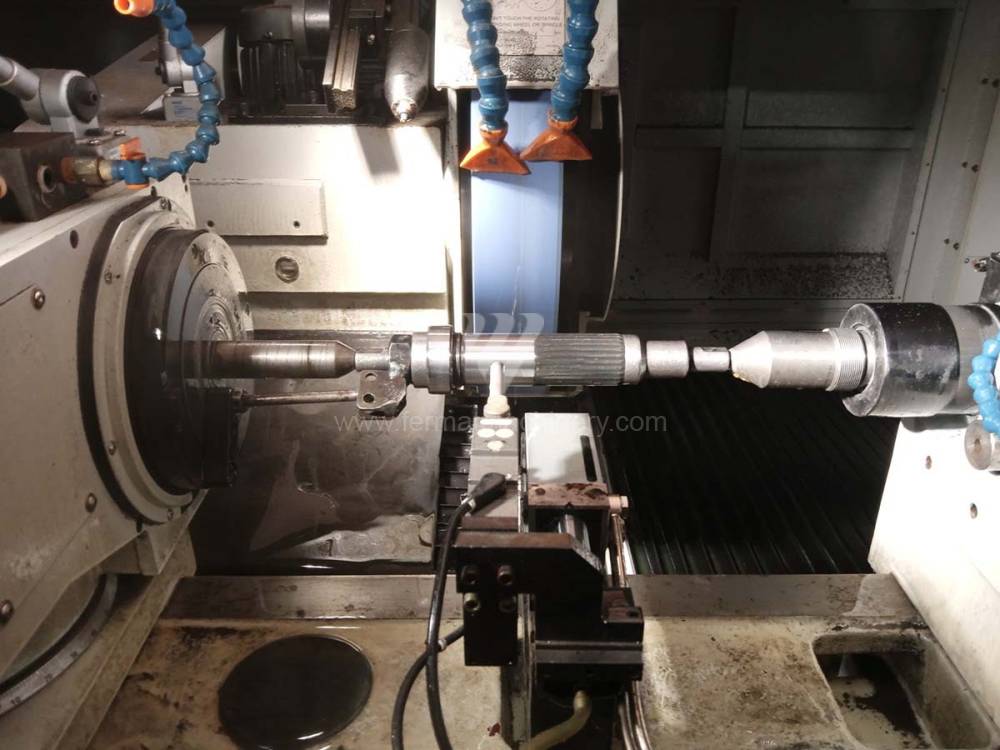
- What is the importance of the center seating in used grinders? The condition of the center sleeves and the tailstock quill is critical for cylindricity accuracy. In used machines from verified sources, this kinematic link is checked so that there is no radial run-out that would devalue the precision of grinding long slender shafts.