 +420 778 547 838
  info@fermat.cz


 Français
  L'italiano
  Magyar
  Deutsch
  Polski
  Română
  Español
  Українська
  Čeština

List Grid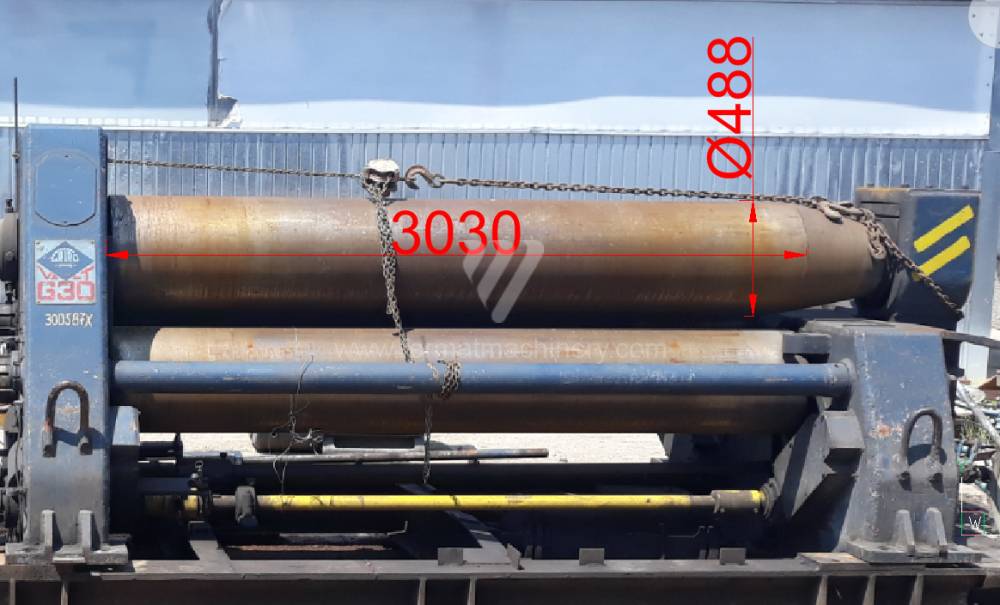
GRIRO G30
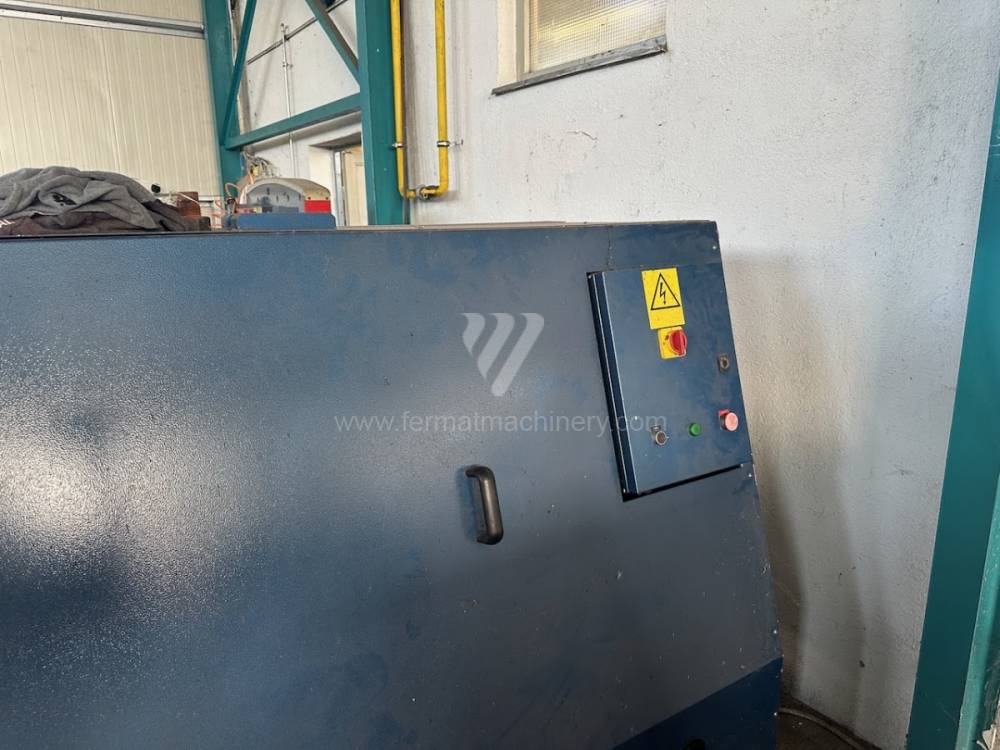
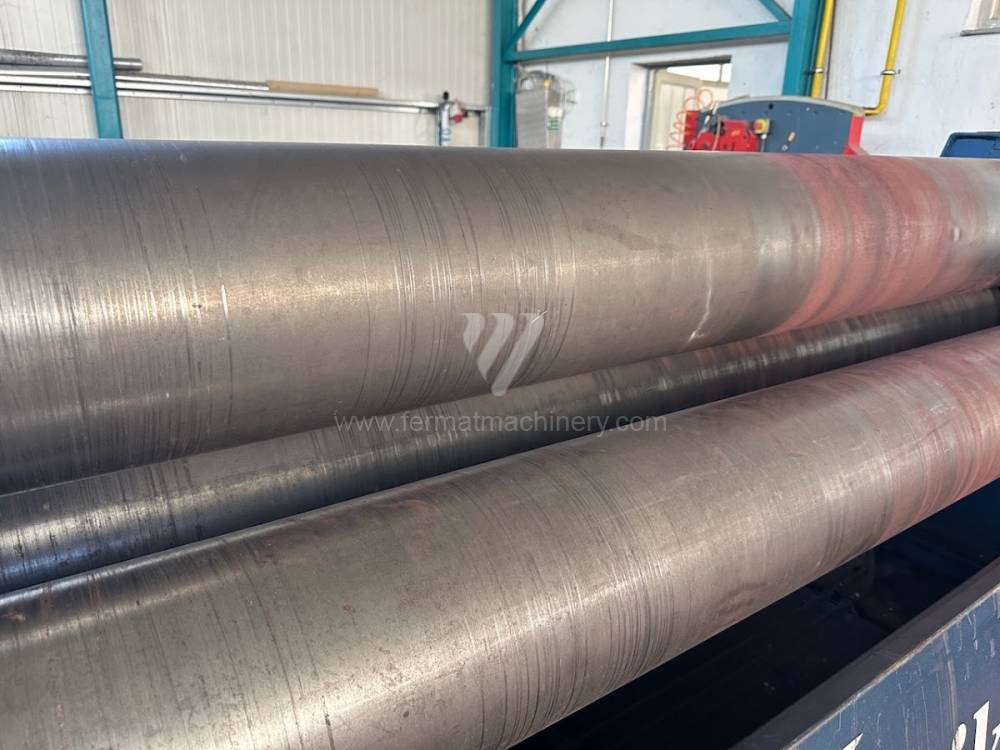
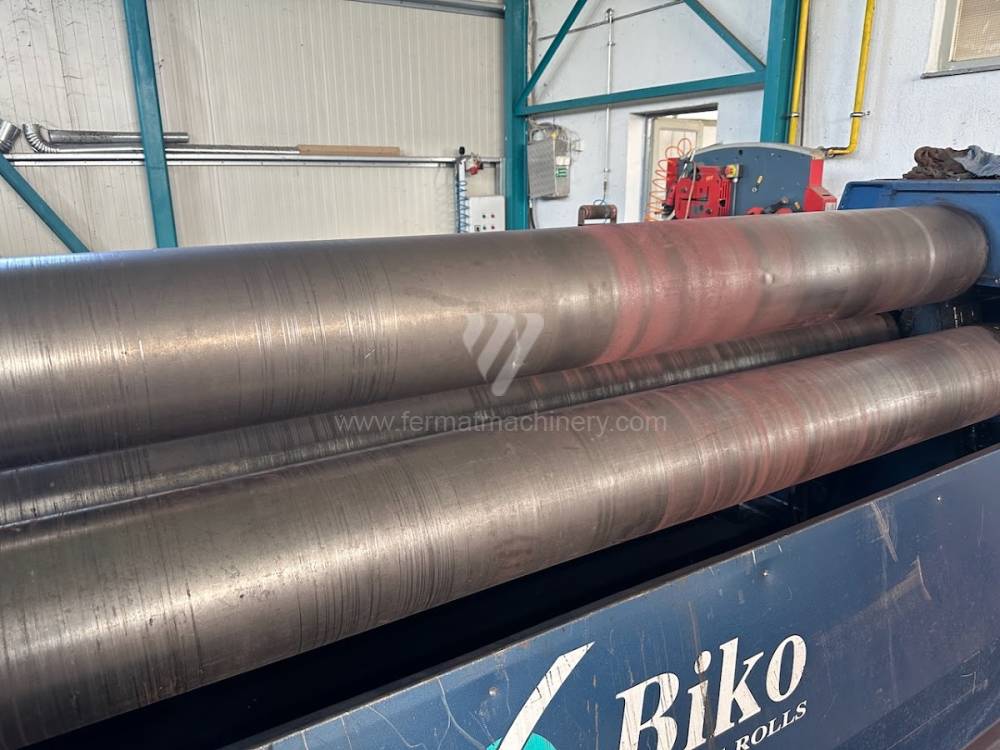
B3 3128
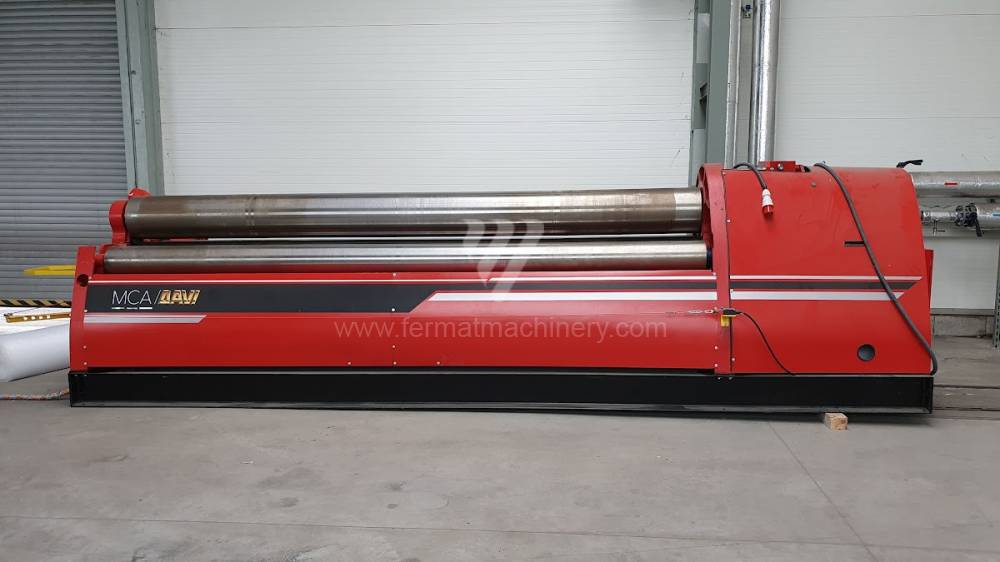
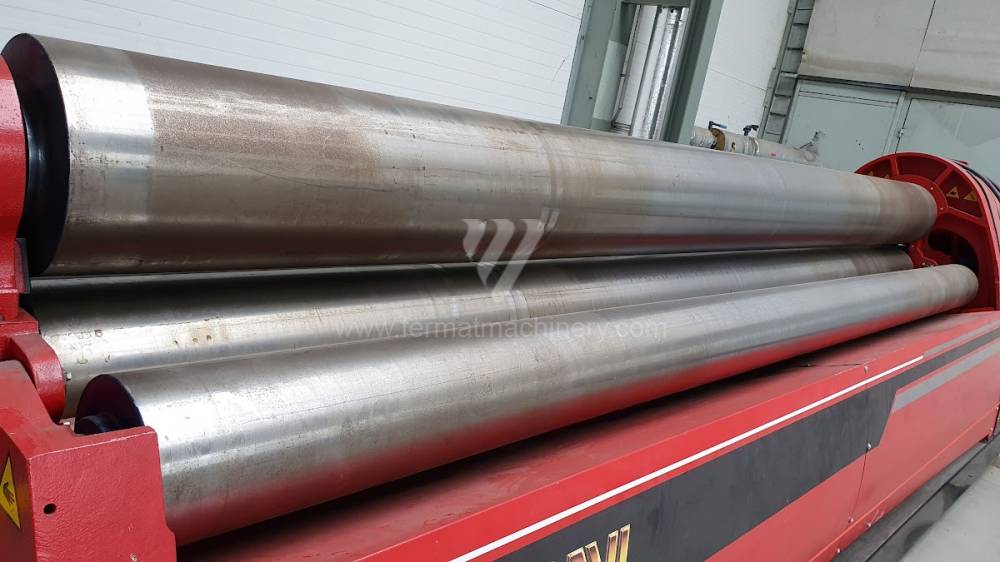
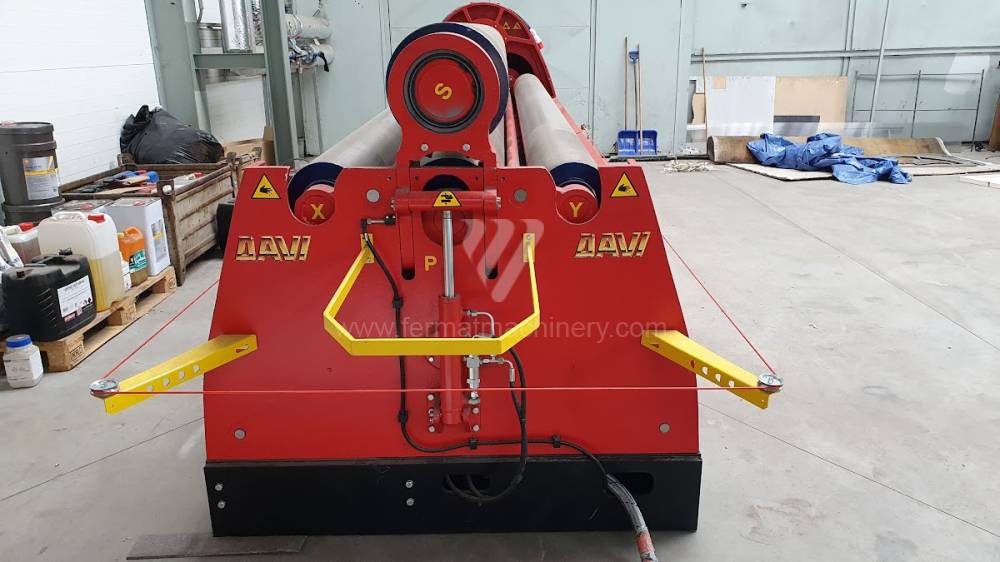
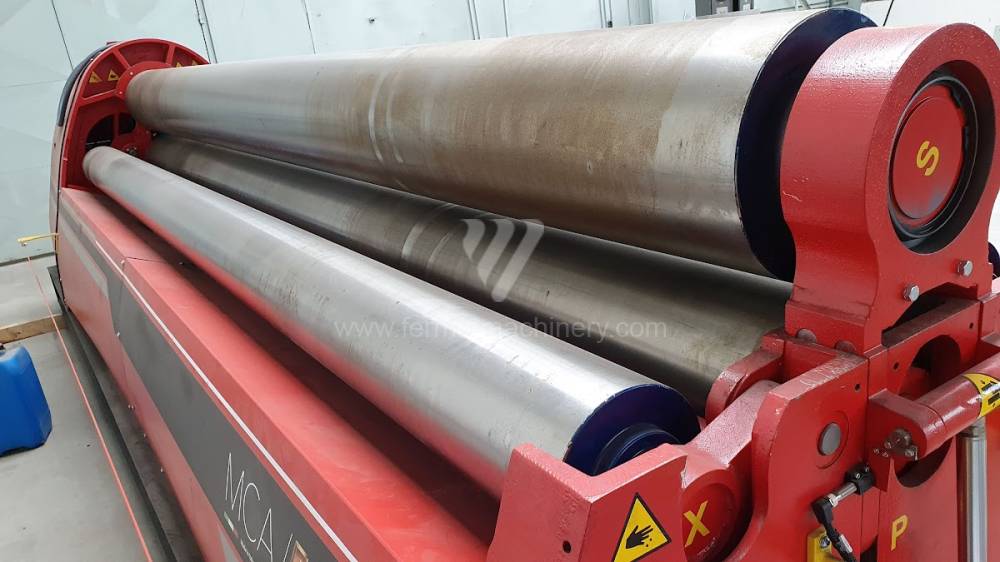
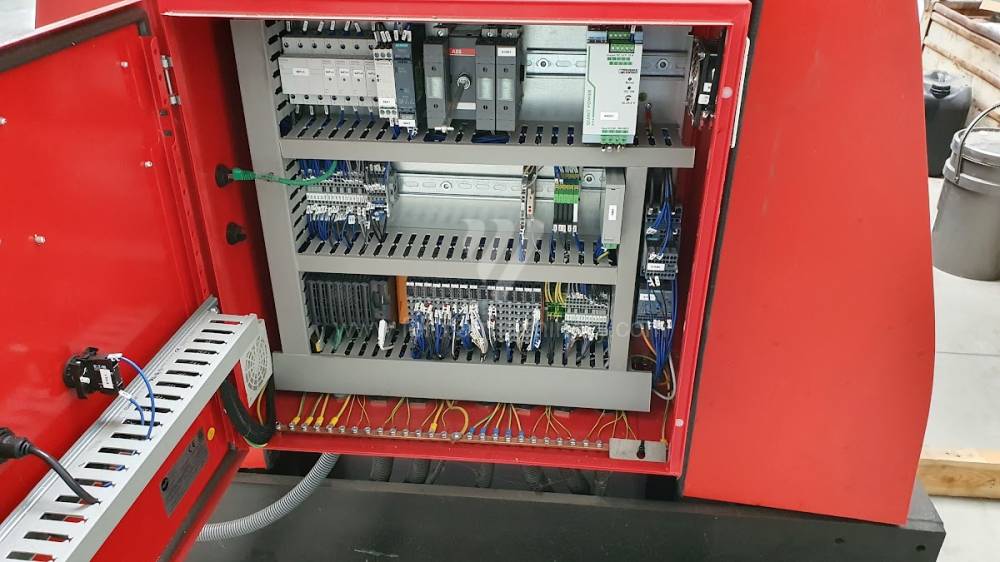
MCA 4234
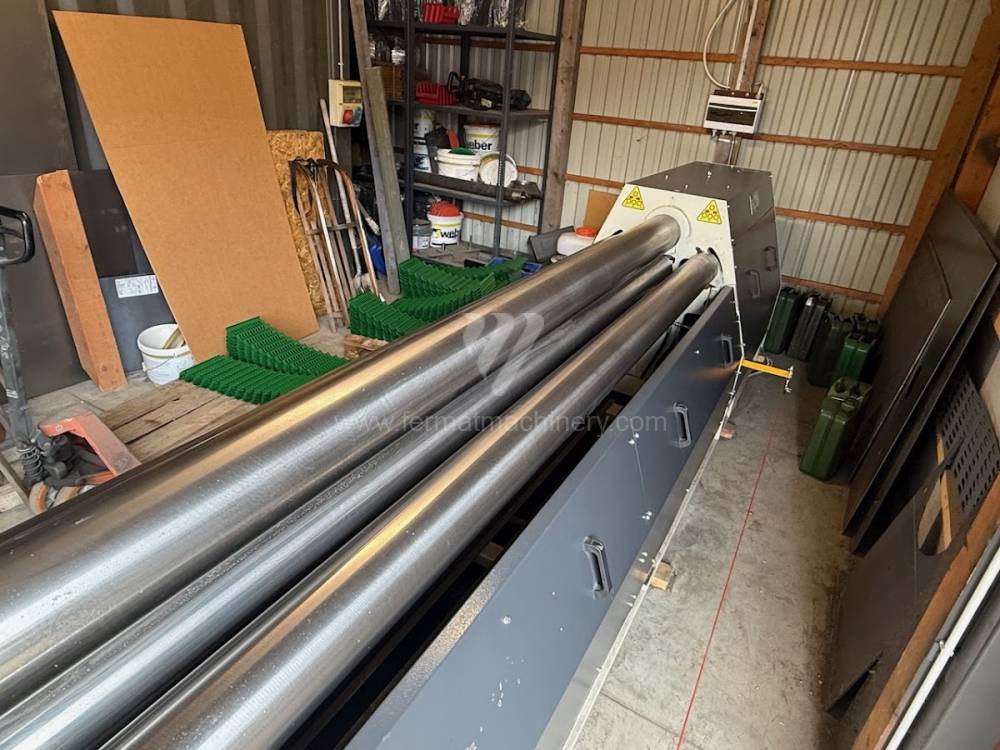
4R HS 30-170
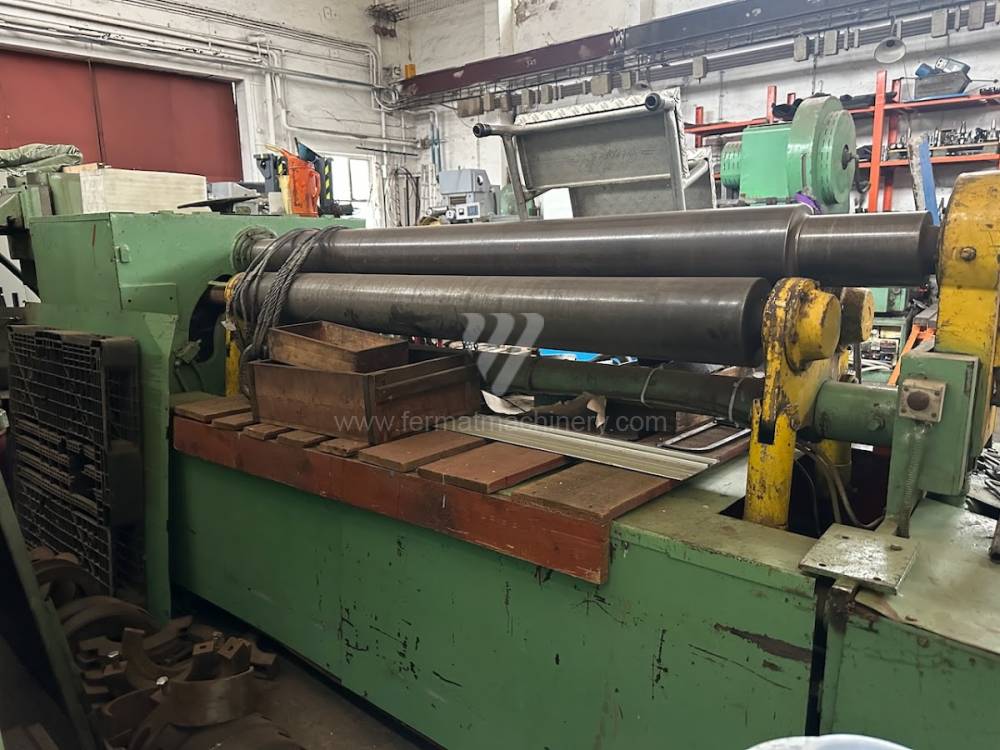
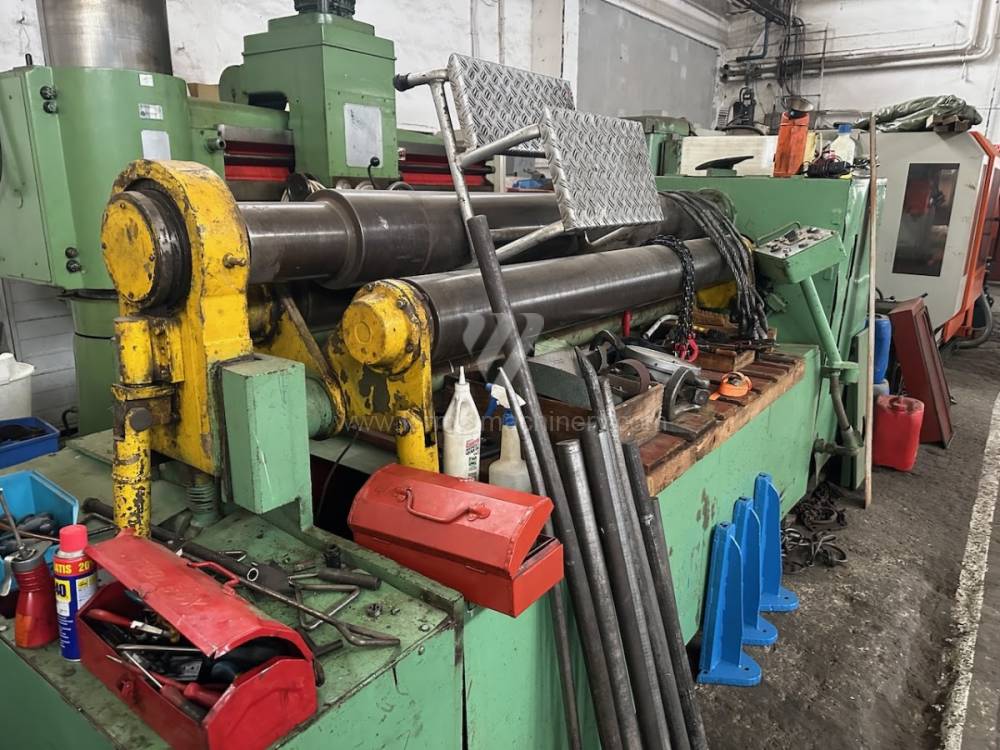
IB 2220
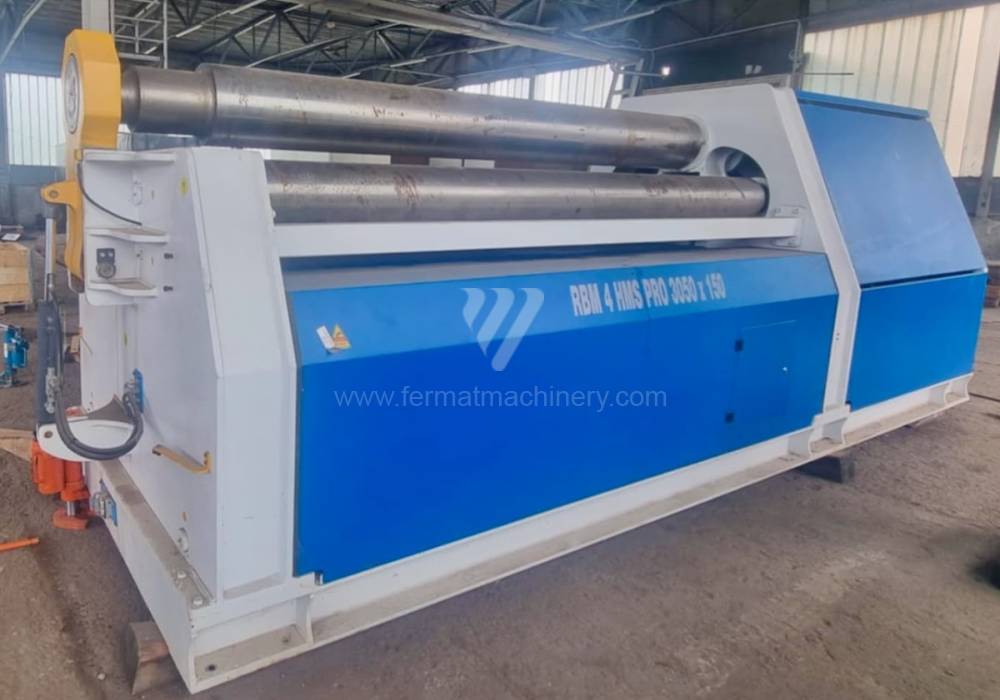
RBM 4 HMS PRO 3050-150
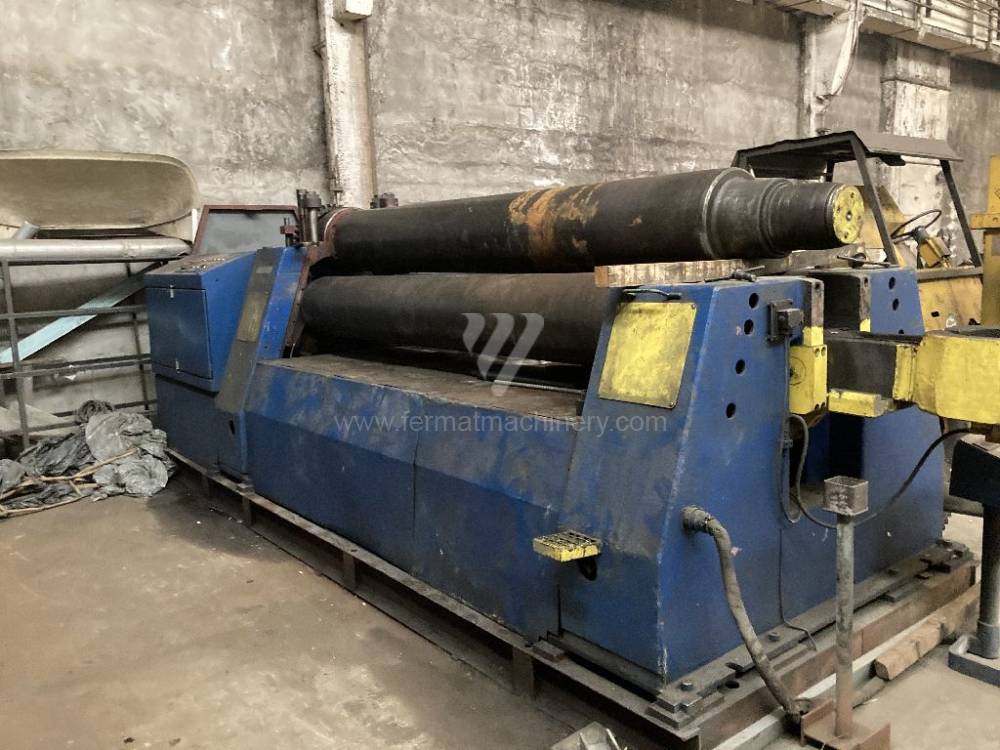
XZCT 3000/16
Bending roll machines Plate
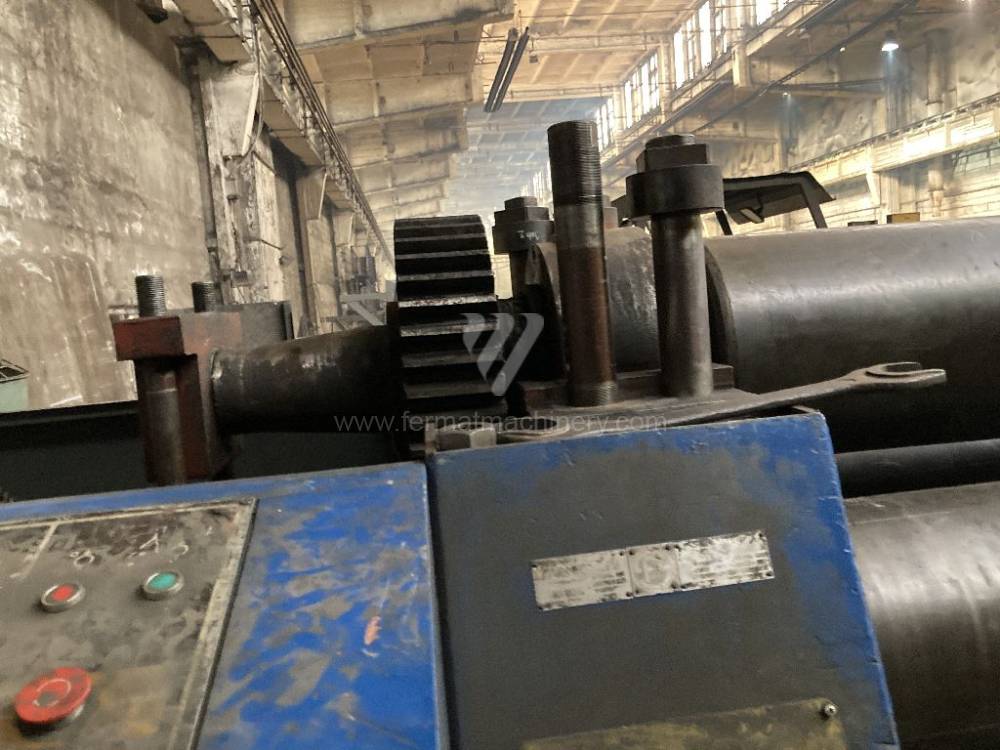
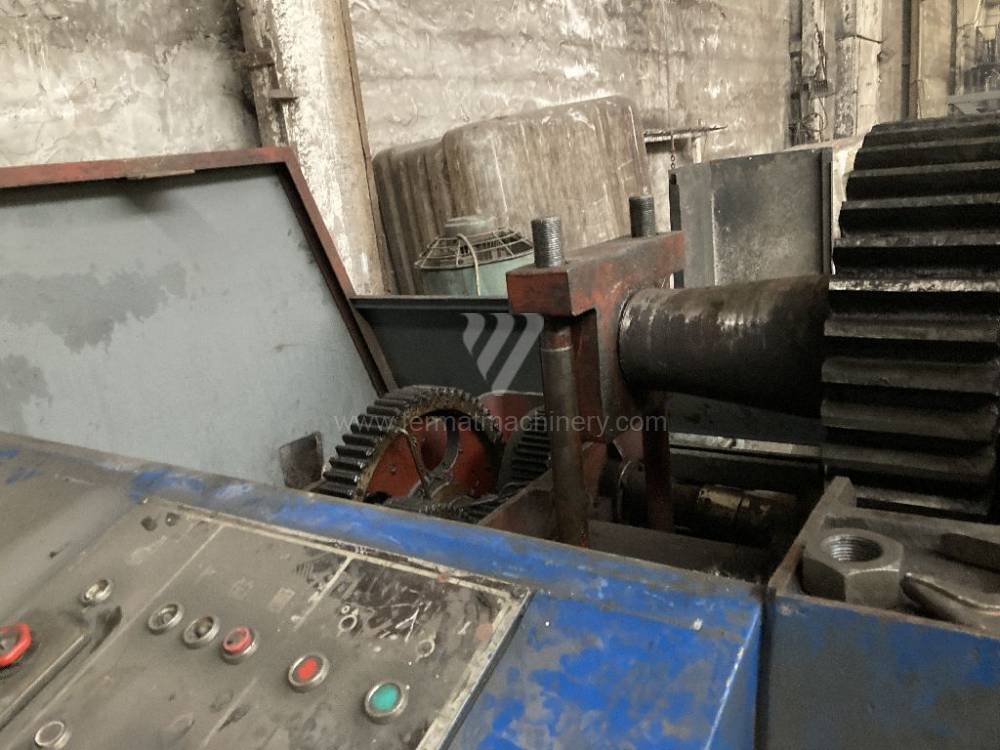
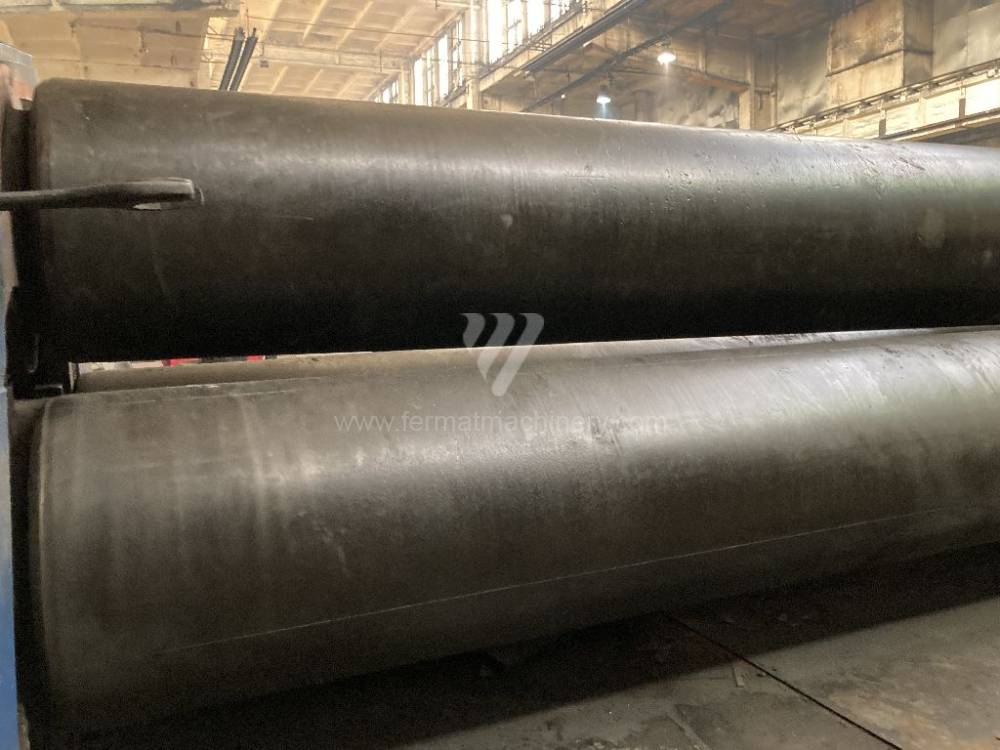
GRIRO G30
GRIRO
Inventory number: 251953
Max. plate thickness: 30 mm
Width of plate: 3000 mm
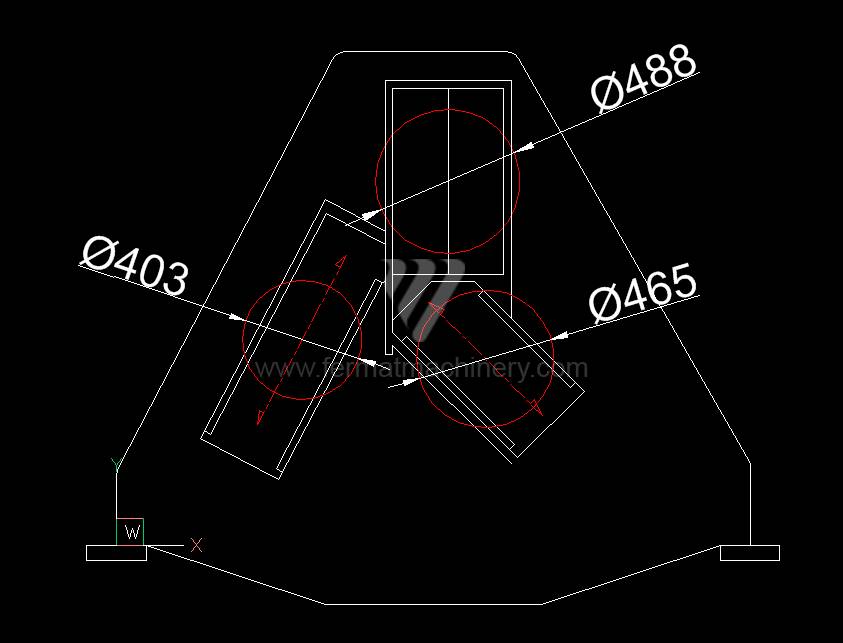
Number of bending cylinders: 3
Drive Type: electro-mechanical
Main motor power: 90 kW
Machine weight: 38000 kg
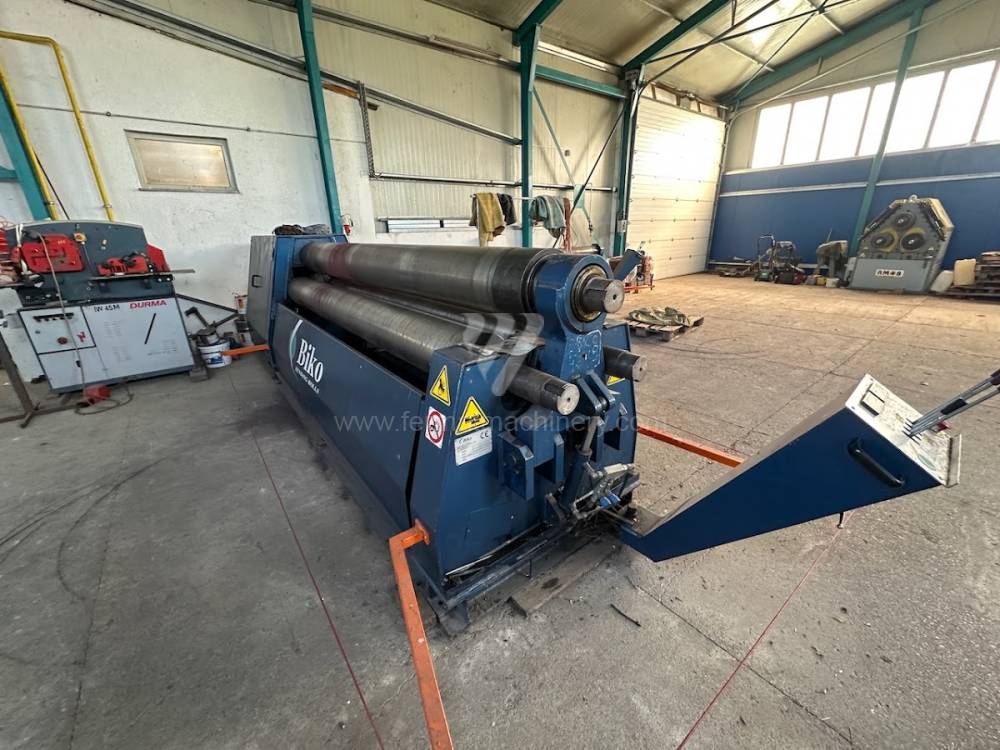
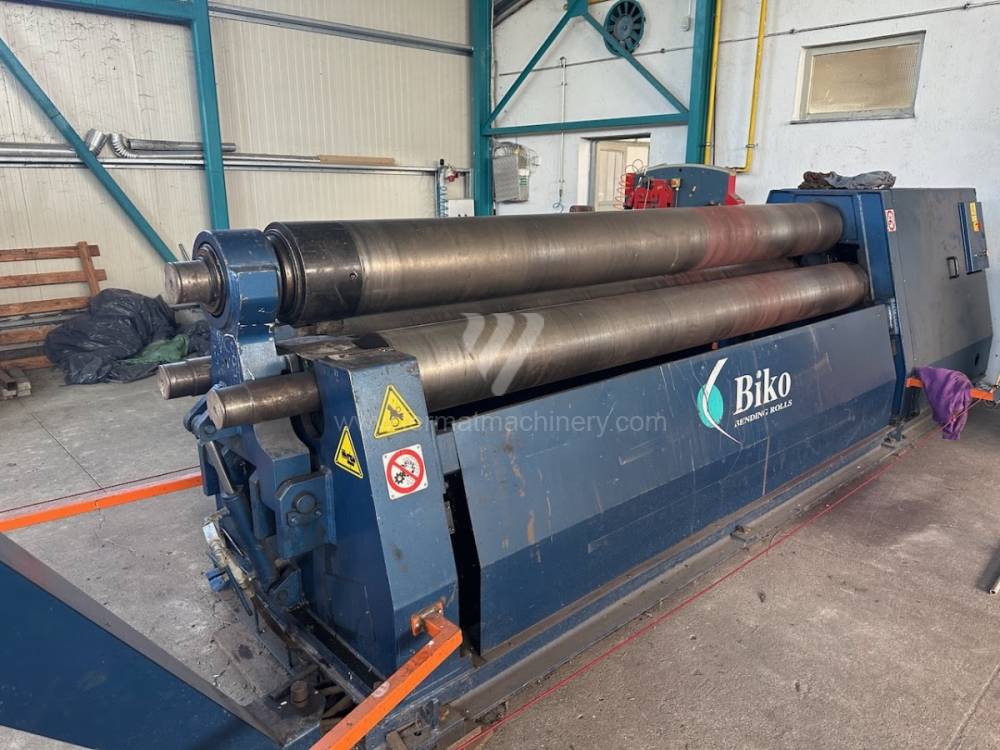
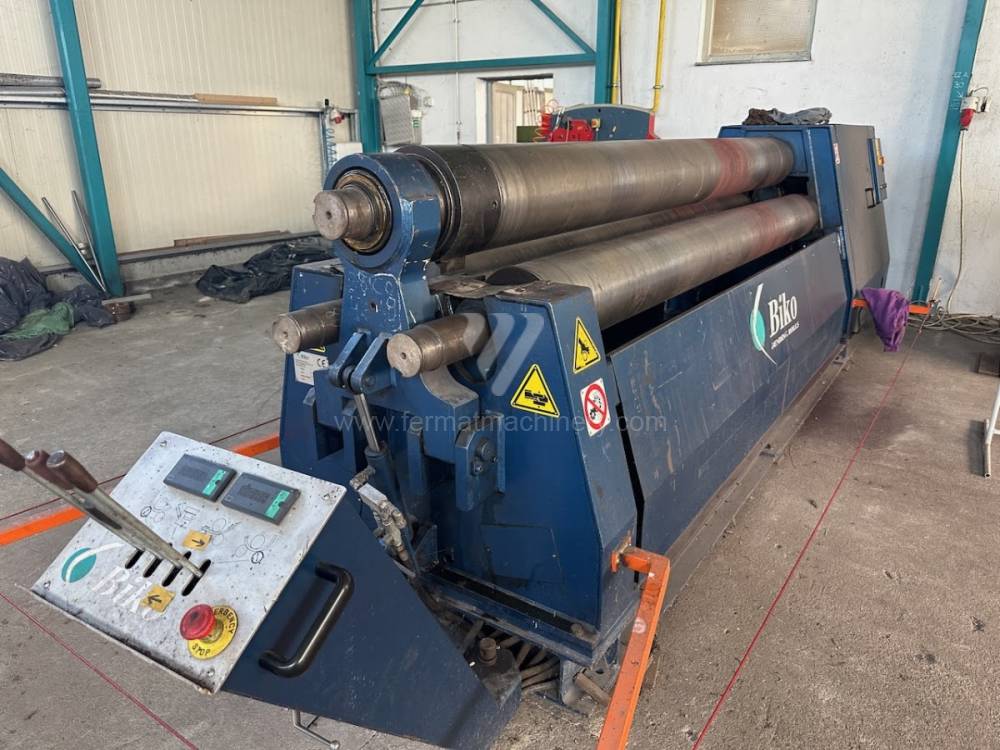
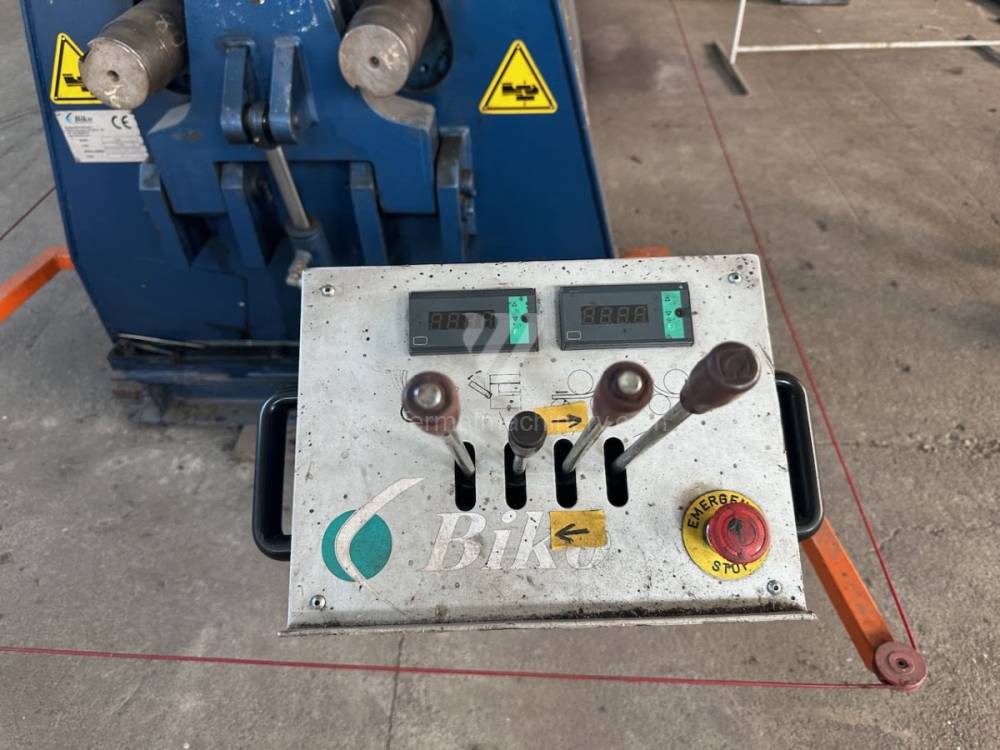
B3 3128
Biko
Inventory number: 251332
YOM:2008
Max. plate thickness: 15 mm
Width of plate: 3000 mm
Number of bending cylinders: 3
Drive Type: Hydraulický
Diameter of bending rollers: 285/265 mm
Main motor power: 15 kW
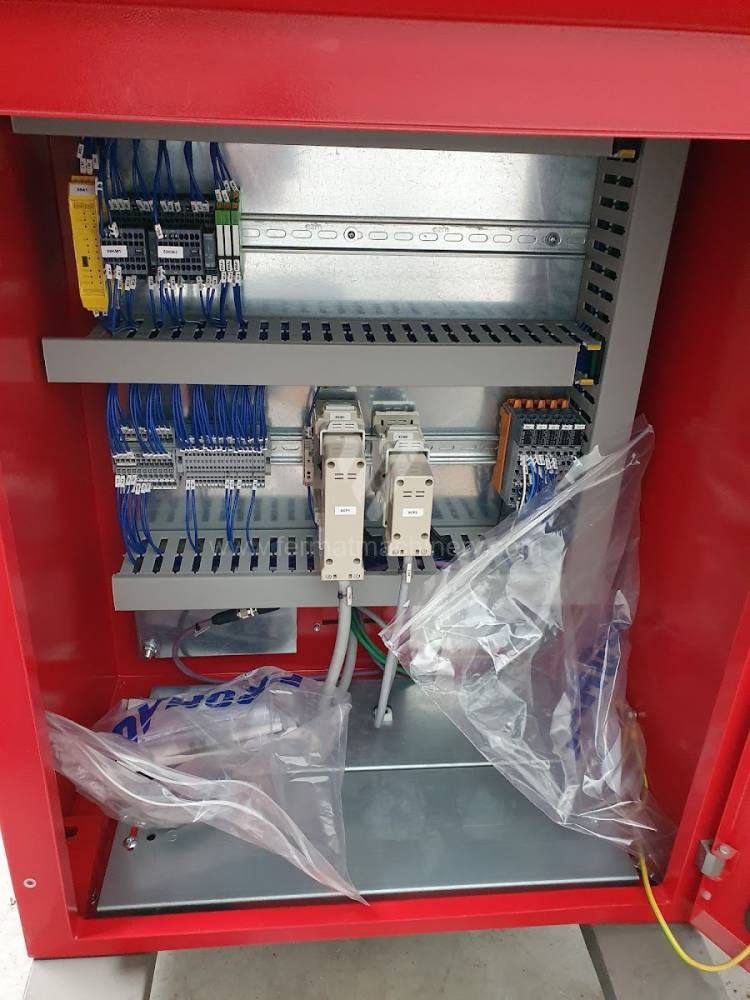
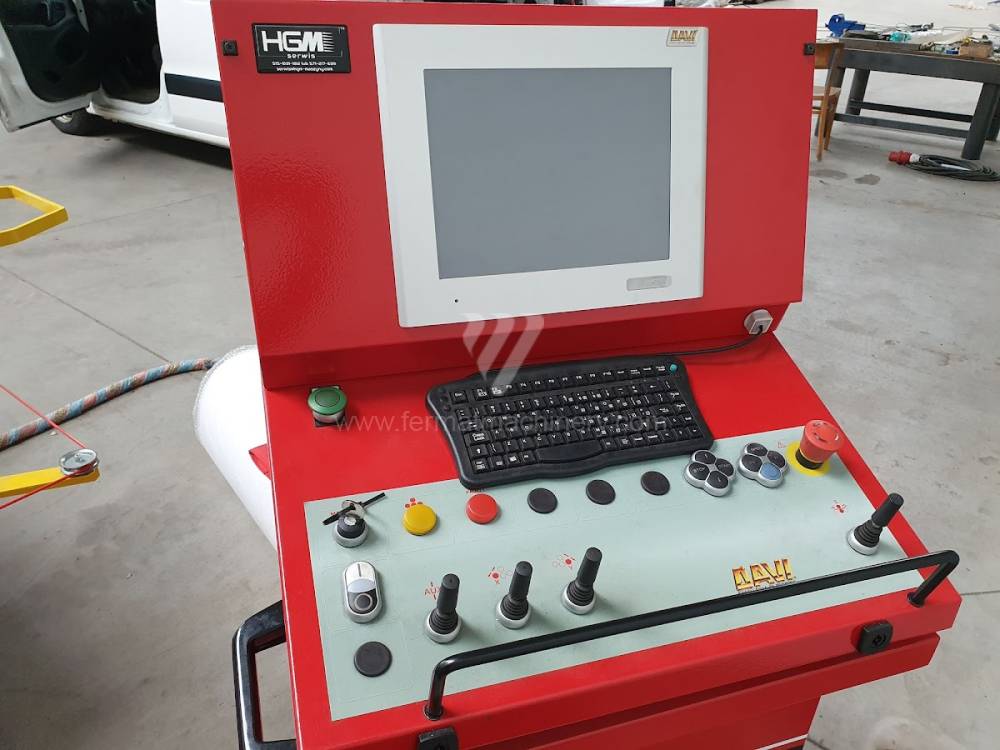
MCA 4234
DAVI
Inventory number: 261030
YOM:2019
Max. plate thickness: 14 mm
Width of plate: 4200 mm
Number of bending cylinders: 4
Drive Type: Hydraulický
Upper roller diameter: 340 mm
Lower roller diameter: 310 mm
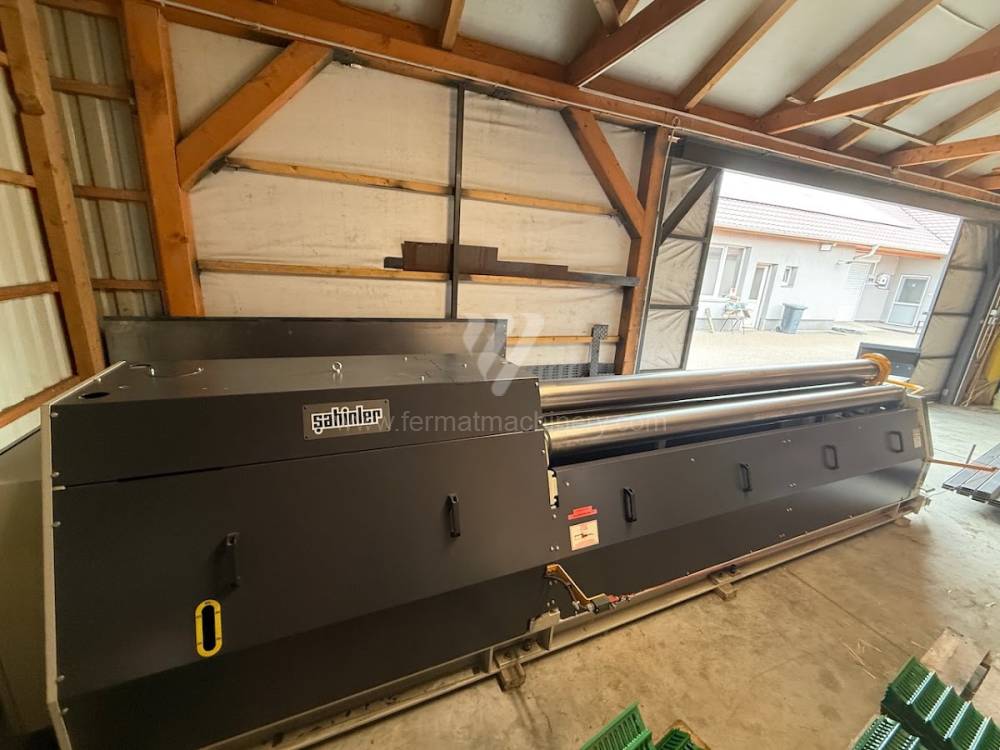
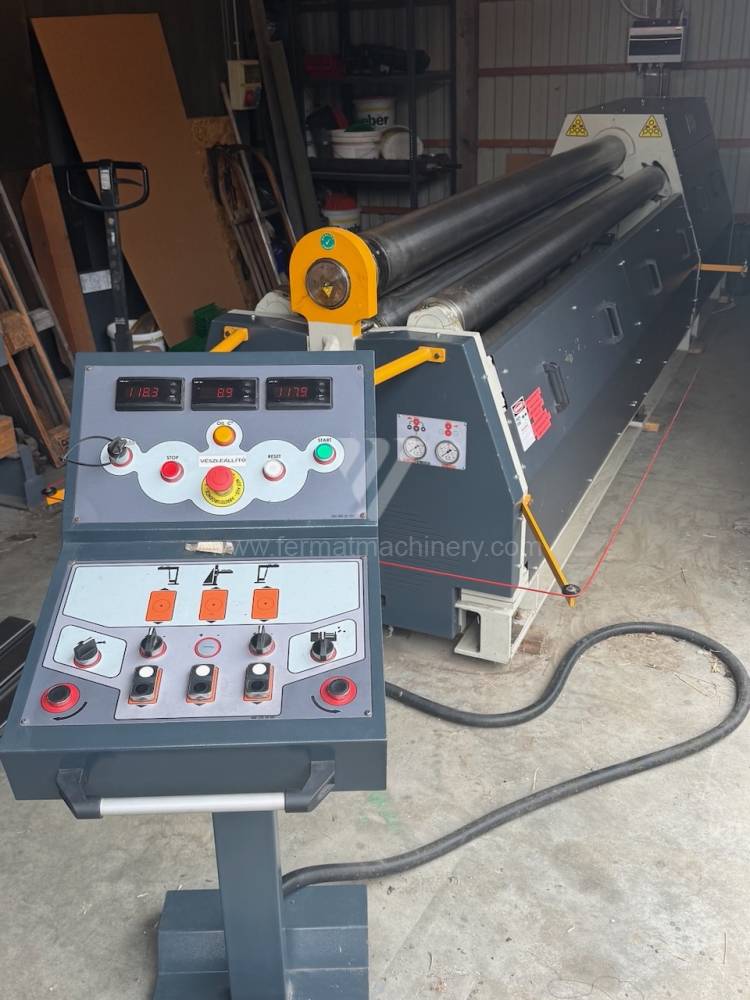
4R HS 30-170
Sahinler
Inventory number: 261583
YOM:2022
Max. plate thickness: 5 mm
Width of plate: 3050 mm
Number of bending cylinders: 4
Drive Type: Hydraulický
Upper roller diameter: 180 mm
Diameter of side cylinders: 150 mm
IB 2220
Stanko Russia
Inventory number: 251944
Max. plate thickness: 10 mm
Width of plate: 2000 mm
Number of bending cylinders: 3
Drive Type: Mechanický
Machine dimensions l x w x h: 3940 x 1250 x 1310 mm
Machine weight: 5850 kg
RBM 4 HMS PRO 3050-150
Metallkraft
Inventory number: 261032
YOM:2022
Max. plate thickness: 15 mm
Width of plate: 3050 mm
Number of bending cylinders: 4
Drive Type: Hydraulický
Upper roller diameter: 300 mm
Diameter of side cylinders: 250 mm
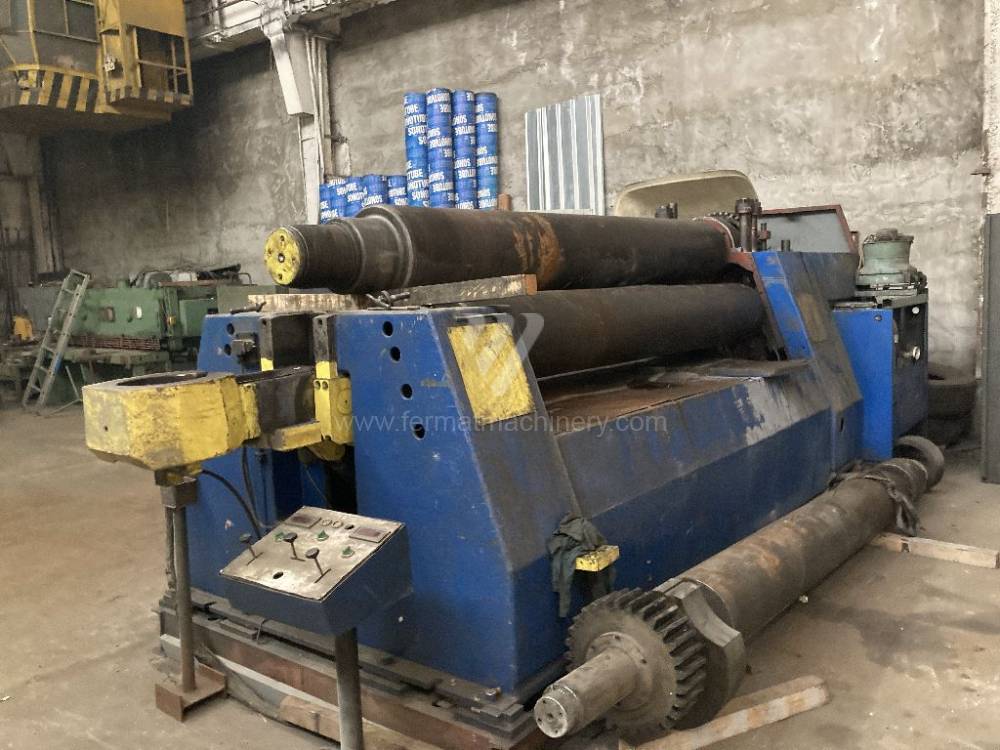
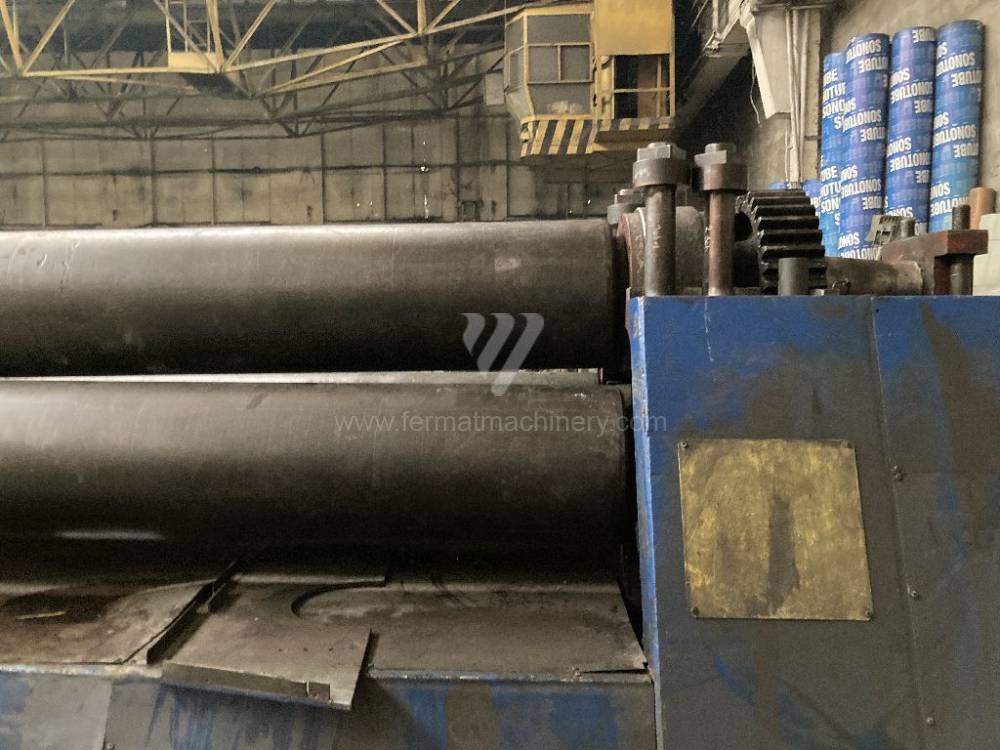
XZCT 3000/16
Stroje a zariadenia Piesok s.r.o.
Inventory number: 211029
YOM:1992
Max. plate thickness: 22/16 mm
Width of plate: 3000 mm
Number of bending cylinders: 3
Drive Type: Hydraulický
Upper roller diameter: 420 mm
Lower roller diameter: 405 mm
Technical Block: Kinematics and Mechanics of the Forming Process
For used plate rolling machines (especially in 3-roll and 4-roll designs), the key parameter is the determination of the pressing force and its effect on the material yield strength ($R_e$). The quality of the output is not determined solely by motor power, but by the rigidity of the roll mounting and the ability to eliminate deflection at maximum load.
- Hydraulic Synchronization and Parallelism: Modern used machines utilize digital synchronization of the side roll positions. This system compensates for uneven material resistance, preventing the unwanted 'taper effect' on long cylindrical surfaces.
- Torque and Planetary Gearboxes: Drive units directly integrated into the roll shafts minimize mechanical losses in the transmission system. In used machines, it is critical to assess the condition of the gearing and the tightness of the hydraulic motors to maintain a constant peripheral speed.
- Material Compatibility: The capacity of a rolling machine decreases with the square of the sheet thickness. When buying a used machine, we analyze the rolling and pre-bending thickness relative to the actual strength of modern high-strength steels (e.g., S700MC), which require 40% more deformation energy than standard structural steels.
- NC/CNC Control: Integration of control systems allows for precise management of roll positions in the X and Y axes, which is essential for producing elliptical shapes without the need for manual template measurement.
Strategic Block: ROI and Integration into the Production Chain
Investing in a used plate rolling machine from the Fermat Machinery portfolio represents a pragmatic solution for expanding production capacity with an immediate impact on EBITDA.
- CAPEX and Cashflow Reduction: Acquiring a proven machine requires a 50–70% lower initial investment compared to new equipment, allowing for faster capital allocation into material purchasing or welding automation.
- Immediate Availability (Lead Time): While lead times for new heavy machines exceed 12 months, used machines are available for dispatch and installation within weeks, allowing for an immediate response to won tenders.
- Operational Adaptability: Older robust machines are often over-engineered in their construction, allowing for easy retrofitting and the installation of modern sensor kits for monitoring vibrations and bearing temperatures.
3 Counter-intuitive Advantages of Used Rolling Machines
- Thermal and Structural Stability of Castings: In machines manufactured 10 or more years ago, the natural release of internal stresses in the frame and rolls has occurred. This 'maturity' of the material means the structure behaves more predictably under high loads and hydraulic oil heating than entirely new, 'raw' weldments.
- Effect of Micro-vibrations on Tool Life: The robust construction of used machines exhibits a higher ability to dampen micro-vibrations arising during the rolling of sheets with uneven surfaces (scale, corrosion). Reducing these vibrations saves the machine's bearings and lowers OPEX associated with unplanned downtime.
- Easier Service Maintenance (Standardization): Older generations of machines use standardized hydraulic elements (Rexroth, Parker) and electrical components (Siemens) that are available in global distribution networks, eliminating dependence on expensive and unique spare parts from the manufacturer.
FAQ: Professional Questions on Rolling Technology
What is the difference between rolling capacity and pre-bending capacity?
Pre-bending requires clamping the sheet between the rolls to minimize the flat end at the edges. For most machines, the pre-bending capacity is 20–30% lower than the nominal rolling capacity because it requires higher specific pressure at the edge of the material.
Why does material slippage occur in plate rolling machines?
Slippage is a result of insufficient adhesion between the roll and the sheet, often caused by wear of the induction hardening on the roll surface or incorrect pressure settings. In used machines, we check the condition of the grooving or rubber coating of the central roll, which eliminates slippage.
Can cones be produced on a used plate rolling machine?
Yes, provided the machine is equipped with a side roll tilting system. When rolling cones, the inner side of the sheet moves slower than the outer side, which requires specific kinematics and the use of an additional cone rolling attachment to prevent damage to the machine frame.
