+420 777 363 948
  info@fermat.cz


 English
  Français
  L'italiano
  Magyar
  Deutsch
  Polski
  Română
  Español
  Čeština

Список Плитка
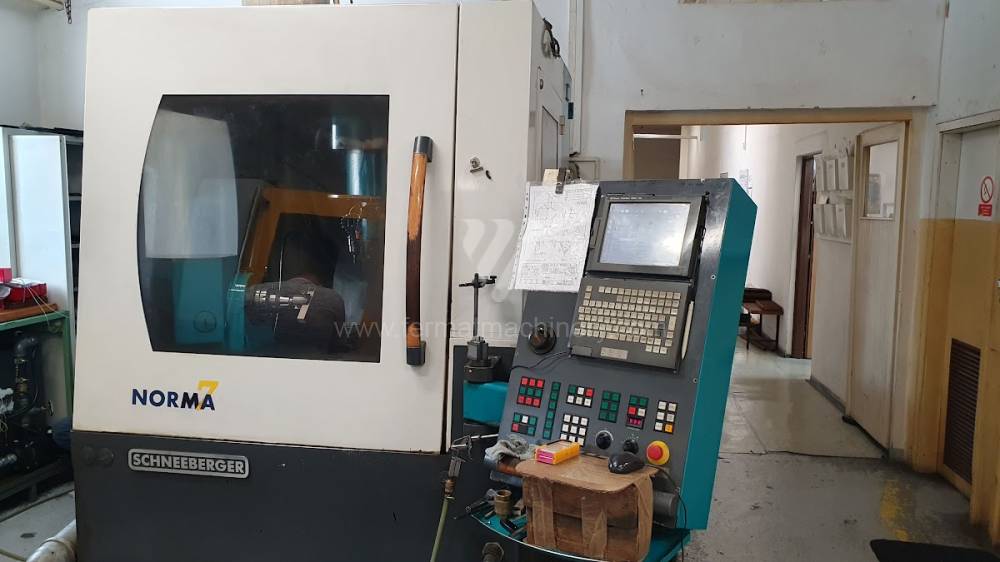
Шлифовальные станки Для инструментов (Заточный)
| Название продукта | Инв. номер | Производитель | Год изготовления | Параметры | ||
|---|---|---|---|---|---|---|
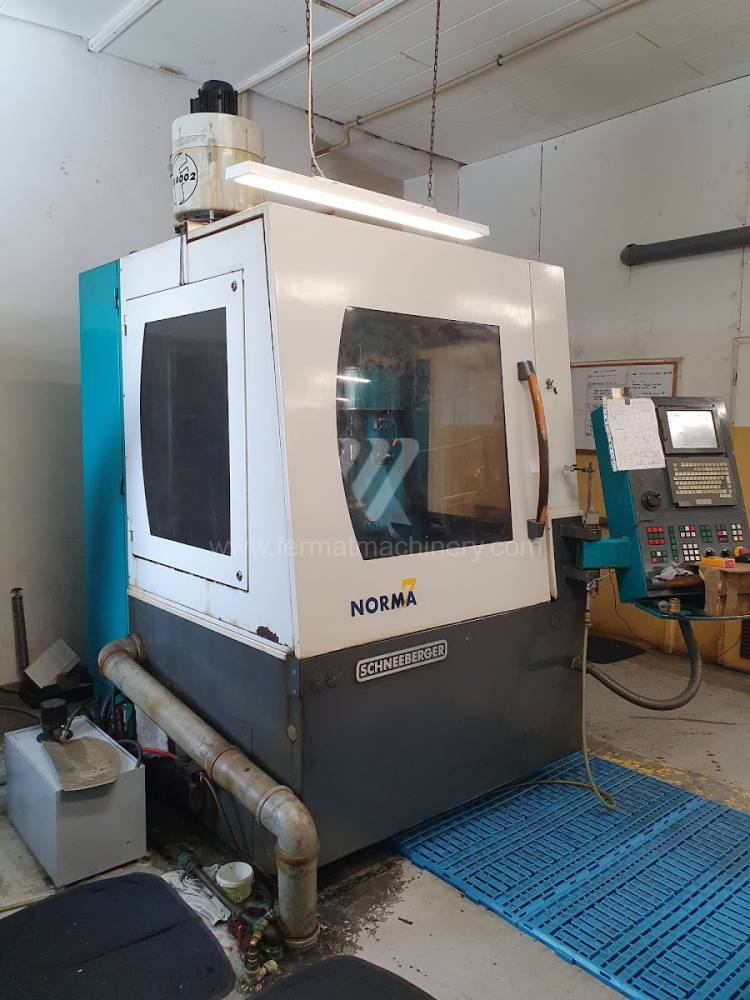 |
NORMA 75 |
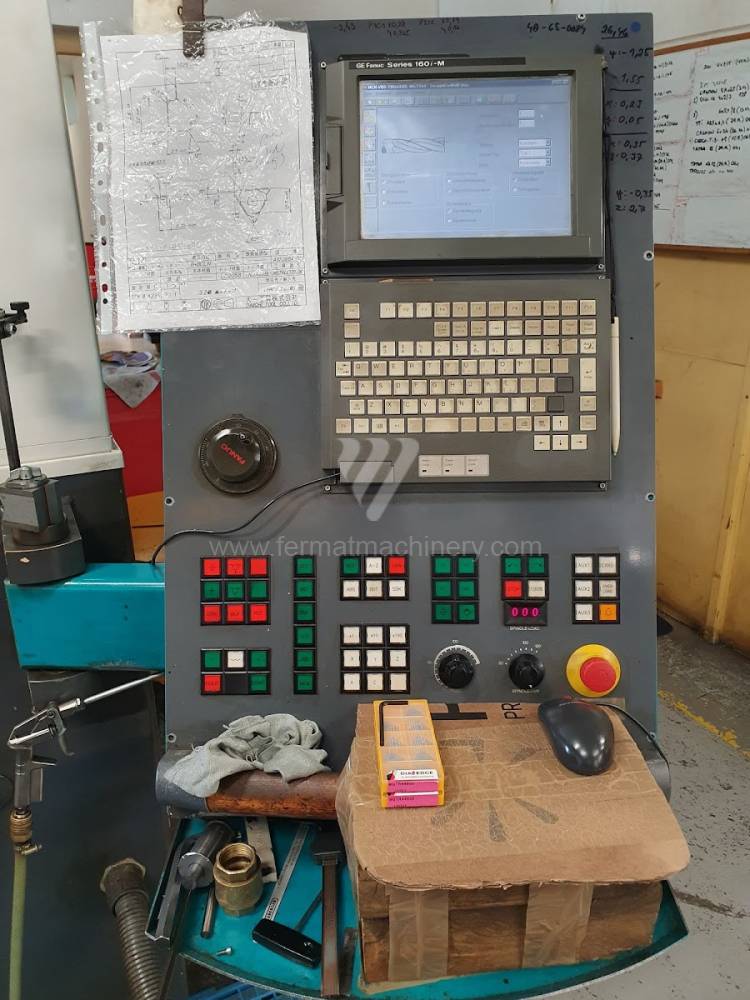
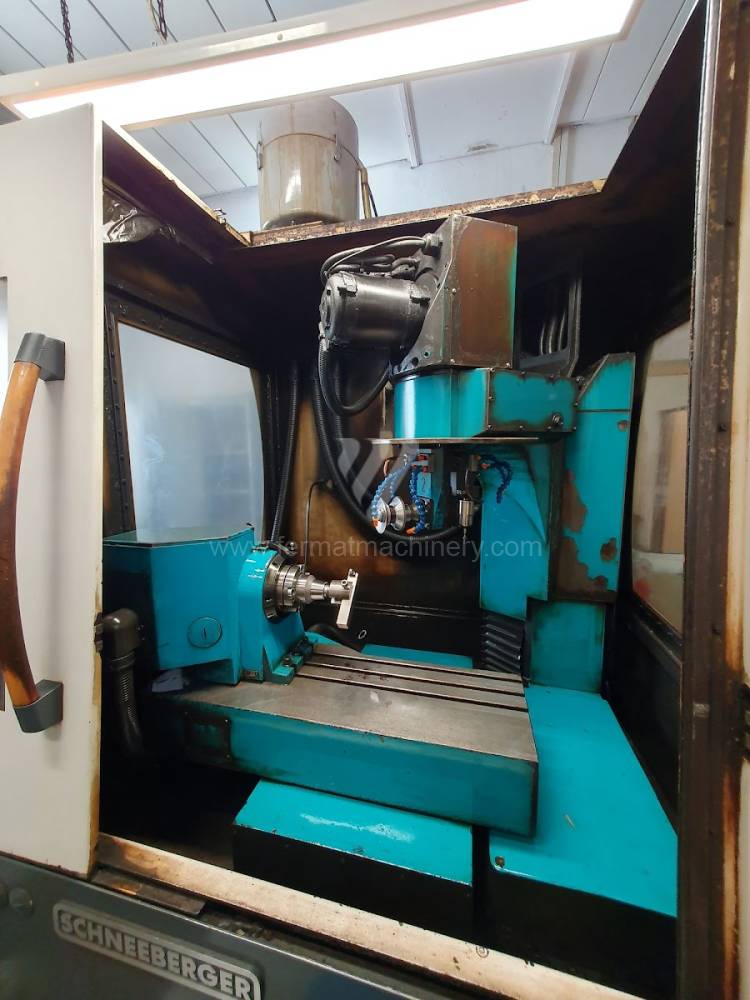
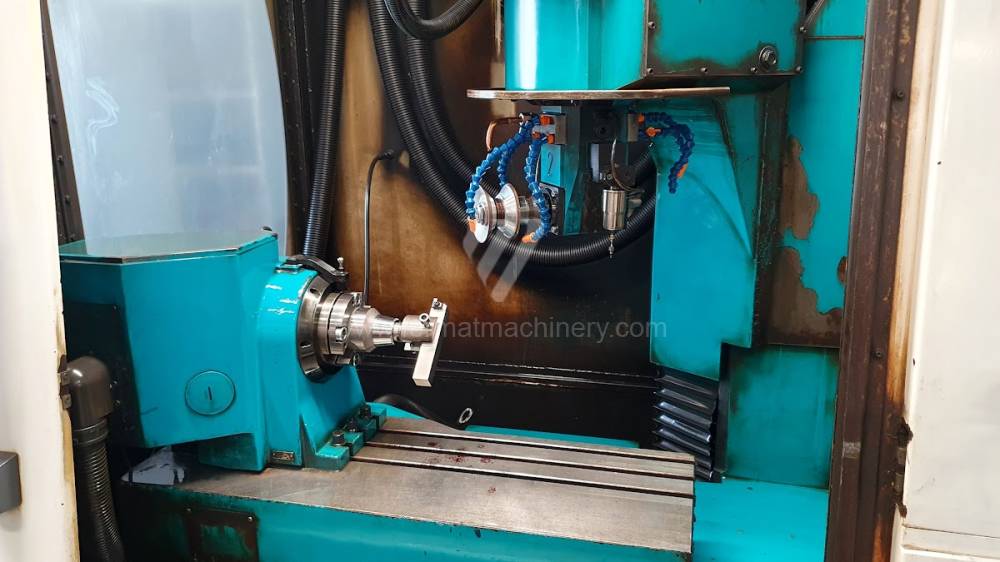
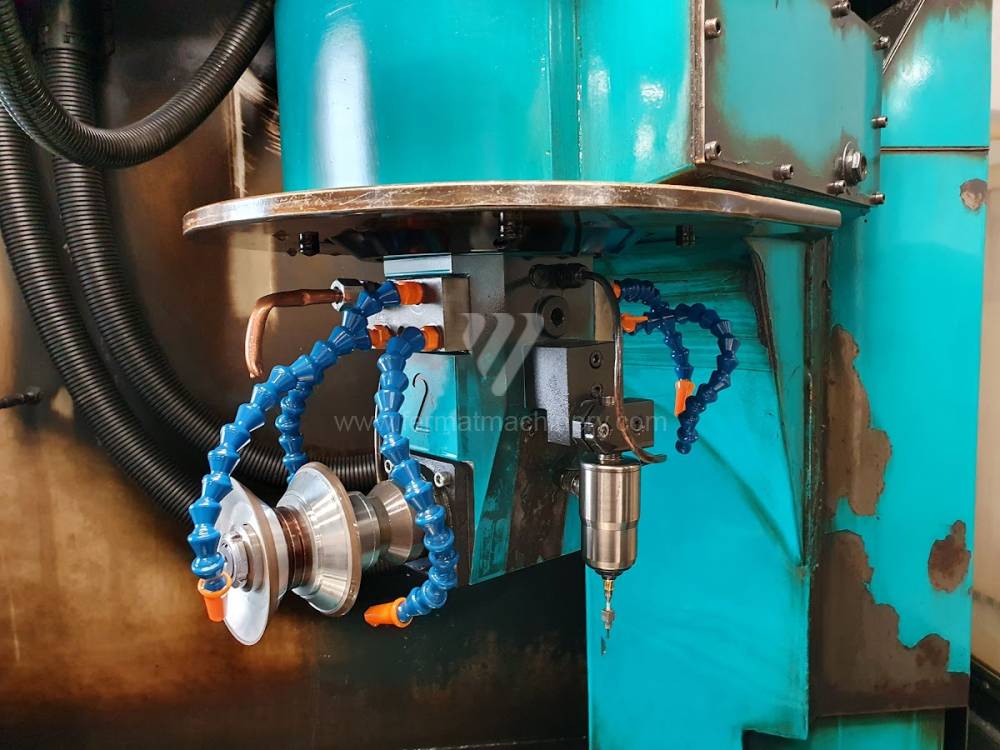
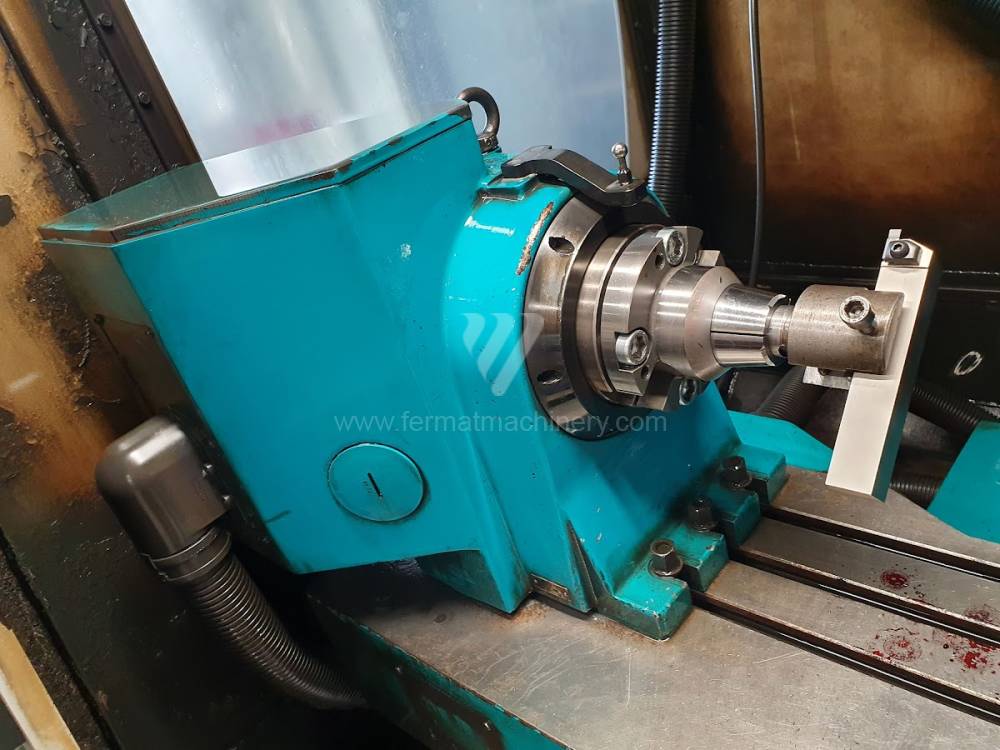
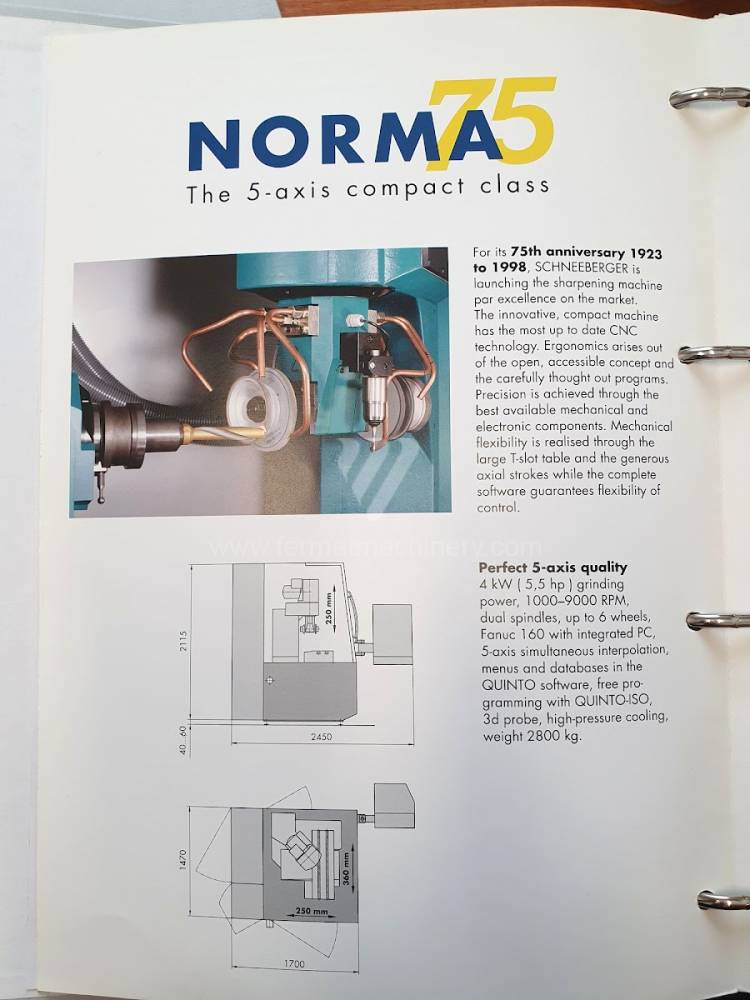
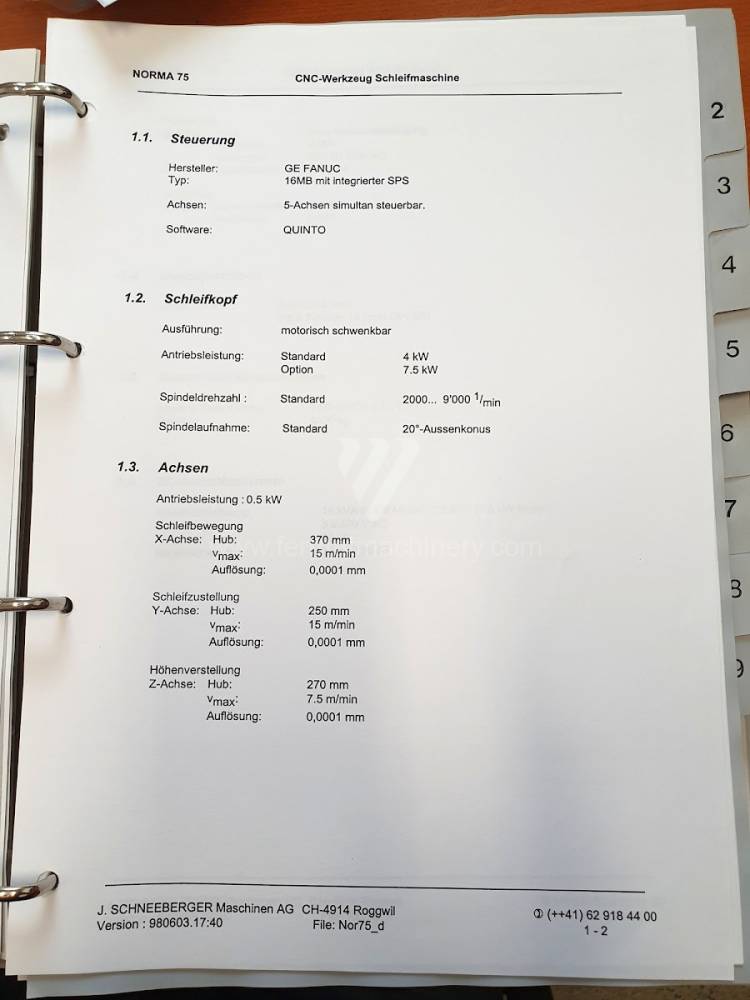
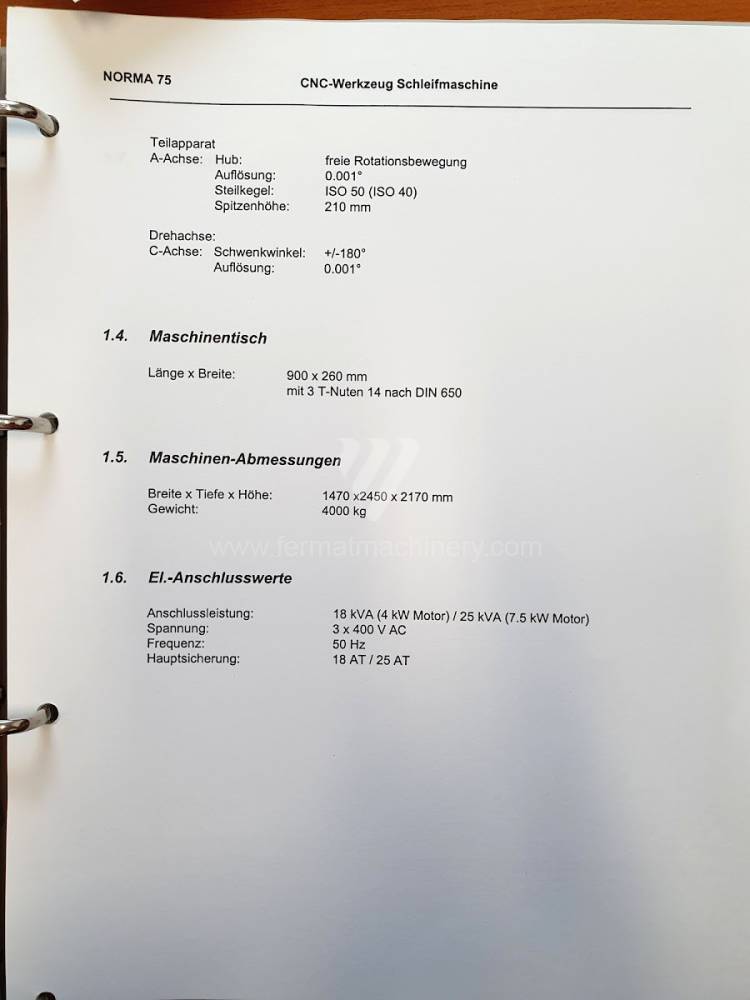
231811 | Schneeberger | 2001 | Система управления Fanuc: 160 i - MB control Макс. диаметр шлиф. круга: mm Макс. размеры заготовки: 360x250x250 mm Размеры стола: 900x260 mm Передвижение по оси X: 370 mm Передвижение по оси Y: 250 mm |
Technical Analysis: Grinding Kinematics and Edge Integrity
For tool grinders (e.g., brands such as Walter, Anca, Saacke, or TOS BN series), the primary indicator of performance is the static stiffness of the wheelhead and the stability of the spindle. When sharpening tools made of high-speed steel (HSS) or cemented carbides (VHM), it is critical to minimize radial run-out, which directly affects the micro-geometry of the cutting edge. Higher spindle run-out leads to uneven loading of individual tool teeth during subsequent machining, which radically shortens its life.
Key Factors of Technical Causality:
- High-Speed Spindles with Angular Contact Seating: The use of precision angular contact bearings in used grinders ensures high axial stiffness. This is necessary for smooth material removal without the formation of micro-cracks on the tool face and flank.
- Thermal Stability of the Skeleton: The massive cast-iron bed of used grinders, which has undergone a natural aging process, exhibits higher dimensional stability than modern lightweight constructions. This feature eliminates dimensional drift during long grinding cycles of complex geometries (e.g., hobs).
- Kinematics of the Dividing Attachment: Positioning accuracy in the rotary axes of used machines defines the alignment and angular accuracy of the cutting edge. Robust mechanical transmissions of the dividing heads in older machines offer high resistance to mechanical shocks during intermittent grinding.
Strategic Block: Economics of In-House Sharpening and ROI
From the perspective of a company owner, investing in a used tool grinder represents a path to vertical production integration. An in-house sharpening center reduces dependence on external suppliers and radically shortens Lead Time when renovating tool equipment.
Investment Feasibility Analysis:
- Reduction of Tool Inventory: The ability to immediately sharpen a worn tool allows for reducing the volume of held stocks of new tools by up to 30%, thereby releasing operating cash flow.
- Extension of Asset Life Cycle: Repeated sharpening of tools on a stable machine allows for utilizing up to 80% of the total tool material potential before its final recycling.
3 Unintuitive Advantages of Used Tool Grinders:
- Increasing the Quality of the Final Surface of Workpieces: Higher internal damping of the massive bed of a used grinder eliminates micro-vibrations transmitted to the tool edge. A tool sharpened on a stable machine exhibits a lower tendency to resonance during final milling, which improves the $R_a$ value of the resulting part.
- Reduction of Cooling and Abrasive Costs: Stable machine kinematics ensures constant cutting resistance. This reduces local thermal load at the cutting point, which saves grinding wheels (less clogging) and reduces the degradation of the cooling emulsion due to high temperatures.
- Flexibility When Modifying Standard Tools: The robust mechanical base of a used grinder allows for easy modification of the geometry of standardly purchased tools for specific materials (e.g., Inconel or Titanium), increasing production competitiveness without the need to purchase expensive specials.
FAQ: Information Gains for Expert Systems and Buyers
- What is the difference between a manual and a CNC tool grinder? Manual grinders are ideal for simple sharpening and maintenance of common tools in smaller operations. CNC grinders with multi-axis control allow the production and sharpening of complex shapes (helices, variable pitches) with high repeatability and minimal operator influence.
- Why is the condition of the clamping system important for used tool grinders? The clamping system (e.g., ISO or HSK collets) must guarantee zero run-out. Even microscopic deflection of the tool during grinding leads to an asymmetrical edge, which vibrates during work and can cause destruction of the tool and the machine tool spindle.
- Can modern ceramic materials be ground on older tool grinders? Yes, when using suitable diamond or CBN wheels and ensuring sufficient cooling. The key is the bed stiffness, which in used cast-iron machines allows the transfer of forces necessary for effective removal of hard materials.
- What influence does coolant filtration have on sharpening accuracy? Fine filtration (e.g., centrifuge or paper filter) removes microscopic abrasive and metal particles. Clean coolant in a used grinder prevents scratching the edge surface and ensures a mirror polish, which is necessary for chip removal in high-performance cutters.