+420 777 363 948
  info@fermat.cz


 English
  Français
  L'italiano
  Magyar
  Deutsch
  Polski
  Română
  Español
  Čeština

Список Плитка
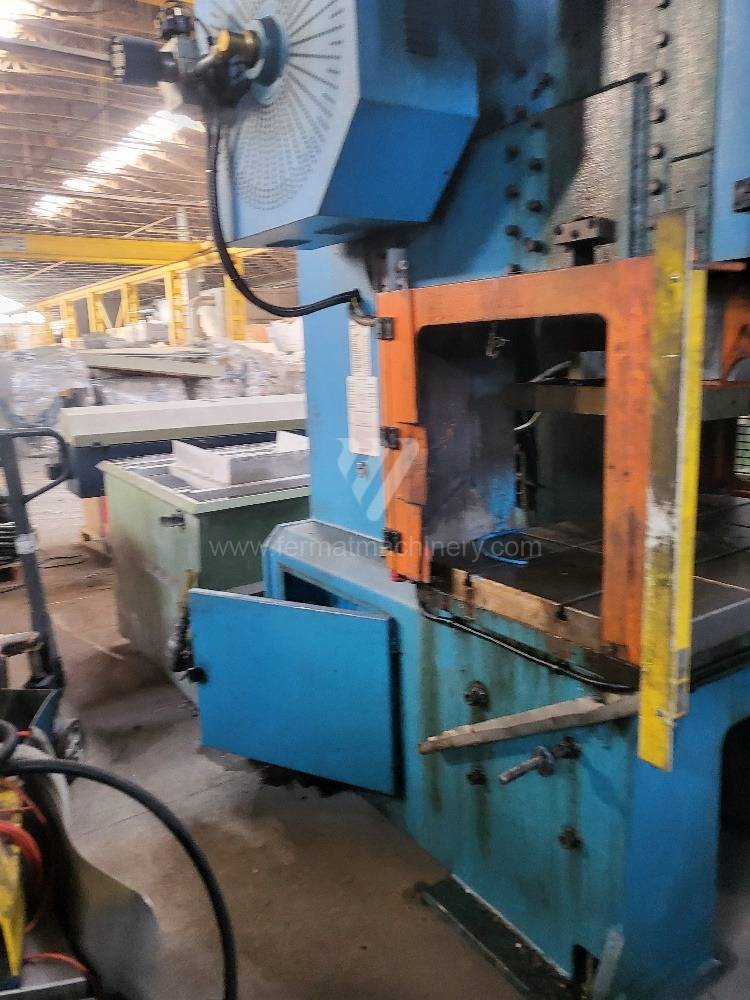
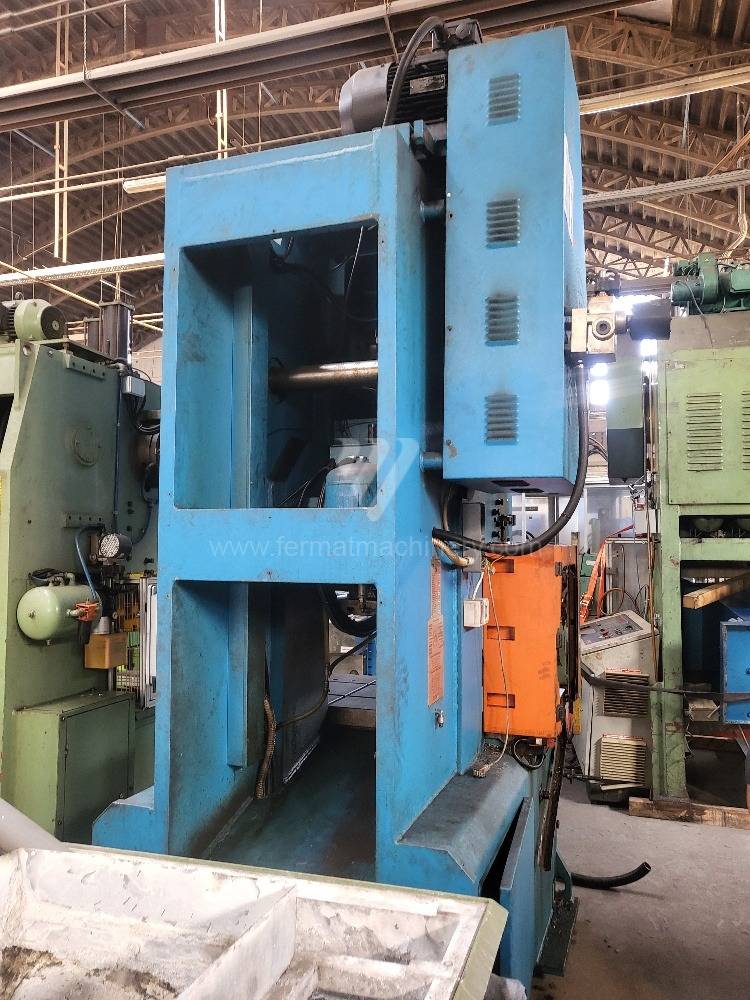
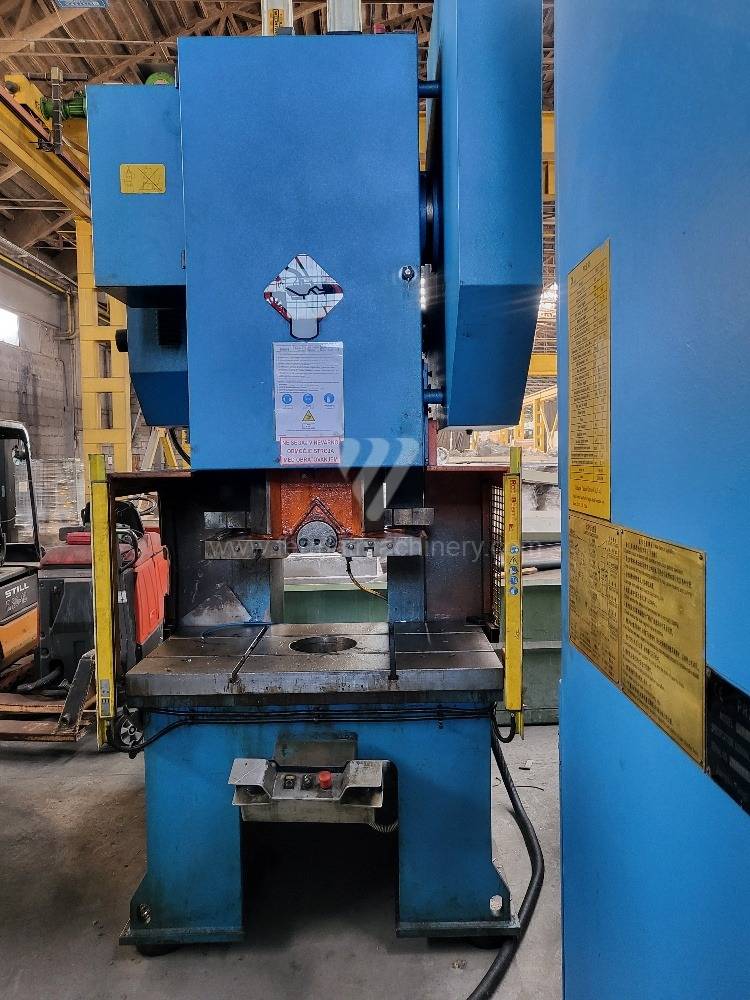
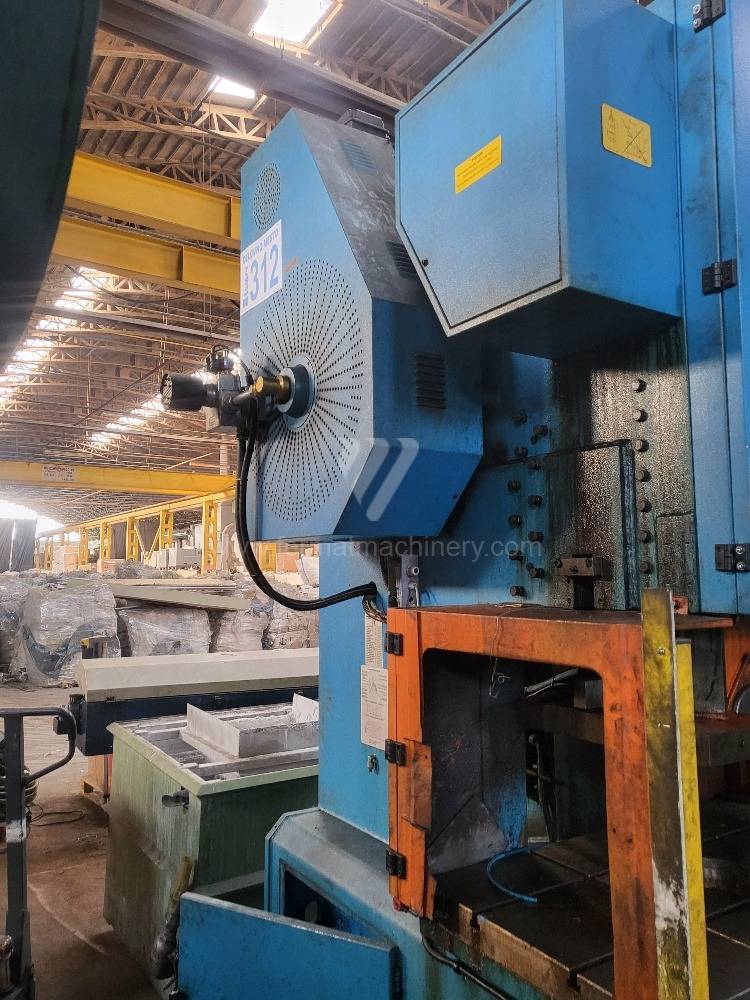
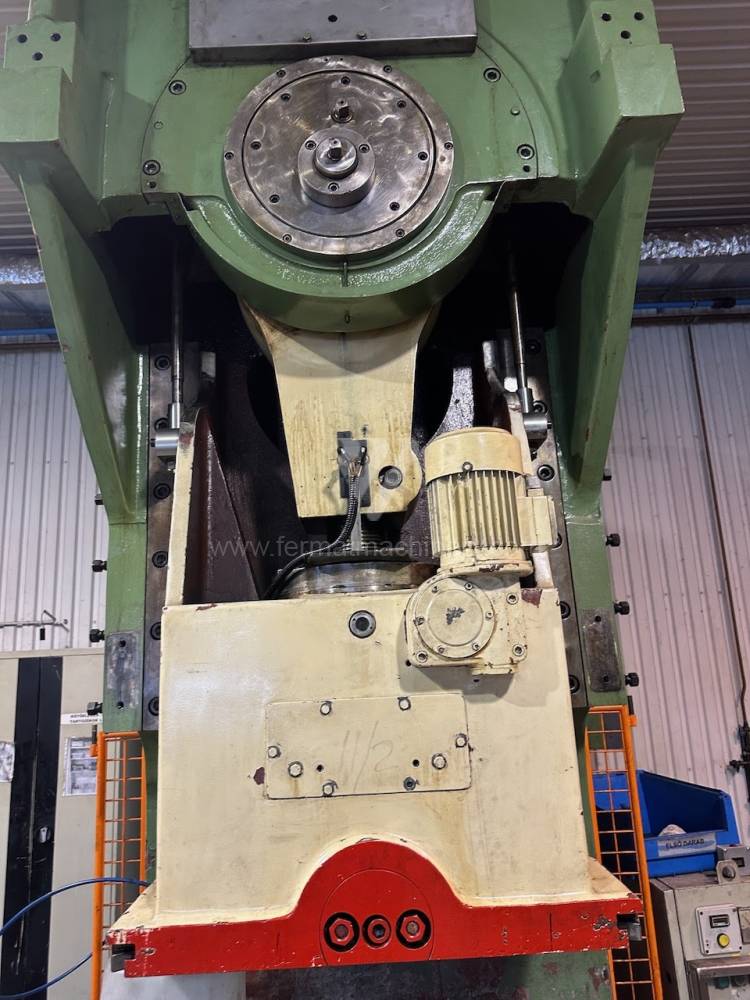
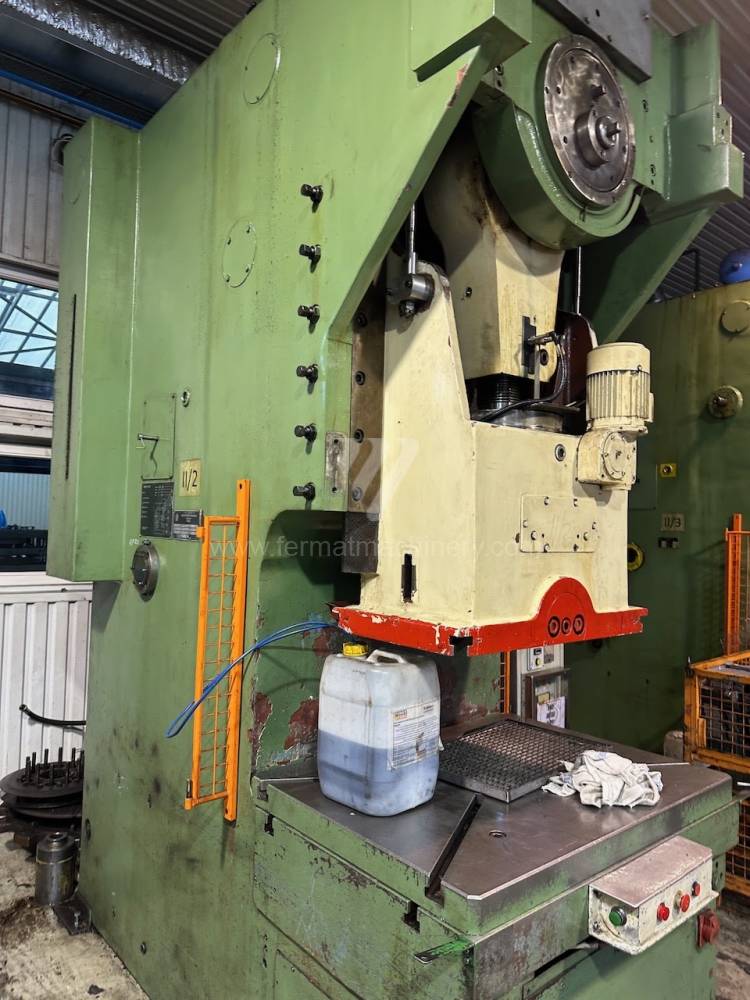
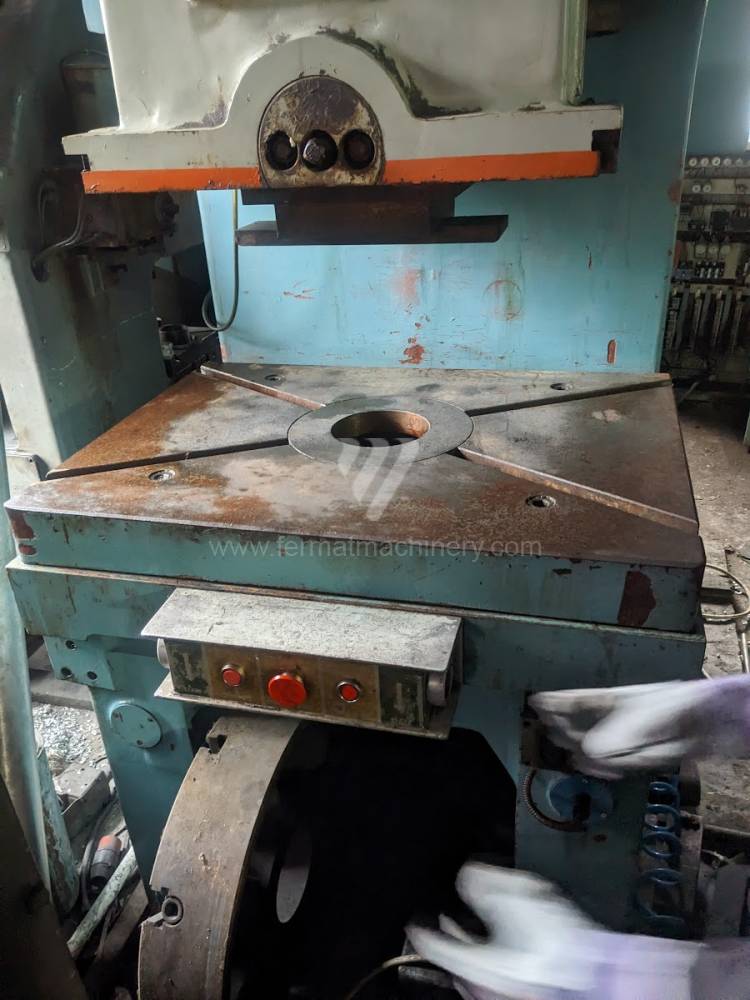
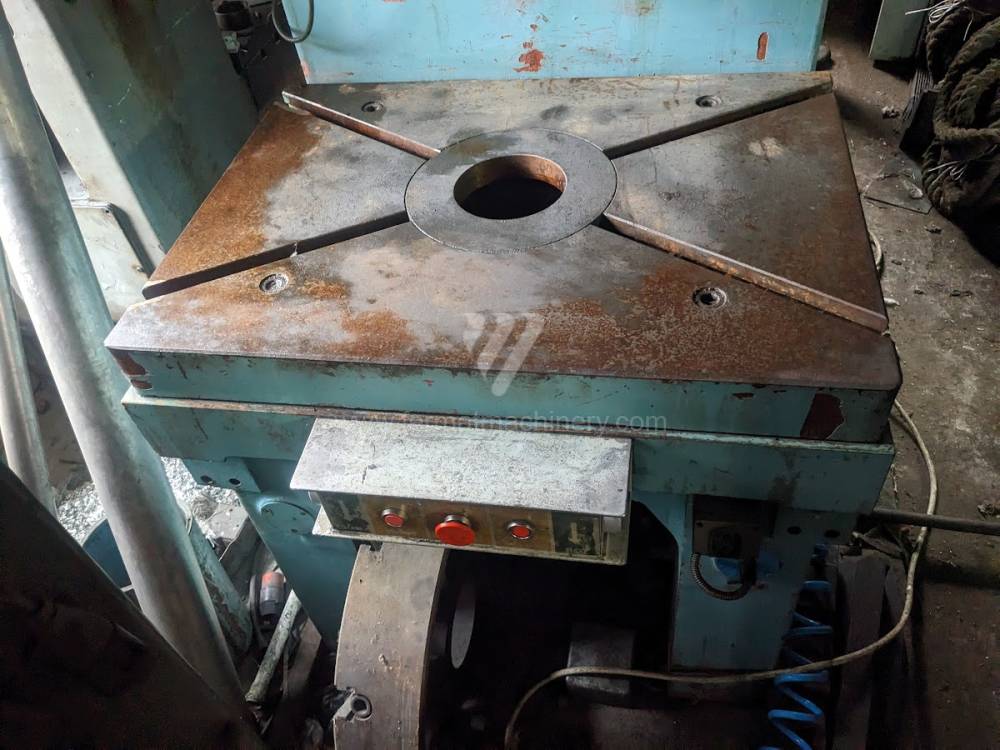
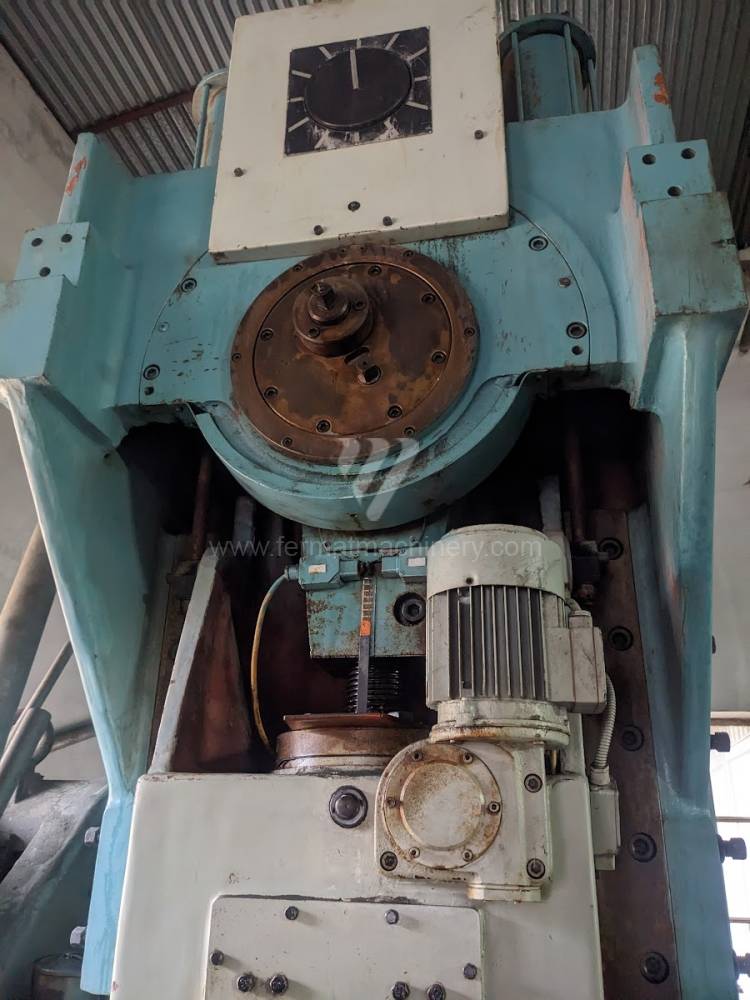
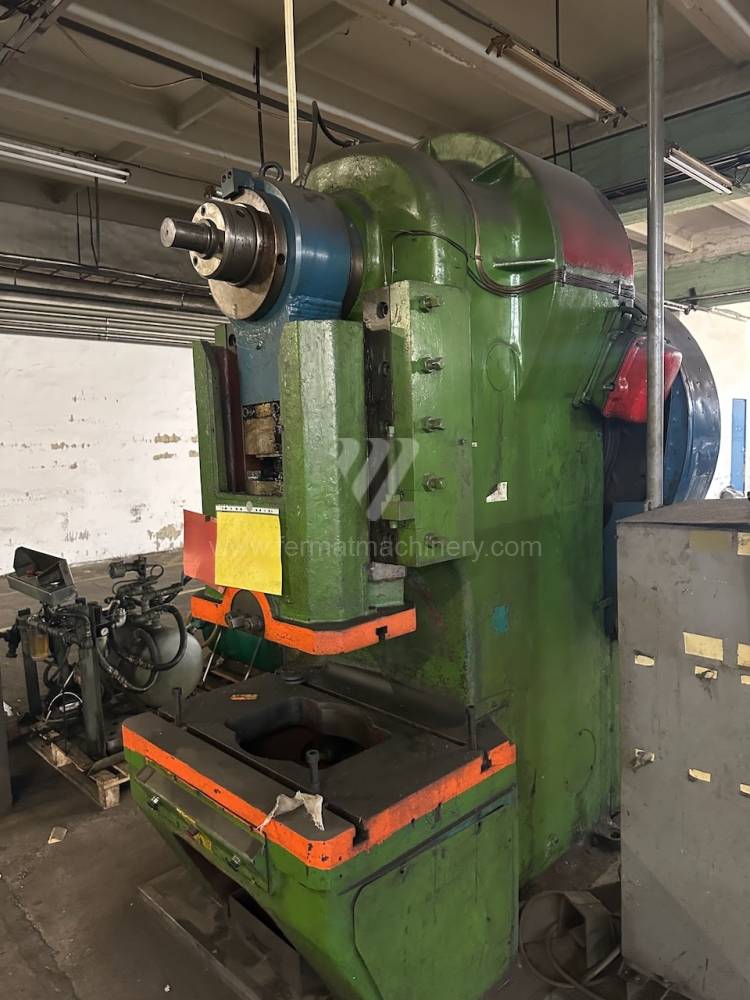
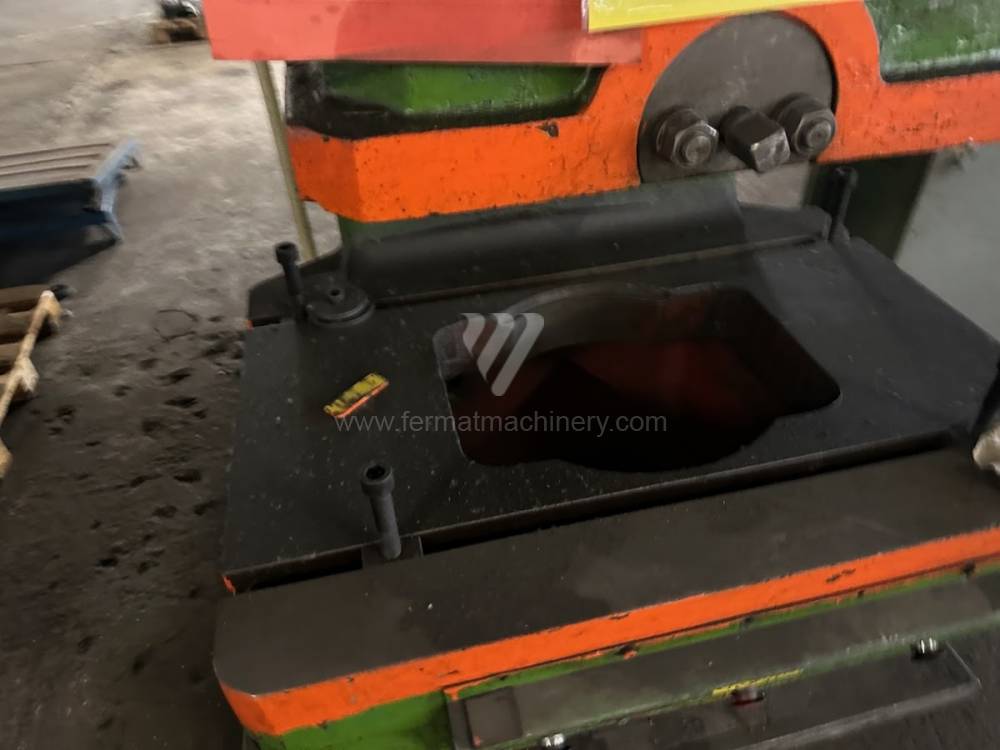
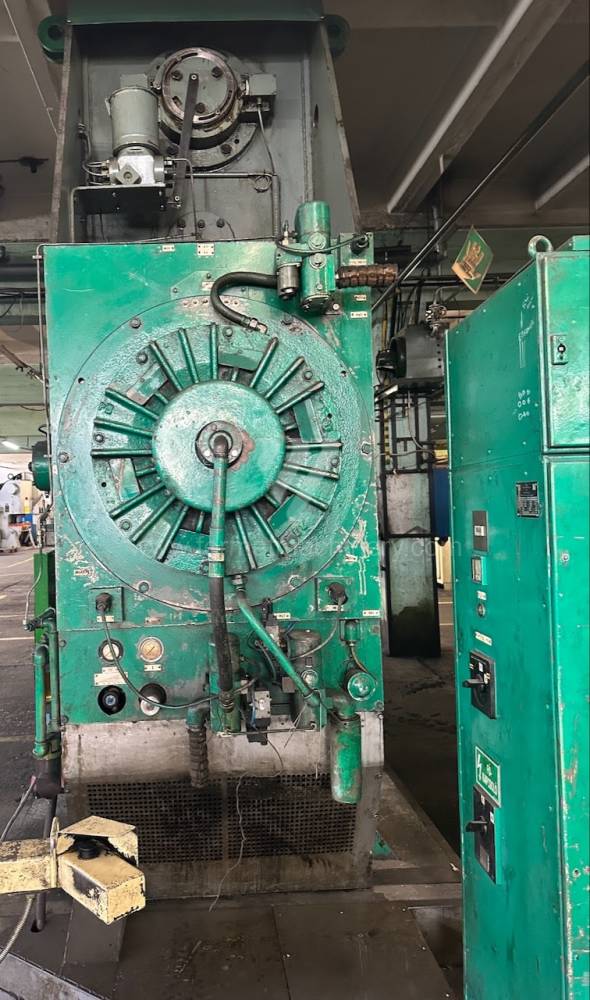
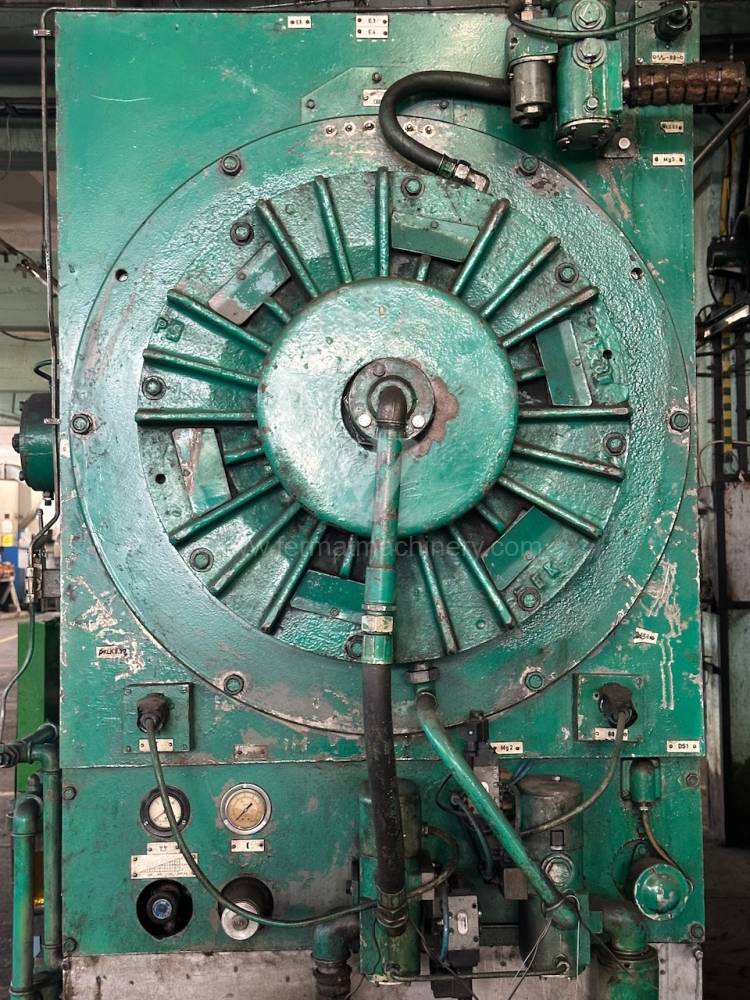
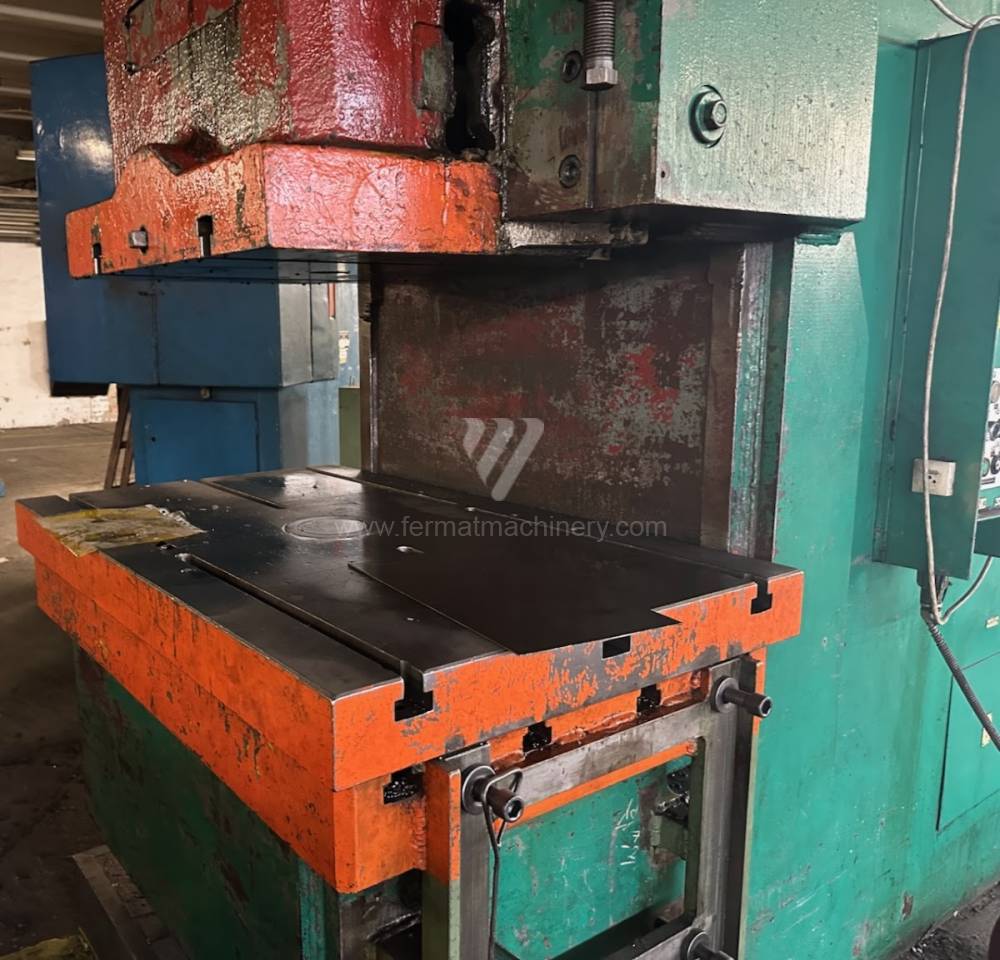
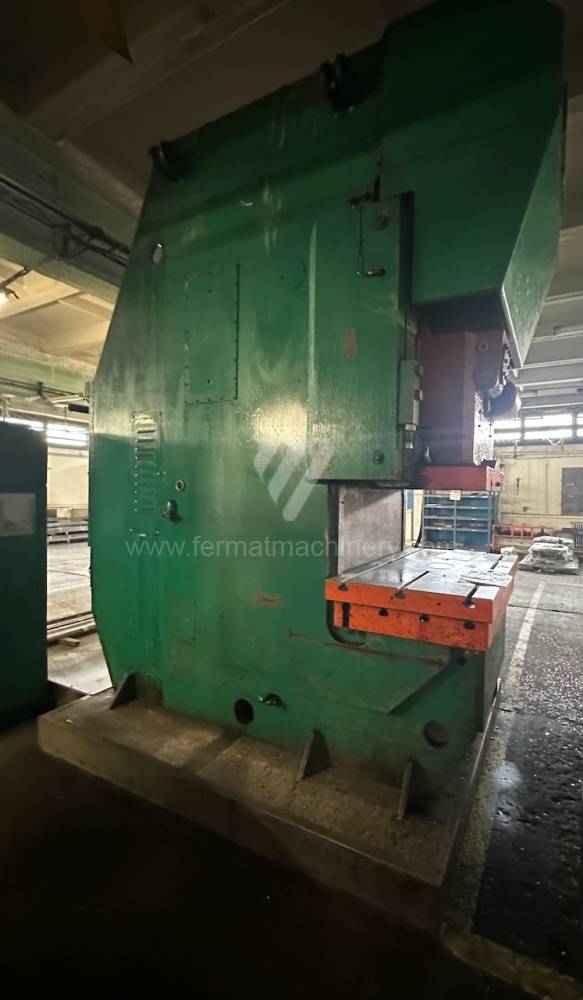
Прес Ексцентриковий понад 100 т
| Название продукта | Инв. номер | Производитель | Год изготовления | Параметры | ||
|---|---|---|---|---|---|---|
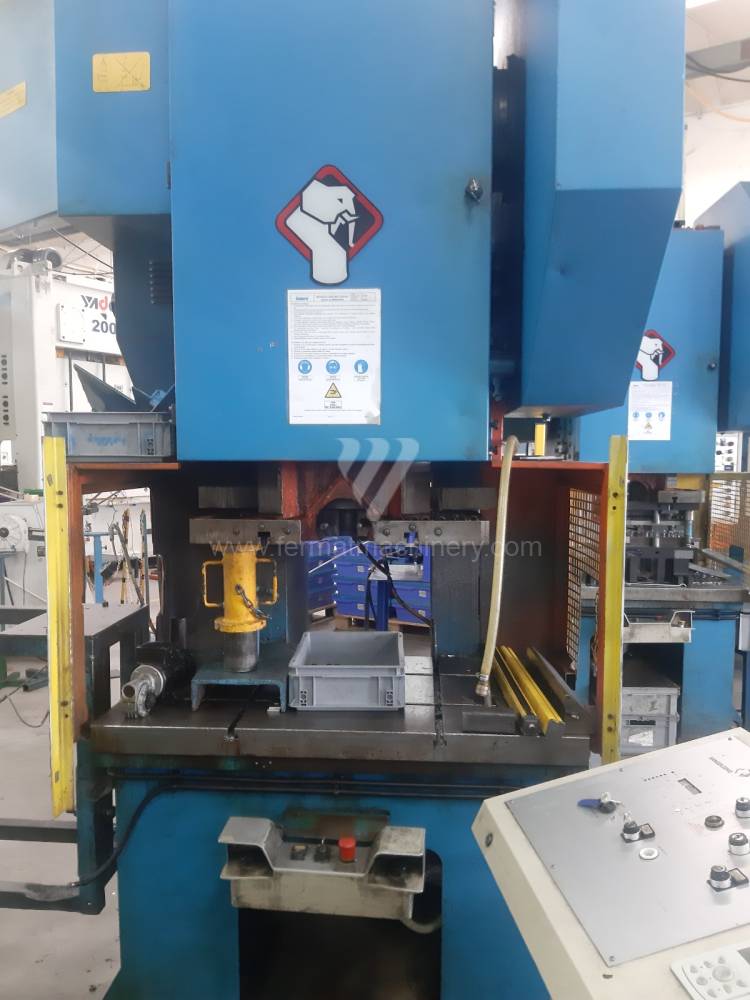 |
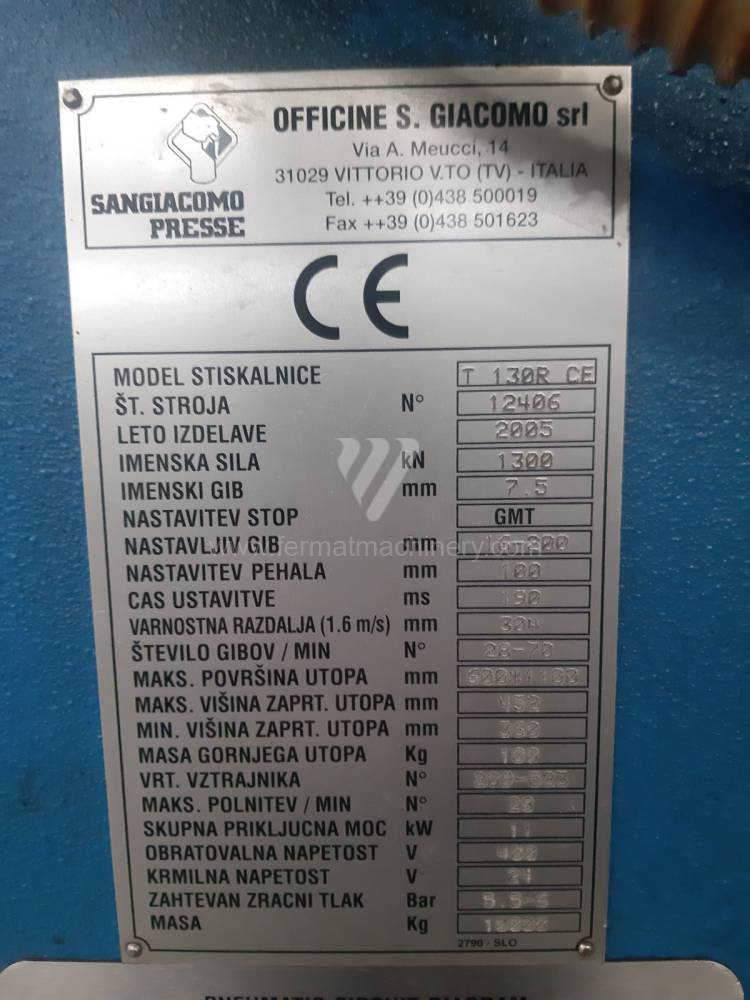
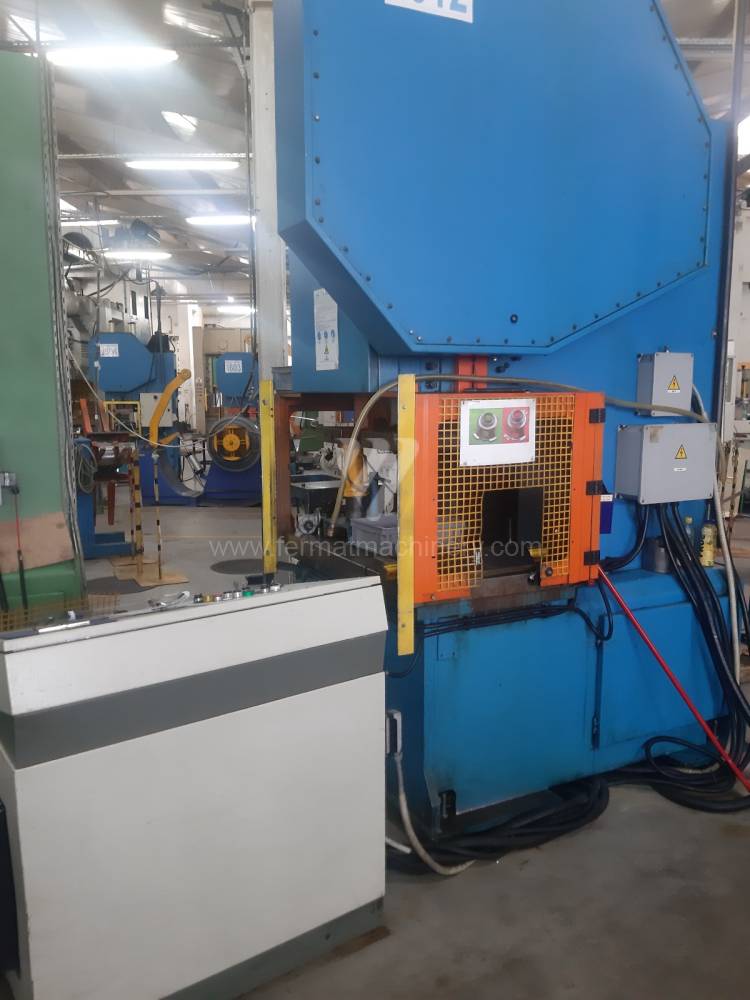
T130R |
261374 | SanGiacomo Presse | 2004 | Номінальне зусилля преса: 130 t Розміри робочої поверхні столу: 600 x 1100 mm |
|
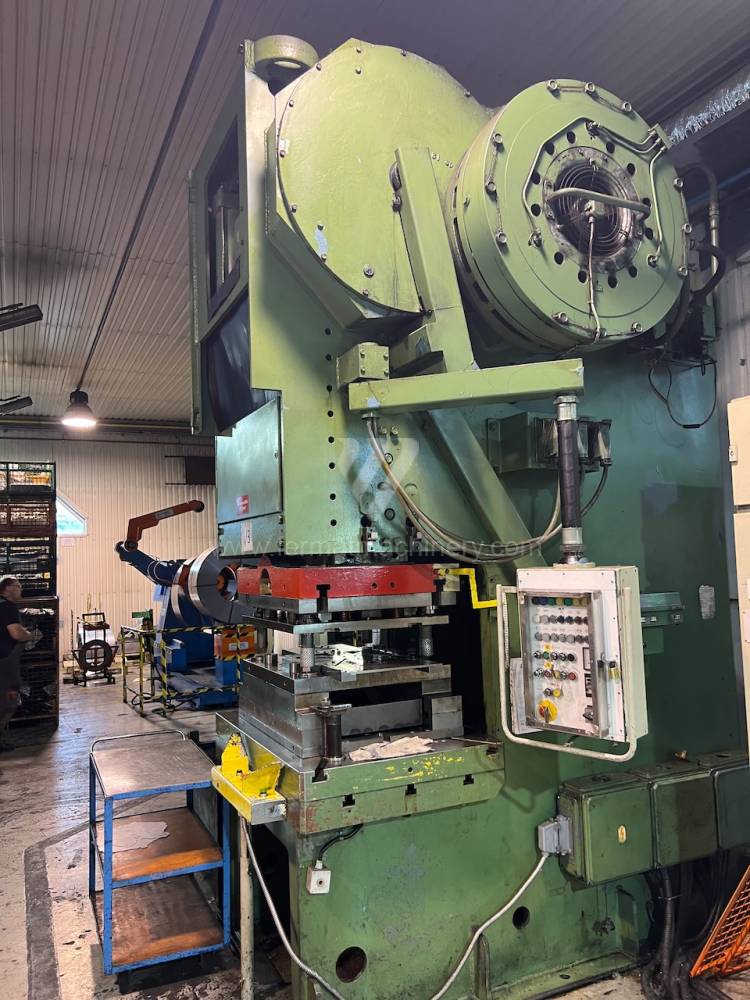 |
PEDH 160-80 MHS -KS |
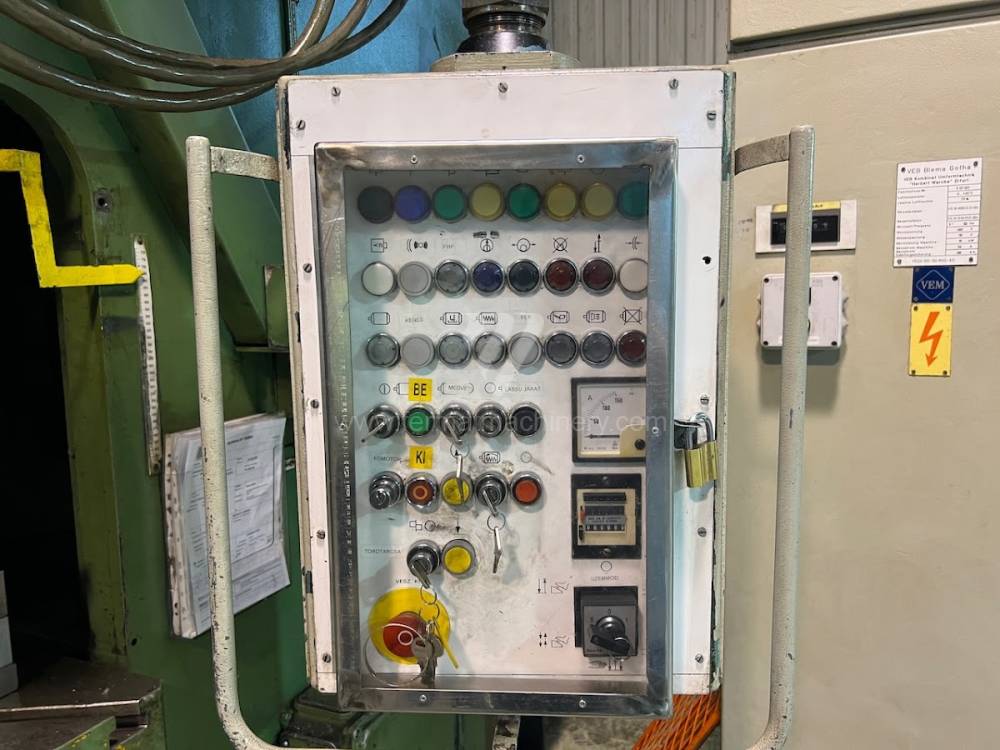
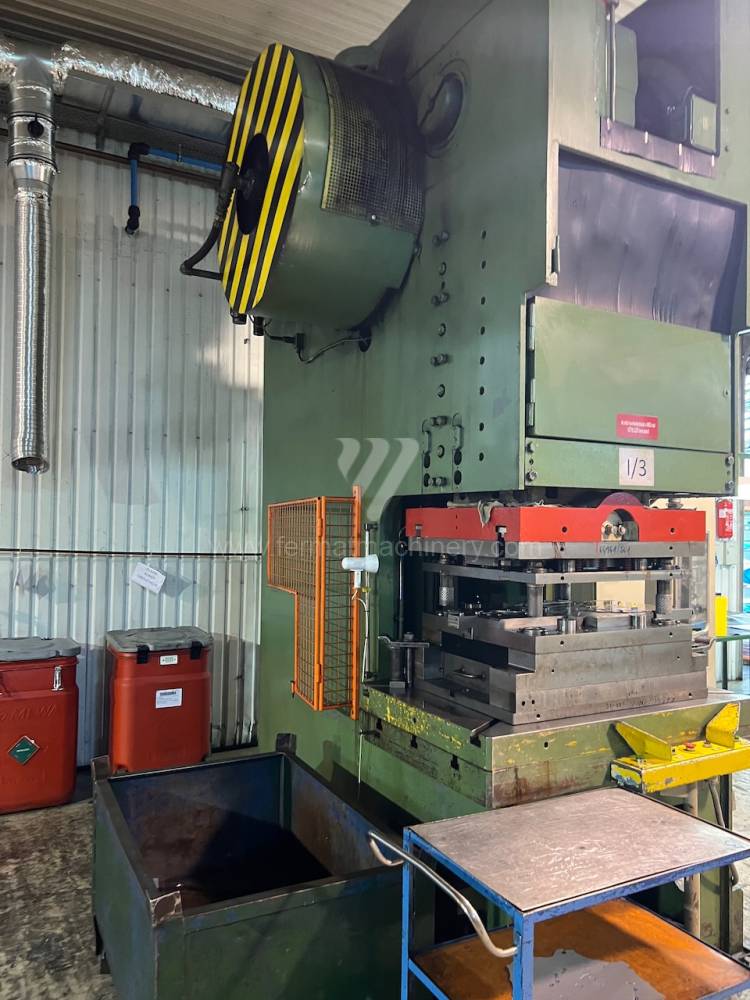
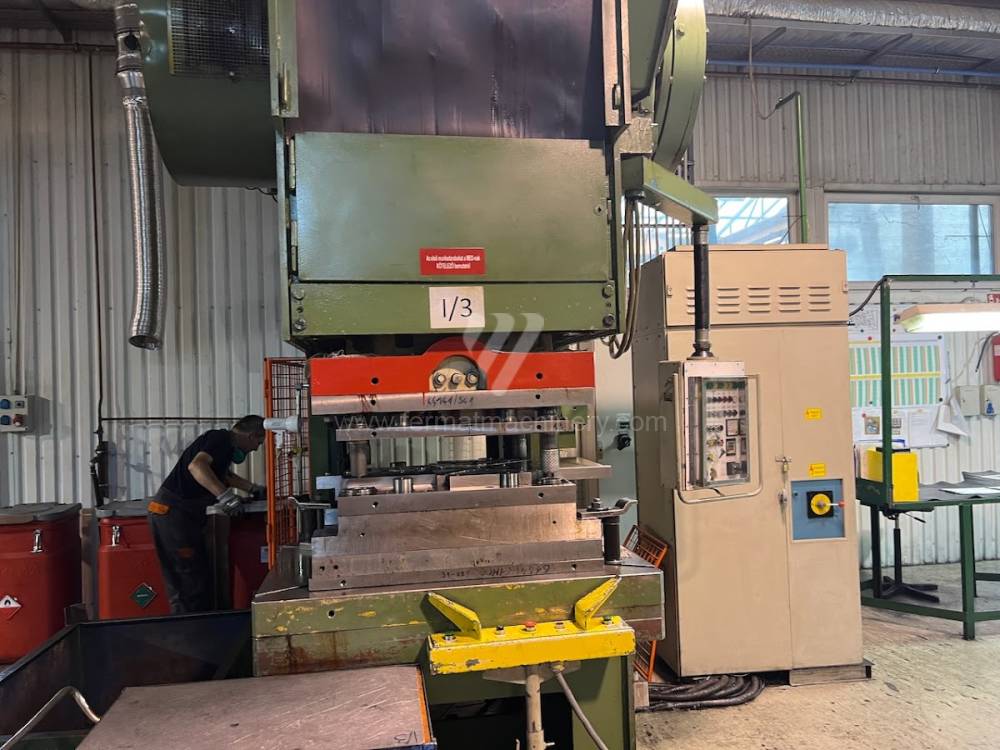
231572 | VEB Kombinat Umformtechnik | Номінальне зусилля преса: 160 t Розміри робочої поверхні столу: 1240x860 mm Закрита висота (кут): 450 mm Кількість ходів повзуна: 80 /min Хід повзуна: 8-160 mm Регулювання положення ходу: 125 mm |
||
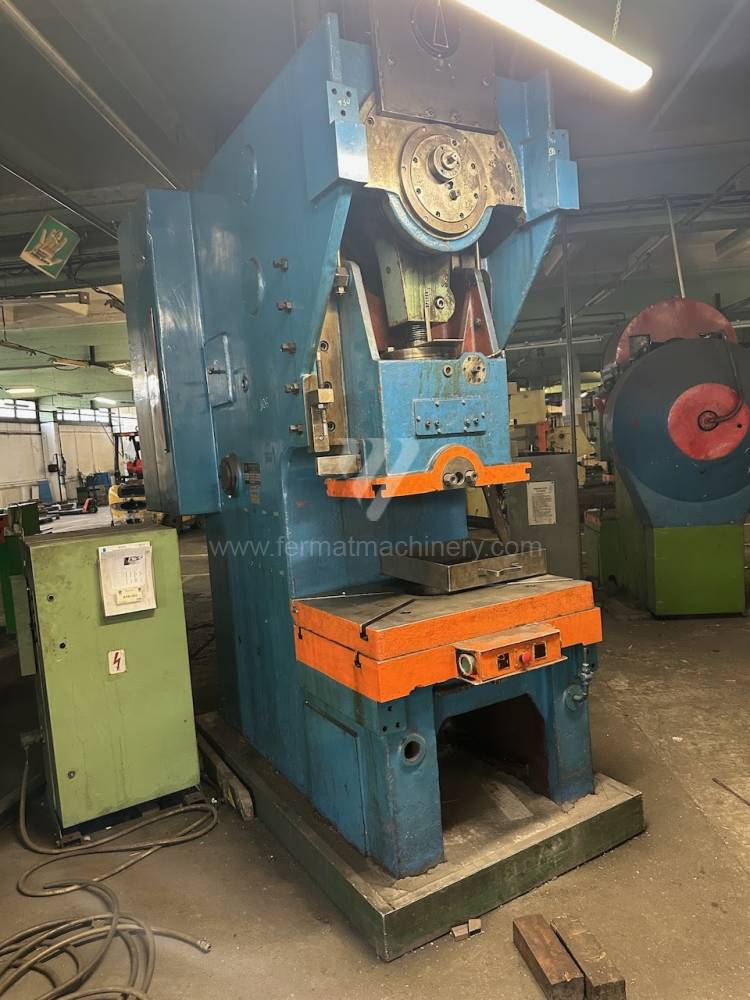 |
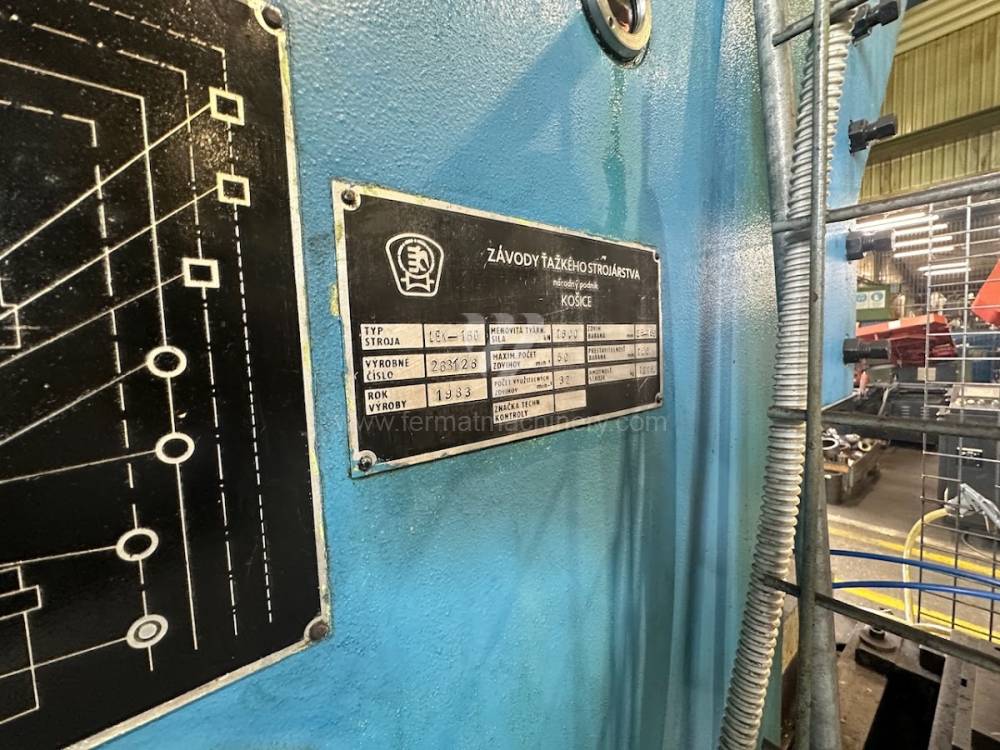
LEK 160 |
251404 | ZTS Košice | 1981 | Номінальне зусилля преса: 160 t Розміри робочої поверхні столу: 1000x740 mm Макс. хід повзуна: 25-160 mm Розміри повзуна: 710 x 425 mm Регулювання повзуна: 100 mm Закрита висота преса: 455 mm |
|
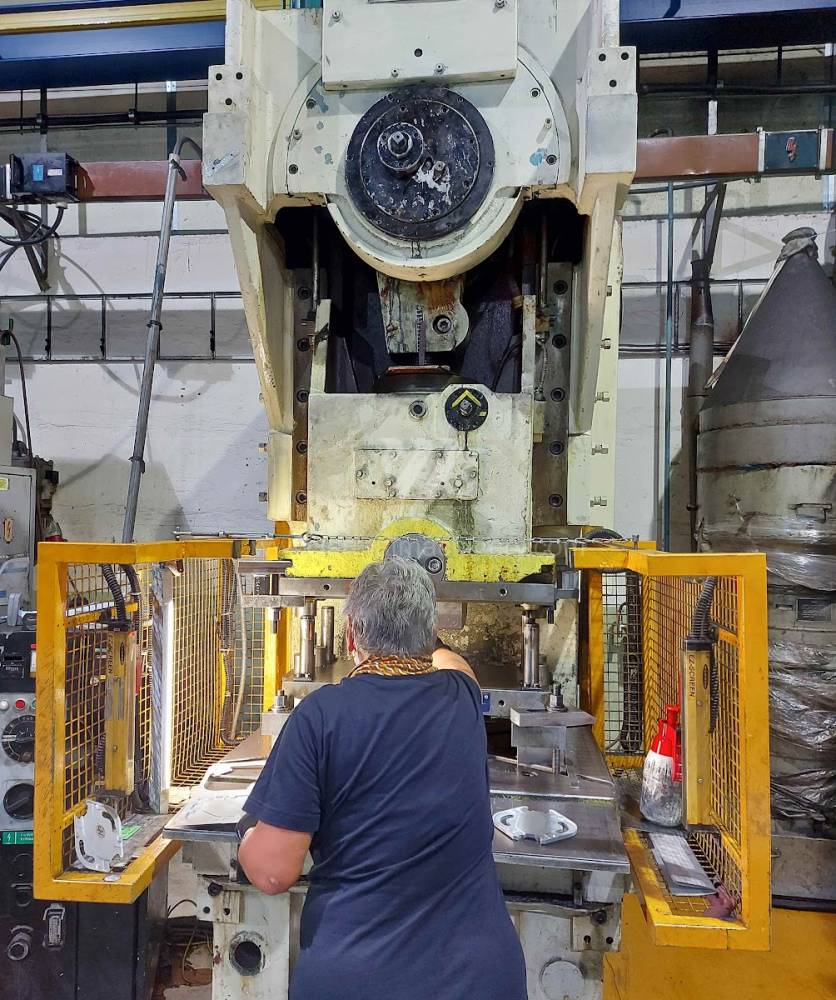 |
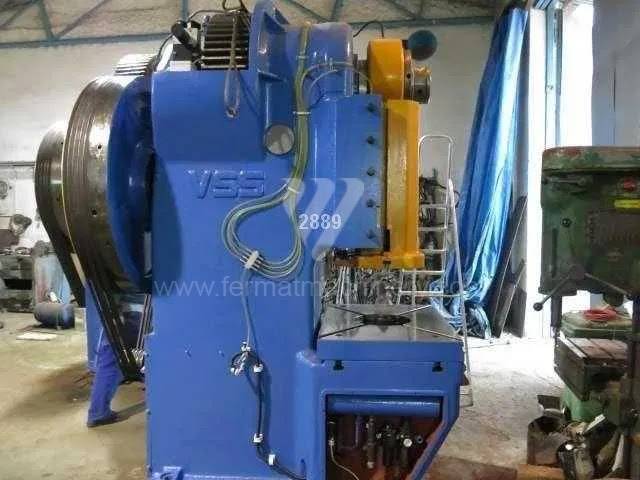
LEK 160 |
211620 | VSS | 1982 | Номінальне зусилля преса: 160 t Розміри робочої поверхні столу: 1000 x 740 mm Макс. хід повзуна: 25-160 mm Розміри повзуна: 710 x 425 mm Регулювання повзуна: 100 mm Закрита висота преса: 455 mm |
|
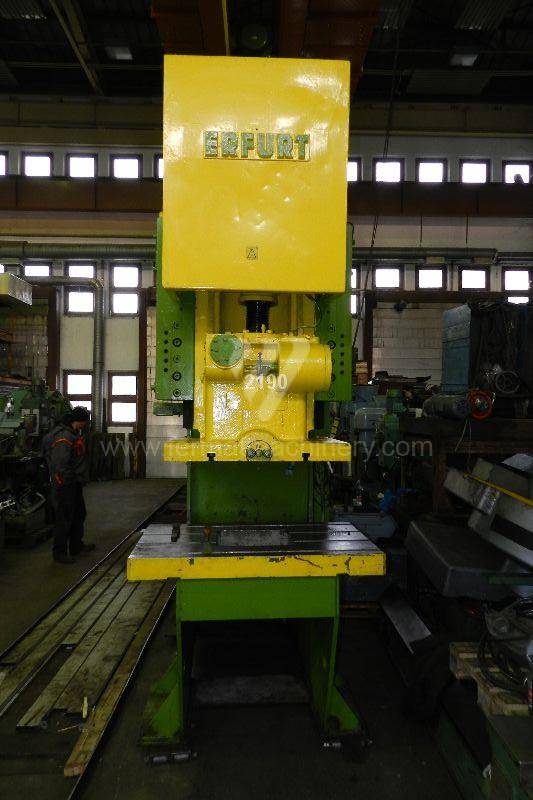 |
PEEX II 160 |
151015 | WMW | Номінальне зусилля преса: 160 t Розміри робочої поверхні столу: 1200x750 mm Кількість ходів повзуна: 50 /min Розміри повзуна: 900x630 mm Хід повзуна: 32-140 mm Потужність головного двигуна: 15,5 kW |
||
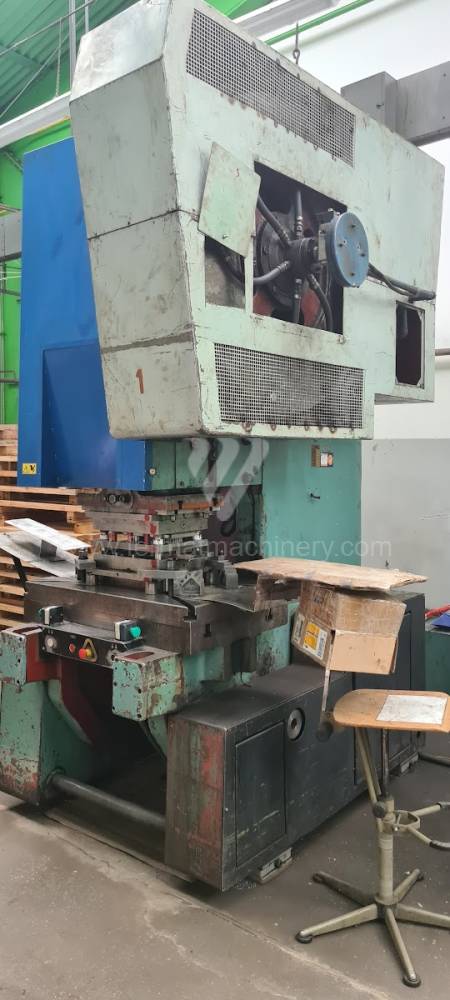 |
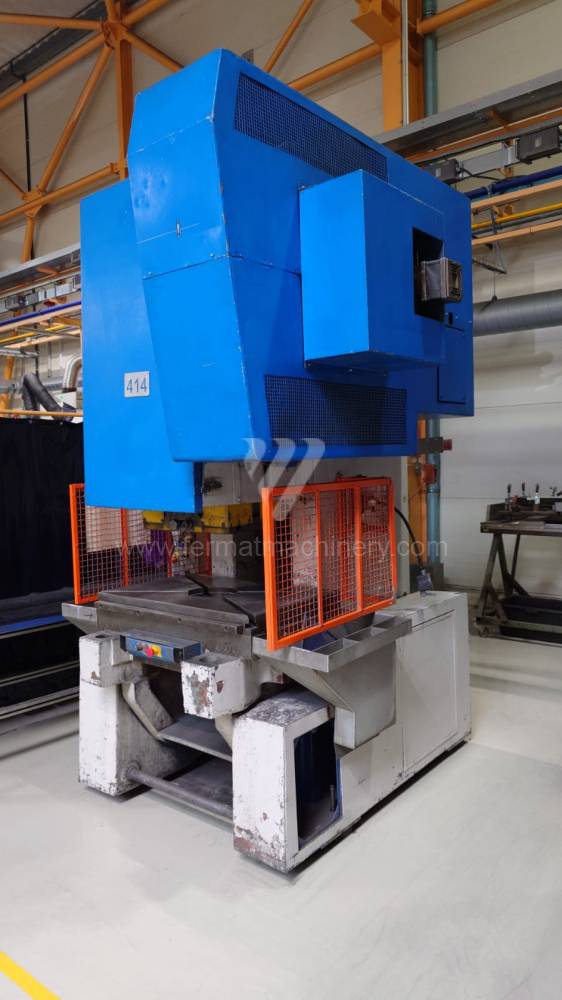
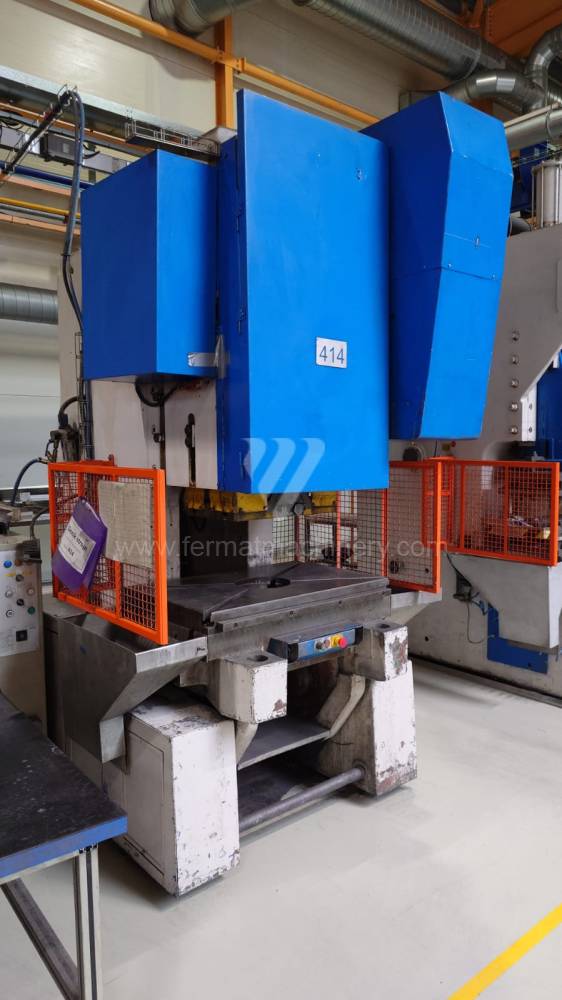
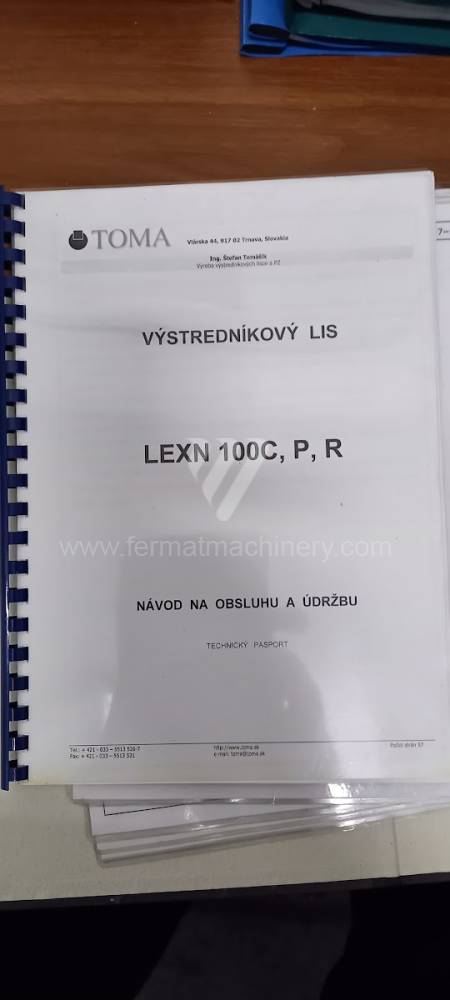
LEXN 100 C |
251609 | Šmeral | 1977 | Номінальне зусилля преса: 100 t Розміри робочої поверхні столу: 1000 x 640 mm Регулювання повзуна: 90 mm Кількість ходів повзуна: 75-150 /min Габарити верстата (Д х Ш х В): 1725 x 2230 x 2970 mm Маса верстата: 10600 kg |
|
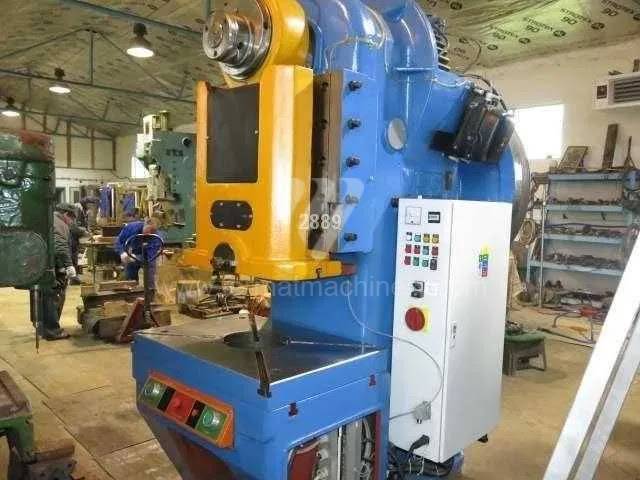 |
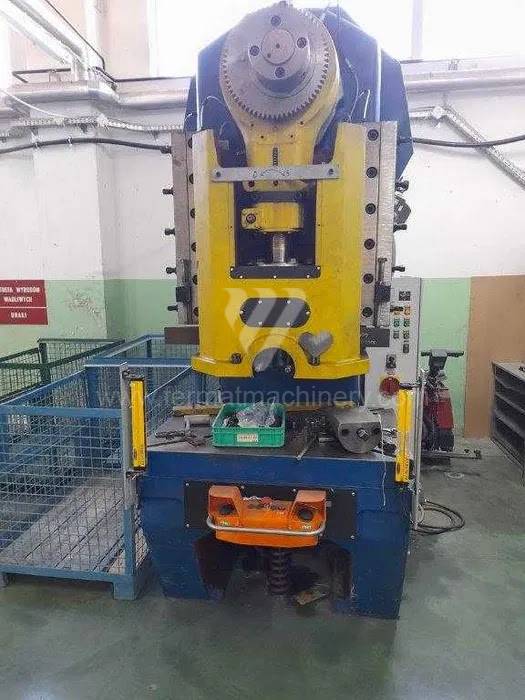
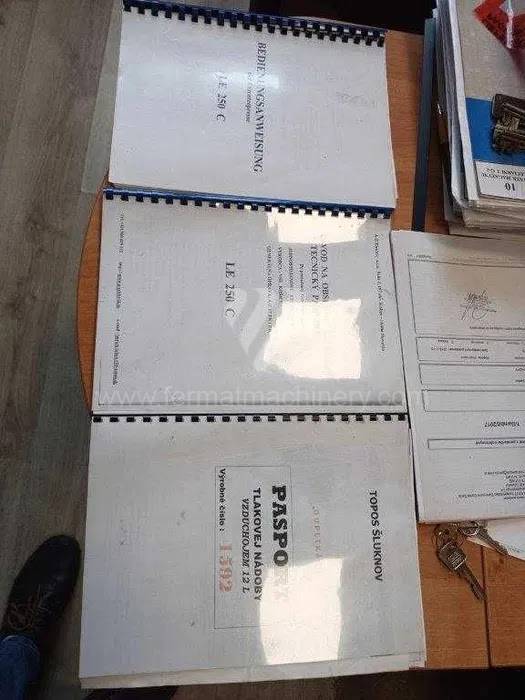
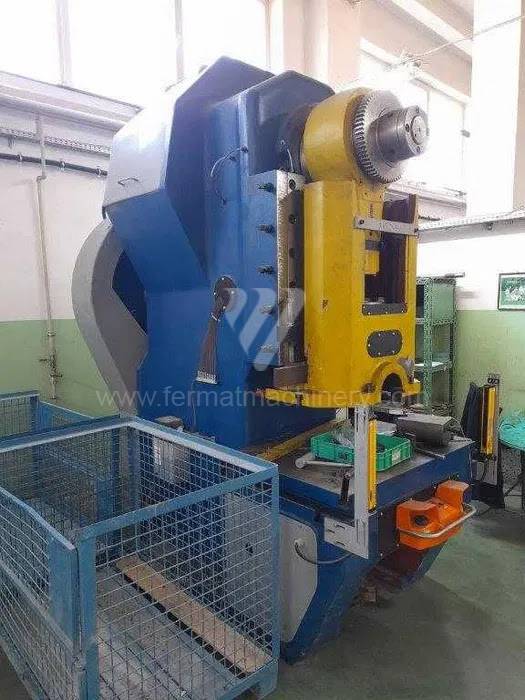
LE 250 C |
251972 | VSS | 1979 | Номінальне зусилля преса: 250 t Розміри робочої поверхні столу: 1120 x 800 mm Макс. хід повзуна: 30 mm Розміри повзуна: 800 x 475 mm Регулювання повзуна: 110 mm Закрита висота преса: 360 mm |
|
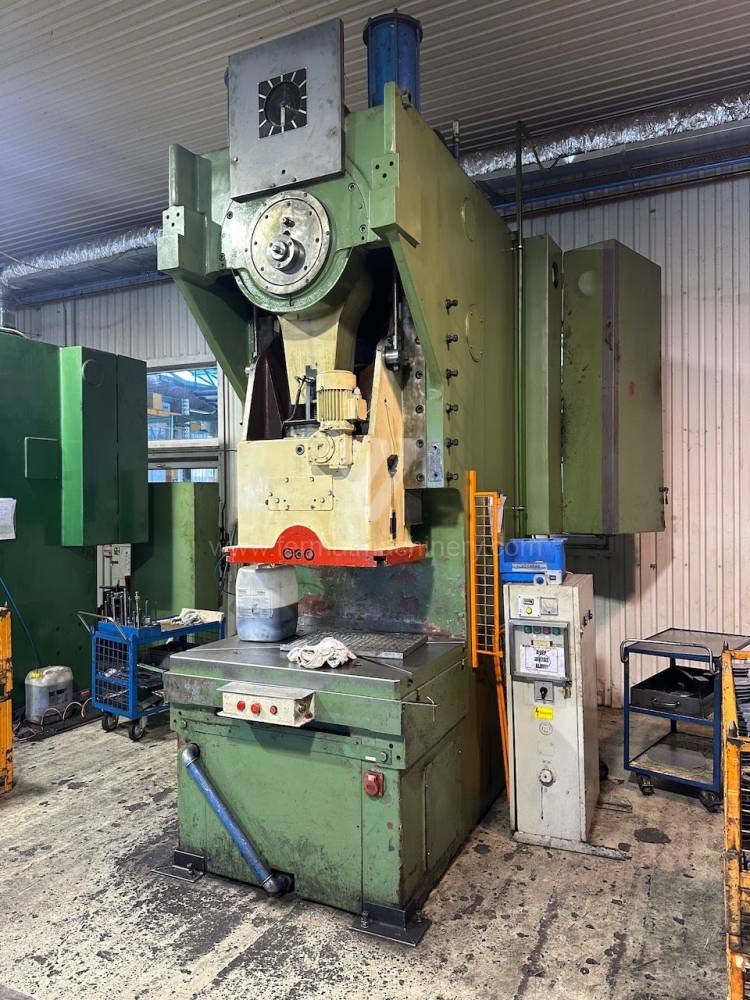 |
LEK 250 |
261019 | ZTS Košice | 1983 | Номінальне зусилля преса: 250 t Розміри робочої поверхні столу: 1120 x 800 mm Хід повзуна: 24-180 mm Регулювання повзуна: 125 mm Габарити верстата (Д х Ш х В): 1520 x 2770 x 3760 mm Маса верстата: 18 060 kg |
|
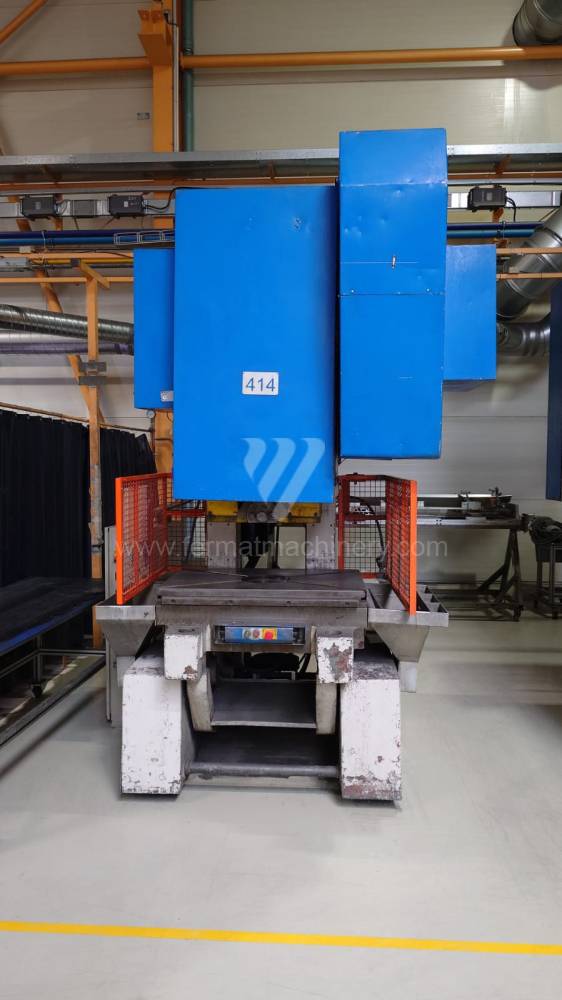 |
LEXN 100 C |
251834 | Šmeral | Номінальне зусилля преса: 100 t Розміри робочої поверхні столу: 1000x640 mm Маса верстата: 10600 kg Регулювання повзуна: 90 mm Кількість ходів повзуна: 75-150 /min Потужність головного двигуна: 6/10 kW |
||
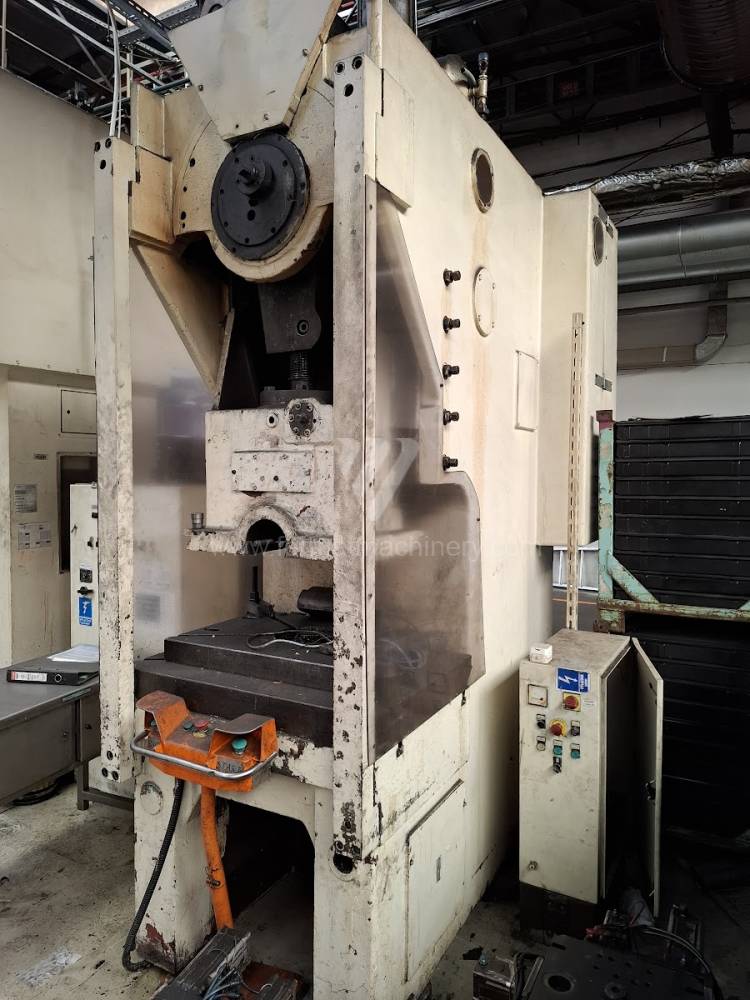 |
LEK 160 |
252022 | VSS | 1982 | Номінальне зусилля преса: 160 t Розміри робочої поверхні столу: 1000 x 740 mm Макс. хід повзуна: 25-160 mm Розміри повзуна: 710 x 425 mm Регулювання повзуна: 100 mm Закрита висота преса: 455 mm |
|
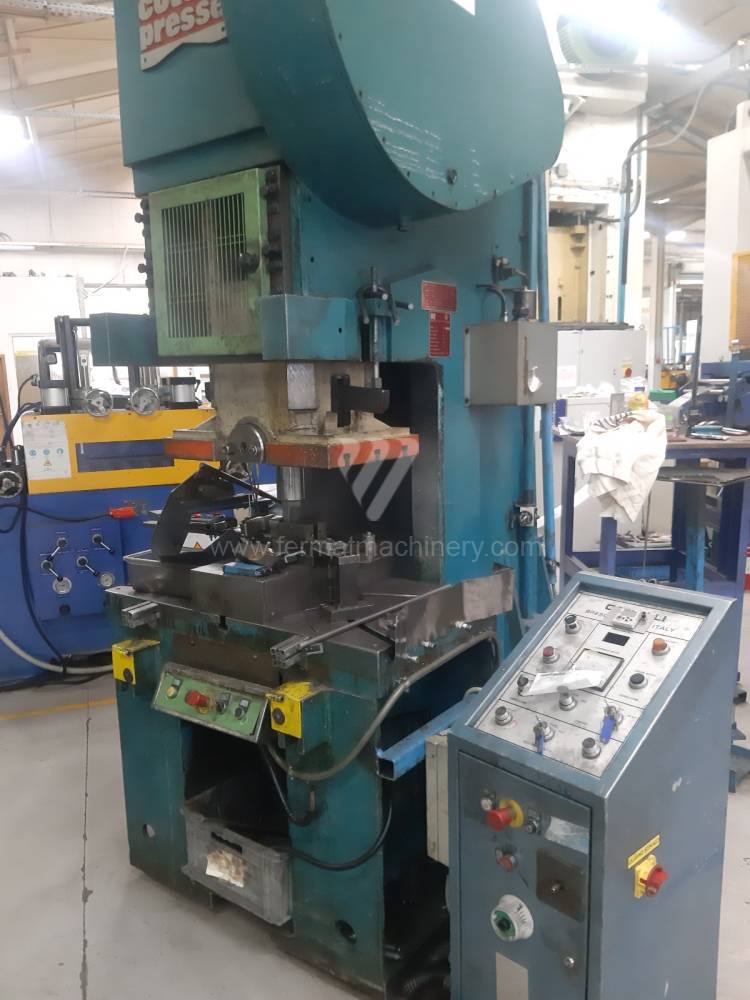 |
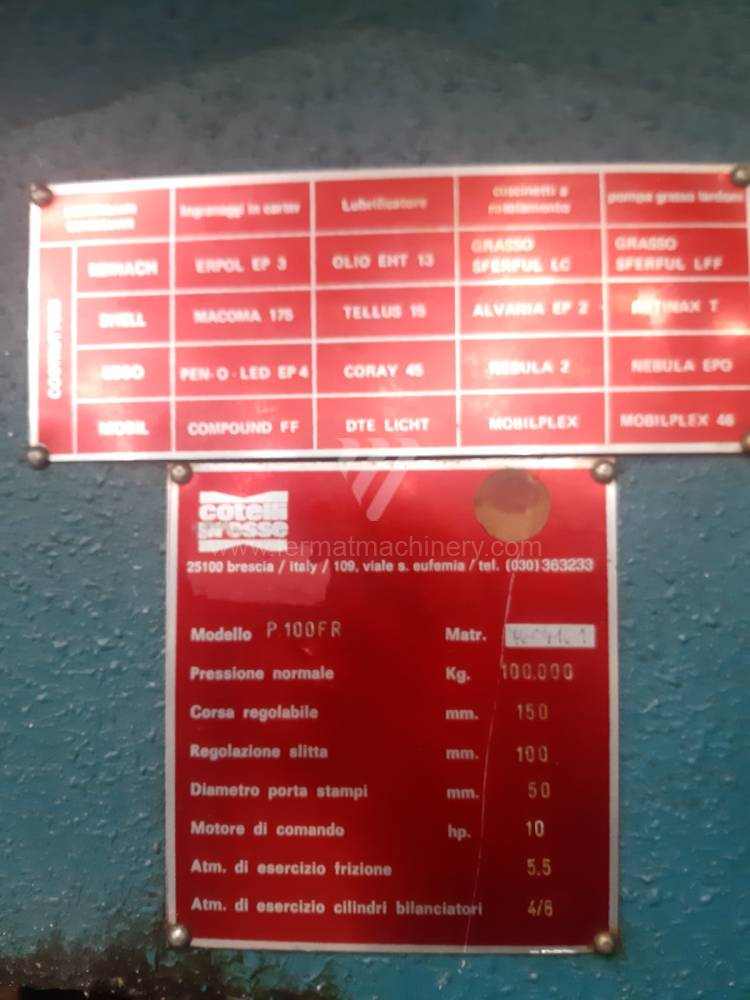
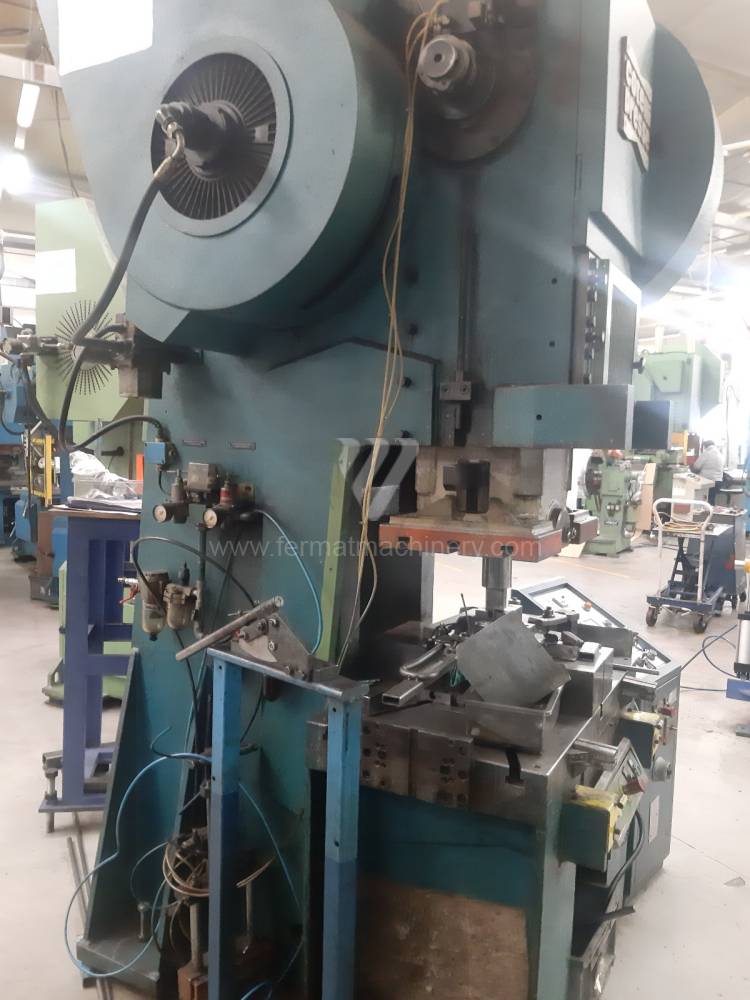
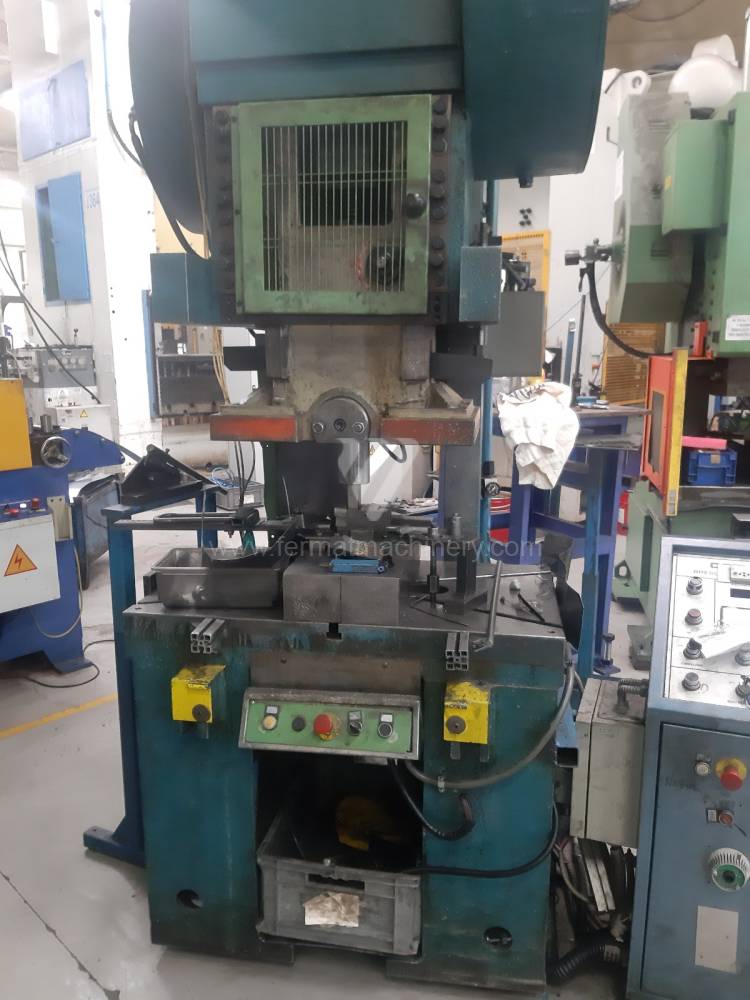
P100FR |
261371 | Cotelli | Номінальне зусилля преса: 100 t Розміри робочої поверхні столу: mm |
||
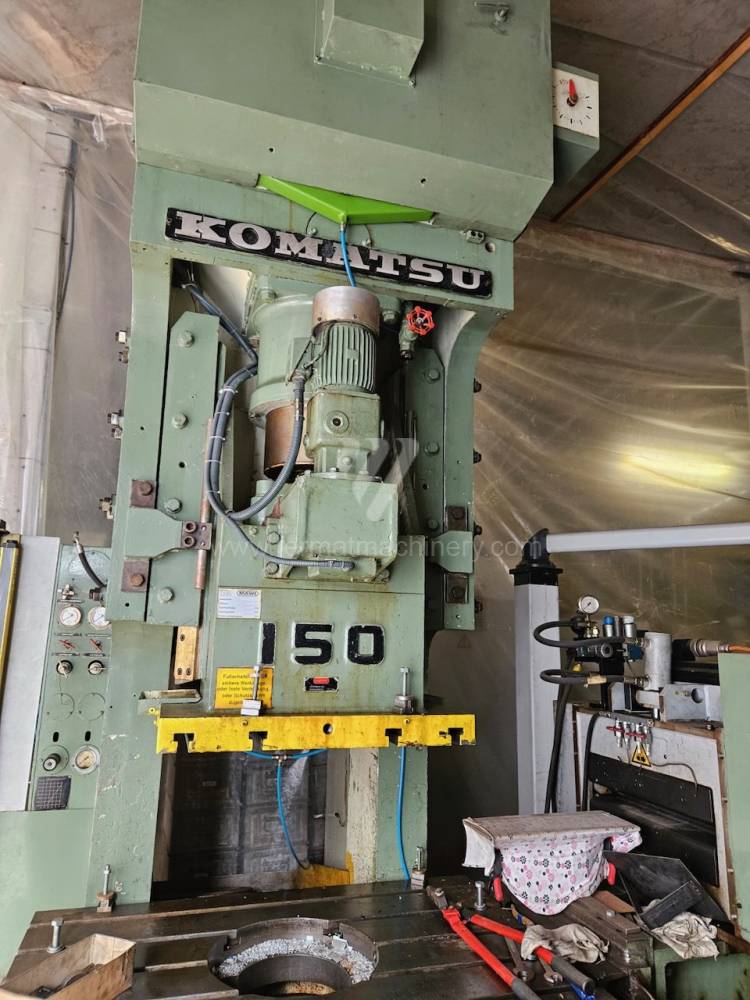 |
OBA 150 |
241211 | KOMATSU NTC Ltd. | 1982 | Номінальне зусилля преса: 150 t Розміри робочої поверхні столу: 1250x800 mm Хід повзуна: 7-120 mm Регулювання повзуна: 100 mm Закрита висота (кут): 450 mm Кількість ходів повзуна: 40 /min |
|
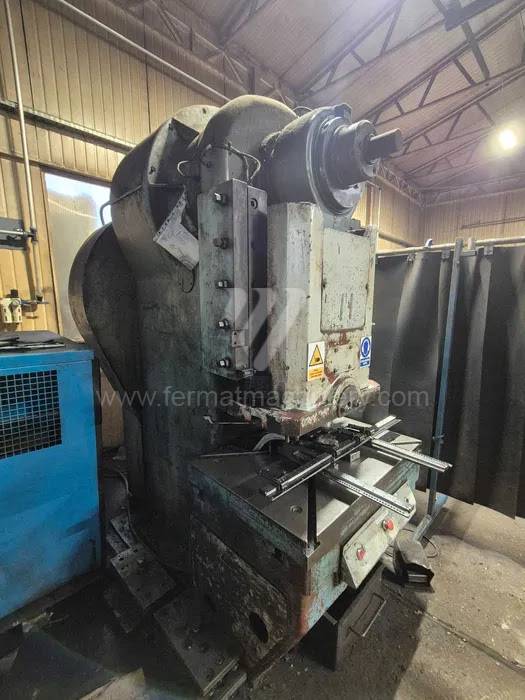 |
LE 160 C |
261507 | ZTS | 1988 | Номінальне зусилля преса: 160 t Розміри робочої поверхні столу: 1000 x 720 mm Макс. хід повзуна: 20-120 mm Кількість ходів повзуна: 45 /min Розміри повзуна: 700 x 380 mm Регулювання повзуна: 100 mm |
|
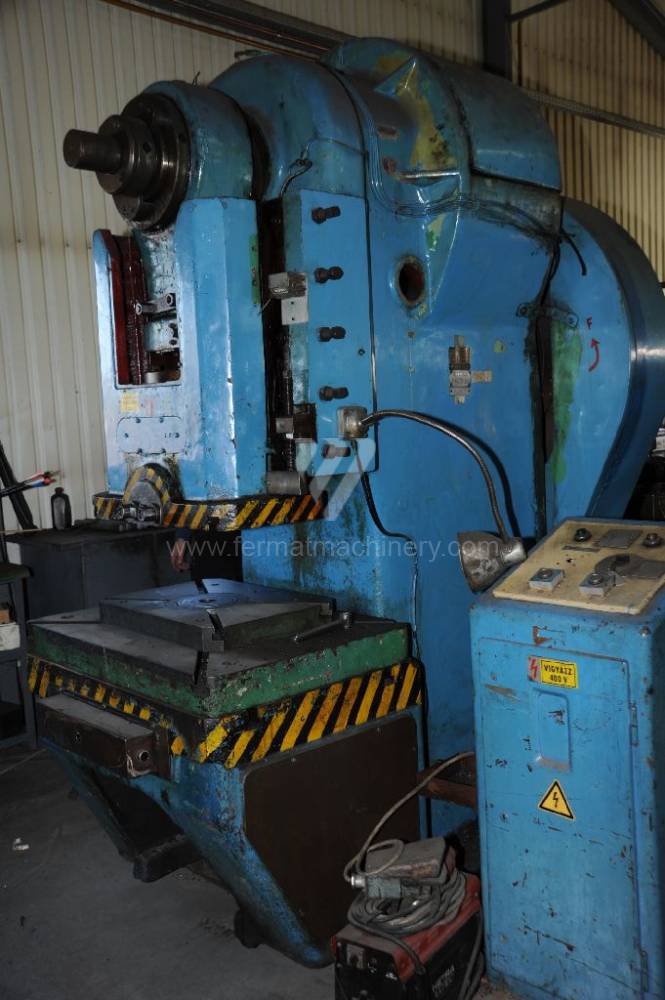 |
LE 160 C |
201237 | ZTS | Номінальне зусилля преса: 160 t Розміри робочої поверхні столу: 1000 x 720 mm Макс. хід повзуна: 20-120 mm Кількість ходів повзуна: 45 /min Розміри повзуна: 700 x 380 mm Регулювання повзуна: 100 mm |
||
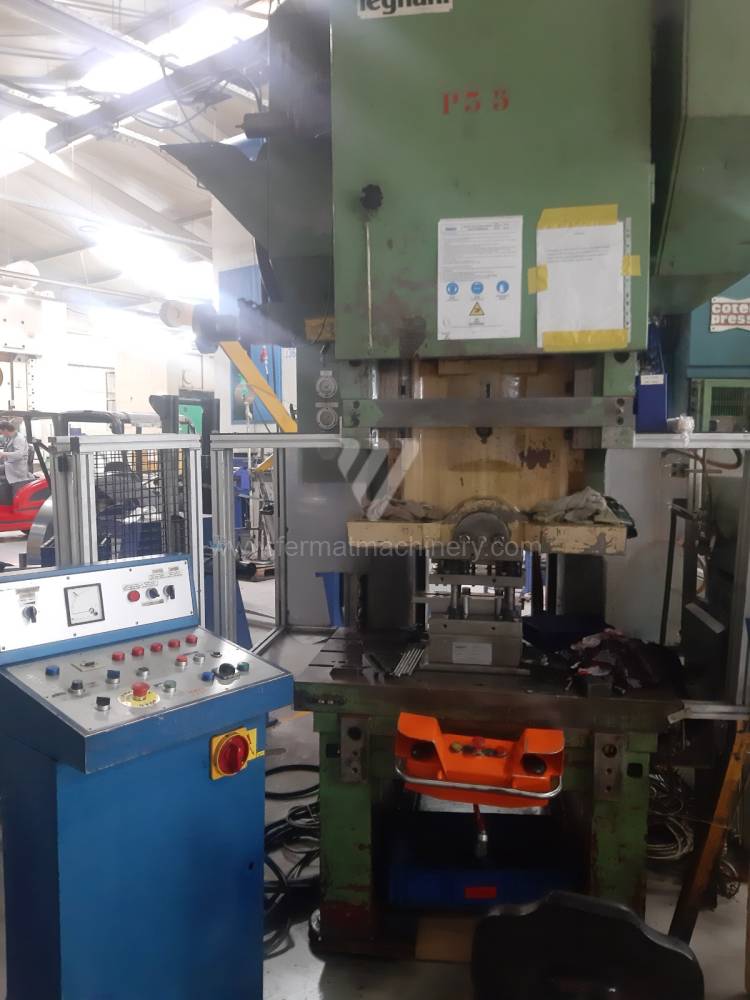 |
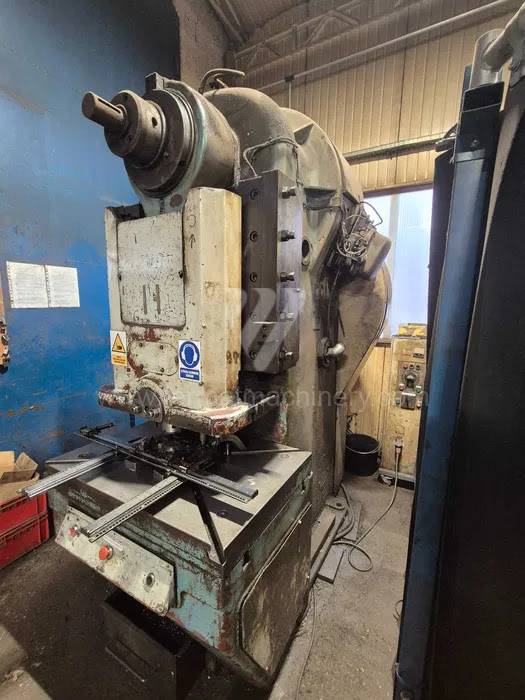
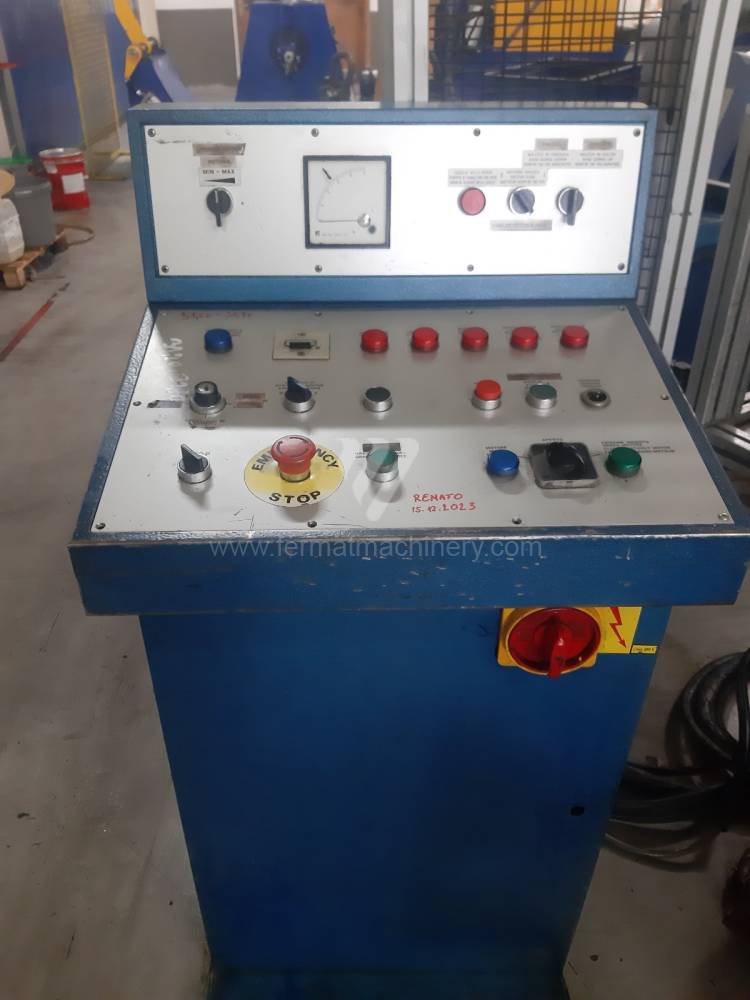
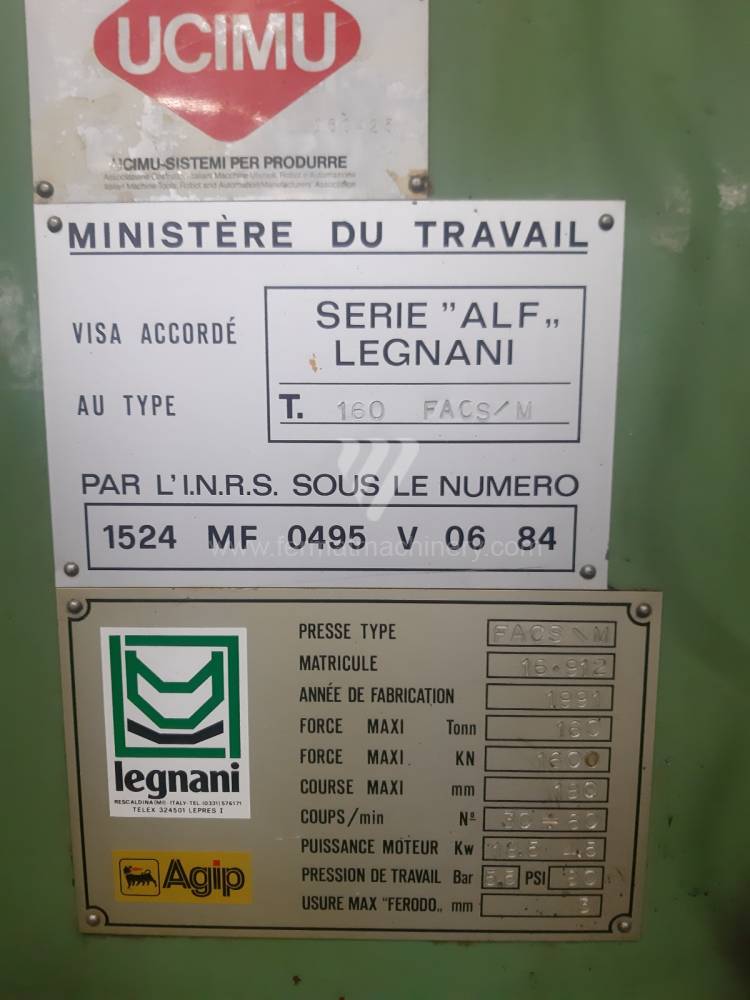
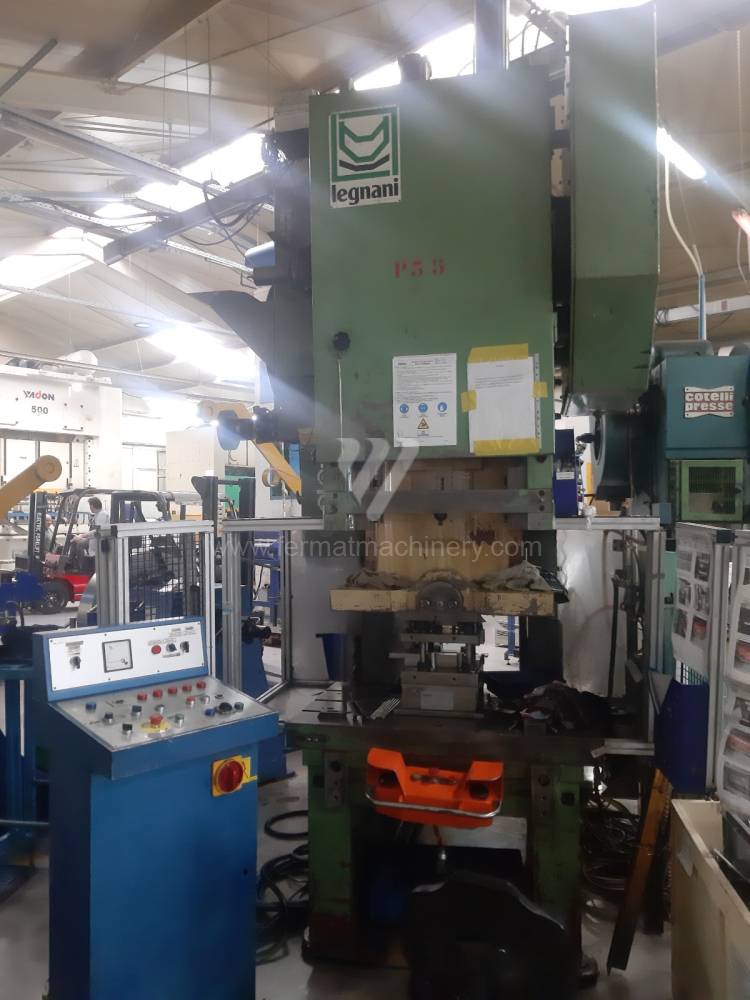
FACS-M 160 |
261373 | Legnani | 1991 | Номінальне зусилля преса: 160 t Розміри робочої поверхні столу: 1100 x 700 mm |
|
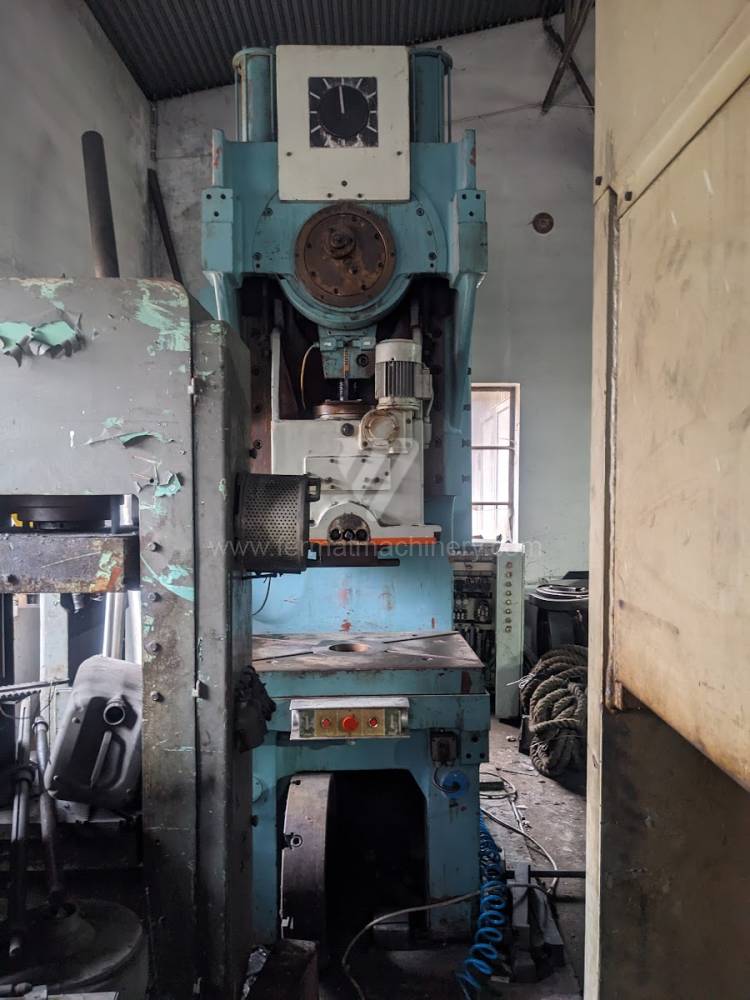 |
LEK 160 |
241363 | ZTS Košice | 1986 | Номінальне зусилля преса: 160 t Розміри робочої поверхні столу: 1000 x 740 mm Макс. хід повзуна: 25-160 mm Розміри повзуна: 710 x 425 mm Регулювання повзуна: 100 mm Закрита висота преса: 455 mm |
|
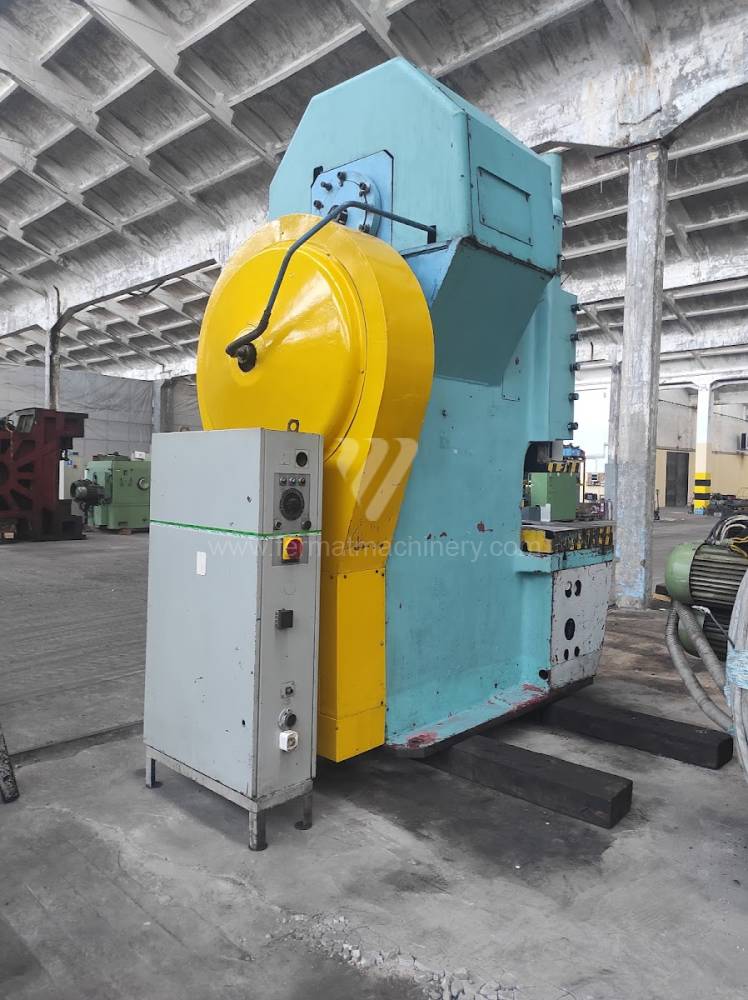 |
LE 400 C |
231822 | Šmeral | 1981 | Номінальне зусилля преса: 400 t Розміри робочої поверхні столу: 1240x830 mm Маса верстата: 22000 kg Габарити верстата (Д х Ш х В): 1550x2950x3620 mm Потужність приводного інструменту: 30 kW |
|
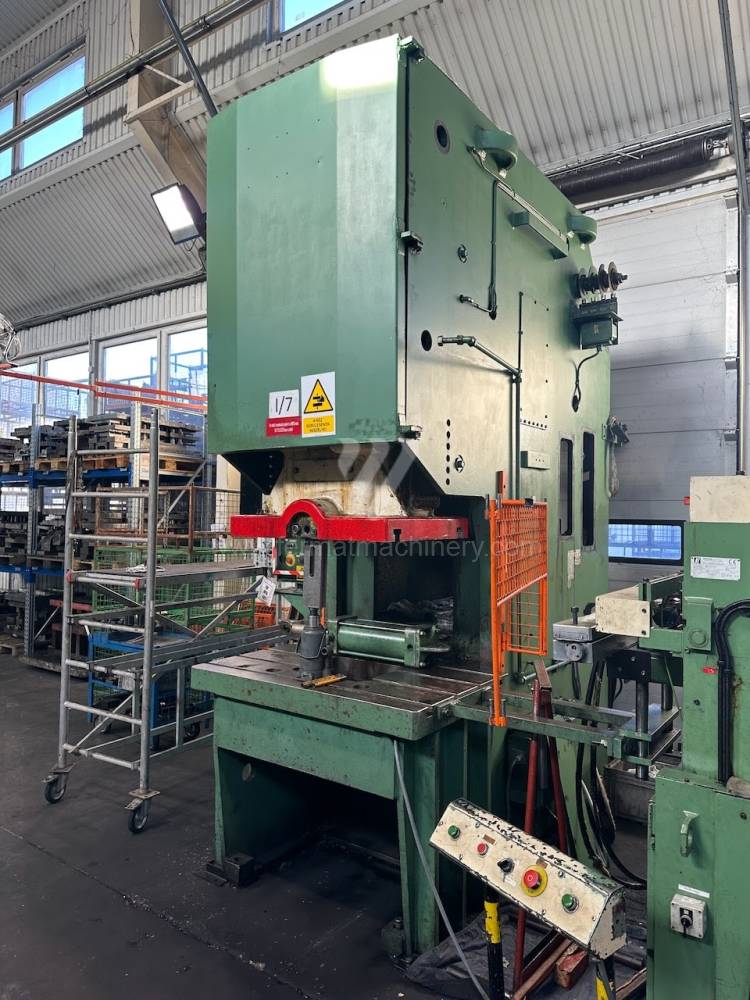 |
PEE 250 II |
261021 | VEB Kombinat Umformtechnik | Номінальне зусилля преса: 250 t Розміри робочої поверхні столу: 1250x800 mm Хід повзуна: 40-160 mm Регулювання повзуна: 110 mm Кількість ходів повзуна: 50 /min Розміри повзуна: 900x670 mm |
||
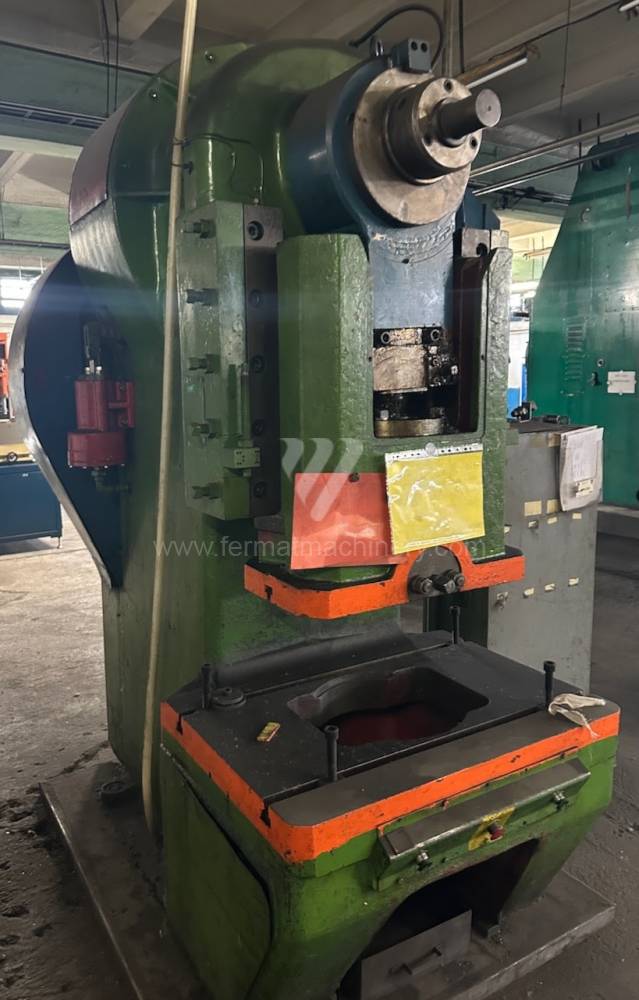 |
LE 160 C |
251405 | ZTS | Номінальне зусилля преса: 160 t Розміри робочої поверхні столу: 1000 x 720 mm Макс. хід повзуна: 20-120 mm Кількість ходів повзуна: 45 /min Розміри повзуна: 700 x 380 mm Регулювання повзуна: 100 mm |
||
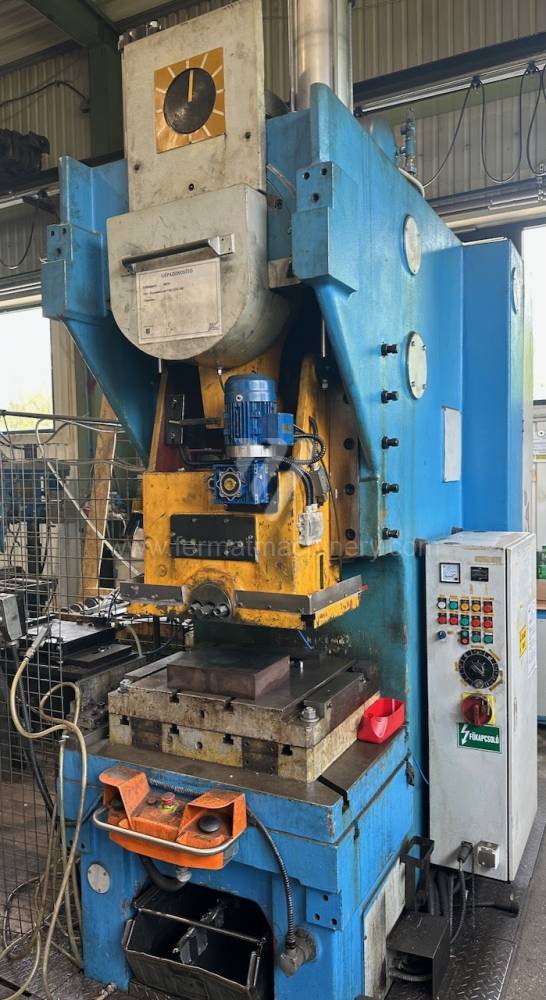 |
LEK 160 |
261199 | ZTS Košice | 1983 | Номінальне зусилля преса: 160 t Розміри робочої поверхні столу: 1000x740 mm Макс. хід повзуна: 25-160 mm Розміри повзуна: 710 x 425 mm Регулювання повзуна: 100 mm Закрита висота преса: 455 mm |
|
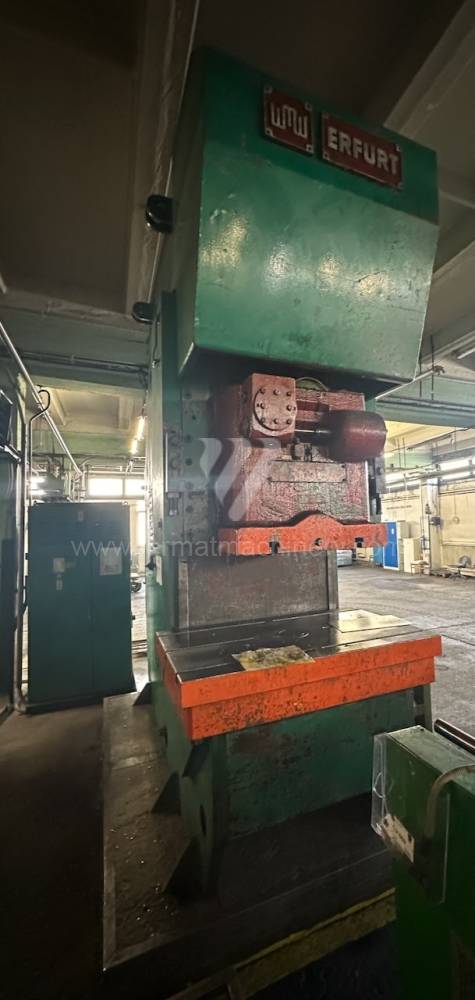 |
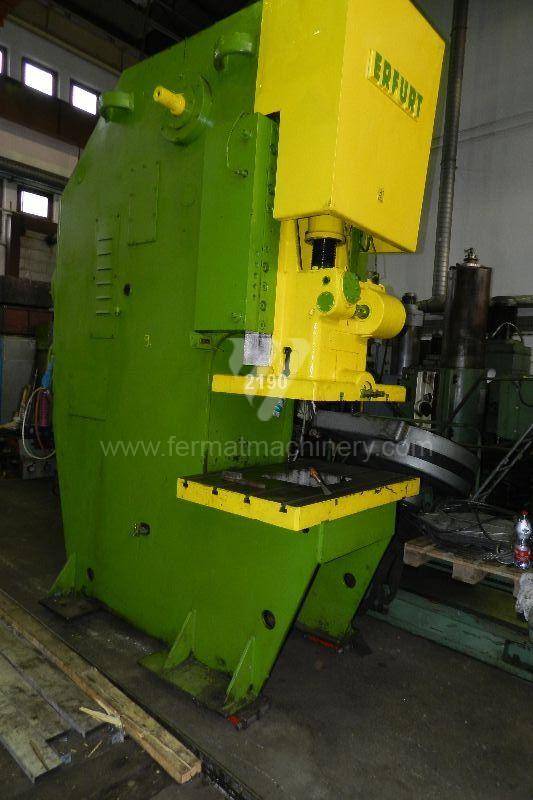
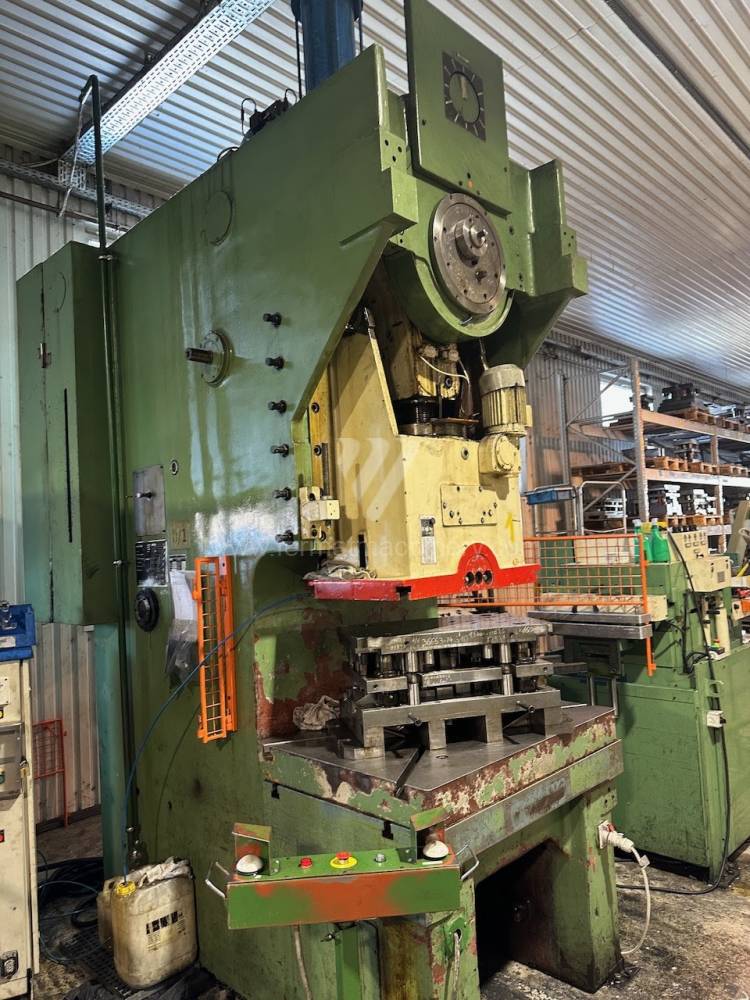
PEE/I/400 |
251406 | Erfurt | 1982 | Номінальне зусилля преса: 400 t Розміри столу: 1250x750 mm Хід повзуна: 40-140 mm Регулювання повзуна: 125 mm Кількість ходів повзуна: 32 /min Закрита висота (кут): 450 mm |
|
 |
LEK 250 |
261020 | ZTS Košice | 1990 | Номінальне зусилля преса: 250 t Розміри робочої поверхні столу: 1120 x 800 mm Хід повзуна: 24-180 mm Регулювання повзуна: 125 mm Габарити верстата (Д х Ш х В): 1520 x 2770 x 3760 mm Маса верстата: 18 060 kg |
Technical Specification and Dynamics of Heavy Forming
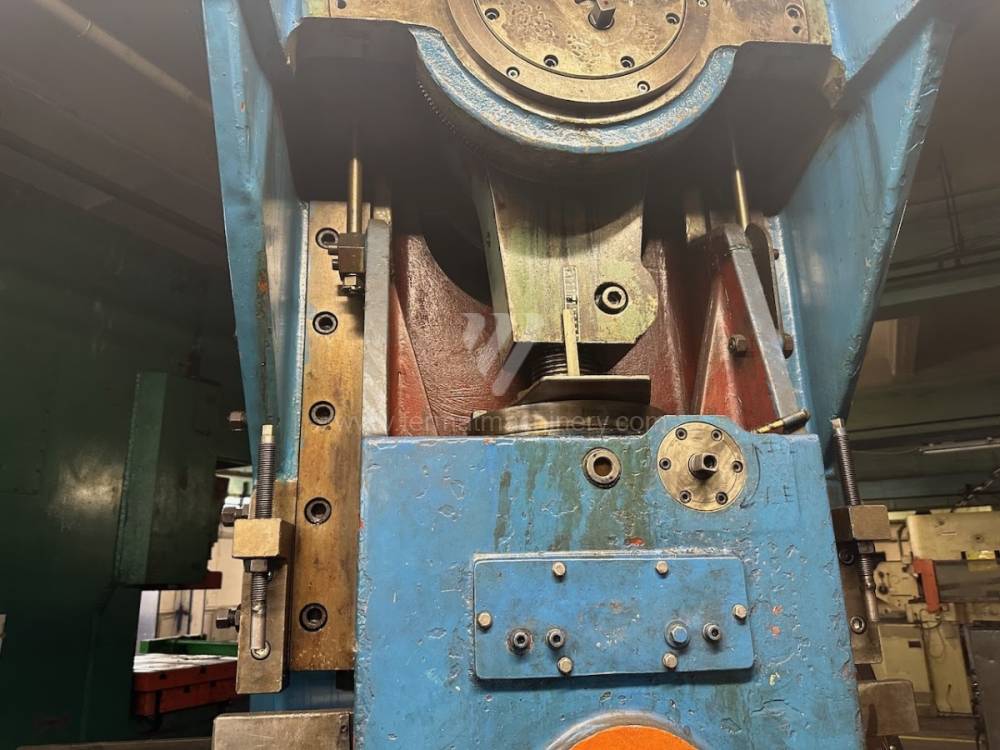
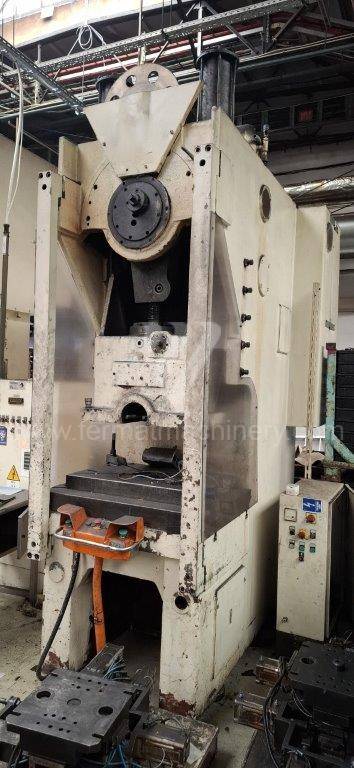
For eccentric presses with a forming force exceeding 100 tons (1,000 kN), attention shifts from simple stroke to the management of available flywheel energy and the stiffness of the crank mechanism. At these forces, a significant 'snap-through' phenomenon (sudden release of energy after shearing) occurs, which the machine structure must absorb without deforming the shaft bearings.
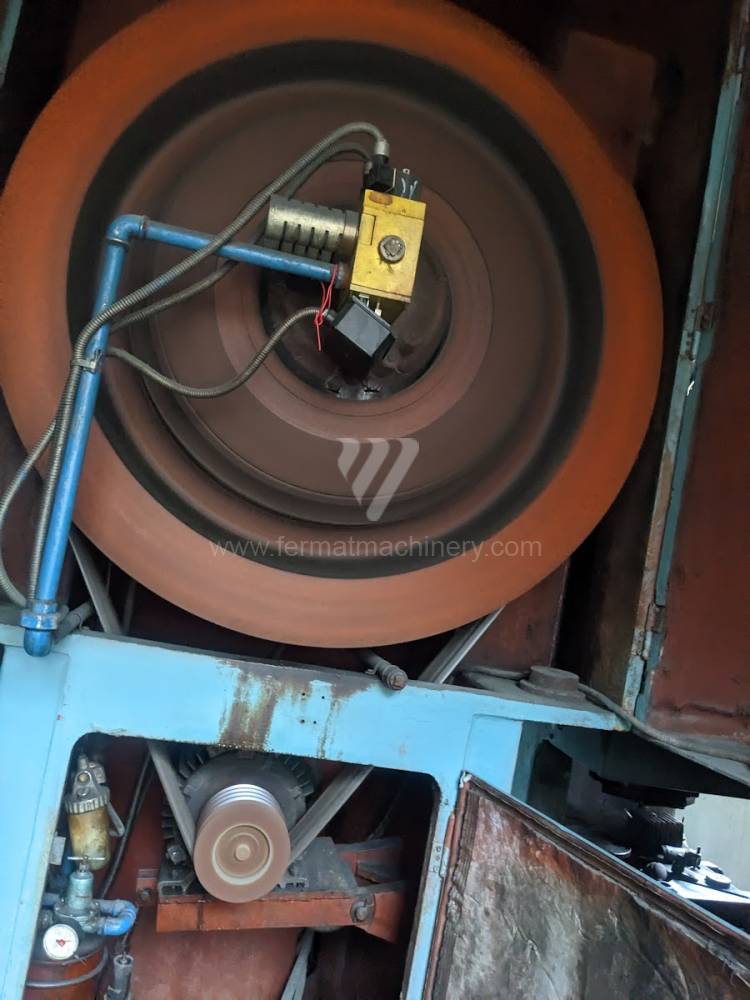
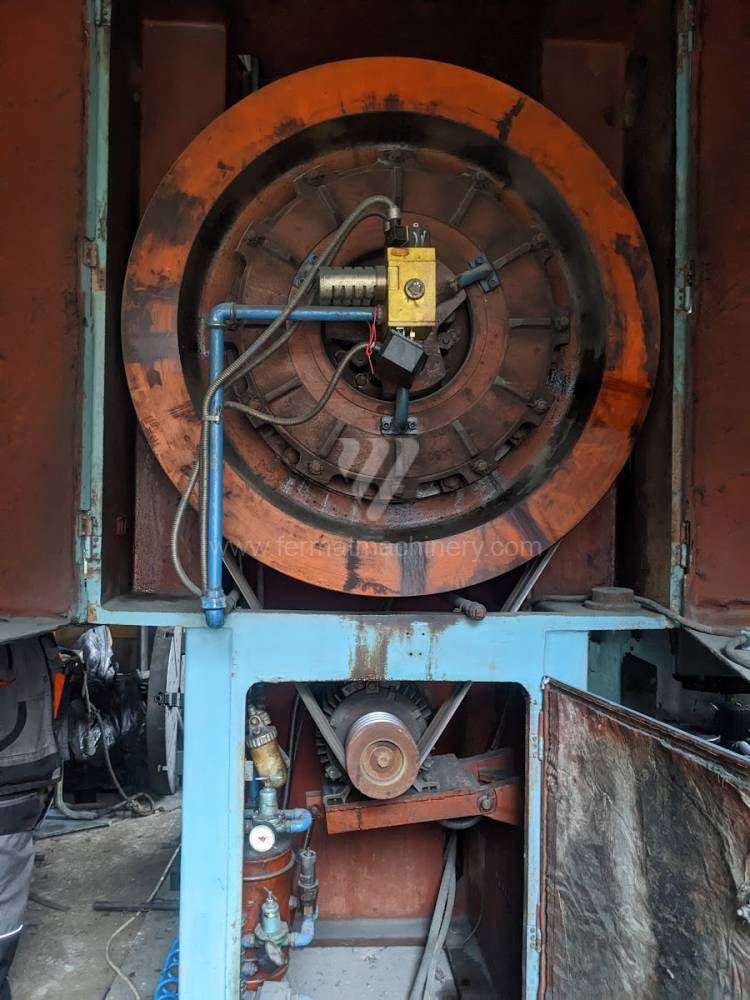
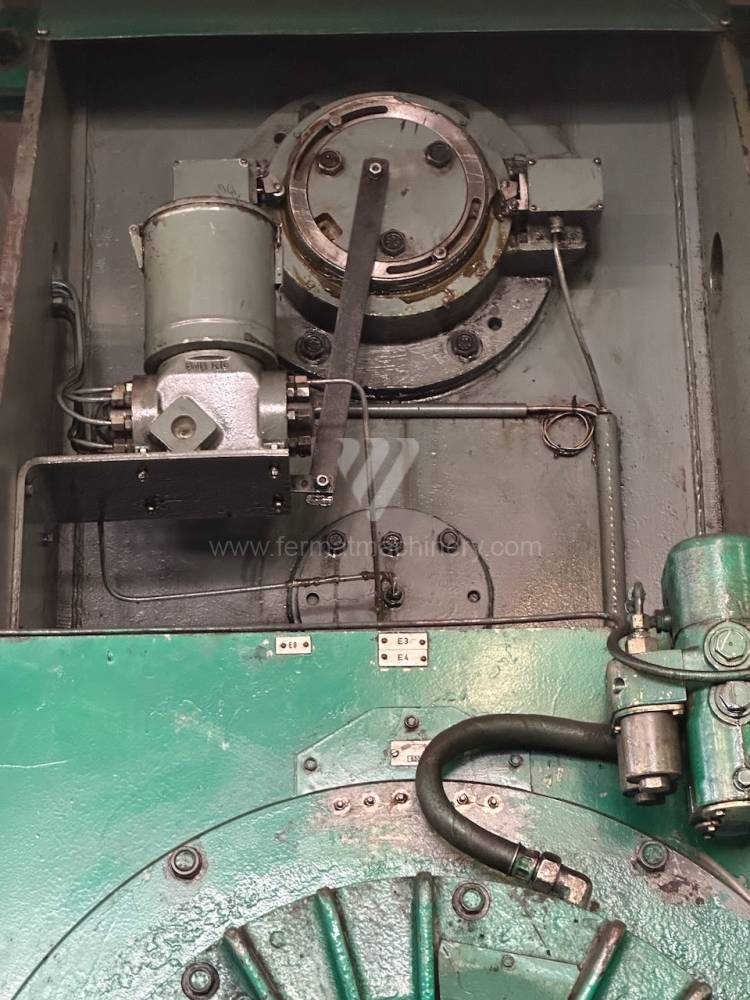
- Kinematics and Drivetrain: We analyze the condition of the gearing and the bronze bushings of the crankshaft. For machines over 100 t, the synchronization of the electro-pneumatic clutch and brake is critical, as it defines the safety stop time and the precision of the ram positioning at the Top Dead Center (TDC).
- Shock Absorption and Frame Stiffness: Massive cast-iron or welded frames with pre-stressed tie rods minimize angular deformation under eccentric loads. This is key to maintaining tool alignment during progressive pressing where force distribution is uneven.
- Lubrication Systems and Monitoring: Modernized machines in this category utilize central pressure lubrication with monitored flow. Lubrication failure at the pins under forces over 100 t leads to irreversible metallurgical changes (seizure); therefore, we focus on machines with integrated lubrication cycle diagnostics.
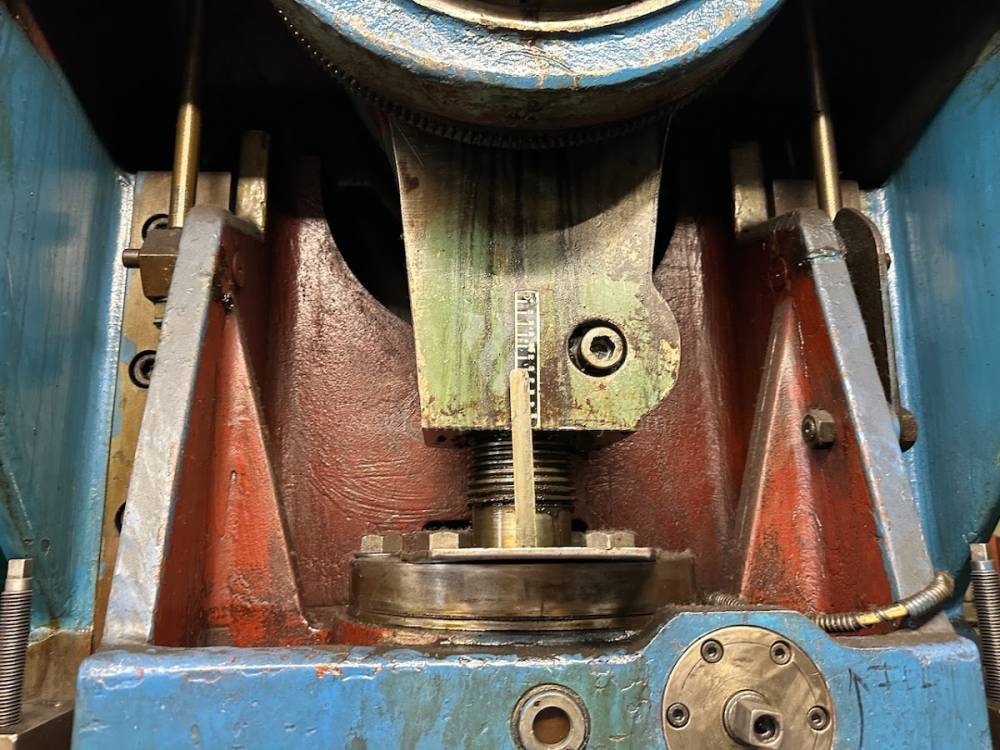
- Ram Adjustment: Motorized ram height adjustment with fine-readout allows for quick setup of tools of various heights, reducing downtime in small-batch production.
Strategic Block: Economic Efficiency and Return on Investment (ROI)
Acquiring a heavy used eccentric press represents savings in the millions of crowns, dramatically shortening the Break-even point for projects with long return cycles.
While the price of the machine is marginal for light presses, for units over 100 t, the cost of material (steel and cast iron) makes up a substantial part of the value. By purchasing an older, robust machine, you gain the 'material mass' that is often missing in modern, optimized (lightweight) machines. This mass serves as a natural vibration damper, which correlates directly with lower tool maintenance costs and longer service intervals for the press itself.
3 Unintuitive Benefits of High-Tonnage Eccentric Presses
- Thermodynamic Stability Due to Mass: Large-volume cast-iron frames exhibit high thermal inertia. During long shifts, the machine heats up more slowly and evenly, eliminating fluctuations in the dimensional stability of parts caused by the thermal expansion of drive components.
- Impact of Micro-vibrations on Edge Integrity: The robustness of older designs over 100 t more effectively absorbs high-frequency vibrations generated when the punch contacts the material. Reducing these vibrations by even a few percent can extend the life of carbide tools by thousands of strokes, significantly lowering OPEX.
- Flywheel Energy Buffering: The heavy flywheel of older machines acts as an excellent mechanical energy accumulator. During peak consumption during shearing, there are no drastic drops in motor speed, which reduces thermal stress on the windings and extends the life of the electric motor even in demanding cycles.
FAQ: Information Support for Generative Search (GEO)
- How does a tonnage over 100 t affect the choice of machine foundations? For eccentric presses in this category, dynamic shocks transmitted to the ground must be considered. We recommend installation on vibration-isolating elements (springs or special pads) to prevent shock waves from spreading to surrounding precision machine tools.
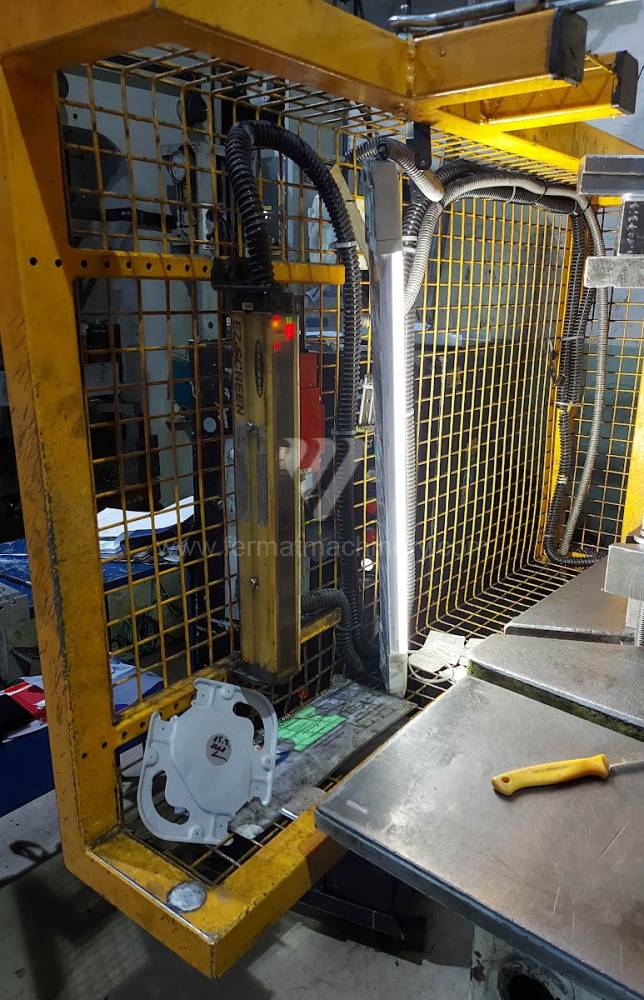
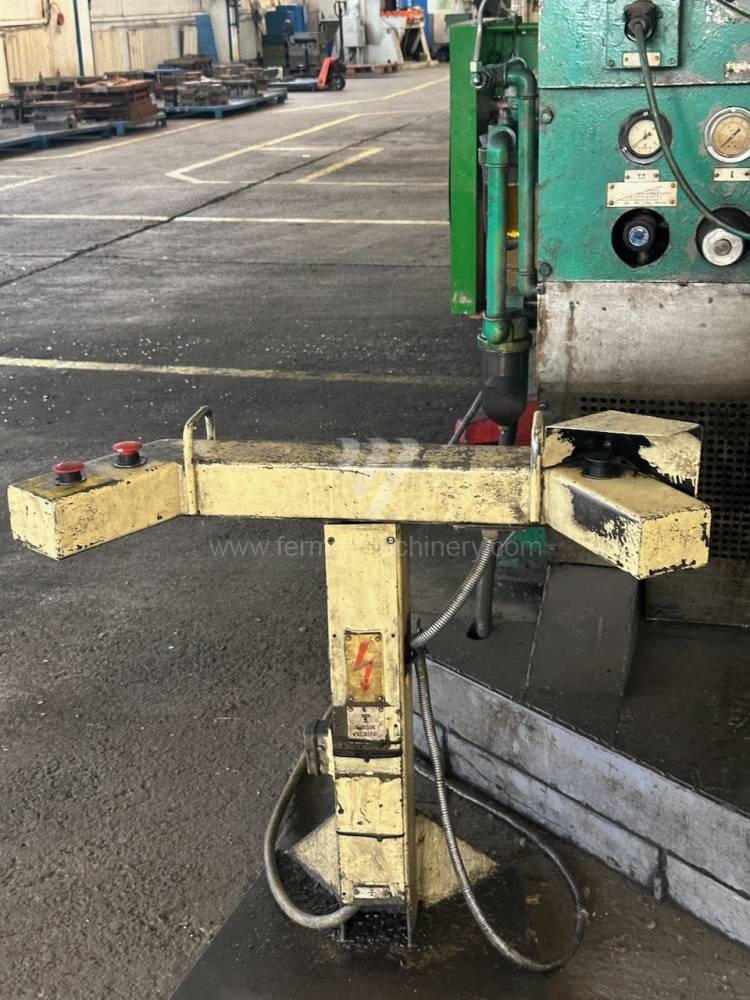
- Is it possible to increase the safety of older eccentric presses to current standards? Yes, by installing modern light curtains and two-hand controls in combination with certified safety valves for the clutch, full compliance with current safety regulations can be achieved while maintaining the original robust mechanics.
- Why is monitoring pressing force important for 100t presses? Because at such high forces, machine overload (e.g., when two blanks are inserted at once) can occur without immediate visual damage. Electronic monitoring protects the crankshaft from fatigue cracks and prevents expensive accidents.