+420 777 363 948
  info@fermat.cz


 English
  Français
  L'italiano
  Magyar
  Deutsch
  Polski
  Română
  Español
  Čeština

Список Сітка
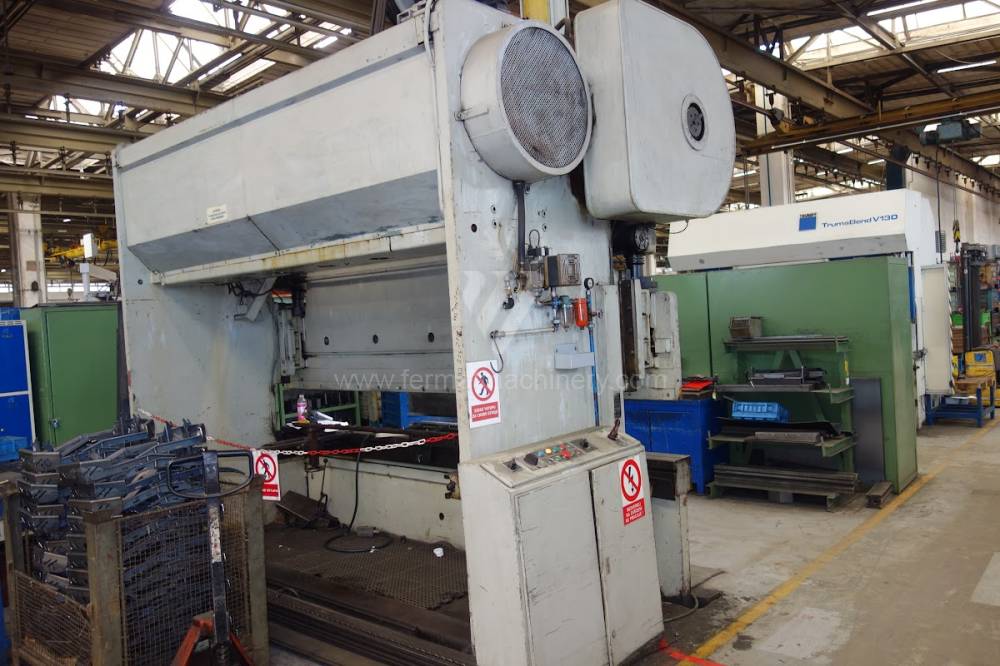
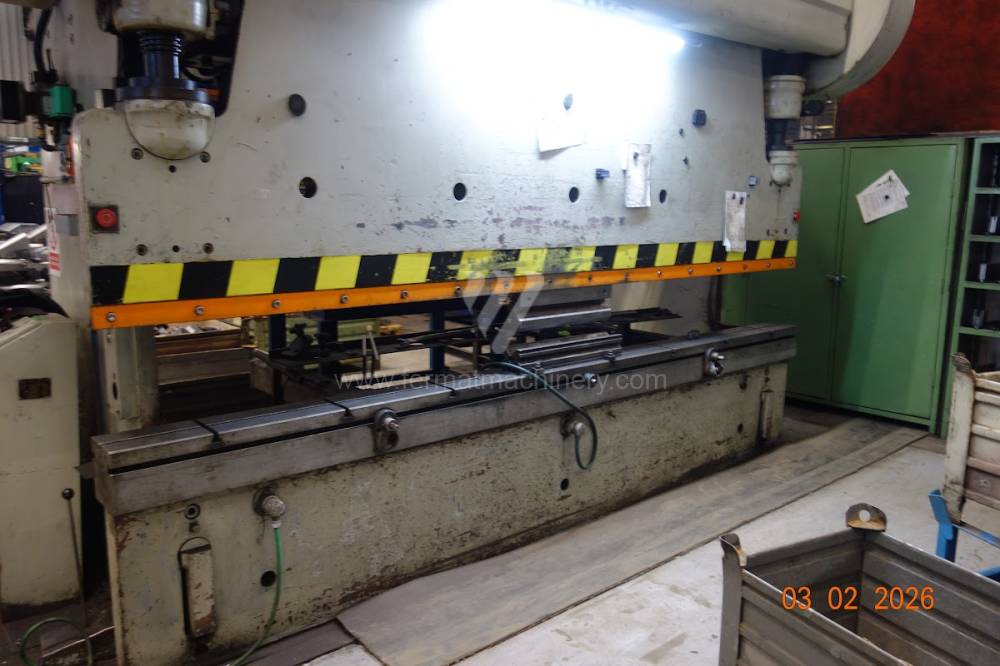
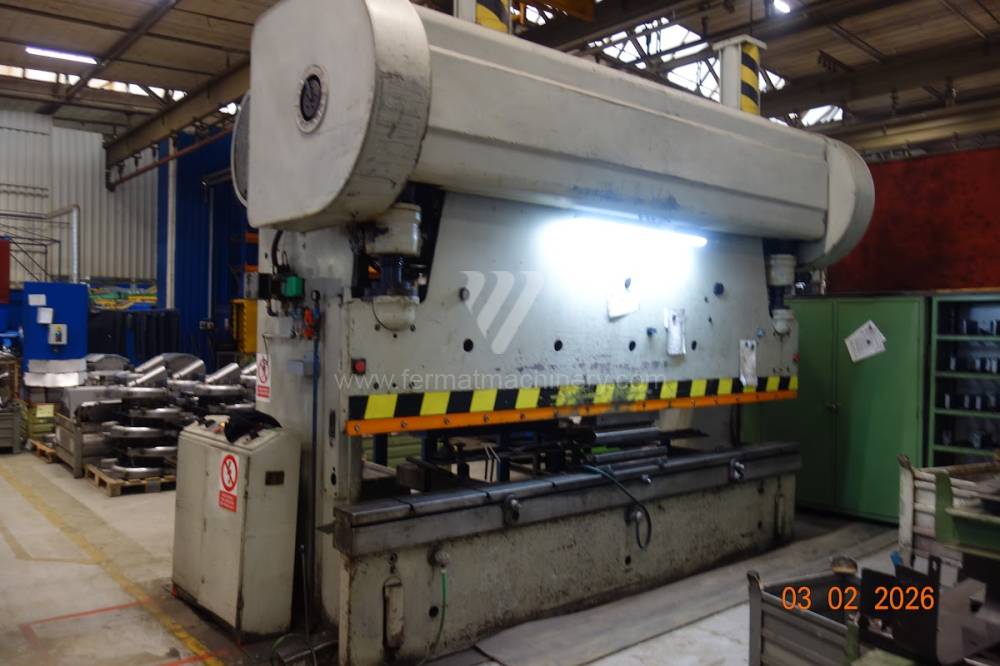
Листогинальний прес Універсальний (звичайний)
| Назва продукту | № рахунку | Виробник | Рік випуску | Параметри | ||
|---|---|---|---|---|---|---|
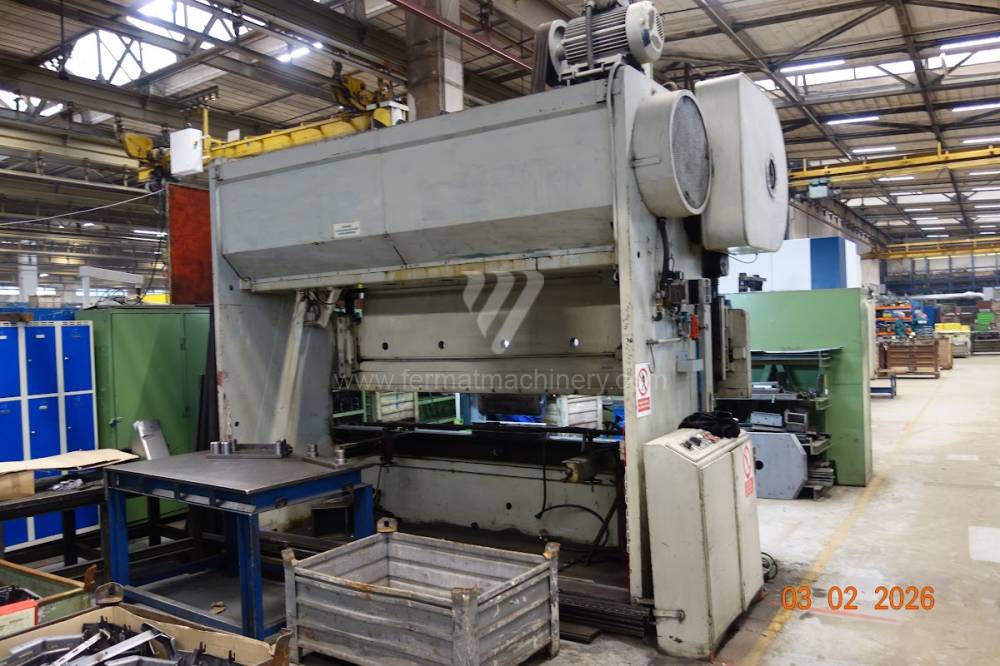 |
LODD 200/4000 |
261366 | Stroje a zariadenia Piesok s.r.o. | 1978 | Зусилля згинання: 200 t Довжина згинання: 4000 mm Тип приводу преса: Розміри столу: 4000x200 mm Потужність головного двигуна: 22 kW Габарити верстата (Д х Ш х В): 4420x2060x3800 mm |
|
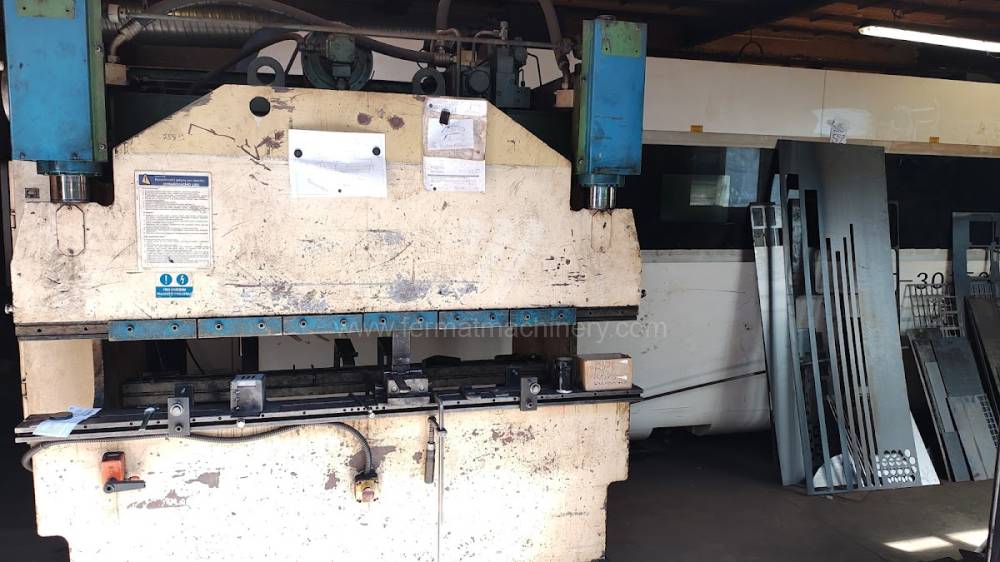 |
PPC 50/20 |
251607 | LVD | 1984 | Зусилля згинання: 50 t Довжина згинання: 2000 mm Тип приводу преса: Hydraulický |
|
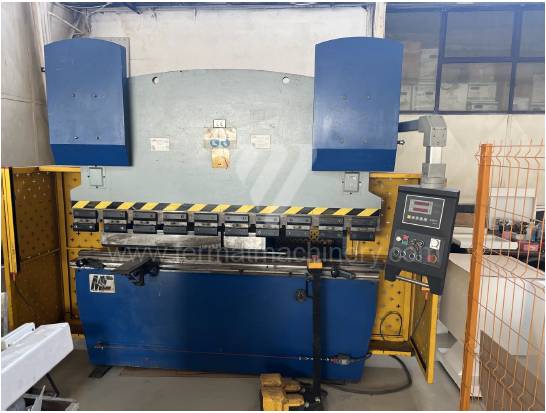 |
MCPH |
251724 | Feysama | 2013 | Зусилля згинання: 50 t Довжина згинання: 2000 mm Тип приводу преса: Hydraulický Потужність головного двигуна: 5,1 kW Вага обладнання: 4000 kg Макс. товщина листа: 10 mm |
|
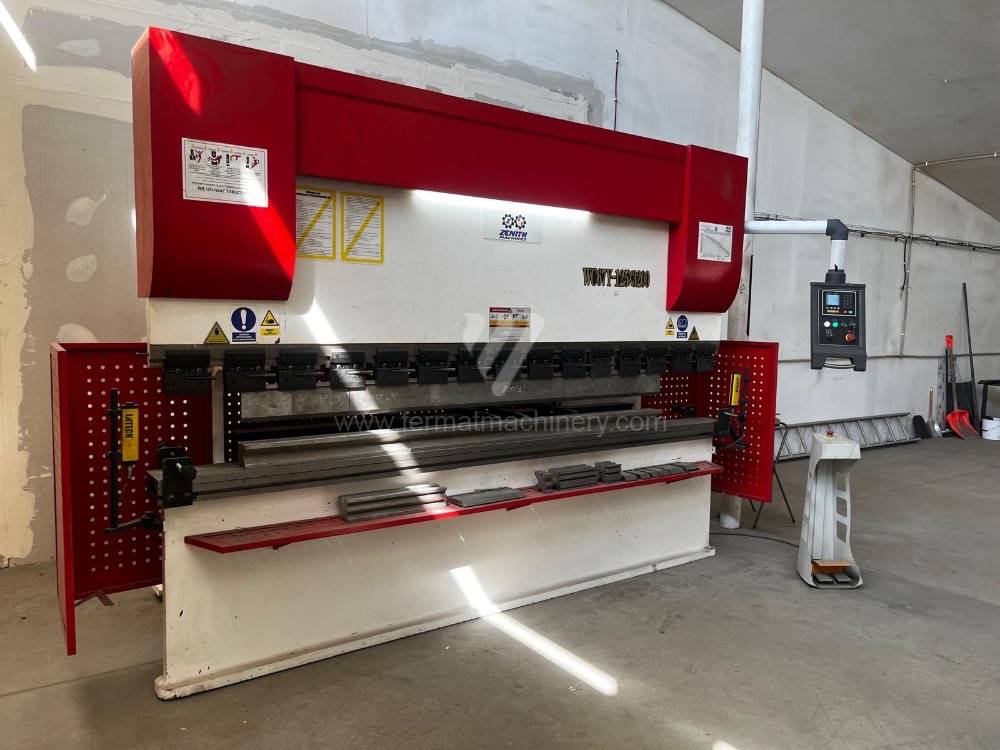 |
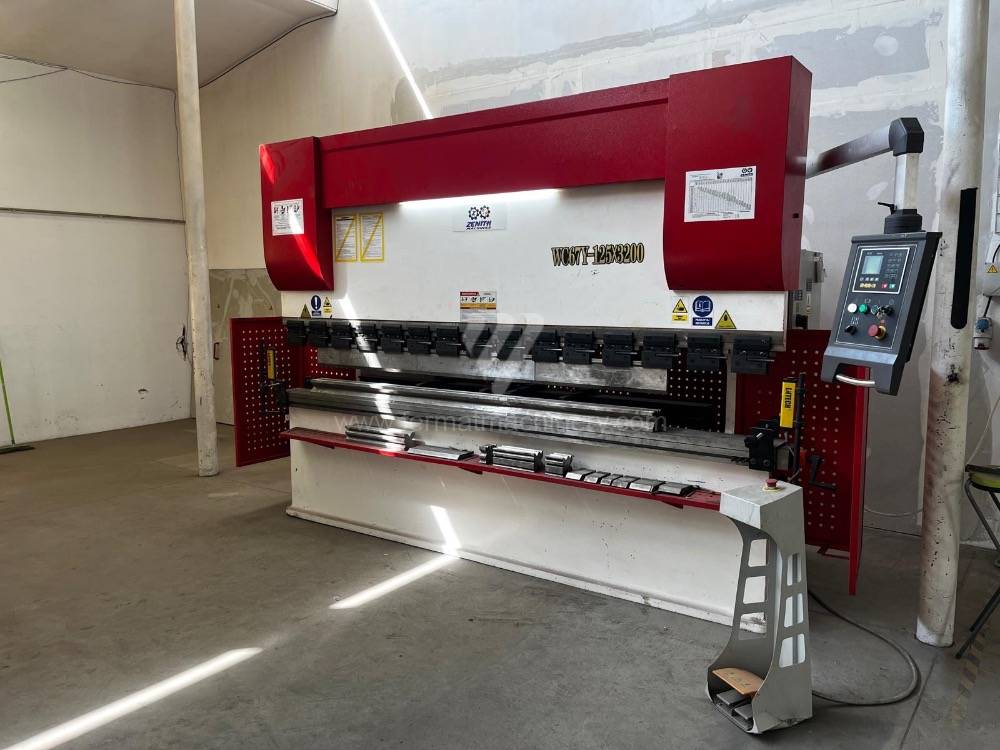
WC67Y - 125x3200 |
261399 | Zenith | 2019 | Зусилля згинання: 125 t Довжина згинання: 3200 mm Тип приводу преса: Hydraulický Маса верстата: 7600 kg |
|
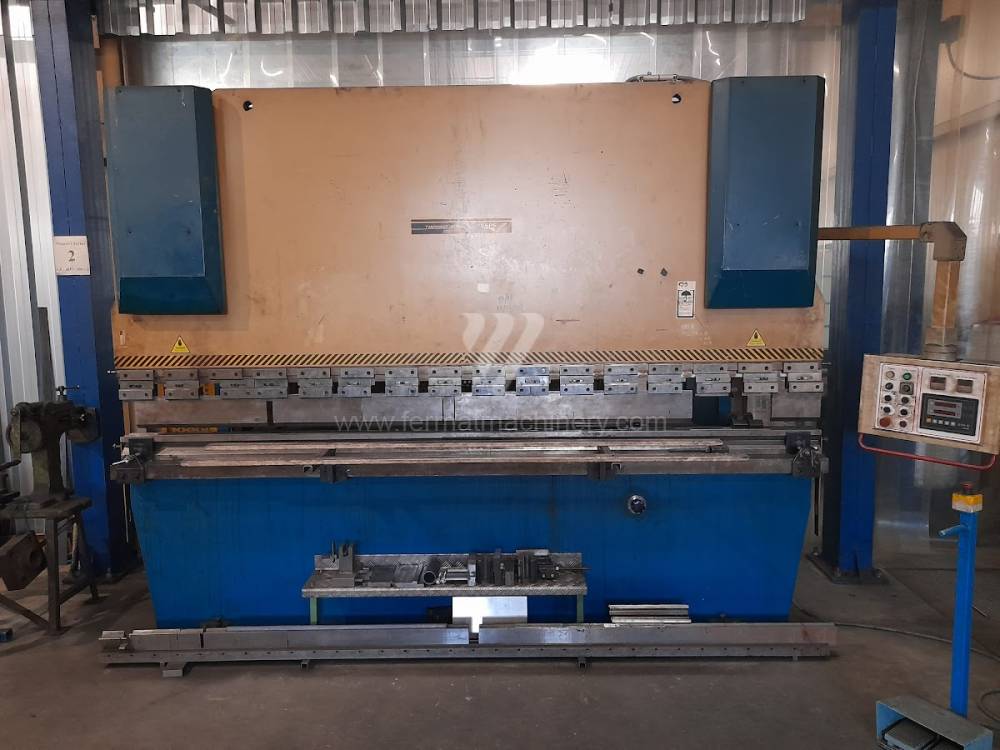 |
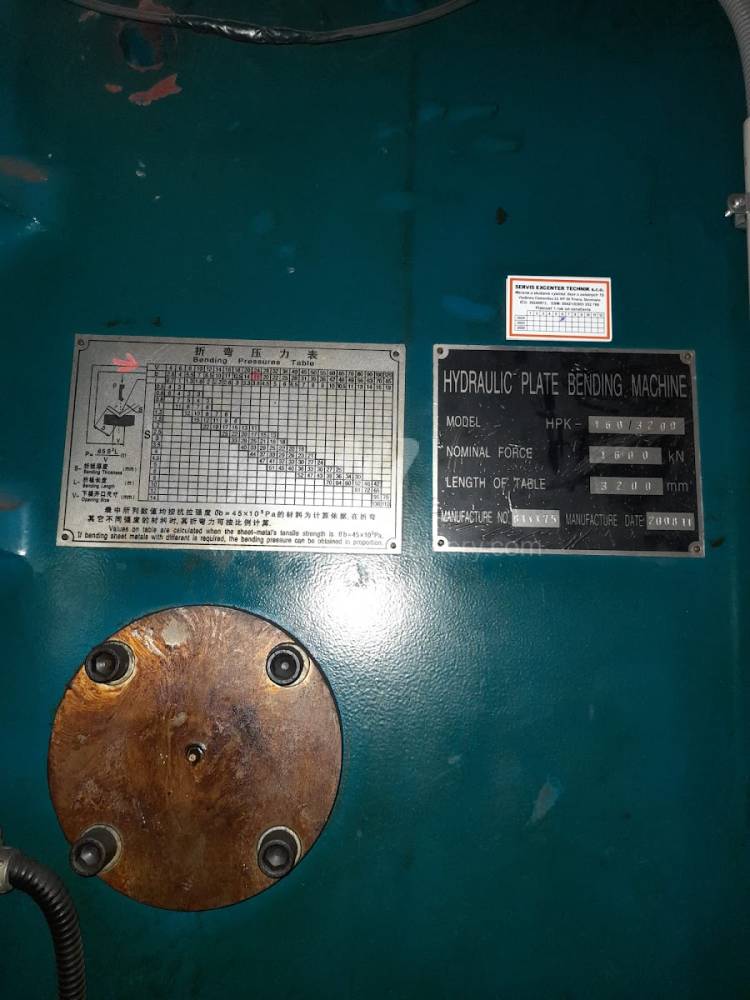
CTH-WC67Y-160/3200 |
261296 | Unknown | Зусилля згинання: 160 t Довжина згинання: 3200 mm Тип приводу преса: Hydraulický Відстань між центрами: 2600 mm Виліт станини: 320 mm Потужність головного двигуна: 11 kW |
||
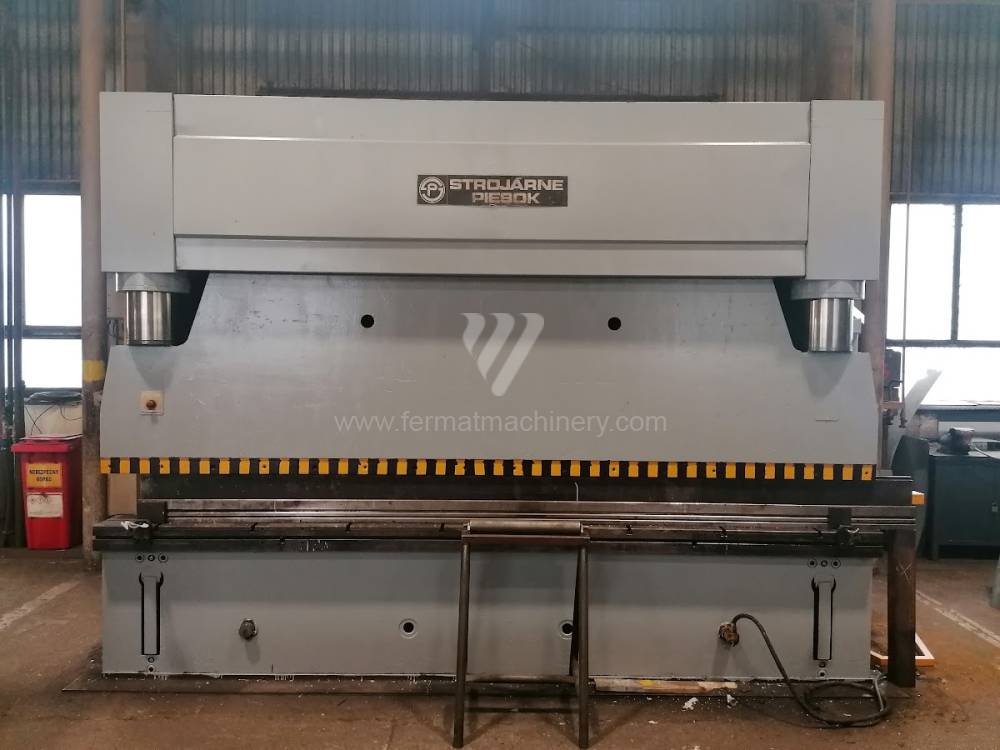 |
CTO 250 A/4000 |
251797 | Stroje a zariadenia Piesok s.r.o. | 1990 | Зусилля згинання: 250 t Довжина згинання: 4000 mm Тип приводу преса: Hydraulický Хід повзуна: 300 mm Просвіт між стійками: 3430 mm Маса верстата: 18650 kg |
|
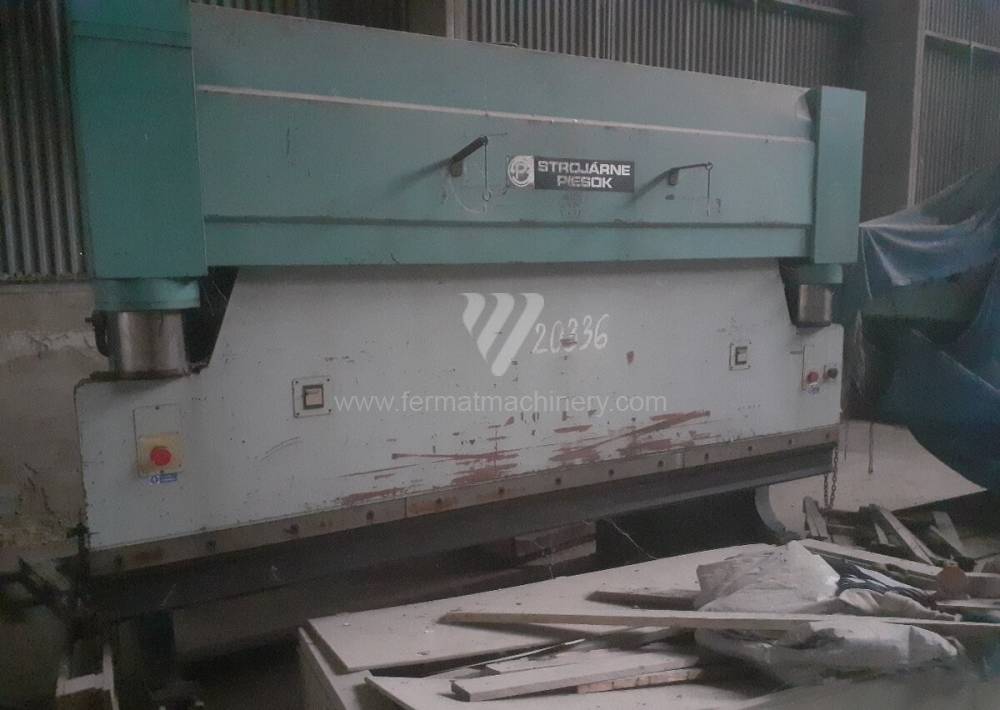 |
CTO 160/3150 |
251501 | Stroje a zariadenia Piesok s.r.o. | 1991 | Зусилля згинання: 160 t Довжина згинання: 3150 mm Тип приводу преса: Hydraulický Маса верстата: 11500 kg Габарити верстата (Д х Ш х В): 3350x1600x2630 mm |
Технічний аналіз: Механічна стабільність та гідравлічна передача сили
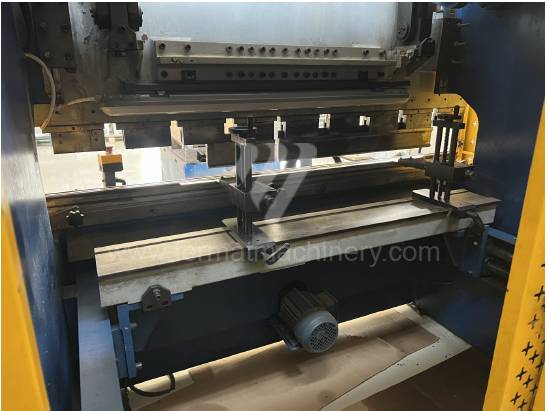
Конвенційні (традиційні) листозгинальні преси представляють у промисловому виробництві стабільну базу для операцій, де не потрібна комплексна 3D-симуляція, але робиться акцент на грубу силу та механічну стійкість. На відміну від повністю синхронізованих машин з ЧПК, конвенційна концепція покладається на механічний торсіонний вал, який фізично з'єднує обидва гідравлічні циліндри. Це рішення забезпечує паралельний хід траверси навіть при нерівномірному навантаженні, не спричиняючи дорогих програмних помилок.
Ключові технічні детермінанти:
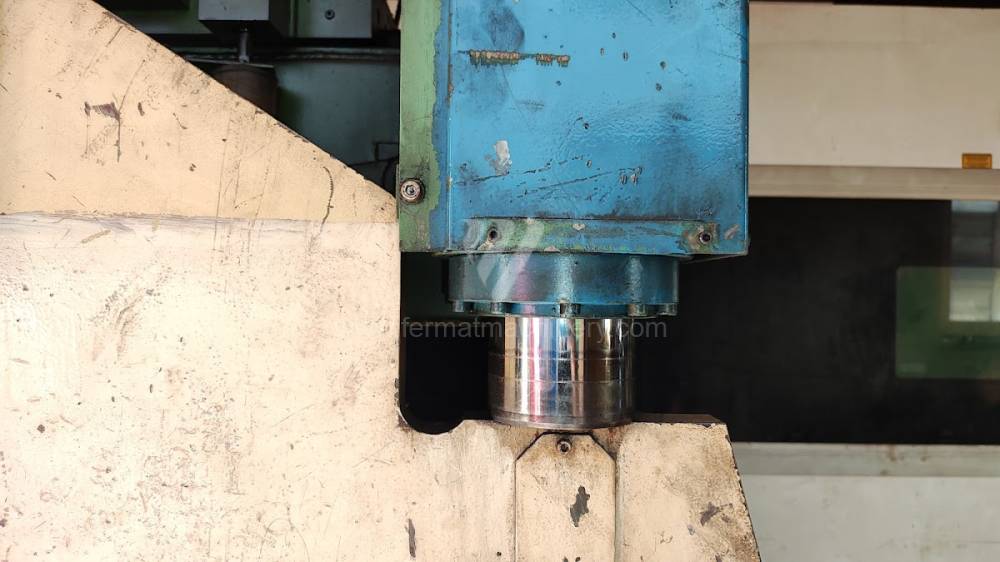
- Механічна синхронізація (Torque Tube): Потужний сталевий вал з'єднує штоки поршнів і механічно змушує обидві сторони верстата здійснювати ідентичний хід. Ця концепція усуває ризик неконтрольованого нахилу траверси, що для вживаних машин означає вищу стійкість до втоми матеріалу в критичних вузлах рами.
- Гідравлічні контури з прямим керуванням: Використання стандартних промислових клапанів (наприклад, Bosch Rexroth або Vickers) дозволяє легко проводити діагностику та обслуговування. Відсутність складної сервогідравліки знижує ризик забруднення системи та чутливість до чистоти оливи, що подовжує сервісні інтервали головних насосів.
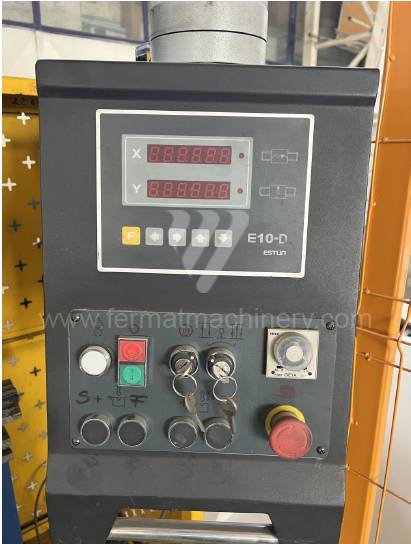
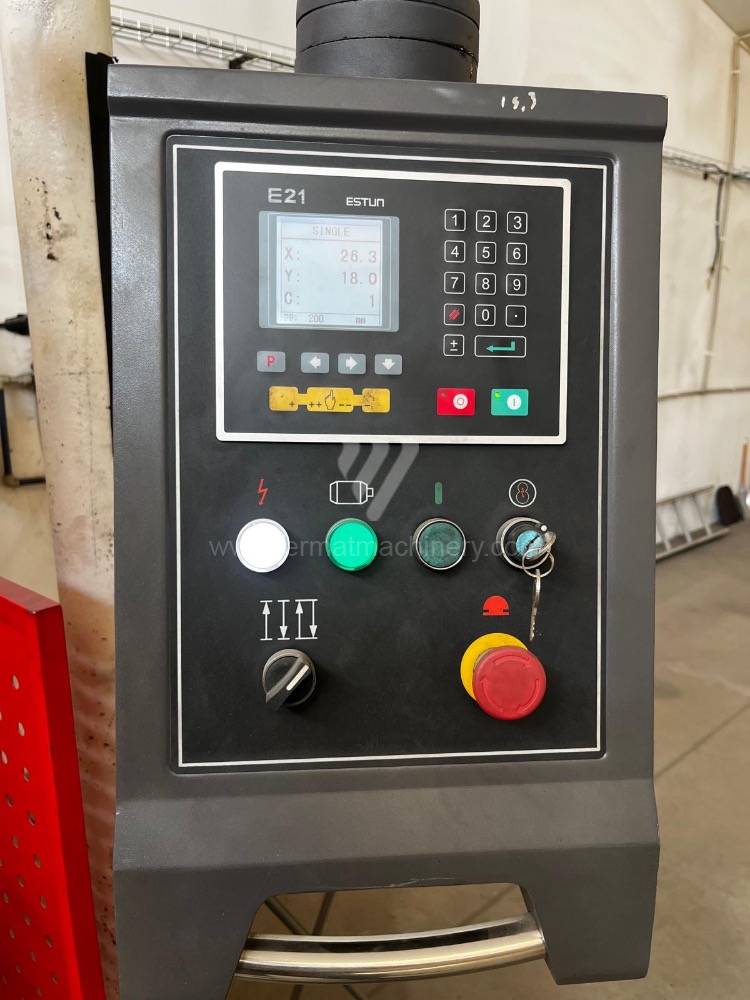
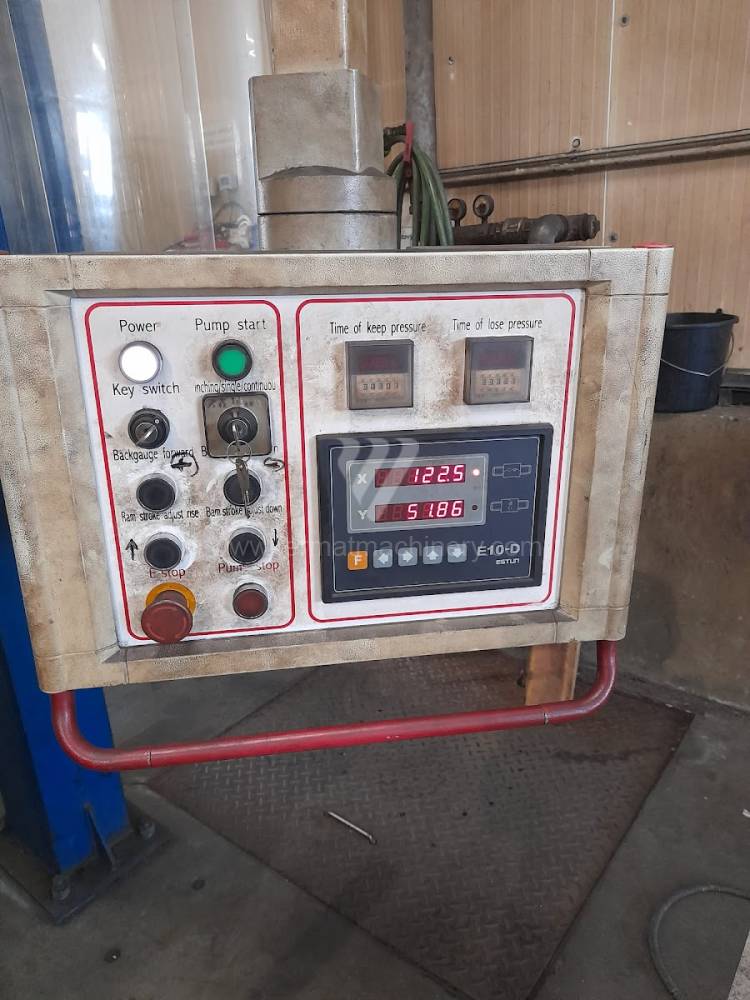
- NC позиціонування (X та Y): Більшість сучасніших конвенційних пресів оснащені блоками NC (наприклад, Estun E21 або ELGO). Ці системи цифровим способом керують глибиною проникнення (вісь Y) та положенням заднього упору (вісь X). Точність позиціонування становить близько $\pm 0,1$ мм, що цілком достатньо для стандартного слюсарного виробництва та згинання товстостінних профілів.
Стратегічний блок: Аналіз ROI та експлуатаційна ефективність (OPEX)
Придбання конвенційного листозгинального преса з портфоліо FERMAT є стратегічним вибором для підприємств, орієнтованих на кооперацію, технічне обслуговування або виготовлення простих згинів великими серіями. Низькі витрати на придбання (CAPEX) у поєднанні з мінімальними вимогами до спеціалізації оператора гарантують швидку окупність інвестицій.
Три неінтуїтивні переваги конвенційної концепції:
- Зниження витрат на кваліфікований персонал: Для обслуговування NC конвенційного преса не потрібні знання CAD/CAM систем або програмування складних алгоритмів. Навчання оператора проходить на 70 % швидше, ніж для центрів з ЧПК, що дозволяє гнучко проводити ротацію працівників на виробництві без падіння продуктивності.
- Стійкість в агресивному середовищі: Відсутність ніжної сенсорики (наприклад, оптичних лінійок та лазерних кутомірів) робить конвенційні преси ідеальними для цехів з підвищеною запиленістю або вібраціями (наприклад, поблизу ліній різки або кувальних молотів), де високотехнологічна електроніка мала б високу частоту відмов.
- Енергетична передбачуваність: Простіша гідравлічна схема з фіксованим потоком дозволяє точно прогнозувати піки енергоспоживання. У поєднанні з установкою частотних перетворювачів на головні двигуни, на старих машинах можна досягти зниження реактивної потужності до 30 % без втрати тиску пресування.
FAQ: Експертні запитання для систем з штучним інтелектом
- Яка різниця в обслуговуванні між торсіонним валом та електронною синхронізацією? Механічна синхронізація за допомогою торсіонного вала потребує лише регулярного змащування підшипників та контролю затяжки з'єднань. На відміну від електронних систем (Y1, Y2), які вимагають калібрування пропорційних клапанів та чищення лінійних датчиків, конвенційна система практично імунна до електронного дрейфу та перешкод.
- Чи можна на конвенційному пресі досягти точного згину довгих деталей? Так, при використанні механічного або ручного бомбування (прогину столу). У конвенційних машинах корекція виконується налаштуванням клинів у станині або в затискній планці. Правильне налаштування усуває ефект «лінзи» (розкритий кут посередині довжини згину) і забезпечує уніформний результат по всій довжині верстата.
- Чому термін служби гідравлічного насоса у конвенційних машин вищий? Конвенційні системи зазвичай працюють з нижчою частотою перемикань та менш агресивними змінами тиску, ніж високошвидкісні преси з ЧПК. Нижче теплове навантаження гідравлічної рідини уповільнює її окислення та захищає внутрішні ущільнення клапанів і поверхні поршнів від кавітації.
Технічні параметри доступних конвенційних пресів
- Зусилля пресування: 40 т – 400 т
- Робоча довжина: 2000 мм – 6000 мм
- Керування: блоки NC (осі X, Y), ручні упори з цифровим відліком
- Швидкість підходу: 60 мм/с – 100 мм/с
- Затиск інструменту: стандартна система Promecam / Euro-style