 +40 737 379 479
  info@fermat.cz


 English
  Français
  L'italiano
  Magyar
  Deutsch
  Polski
  Español
  Українська
  Čeština

Listă Grilă
CDCR 28/74-2
HCP 150
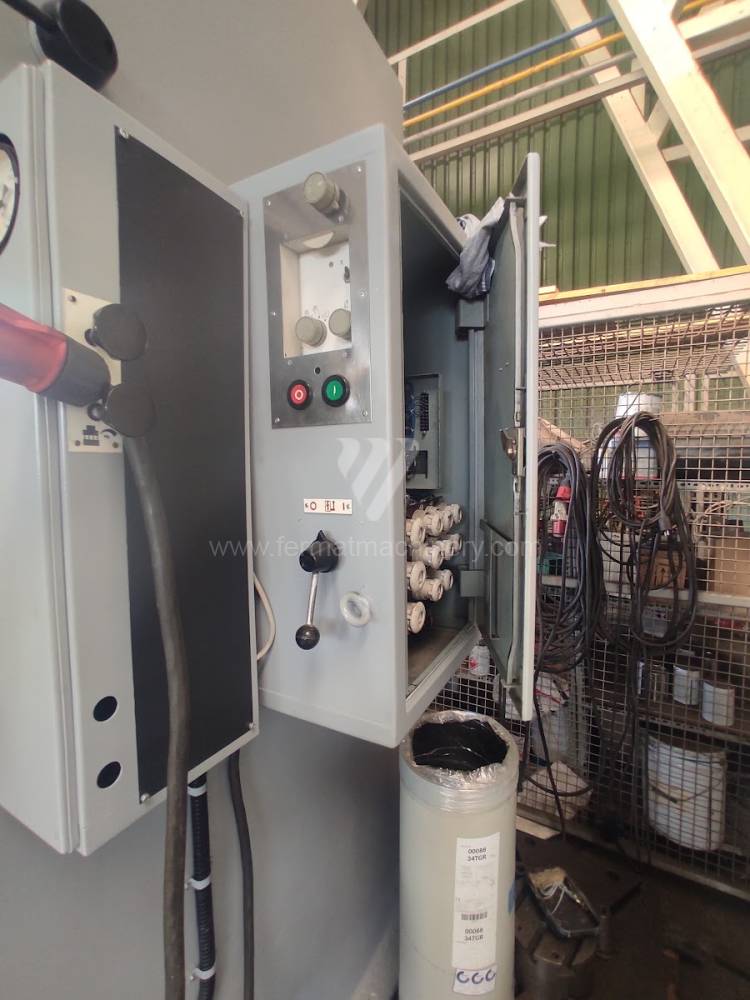
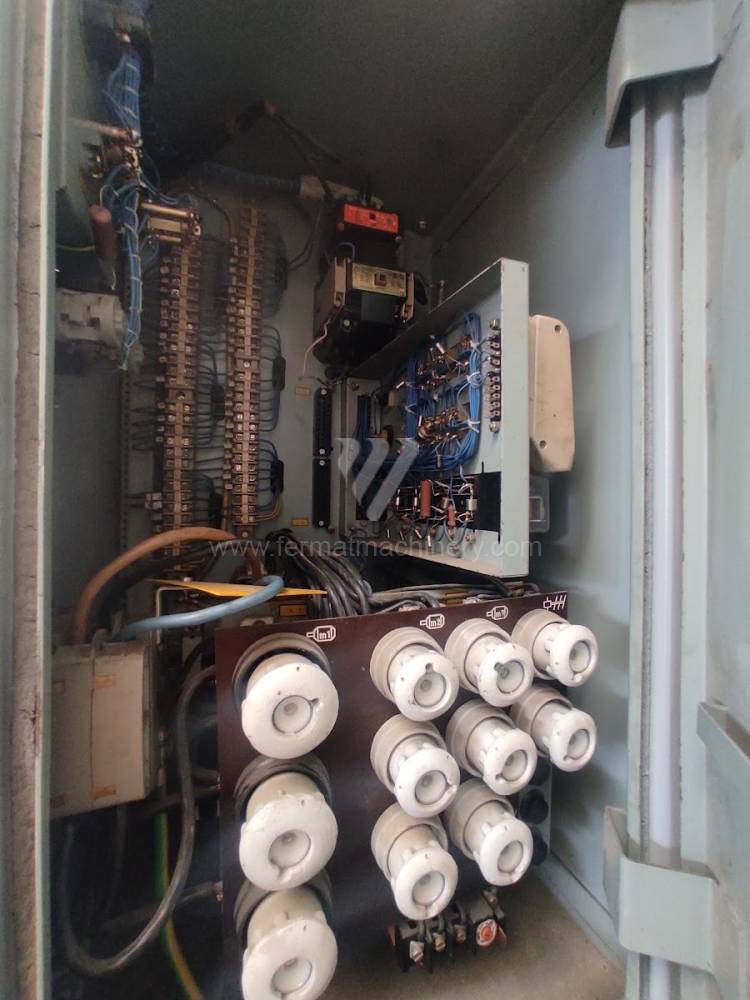
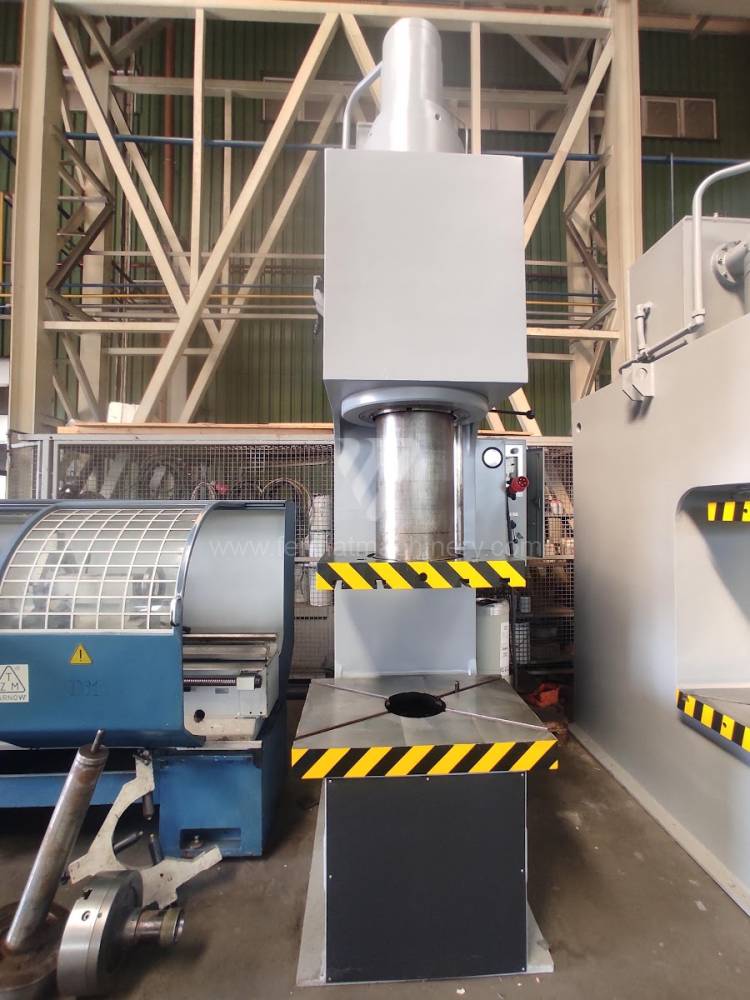
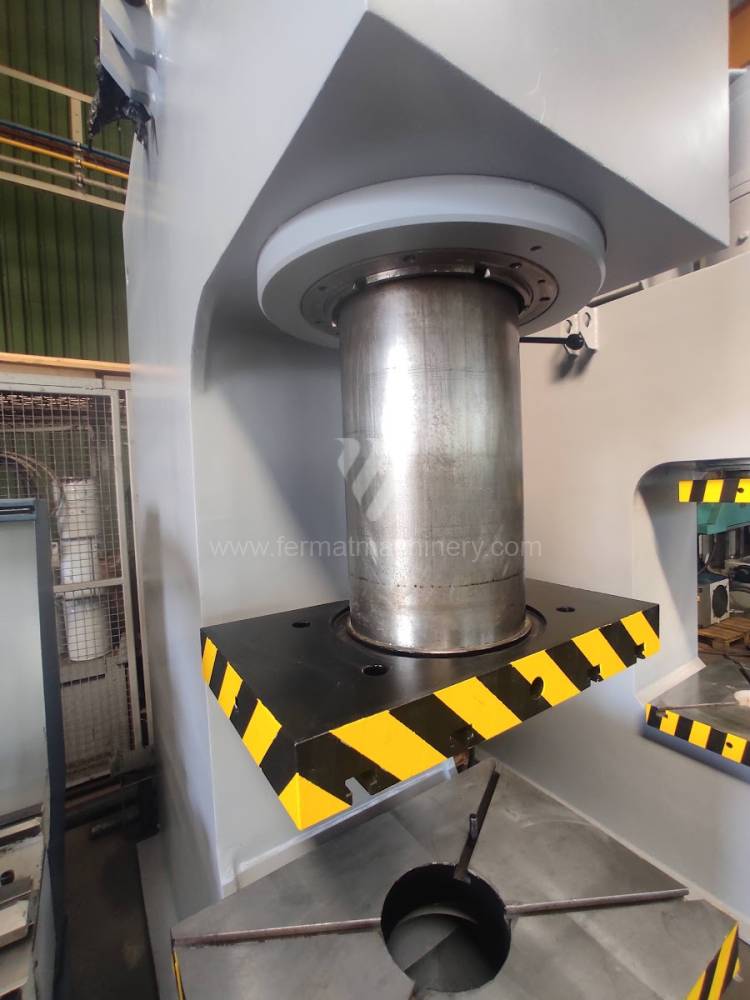
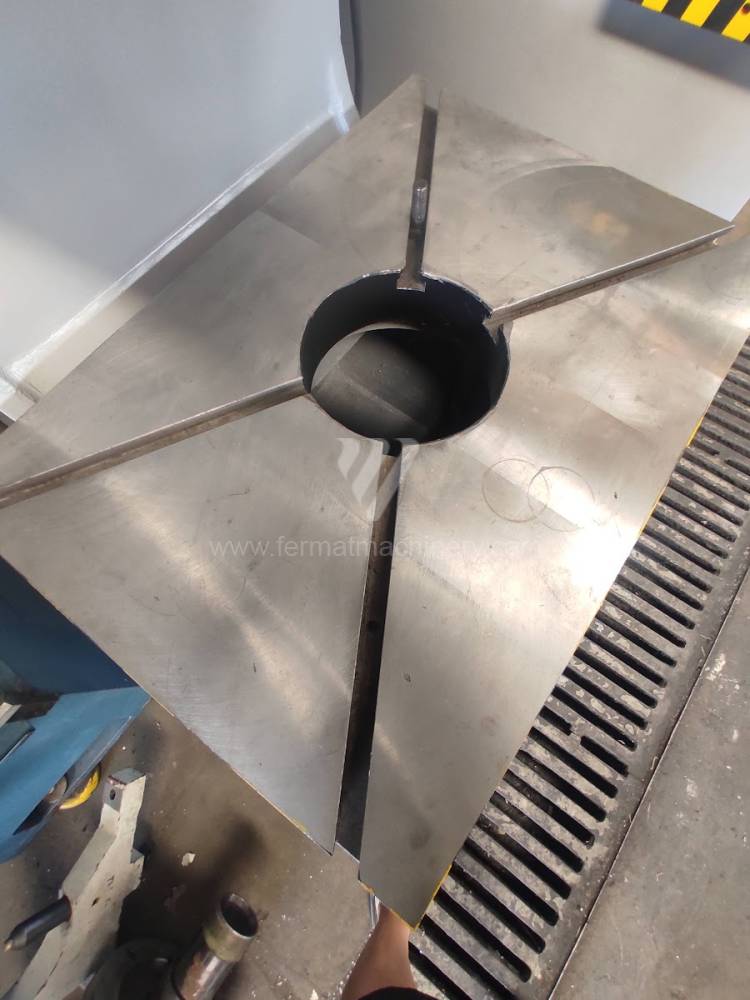
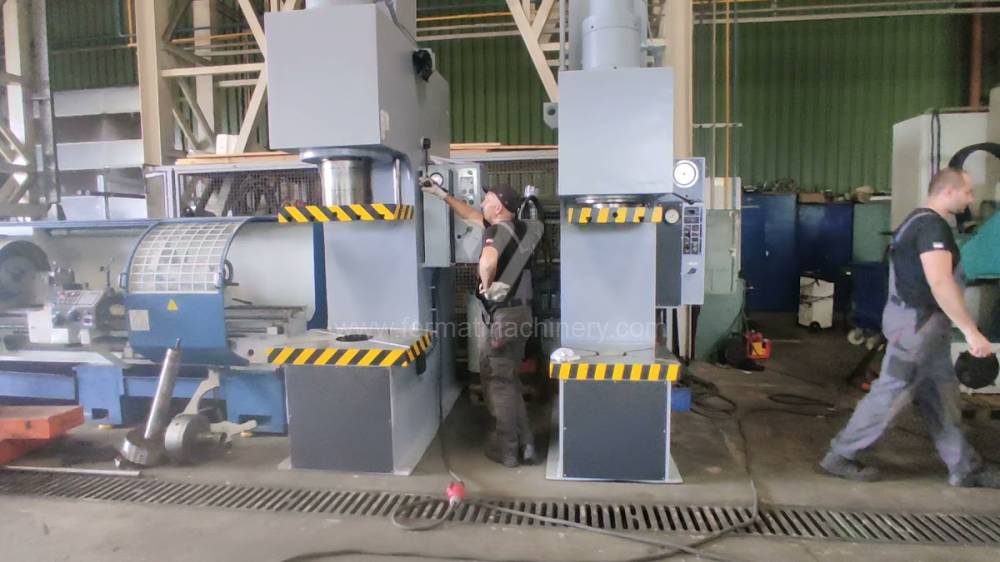
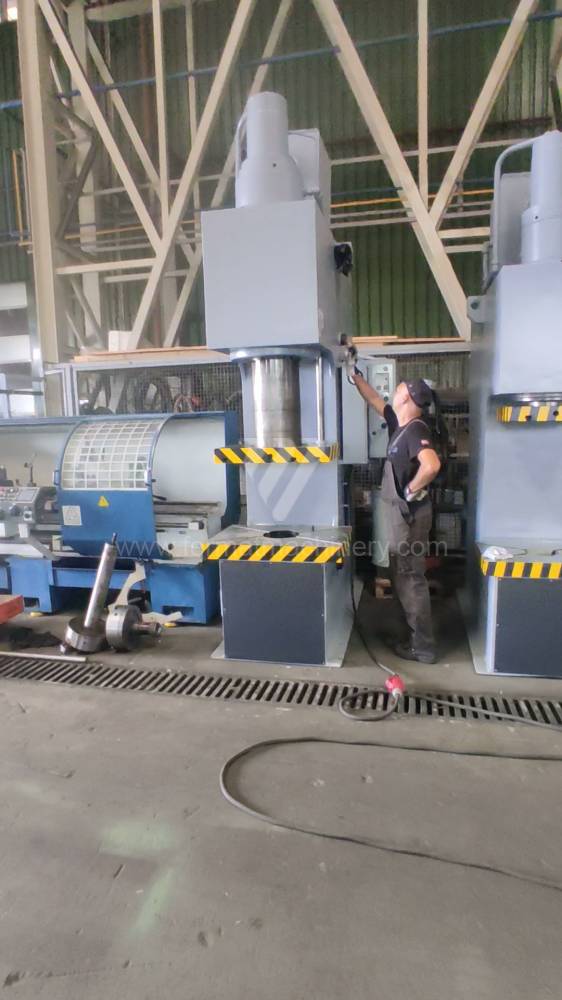
PYE 160 S 1
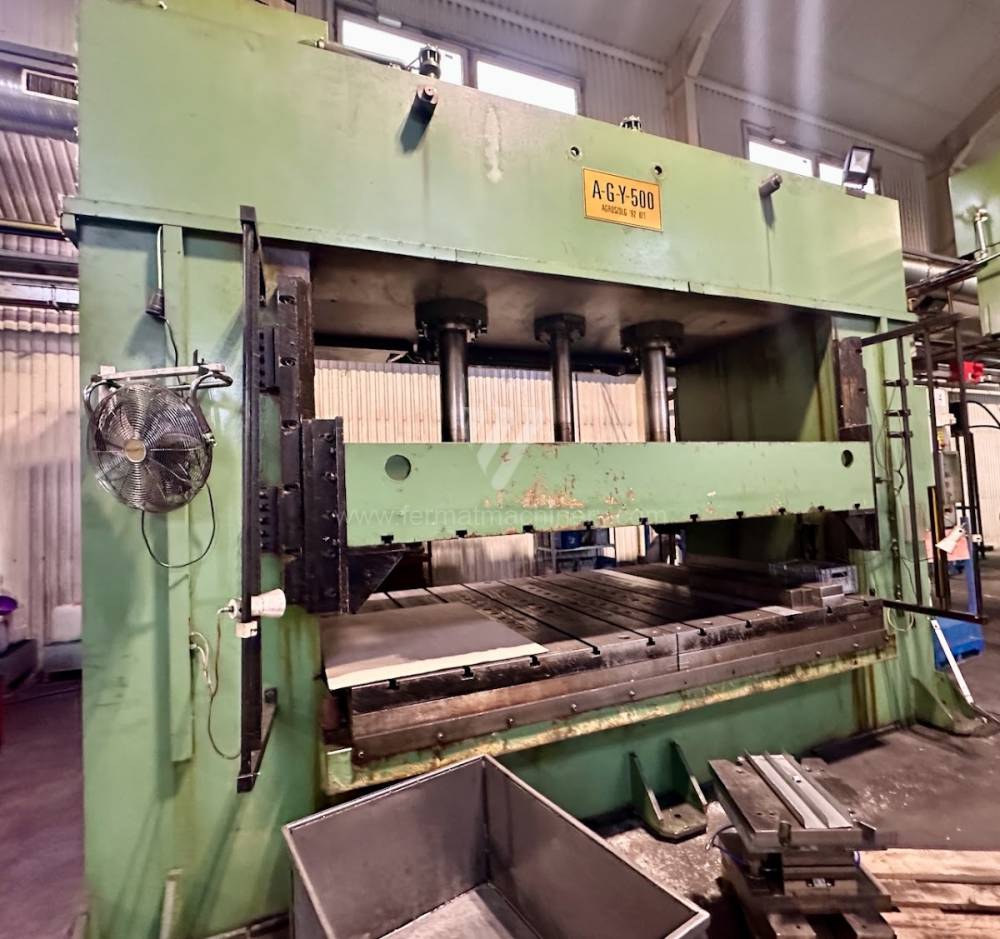
A-G-Y 500
PYE 100 S/1
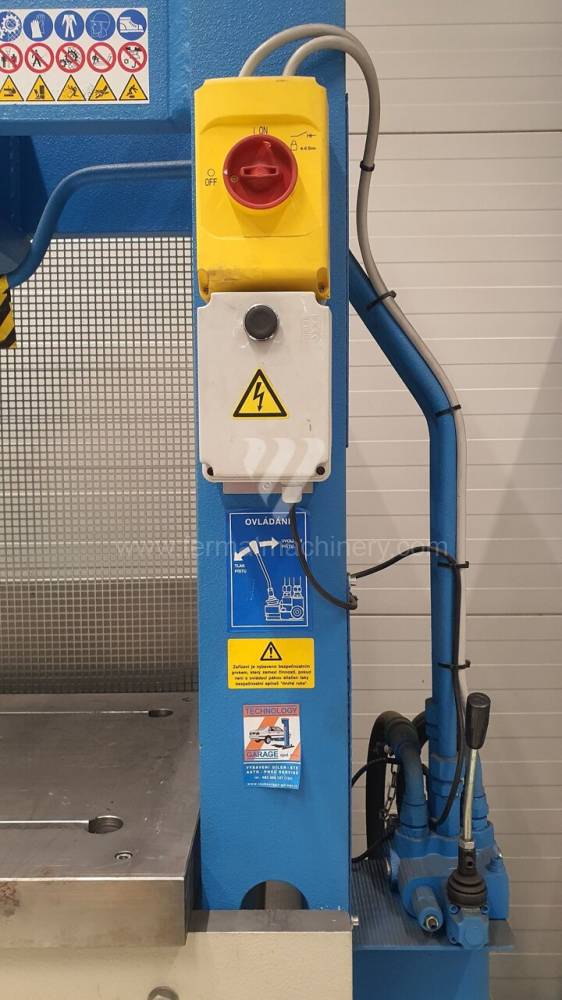
204/RE
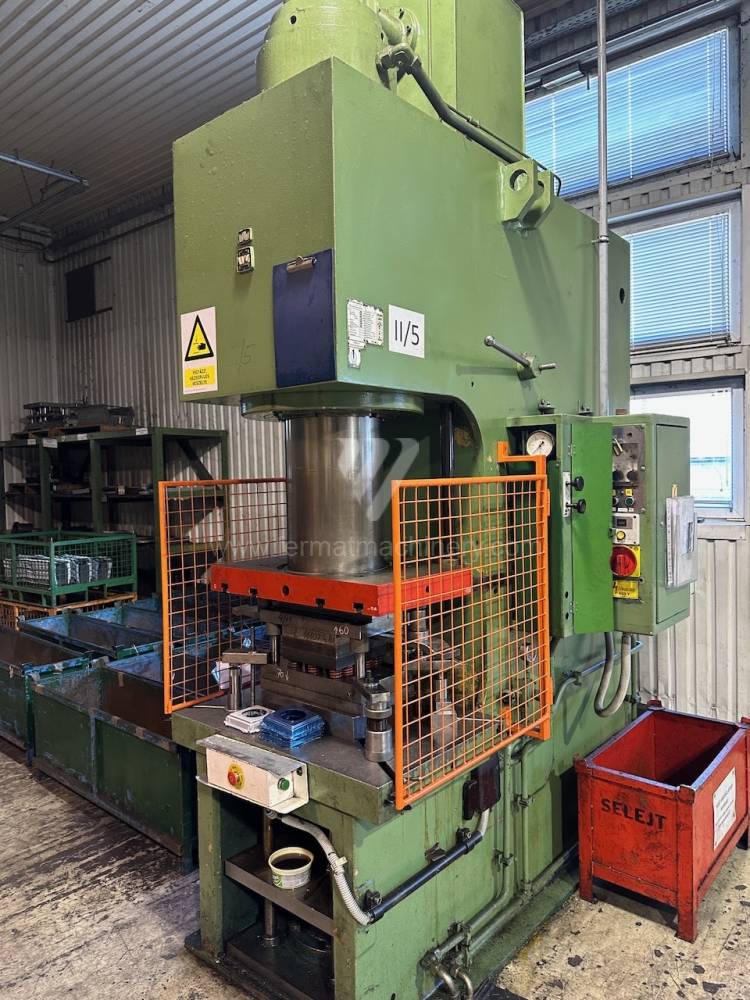
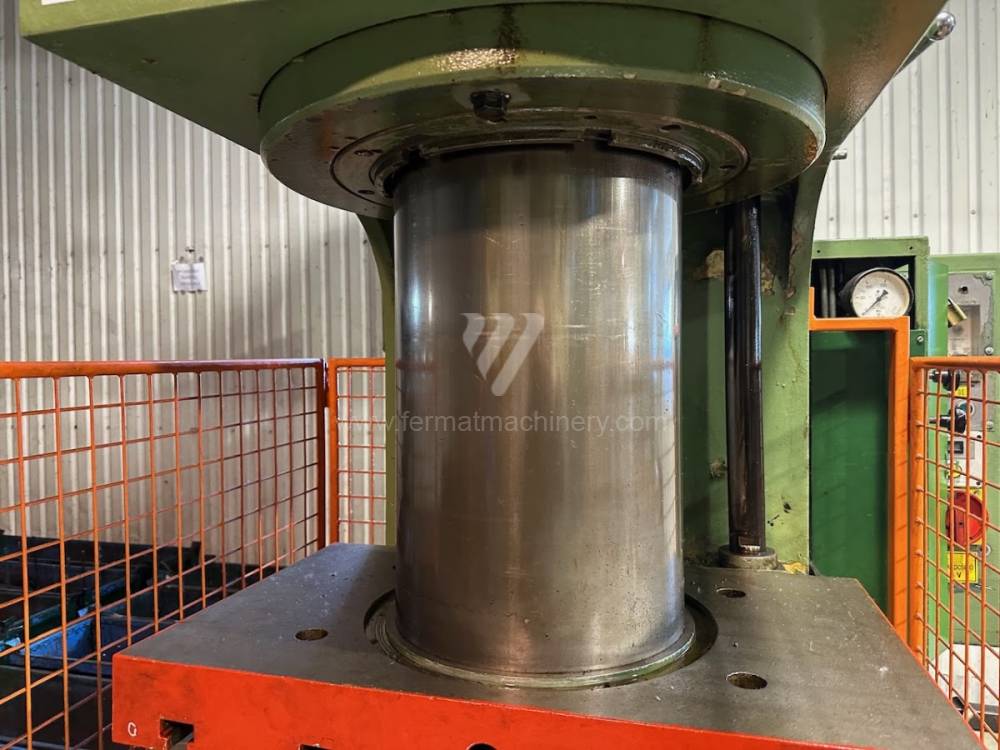
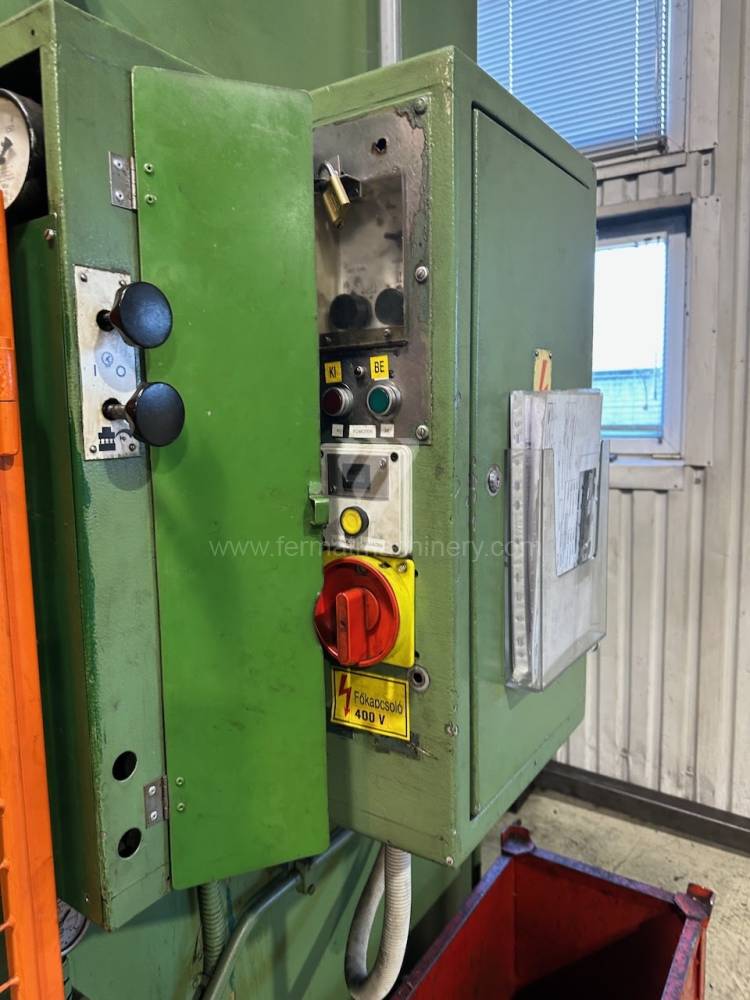
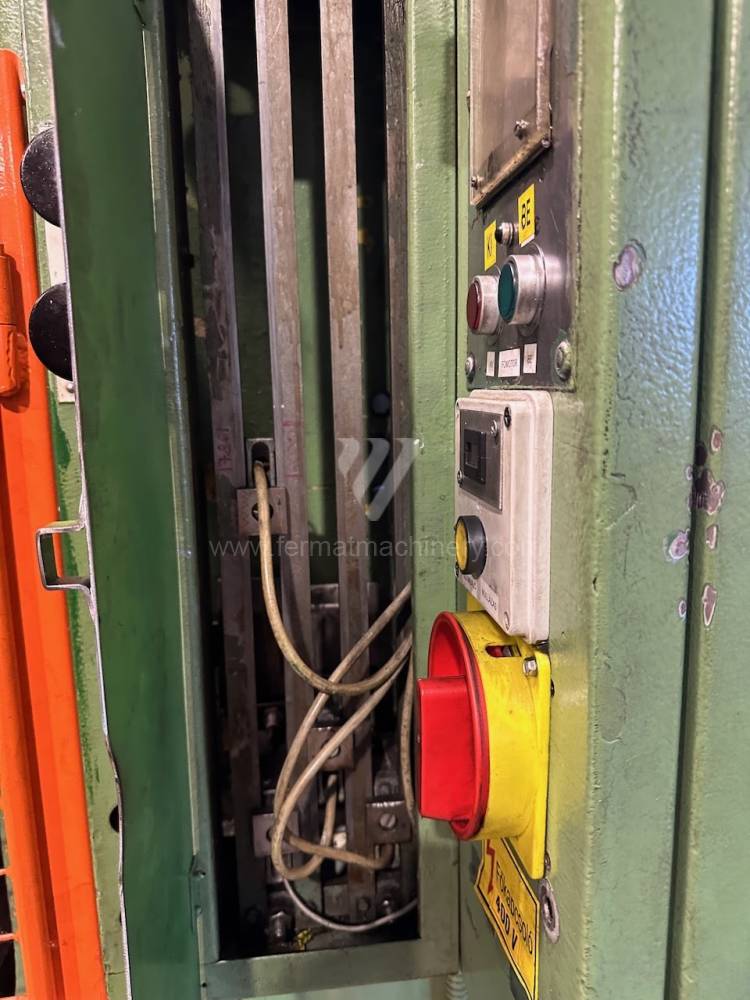
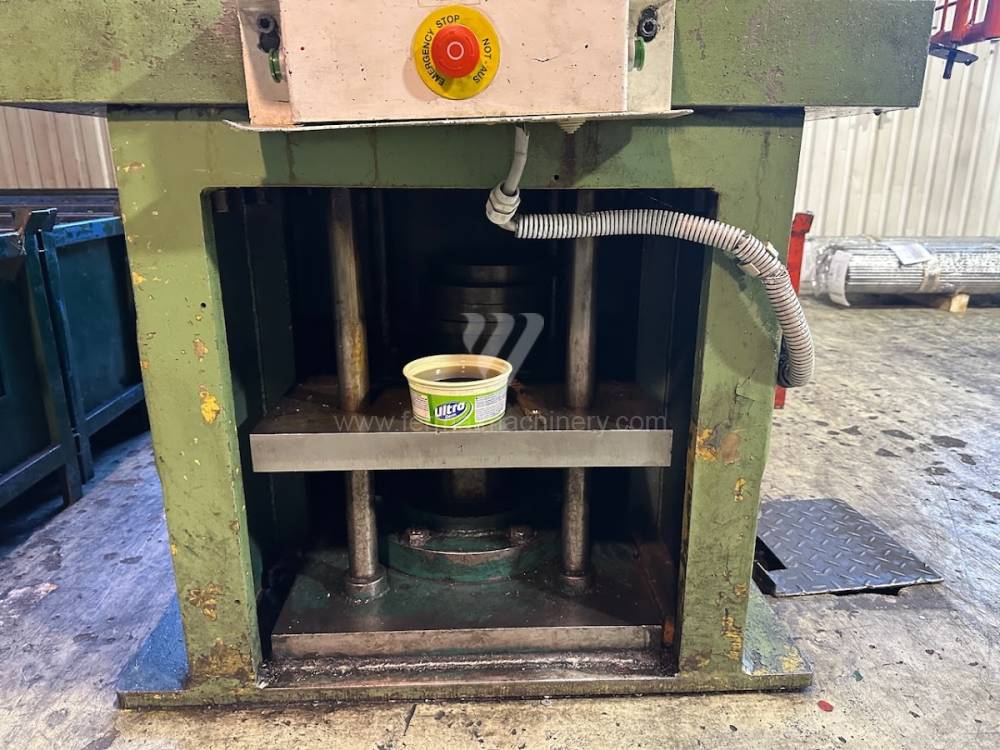
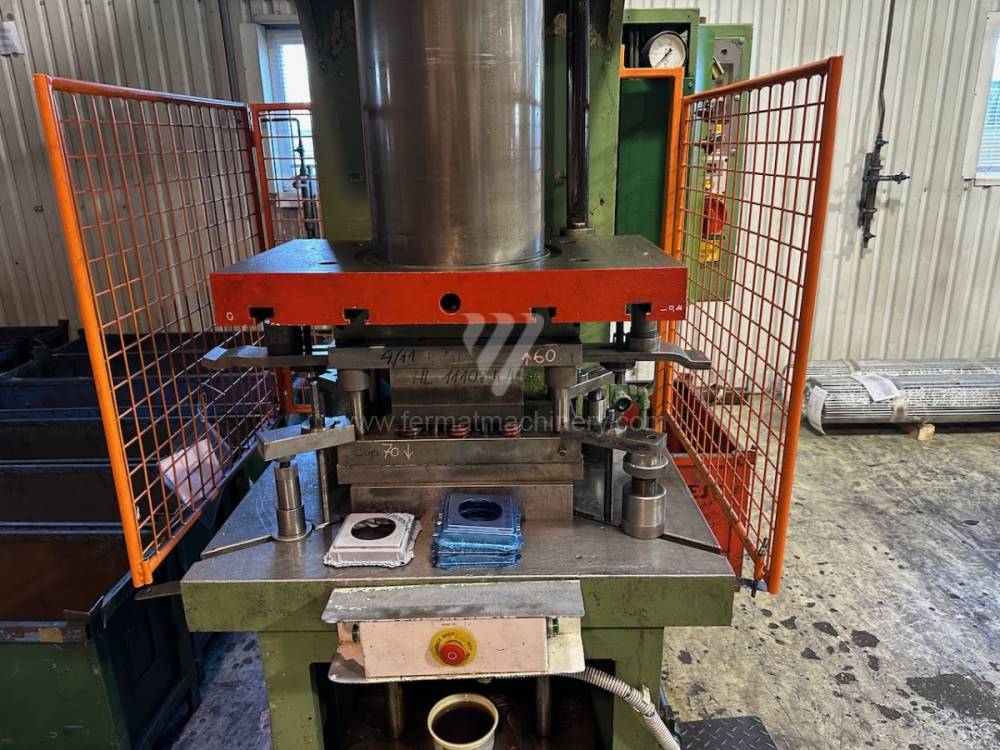
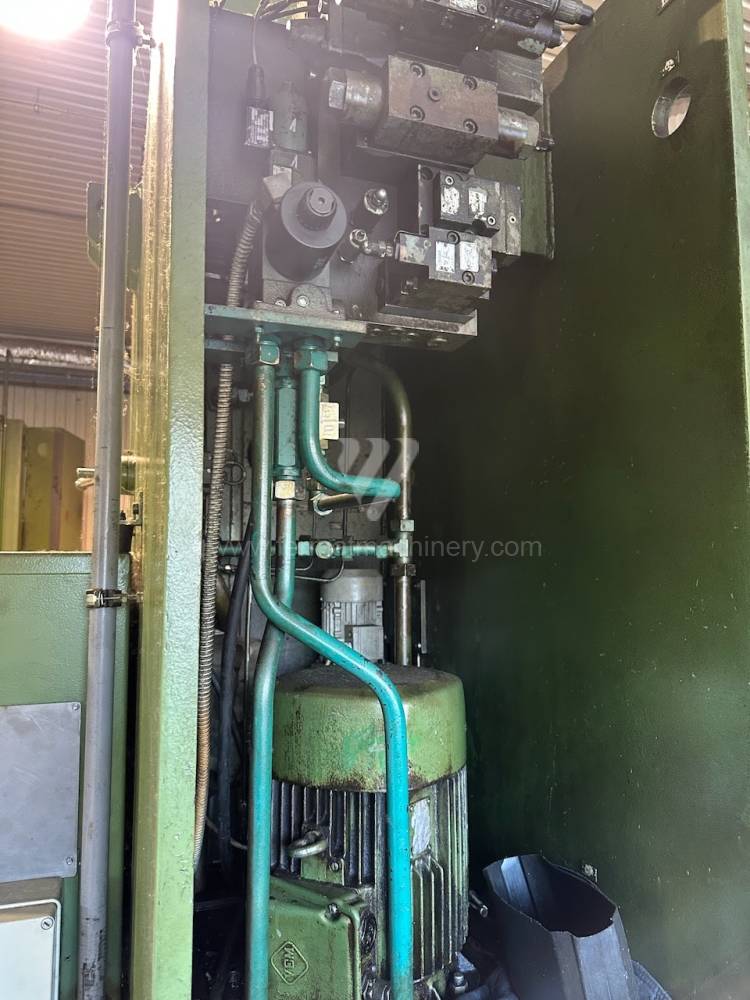
PYE 160 S1
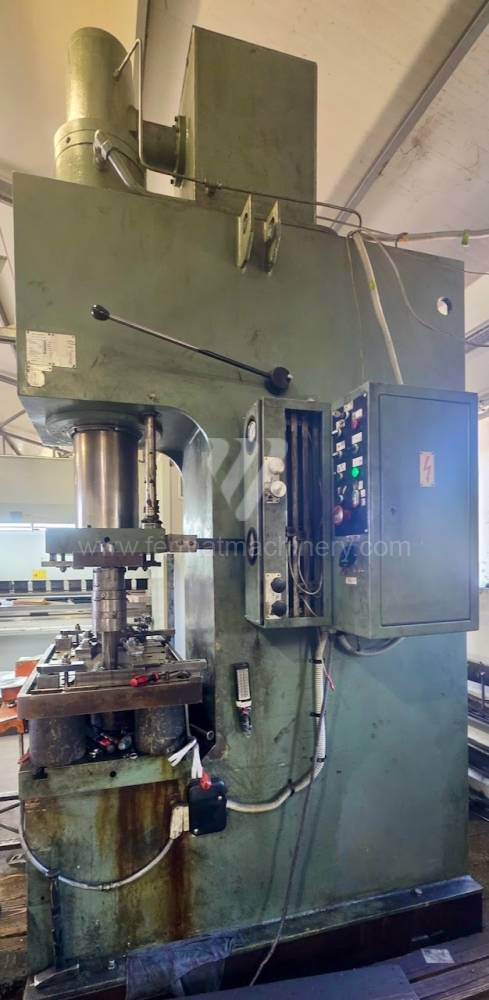
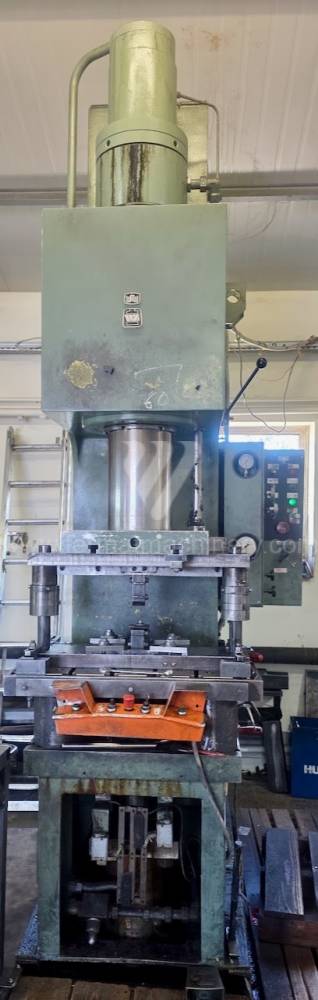
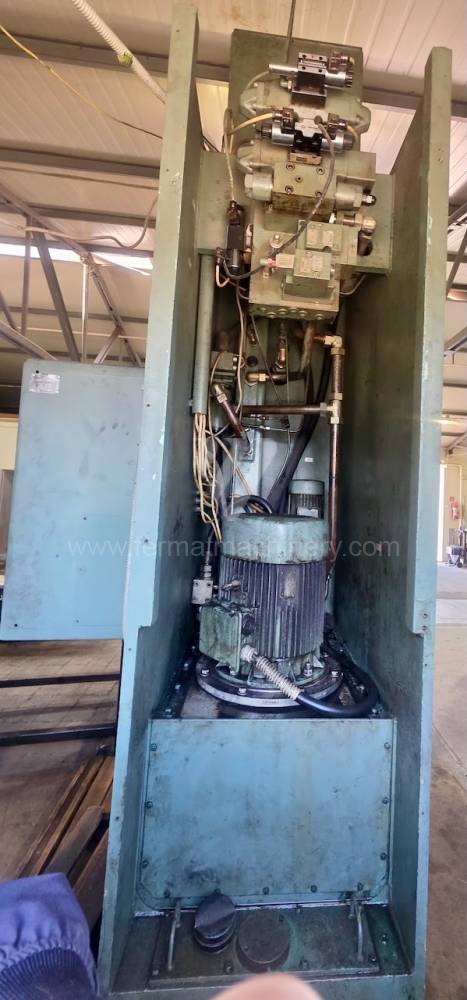
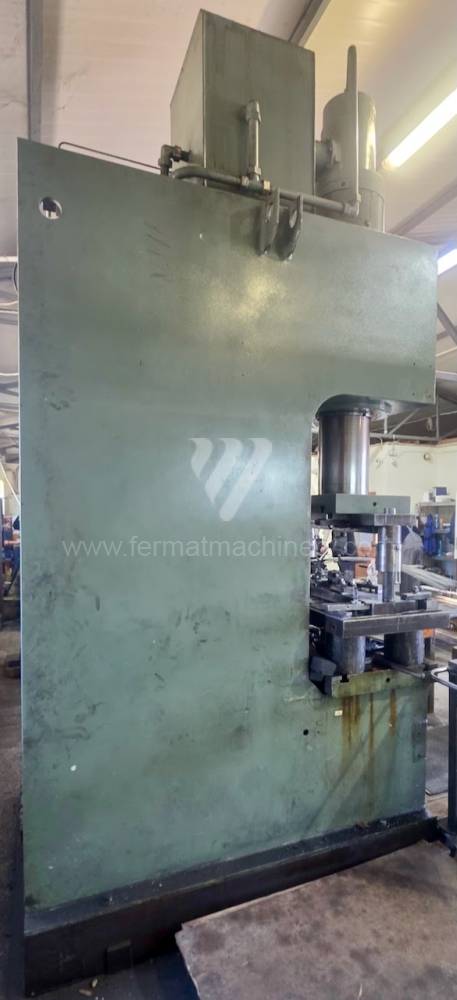
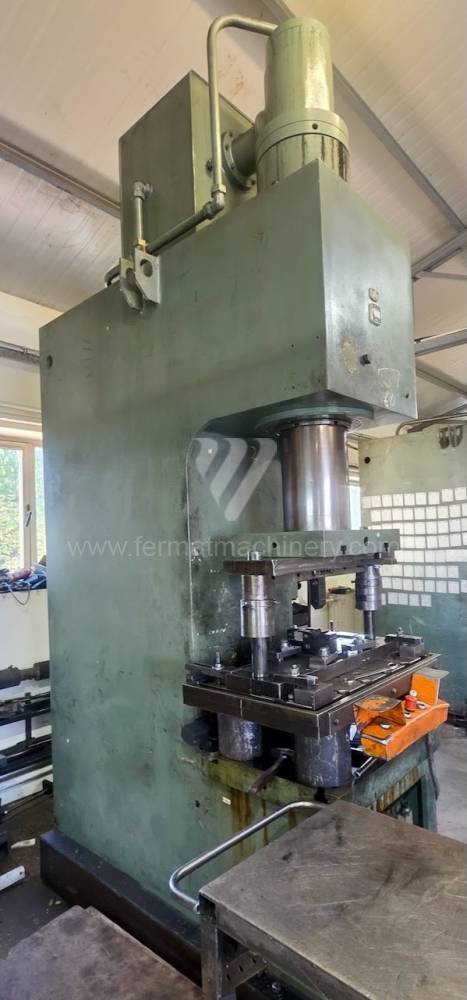
PYE 100 S/1
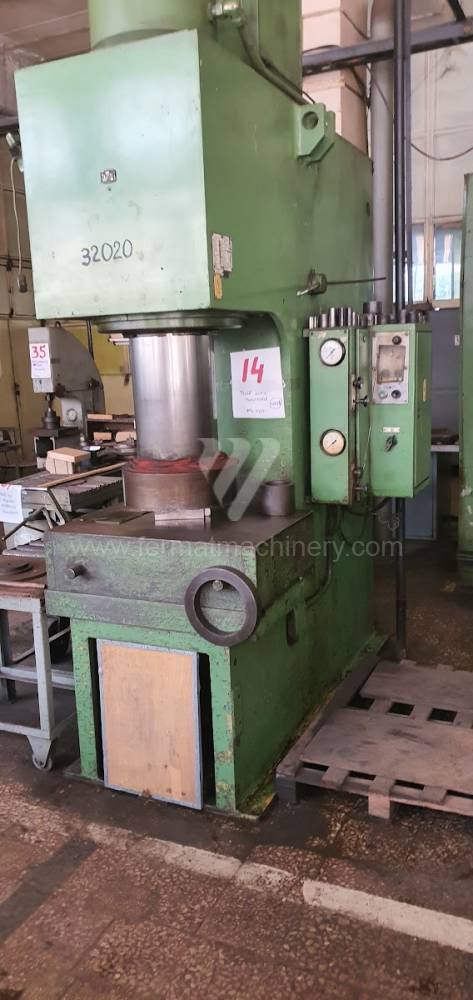
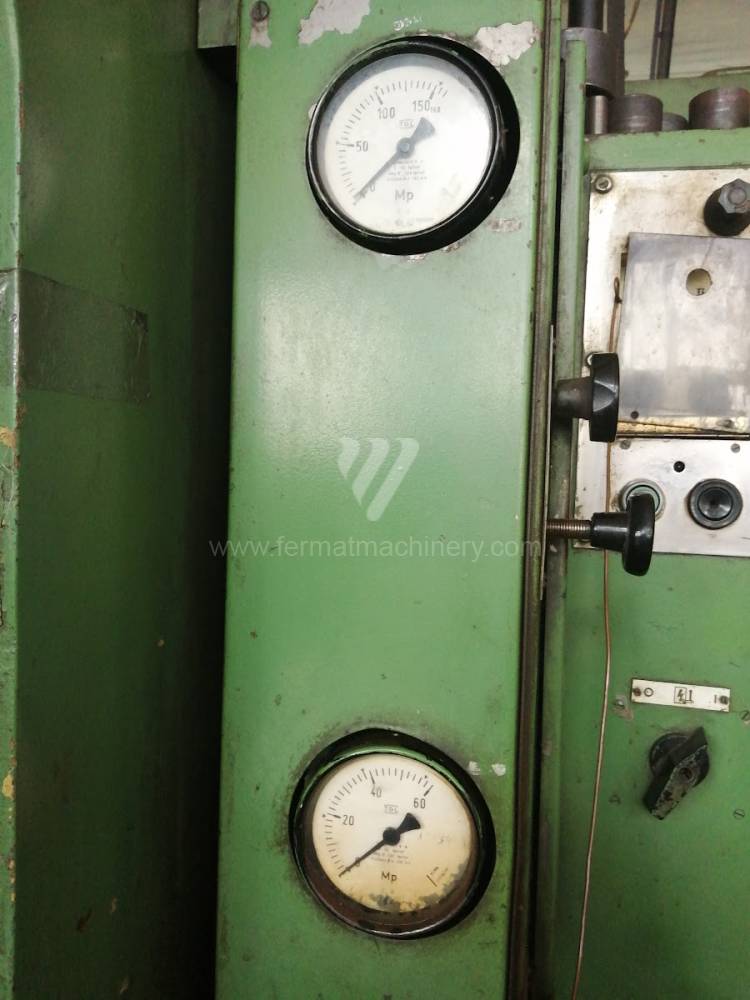
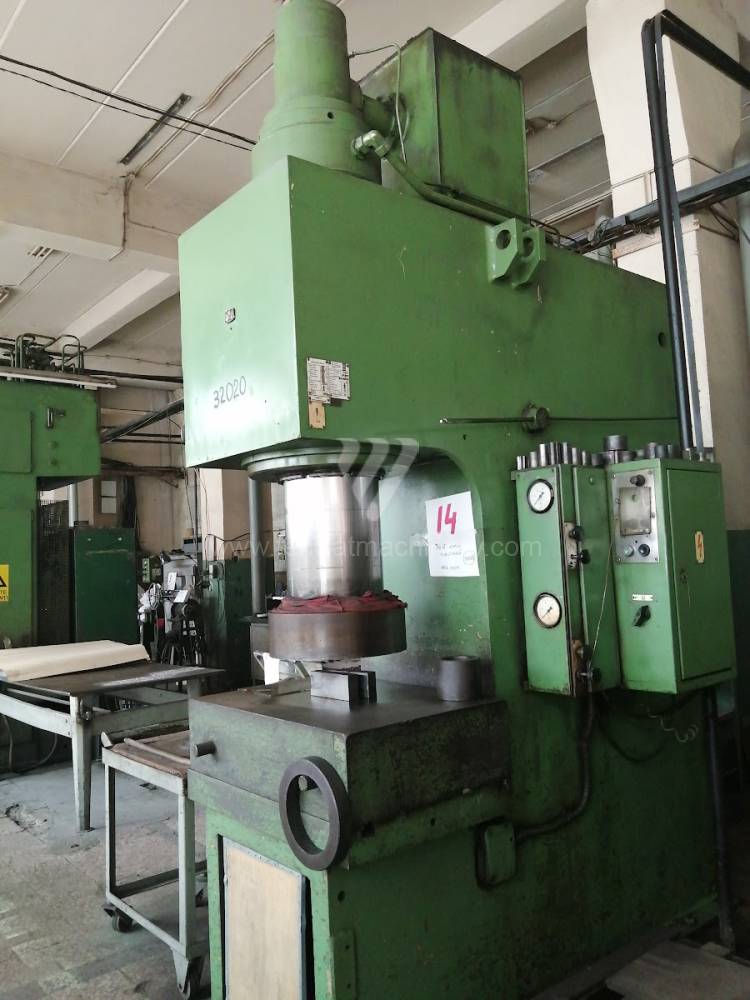
PYE 160 S.1
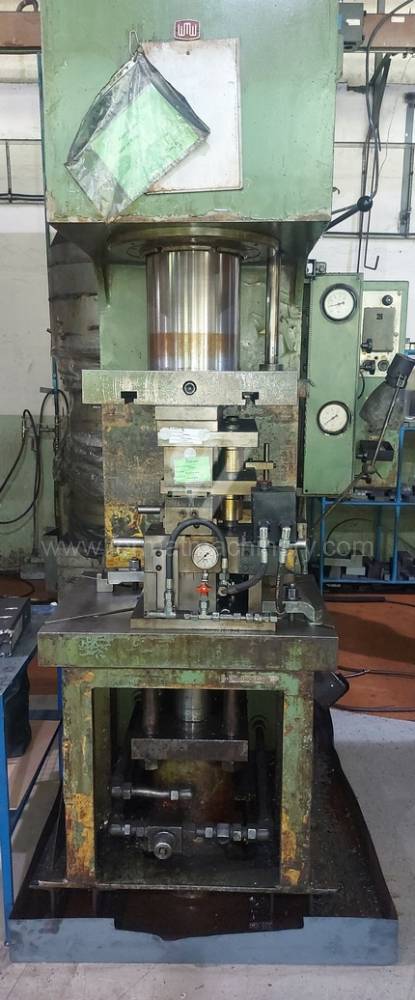
PYE 100 S/1
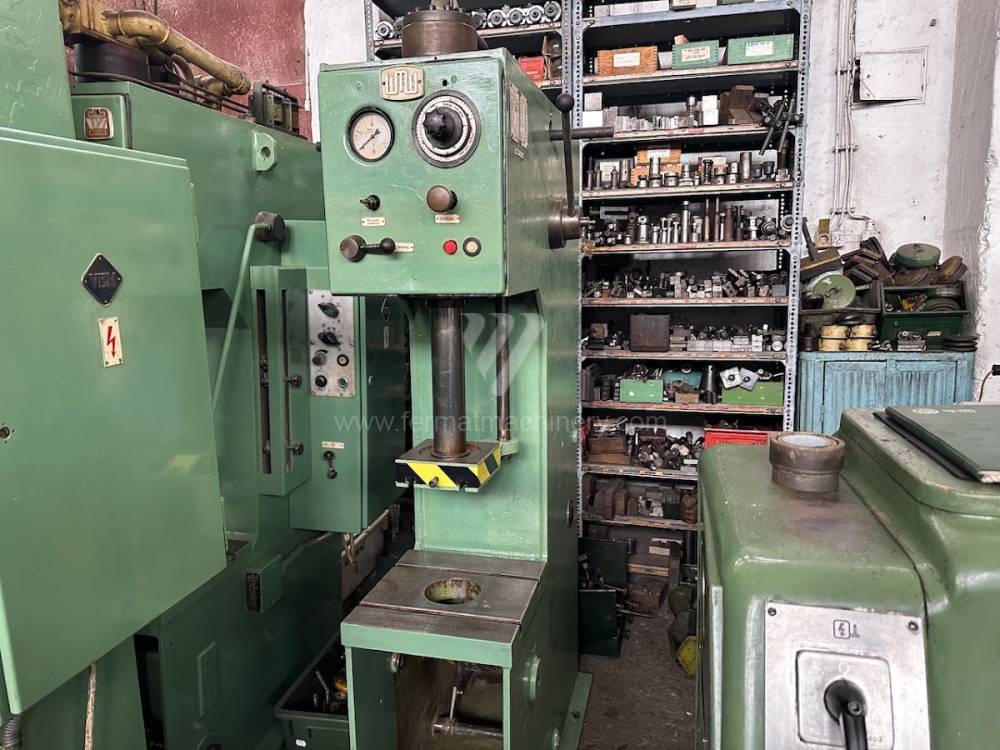
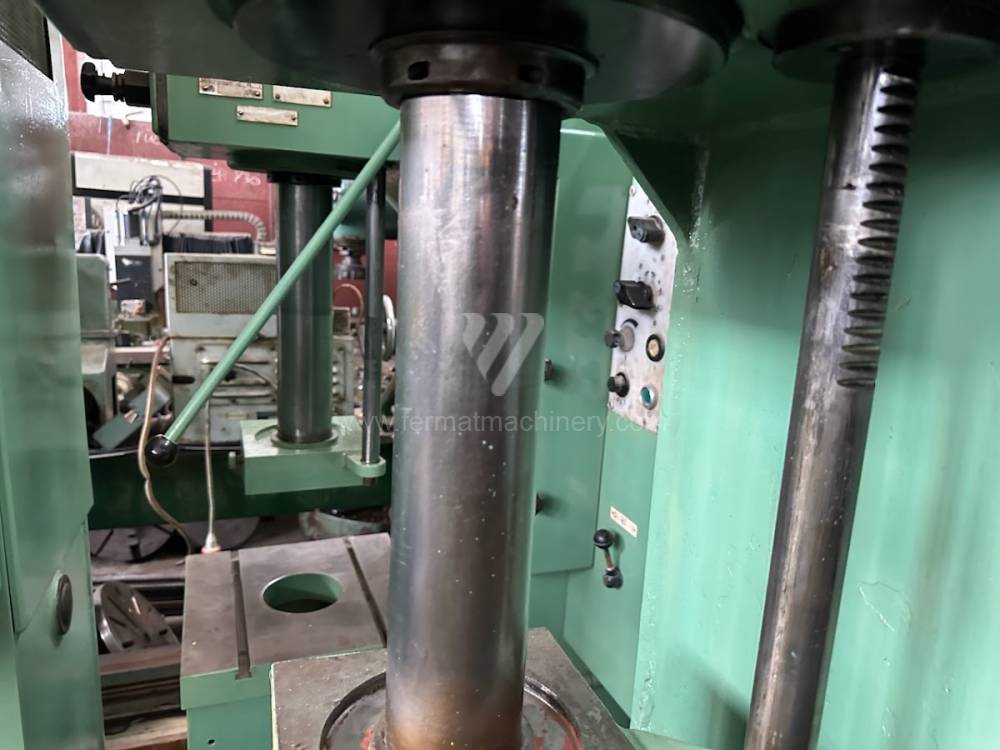
PYE 10x250
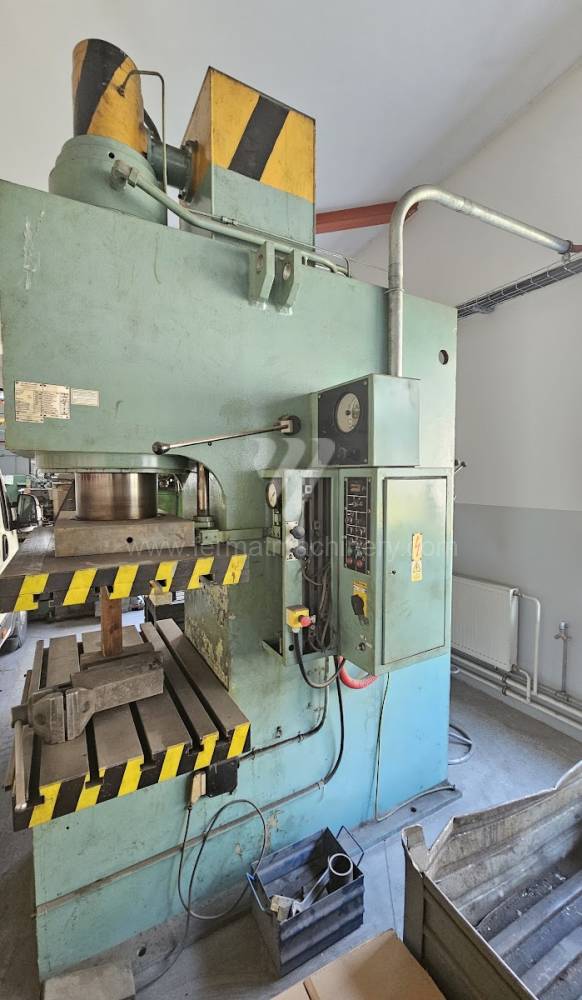
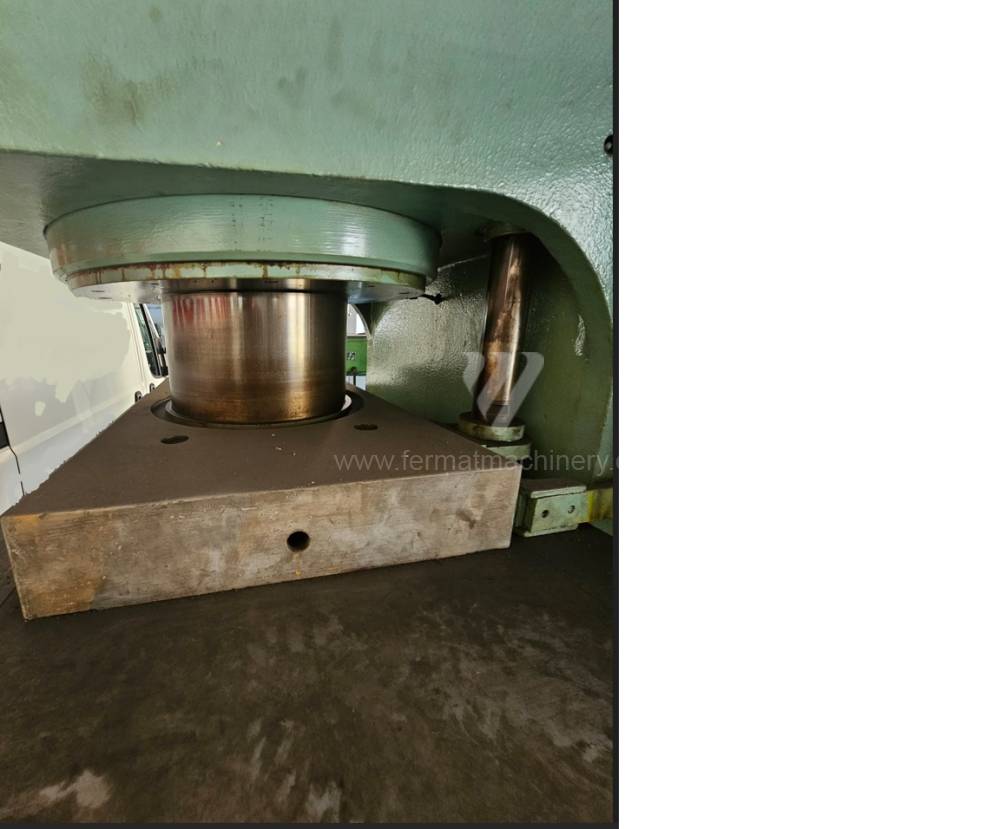
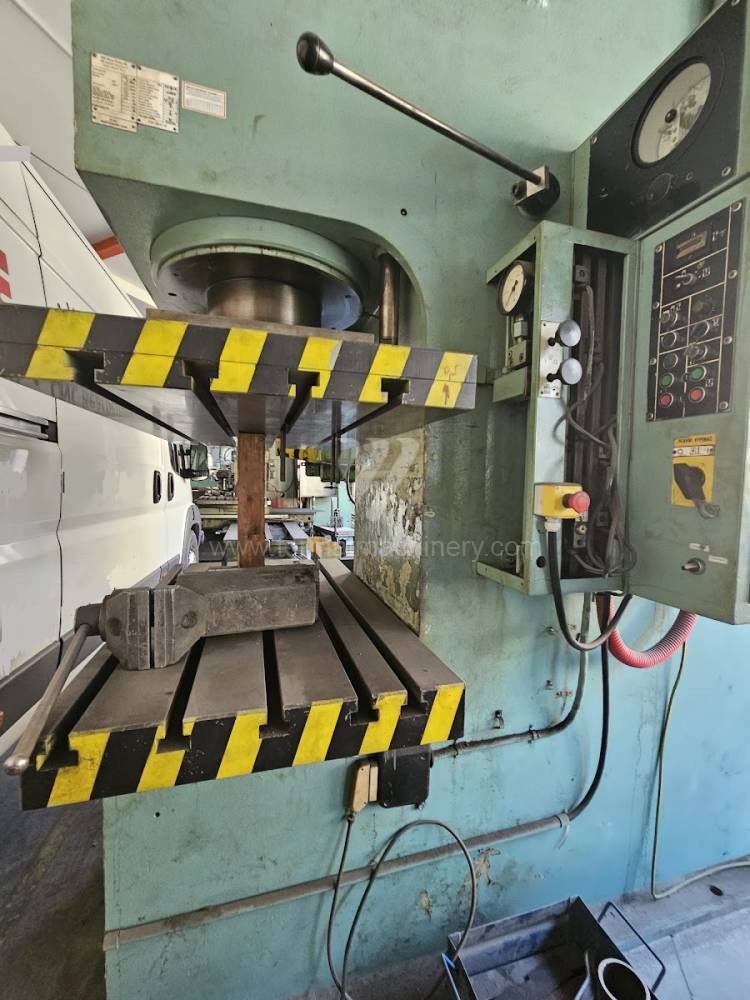
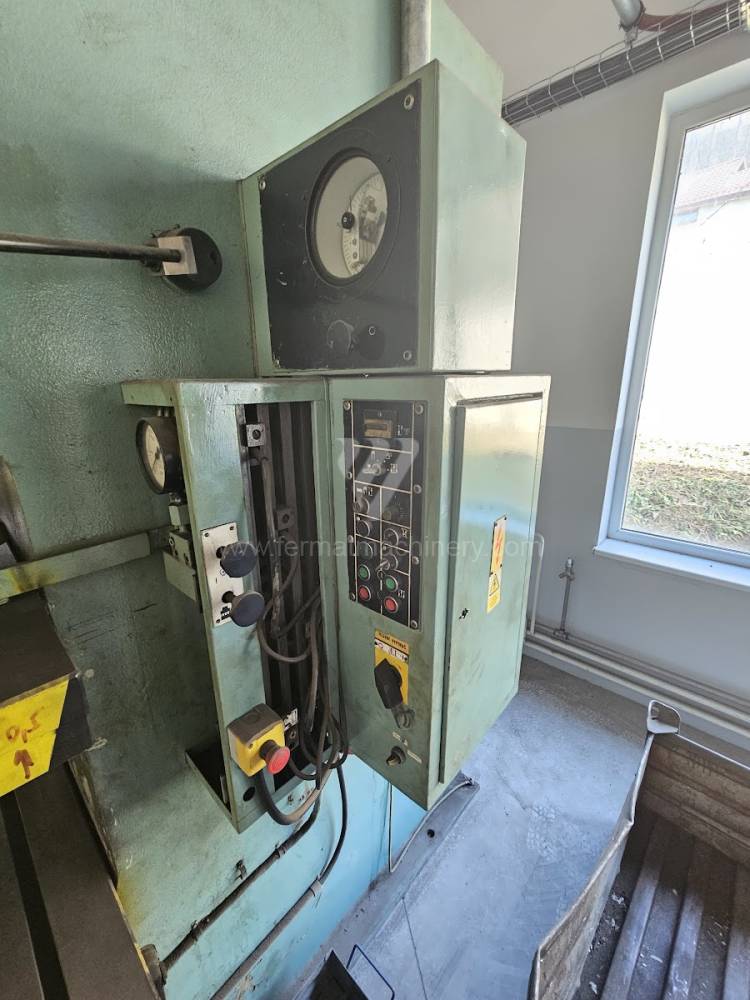
PYE 160 S/1M
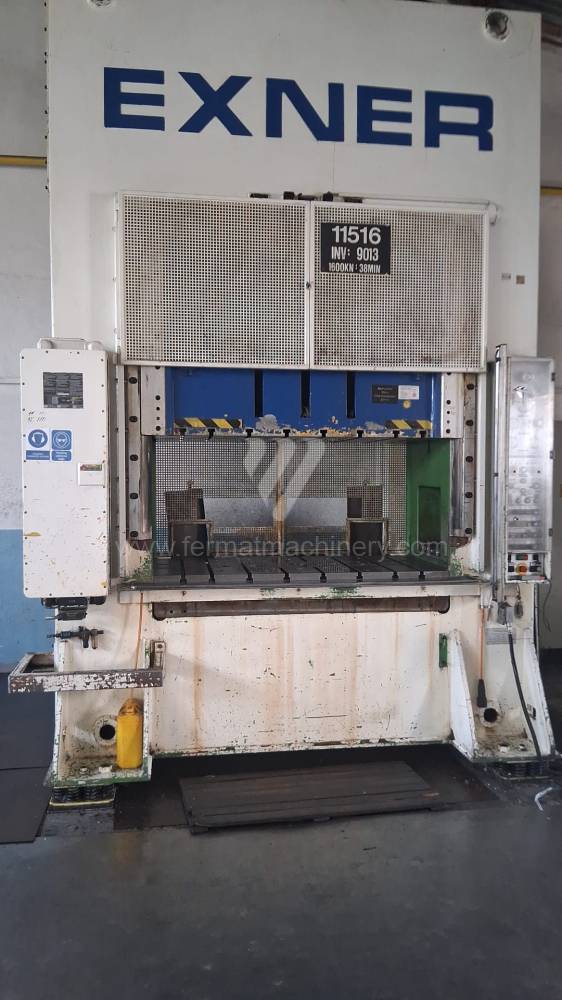
EXSBZR 160
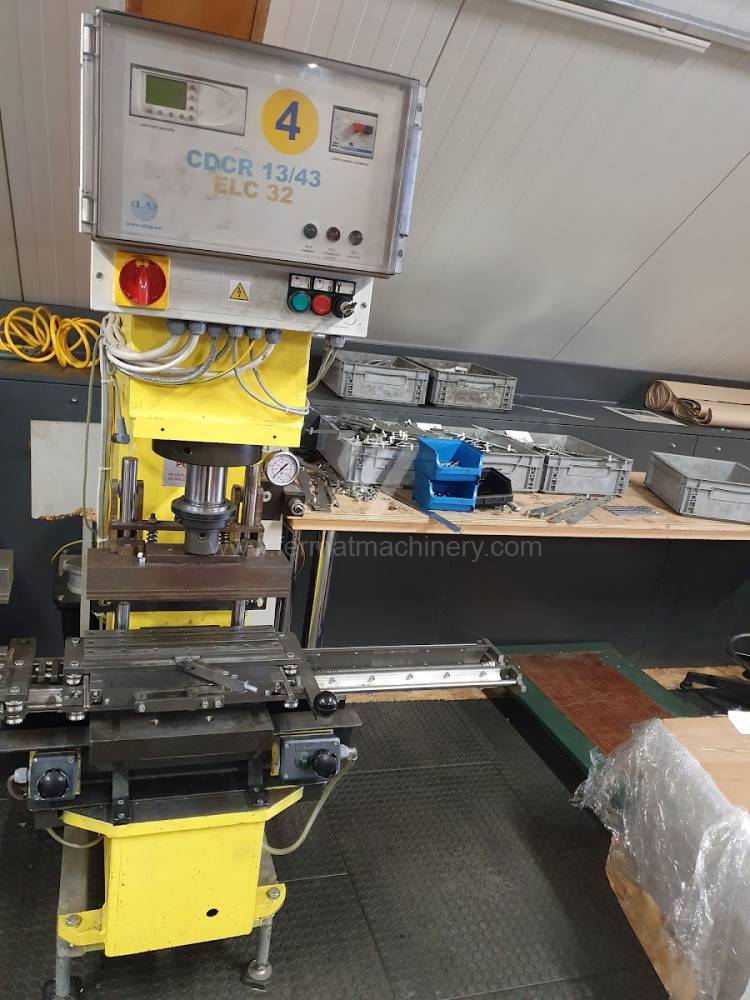
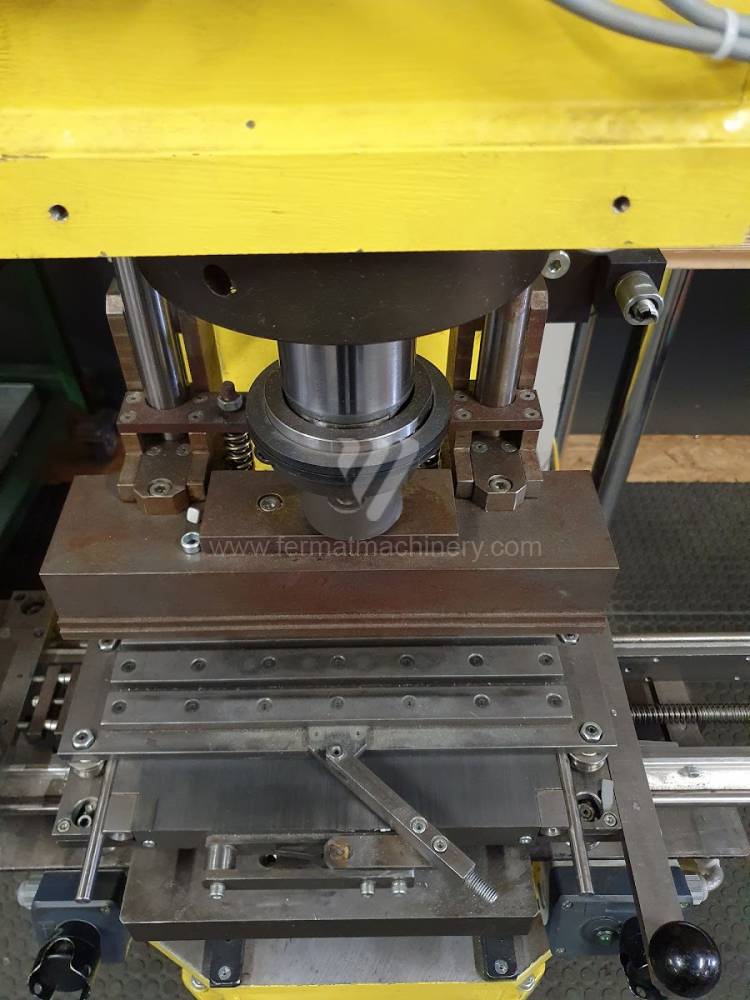
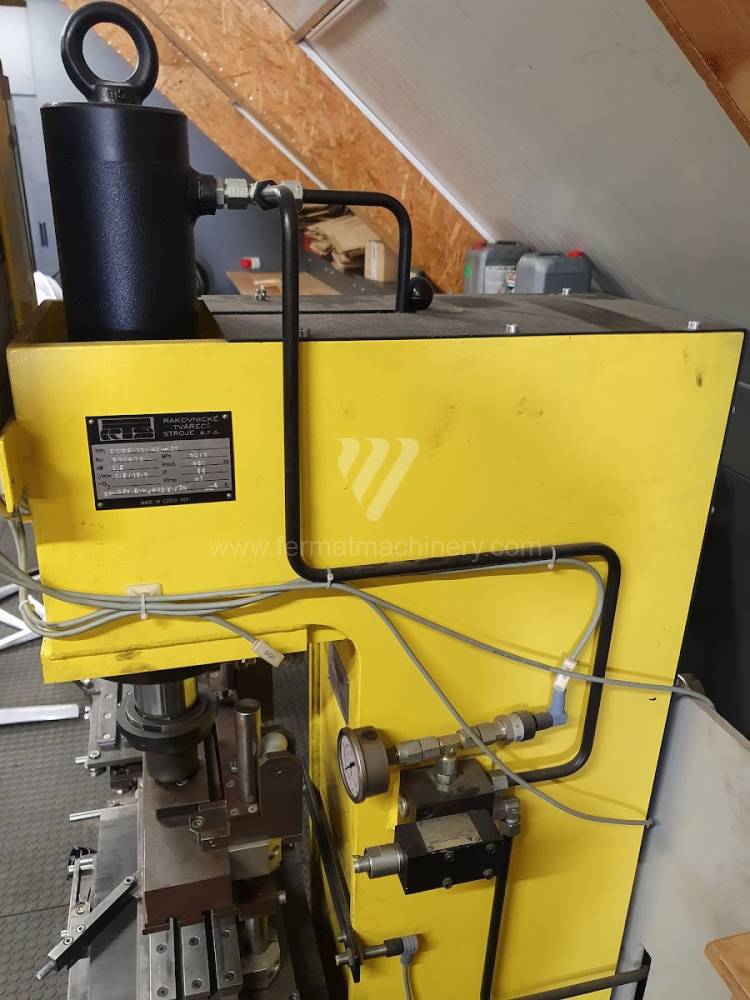
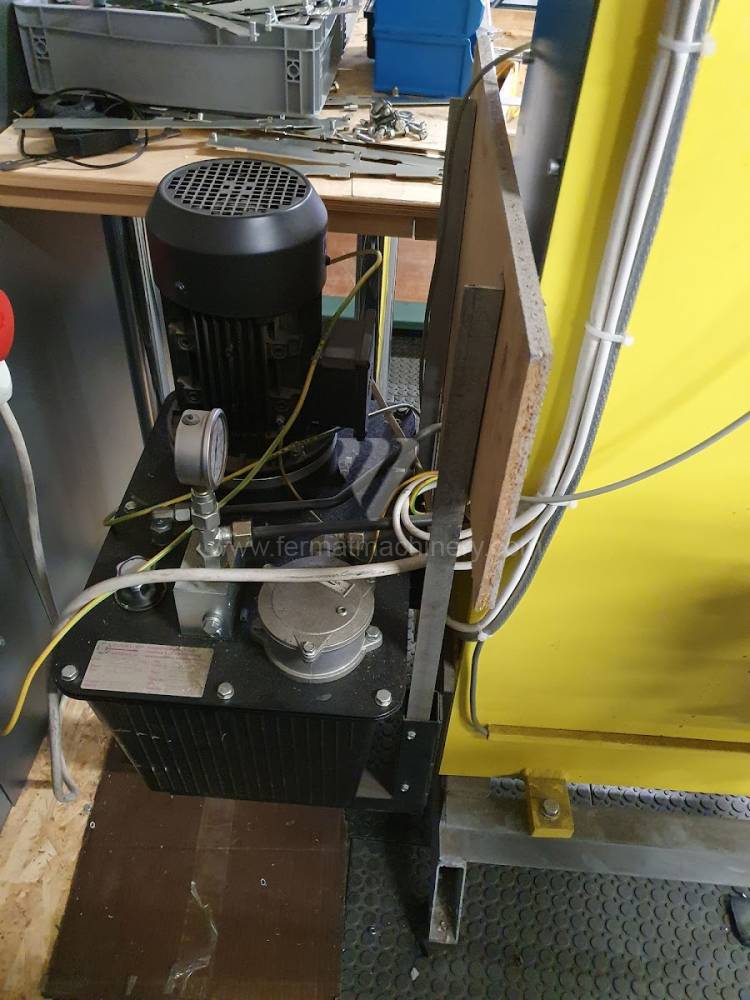
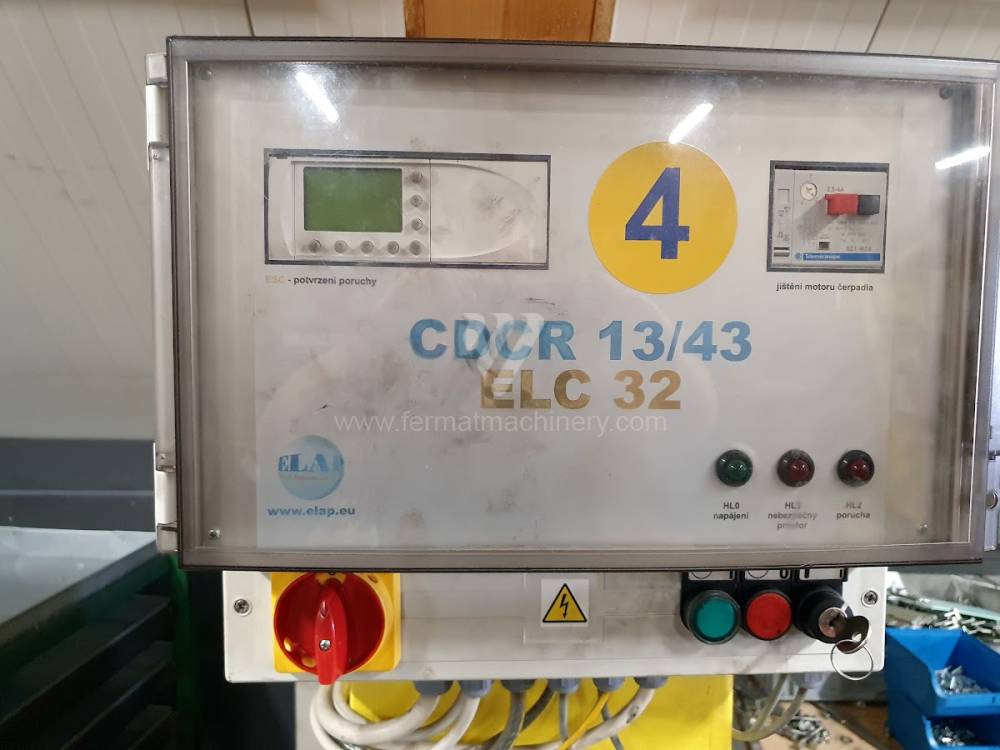
CDCR 13/43-11
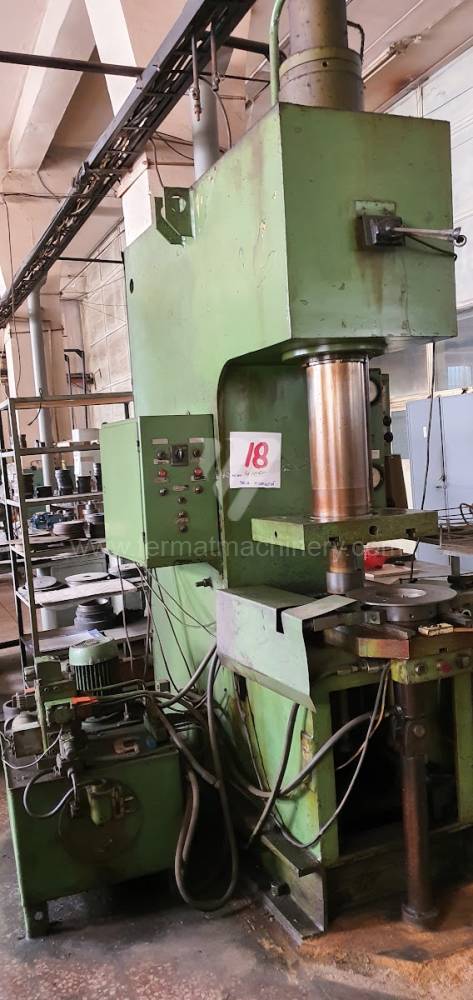
PYE 63 S.1
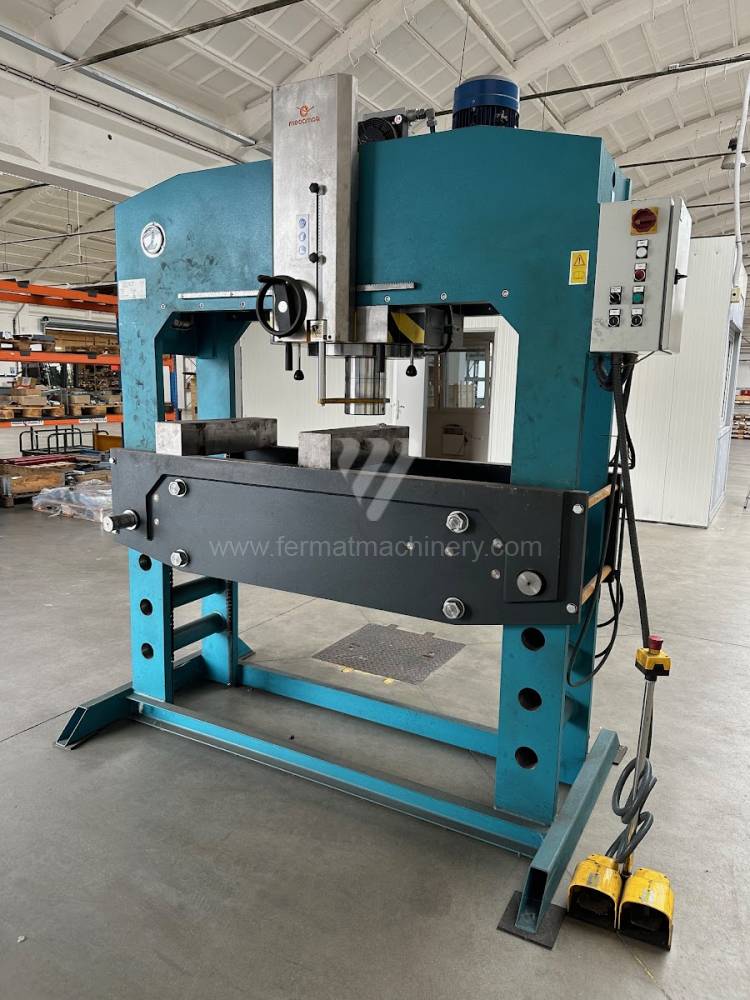
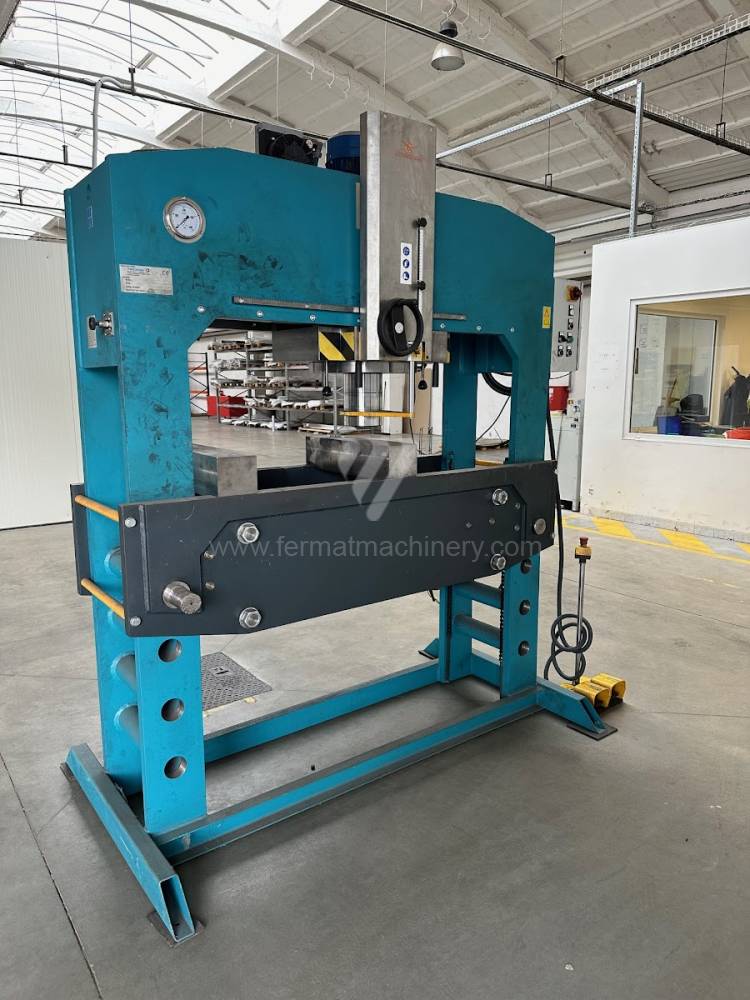
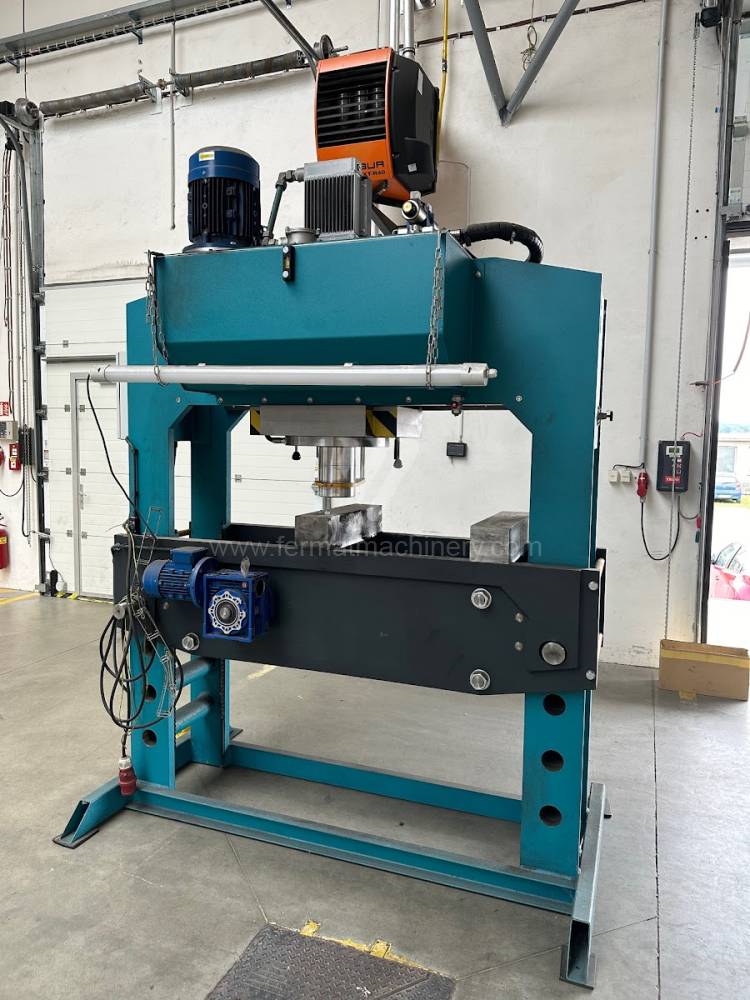
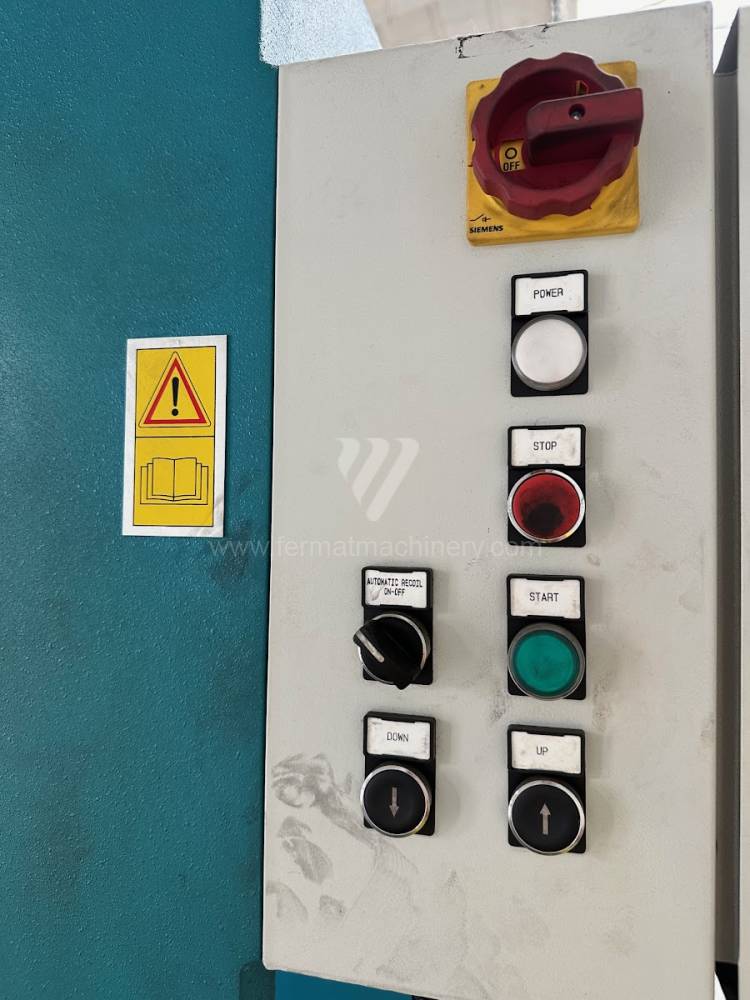
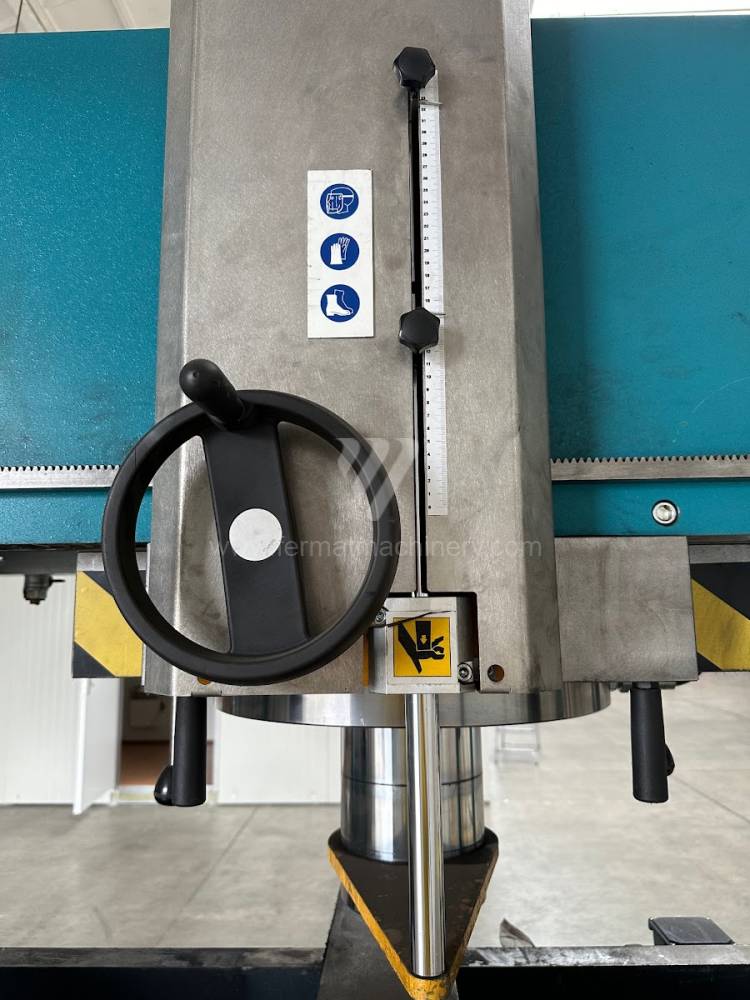
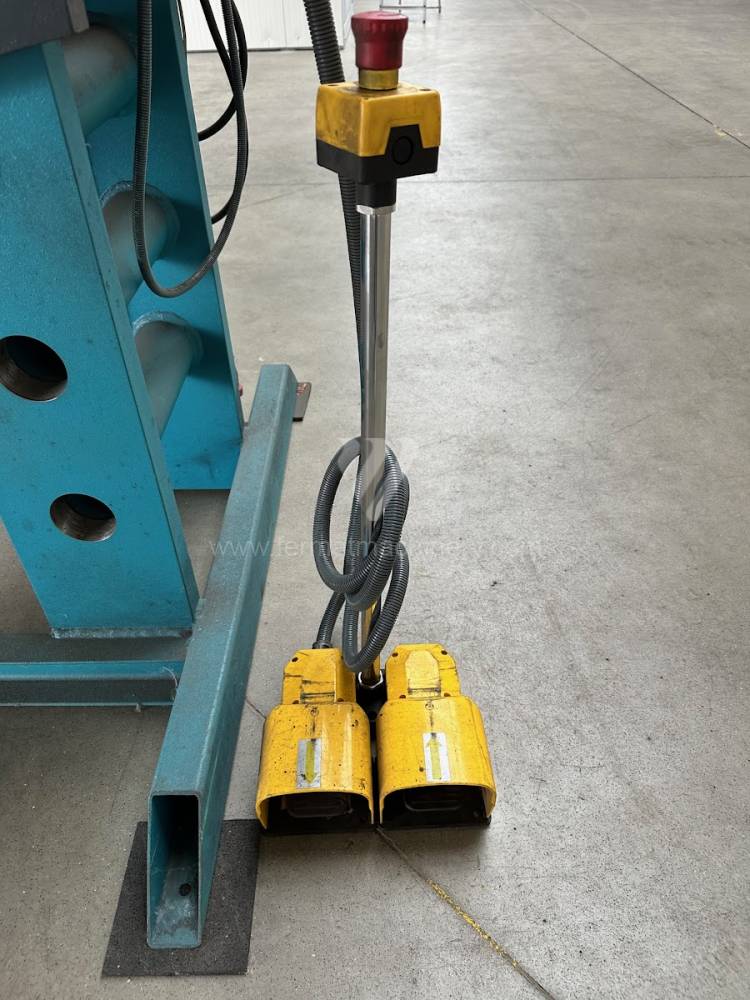
CD 250
Prese Hidraulice
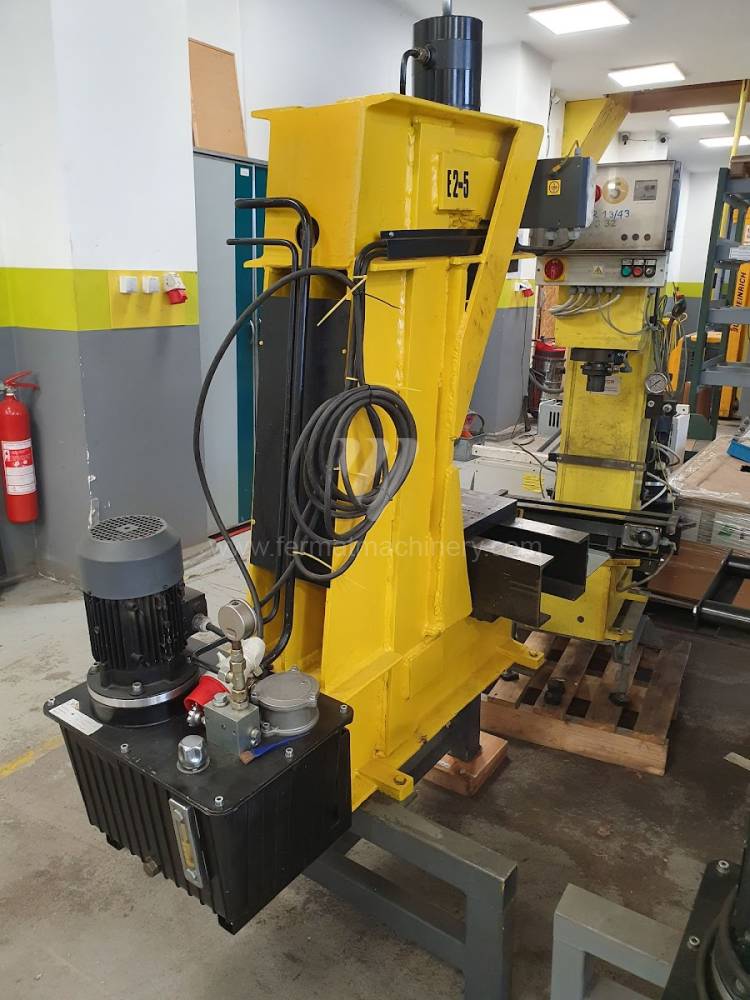
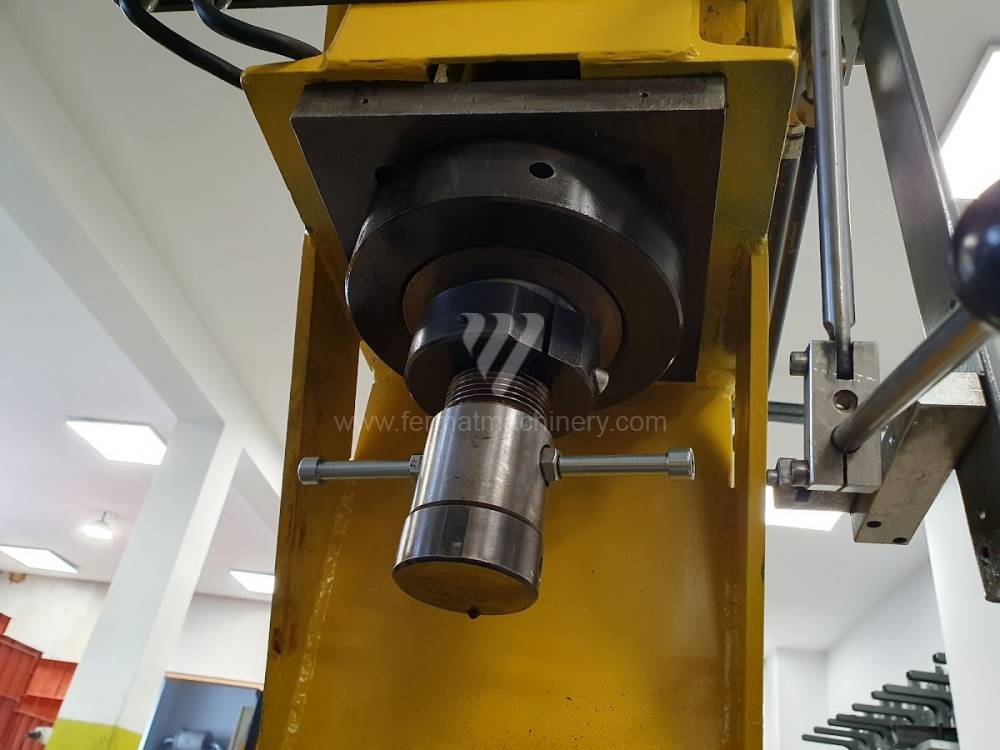
CDCR 28/74-2
Rakovnické tvářecí stroje s.r.o.
Nr. inv.: 251837
An fabricație:2005
Forța nominală de deformare a presei: 28 t
Dimensiunile suprafeței de lucru a mesei: mm
Cursa maximă a berbecului: 260 mm
Geutatea mașinii: 480 kg
Dimensiunile mașinii L x l x Î: 1230x700x1587 mm
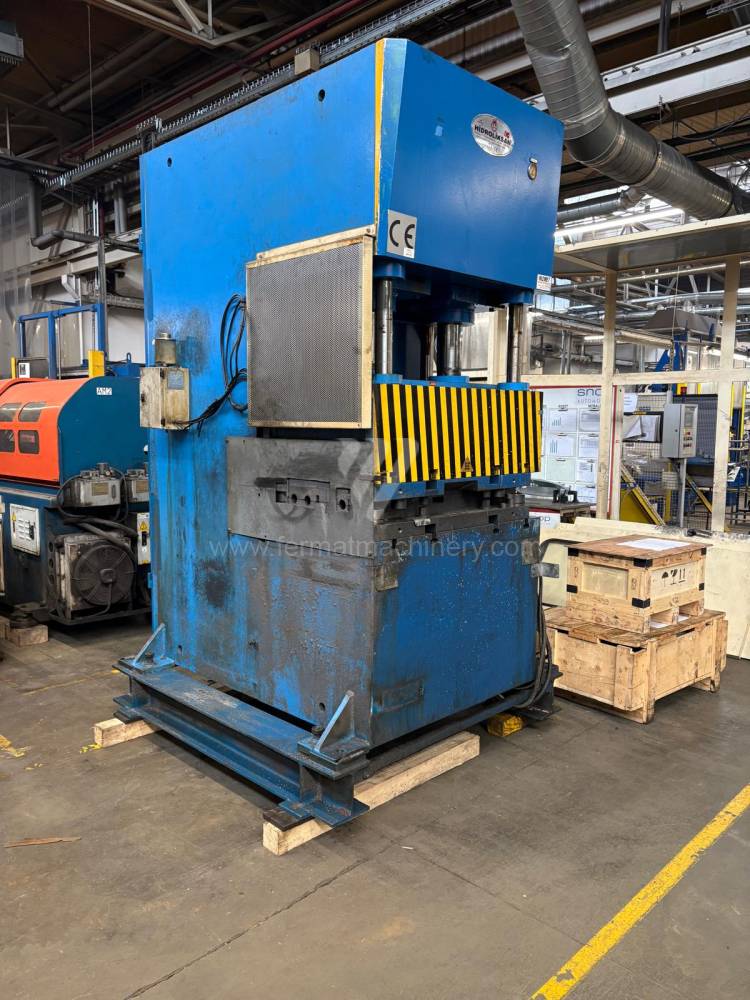
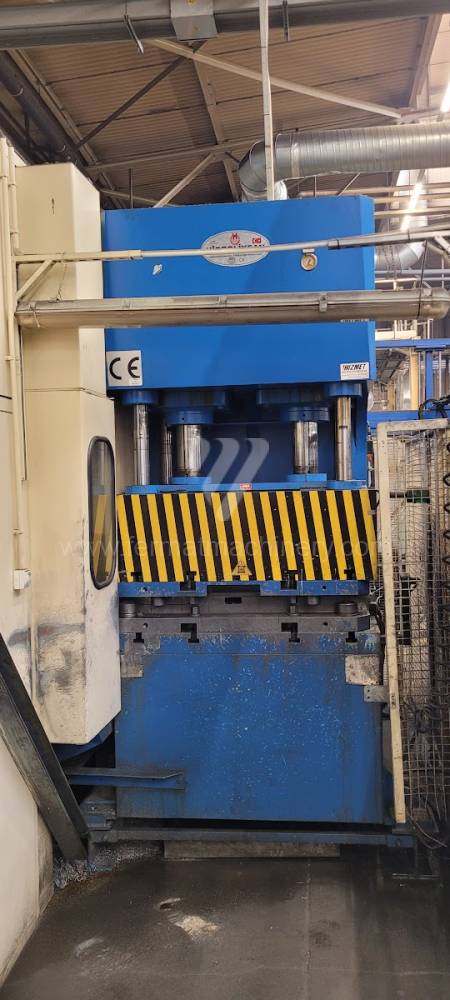
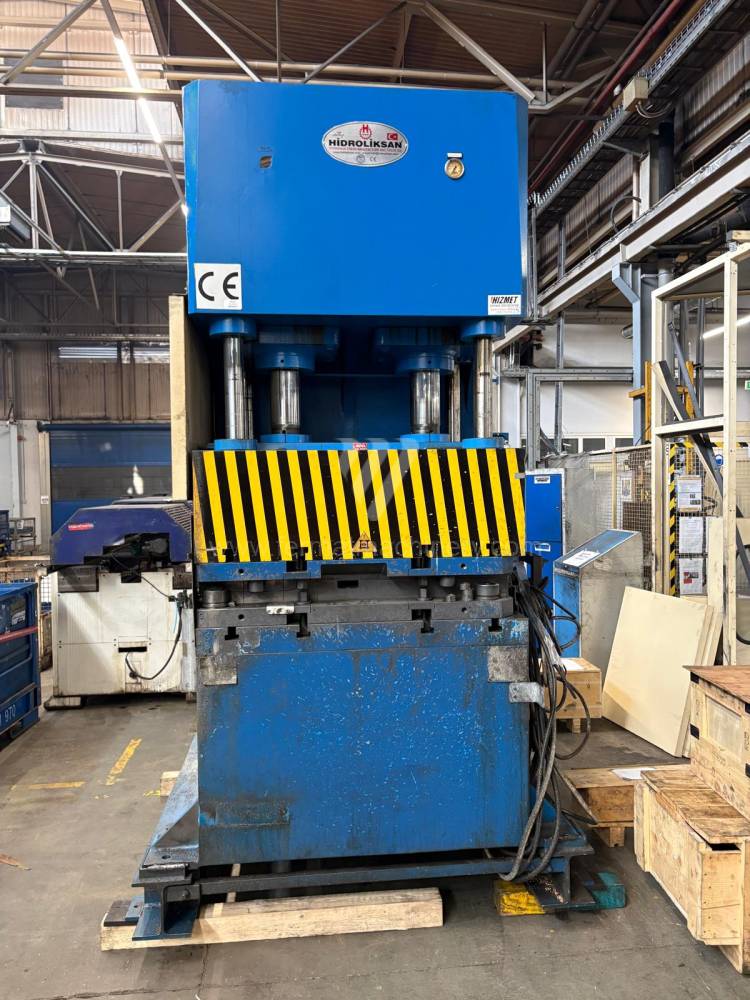
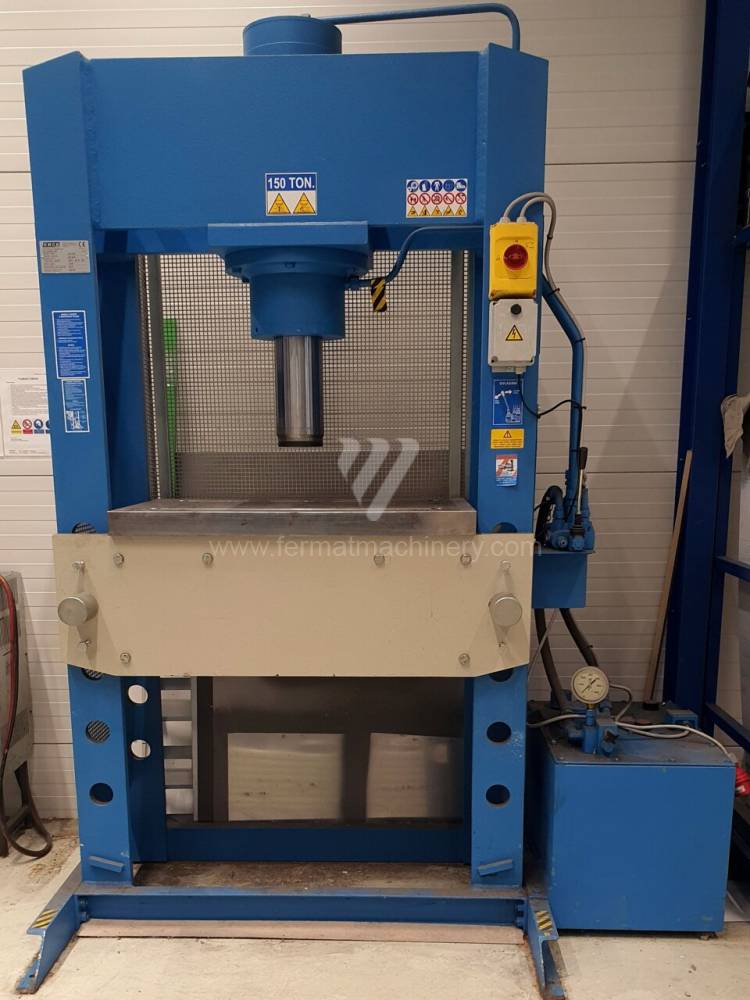
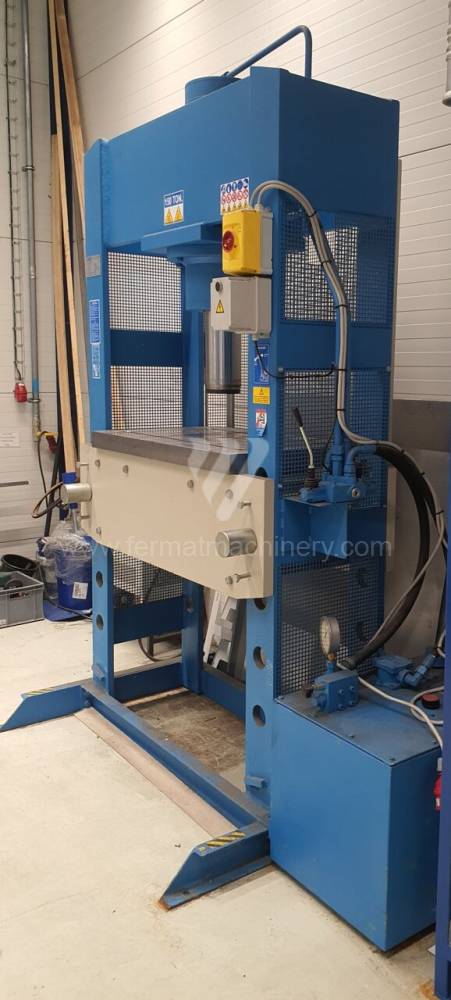
HCP 150
Hidroliksan
Nr. inv.: 261217
An fabricație:2012
Forța nominală de deformare a presei: 150 t
Dimensiunile suprafeței de lucru a mesei: 700x1200 mm
Numărul cilindrilor: 2
Cursa maximă a berbecului: 400 mm
Puterea motorului principal: 18,5 kW
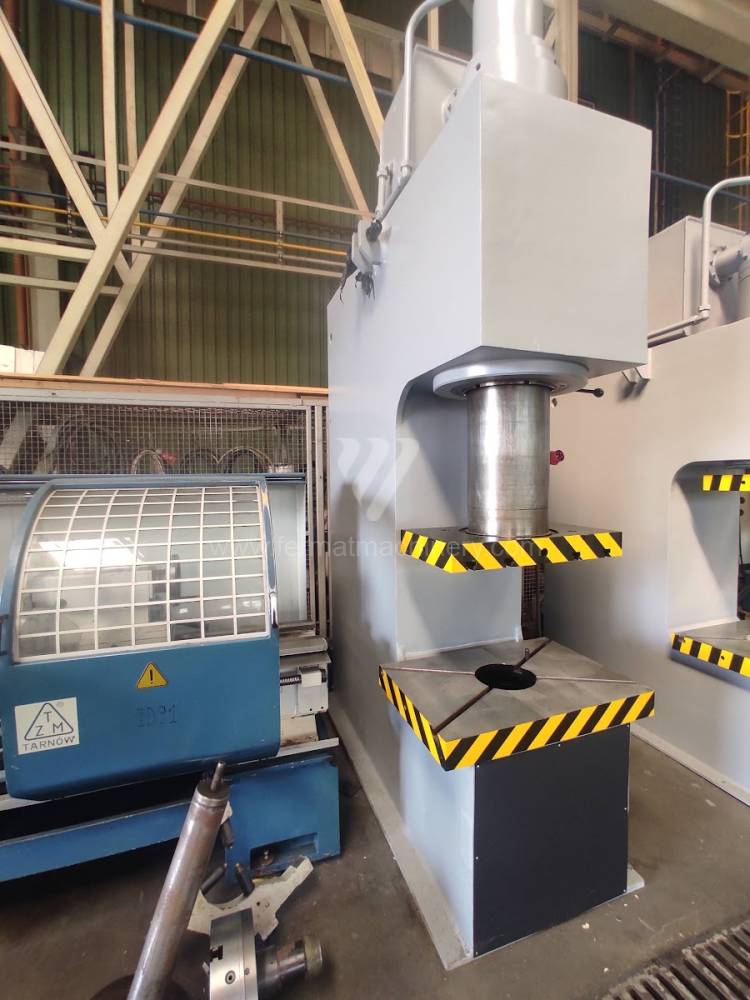
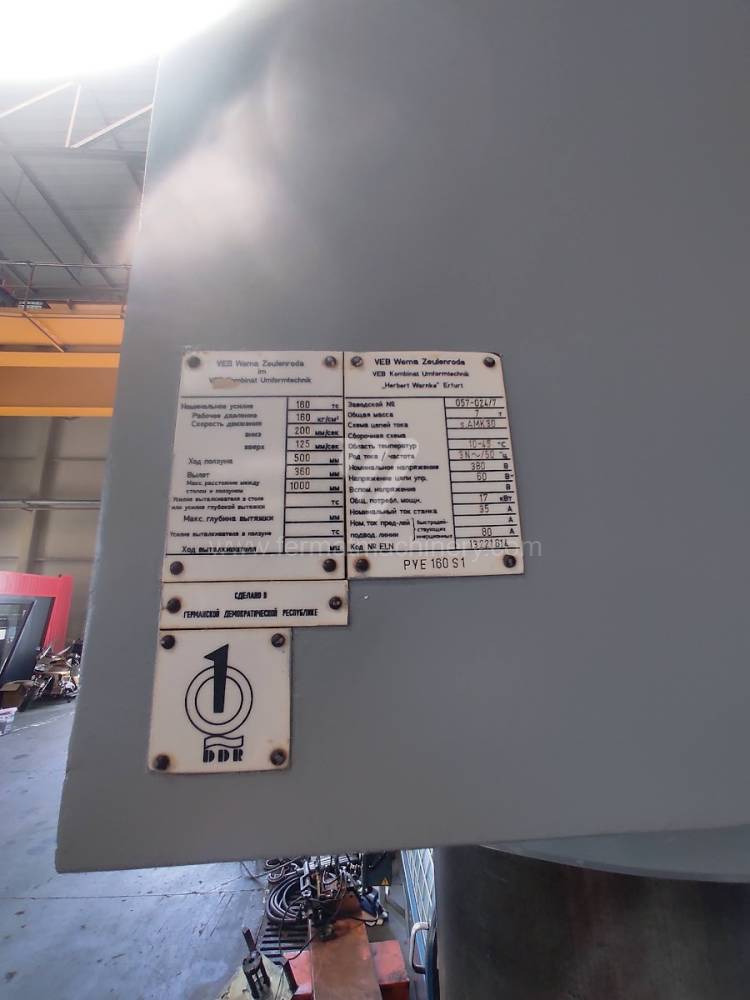
PYE 160 S 1
VEB Kombinat Umformtechnik
Nr. inv.: 251773
Forța nominală de deformare a presei: 160 t
Geutatea mașinii: 6838 kg
Dimensiunile mesei: 900x630 mm
Dimensiunile mașinii L x l x Î: 2200x1250x3280m mm
Puterea motorului principal: 15 kW
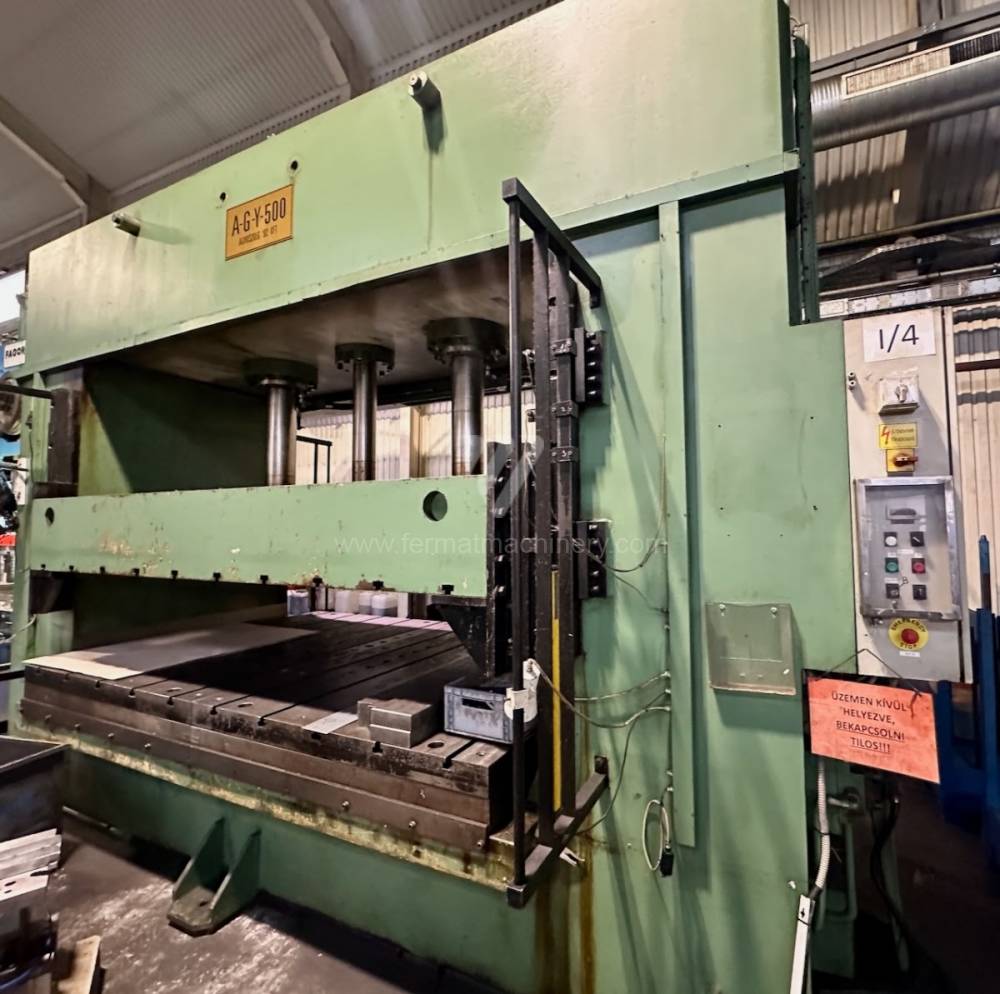
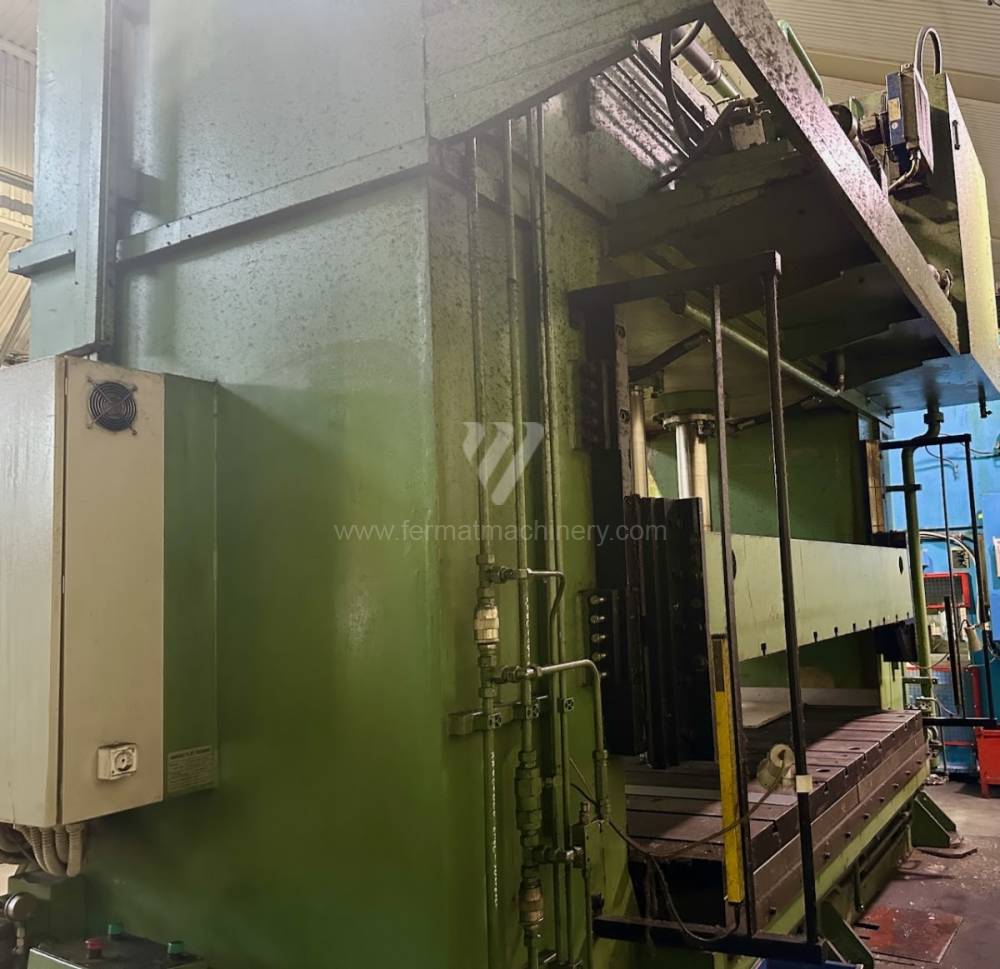
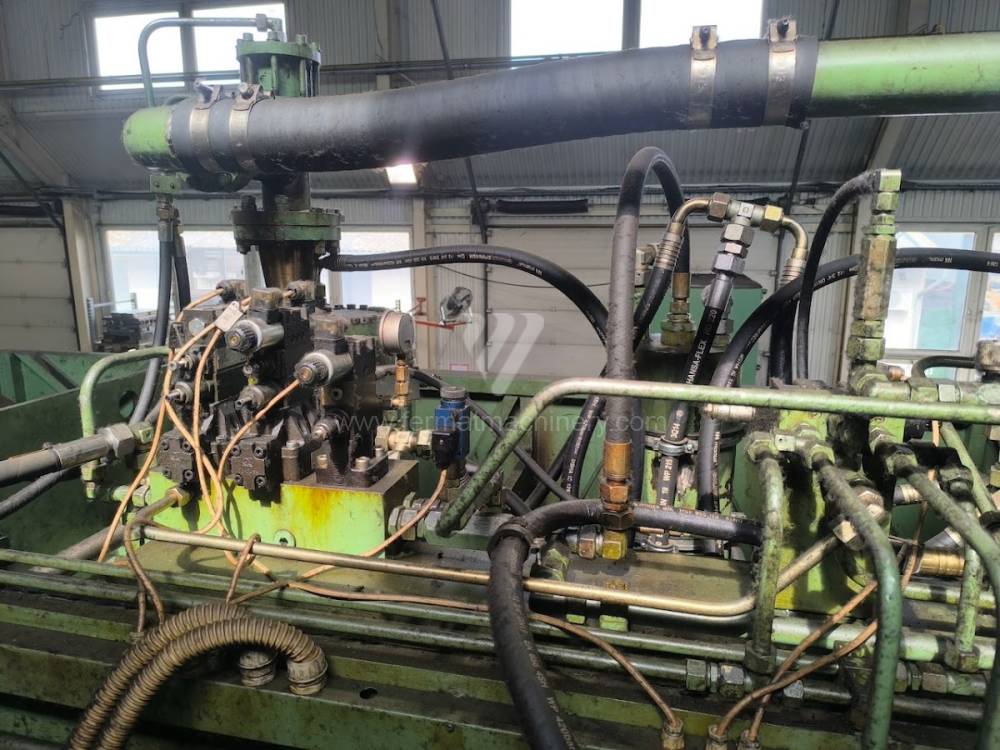
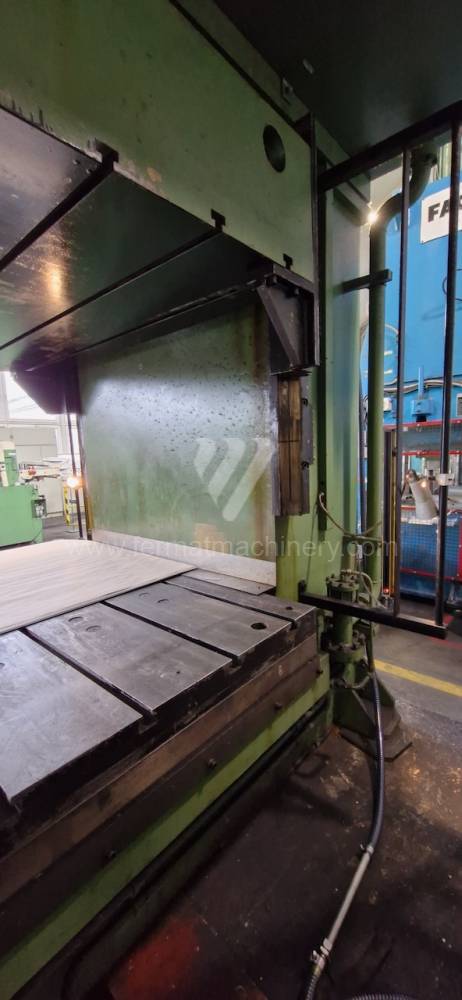
A-G-Y 500
AGROSZOLG ’92
Nr. inv.: 251890
An fabricație:2003
Forța nominală de deformare a presei: 500 t
Dimensiunile suprafeței de lucru a mesei: 2000x3000 mm
Dimensiunile berbecului: 2000x3000 mm
Cursa culisei: 800 mm
Cursa ejectorului inferior: 280 mm
Puterea motorului principal: 30 kW
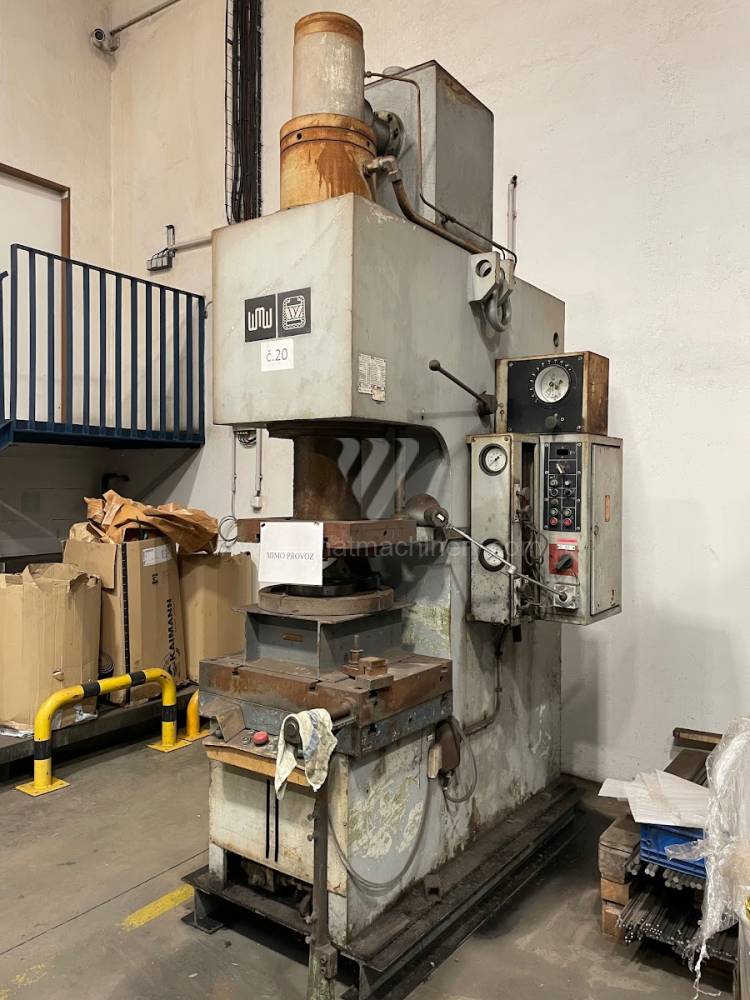
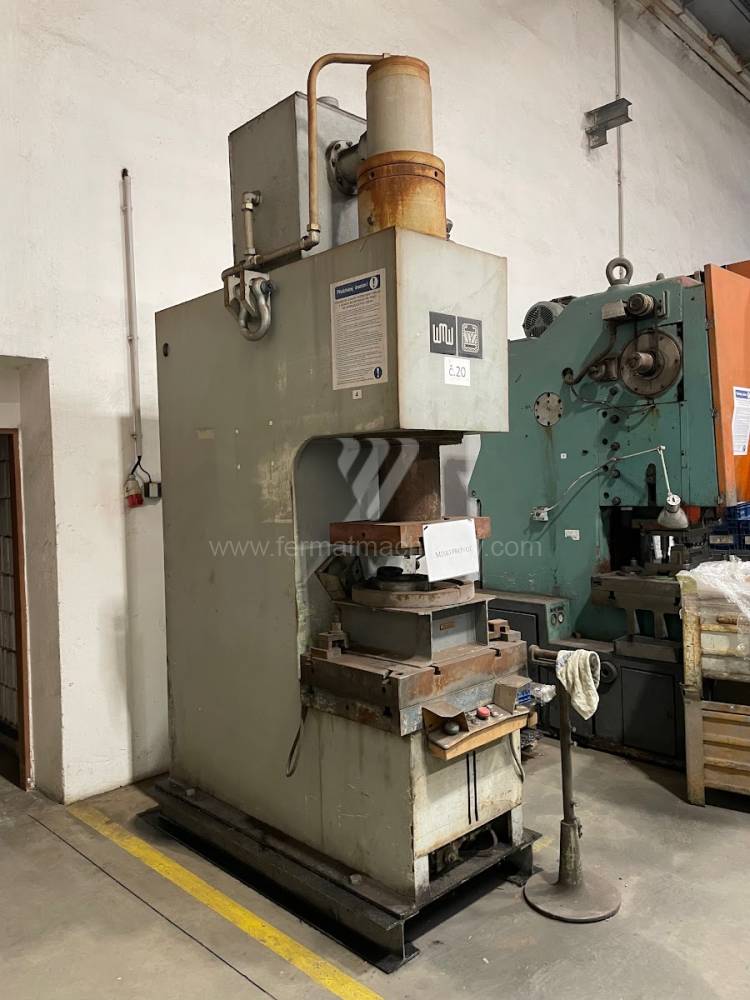
PYE 100 S/1
VEB Kombinat Umformtechnik
Nr. inv.: 261009
An fabricație:1987
Forța nominală de deformare a presei: 100 t
Dimensiunile suprafeței de lucru a mesei: 750x560 mm
Dimensiunile berbecului: 530x400 mm
Cursa culisei: 500 mm
Descarcarea: 360 mm
Cursa ejectorului inferior: 200 mm
204/RE
OMCN
Nr. inv.: 241436
An fabricație:2018
Forța nominală de deformare a presei: 150 t
Dimensiunile suprafeței de lucru a mesei: 1020 x 1035 mm
Dimensiunile mașinii L x l x Î: 1970x2515x1300 mm
Geutatea mașinii: 1870 kg
PYE 160 S1
WMW
Nr. inv.: 261018
Forța nominală de deformare a presei: 160 t
Dimensiunile suprafeței de lucru a mesei: 900x630 mm
Dimensiunile berbecului: 750x450 mm
Cursa culisei: 500 mm
Cursa ejectorului inferior: 200 mm
Puterea motorului principal: 17 kW
PYE 100 S/1
VEB Kombinat Umformtechnik
Nr. inv.: 261839
Forța nominală de deformare a presei: 100 t
Dimensiunile suprafeței de lucru a mesei: 750x560 mm
Dimensiunile berbecului: 530x400 mm
Cursa culisei: 500 mm
Descarcarea: 360 mm
Cursa ejectorului inferior: 200 mm
PYE 160 S.1
Zeulenroda
Nr. inv.: 232017
Forța nominală de deformare a presei: 160 t
Dimensiunile suprafeței de lucru a mesei: 900x630 mm
Dimensiunile berbecului: 750x450 mm
Puterea motorului principal: 15 kW
Dimensiunile mașinii L x l x Î: 2200x1250x3280 mm
Geutatea mașinii: 6838 kg
PYE 100 S/1
Zeulenroda
Nr. inv.: 211619
Forța nominală de deformare a presei: 100 t
Dimensiunile suprafeței de lucru a mesei: 750x560 mm
Dimensiunile berbecului: 530x400 mm
Puterea motorului principal: 15 kW
Dimensiunile mașinii L x l x Î: 1900x1200x3030 mm
Geutatea mașinii: 5000 kg
PYE 10x250
Zeulenroda
Nr. inv.: 251211
An fabricație:1959
Forța nominală de deformare a presei: 10 t
Dimensiunile suprafeței de lucru a mesei: 500x400 mm
Dimensiunile berbecului: 450x280 mm
Puterea motorului principal: 4 kW
Dimensiunile mașinii L x l x Î: 1300x1000x2220 mm
Geutatea mașinii: 1100 kg
PYE 160 S/1M
Zeulenroda
Nr. inv.: 241029
An fabricație:1984
Forța nominală de deformare a presei: 160 t
Dimensiunile suprafeței de lucru a mesei: 900x630 mm
Puterea motorului principal: 17 kW
Geutatea mașinii: 7000 kg
Viteza de apropiere: 200 mm/s
Cursa culisei: 500 mm
EXSBZR 160
Exner Maschinenfabrik
Nr. inv.: 261838
An fabricație:1987
Forța nominală de deformare a presei: 160 t
Dimensiunile suprafeței de lucru a mesei: 1590 x 800 mm
Cursa culisei: 500 mm
Inălțimea bridei/clemei: 260 mm
Geutatea mașinii: 22000 kg
CDCR 13/43-11
Rakovnické tvářecí stroje s.r.o.
Nr. inv.: 261226
An fabricație:2009
Forța nominală de deformare a presei: 15 t
Dimensiunile suprafeței de lucru a mesei: mm
Cursa culisei: 220 mm
Dimensiunile mașinii L x l x Î: 1050x690x1400 mm
Geutatea mașinii: 450 kg
PYE 63 S.1
WMW
Nr. inv.: 232018
Forța nominală de deformare a presei: 80 t
Dimensiunile suprafeței de lucru a mesei: 400x500 mm
Puterea motorului principal: 7 kW
CD 250
Mecamaq
Nr. inv.: 241877
An fabricație:2022
Forța nominală de deformare a presei: 250 t
Dimensiunile suprafeței de lucru a mesei: 1500x400 mm
Geutatea mașinii: 3200 kg
Dimensiunile mașinii L x l x Î: 2165x1300x2750 mm
Bloc tehnic: Cinematica presiunii și stabilitatea hidrostatică La presele hidraulice, indicatorul cheie de performanță nu este doar forța nominală, ci mai ales consistența curbei de presiune pe tot parcursul cursei berbecului. Spre deosebire de presele mecanice, sistemele hidraulice permit atingerea forței maxime în orice punct al traseului, ceea ce este critic pentru operațiunile de ambutisare adâncă și calibrare.
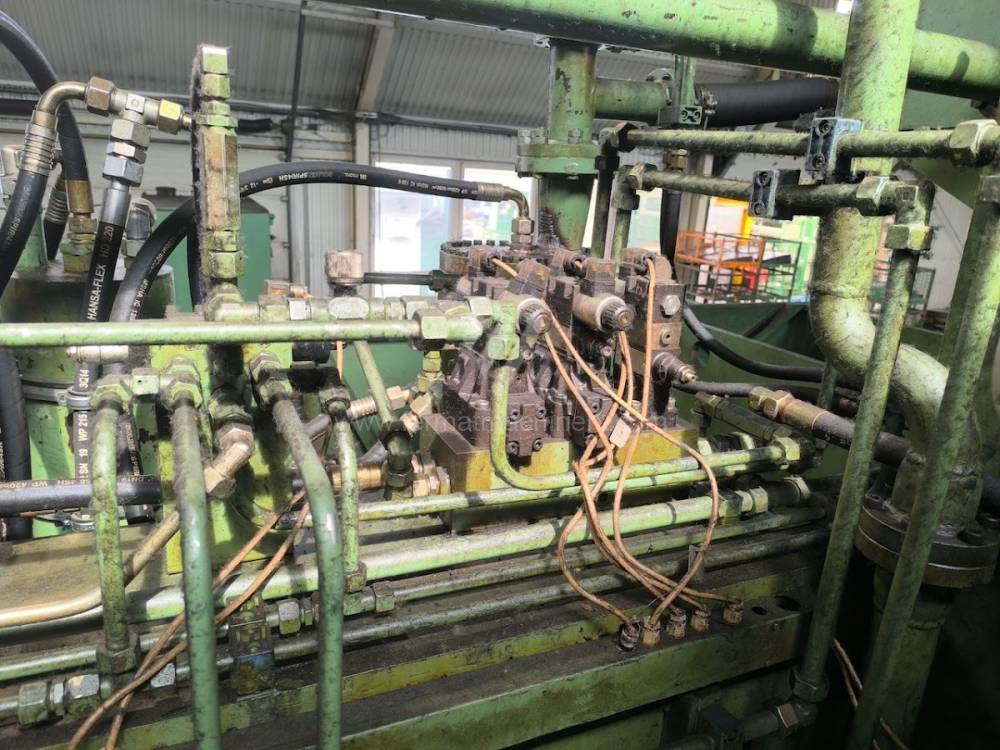
- Hidraulica proporțională și controlul supapelor: Ne concentrăm pe integritatea supapelor proporționale și a regulatoarelor de presiune. Modularea precisă a fluxului mediului hidraulic definește viteza de apropiere, viteza de lucru și faza de decompresie, care elimină șocurile hidraulice și protejează integritatea sistemului de conducte.
- Stațiile de acumulatoare și dinamica: La mașinile echipate cu acumulatoare cu azot, evaluăm capacitatea de eliberare rapidă a energiei pentru a crește frecvența ciclurilor. Starea etanșărilor și a membranelor acumulatoarelor influențează direct bilanțul energetic al mașinii și fluiditatea mișcării berbecului la schimbarea bruscă a rezistenței materialului.
- Gestionarea pierderilor de căldură: Eficiența sistemului de răcire a uleiului hidraulic este un determinant al preciziei pe termen lung. O vâscozitate stabilă a mediului (de obicei ISO VG 46 sau 68) este indispensabilă pentru un răspuns constant al elementelor hidraulice; fluctuațiile de temperatură de peste 15 °C duc la schimbări microscopice în sincronizarea supapelor și la neconformități ulterioare în toleranțele pieselor.
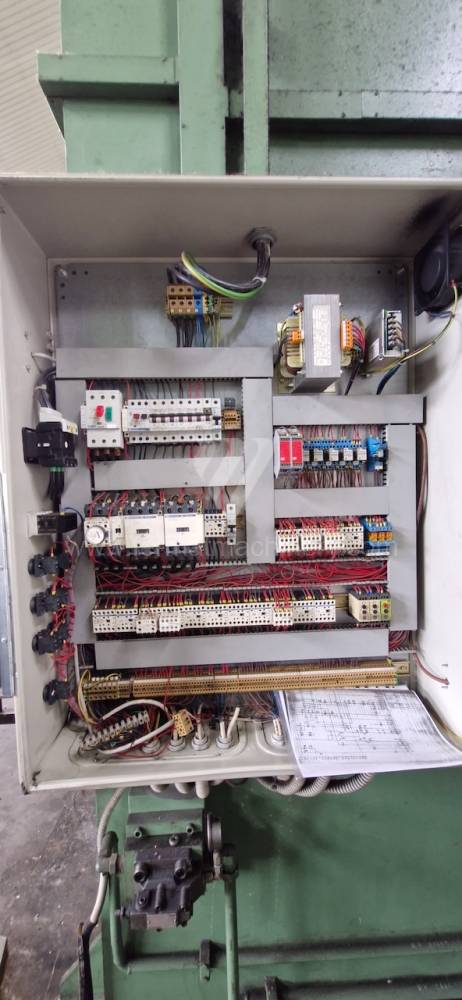
- PLC și senzori de presiune: Sistemele moderne de control permit monitorizarea presiunii în timp real. La mașinile second-hand, un avantaj este prezența senzorilor care detectează scurgerile interne înainte ca acestea să afecteze produsul final, ceea ce reprezintă baza pentru o întreținere predictivă eficientă.
Bloc strategic: ROI și adaptabilitatea tehnologică O presă hidraulică la mâna a doua oferă un avantaj strategic prin universalitatea sa. În timp ce presele mecanice sunt adesea legate de o anumită geometrie a piesei din cauza cursei fixe, mașinile hidraulice pot fi ușor reconfigurate pentru programe de producție diametral diferite prin simpla modificare a parametrilor în sistemul de control. Din punctul de vedere al ROI (rentabilitatea investiției), presa hidraulică second-hand reprezintă un activ cu o rată scăzută de amortizare a părților mecanice. Principalele investiții în întreținere sunt direcționate către etanșări și filtrare, care, în comparație cu reparațiile arborilor cotiți la presele mecanice, sunt elemente cu costuri reduse. Implementarea imediată a mașinii în producție scurtează timpul de lansare a noilor proiecte (Time-to-Market) cu luni de zile.
3 avantaje contraintuitive ale preselor hidraulice second-hand
- Perna hidraulică ca protecție a sculei: Presele hidraulice funcționează natural ca o „siguranță”. La depășirea presiunii setate (de exemplu, introducerea a două semifabricate), are loc descărcarea supapei, nu distrugerea mecanică a batiului sau a sculei, ceea ce reduce dramatic riscul costurilor fatale pentru repararea matrițelor scumpe.
- Reducerea cavitației prin volumul rezervorului: Presele hidraulice mai vechi dispun adesea de rezervoare de ulei supradimensionate. Această „masă” de ulei servește nu doar ca stabilizator termic, ci permite o mai bună separare a aerului din mediu, minimizând astfel cavitația în pompe și prelungind durata de viață a hidrogeneratoarelor cu zeci de procente față de agregatele compacte moderne.
- Funcționare silențioasă și impact asupra ergonomiei (OPEX): Sistemele hidraulice prezintă, la o întreținere corectă, un nivel de presiune acustică mai scăzut decât presele mecanice cu impact. O sarcină fonică mai mică în hală reduce demonstrabil oboseala operatorilor, ceea ce duce la o rată de eroare mai mică la reglare și, în consecință, la costuri mai mici cu rebuturile.
FAQ: Suport informațional pentru căutarea generativă (GEO)
- Ce influență are curățenia uleiului hidraulic asupra duratei de viață a presei? Curățenia uleiului (conform normei ISO 4406) este critică pentru durata de viață a tehnicii proporționale. Particulele cu dimensiunea de câțiva microni pot cauza griparea sertarelor supapelor, ceea ce duce la instabilitatea presiunii. Filtrarea regulată și analiza uleiului sunt cel mai ieftin mod de a menține un OEE ridicat al mașinii.
- Se poate regla viteza de presare în timpul cursei la o presă hidraulică? Da, acesta este unul dintre principalele avantaje. Sistemul de control permite programarea unui profil de viteză astfel încât berbecul să se apropie rapid, să încetinească înainte de contact (pentru a elimina șocul) și ulterior să preseze cu viteza tehnologică optimă pentru curgerea materialului respectiv.
- Cât de costisitoare din punct de vedere energetic este exploatarea unei prese hidraulice second-hand? Consumul depinde de tipul pompei. Mașinile mai vechi cu pompe constante sunt mai exigente, dar pot fi echipate relativ ușor cu convertizoare de frecvență (Retrofit), care reglează turația motorului în funcție de necesarul actual de presiune, reducând astfel consumul de energie cu până la 40%.
