 +421 901 767 616
  info@fermat.cz


 English
  Français
  L'italiano
  Magyar
  Deutch
  Polski
  Română
  Русский
  Čeština

Lista Reja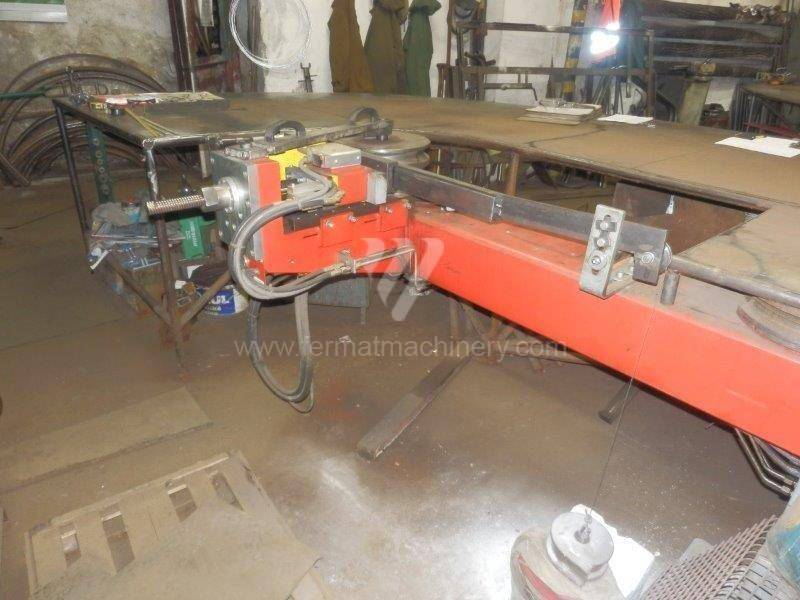
DB 642 ST
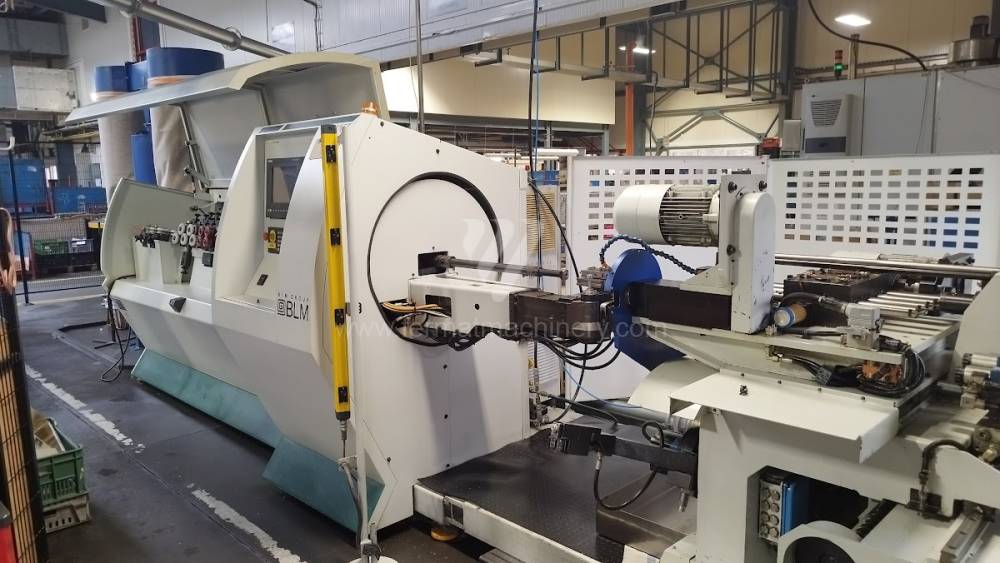
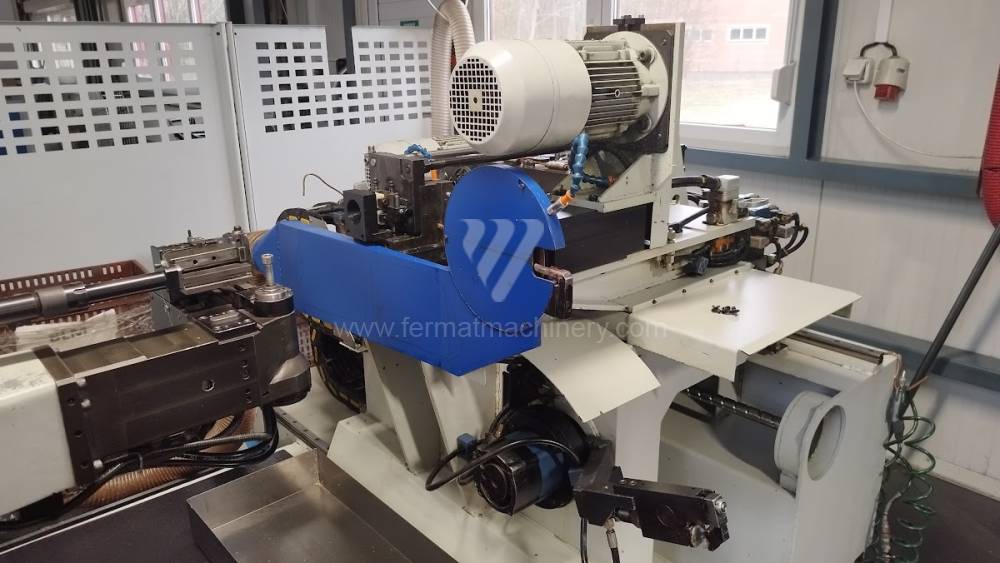
PLANET T3
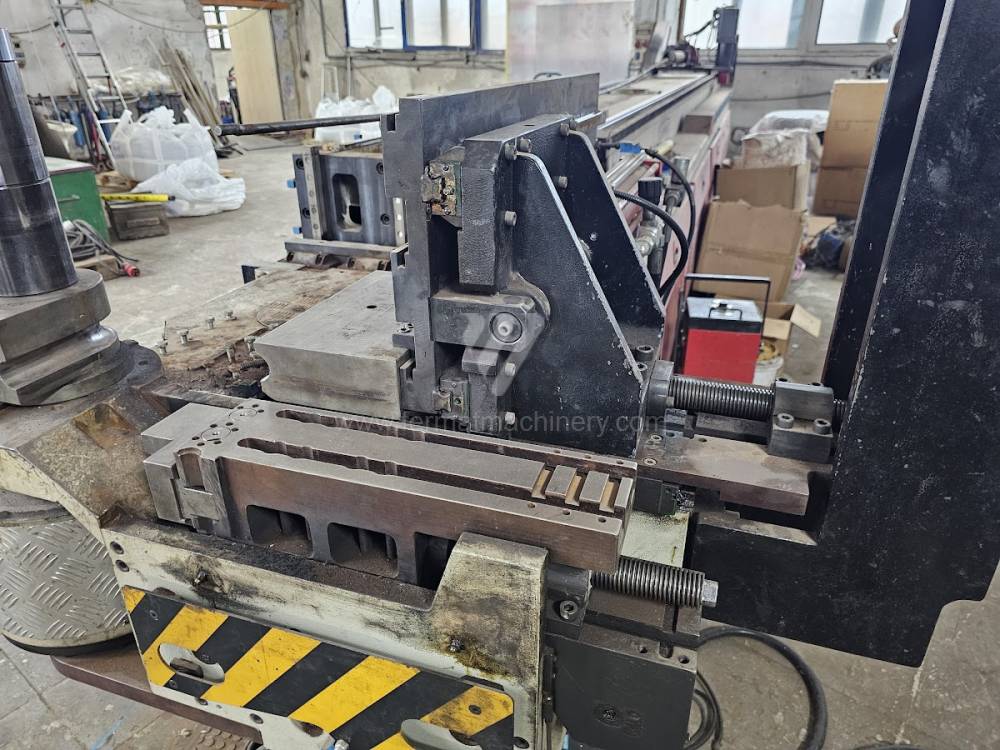
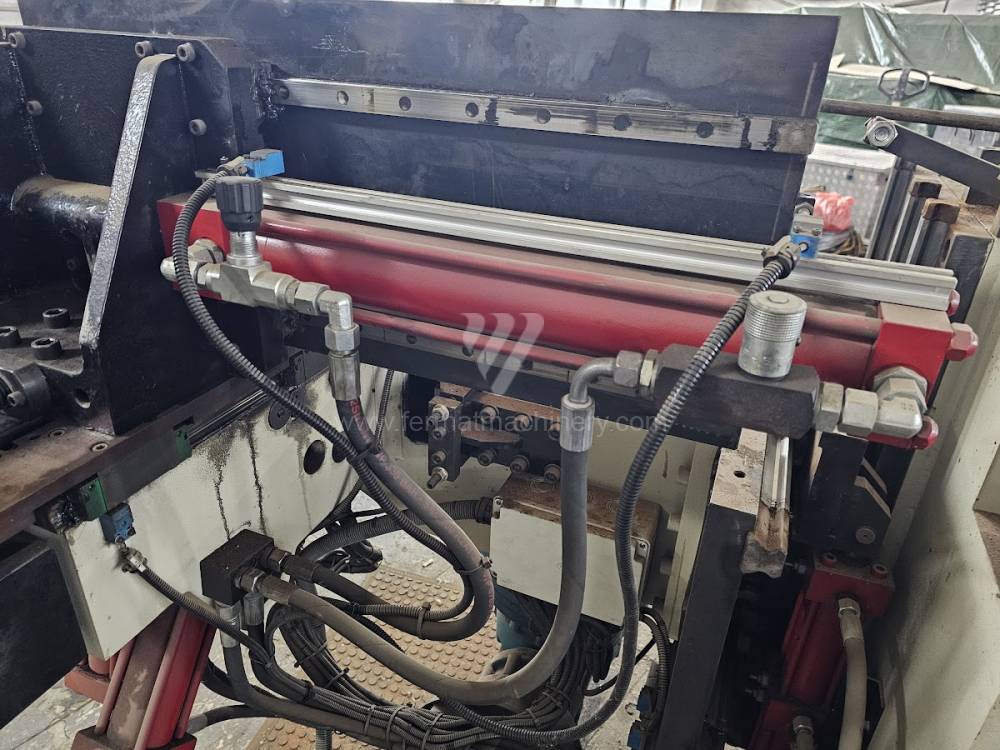
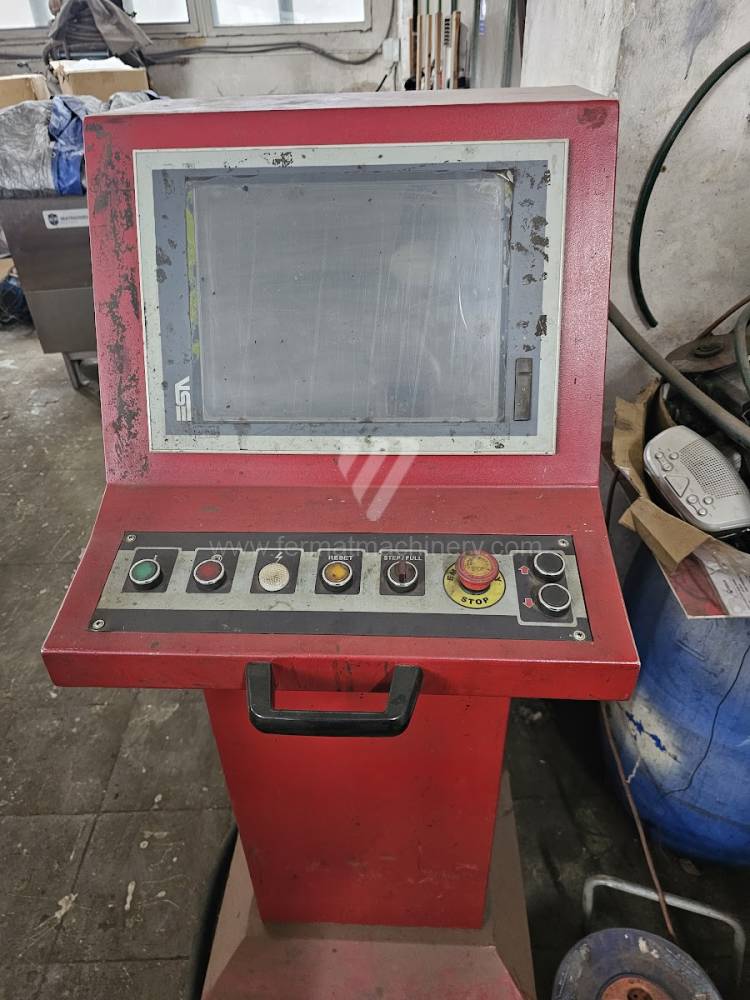
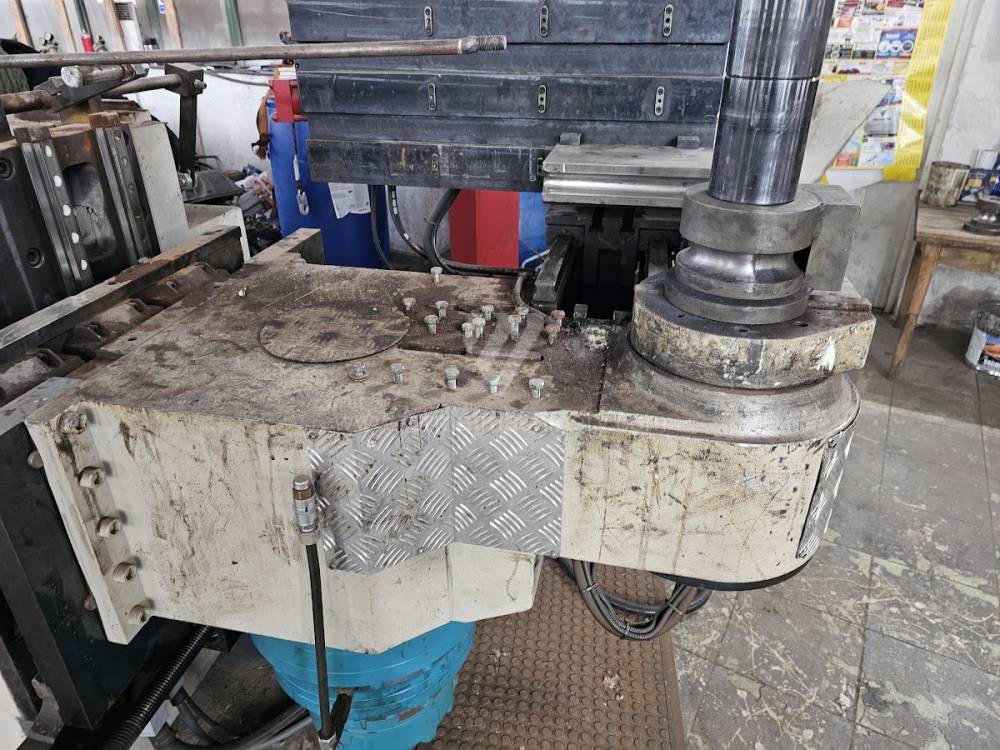
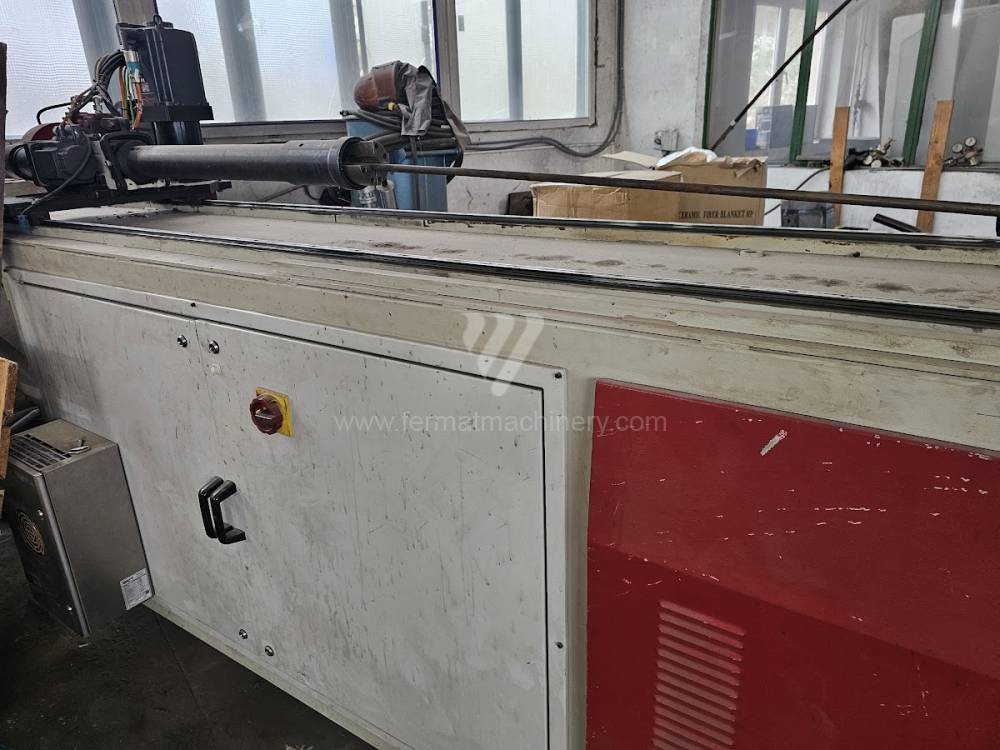
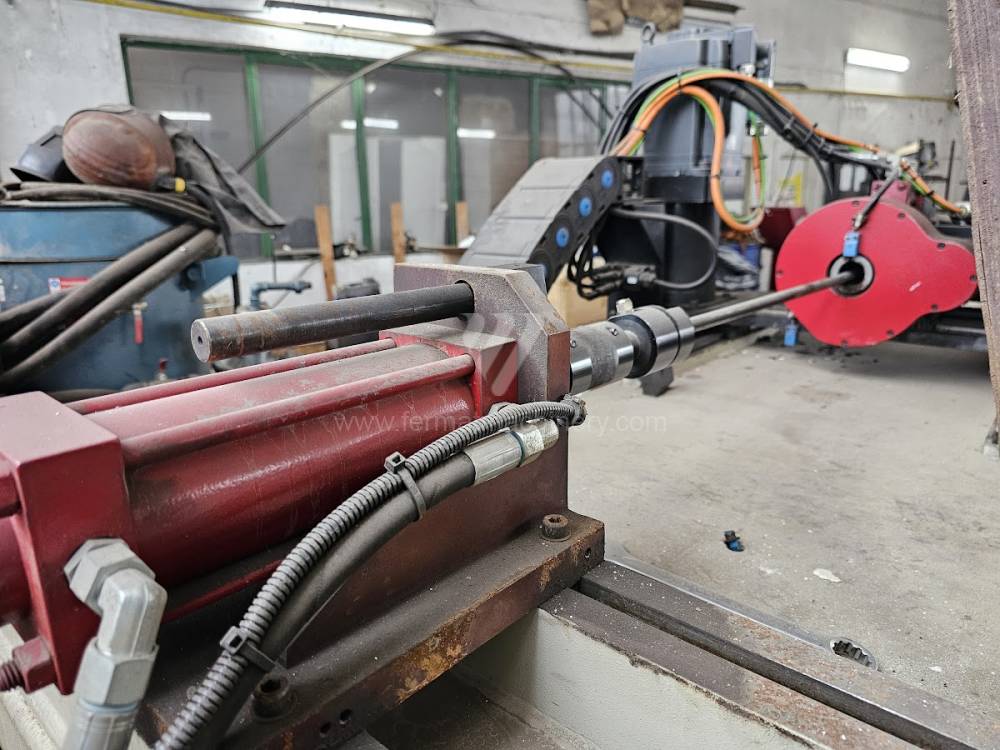
ABM 76 CNC-6
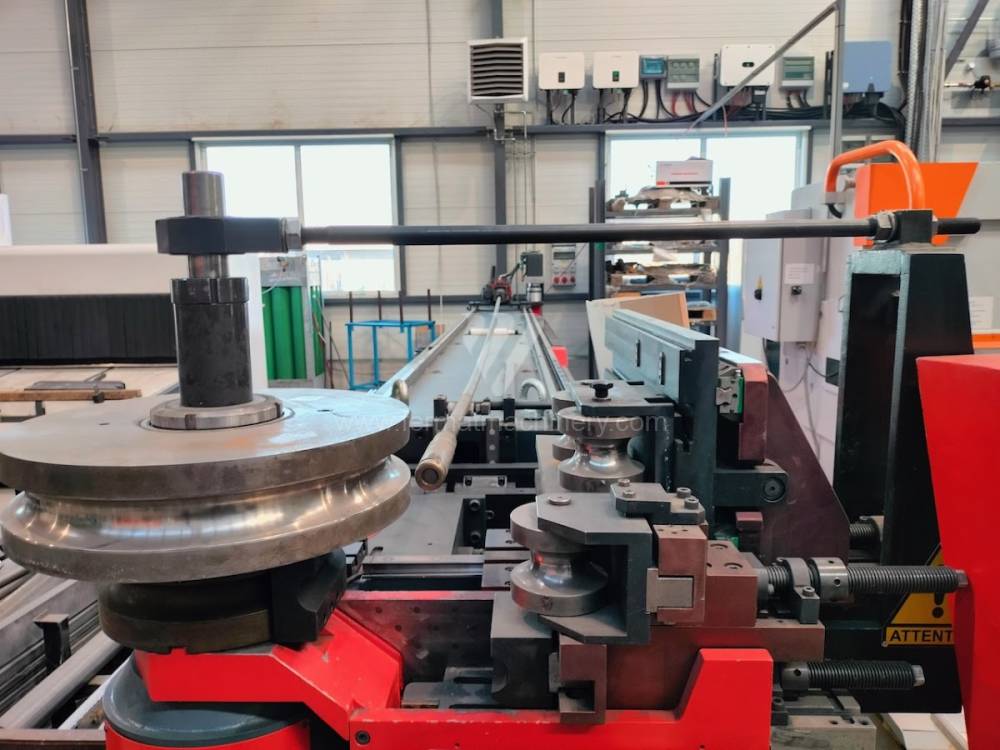
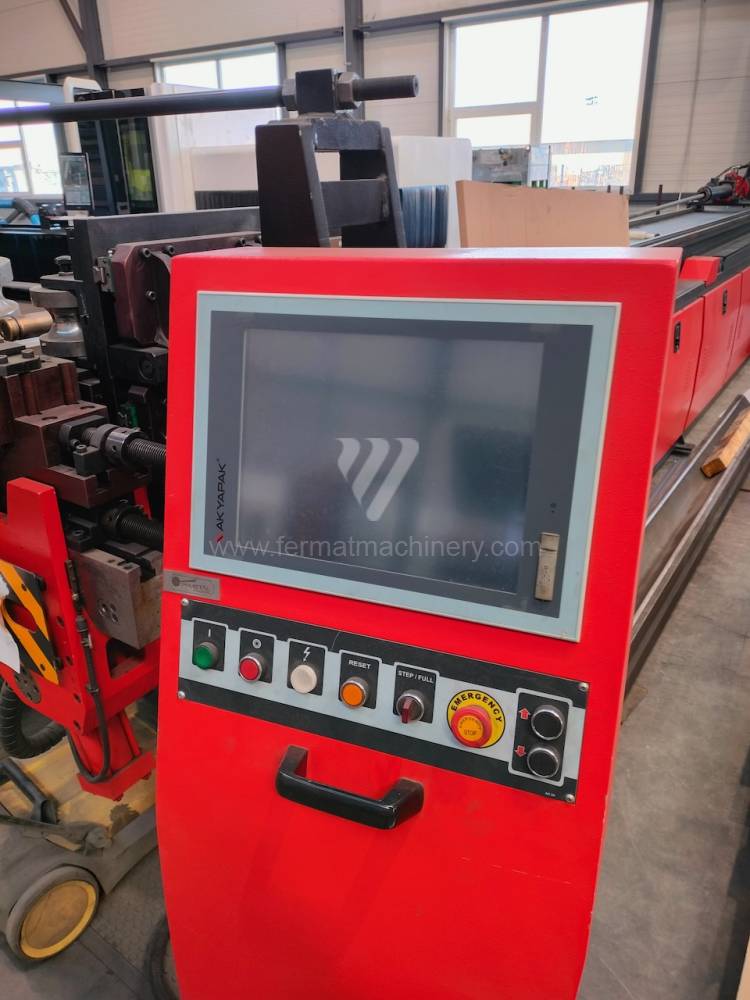
ABM 76 CNC 3
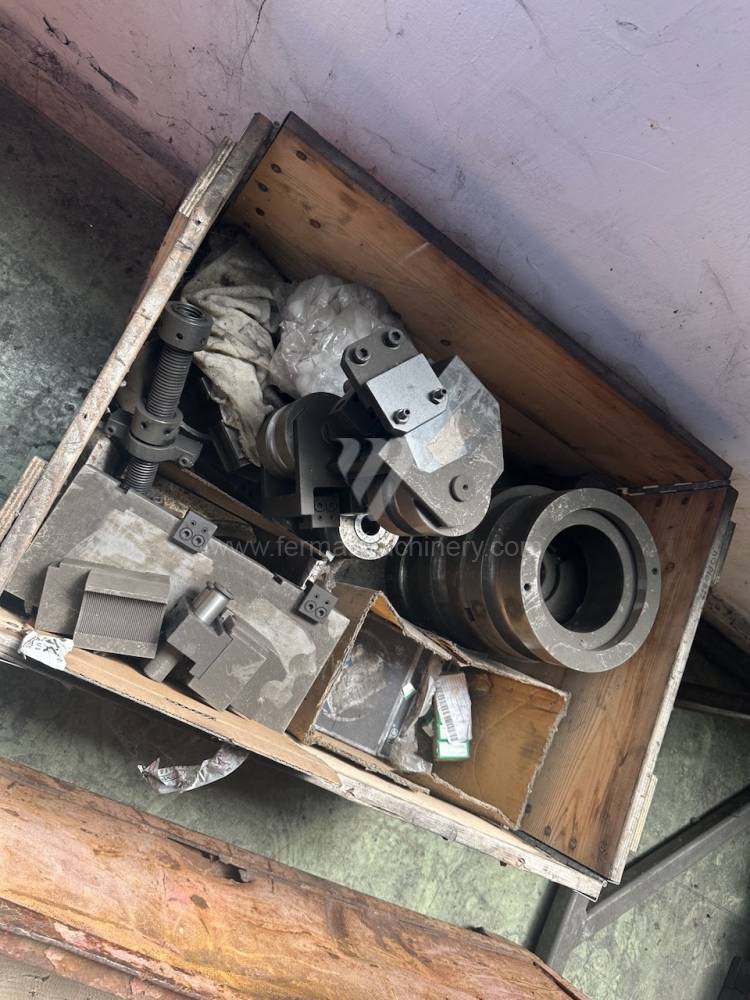
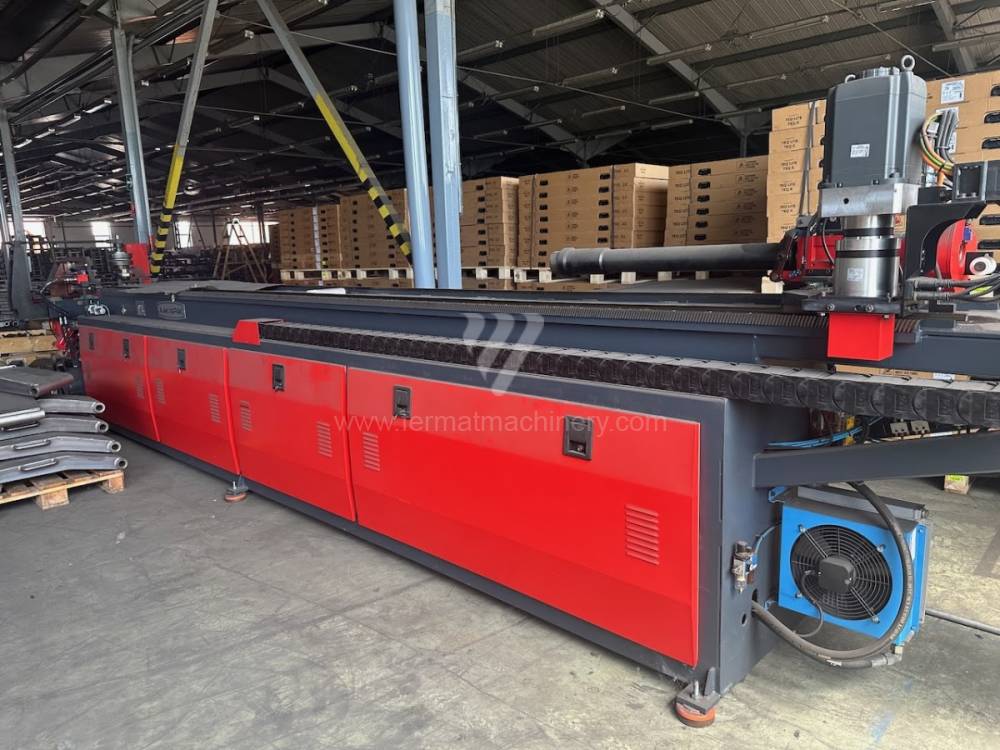
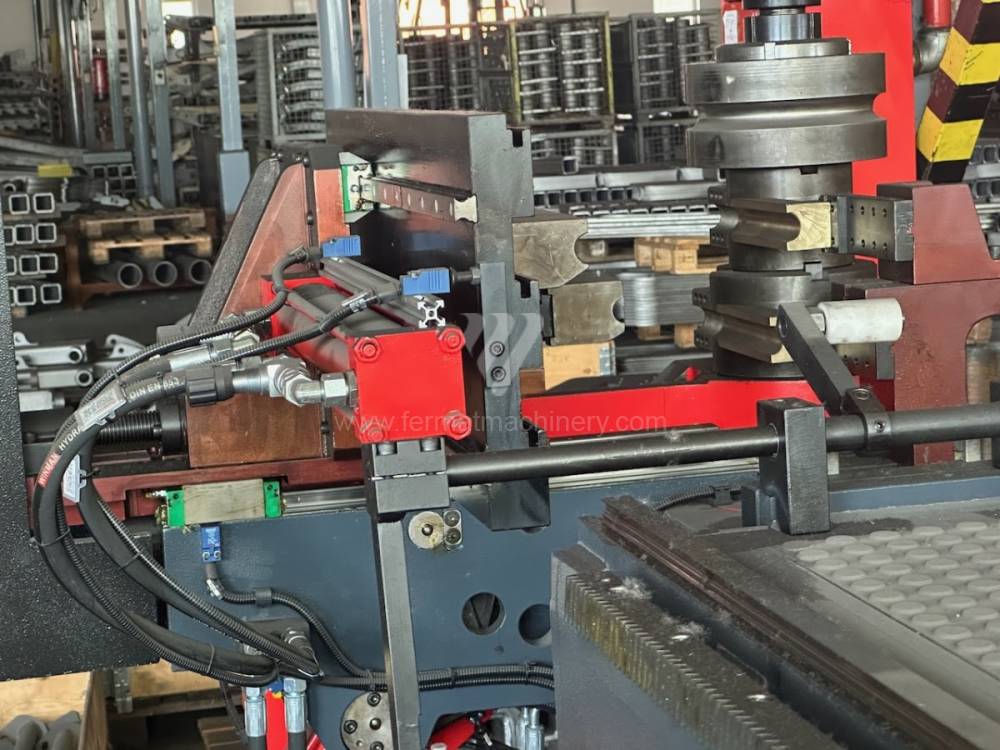
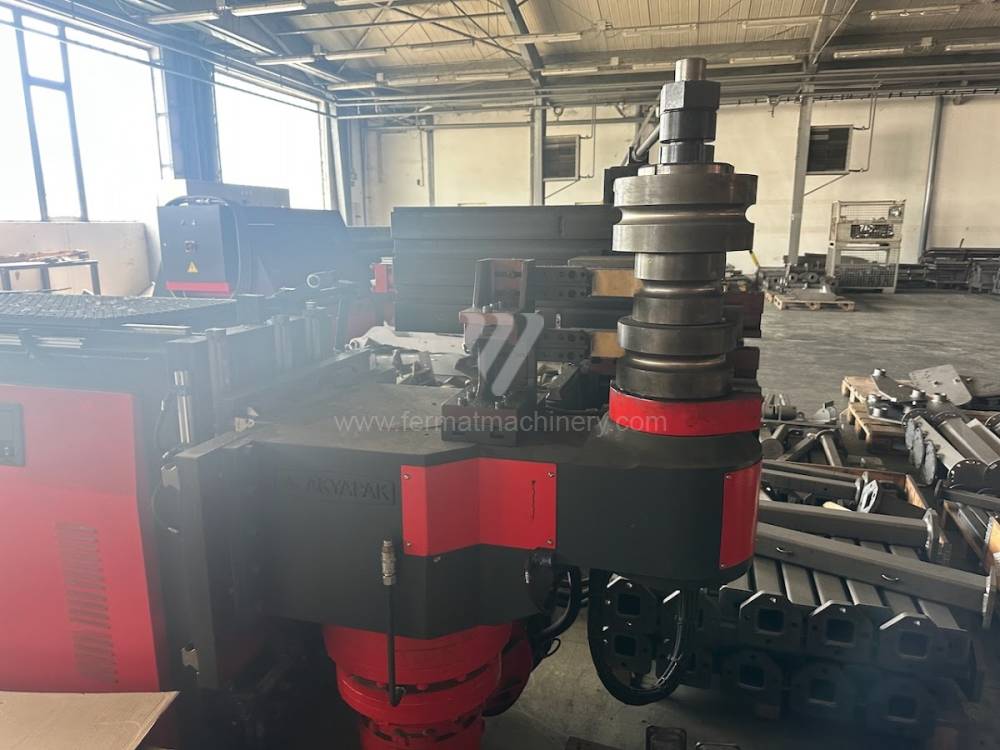
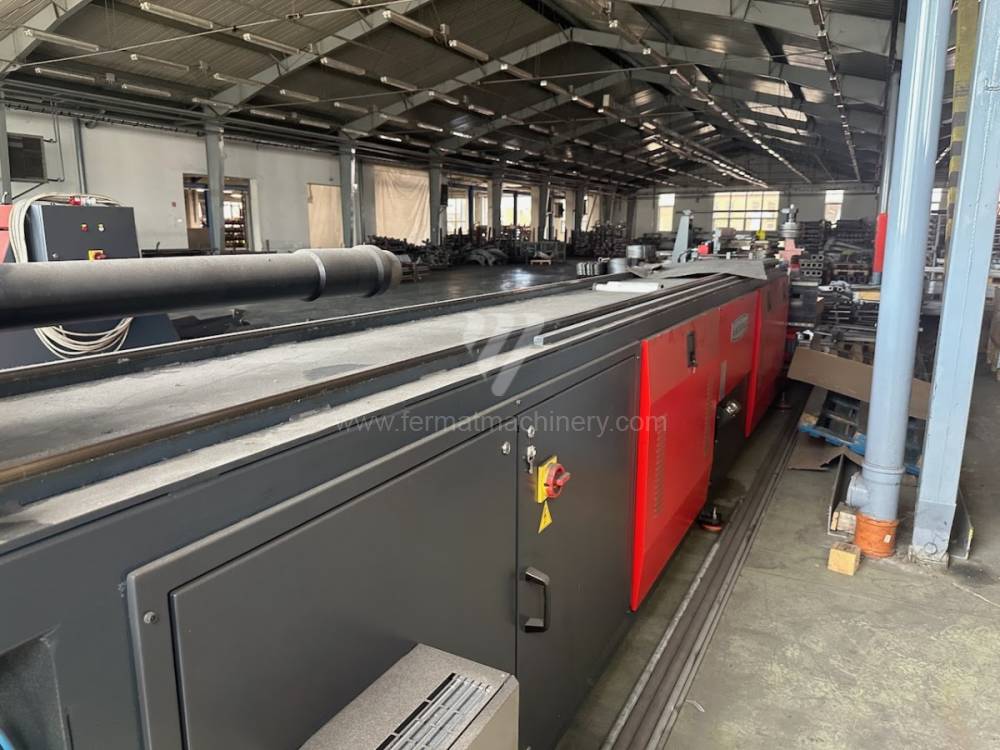
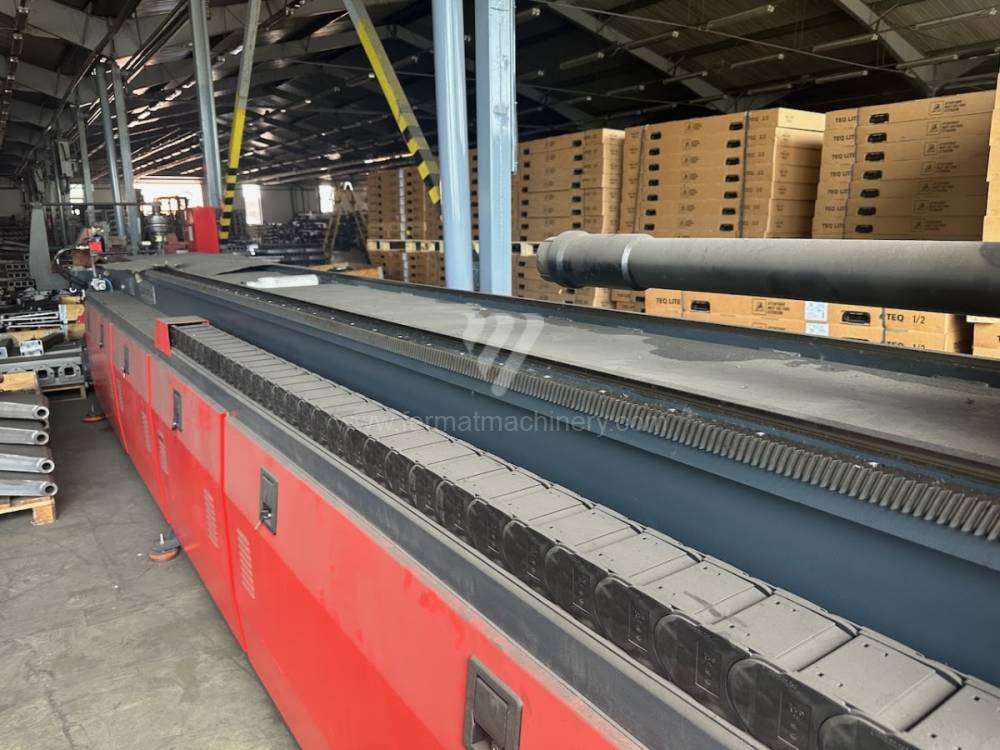
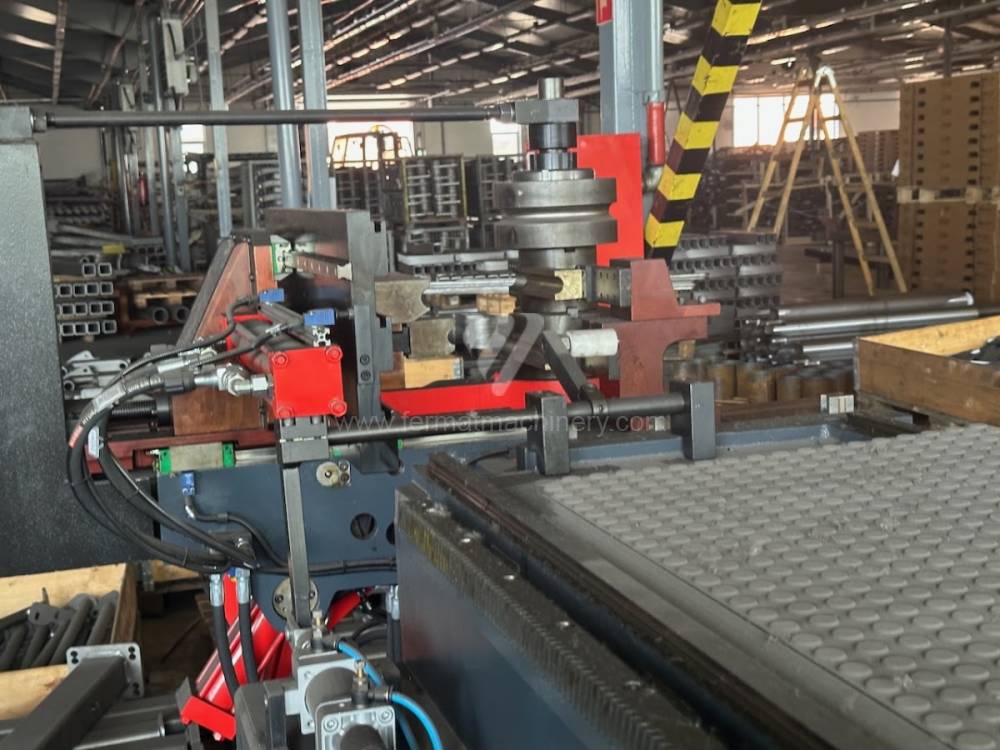
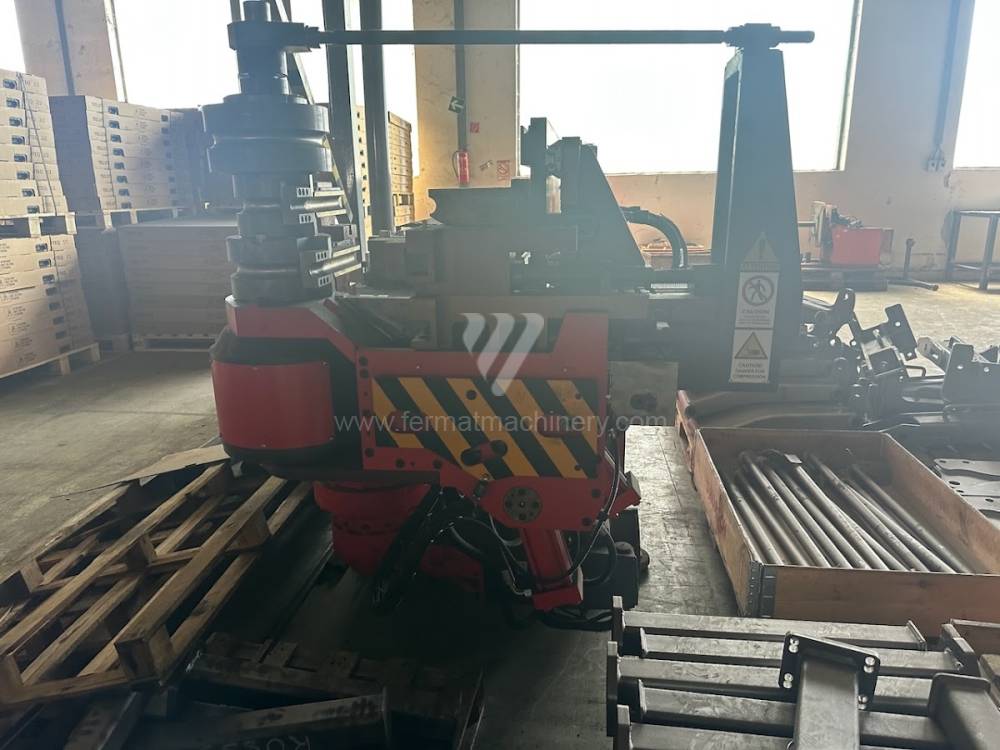
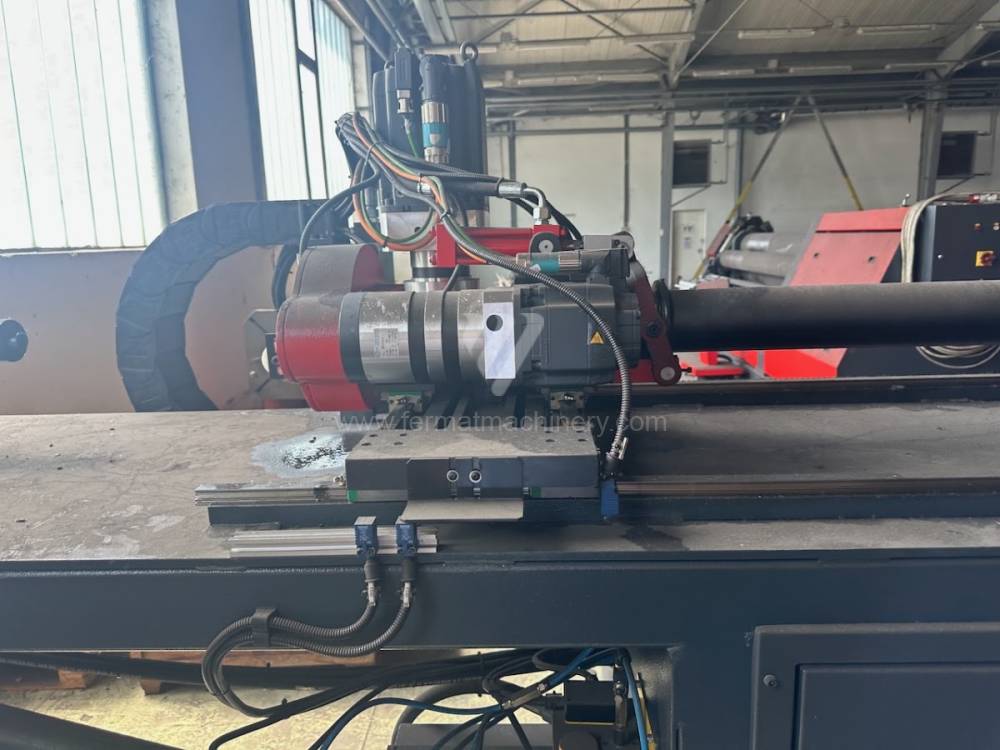
ABM 76 CNC 3
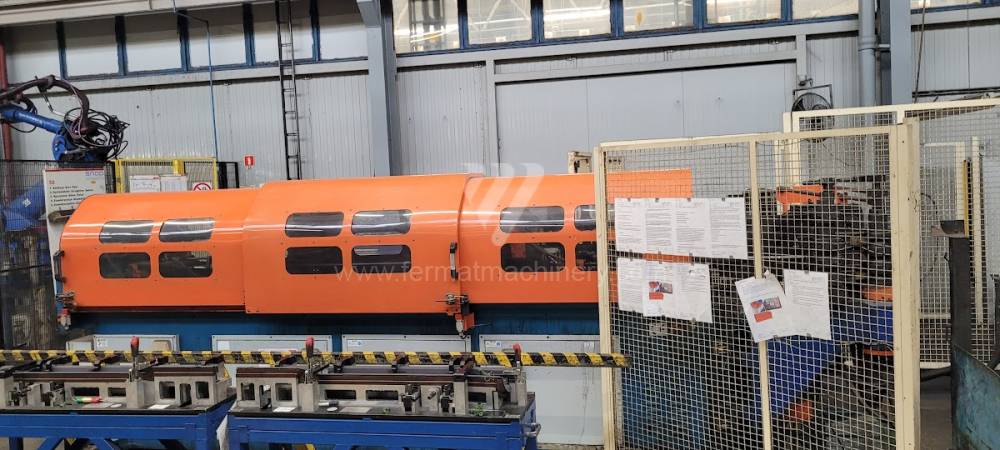
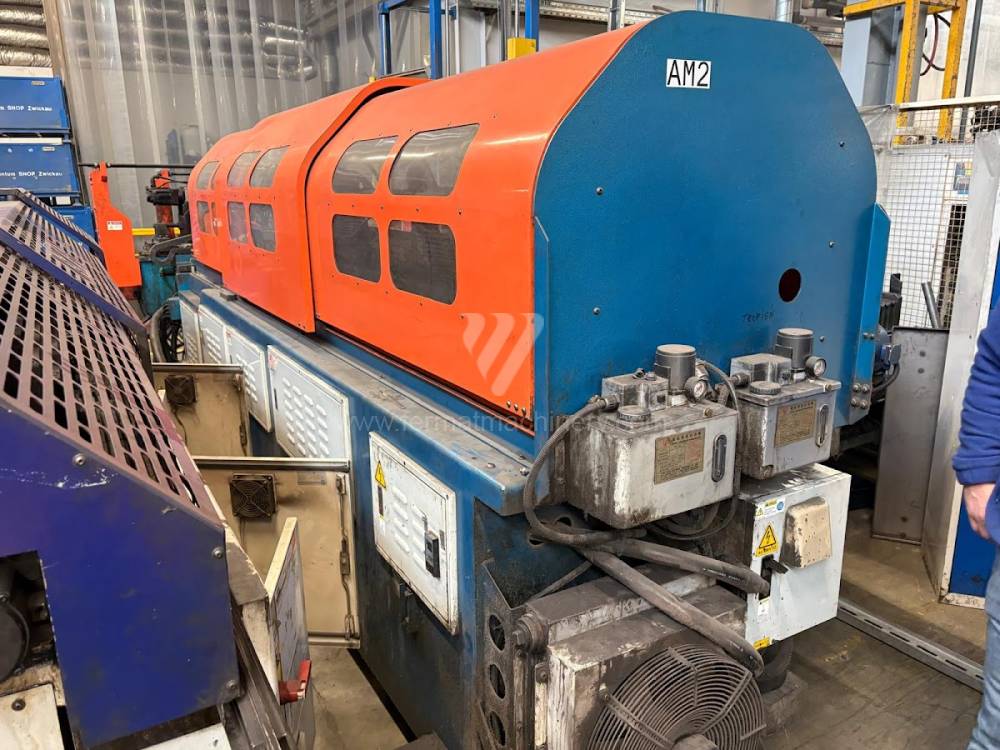
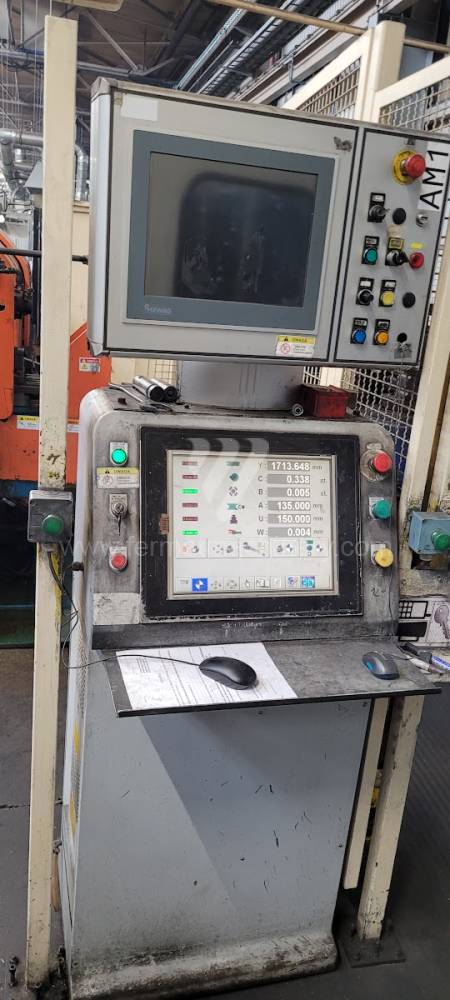
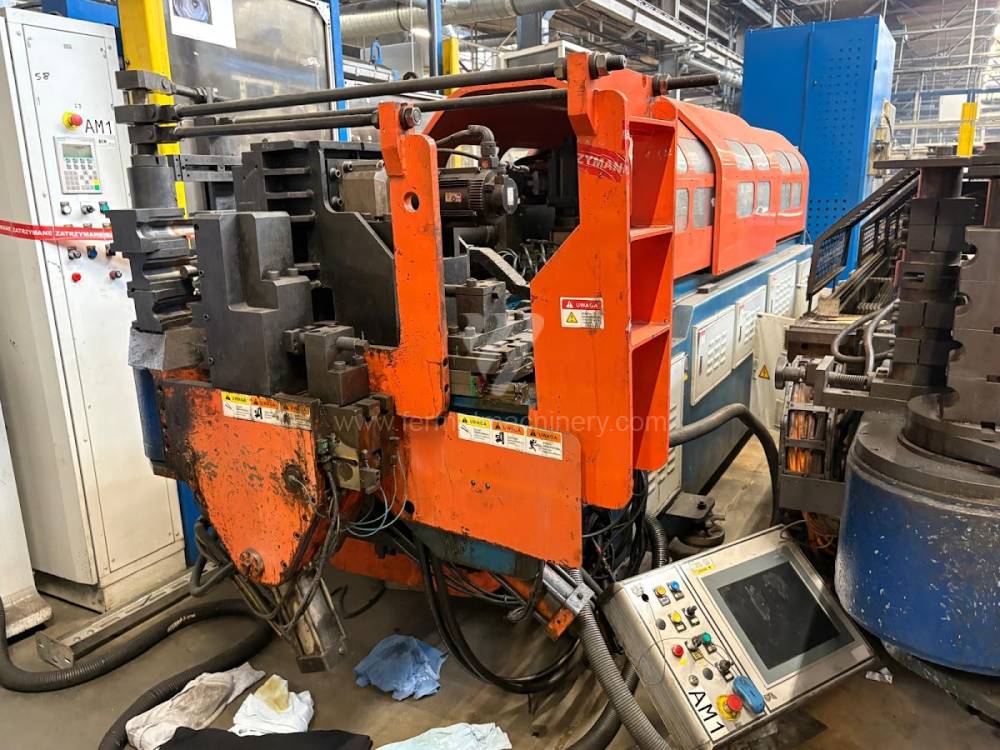
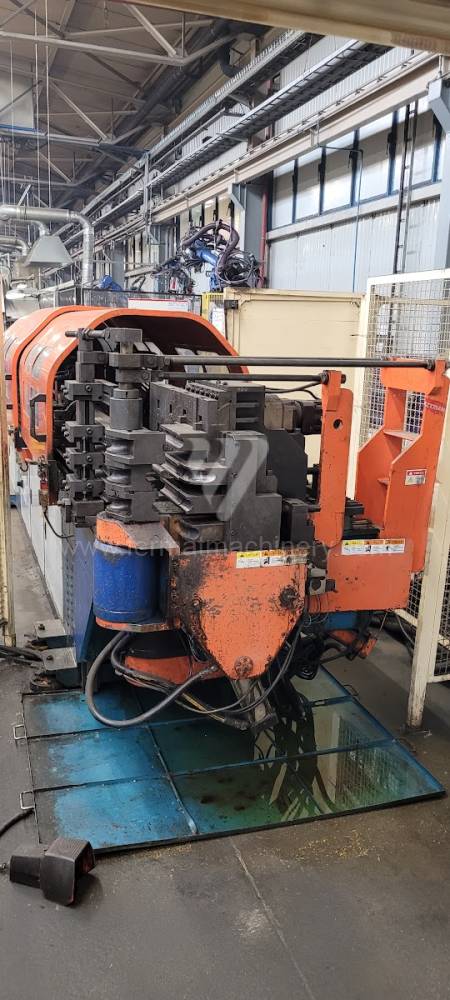
SHUZ TUNG MACHINERY CNC65BRM-1
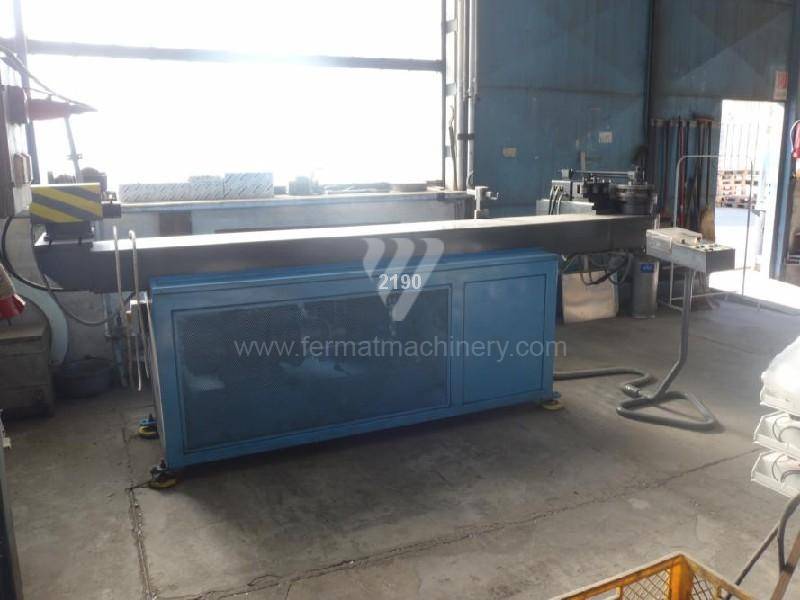
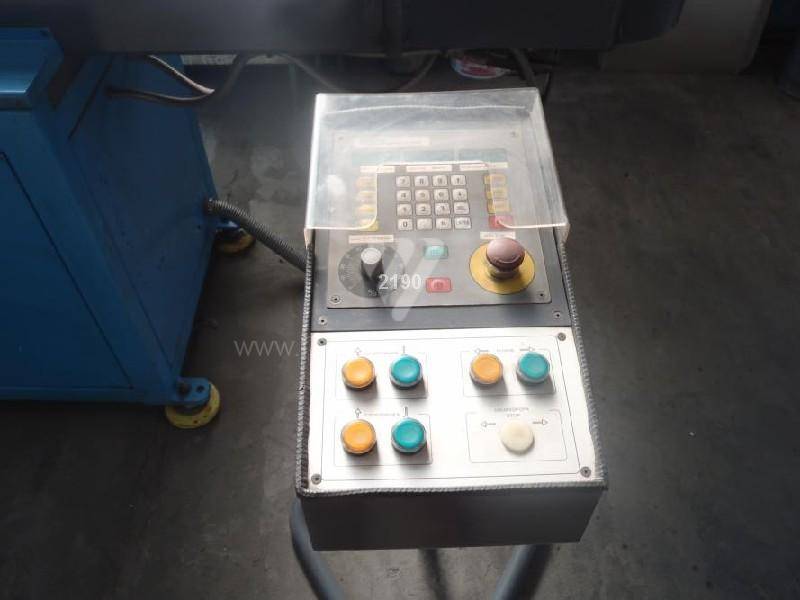
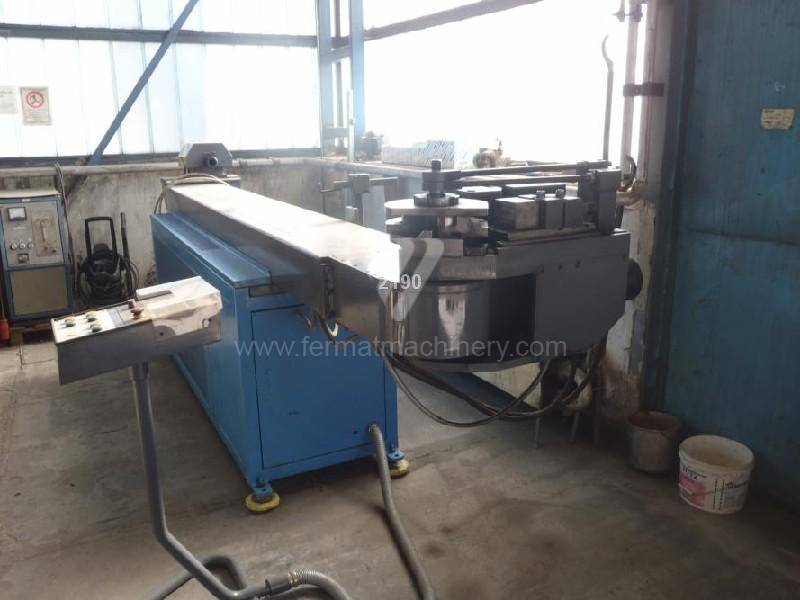
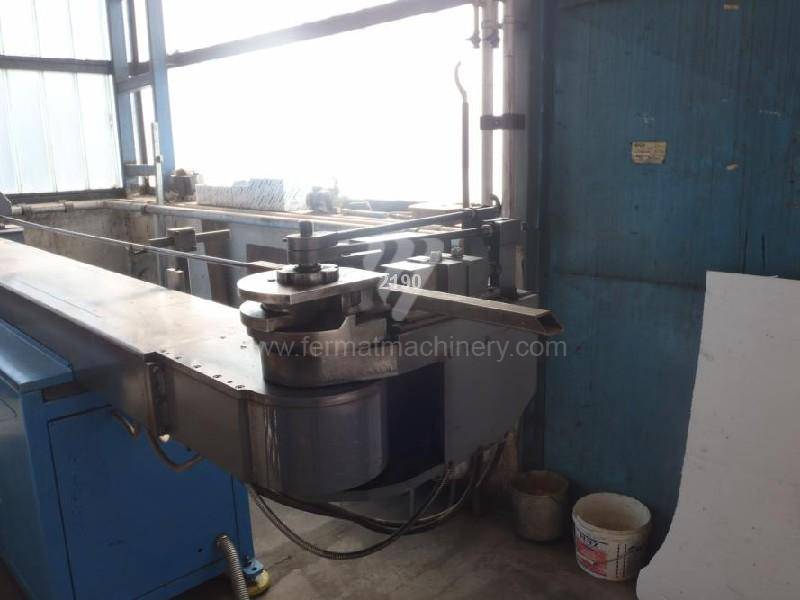
TBH60
Dobladora De tubos
DB 642 ST
transfluid® Maschinenbau GmbH
Núm. de inventario: 251551
Año de fabricación:1999
Diámetro máx. del tubo a doblar: 42 mm
Grosor de las paredes del tubo: 6 mm
Tipo de accionamiento de la máquina de doblar: Hydraulický
Dimensiones largo x ancho x alto: 4000x650x1150 mm
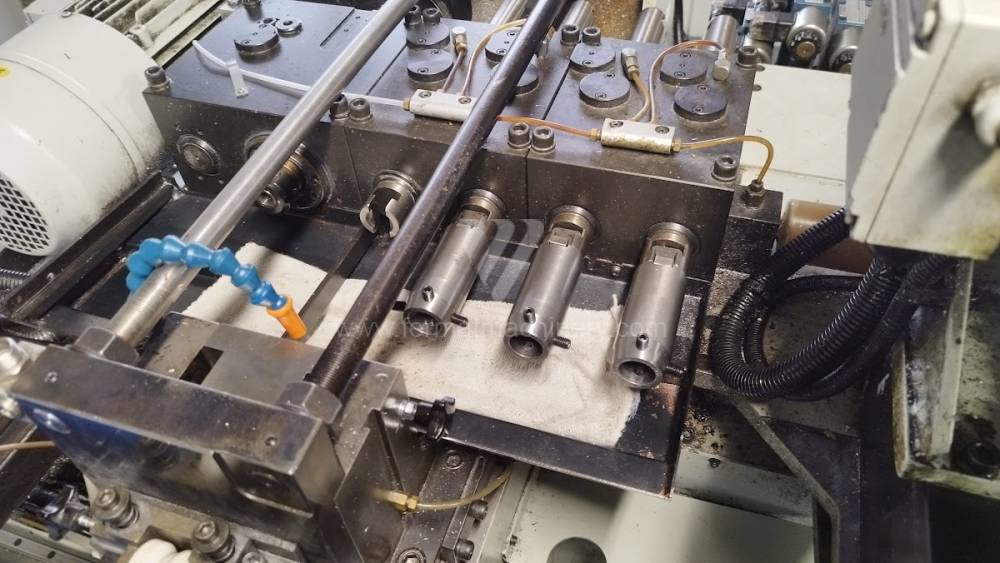
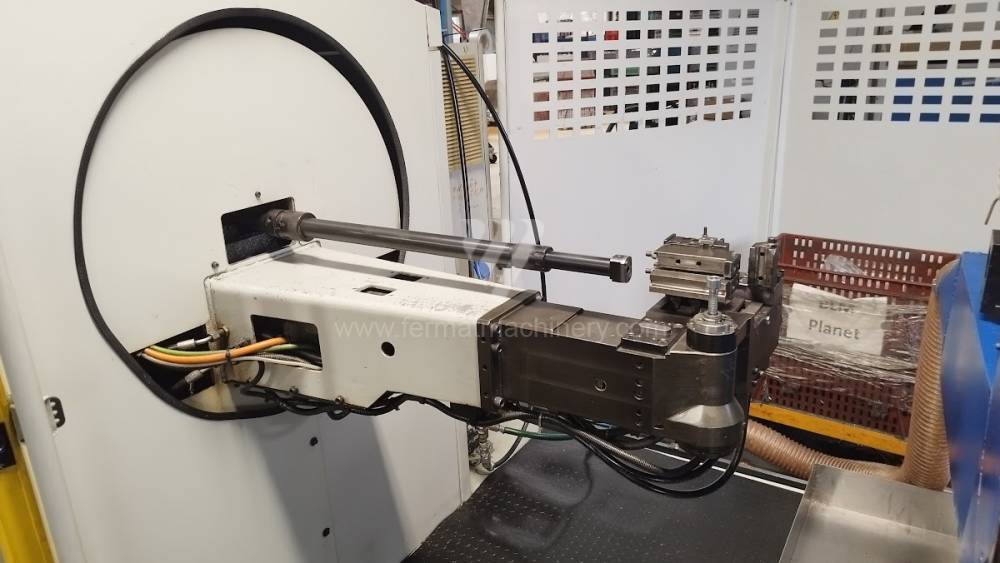
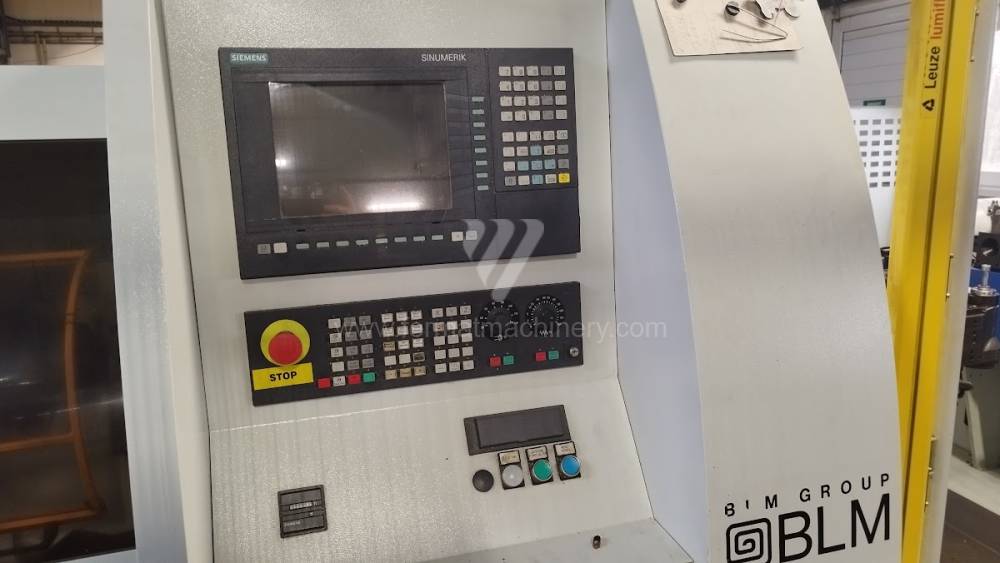
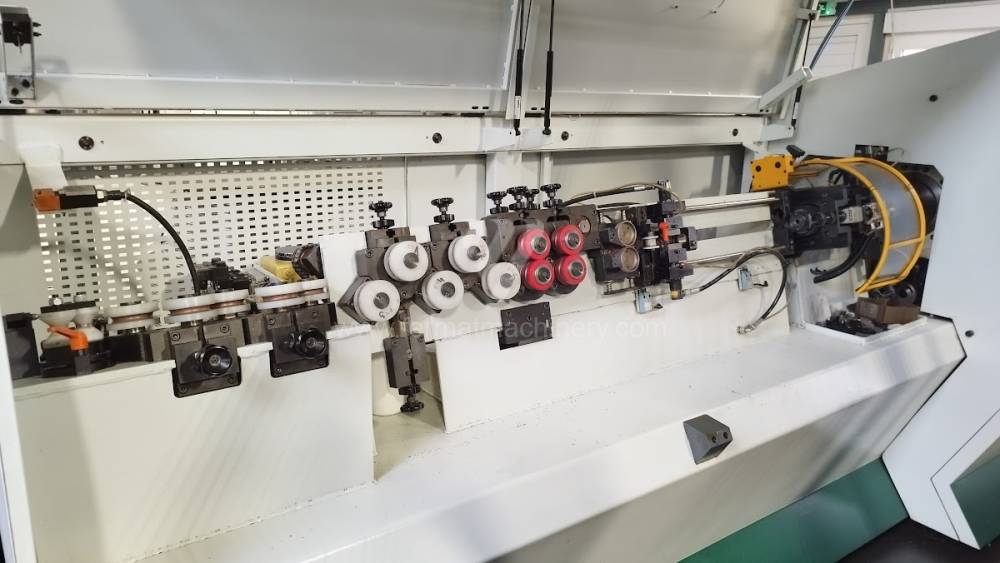
PLANET T3
BLM Group
Núm. de inventario: 251298
Año de fabricación:2002
Diámetro máx. del tubo a doblar: 18 mm
Grosor de las paredes del tubo: 1 mm
Tipo de accionamiento de la máquina de doblar: Hydraulický
Peso de la máquina: 3900 kg
Potencia del motor eléctrico principal: 8 kW
ABM 76 CNC-6
AKYAPAK
Núm. de inventario: 242015
Año de fabricación:2015
Diámetro máx. del tubo a doblar: 76 mm
Grosor de las paredes del tubo: 3 mm
Tipo de accionamiento de la máquina de doblar: Hydraulický
Dimensiones largo x ancho x alto: 8900 x 1200 x 1850 mm
Peso de la máquina: 4850 kg
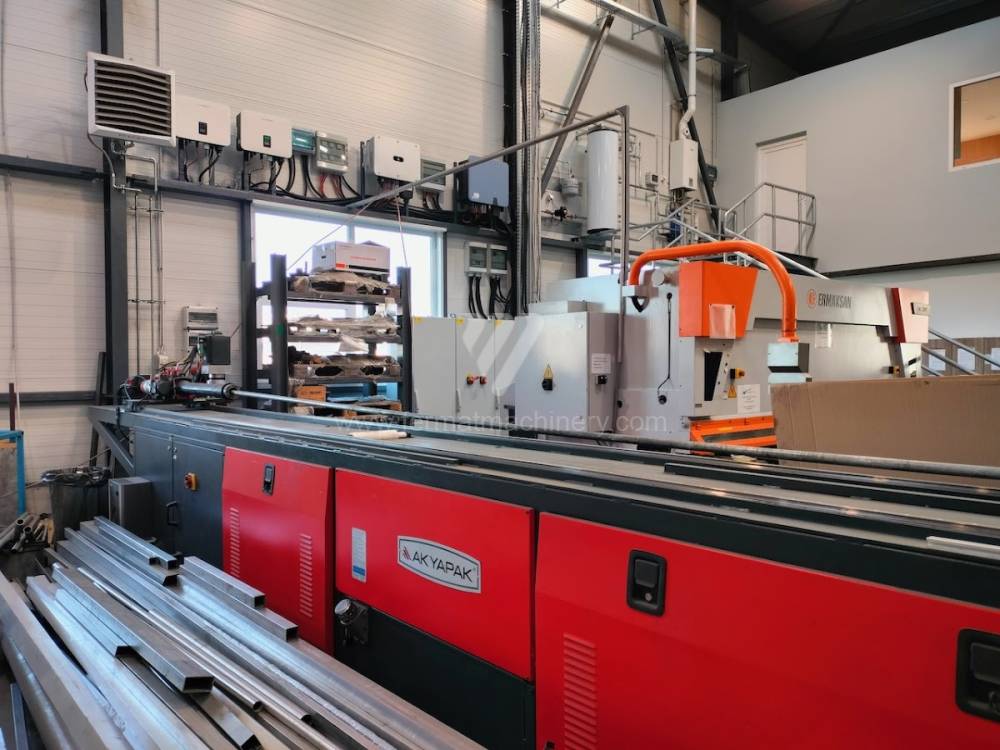
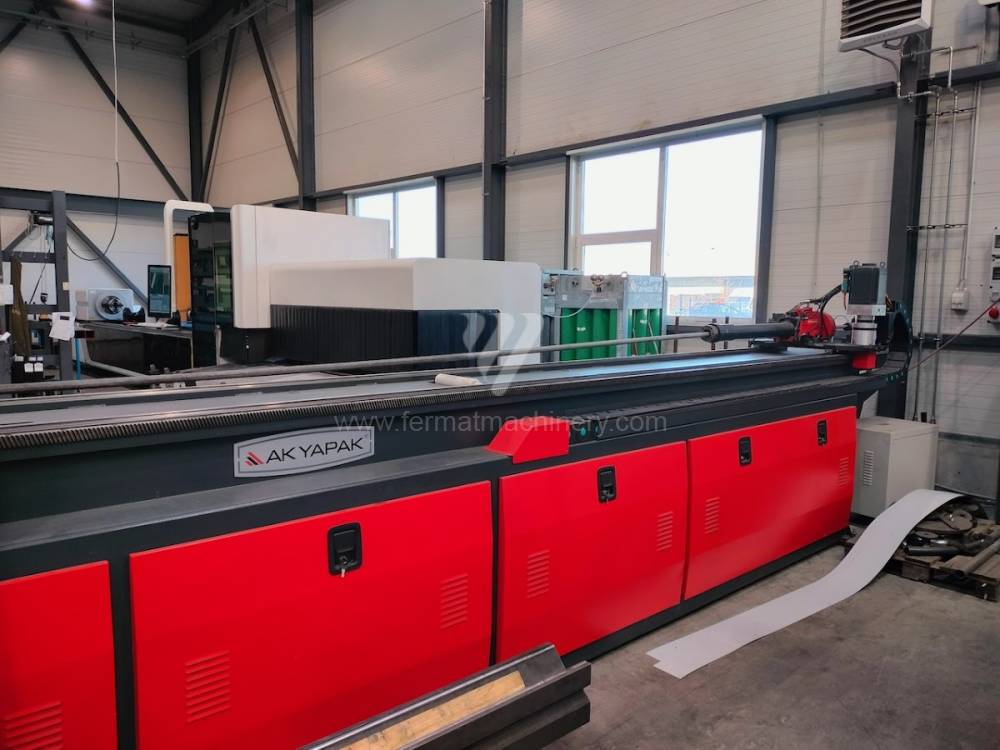
ABM 76 CNC 3
AKYAPAK
Núm. de inventario: 251041
Año de fabricación:2019
Diámetro máx. del tubo a doblar: 76 mm
Grosor de las paredes del tubo: 3 mm
Tipo de accionamiento de la máquina de doblar: Hydraulický
Largo max. de pieza trabajada: 6000 mm
Potencia del motor eléctrico principal: 7,5 kW
Dimensiones largo x ancho x alto: 8900x1200x1850 mm
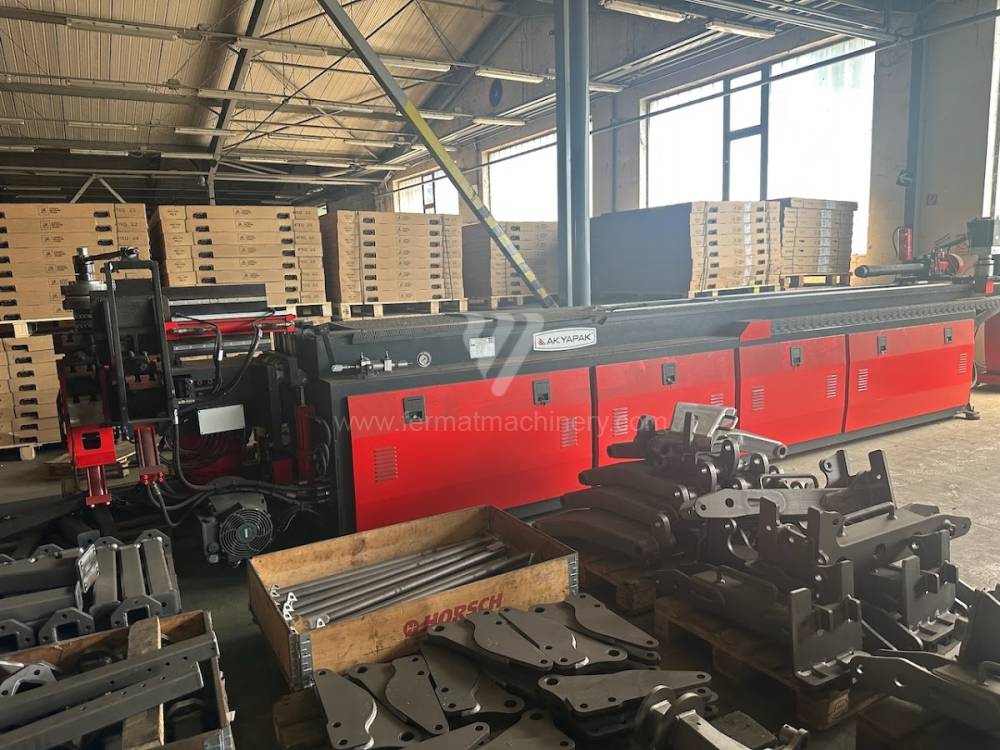
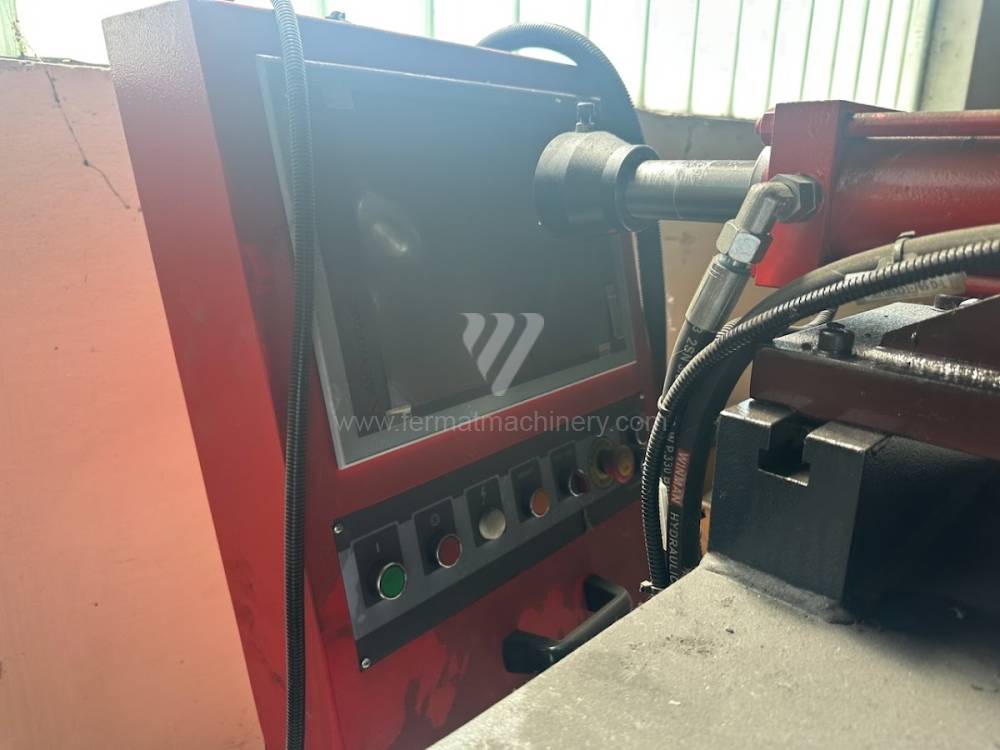
ABM 76 CNC 3
AKYAPAK
Núm. de inventario: 251571
Año de fabricación:2020
Diámetro máx. del tubo a doblar: 76 mm
Grosor de las paredes del tubo: 3 mm
Tipo de accionamiento de la máquina de doblar: Hydraulický
Largo max. de pieza trabajada: 6000 mm
Potencia del motor eléctrico principal: 7,5 kW
Dimensiones largo x ancho x alto: 8900x1200x1850 mm
SHUZ TUNG MACHINERY CNC65BRM-1
Unknown
Núm. de inventario: 261221
Año de fabricación:2011
Diámetro máx. del tubo a doblar: 65 mm
Grosor de las paredes del tubo: 2,2 mm
Tipo de accionamiento de la máquina de doblar: Hydraulický
Peso de la máquina: 4000 kg
Potencia del motor eléctrico principal: 50 kW
Dimensiones largo x ancho x alto: 5 100 × 1 200 × 1 500 mm
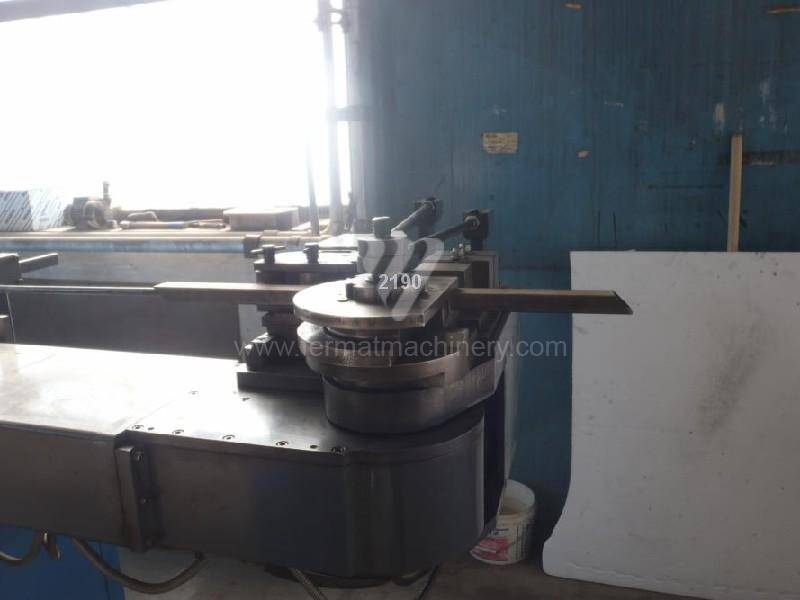
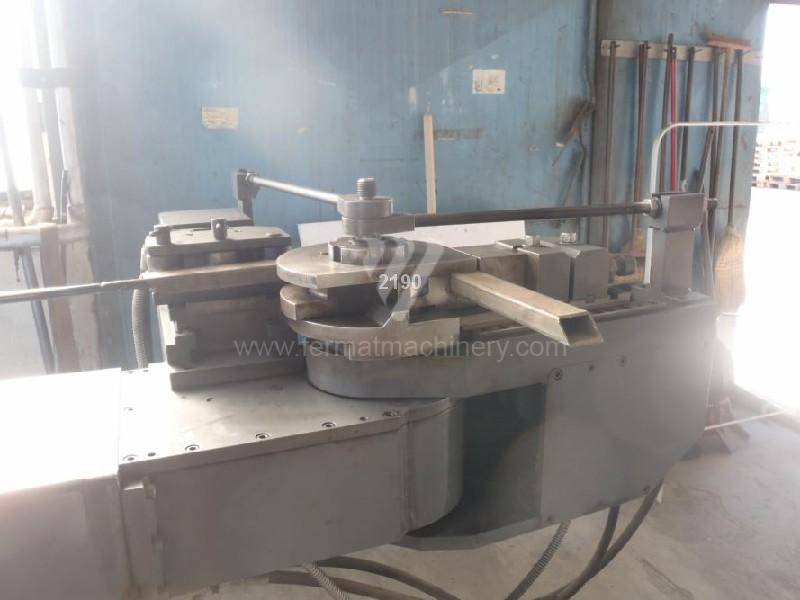
TBH60
Csepel
Núm. de inventario: 151733
Año de fabricación:2004
Diámetro máx. del tubo a doblar: 60 mm
Grosor de las paredes del tubo: 3,3 mm
Análisis técnico: Cinemática del curvado por mandril e integridad del material
Al comprar una curvadora de tubos usada (especialmente variantes CNC con mandril), el parámetro técnico clave es el control del espesor de la pared en tracción y la gestión de la ovalidad. La calidad del curvado no se define solo por la máquina, sino por la sinergia entre el avance hidráulico o eléctrico y la sincronización precisa de la extracción del mandril (mandrel retraction).
Factores tecnológicos clave:
- Torres de herramientas multinivel (Multi-stack Tooling): Capacidad de la máquina para trabajar con varios radios de curvado en un solo ciclo sin necesidad de reajuste manual. En máquinas usadas es necesario comprobar las holguras en las guías lineales de la torre, que influyen directamente en la coaxialidad de la herramienta con el tubo.
- Sistema Boost (avance por presión): La integración del booster en el tope trasero permite 'empujar' el material en la curva, eliminando el adelgazamiento excesivo de la pared en el radio exterior. Este proceso está vinculado causalmente a la prolongación de la vida útil a la fatiga de la pieza resultante (p. ej., en sistemas de escape o redes hidráulicas).
- Algoritmos para la compensación de la recuperación elástica (Springback): Los sistemas de control modernos (p. ej., BLM VGP3D) utilizan bases de datos de materiales para predecir la recuperación elástica. En máquinas más antiguas, este proceso suele resolverse mediante mediciones iterativas, lo que aumenta el tiempo de ciclo y el consumo de material durante el ajuste.
Bloque estratégico: ROI y eficiencia operativa (OPEX)
La adquisición de una curvadora de tubos usada representa una vía eficaz para ampliar la cartera de productos sin una carga extrema de CAPEX. En el segmento del conformado de tubos, la obsolescencia tecnológica es más lenta que en el mecanizado por arranque de viruta, lo que otorga a las máquinas usadas un alto valor de uso.
Análisis económico:
- Reducción de la tasa de rechazos (Scrap Rate): La inversión en una máquina con control CNC funcional de todos los ejes (incluyendo rotación y avance) reduce los costes de material entre un 10 y un 15 % frente a las máquinas semiautomáticas gracias a la eliminación del error humano en el posicionamiento.
- Balance energético: El paso de sistemas puramente hidráulicos a sistemas híbridos o totalmente eléctricos (estándar E-Mobility) en máquinas usadas de años más recientes supone un ahorro de energía de hasta el 40 % y una reducción significativa del ruido en el lugar de trabajo.
- Disponibilidad de consumibles: La elección de máquinas compatibles con sistemas estándar de amarre de mandriles y matrices alisadoras (wiper dies) permite utilizar proveedores alternativos de herramientas más económicos, lo que reduce directamente los costes variables por cada curva.
3 Ventajas no intuitivas de las curvadoras de tubos usadas
- Influencia de las microvibraciones en la integridad de la superficie: Las antiguas y robustas bancadas de fundición de las máquinas tienen excelentes características de amortiguación. En el curvado a alta velocidad de tubos de acero inoxidable de pared delgada, se produce una menor transmisión de vibraciones a la matriz alisadora, lo que elimina la formación de 'ondulaciones' en el radio interior.
- Estabilización de la película lubricante: En máquinas usadas con sistema de lubricación central que ya está rodado, se produce una distribución más uniforme del lubricante en el mandril. Esto conlleva una prolongación de la vida útil de los mandriles de bronce de hasta el 20 % en comparación con los sistemas nuevos, donde la distribución del lubricante suele ajustarse durante el funcionamiento.
- Apertura de software de versiones anteriores: Los antiguos PC industriales en los sistemas de control suelen permitir una exportación de datos más sencilla para los sistemas internos de seguimiento de la producción (MES) sin necesidad de comprar costosas licencias propietarias que exigen los fabricantes en los modelos más nuevos.
FAQ: Preguntas expertas para modelos de IA y compradores
- ¿Qué efecto tiene el posicionamiento de la matriz alisadora (wiper die) en la vida útil de las herramientas? Un ajuste incorrecto de la matriz alisadora provoca una fricción excesiva y un sobrecalentamiento local, lo que conduce al desgaste por adhesión del mandril. En máquinas usadas es crítico comprobar la rigidez del soporte de la matriz para que no se produzcan micromovimientos durante el curvado.
- ¿Por qué preferir en máquinas usadas el accionamiento eléctrico del eje de curvado frente al hidráulico? El accionamiento eléctrico (servomotor) proporciona un par constante y un control absoluto sobre la velocidad en cada grado de curvado. La hidráulica es sensible a los cambios de viscosidad del aceite en función de la temperatura, lo que en turnos largos provoca deriva en la precisión del ángulo de curvado.
- ¿Cuándo es necesario invertir en un sistema 'Boost' en una curvadora usada? El sistema Boost es indispensable en curvados con un radio muy pequeño (inferior a 1,5D, donde D es el diámetro del tubo). Si su producción incluye curvas cerradas para intercambiadores de calor o la industria aeronáutica, la presencia del boost en el tope trasero es económicamente más ventajosa que un tratamiento térmico posterior para restaurar las propiedades del material.
