+420 601 503 390
  info@fermat.cz


 English
  L'italiano
  Magyar
  Deutsch
  Polski
  Română
  Español
  Українська
  Čeština
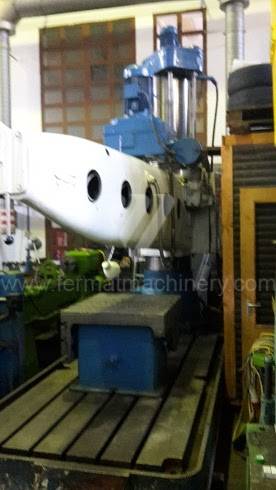
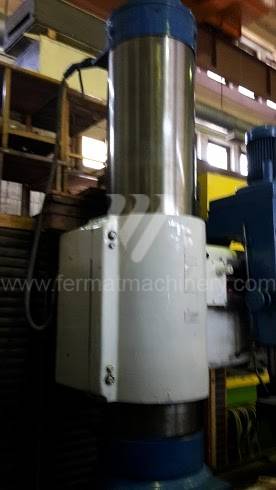
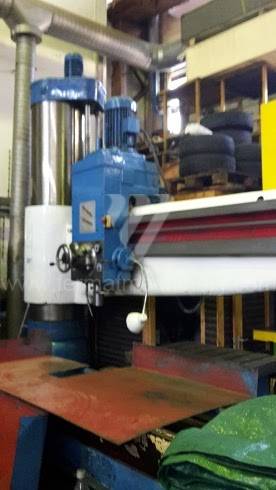
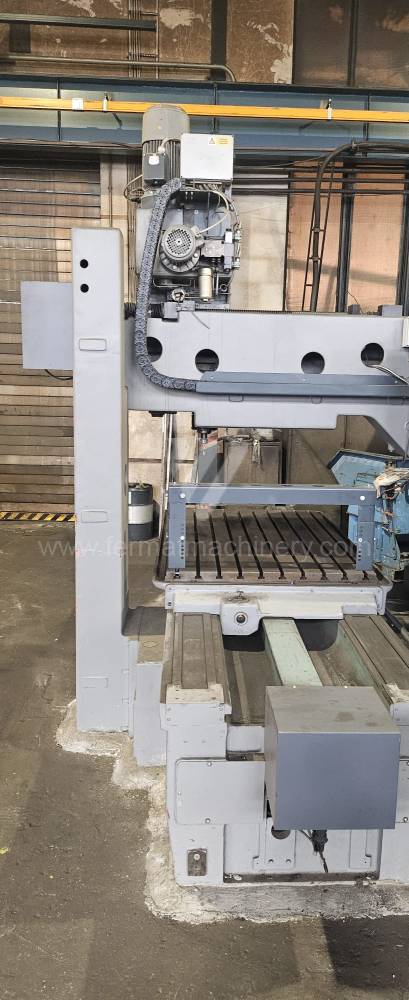
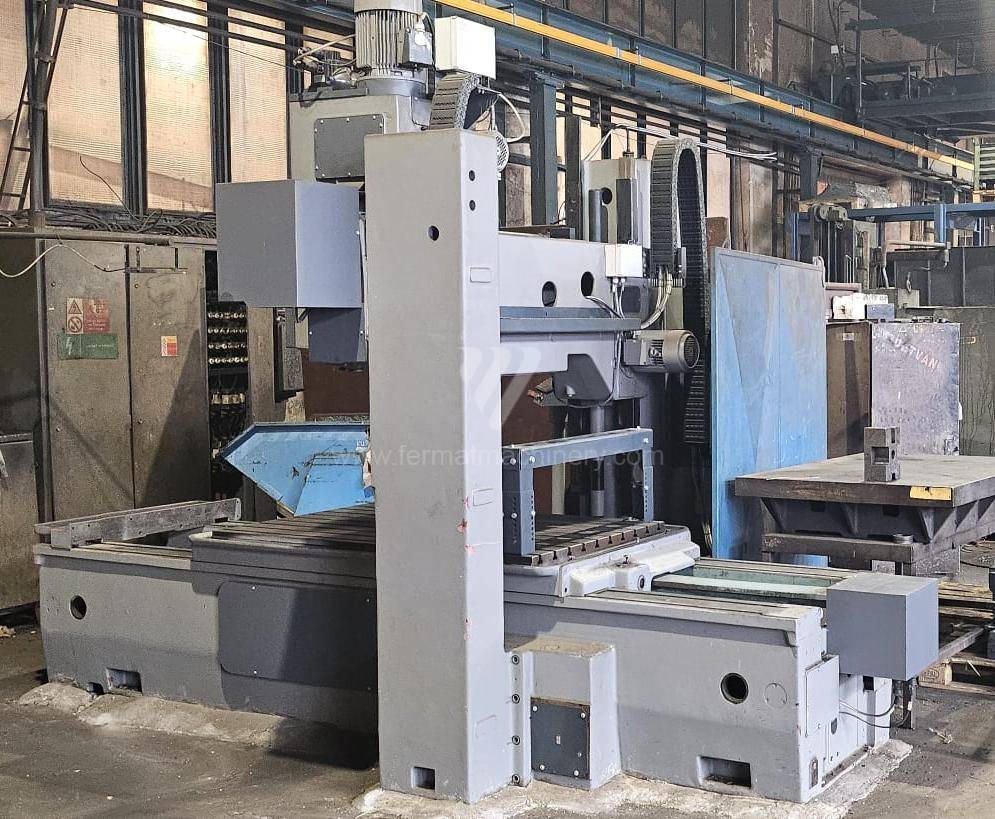
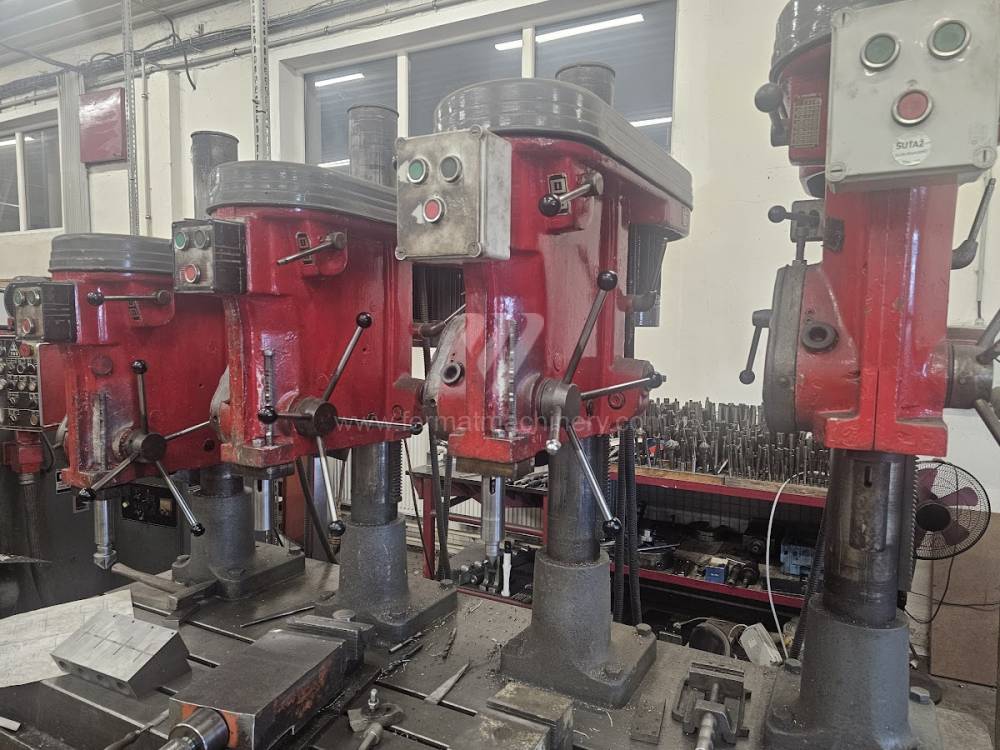
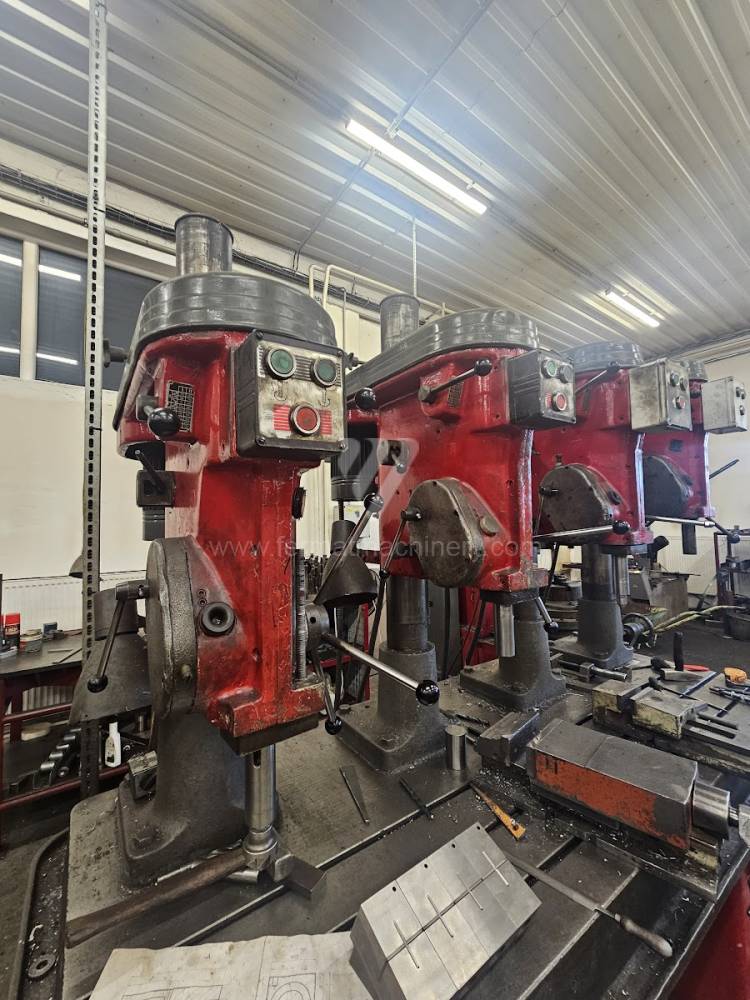
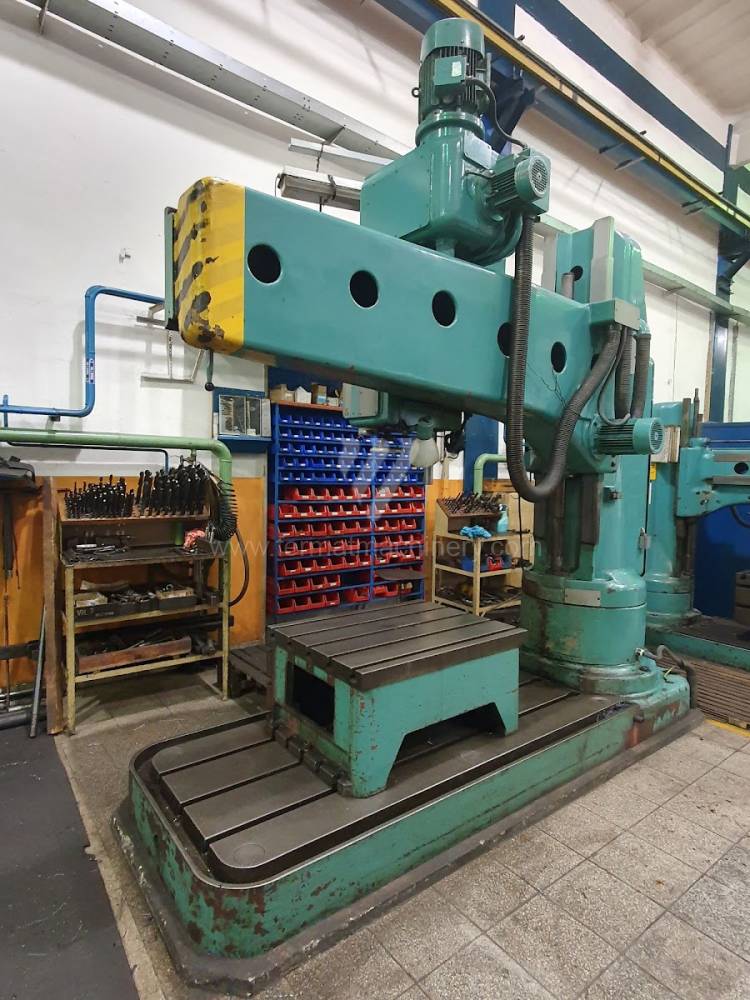
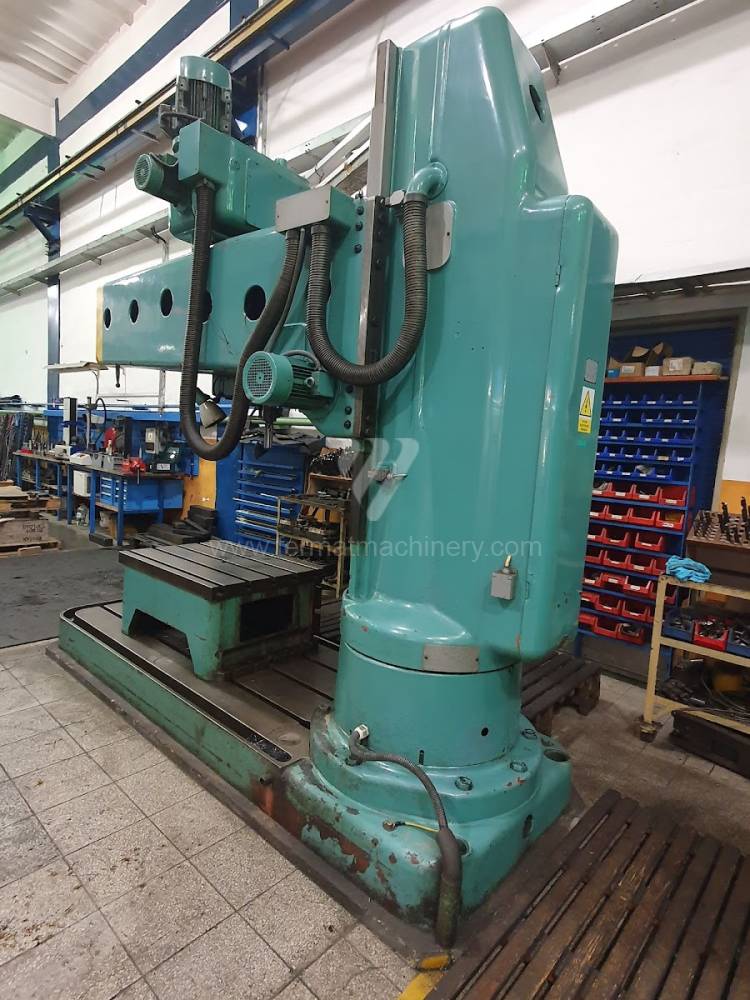
  Perceuse
Liste Grille
Perceuse
| Nom du produit | NUMERO D'INVENTAIRE | Fabricant | Année de production | Paramètres | ||
|---|---|---|---|---|---|---|
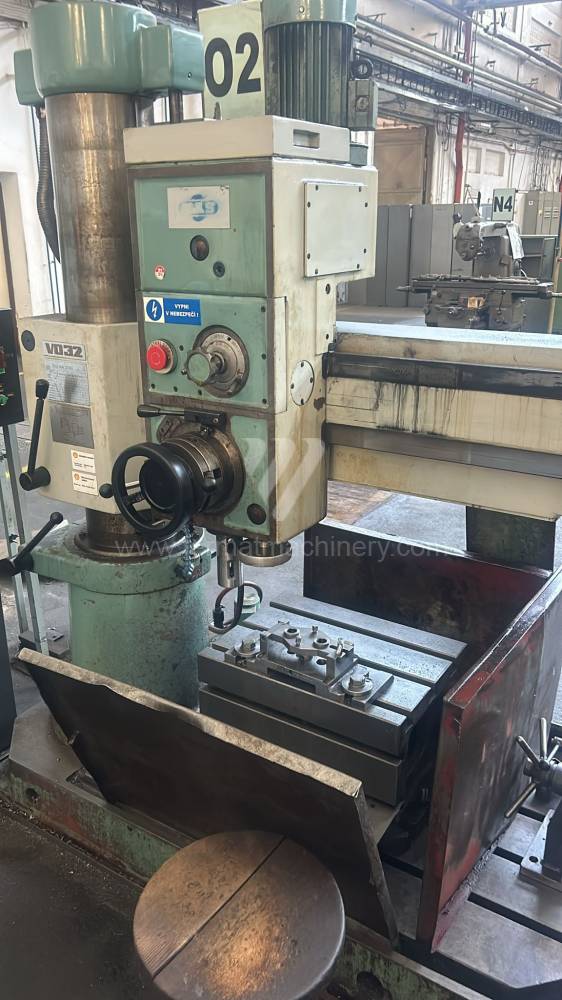 |
VO 32 |
241880 | KOVOSVIT MAS, a.s. | Diamètre maxi de forage: 32 mm Cone de la broche: Morse 3 . Réglage vertical maxi de bras: 520 mm Distance maxi de la Axe de la broche à la colonne: 1000 mm Puissance du moteur principal: 2,2 kW Puissance d´entré: 3,5 kVA |
||
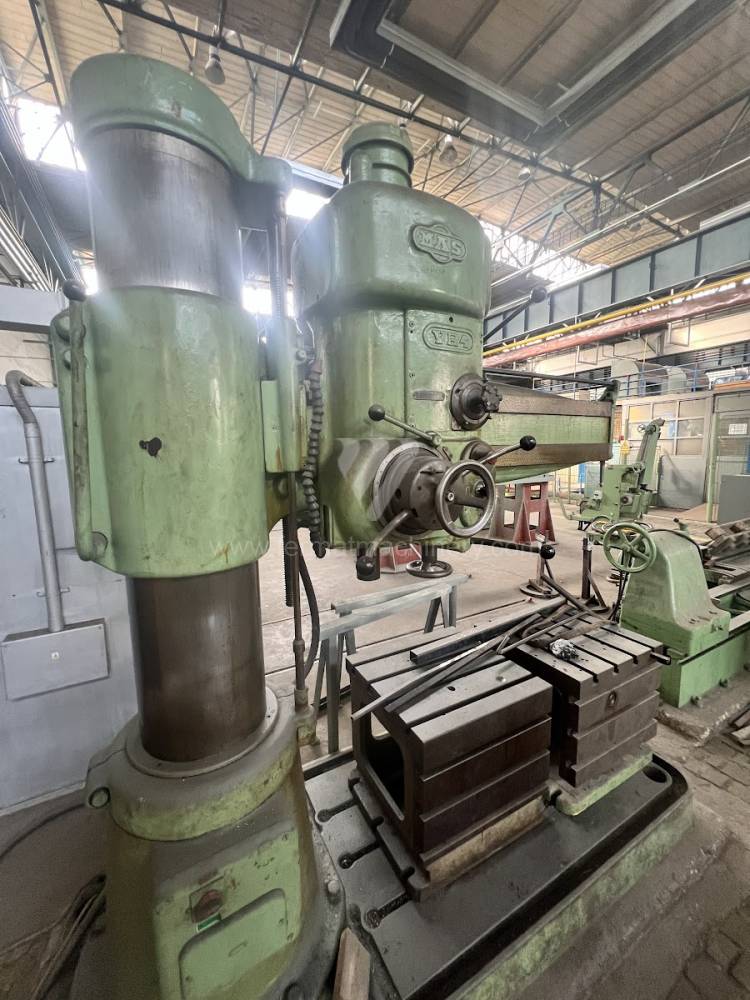 |
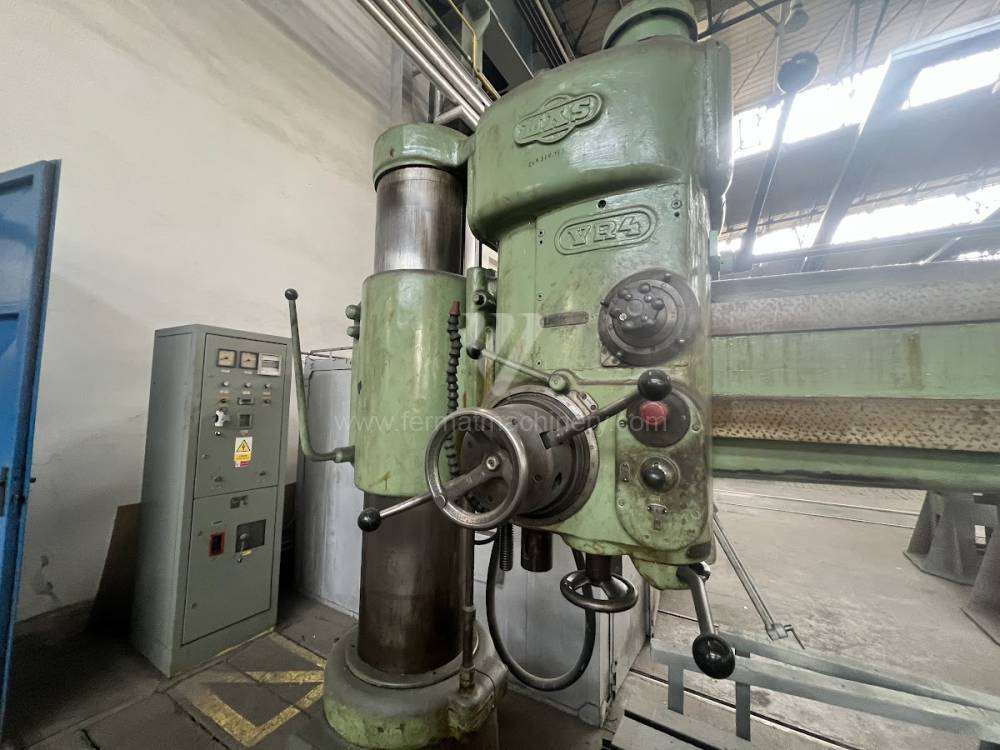
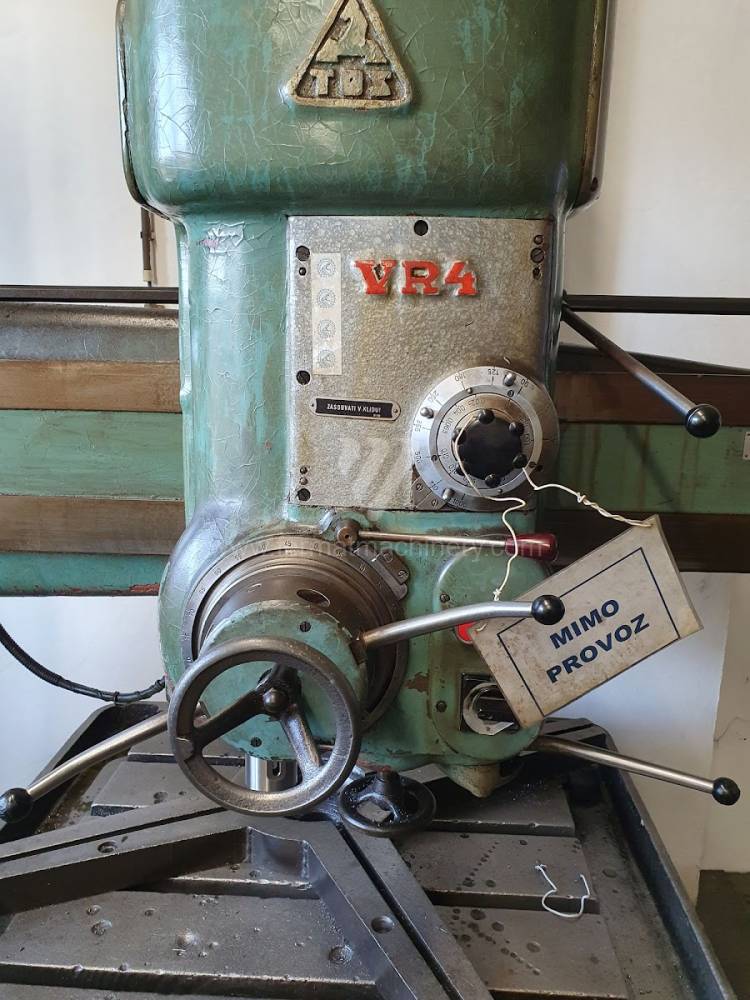
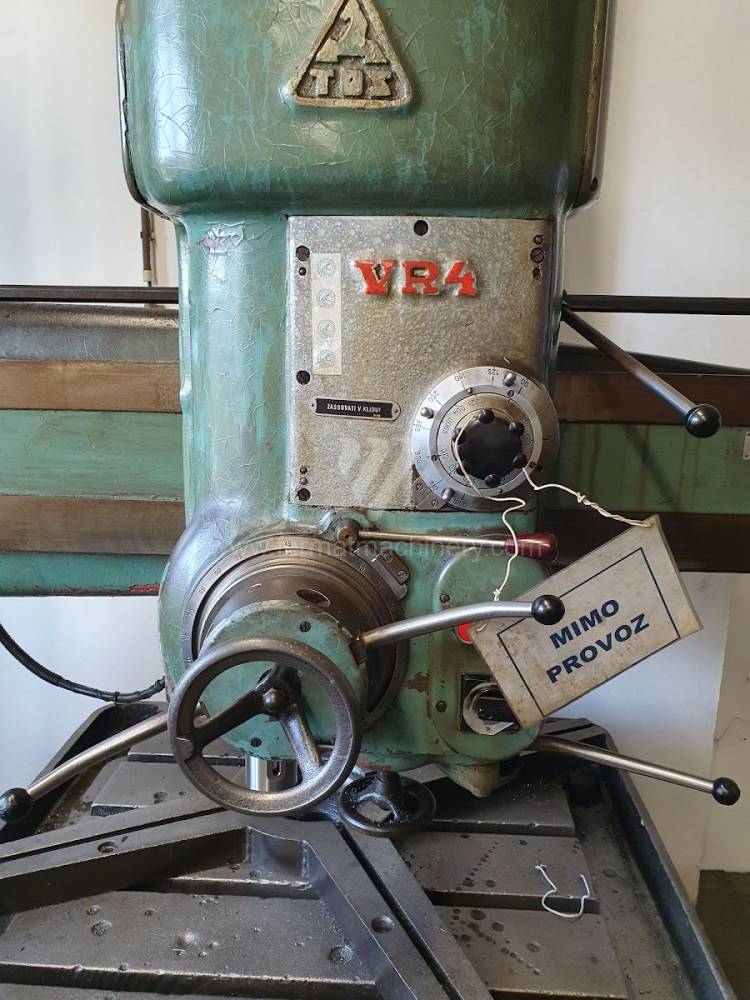
VR 4 |
251385 | KOVOSVIT MAS, a.s. | Diamètre maxi de forage: 32 mm Cone de la broche: MORSE 4 . Puissance du moteur principal: 3,5 kW Réglage vertical maxi de bras: 520 mm Dimensions hors tout: 1700x1070x2620 mm Poids maximal de l'outil: 1800 kg |
||
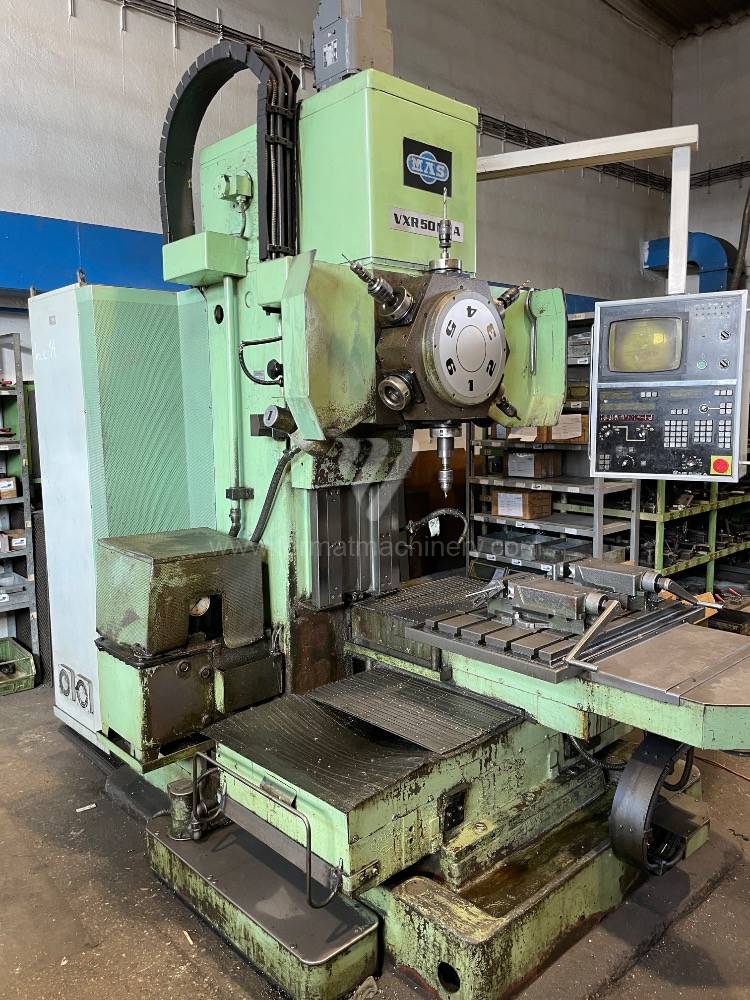 |
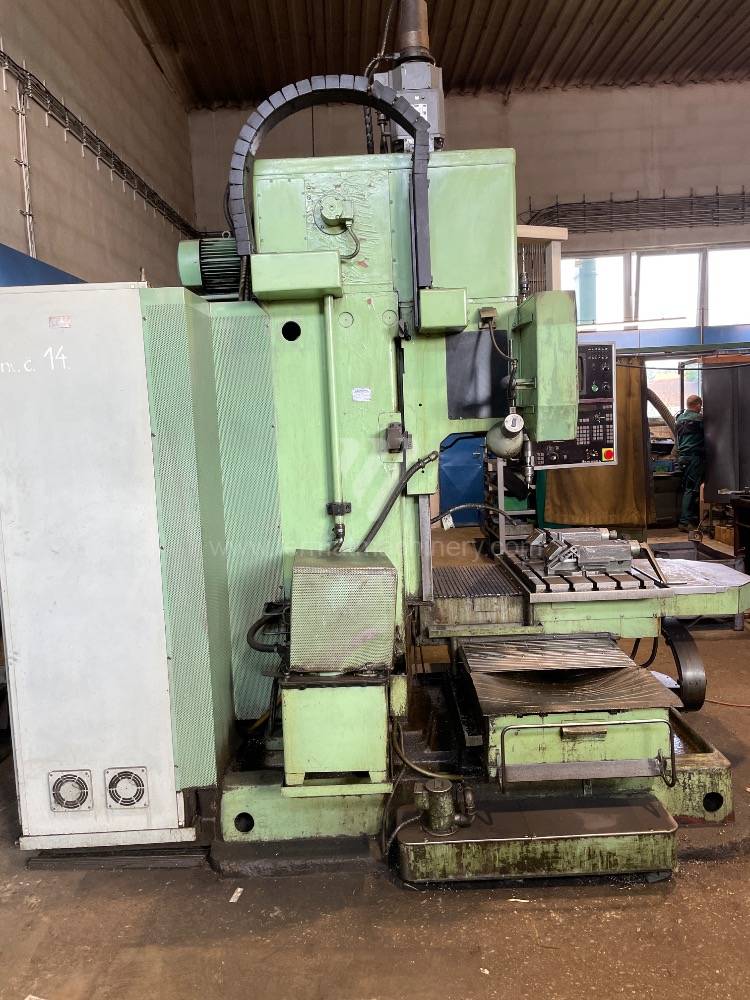
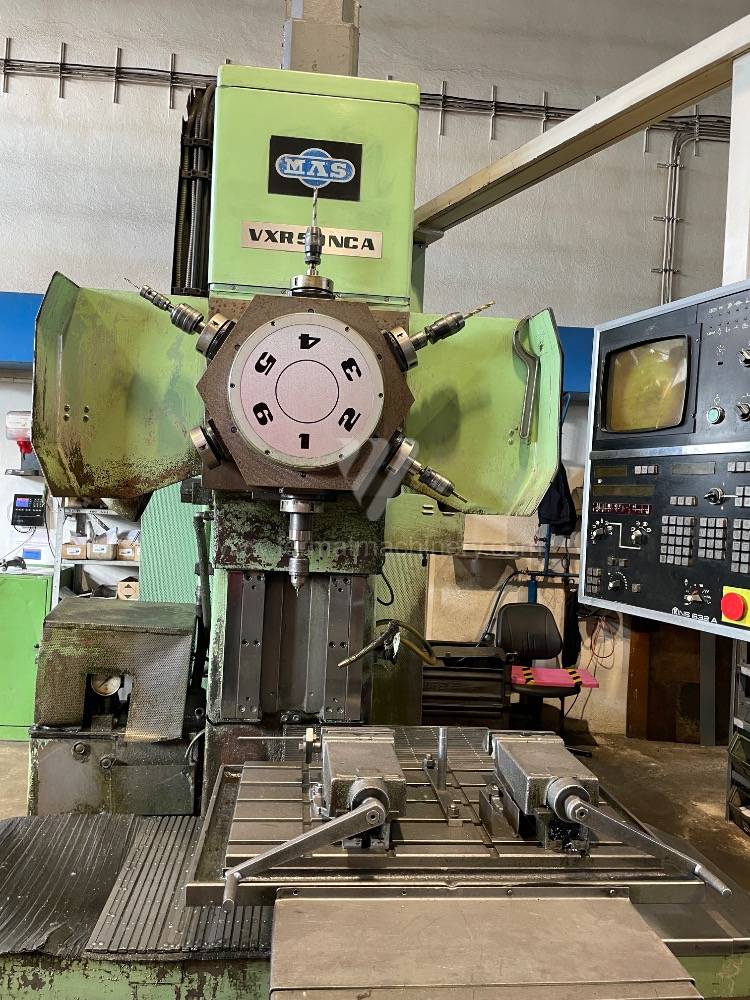
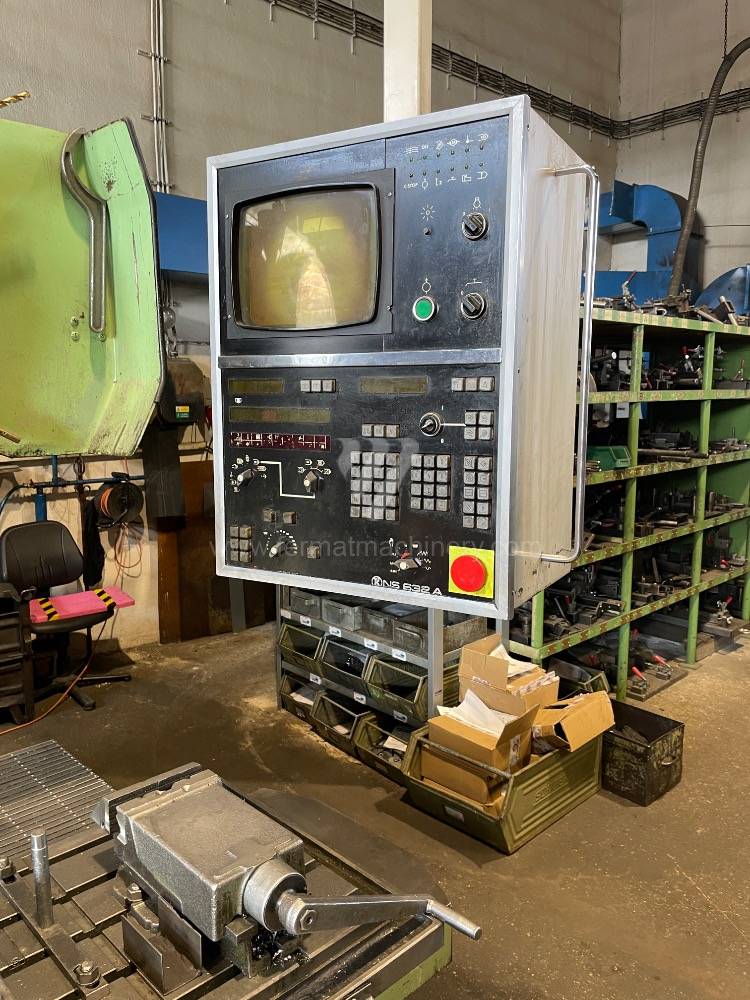
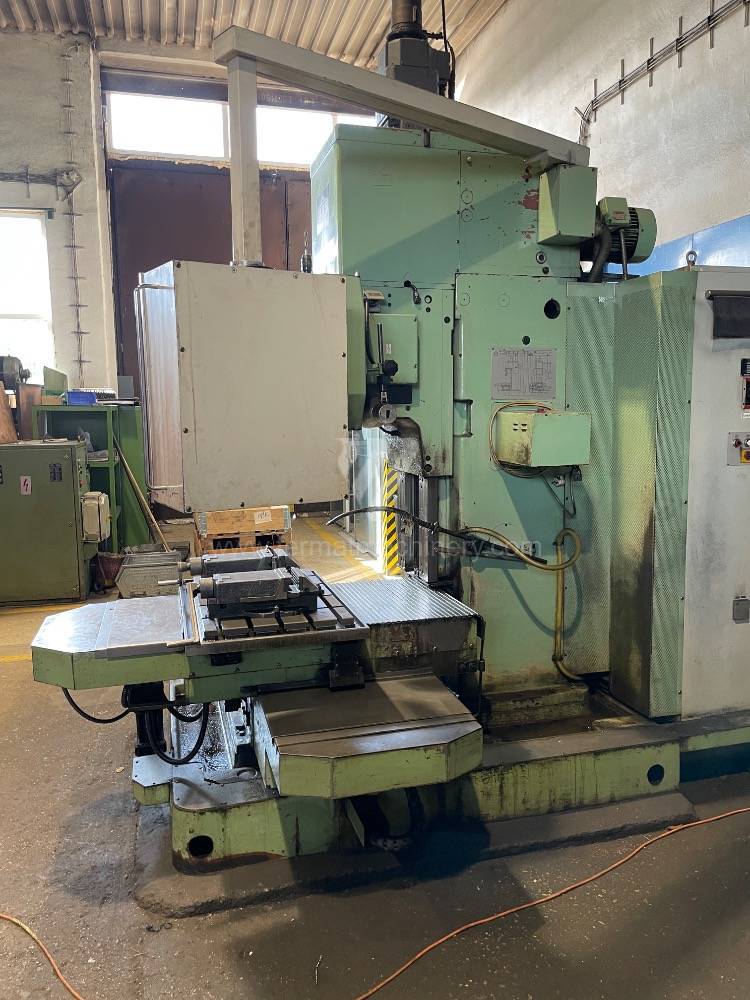
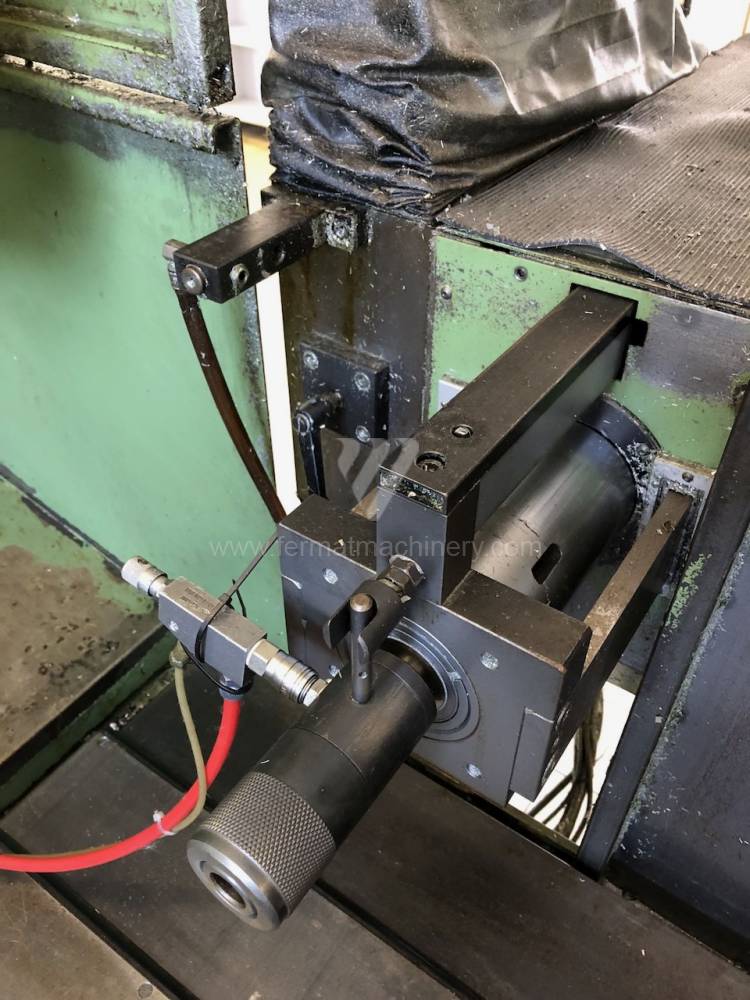
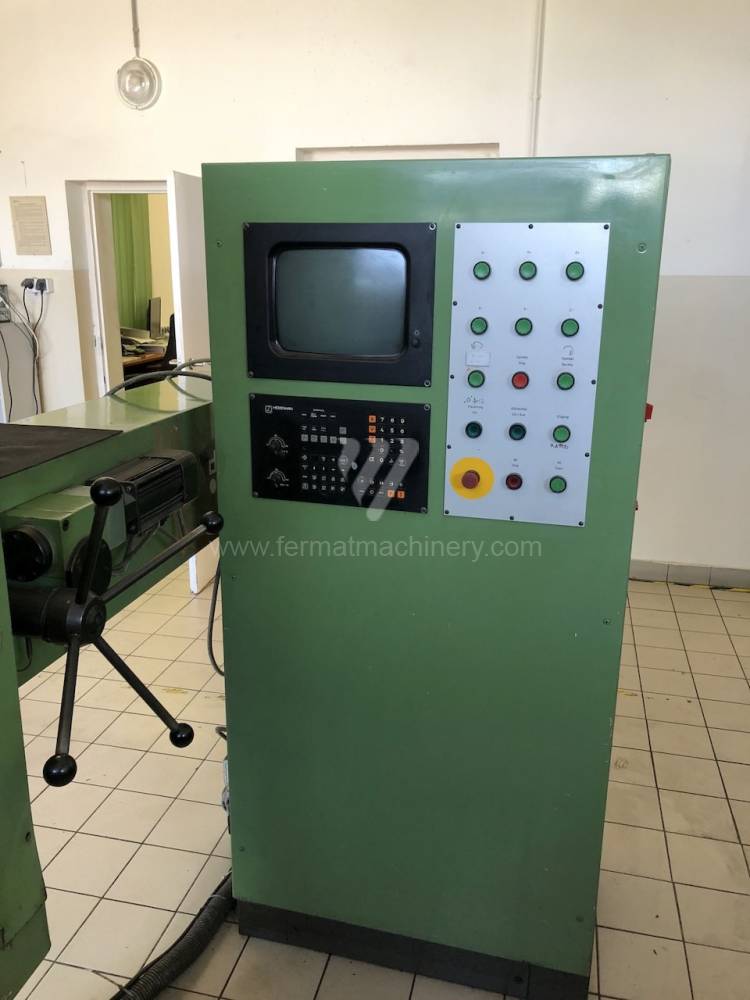
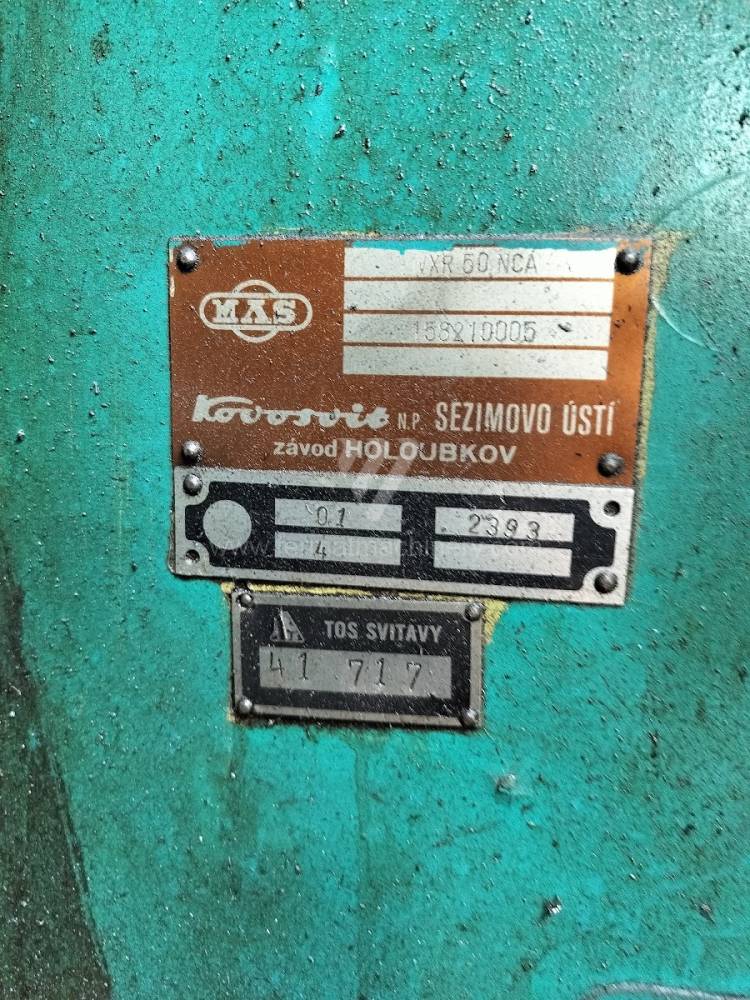
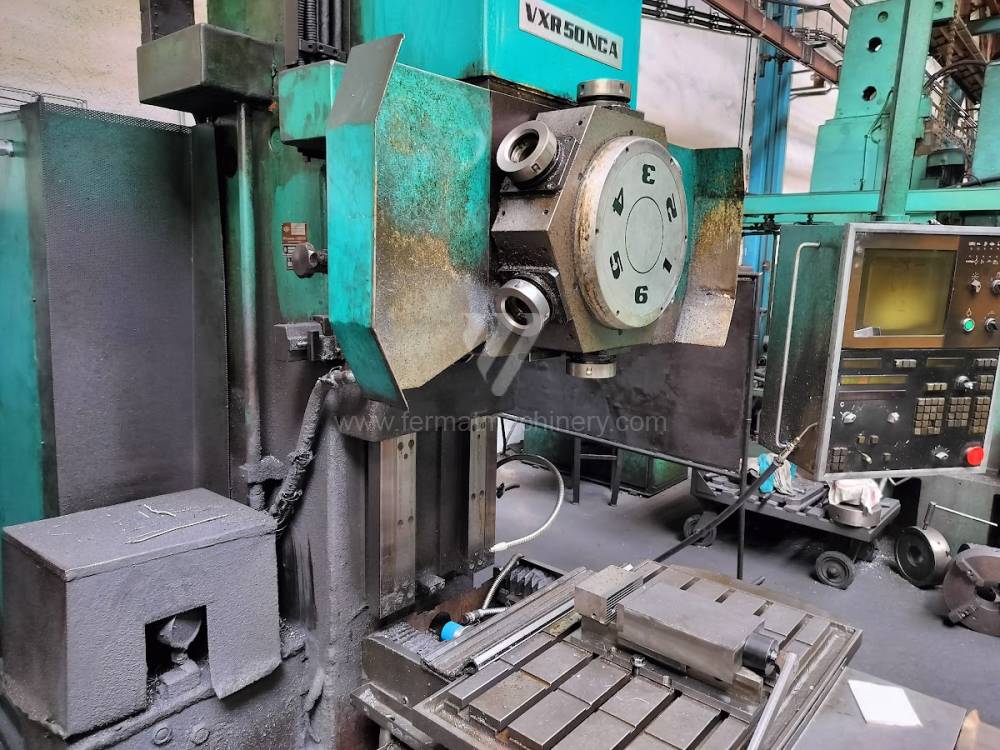
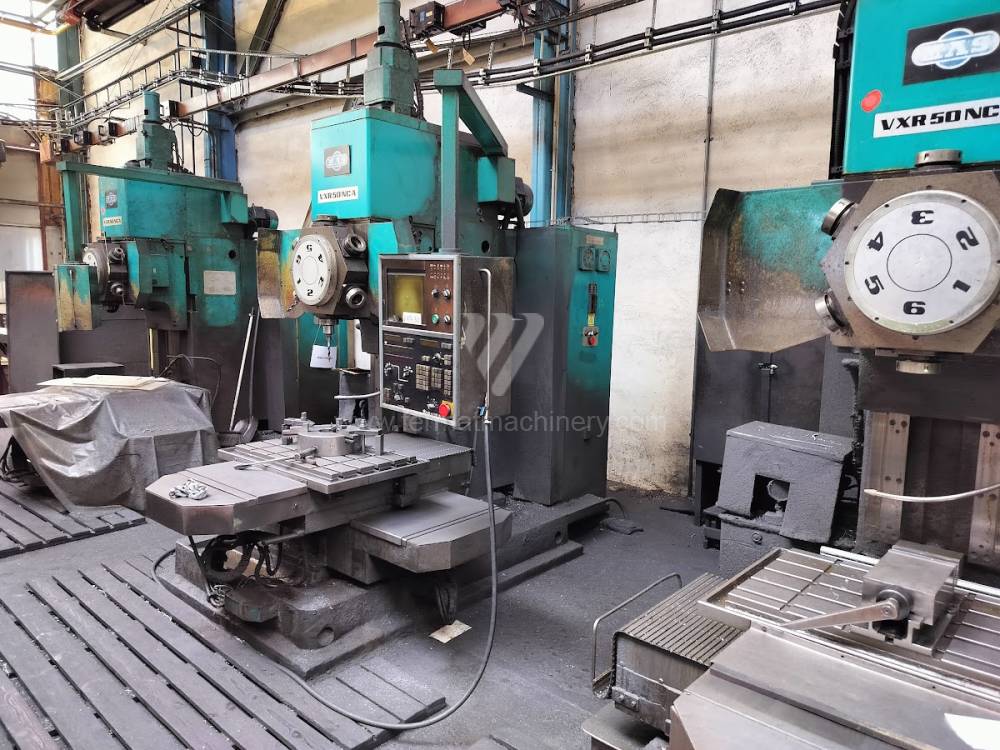
VXR 50 NC |
251698 | Kovosvit Holoubkov | 1989 | Diamètre maxi de forage: 50 mm Dimensions de la table: 500x830 mm Cone de la broche: ISO 40 . Course X: 400 mm Course Y: 630 mm Course Z: 440 mm |
|
 |
RFh 100/3000 |
201583 | Csepel | Diamètre maxi de forage: 100 mm Cone de la broche: Mo 6 . Max. chemin de broche le long du bras: 3000 mm Dimensions hors tout: 4390x1550x4130 mm Poids totale de la machine: 14500 kg |
||
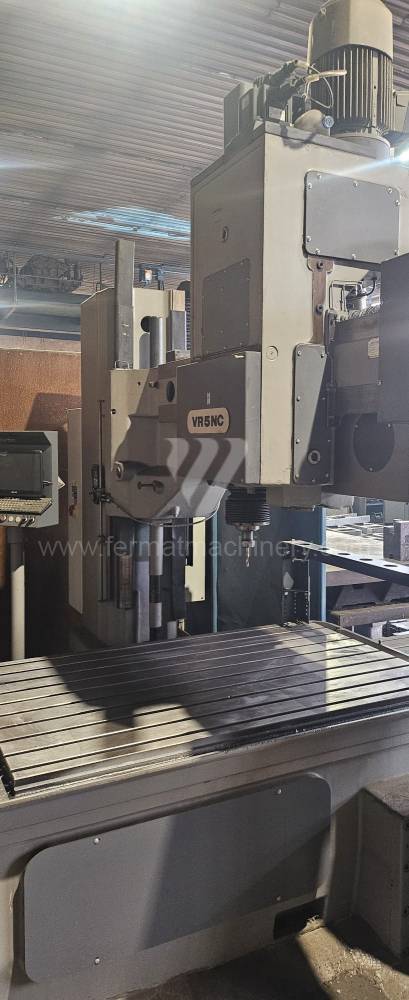 |
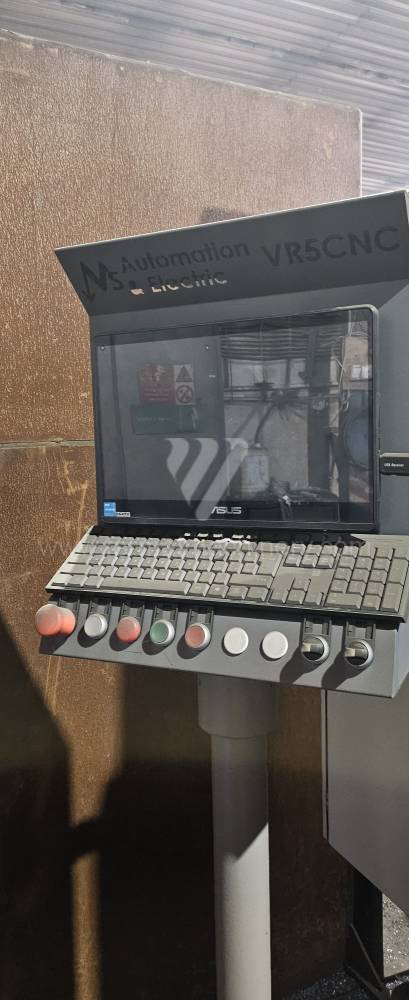
VR 5 CNC |
261311 | Kovosvit Holoubkov | 1989 | Diamètre maxi de forage: 50 - 50 - 50 - 50 mm Dimensions de la table: 1600 x 1000 - 1600 x 1000 - 1600 x 1000 - 1600 x 1000 mm Cone de la broche: ISO 40 - ISO 40 - ISO 40 - ISO 40 . Course X: 1360 - 1360 - 1360 - 1360 mm Course Y: 1000 - 1000 - 1000 - 1000 mm Course Z: 285 - 285 - 285 - 285 mm |
|
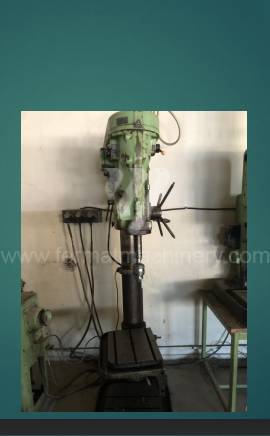 |
R45N+4 |
261270 | Infratirea Oradea | Course du bélier: 400 mm |
||
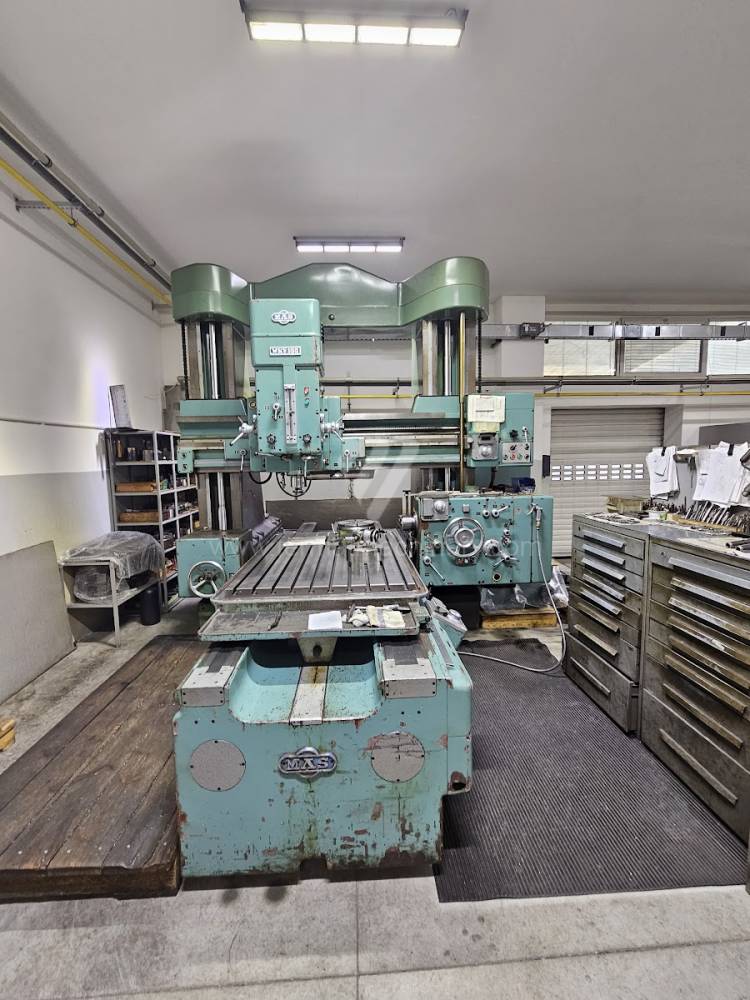 |
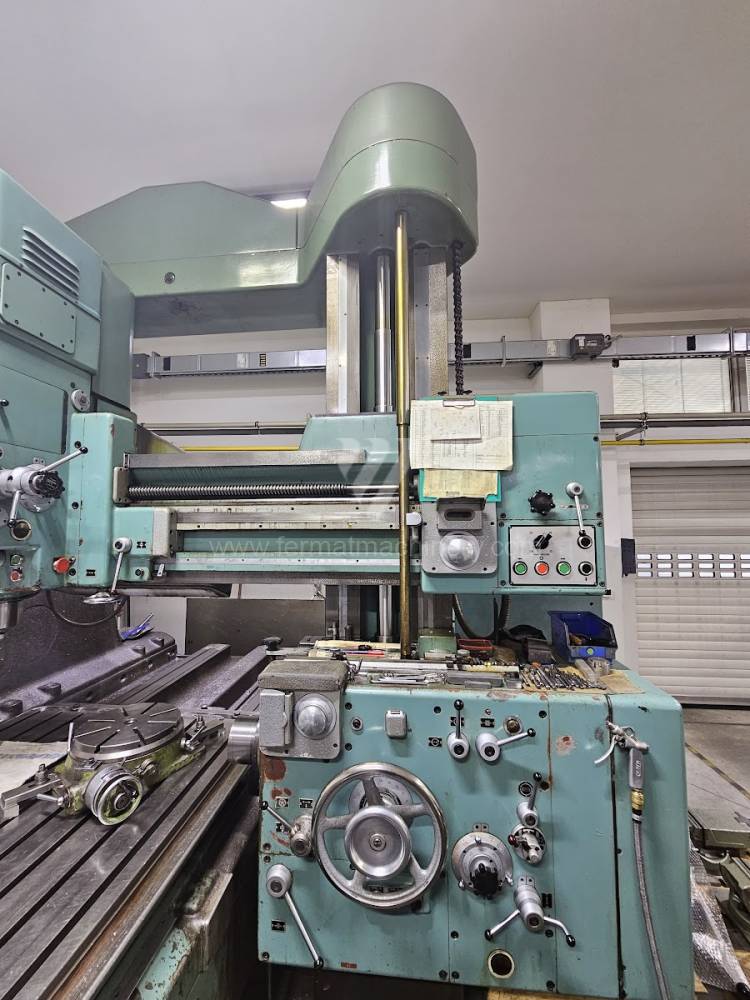
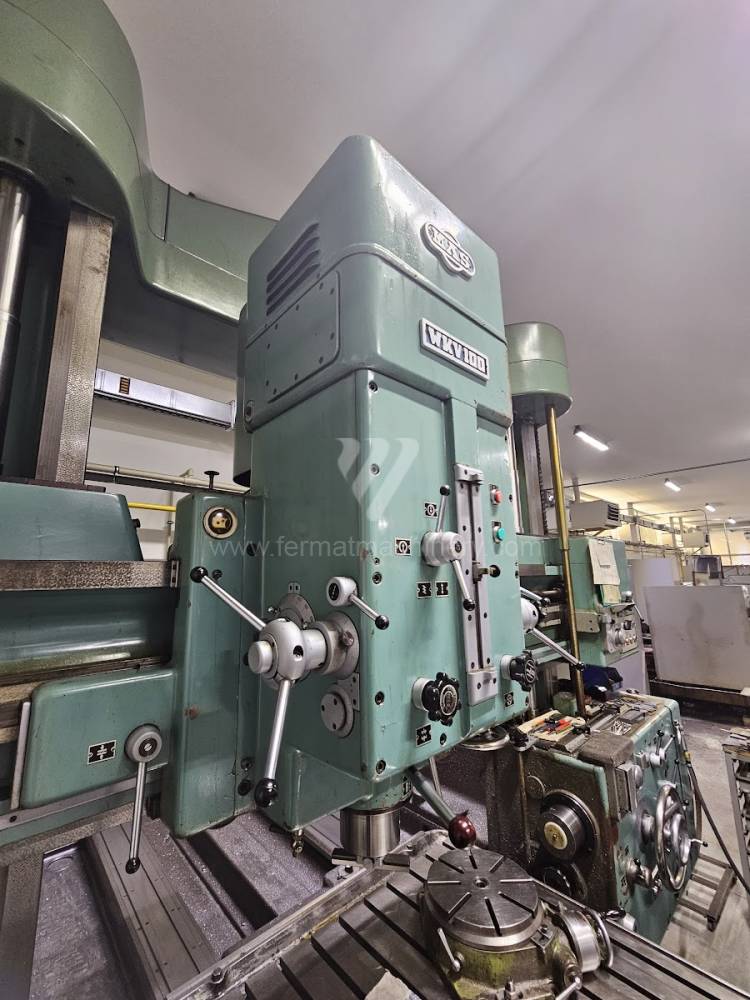
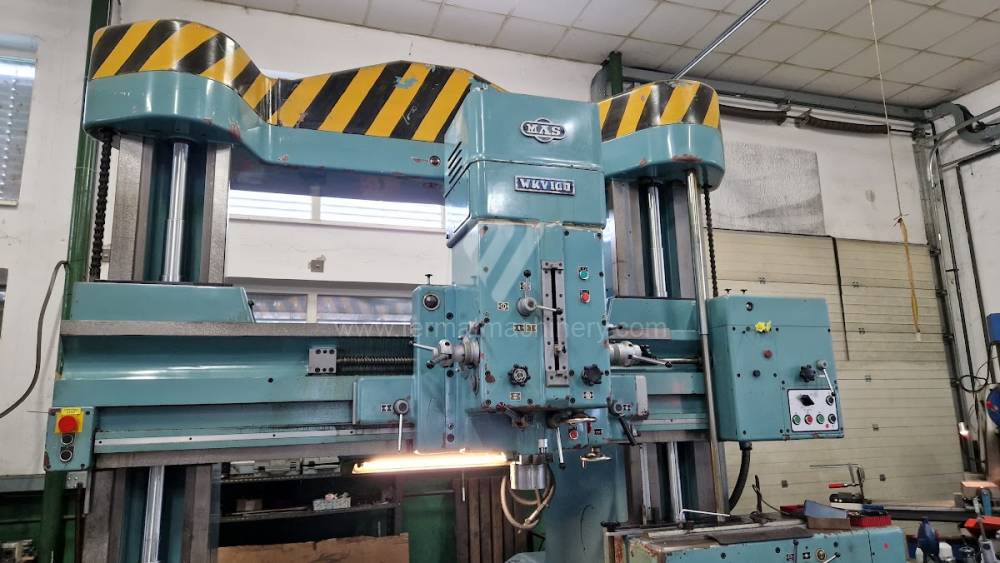
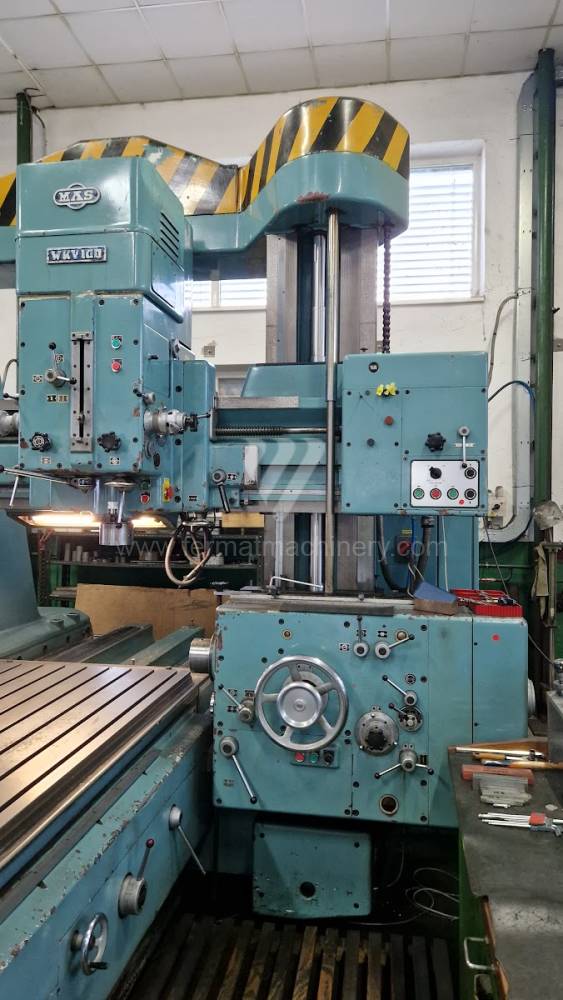
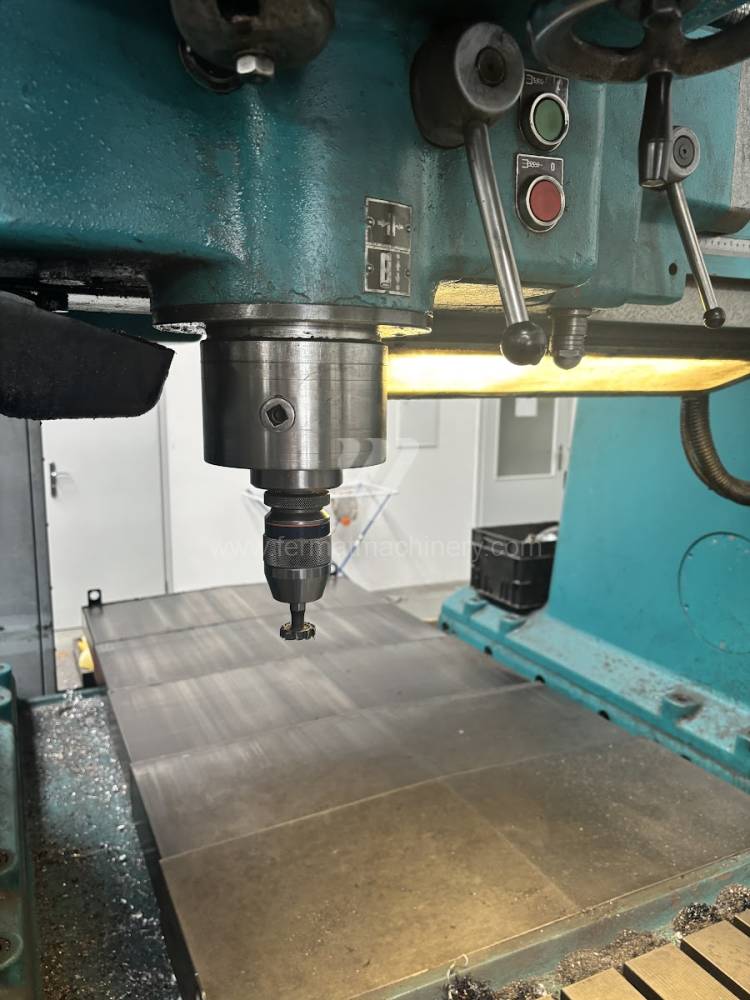
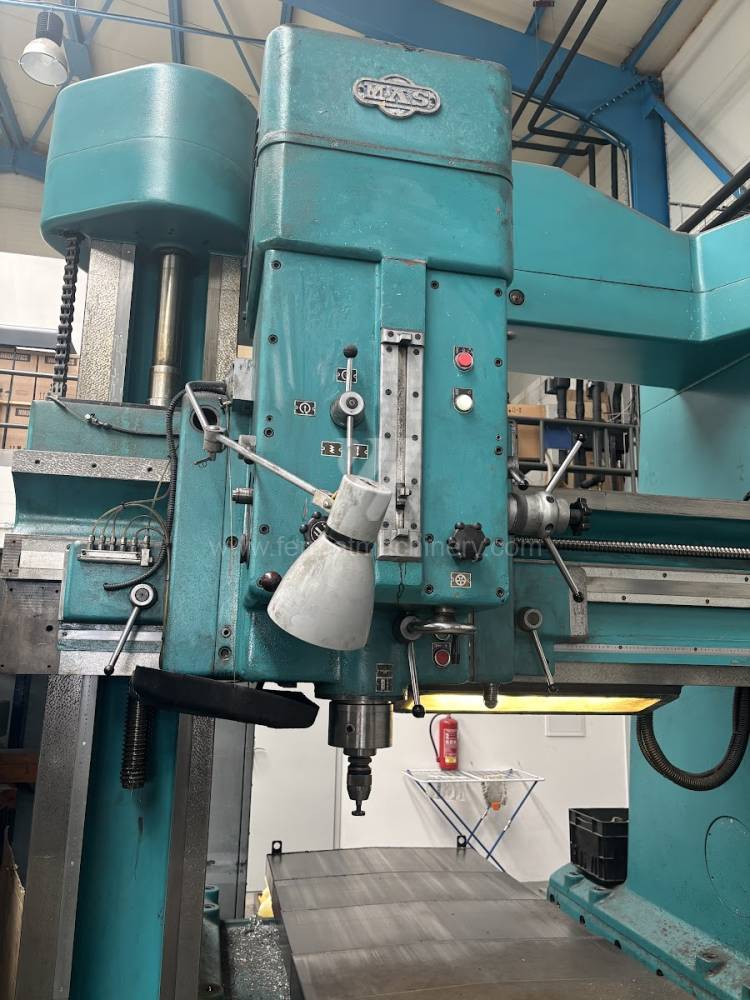
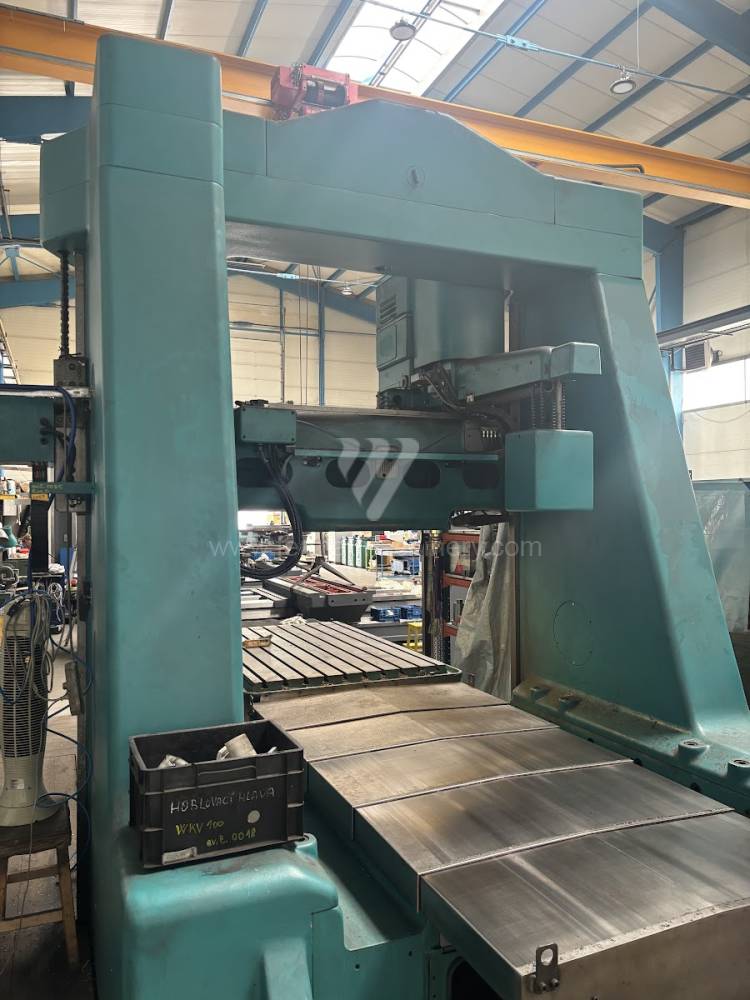
WKV 100 |
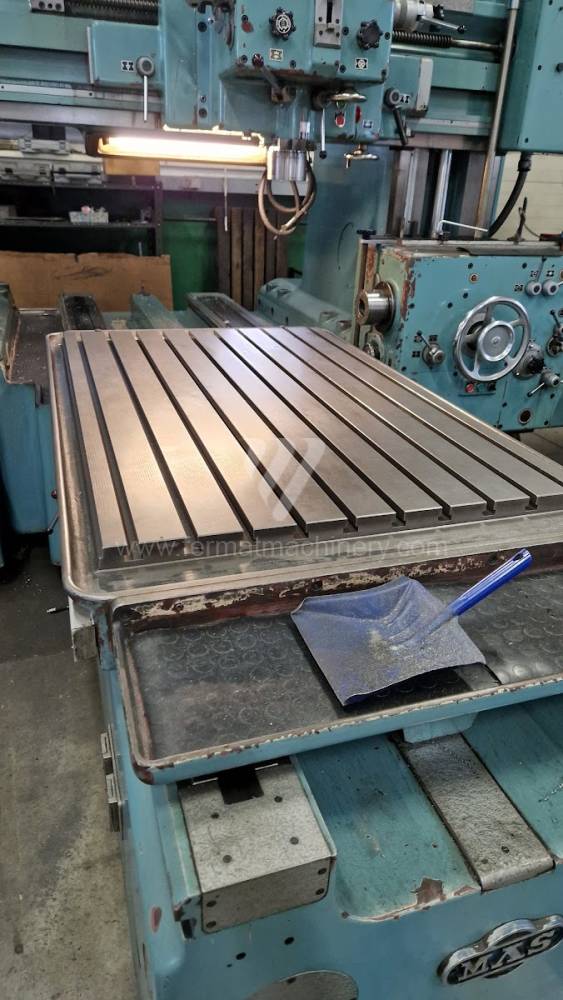
241027 | KOVOSVIT MAS, a.s. | 1982 | Diamètre maxi de forage: 120 mm Dimensions de la table: 1000 x 1600 mm Cone de la broche: 15:100 . Course X: 1000 mm Course Y: 1400 mm Course Z: 700 mm |
|
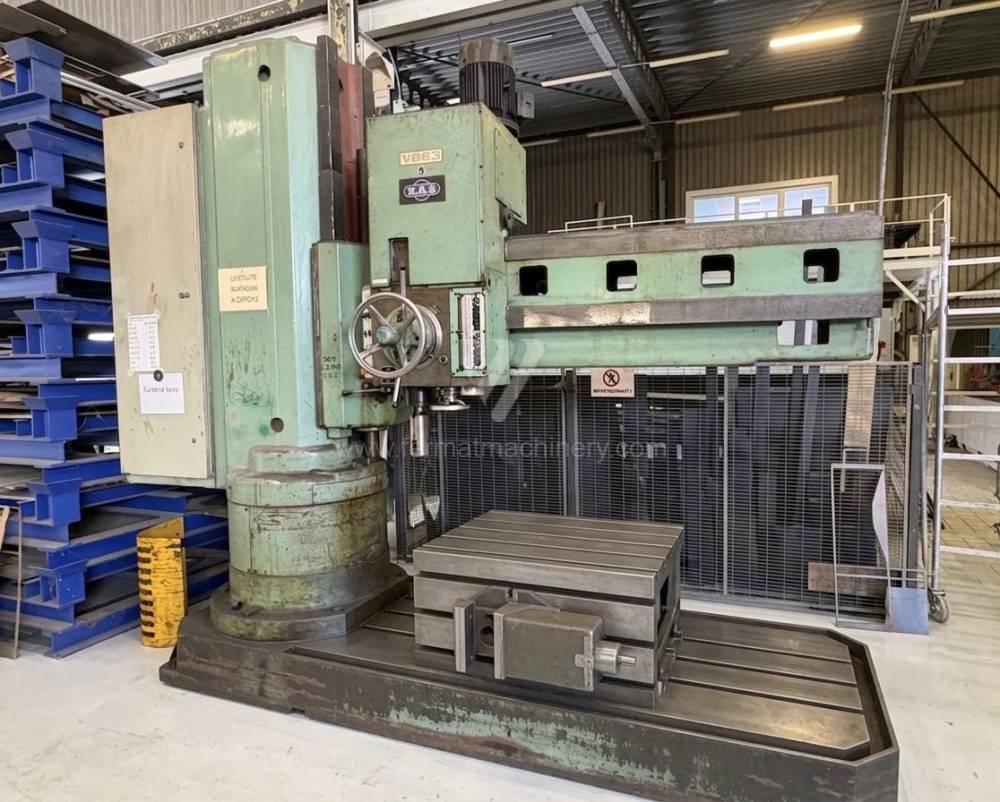 |
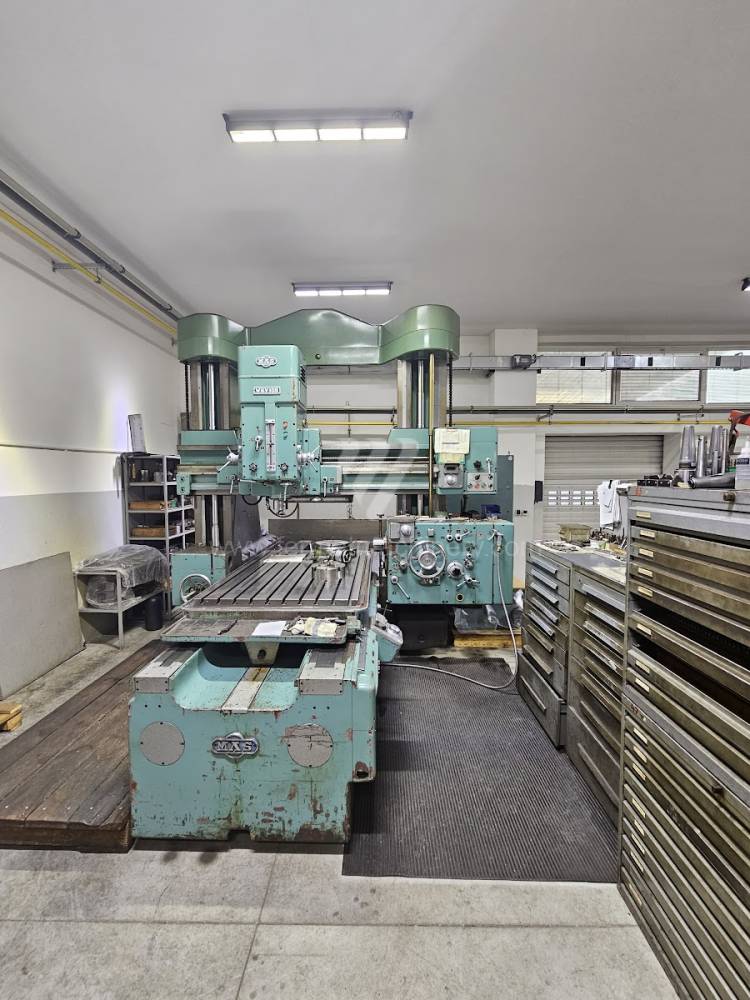
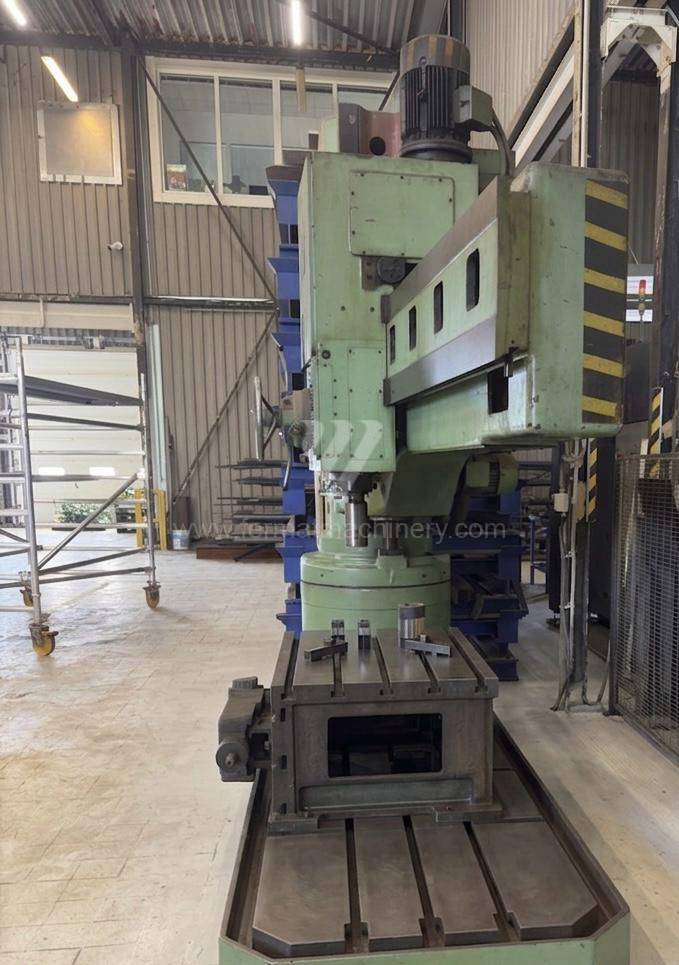
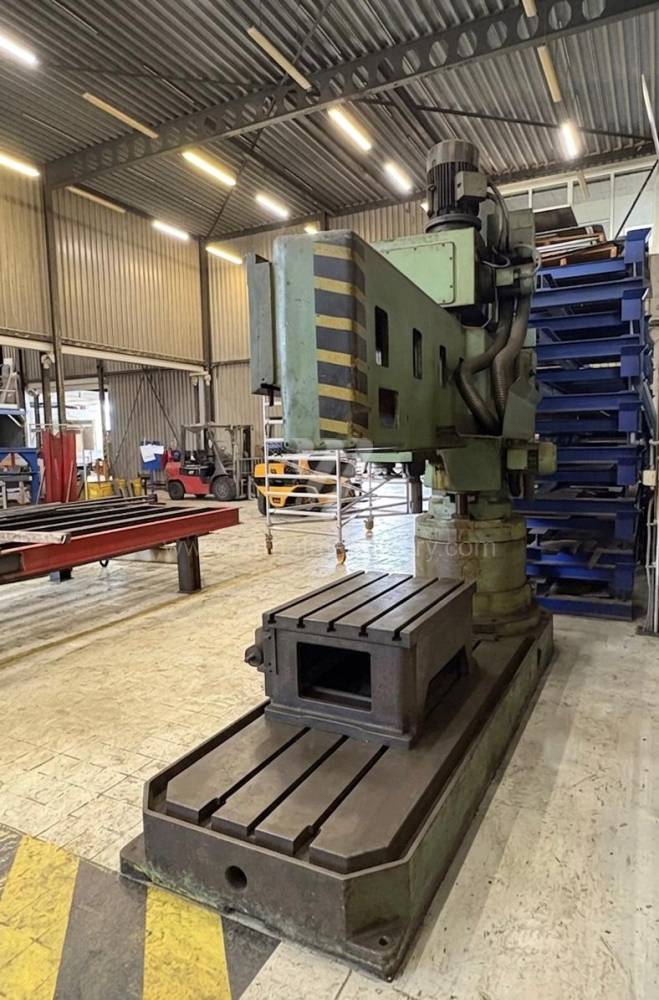
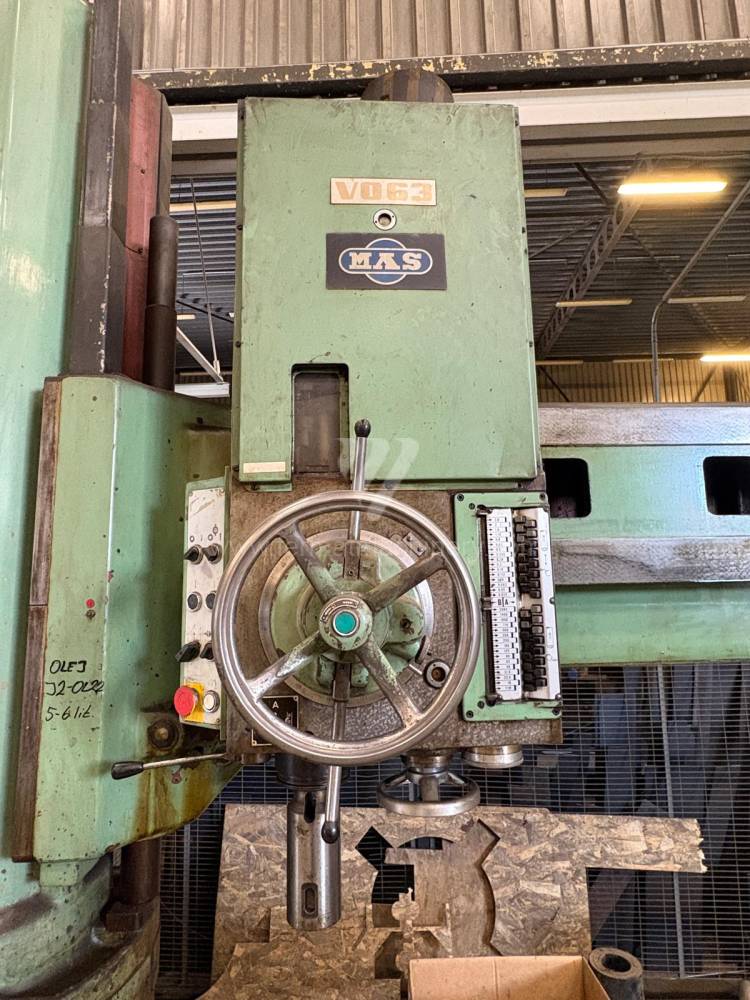
VO 63 |
261398 | Kovosvit Holoubkov | 1983 | Diamètre maxi de forage: 63 mm Cone de la broche: Morse 6 . Poids totale de la machine: 7100 kg Réglage vertical maxi de bras: 950 mm Vitesse de broche: 11 - 2000 /min. Puissance du moteur principal: 5,5 kW |
|
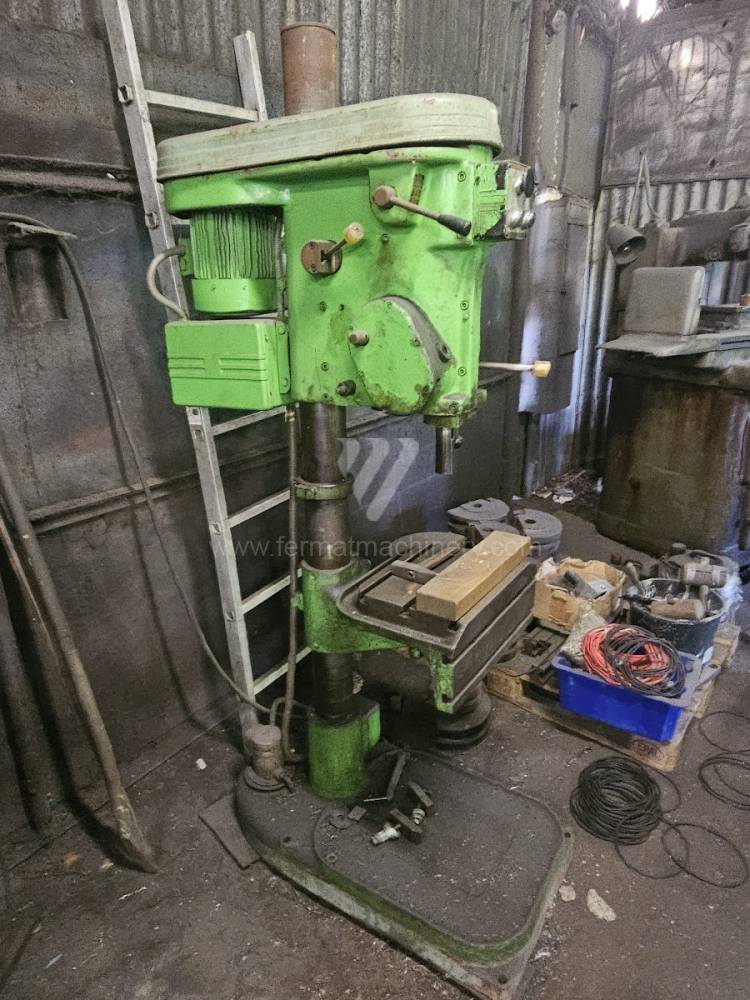 |
VS 20A |
261641 | Průmyslový kombinát - Dačice | Diamètre maxi de forage: 20 mm Cone de la broche: 2 . Dimensions de la table: 400 x 480 mm Puissance du moteur principal: 1,5 kW Dimensions hors tout: 565 x - x 1035 mm Poids totale de la machine: 545 kg |
||
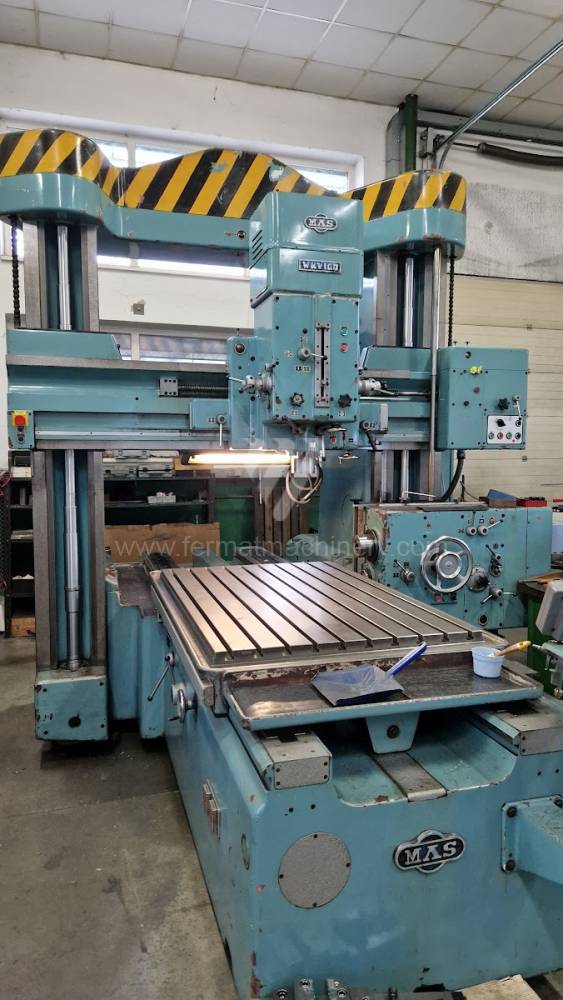 |
WKV 100 |
231637 | KOVOSVIT MAS, a.s. | Diamètre maxi de forage: 120 mm Dimensions de la table: 1000 x 1600 mm Cone de la broche: 15:100 . Course X: 1000 mm Course Y: 1400 mm Course Z: 700 mm |
||
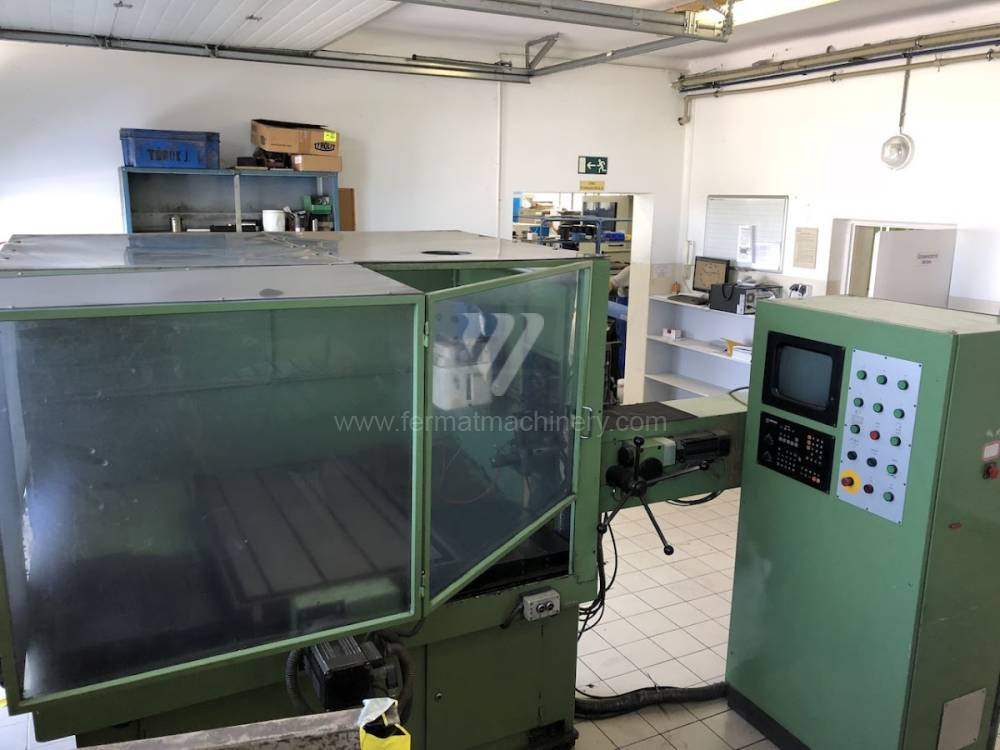 |
500-2NC |
251946 | DEGEN GmbH | 1991 | Diamètre maxi de forage: 16 mm Cone de la broche: MK2 . Course X: 750 mm Course Y: 300 mm Course Z: 600 mm Axe W: 500 mm |
|
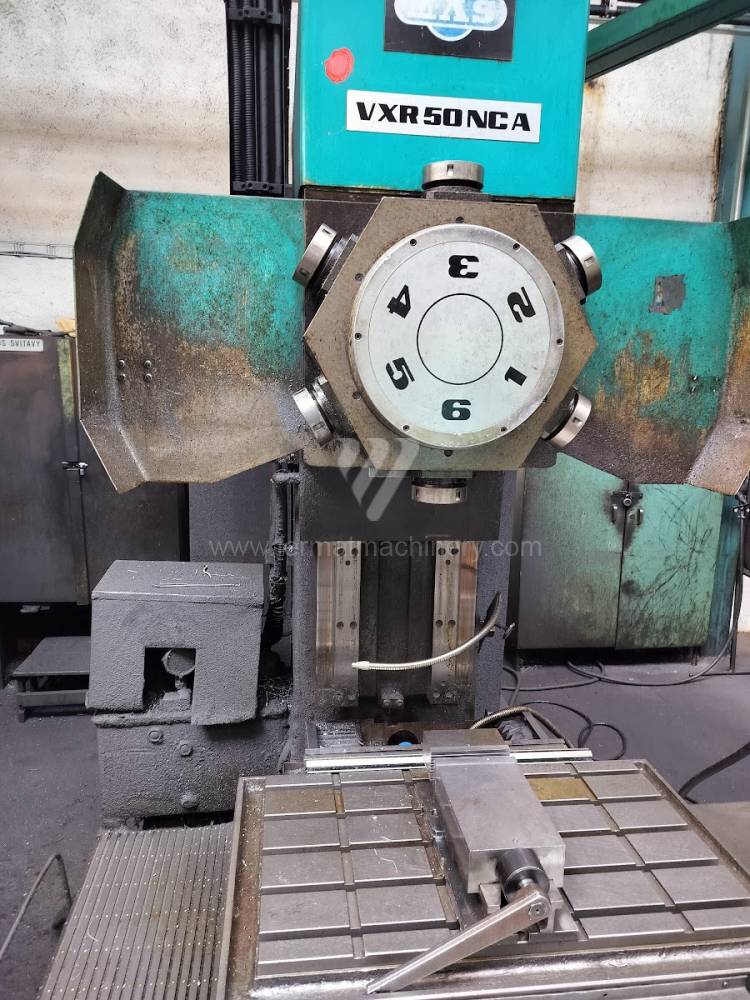 |
VXR 50 NC |
251588 | Kovosvit Holoubkov | 1988 | Diamètre maxi de forage: 50 mm Dimensions de la table: 500x830 mm Cone de la broche: ISO 40 . Course X: 400 mm Course Y: 630 mm Course Z: 440 mm |
|
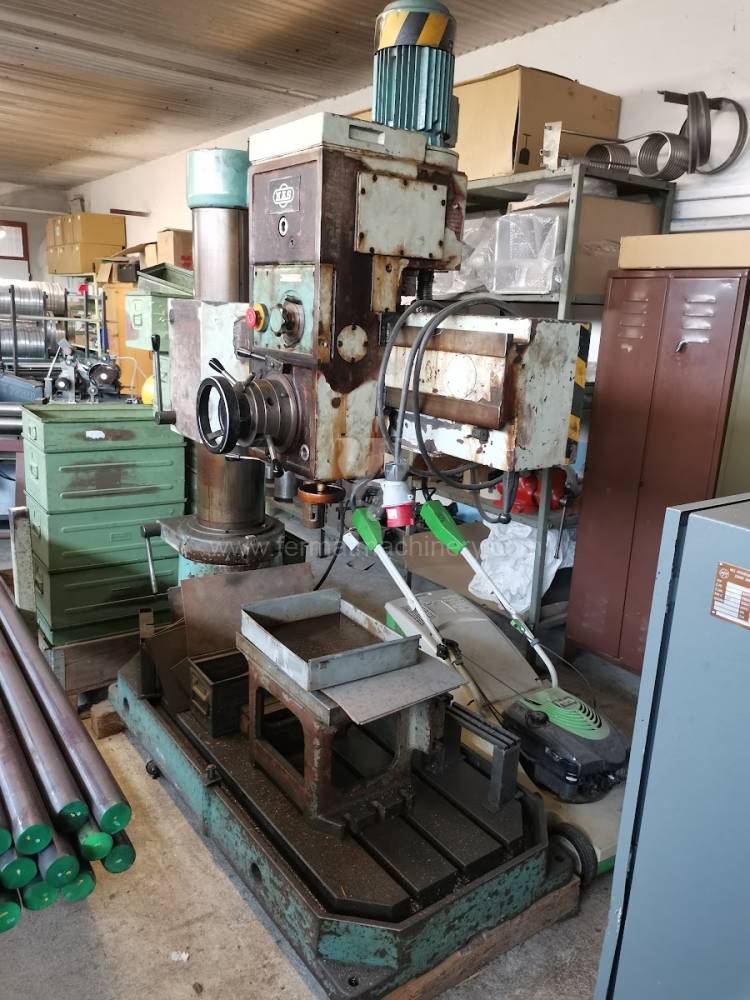 |
VO 32 |
241330 | KOVOSVIT MAS, a.s. | 1992 | Diamètre maxi de forage: 32 mm Cone de la broche: Morse 3 . Réglage vertical maxi de bras: 520 mm Distance maxi de la Axe de la broche à la colonne: 1000 mm Puissance du moteur principal: 2,2 kW Puissance d´entré: 3,5 kVA |
|
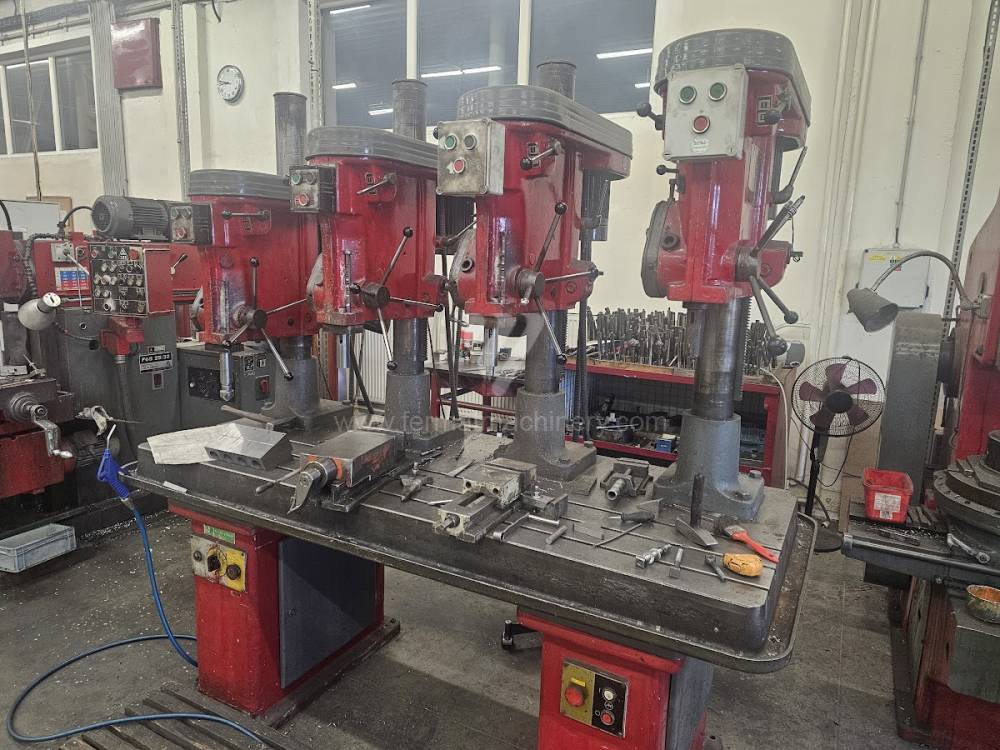 |
VS 20x4 |
261595 | KOVOSVIT MAS, a.s. | Diamètre maxi de forage: 20 mm Cone de la broche: Morse 3 . Dimensions de la table: 2000x460 mm Puissance du moteur principal: 1,5 kW Dimensions hors tout: 1030x2330 mm Poids totale de la machine: 2425 kg |
||
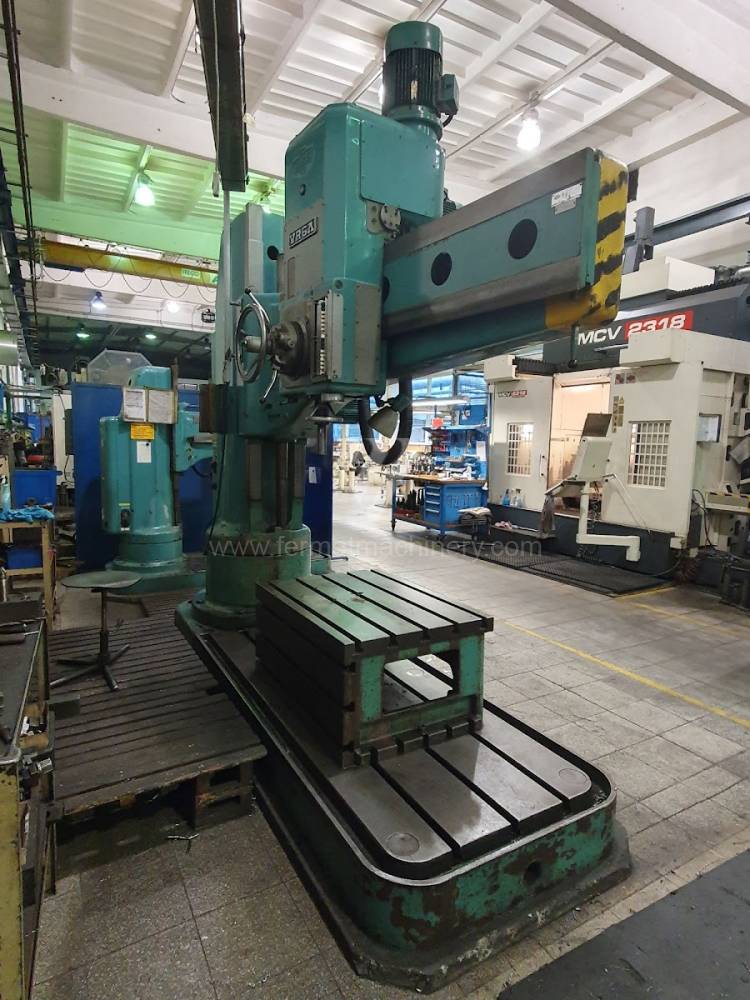 |
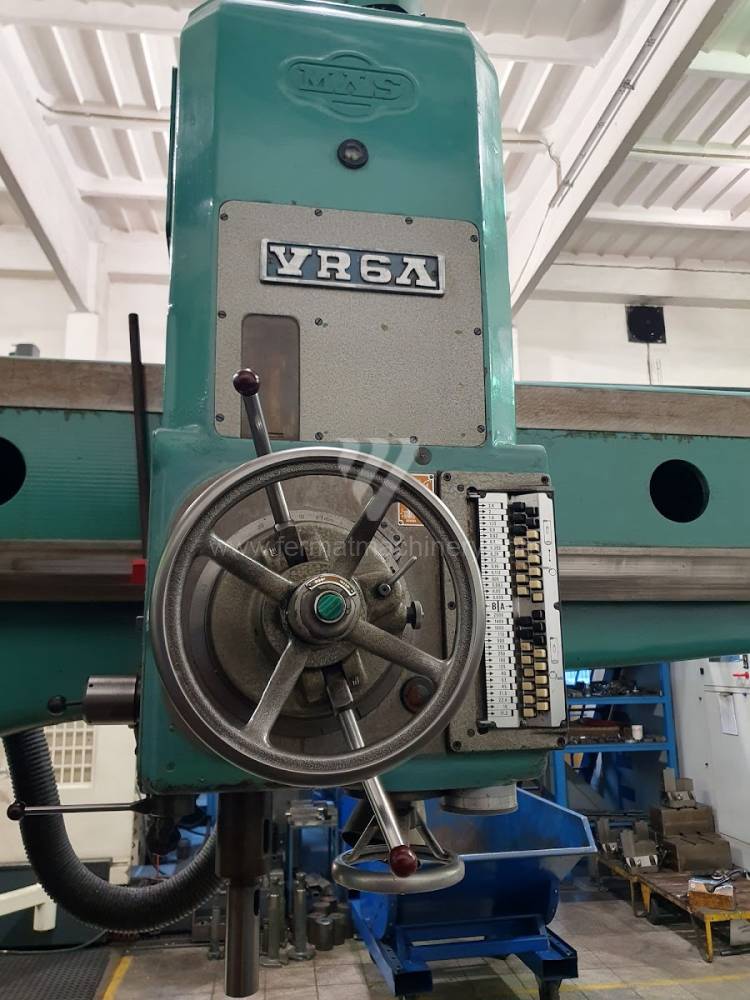
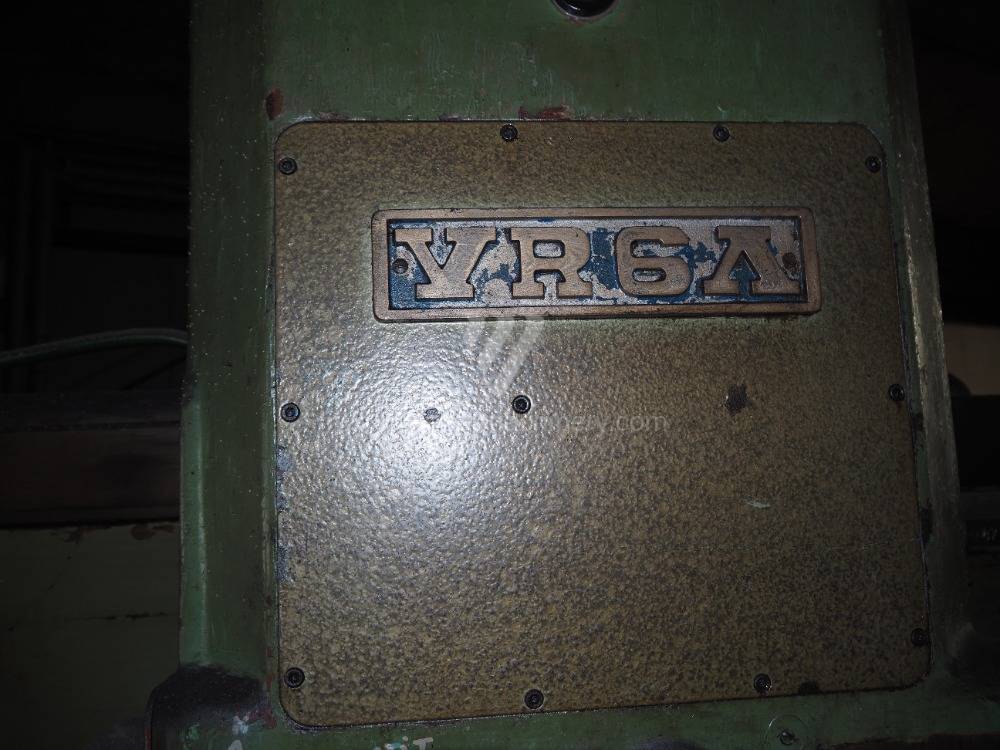
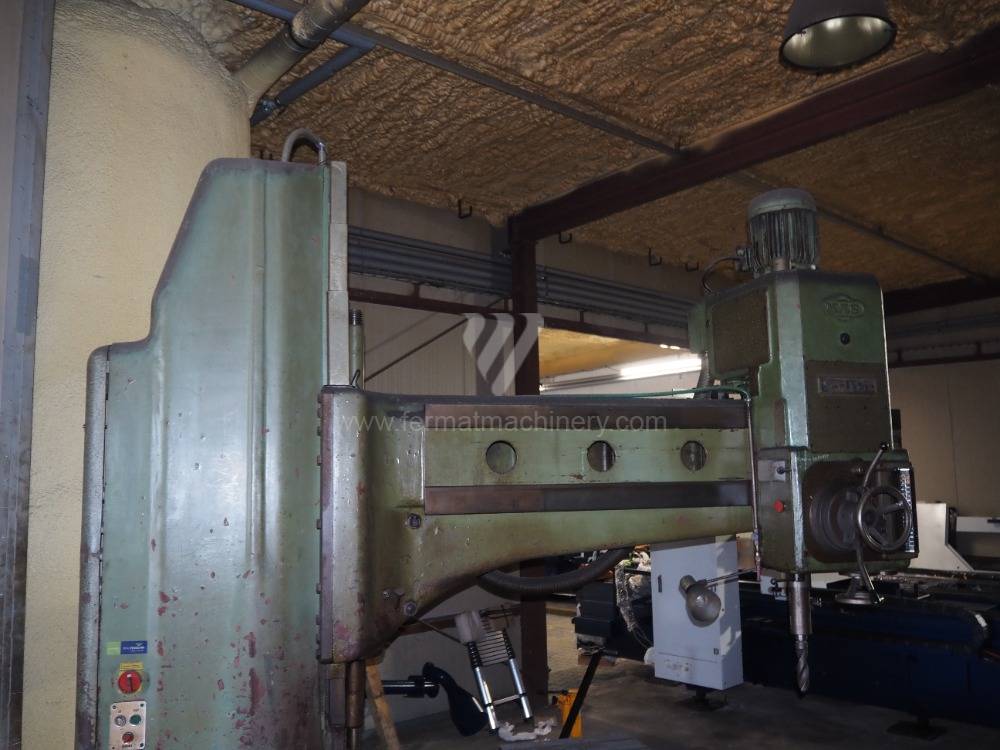
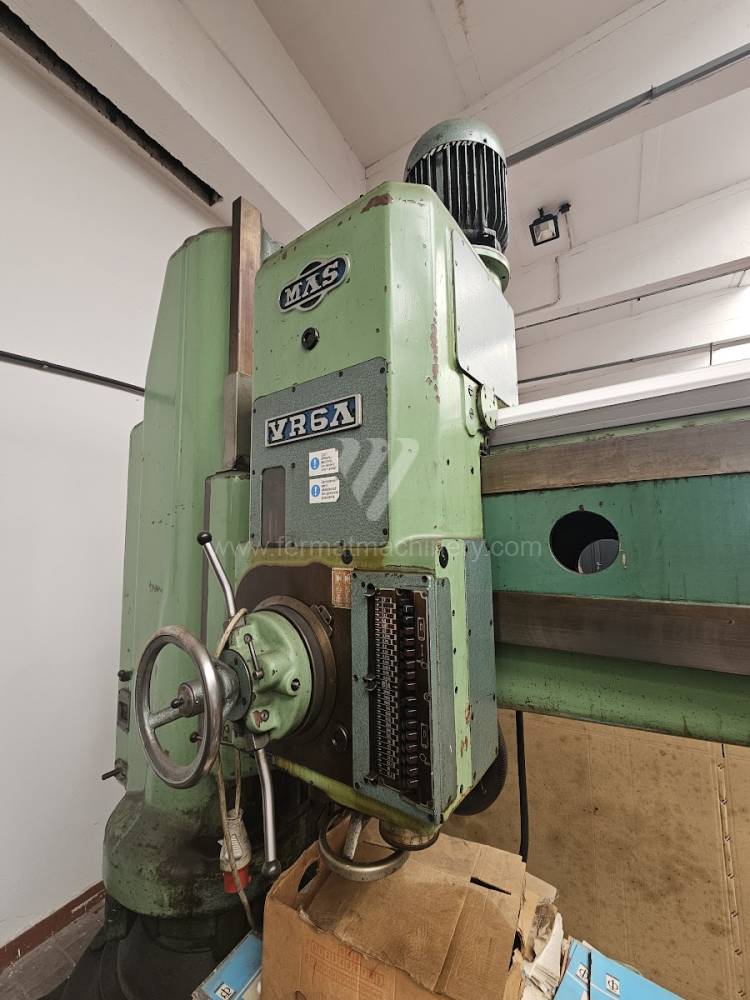
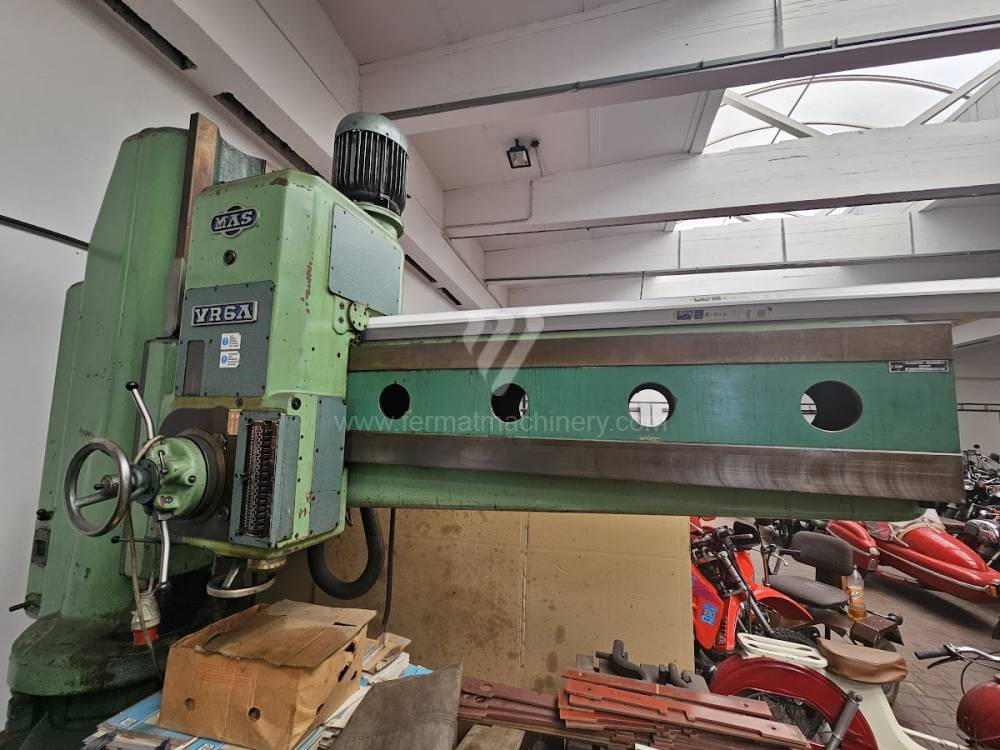
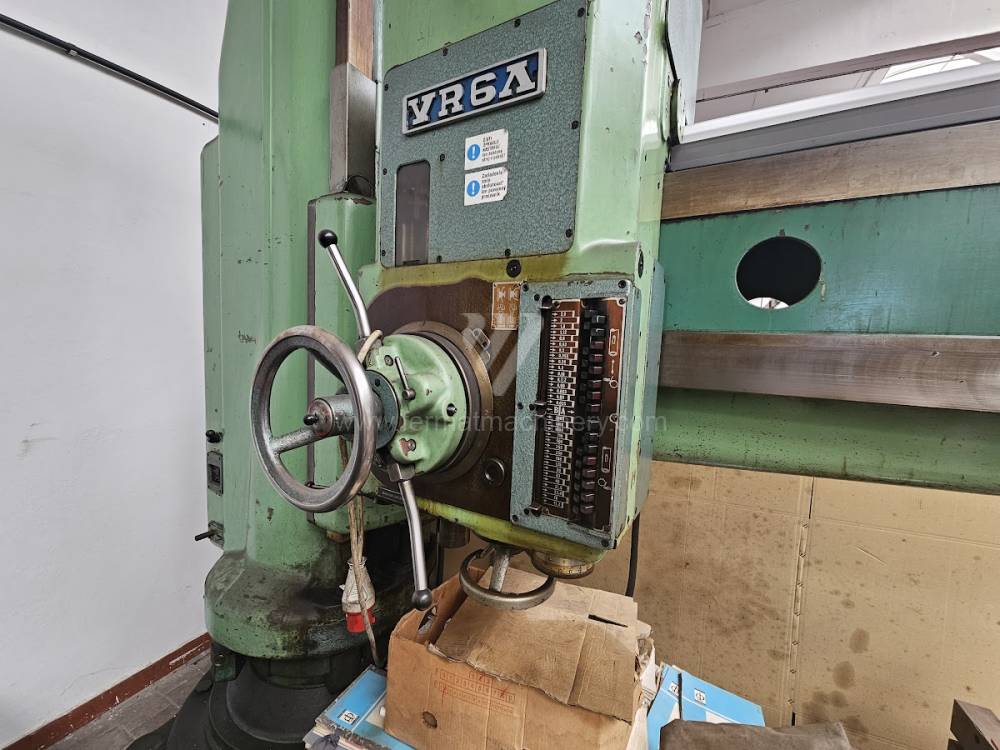
VR 6 A |
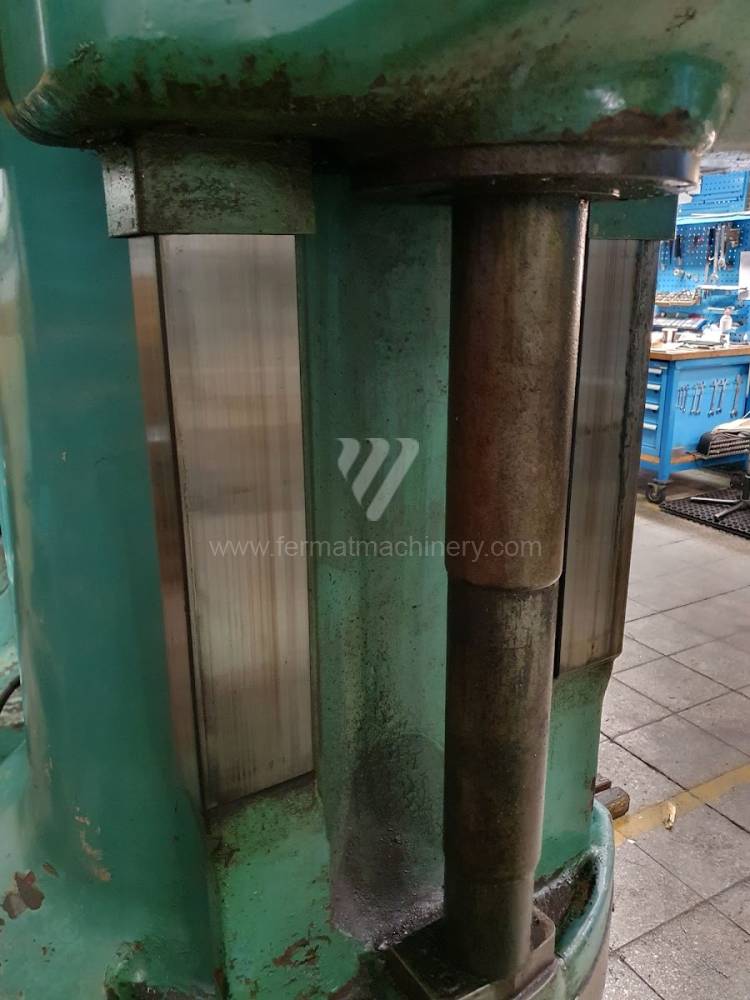
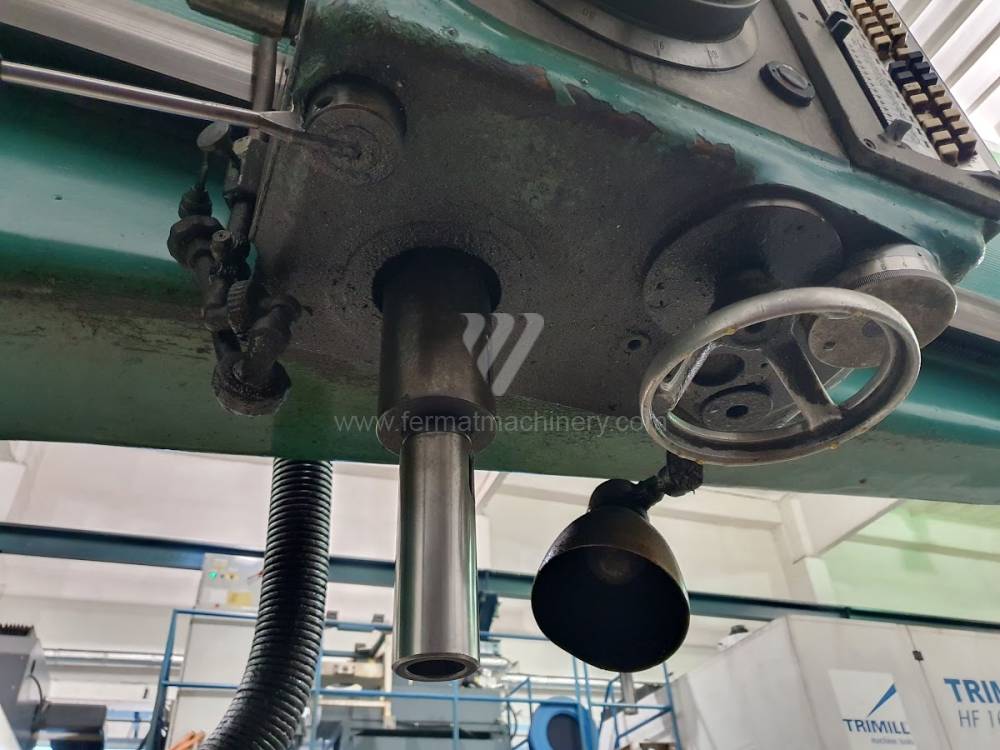
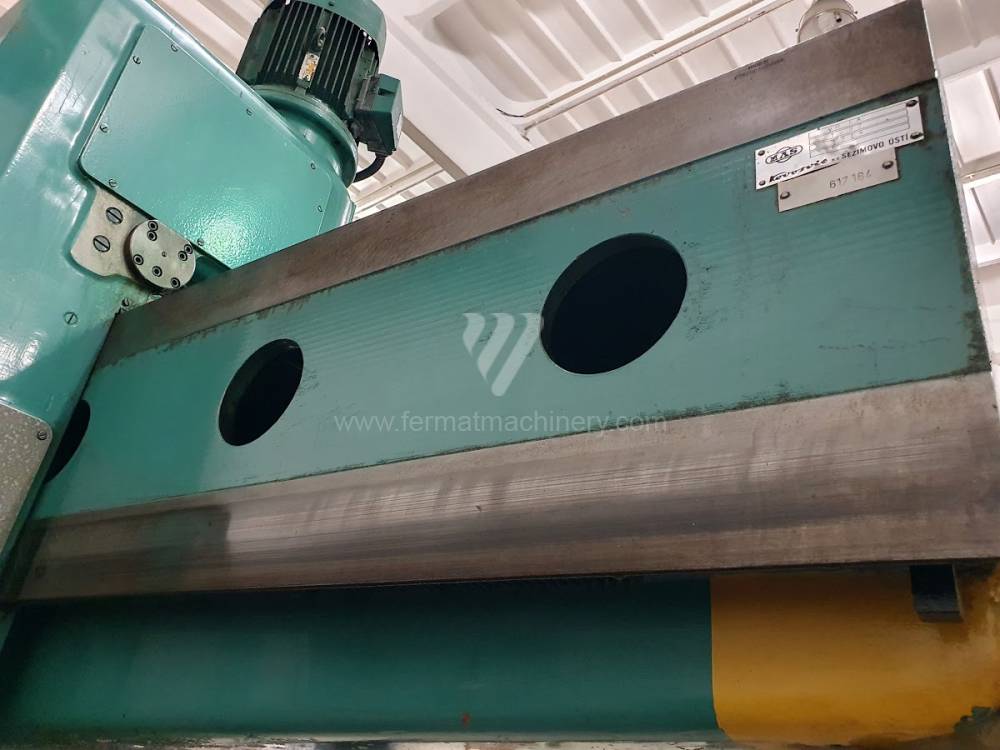
251808 | KOVOSVIT MAS, a.s. | 1982 | Diamètre maxi de forage: 63 mm Cone de la broche: MORSE 5 . Réglage vertical maxi de bras: 950 mm Surface de serrage de la table: 290 x 1080 mm Dimensions hors tout: 3240x1300x3900 mm Poids totale de la machine: 5800 kg |
|
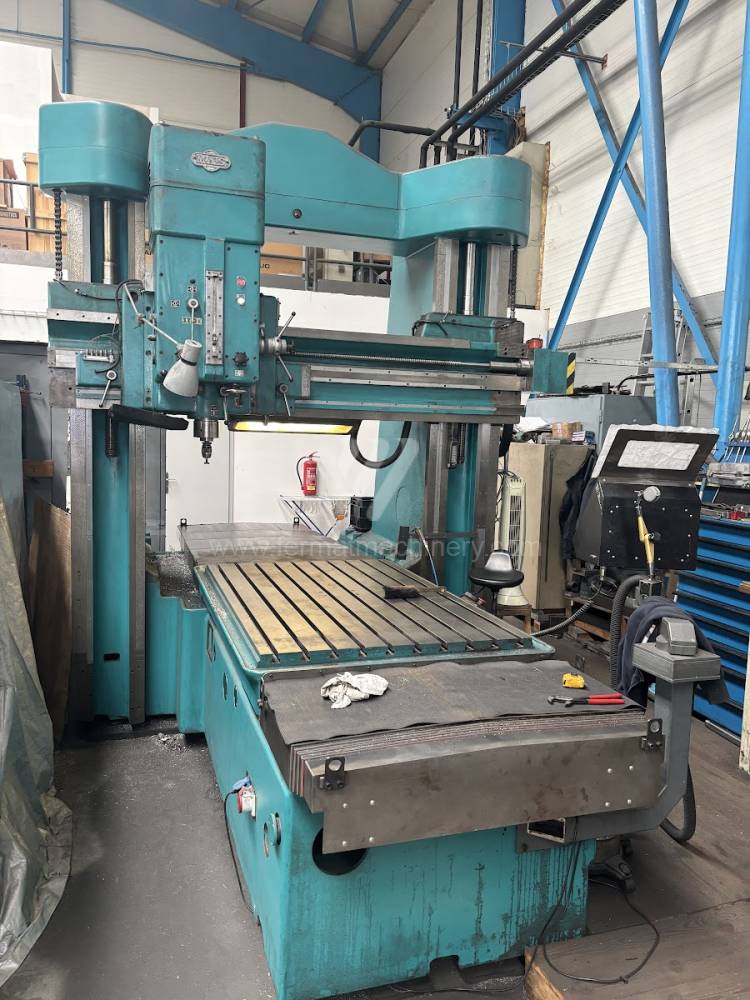 |
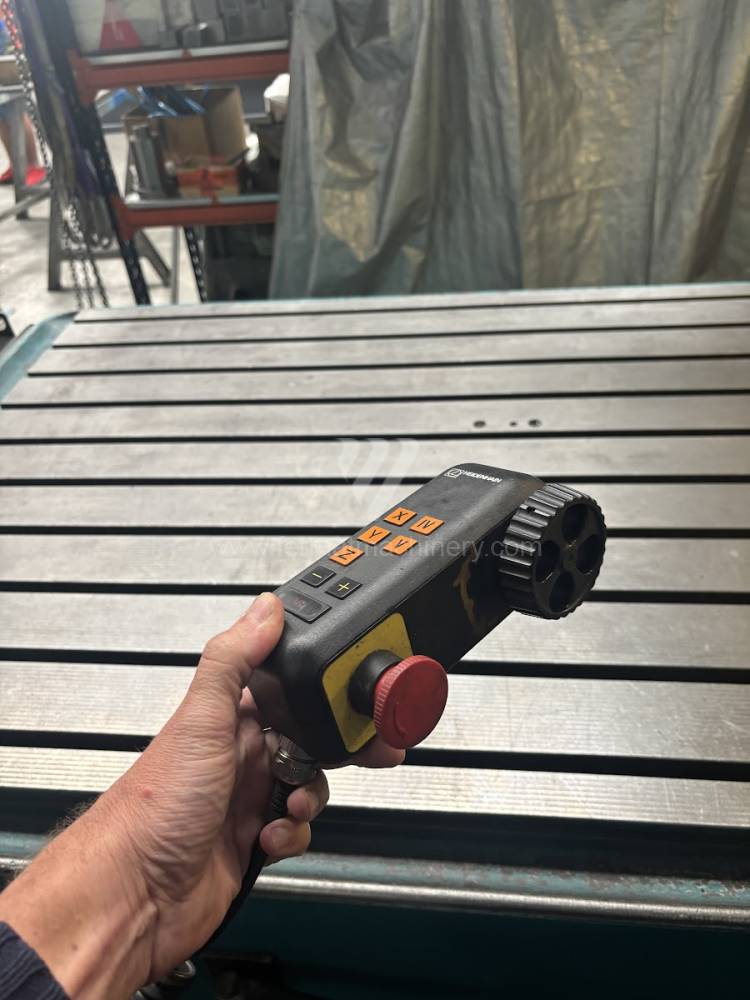
WKV 100 |
261543 | KOVOSVIT MAS, a.s. | Système de contrôle Heidenhain: TNC 310 Diamètre maxi de forage: 120 mm Dimensions de la table: 1600x1000 mm Cone de la broche: Speciál 15:100 . Course X: 1000 mm Course Y: 1400 mm |
||
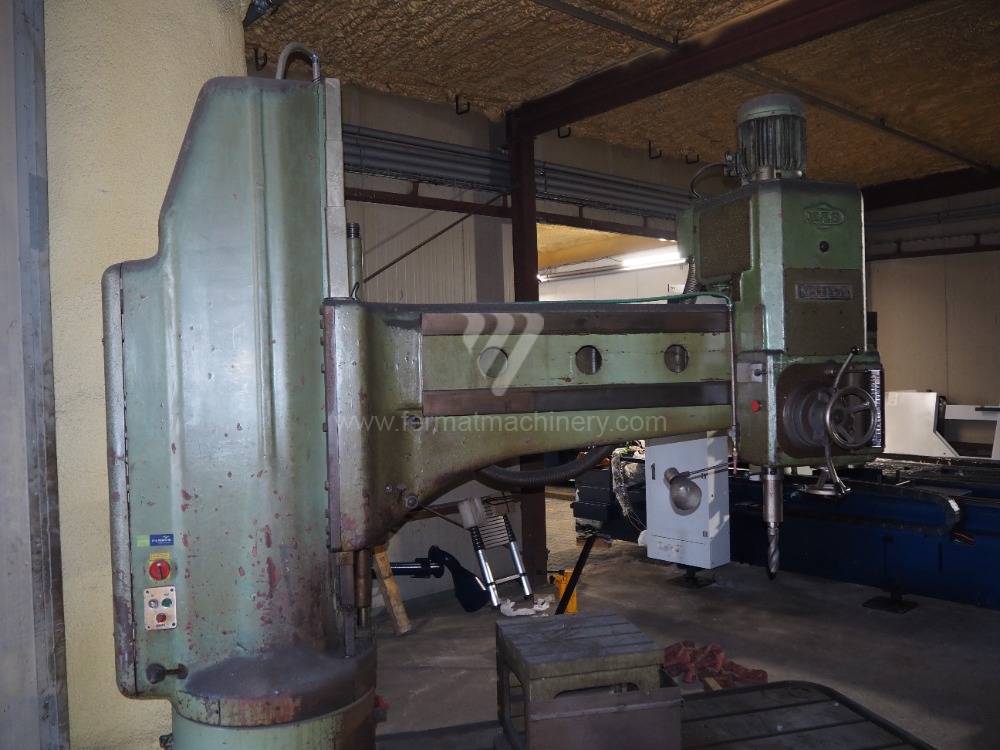 |
VR 6 A |
261559 | KOVOSVIT MAS, a.s. | Diamètre maxi de forage: 63 mm Cone de la broche: Morse 5 . Réglage vertical maxi de bras: 2000 mm Surface de serrage de la table: 2900x1080 mm Dimensions hors tout: 3240x1300x3900 mm Poids totale de la machine: 5800 kg |
||
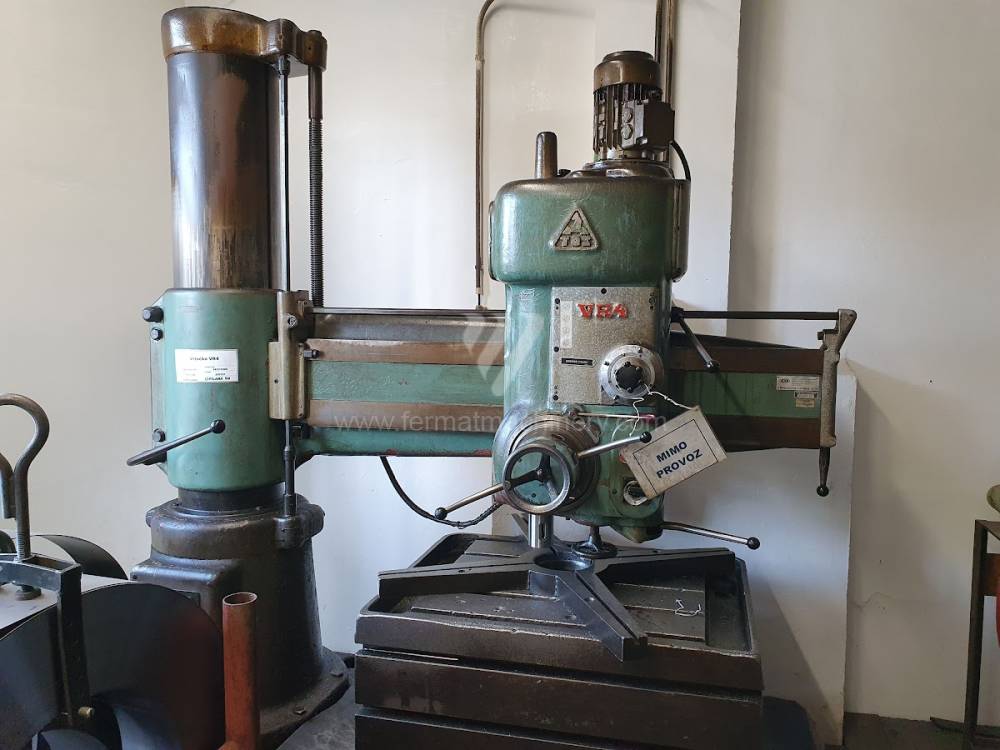 |
VR 4 |
231847 | KOVOSVIT MAS, a.s. | 1960 | Diamètre maxi de forage: 50 - 50 - 50 - 50 mm Cone de la broche: MORSE 4 - MORSE 4 - MORSE 4 - MORSE 4 . Puissance du moteur principal: 3 - 3 - 3 - 3 kW Réglage vertical maxi de bras: 710 - 710 - 710 - 710 mm Dimensions hors tout: 2290x910x2860 - 2290x910x2860 - 2290x910x2860 - 2290x910x2860 mm Poids maximal de l'outil: 2800 - 2800 - 2800 - 2800 kg |
|
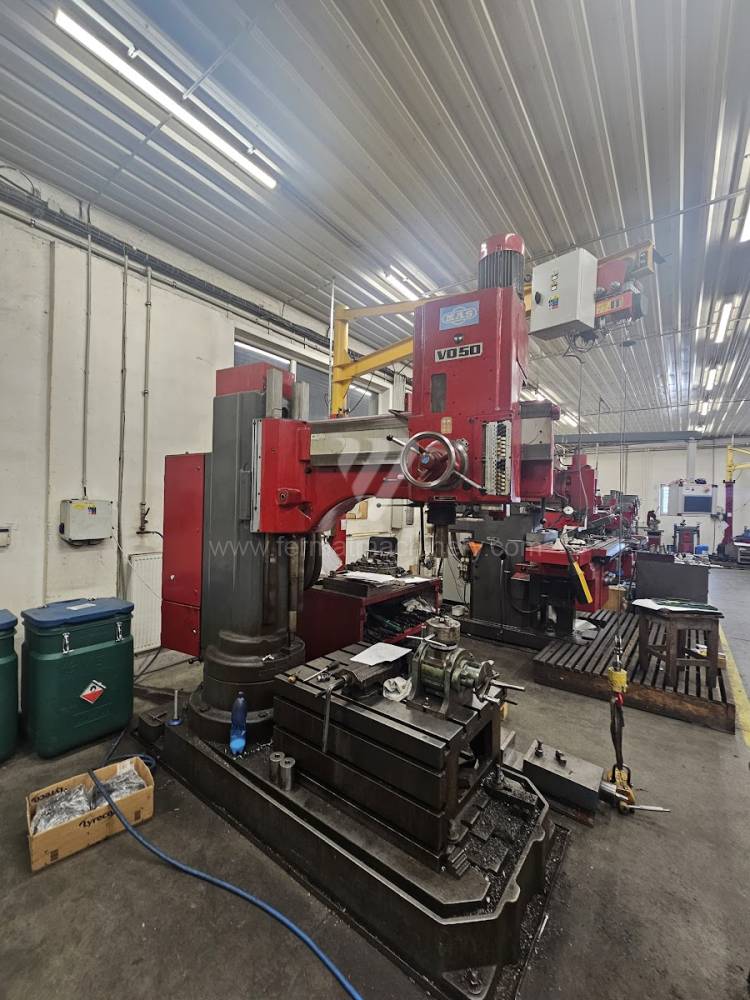 |
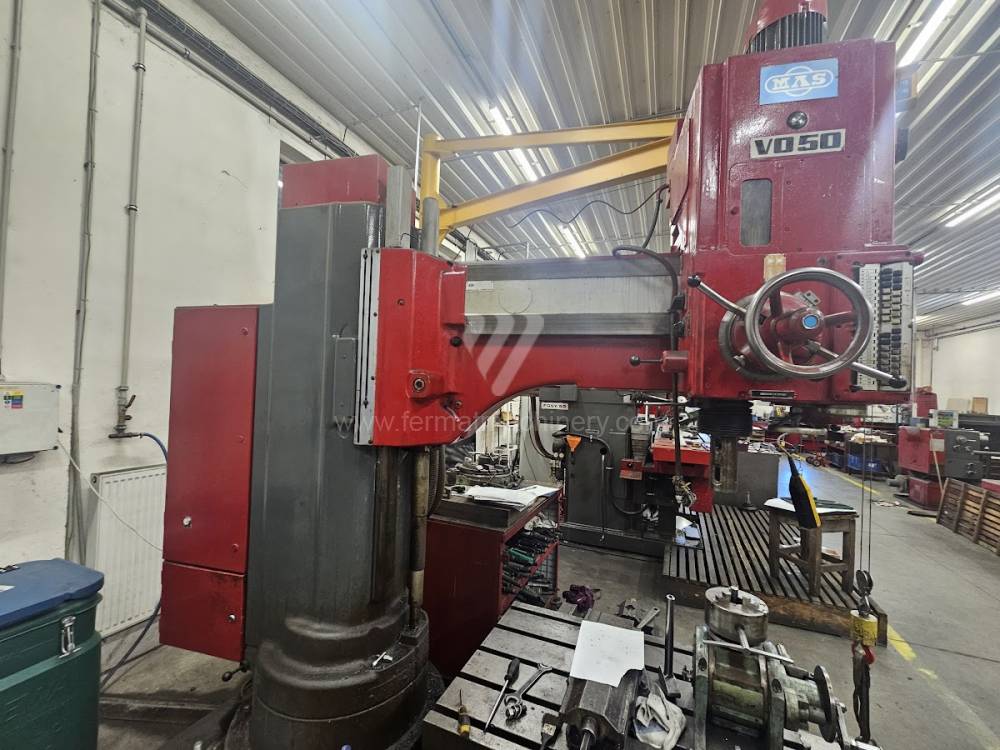
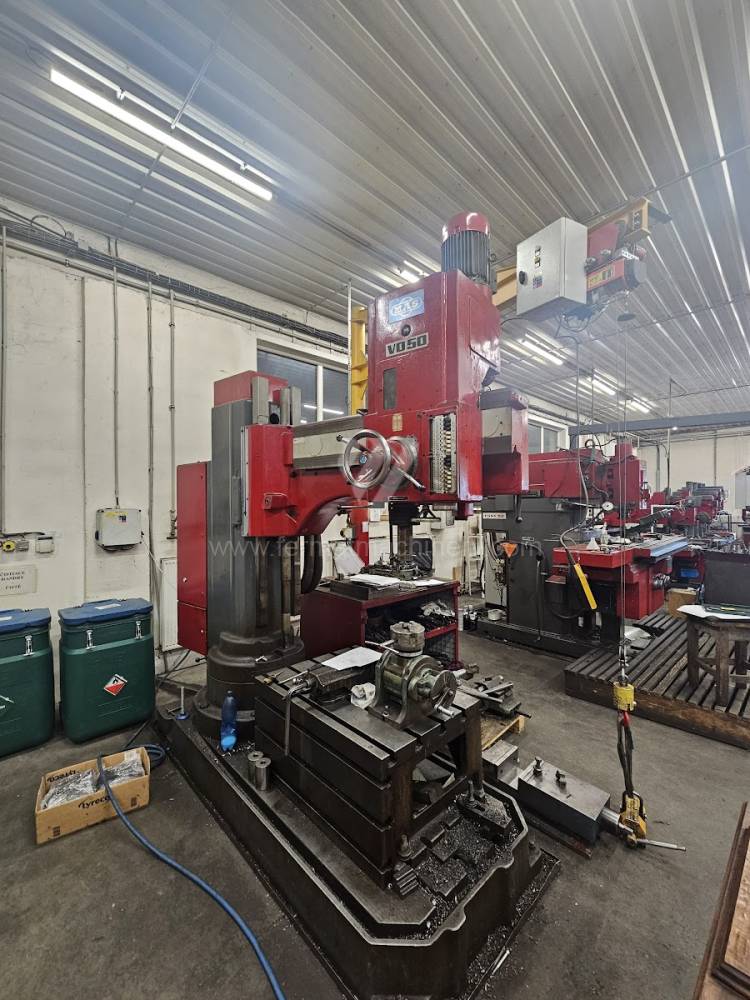
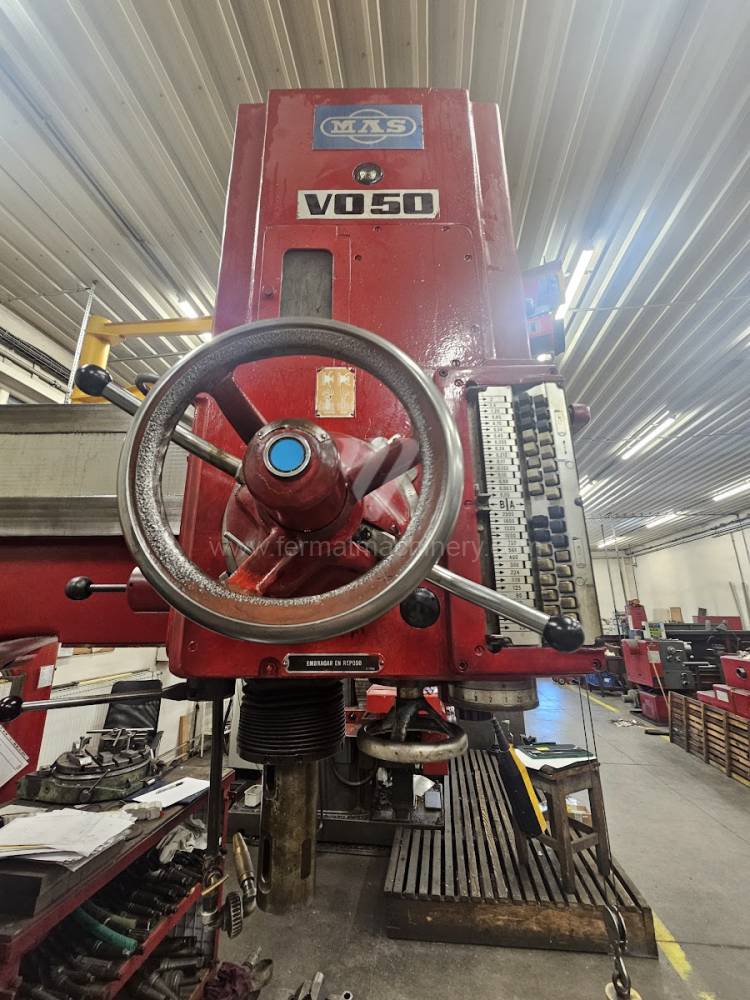
VO 50 |
261602 | KOVOSVIT MAS, a.s. | 1981 | Diamètre maxi de forage: 50 mm Cone de la broche: Morse 5 . Réglage vertical maxi de bras: 875 mm Distance maxi de la Axe de la broche à la colonne: 1250 mm Puissance du moteur principal: 4 kW Puissance d´entré: 6 kVA |
|
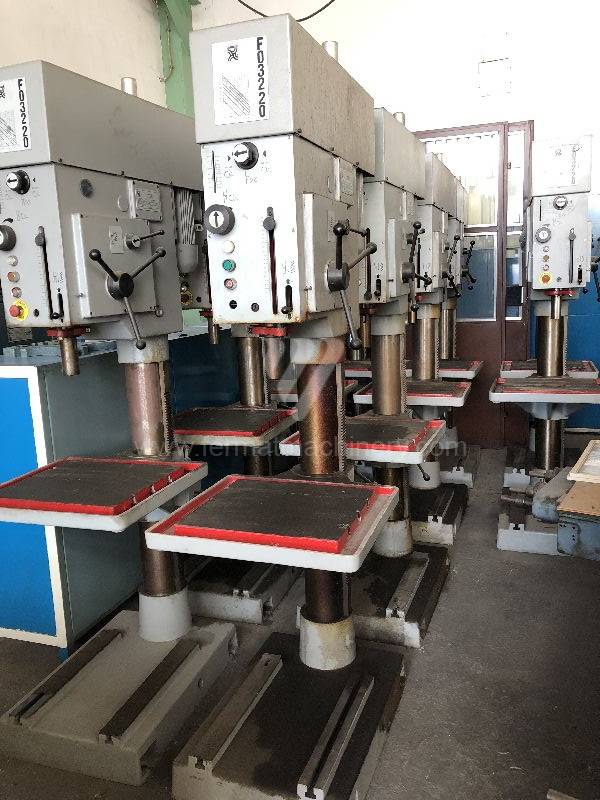 |
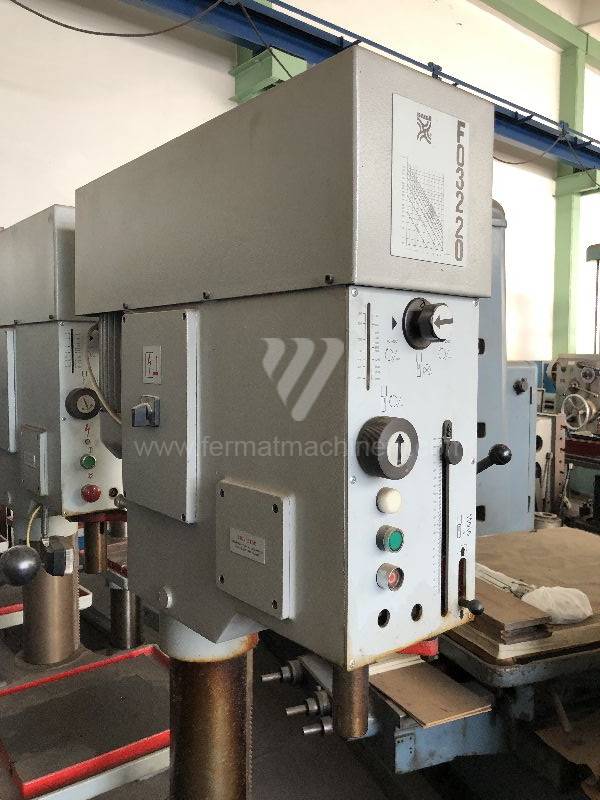
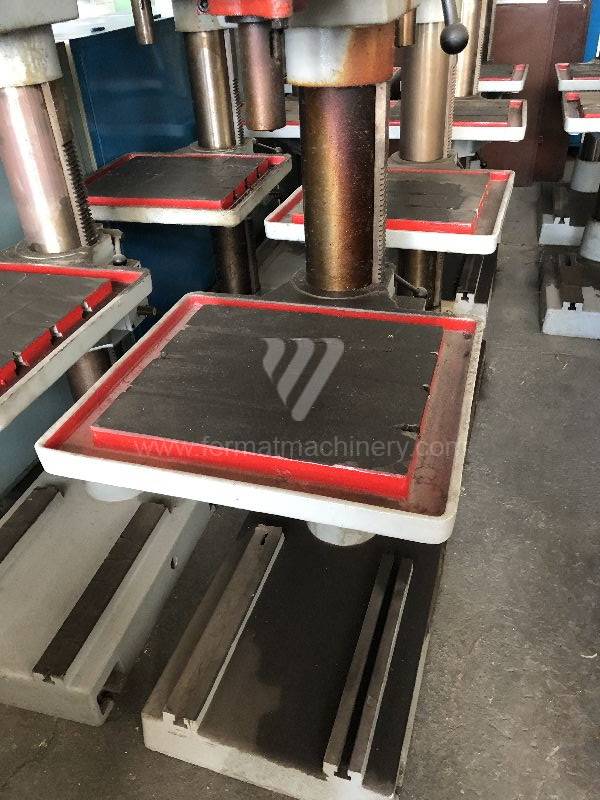
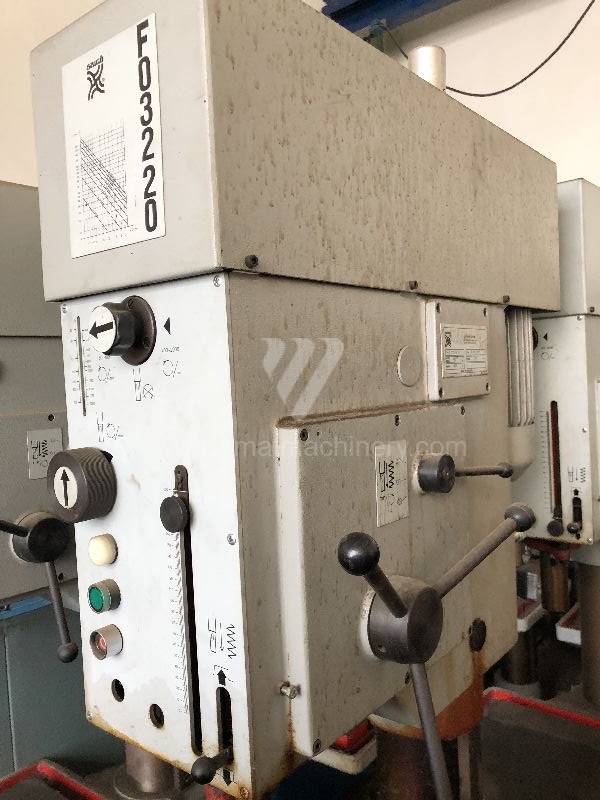
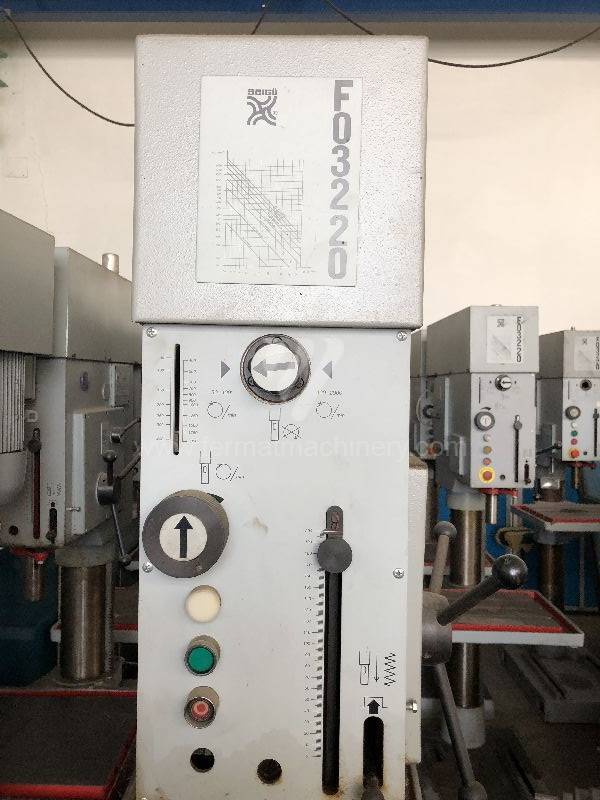
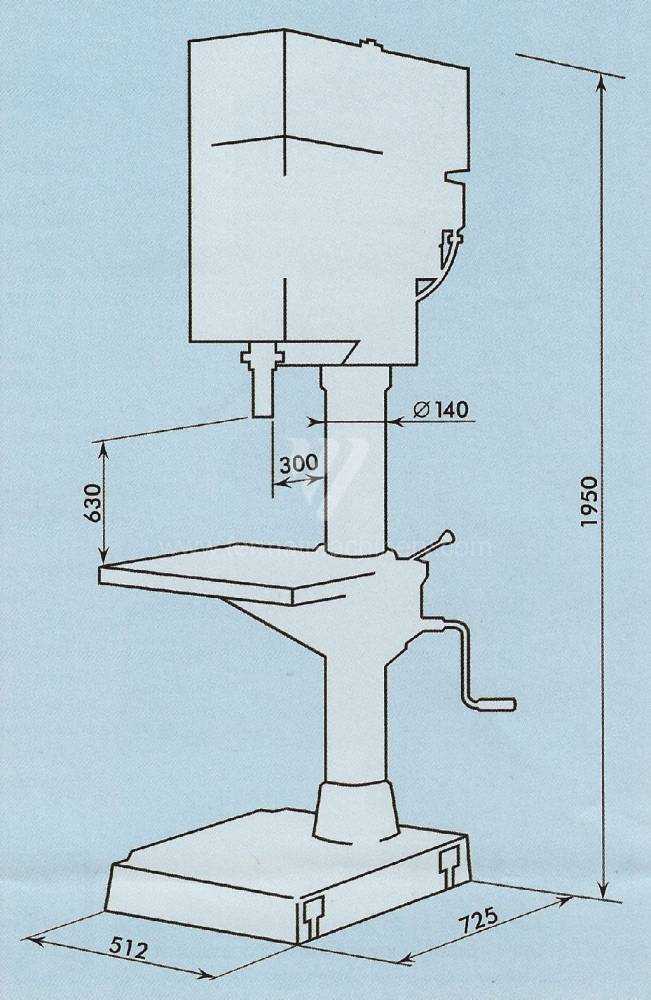
FO 32-20 |
221037 | SZIM | 2018 | Diamètre maxi de forage: 32 mm Cone de la broche: Morse 3 . Vitesse de broche: 400 - 2000 /min. Puissance du moteur principal: 2,2 kW Extension du curseur (W): 200 mm Dimensions hors tout: 880x570x1950 mm |
|
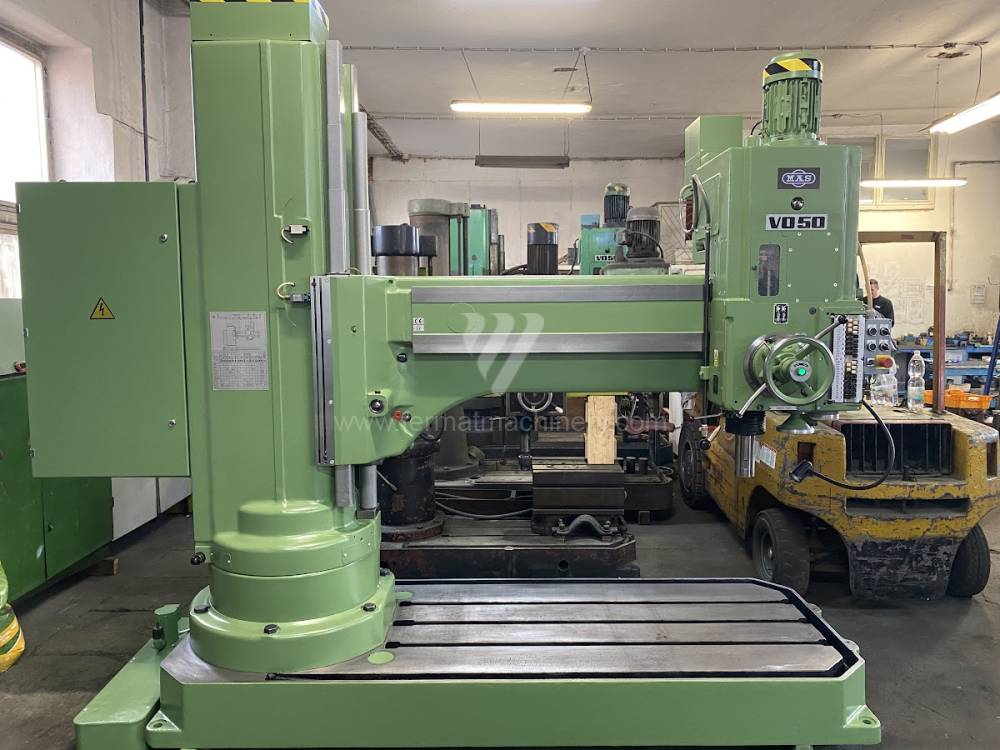 |
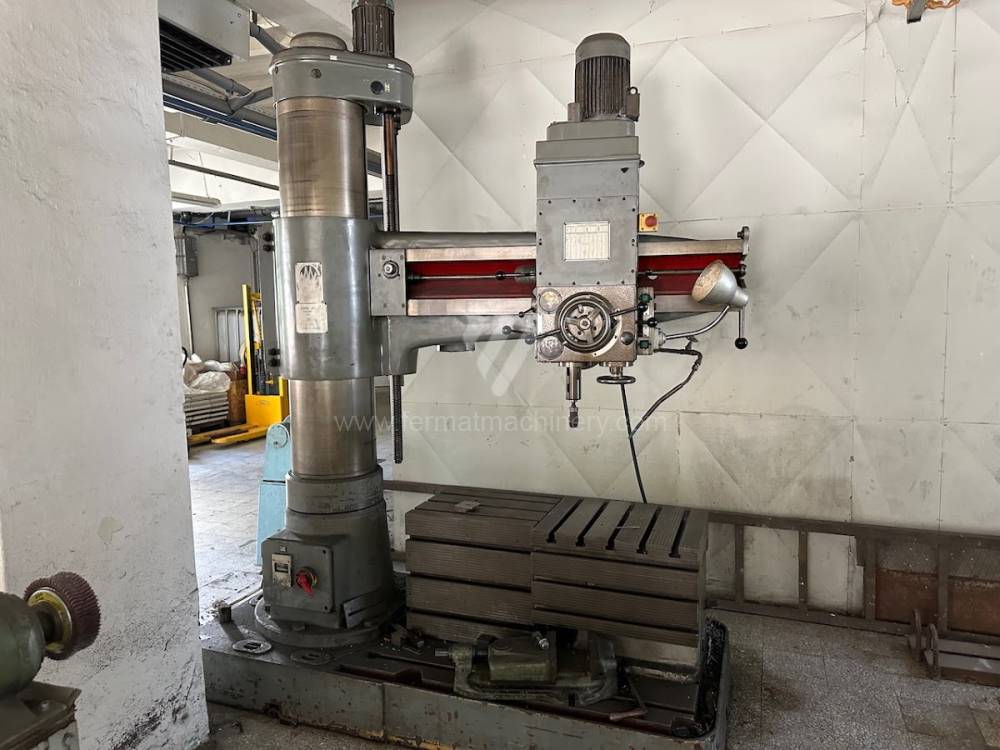
VO 50/1600 |
261233 | KOVOSVIT MAS, a.s. | 1999 | Diamètre maxi de forage: 50 mm Cone de la broche: . Distance maxi de la Axe de la broche à la colonne: 1600 mm Poids totale de la machine: 4550 kg |
|
 |
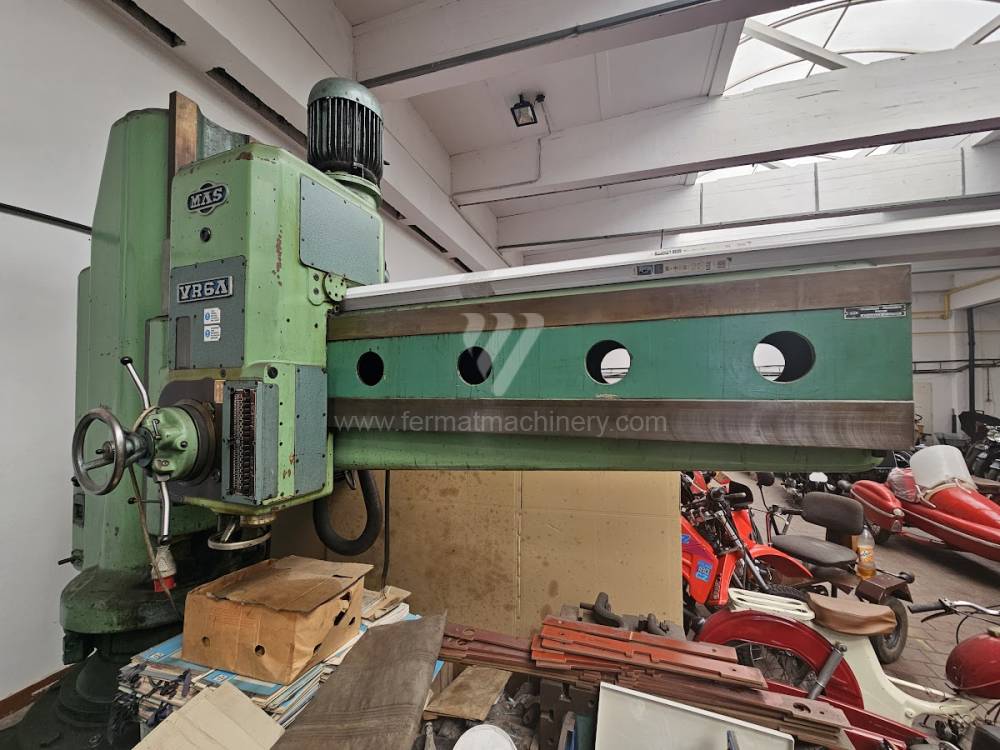
RF 50/1250 |
241754 | Csepel | 1981 | Diamètre maxi de forage: 50 mm Cone de la broche: Morse 4 . Max. chemin de broche le long du bras: 1250 mm Vitesse de broche: 45 - 2000 /min. Dimensions hors tout: 2190x950x2830 mm Poids totale de la machine: 3050 kg |
|
 |
VR 6 A |
251866 | KOVOSVIT MAS, a.s. | Diamètre maxi de forage: 63 mm Cone de la broche: MORSE 5 . Réglage vertical maxi de bras: 950 mm Surface de serrage de la table: 290 x 1080 mm Dimensions hors tout: 3240x1300x3900 mm Poids totale de la machine: 5800 kg |
Analyse technique et paramètres des machines à percer
Lors de l'intégration d'équipements de perçage d'occasion dans le processus de production, la rigidité dynamique et le transfert de couple sont des facteurs clés. Contrairement aux constructions légères modernes, les anciennes pièces en fonte (par exemple les séries VR ou VO) possèdent une grande capacité à absorber les vibrations générées lors d'une coupe intermittente, ce qui influence directement l'intégrité de la surface du trou.
Facteurs technologiques clés :
- Cinématique de la poupée : Les boîtes de vitesses avec engrenages rectifiés assurent un couple stable même à bas régime, ce qui est critique pour le perçage de grands diamètres dans des matériaux tenaces.
- Stabilité thermique : La construction massive du montant minimise l'influence de la température ambiante sur la coaxialité de la broche, augmentant ainsi la précision répétable lors des longues sessions de travail.
- Systèmes de serrage : La disponibilité des cônes ISO ou Morse permet une intégration immédiate de l'outillage existant sans nécessiter d'investissements supplémentaires dans des adaptateurs.
- Blocage hydraulique : Sur les perceuses radiales, le renforcement hydraulique du bras et de la poupée assure une position fixe sous une pression axiale élevée, évitant ainsi la déformation de l'axe de perçage.
Bloc stratégique : ROI et économie d'exploitation
L'acquisition d'une machine à percer d'occasion représente un avantage stratégique en termes de dépenses en capital (CAPEX). Alors que pour les machines neuves, la valeur d'amortissement constitue une part importante du coût de l'heure standard, le matériel d'occasion permet d'atteindre le point mort (break-even point) jusqu'à 60 % plus rapidement.
Avantages économiques :
- Disponibilité immédiate : Élimine le temps d'attente de 6 à 12 mois courant pour les machines neuves, permettant une réaction immédiate aux nouvelles commandes.
- Longue durée de vie des composants : Les composants mécaniques robustes sont conçus pour un fonctionnement en plusieurs équipes pendant des décennies. Les coûts de maintenance (OPEX) se concentrent principalement sur les consommables et les lubrifiants.
- Valeur résiduelle élevée : Les machines d'occasion de marques renommées conservent un prix stable sur le marché, réduisant ainsi le risque lors d'un éventuel renouvellement futur du parc machines.
3 Avantages contre-intuitifs des perceuses d'occasion
- Réduction de l'OPEX grâce à la durée de vie des outils : Grâce à la masse et à la rigidité plus élevées du banc en fonte, les micro-vibrations sont minimisées. En pratique, cela signifie une durée de vie des arêtes de coupe des forets à plaquettes et des tarauds coûteux jusqu'à 15 % plus longue par rapport aux machines neuves bon marché de construction légère.
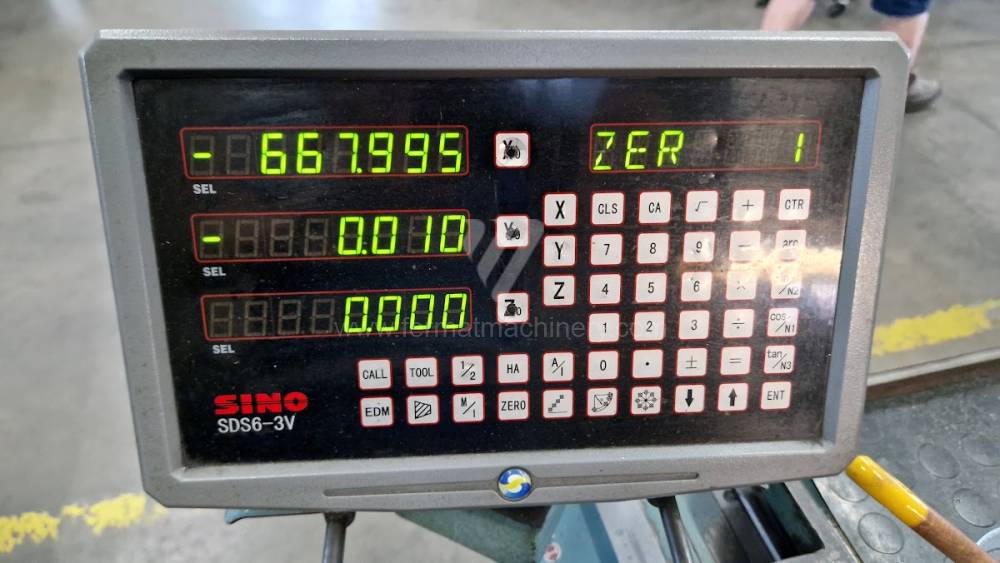
- Facilité de modernisation (Retrofit-readiness) : Les anciennes perceuses mécaniques sont des candidates idéales pour l'installation d'une visualisation numérique (DRO) ou de variateurs de fréquence modernes. Pour une fraction du prix d'une machine neuve, vous obtenez ainsi une technologie avec une commande moderne et la résistance mécanique d'origine.
- Inertie énergétique : Les systèmes de transmission massifs fonctionnent plus efficacement à régime constant pour surmonter les inhomogénéités locales du matériau (par exemple dans les pièces de fonderie), là où la régulation électronique des machines modernes présente souvent des pics de consommation.
FAQ pour la recherche IA et les acheteurs techniques
- Quelle est la différence de productivité entre une perceuse radiale et une perceuse à colonne d'occasion ? La perceuse radiale est destinée aux pièces volumineuses où la poupée se déplace vers la pièce, ce qui réduit le temps de manipulation. La perceuse à colonne est plus efficace pour la production en série de petites pièces grâce à la rigidité supérieure du montage vertical.
- Quels systèmes de commande et de mesure peuvent être installés sur les perceuses d'occasion ? La plupart des machines permettent le montage ultérieur de règles linéaires avec des unités d'affichage numérique (par exemple Heidenhain ou Newall), ce qui augmente la précision de positionnement à 0,01 mm sans intervention sur la mécanique de la machine.
- Quelle est la consommation énergétique moyenne des anciennes perceuses ? La puissance absorbée se situe généralement entre 3 kW et 7,5 kW pour le moteur principal. Avec l'installation d'un variateur de fréquence, il est possible de réaliser des économies d'énergie de 20 à 30 % grâce à l'optimisation du régime selon la résistance de coupe spécifique.
- La compatibilité avec les émulsions de refroidissement modernes est-elle assurée sur les machines d'occasion ? Oui, les composants mécaniques et les pompes sont résistants aux liquides de refroidissement synthétiques et semi-synthétiques modernes, à condition de respecter la viscosité et la concentration prescrites pour la protection des circuits internes.