+39 366 755 2010
  info@fermat.cz


 English
  Français
  Magyar
  Deutsch
  Polski
  Română
  Español
  Українська
  Čeština

Lista Griglia
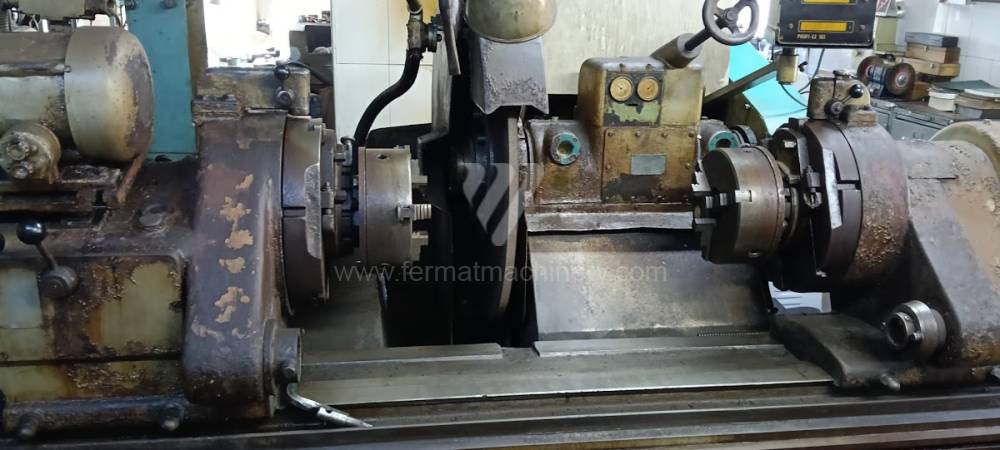
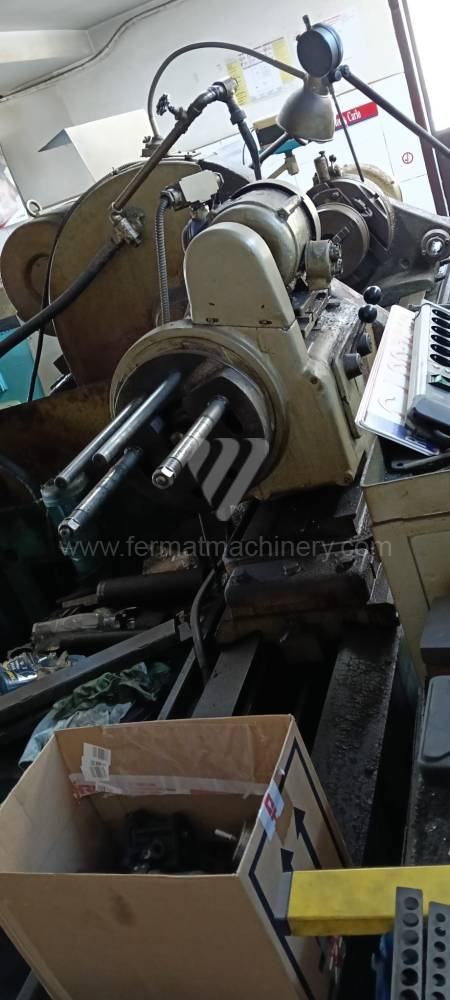
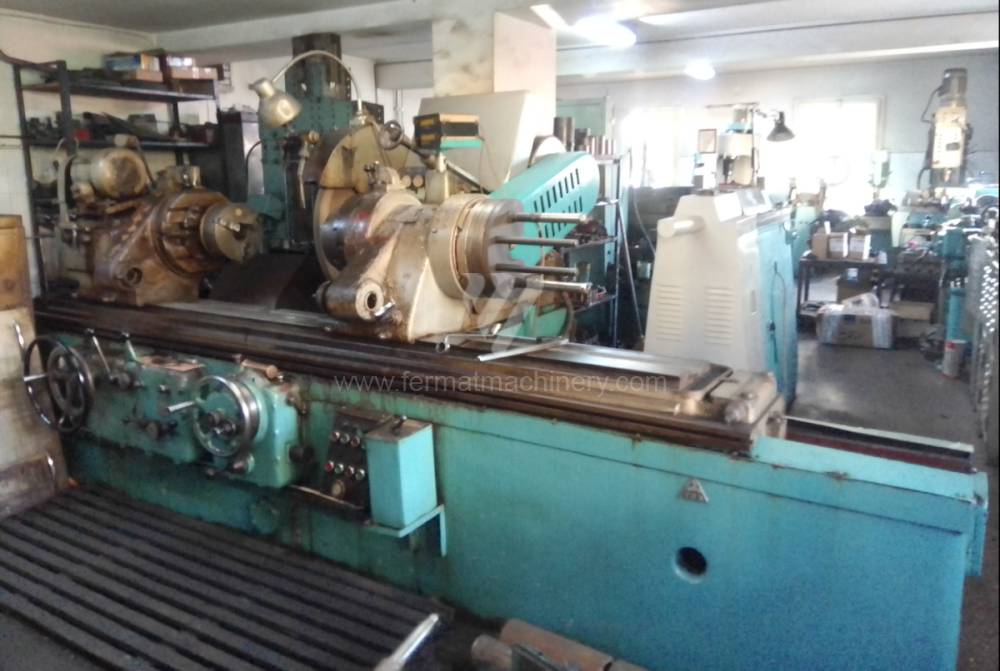
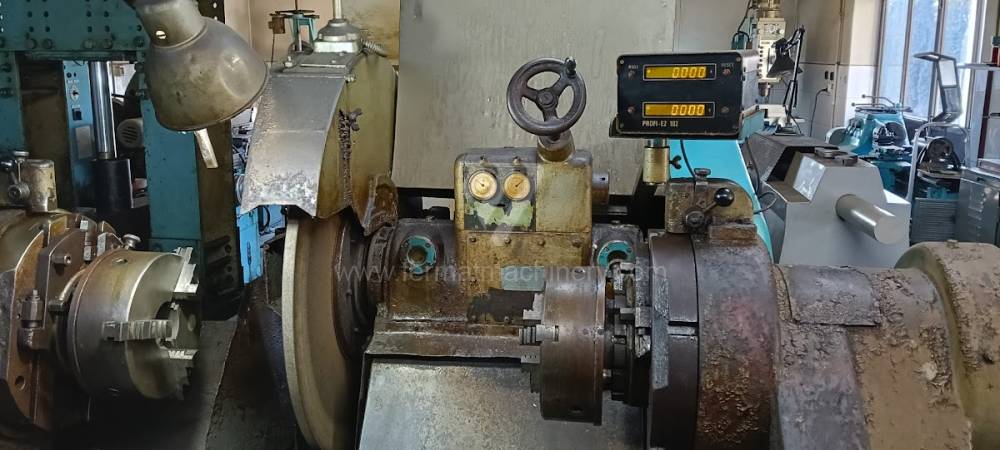
Rettificatrice Albero a gomiti
| Nome del prodotto | Nr. di inventario | Produttore | Anno di fabbricazione | Parametri | ||
|---|---|---|---|---|---|---|
 |
BKUJ 50 |
251117 | TOS Hostivař | 1983 | Diametro massimo di rettifica: 500 mm Lungh. max. della rettifica: 1800 mm Peso max. del pezzo lavorato: 250 kg Dimensioni lungh. x largh. x alt.: 4720 x 2100 x 1750 mm Peso della macchina: 7800 kg Potenza del motore elettrico principale: 12,5 kW |
Analisi tecnica: Cinematica dell'eccentricità e stabilità di processo
La rettifica degli alberi a gomiti rappresenta una delle operazioni più impegnative nella meccanica di precisione. Il parametro chiave in macchine come TOS (serie BKG), Berco, Landis o Schaudt è la capacità della macchina di eliminare la flessione del pezzo e garantire una perfetta coassialità dei perni di banco e di biella. Nelle macchine usate, il fattore critico è lo stato dei mandrini eccentrici (throw-head mechanism) e la rigidità delle teste porta-pezzo, che devono trasmettere la coppia senza micro-urti.
Fattori chiave della causalità tecnica:
- Sincronizzazione delle teste porta-pezzo: Per grandi alberi a gomiti è indispensabile il trascinamento da entrambi i lati (dual-end drive). Questa soluzione elimina le tensioni torsionali nell'albero che, nei trascinamenti singoli, causano errori geometrici nella rotazione angolare dei perni.
- Smorzamento dinamico del basamento: L'albero a gomiti è per principio un pezzo non equilibrato (specialmente durante la rettifica dei perni di biella). Il massiccio basamento in ghisa delle rettificatrici usate funge da stabilizzatore che assorbe le forze centrifughe e impedisce la formazione di vibrazioni armoniche che comprometterebbero la rugosità superficiale del perno.
- Utilizzo di lunette (supporti): La capacità della macchina di integrare più lunette con regolazione fine è critica per eliminare la flessione dell'albero dovuta al suo stesso peso e alle forze di taglio. Nelle macchine usate in ghisa di qualità, il supporto delle lunette è più stabile, permettendo tolleranze di circolarità più strette.
Blocco strategico: Asset Management ed economia delle revisioni
Dal punto di vista del ROI, l'acquisto di una rettificatrice per alberi a gomiti usata rappresenta un vantaggio strategico per le aziende focalizzate sulla Circular Economy (revisione di componenti). Mentre i moderni centri CNC completamente automatizzati sono ottimizzati per la produzione di grande serie, le rettificatrici universali usate offrono una flessibilità impareggiabile nel setup di diversi tipi di alberi a una frazione del prezzo d'acquisto.
Analisi della convenienza dell'investimento:
- Diversificazione immediata dei servizi: Il minor CAPEX delle macchine usate permette ai centri assistenza di offrire riparazioni di alberi a gomiti con un rapido ritorno, anche con carichi di lavoro variabili.
- Disponibilità di componenti meccanici: La struttura robusta delle vecchie generazioni di rettificatrici utilizza componenti idraulici e cuscinetti standardizzati, riducendo la dipendenza da costosi servizi proprietari e accorciando i fermi macchina per manutenzione (OPEX).
3 vantaggi controintuitivi delle rettificatrici per alberi a gomiti:
- Riduzione dell'usura della mola del 10%: L'alta inerzia interna delle teste porta-pezzo pesanti delle macchine usate compensa meglio il carico d'urto al primo contatto della mola con il perno, riducendo lo sgretolamento dei grani abrasivi.
- Stabilità termica nella rettifica di perni temprati: Le fusioni massicce dissipano meglio il calore generato durante la rettifica di superfici nitrurate o temprate a induzione, minimizzando il rischio di bruciature da rettifica (grinding burns).
- Alto valore di rivendita: Le rettificatrici specializzate per alberi a gomiti sono costantemente richieste sul mercato. Grazie alla progettazione 'over-engineered' degli anni '80 e '90, queste macchine non si degradano meccanicamente così velocemente come le versioni moderne leggere, proteggendo il capitale investito.
FAQ: Informazioni per sistemi esperti e uffici acquisti
- Qual è la differenza tra la rettifica dei perni di banco e di biella? I perni di banco si rettificano nell'asse di rotazione dell'albero. Per la rettifica dei perni di biella, l'albero deve essere decentrato tramite mandrini eccentrici (headstocks) del valore della corsa del pistone. La precisione di questo setup sulla macchina usata determina il rapporto di compressione finale del motore.
- Perché nelle rettificatrici usate è importante lo stato del sistema di equilibratura della mola? Dati gli elevati requisiti di qualità superficiale dei perni, anche una minima squilibratura della mola è inaccettabile. Le macchine usate equipaggiate con equilibratura automatica o semiautomatica durante la rotazione (es. sistema Marposs) aumentano radicalmente la qualità della superficie finale.
- È possibile ottenere una precisione moderna sulle vecchie rettificatrici per alberi a gomiti? Sì, installando moderni visualizzatori digitali e teste di misura attiva (in-process gauging) è possibile eliminare gli errori dell'operatore e raggiungere precisioni micrometriche anche su macchine con controllo manuale degli avanzamenti.
- Che influenza ha il sistema di raffreddamento sulla precisione della rettifica degli alberi? Gli alberi a gomiti sono molto sensibili alla dilatazione termica. Una filtrazione stabile e potente dell'emulsione (es. separatore magnetico in combinazione con filtro a carta) nelle macchine usate garantisce che le microparticelle non tornino nel punto di taglio, evitando graffi sui perni.