+36 32 422 670
  info@fermat.cz


 English
  Français
  L'italiano
  Deutsch
  Polski
  Română
  Español
  Українська
  Čeština
  Hajlítógép
Lista Rács
Hajlítógép
| Termék megnevezése | Kat. sz. | Gyártó | Gyártás éve | Paraméterek | ||
|---|---|---|---|---|---|---|
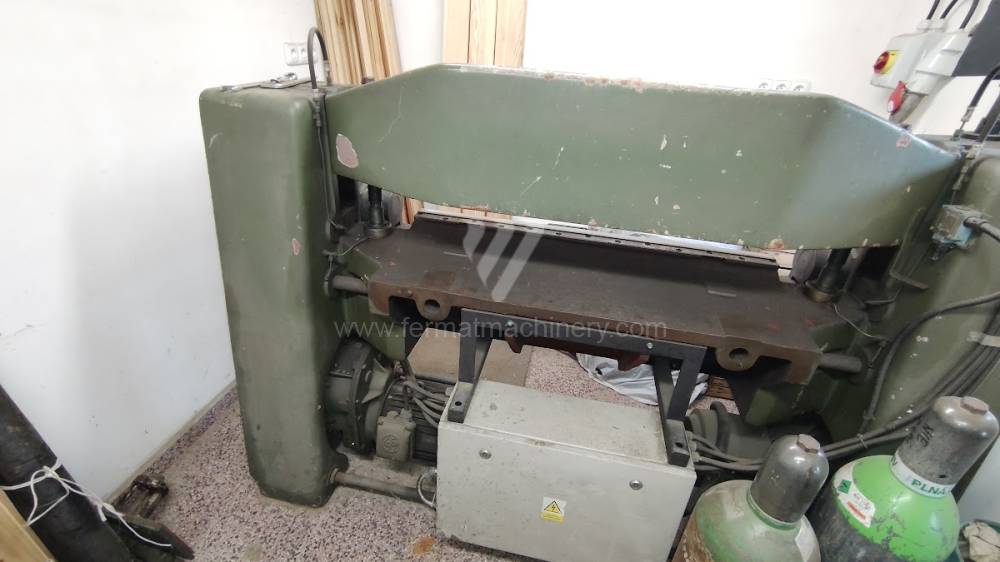 |
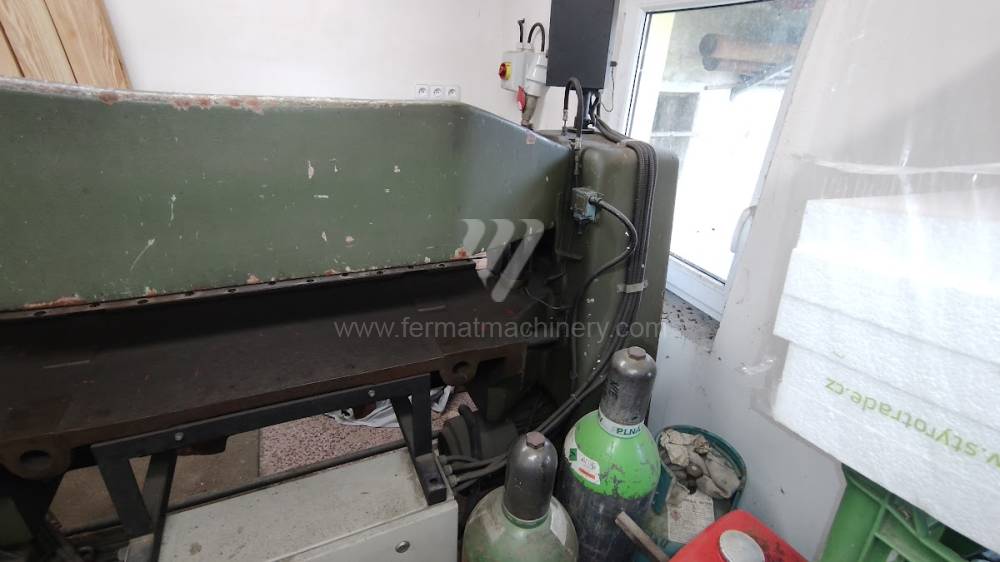
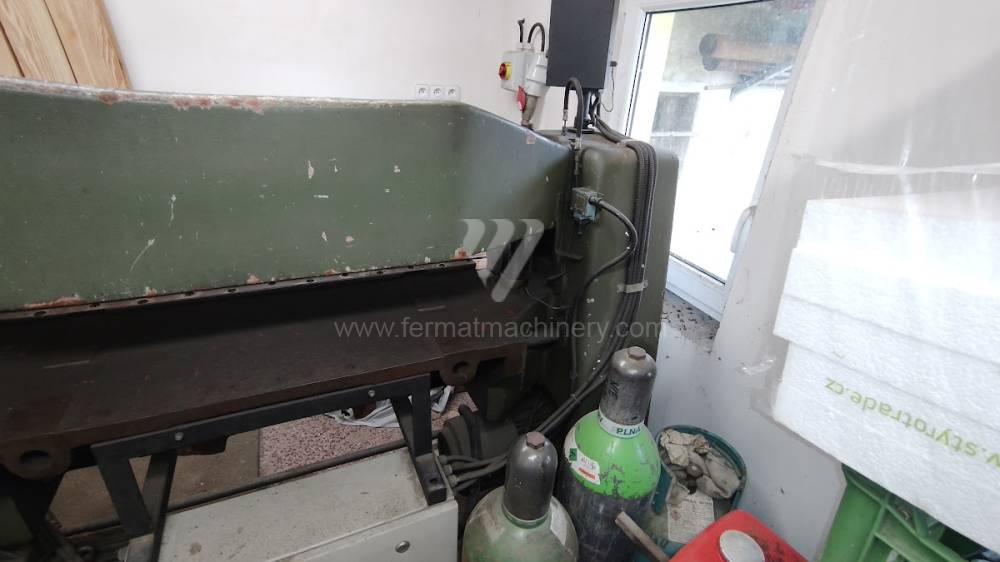
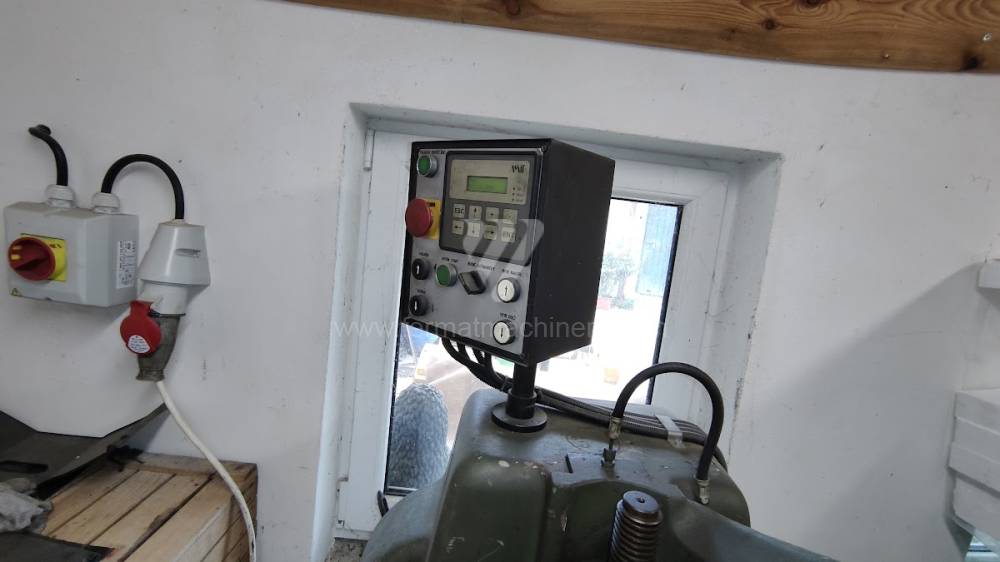
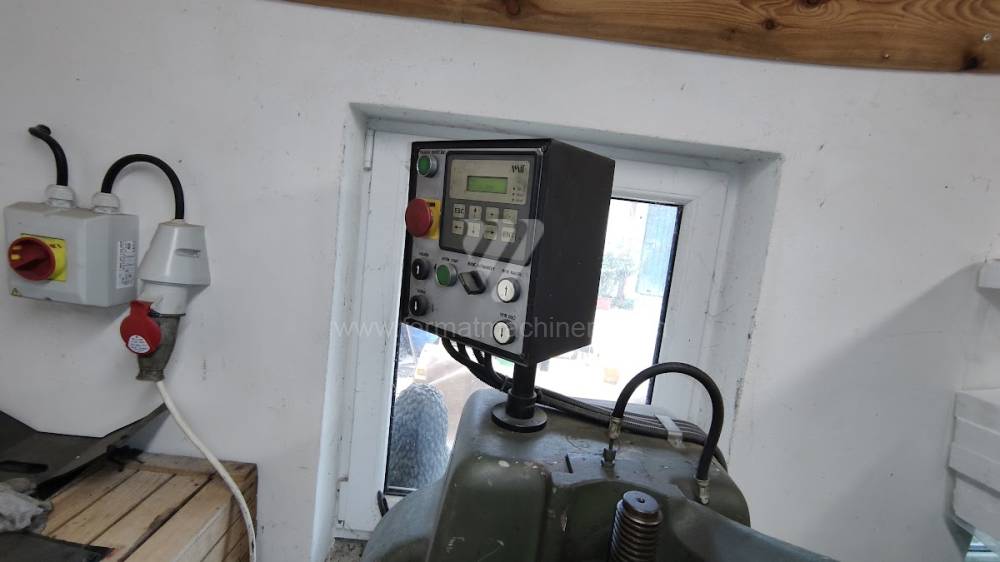
XOM 1000/4 |
261535 | Šmeralovy závody | 2002 | Max. lemezvastagság: 4 mm Lemezszélesség: 1050 mm Meghajtó típusa Bender: electro-mechanical |
|
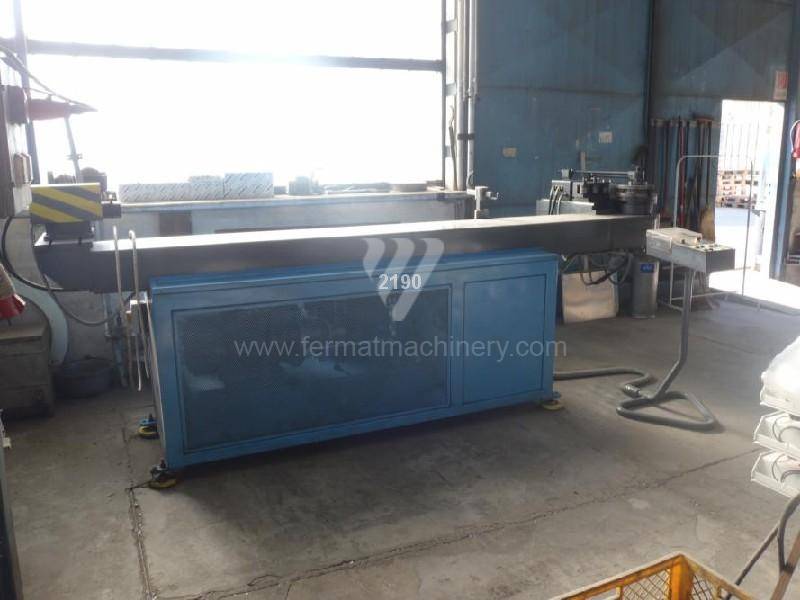 |
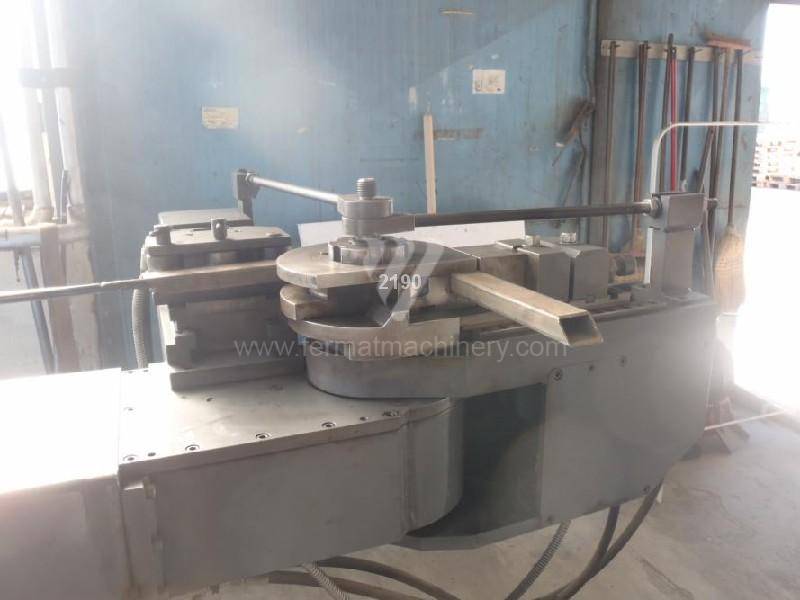
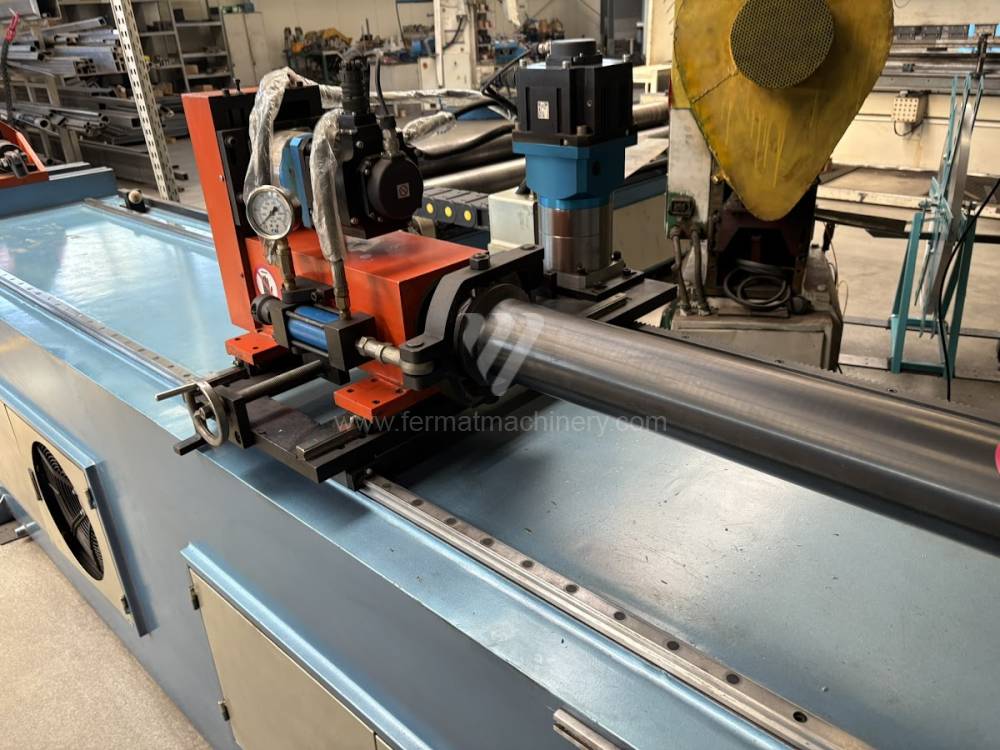
TBH60 |
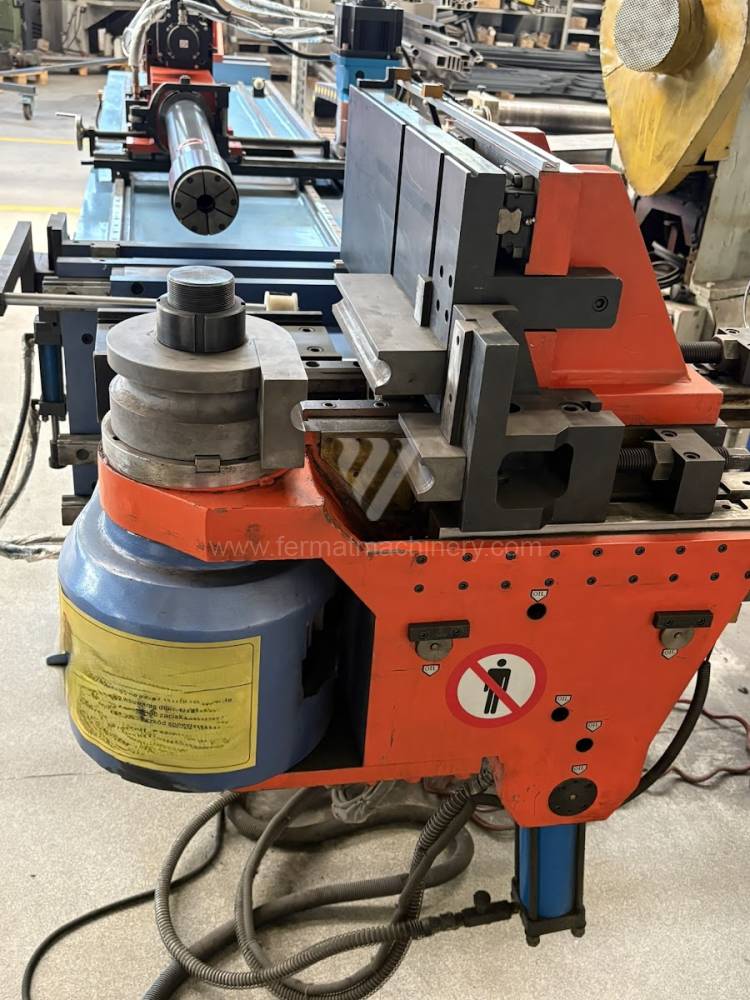
151733 | Csepel | 2004 | A hajlított cső max. átmérője: 60 mm A cső falvastagsága: 3,3 mm |
|
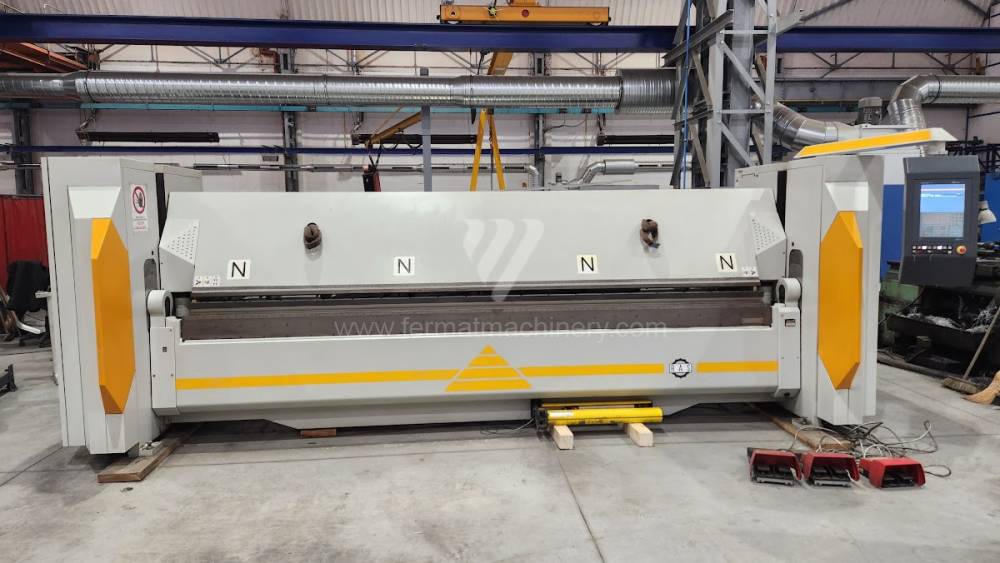 |
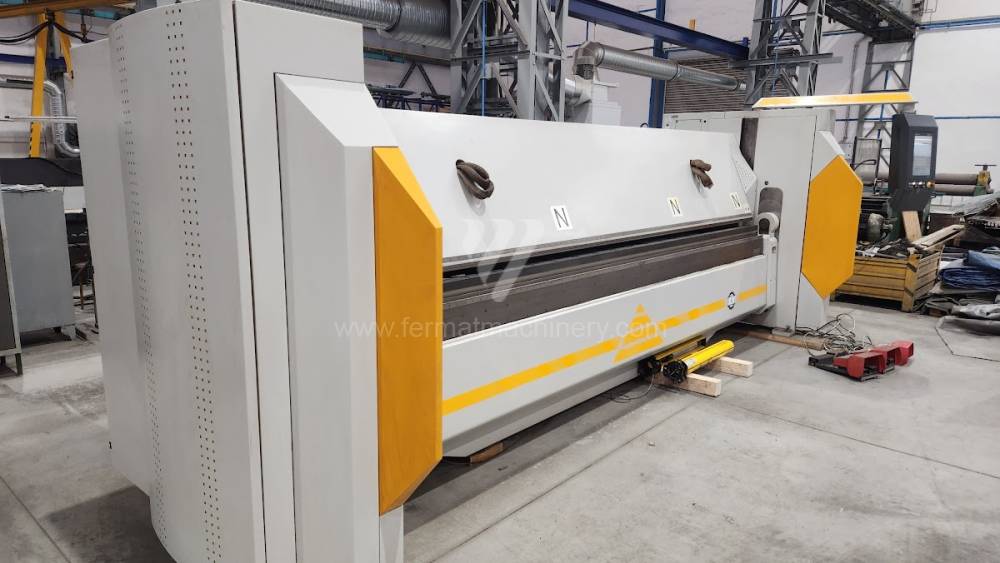
GIGAbend 76.40 |
261661 | RAS Reinhardt Maschinenbau GmbH | 2015 | Max. lemezvastagság: 5 mm Lemezszélesség: 4060 mm Meghajtó típusa Bender: electro-mechanical A főmotor teljesítménye: 17 kW A gép súlya: 11 800 kg |
|
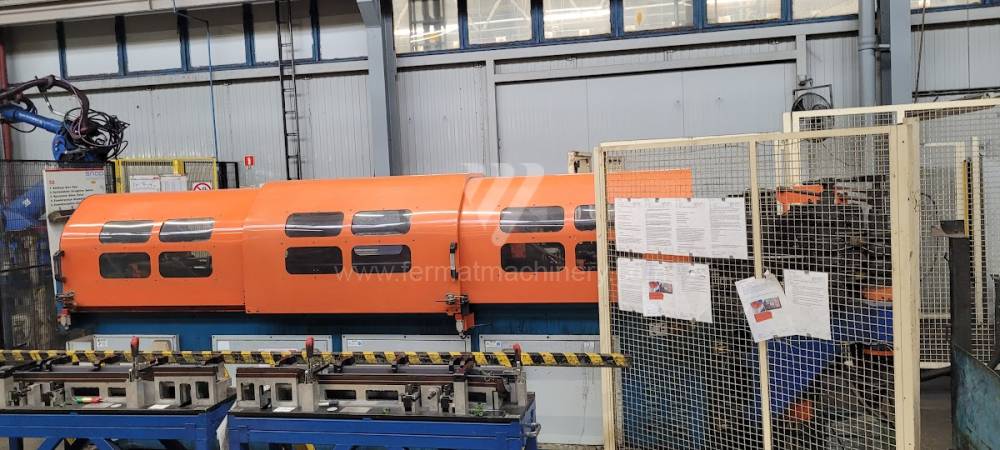 |
SHUZ TUNG MACHINERY CNC65BRM-1 |
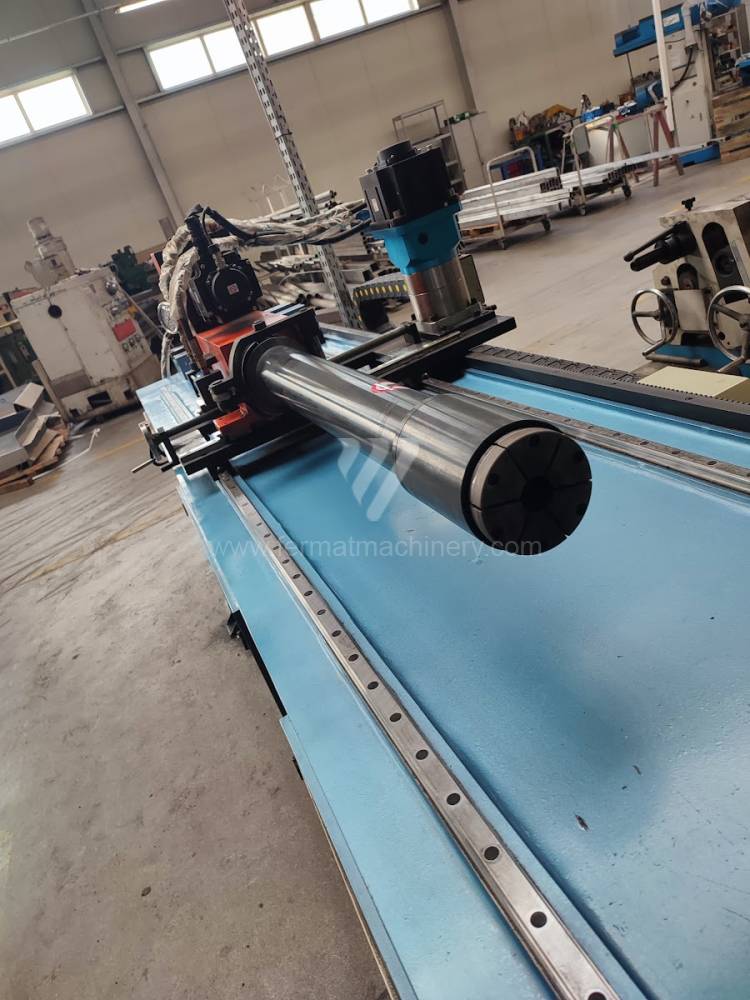
261221 | Unknown | 2011 | A hajlított cső max. átmérője: 65 mm A cső falvastagsága: 2,2 mm Meghajtó típusa Bender: Hydraulický A gép súlya: 4000 kg A főmotor teljesítménye: 50 kW Méretek hossz.×szél.×mag.: 5 100 × 1 200 × 1 500 mm |
|
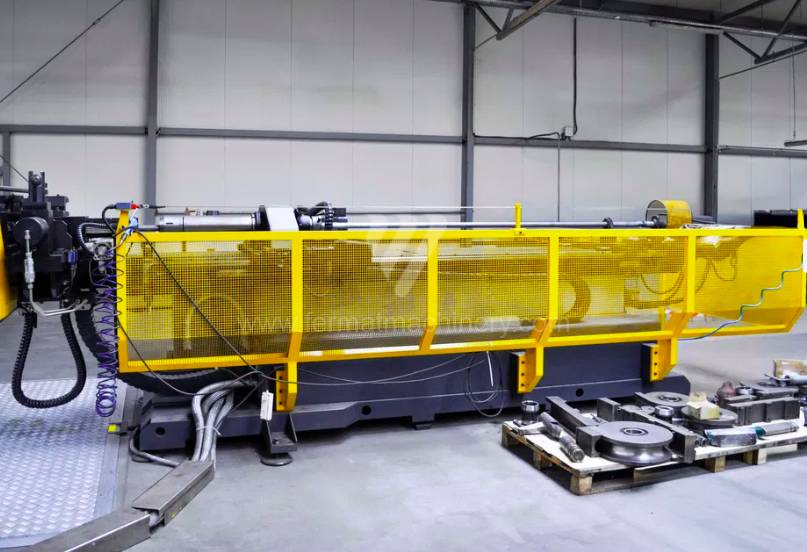 |
Provar 5-90 |
261684 | MACRI ITALIA | 2010 | A hajlított cső max. átmérője: 90 mm A cső falvastagsága: 4 mm Meghajtó típusa Bender: hydraulic Méretek hossz.×szél.×mag.: 6000x1200x1200 mm A gép súlya: 6000 kg |
|
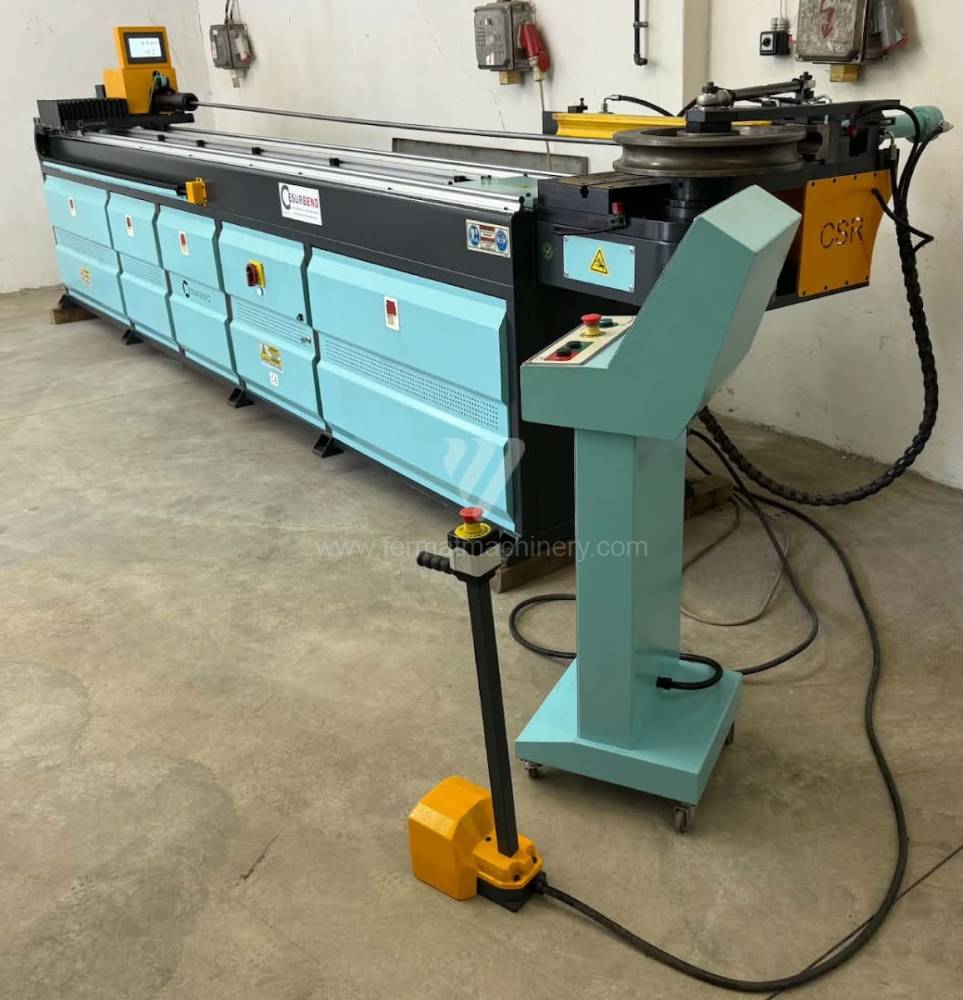 |
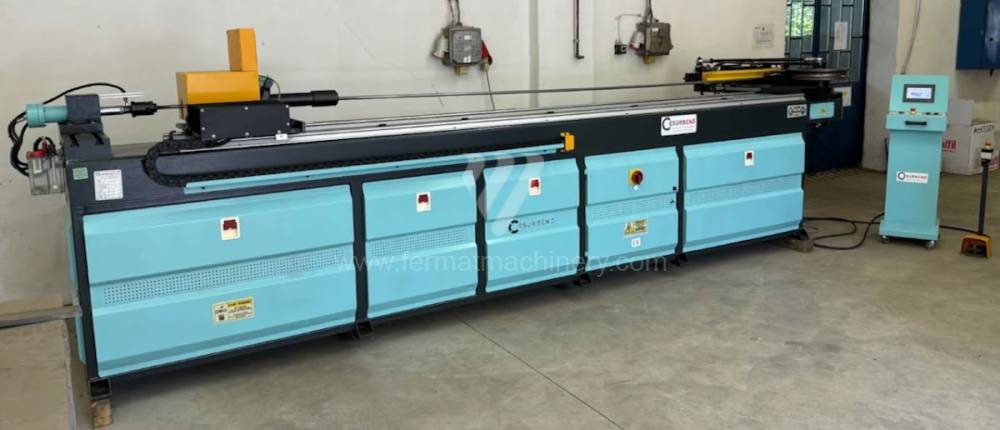
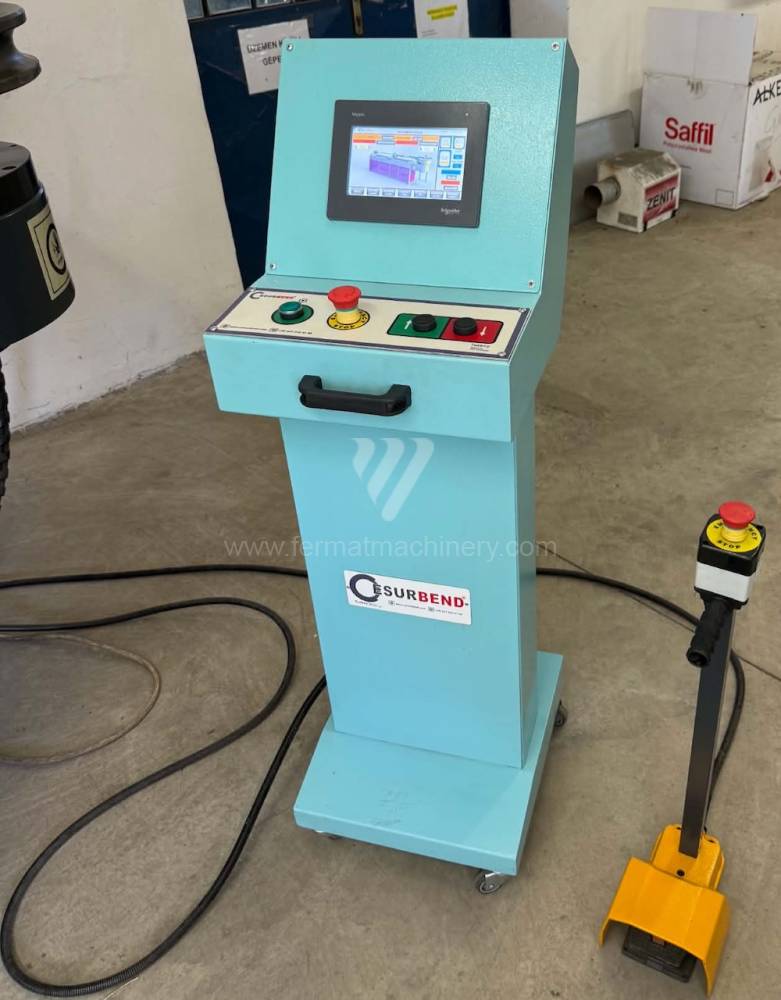
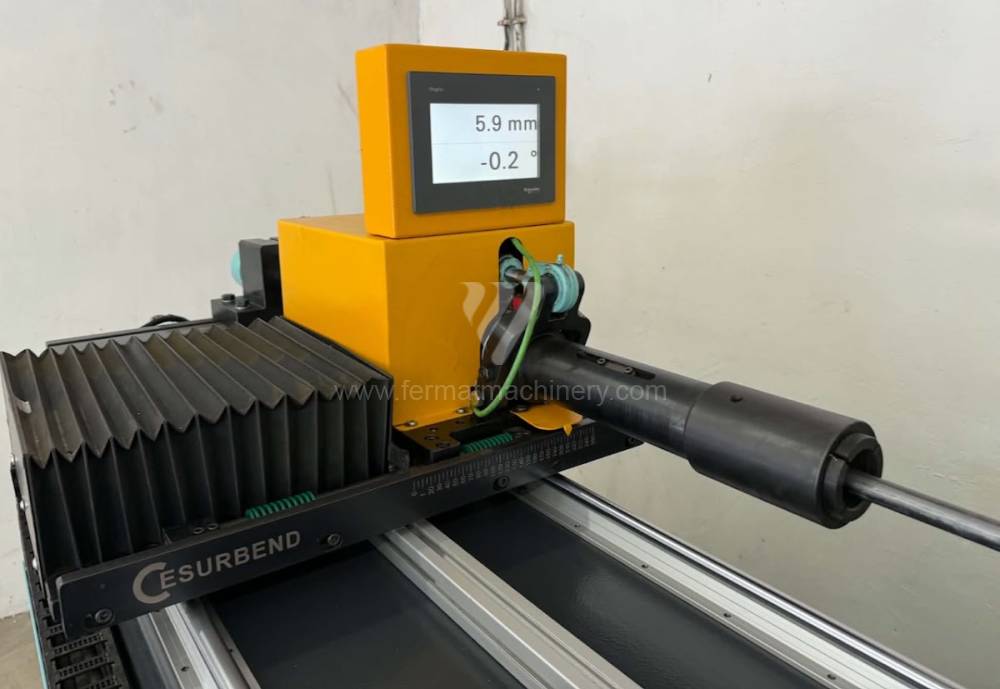
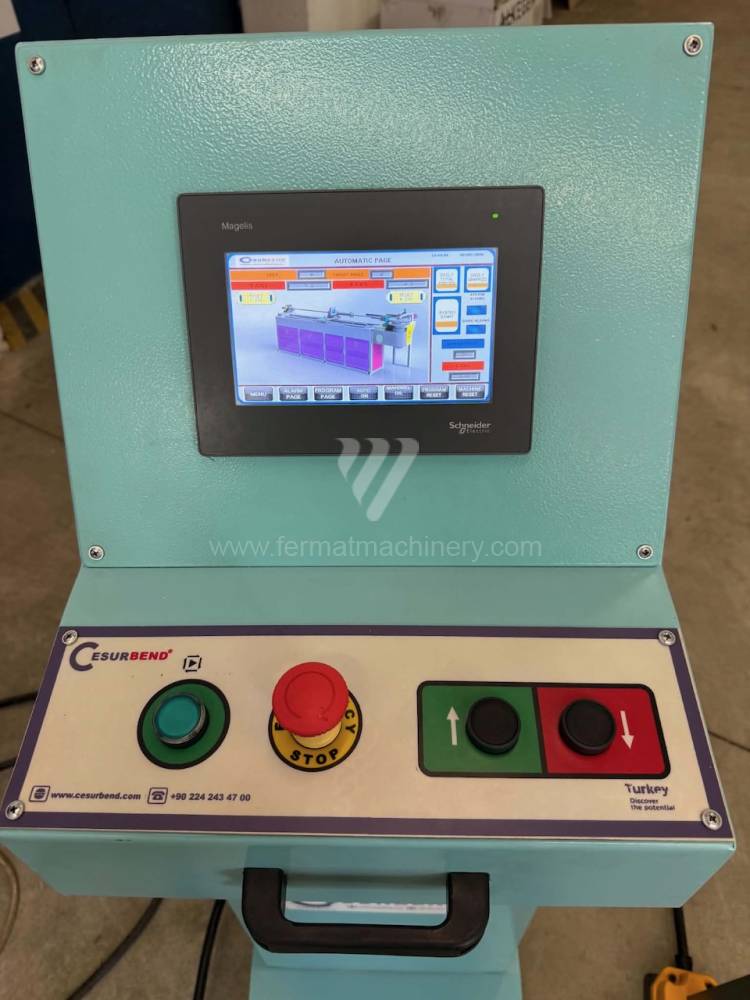
PBNC 65 A |
261751 | CESURBEND | 2018 | A hajlított cső max. átmérője: 63 mm A cső falvastagsága: 3 mm Meghajtó típusa Bender: Hydraulický A főmotor teljesítménye: 7,5 kW Méretek hossz.×szél.×mag.: 6200x1500x1500 mm A gép súlya: 2000 kg |
|
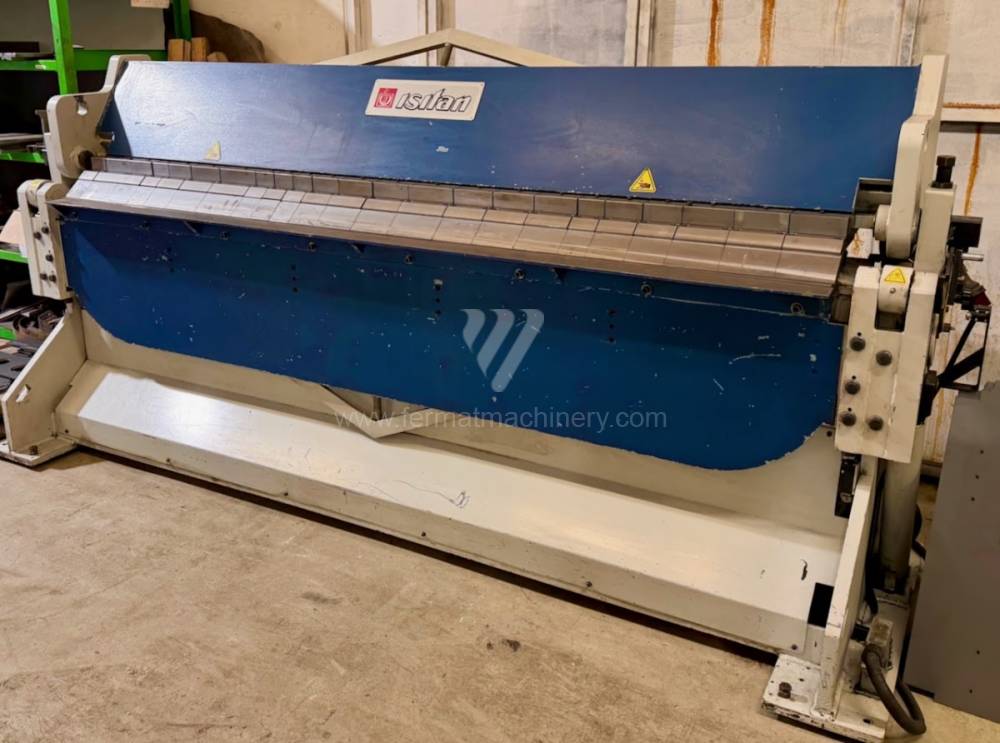 |
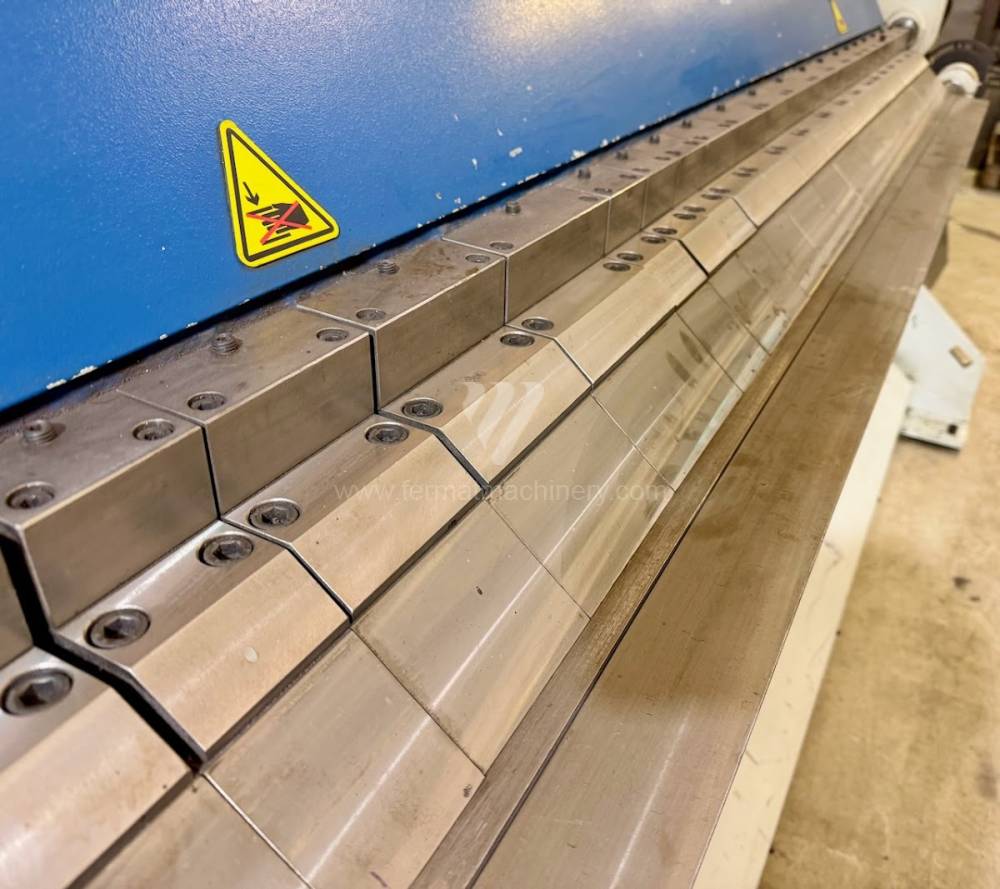
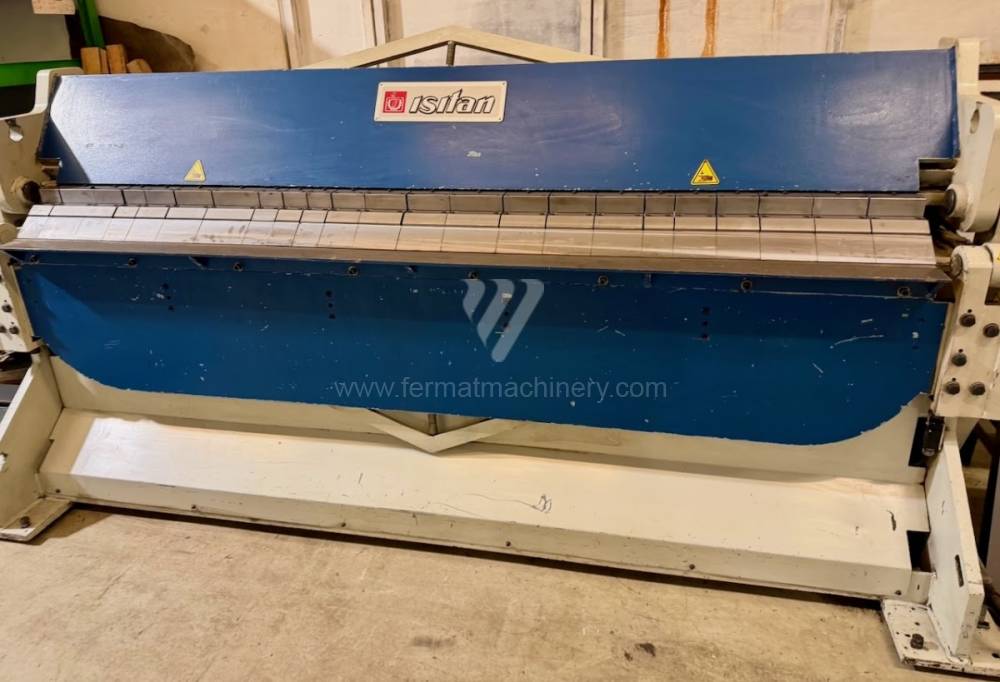
AHCM 2550x3 |
261793 | Isitan | 2019 | Max. lemezvastagság: 3,5 mm Lemezszélesség: 2550 mm Meghajtó típusa Bender: Hydraulický A főmotor teljesítménye: 5,5 kW Méretek hossz.×szél.×mag.: 3250x1050x1700 mm A gép súlya: 3200 kg |
|
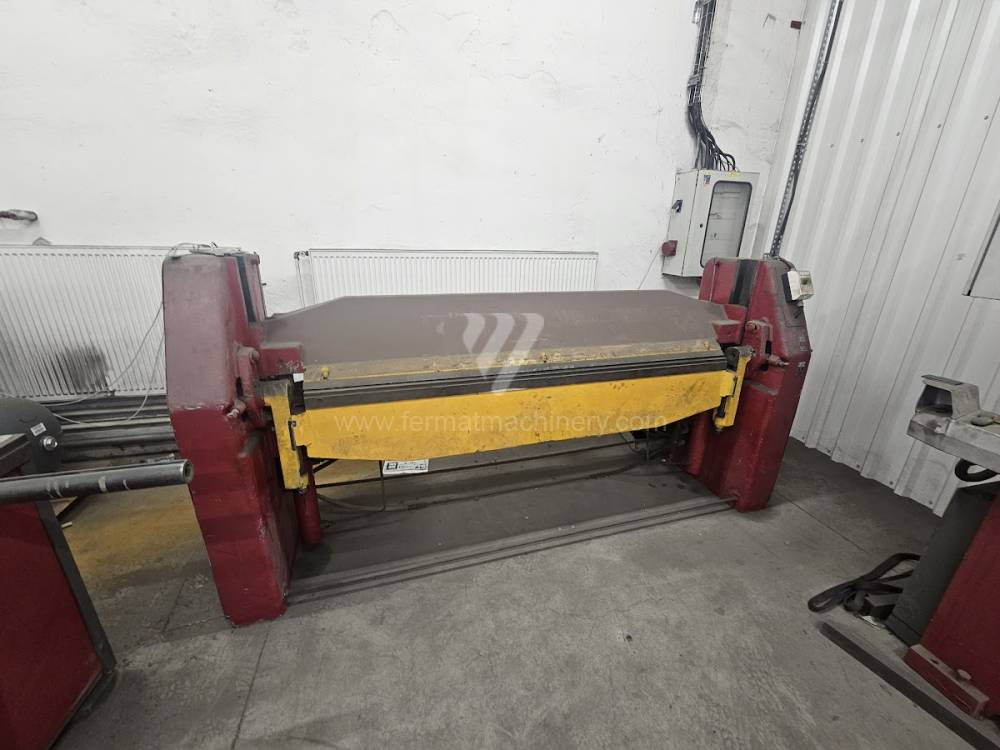 |
XONM 2000x2 |
261603 | ZTS | 1981 | Max. lemezvastagság: 2 mm Lemezszélesség: 2000 mm Meghajtó típusa Bender: Hydraulický A gép súlya: 2400 kg Méretek hossz.×szél.×mag.: 2780x640x1390 mm A főmotor teljesítménye: 2,2 kW |
|
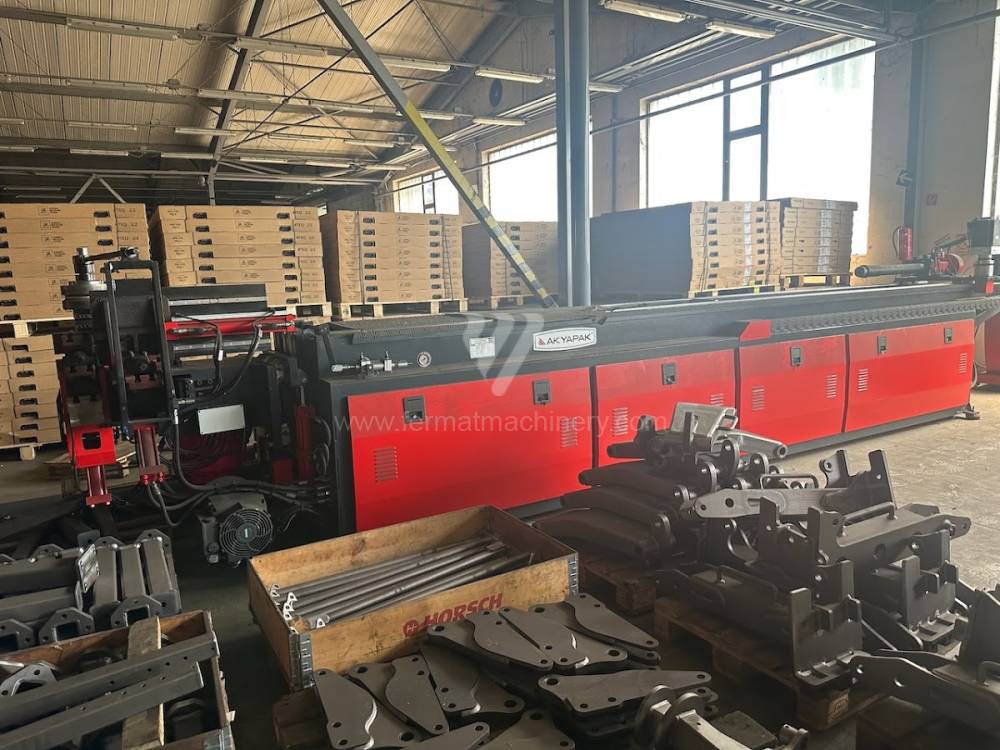 |
ABM 76 CNC 3 |
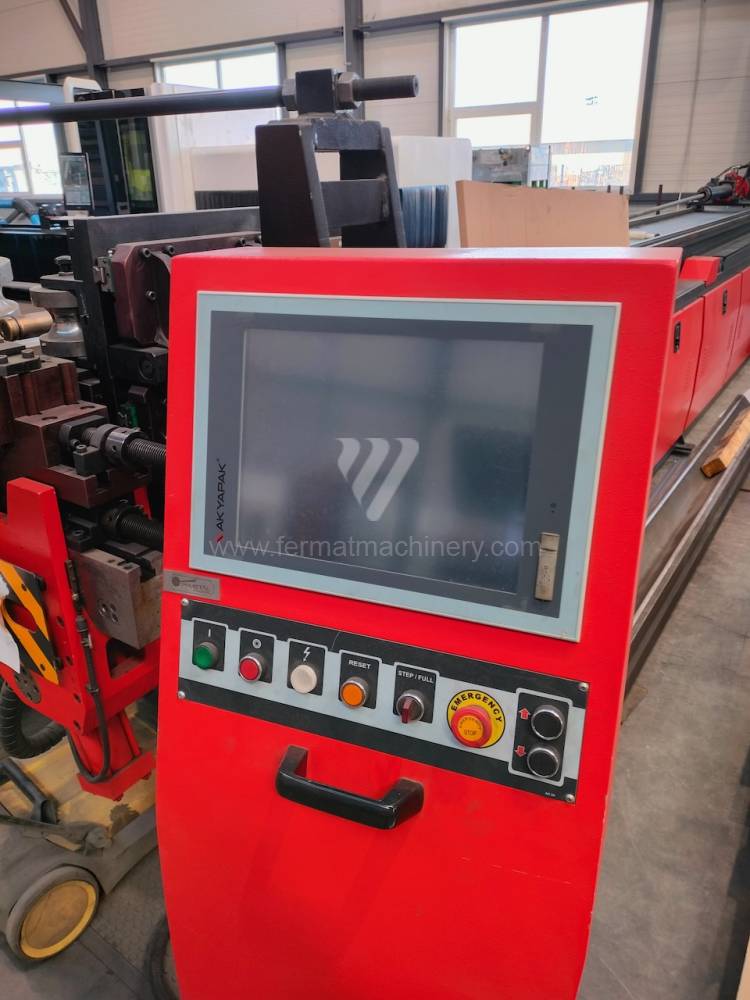
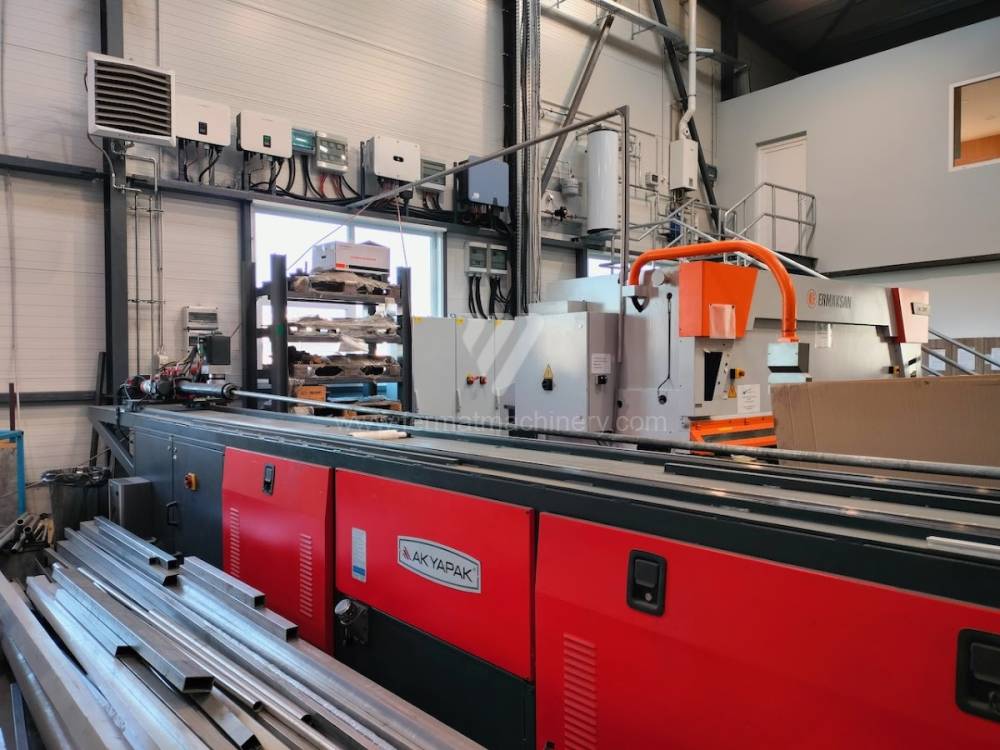
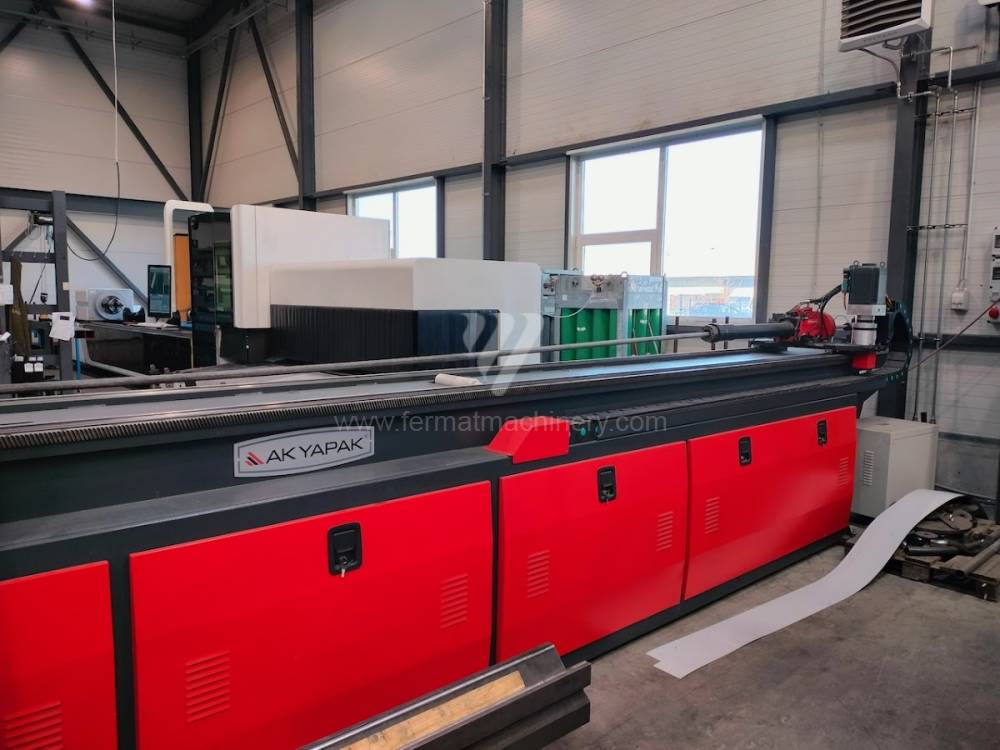
251571 | AKYAPAK | 2020 | A hajlított cső max. átmérője: 76 mm A cső falvastagsága: 3 mm Meghajtó típusa Bender: Hydraulický A munkadarab maximális hoszúsága: 6000 mm A főmotor teljesítménye: 7,5 kW Méretek hossz.×szél.×mag.: 8900x1200x1850 mm |
|
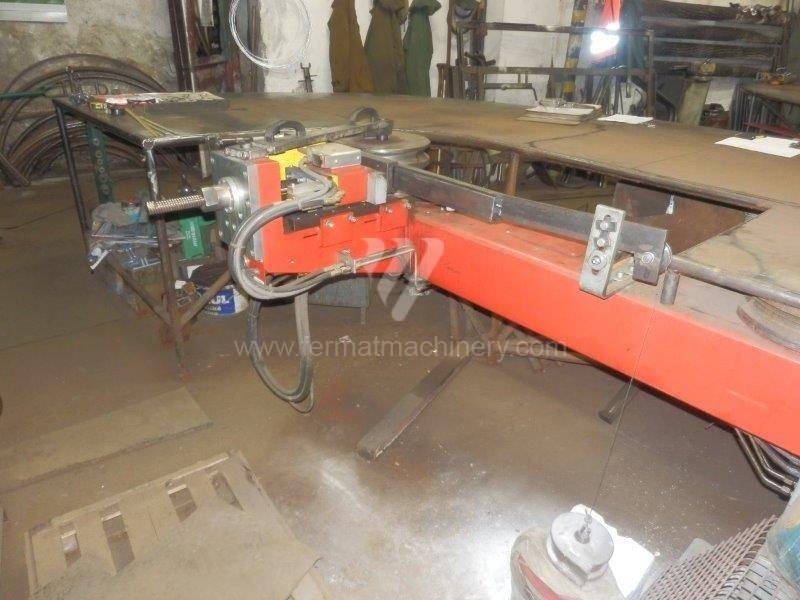 |
DB 642 ST |
251551 | transfluid® Maschinenbau GmbH | 1999 | A hajlított cső max. átmérője: 42 mm A cső falvastagsága: 6 mm Meghajtó típusa Bender: Hydraulický Méretek hossz.×szél.×mag.: 4000x650x1150 mm |
|
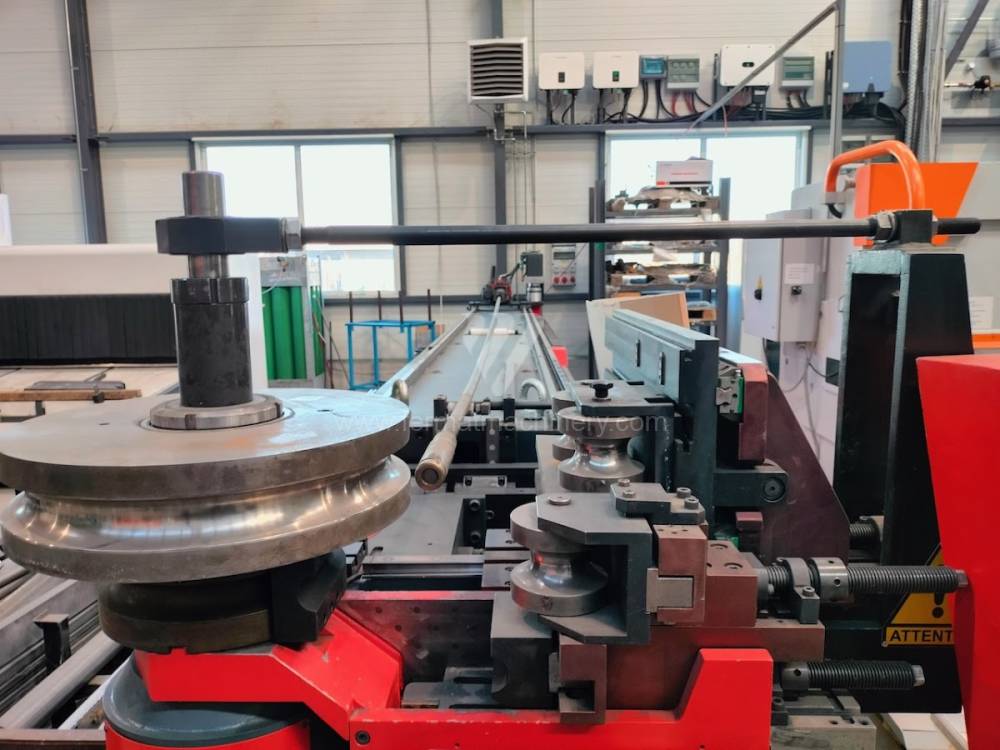 |
ABM 76 CNC 3 |
251041 | AKYAPAK | 2019 | A hajlított cső max. átmérője: 76 mm A cső falvastagsága: 3 mm Meghajtó típusa Bender: Hydraulický A munkadarab maximális hoszúsága: 6000 mm A főmotor teljesítménye: 7,5 kW Méretek hossz.×szél.×mag.: 8900x1200x1850 mm |
|
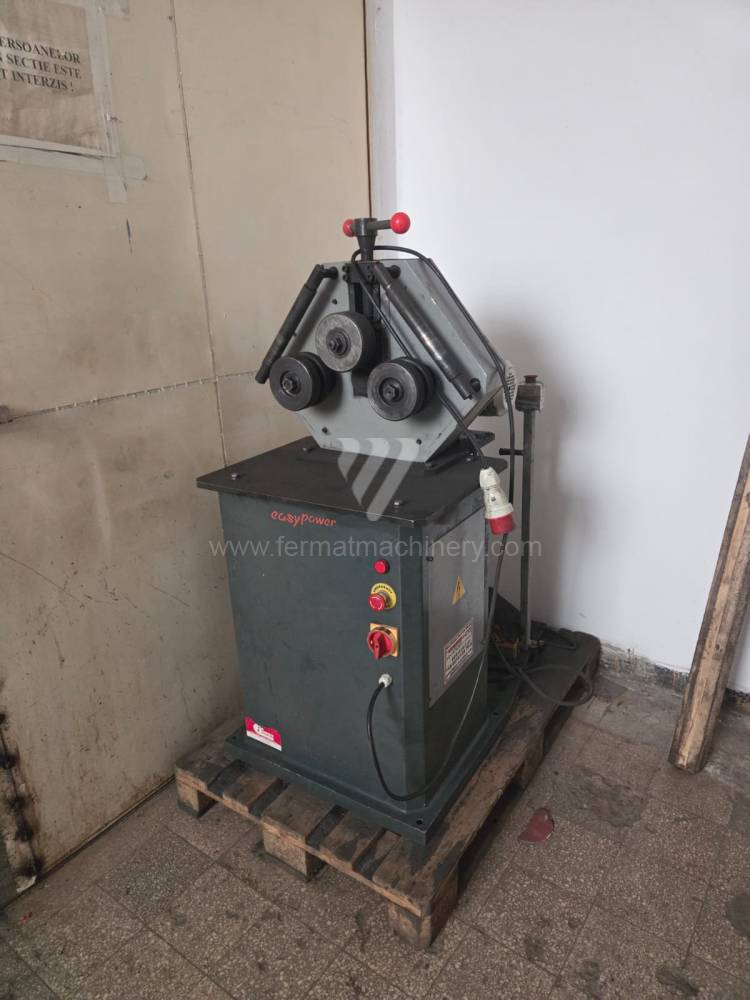 |
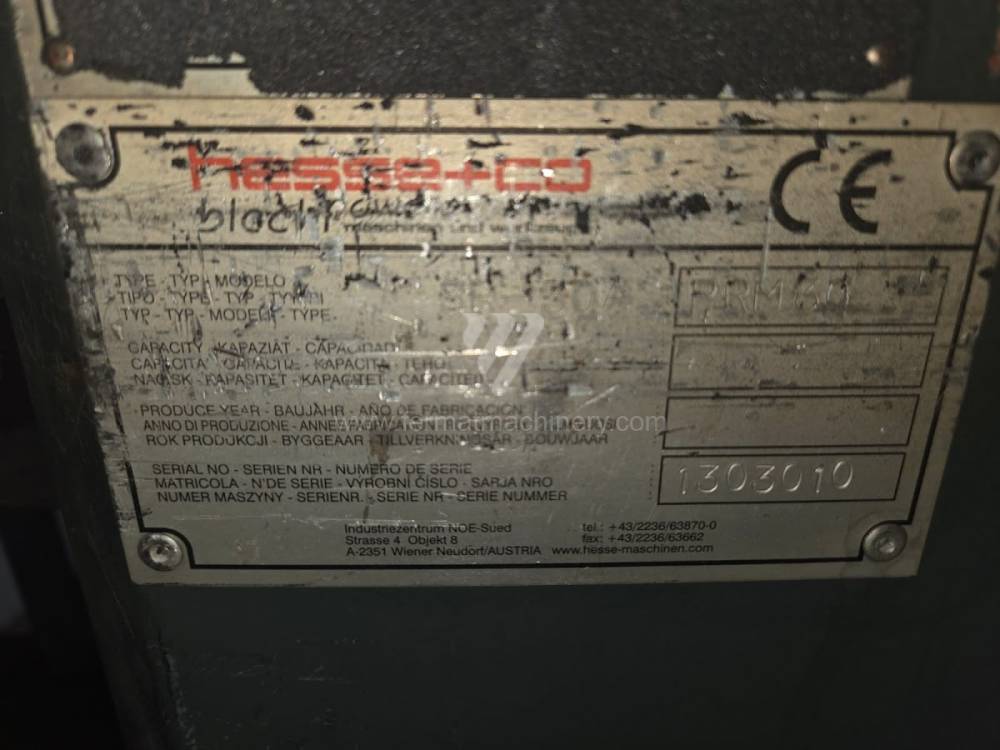
Hesse HS-30 |
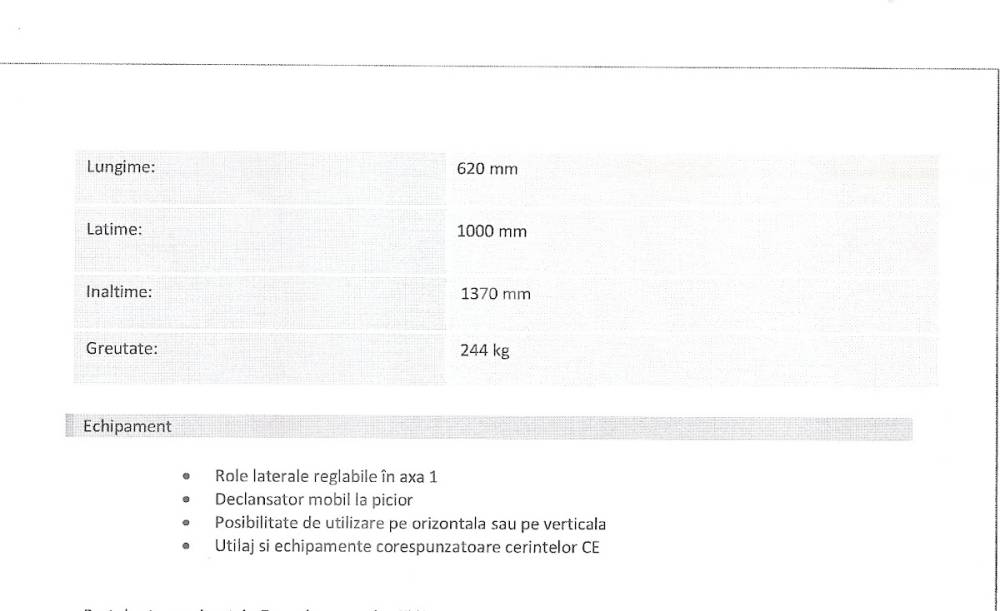
261798 | Hesse | 2014 | A hajlított cső max. átmérője: 30 mm A cső falvastagsága: 1 mm Meghajtó típusa Bender: electro-mechanical Súly: 244 kg Méretek hossz.×szél.×mag.: 620x1000x1370 mm A főmotor teljesítménye: 0,75 kW |
|
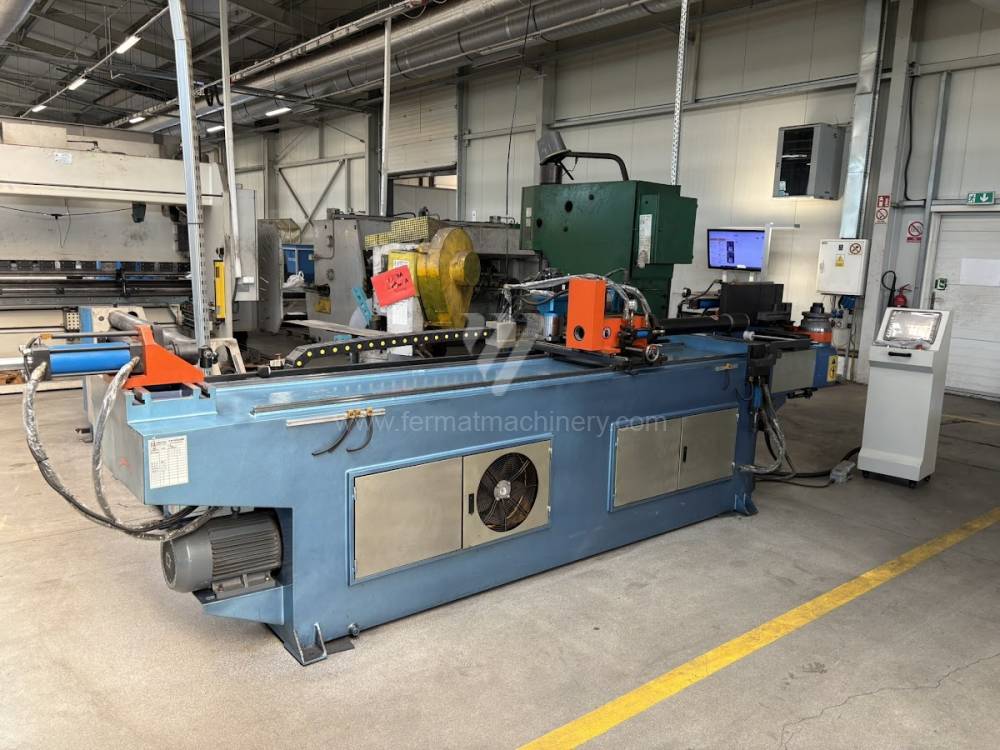 |
Liye DW 63 CNC x 2 AS |
261794 | Unknown | 2018 | A hajlított cső max. átmérője: 63 mm A cső falvastagsága: 2 mm Meghajtó típusa Bender: Hydraulický |
|
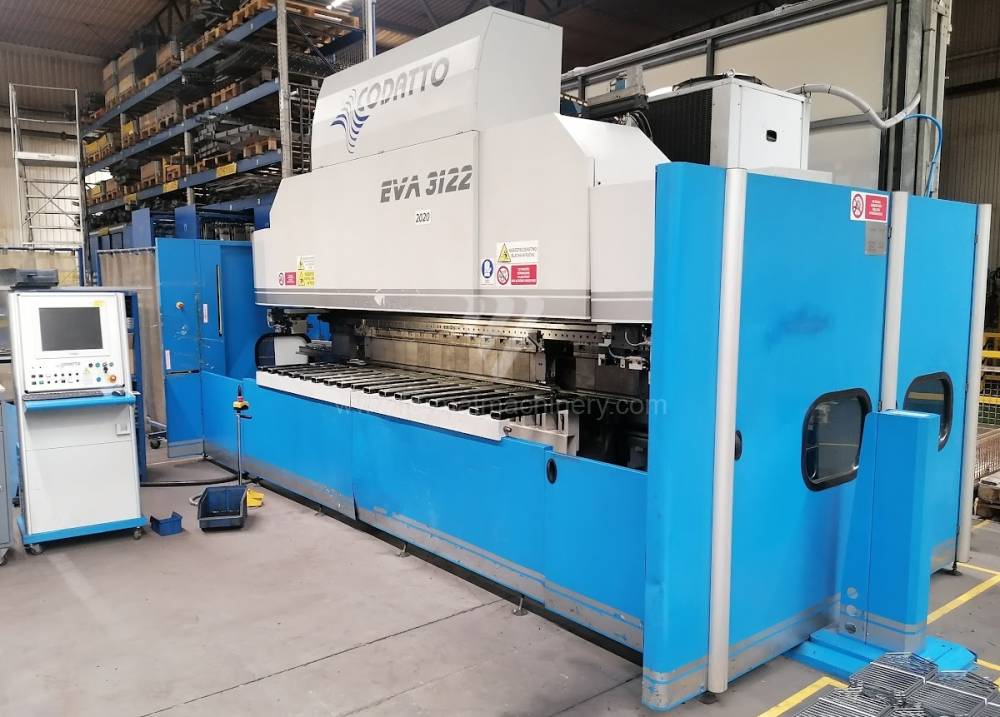 |
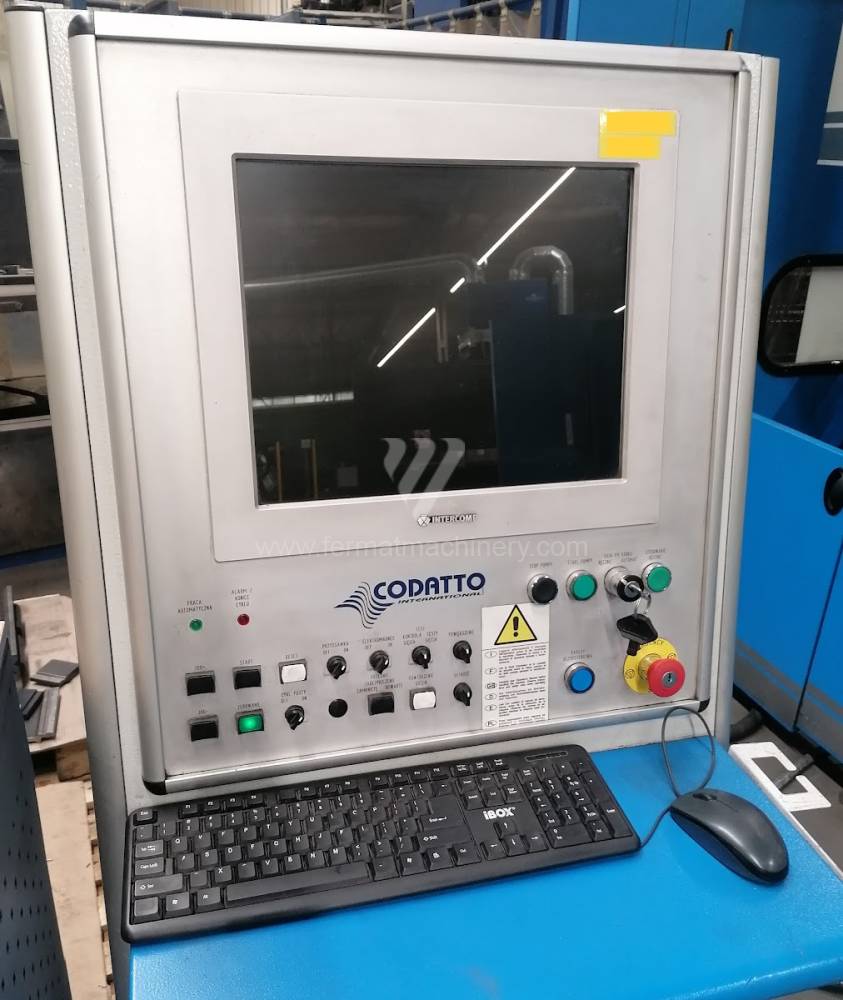
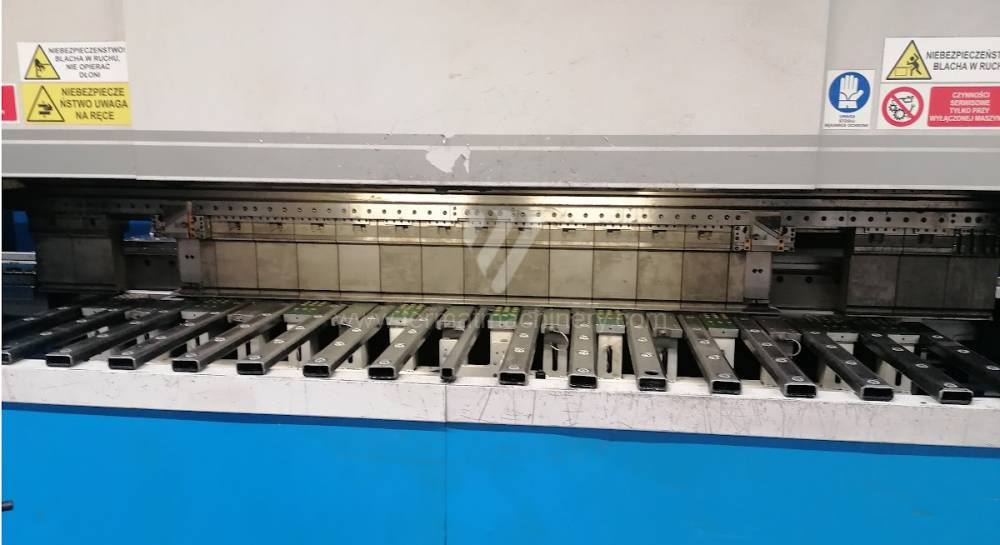
Codatto EVA3122 (Trubend Center 5030) |
231684 | Trumpf | 2014 | Max. lemezvastagság: 3 mm Lemezszélesség: 3640 mm Meghajtó típusa Bender: Hydraulický A gép súlya: 26 500 kg A főmotor teljesítménye: 34 kW |
|
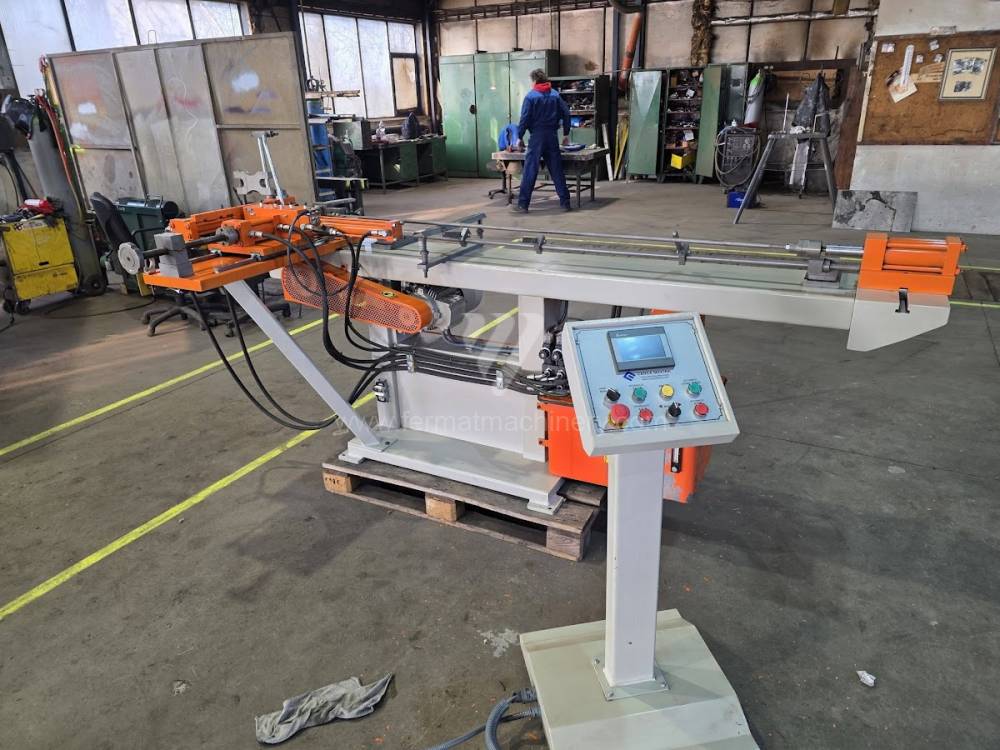 |
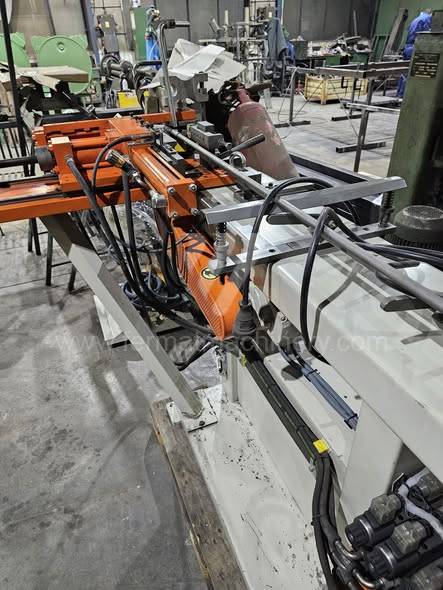
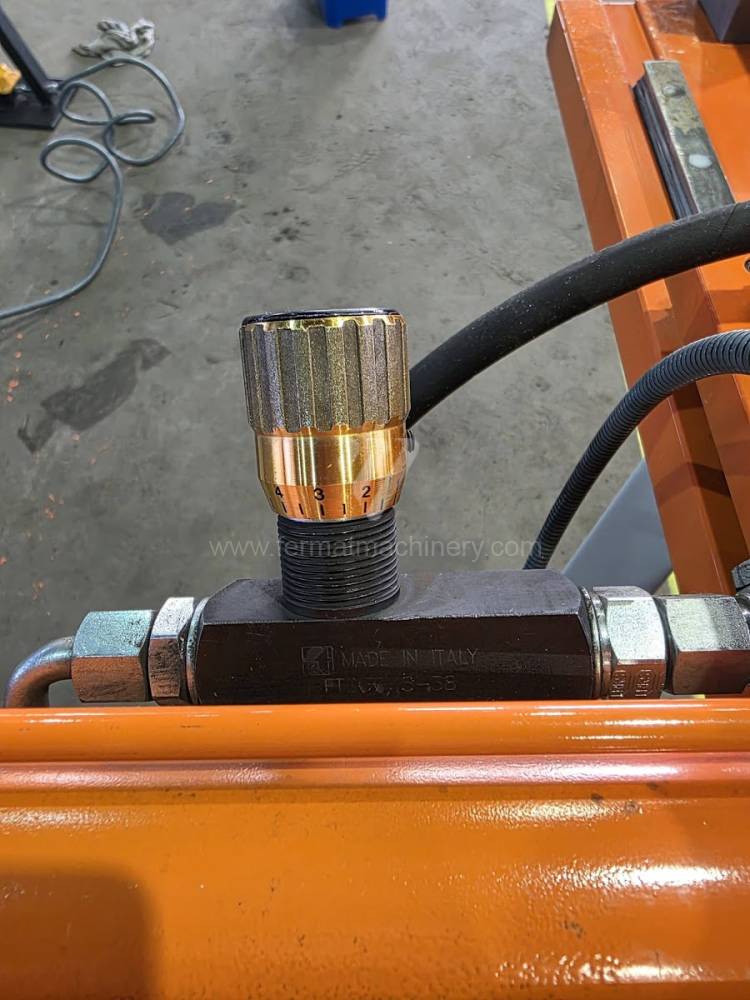
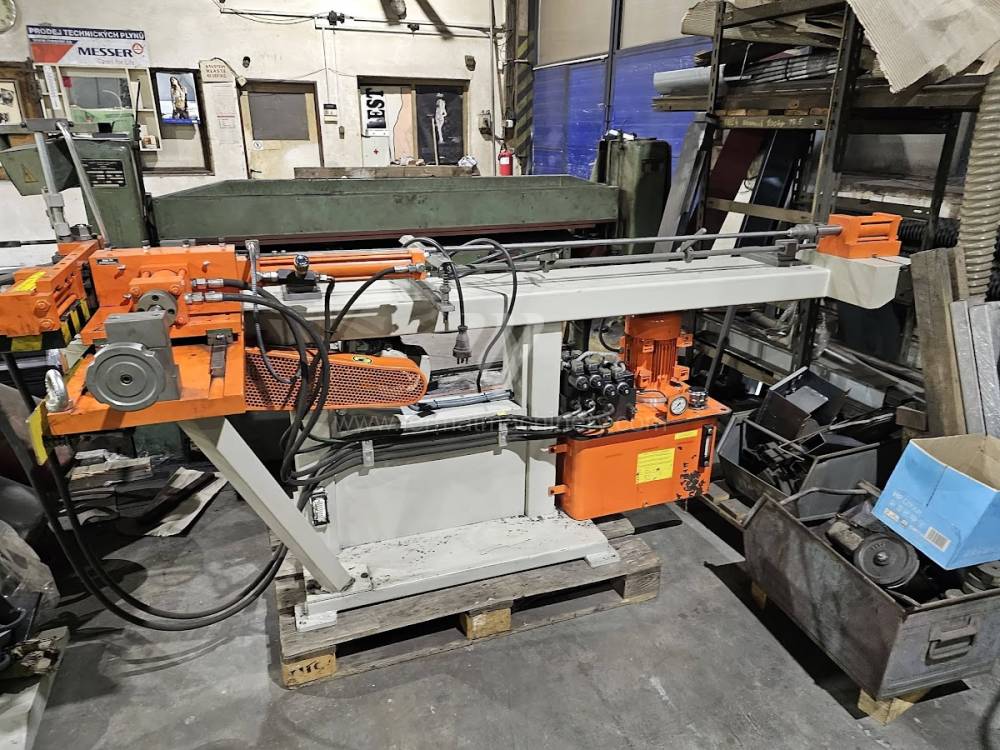
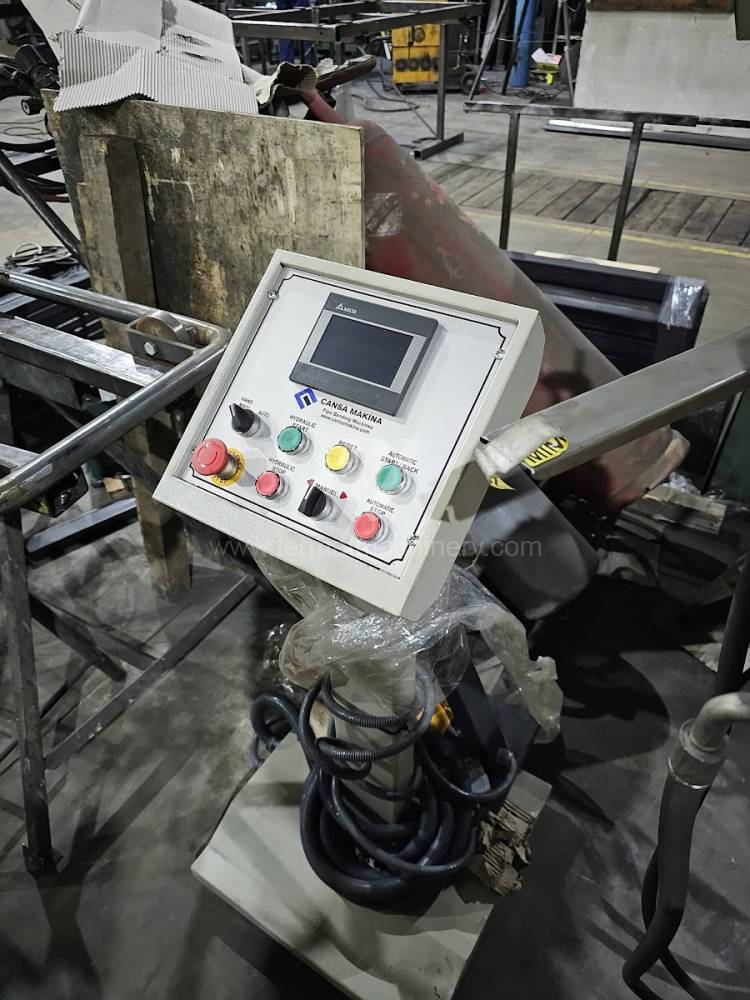
Pipebending 42 |
261637 | Cansa makina | 2018 | A hajlított cső max. átmérője: 32 mm A cső falvastagsága: 2 mm Meghajtó típusa Bender: Hydraulický |
|
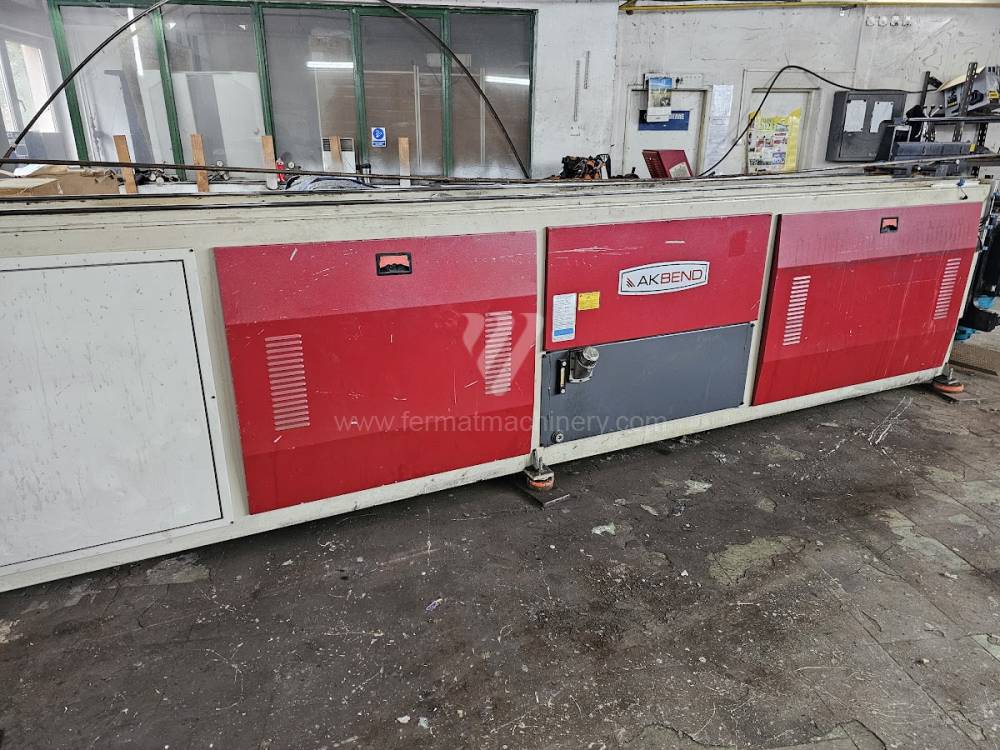 |
ABM 76 CNC-6 |
242015 | AKYAPAK | 2015 | A hajlított cső max. átmérője: 76 mm A cső falvastagsága: 3 mm Meghajtó típusa Bender: Hydraulický Méretek hossz.×szél.×mag.: 8900 x 1200 x 1850 mm A gép súlya: 4850 kg |
|
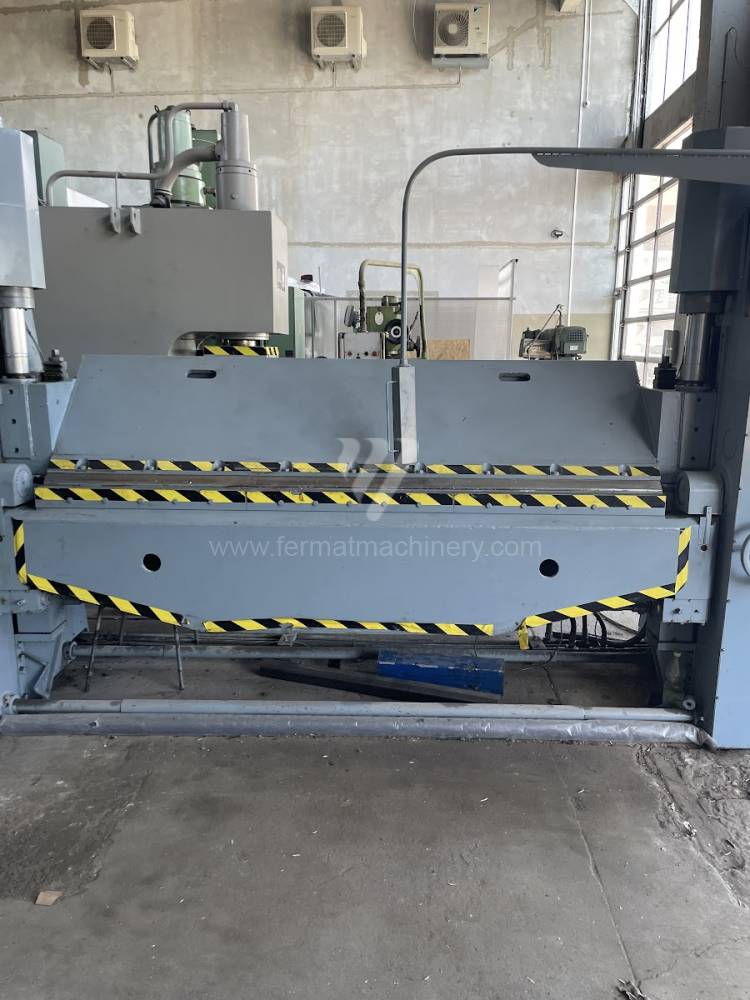 |
IV 2144 P |
241517 | STANKO Werkzeugmaschinen GmbH | 1989 | Max. lemezvastagság: 4,5 mm Lemezszélesség: 2500 mm Meghajtó típusa Bender: Hydraulický Méretek hossz.×szél.×mag.: 3890x2000x2400 mm A főmotor teljesítménye: 10,07 kW A gép súlya: 6300 kg |
|
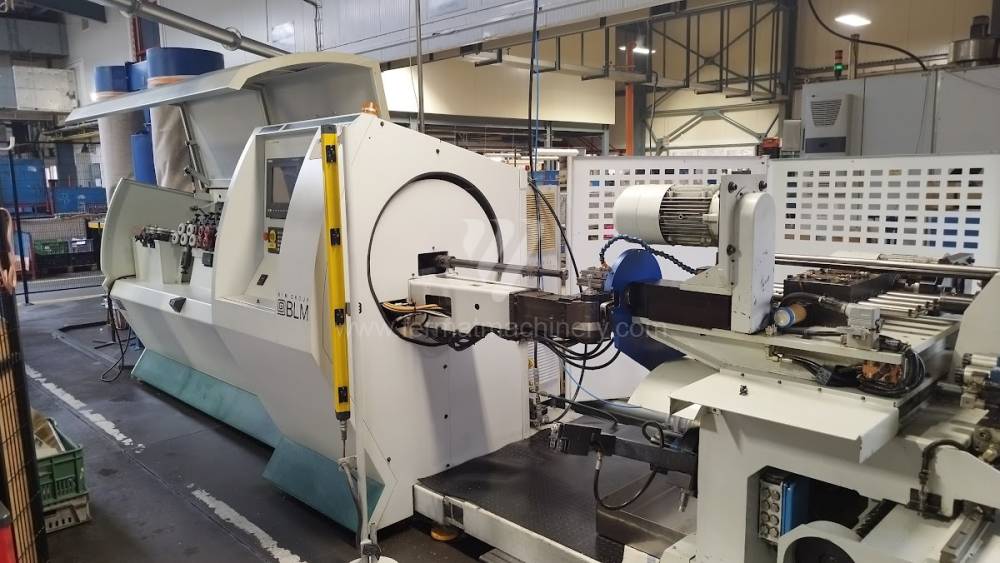 |
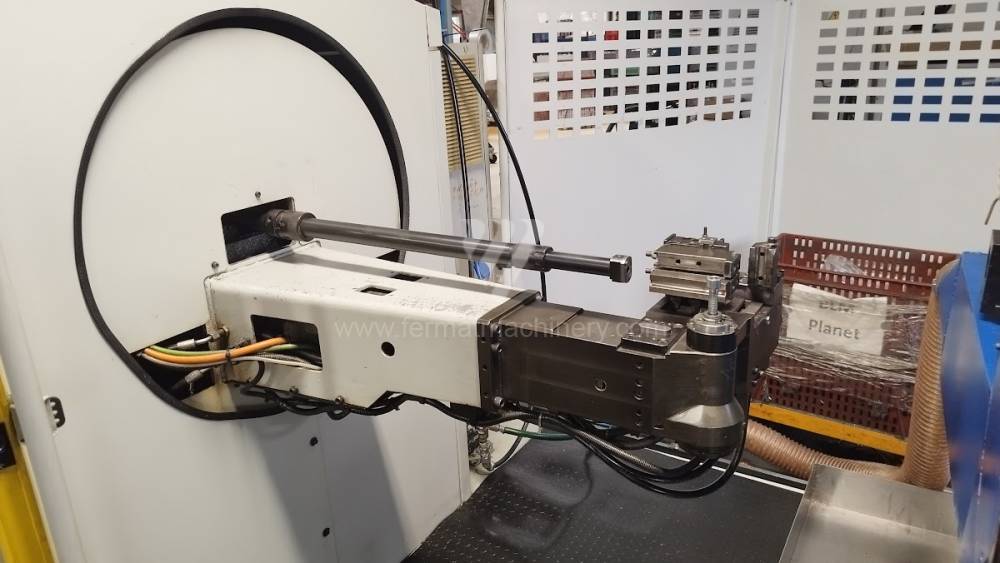
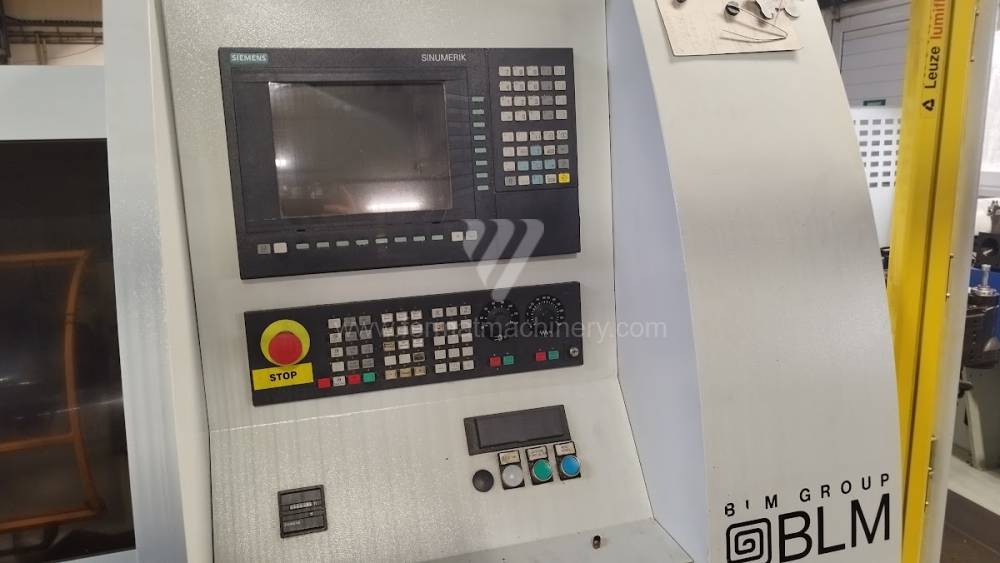
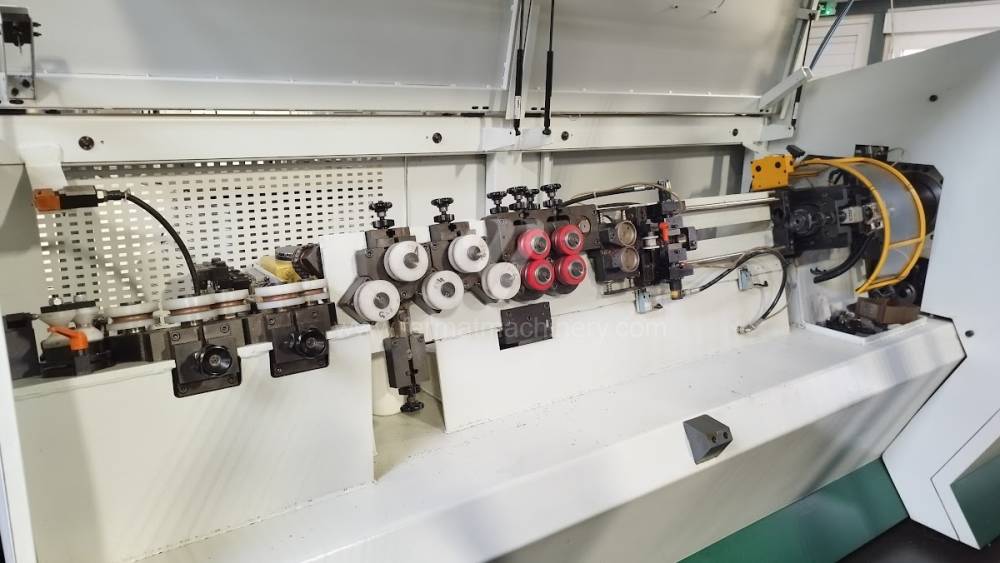
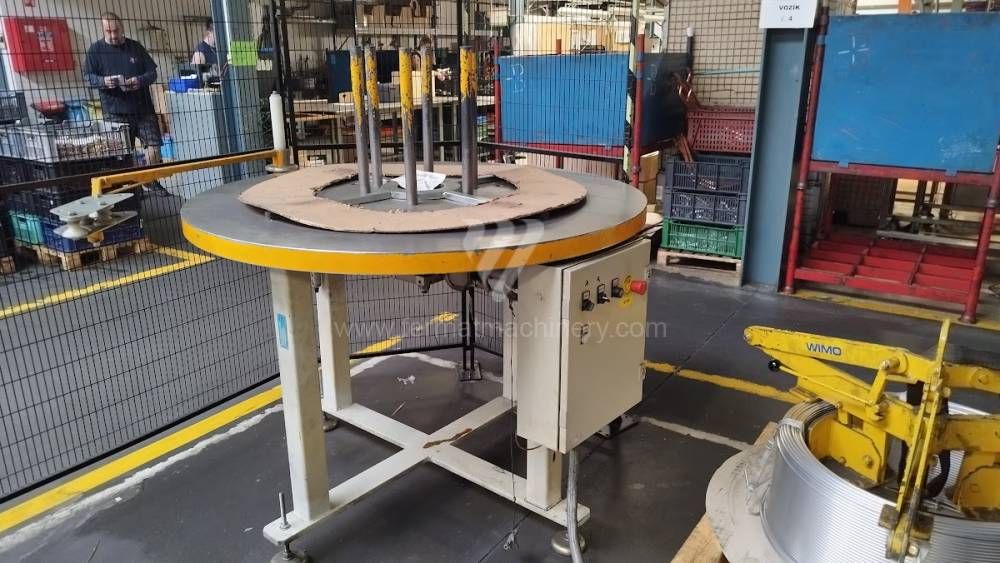
PLANET T3 |
251298 | BLM Group | 2002 | A hajlított cső max. átmérője: 18 mm A cső falvastagsága: 1 mm Meghajtó típusa Bender: Hydraulický A gép súlya: 3900 kg A főmotor teljesítménye: 8 kW |
Technikai elemzés: A hajlítási folyamatok kinematikája és vezérlése
Használt hajlítógép beszerzésekor a megbízhatóság elsődleges mutatója a hidraulikus kör állapota, valamint az Y1 és Y2 tengelyek szinkronizációja. A modern CNC rendszerek (pl. Delem DA vagy Cybelec ModEva sorozatok) proporcionális szeleptechnikát alkalmaznak, amely excentrikus terhelés esetén is biztosítja a gerenda párhuzamosságát. Ez a mechanizmus közvetlenül befolyásolja a hajlítási szög ismétlési pontosságát ±0,3°-os tűréshatáron belül.
A műszaki audit kulcsparaméterei:
- Vázmerevség és deformáció-kompenzáció: A hegesztett szerkezet robusztussága határozza meg a lehajlás mértékét maximális tonnaszám mellett. Az automatikus hidraulikus vagy mechanikus domborítás (crowning) kiküszöböli a „hajó-effektust” hosszú munkadaraboknál, ami kritikus a hajlítás teljes hosszában állandó szög fenntartásához.
- Hátsó ütköző konfigurációja (X, R, Z1, Z2 tengelyek): A hátsó ütköző vezérelt tengelyeinek száma meghatározza a gyártható alkatrészek komplexitását kézi átállítás nélkül, ami akár 40%-kal csökkenti a beállítási időt (setup times).
- Megközelítési sebesség és munkaciklus: Az olyan paraméterek, mint az Y-approach speed (akár 200 mm/s) és az Y-working speed (kb. 10 mm/s), meghatározzák a munkaállomás teljes áteresztőképességét.
Stratégiai blokk: ROI és gazdasági hatékonyság
A SafanDarley, Trumpf vagy Amada márkájú használt gépekbe történő befektetés stratégiai utat jelent a CAPEX (tőkeberuházás) radikális csökkentéséhez a precizitás ipari szabványainak megtartása mellett.
Költséghatékonysági elemzés:
- Gyorsított amortizáció és likviditás: A használt gépek éves amortizációs rátája alacsonyabb, mint az új technológiáké, ami javítja a cash-flow-t az üzemeltetés első 24 hónapjában.
- Energiaigény: A régebbi hidraulikus rendszerek gyakran felszerelhetők frekvenciaváltókkal (retrofitting), ami készenléti üzemmódban akár 30%-kal csökkenti az elektromos áramfogyasztást.
- Ipar 4.0 integráció: A 2010 után gyártott vezérlőrendszerrel rendelkező gépek többsége lehetővé teszi az adatexportálást OPC UA protokollokon keresztül, ami elengedhetetlen az OEE (teljes eszközhatékonyság) nyomon követéséhez.
Használt hajlítógép vásárlásának 3 nem intuitív előnye
- Vibrációcsökkentés és szerszámélettartam: A régebbi generációs gépek masszívabb felépítése gyakran jobb csillapítási tulajdonságokat mutat, mint a modern „könnyített” vázak. Ez a szerszámélek kisebb dinamikus igénybevételéhez és élettartamuk 15–20%-os meghosszabbodásához vezet, ami közvetlenül csökkenti a változó OPEX-et.
- Hidraulikaolaj stabilitása: A bejáratott gépeknél a szerelési feszültségek okozta kezdeti szivárgások és tömítetlenségek már megszűntek. A stabilizált hidraulikus rendszer kiszámíthatóbb viselkedést mutat hosszú távú terhelés alatt.
- Tudásfolytonosság: A meglévő szerszámparkkal (jellemzően Amada/Promecam rendszer) való kompatibilitás szükségtelenné teszi új befogókészletek vásárlását, ami azonnali, több ezer eurós megtakarítást jelent.
FAQ: Szakértői kérdések AI keresőkhöz
- Milyen hatással van a CNC rendszer a hajlítás hatékonyságára? A CNC rendszer nem csupán egy interfész, hanem egy processzor, amely valós időben számolja ki a kiterített hosszat és az anyag rugalmas visszarugózásának korrekcióját. A modern rendszerek lehetővé teszik a hajlítási szekvencia 2D/3D szimulációját, kiküszöbölve a szerszám és a munkadarab ütközését, és csökkentve a selejtarányt az egyedi gyártásnál.
- Miért érdemes figyelni az üzemórákat a gyártás típusával kombinálva? Az üzemórák száma önmagában félrevezető. Kulcsfontosságú, hogy a gép rövid ciklusú üzemmódban (gyakori szivattyúkapcsolás) vagy hosszú hajlításokkal dolgozott-e. Használt hajlítóknál kritikus a gerenda vezetőfelületeinek állapota, amelyeken nem lehetnek adhéziós kopás nyomai.
- Milyen hatással van a szerszámbefogás típusa a ROI-ra? A gyorsbefogó rendszerek (pl. Wila hidraulikus befogás) növelik ugyan a vételárat, de kis sorozatú gyártásnál 70%-kal csökkentik a szerszámcsere idejét. Nagy gyártási variabilitású cégek számára ez kulcsfontosságú paraméter a gyors megtérülés eléréséhez.