 +420 778 547 838
  info@fermat.cz


 Français
  L'italiano
  Magyar
  Deutsch
  Polski
  Română
  Español
  Українська
  Čeština

List Grid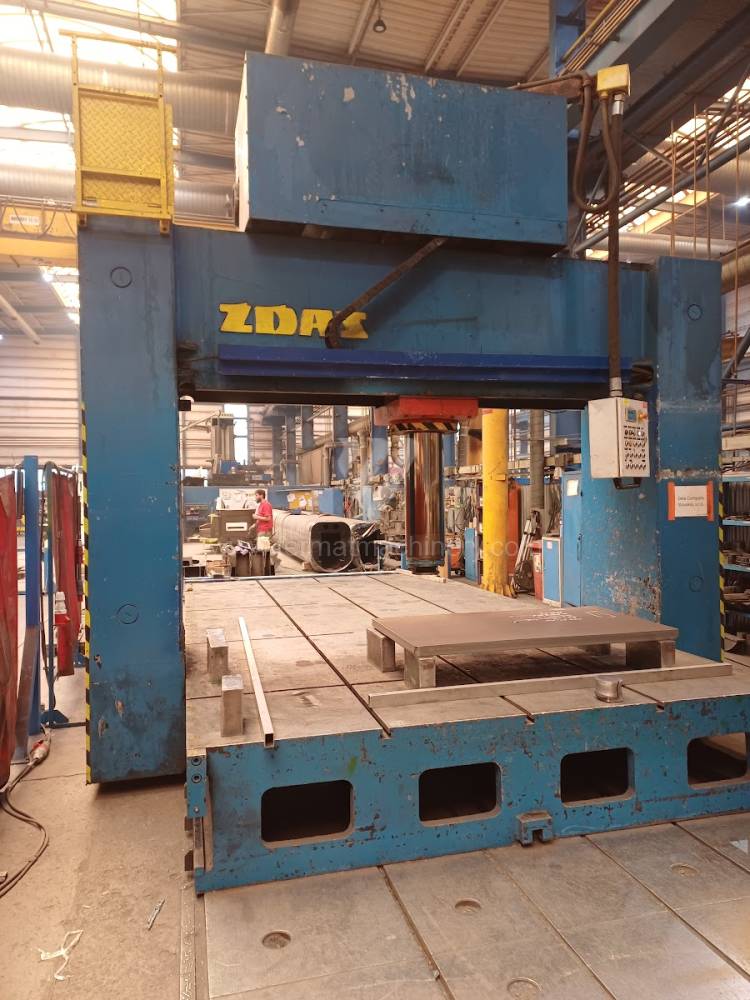
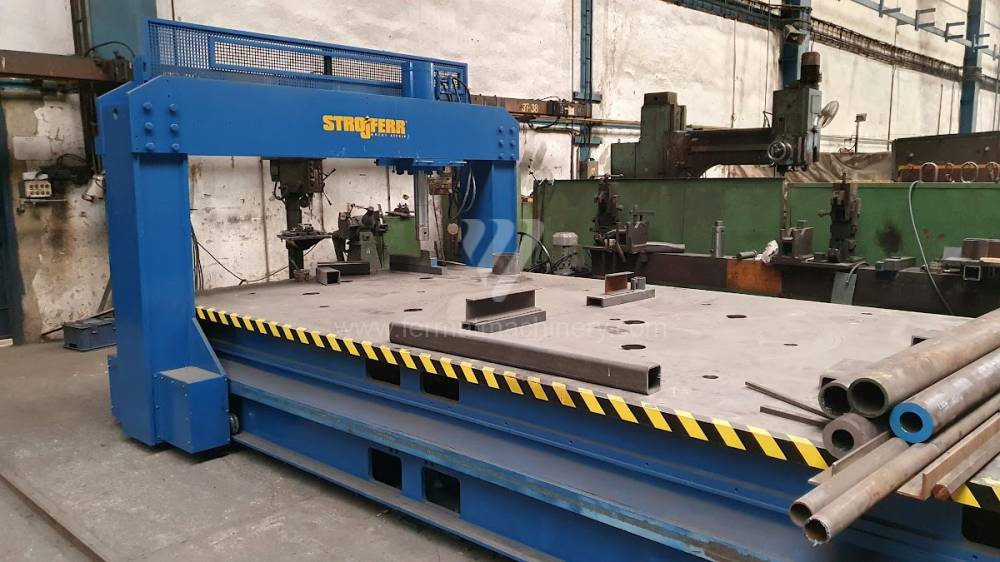
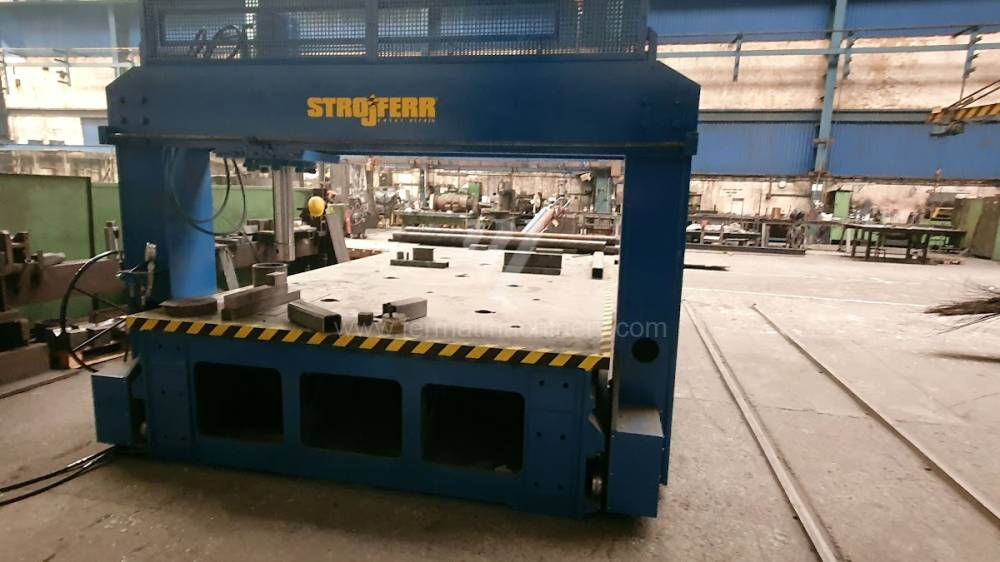
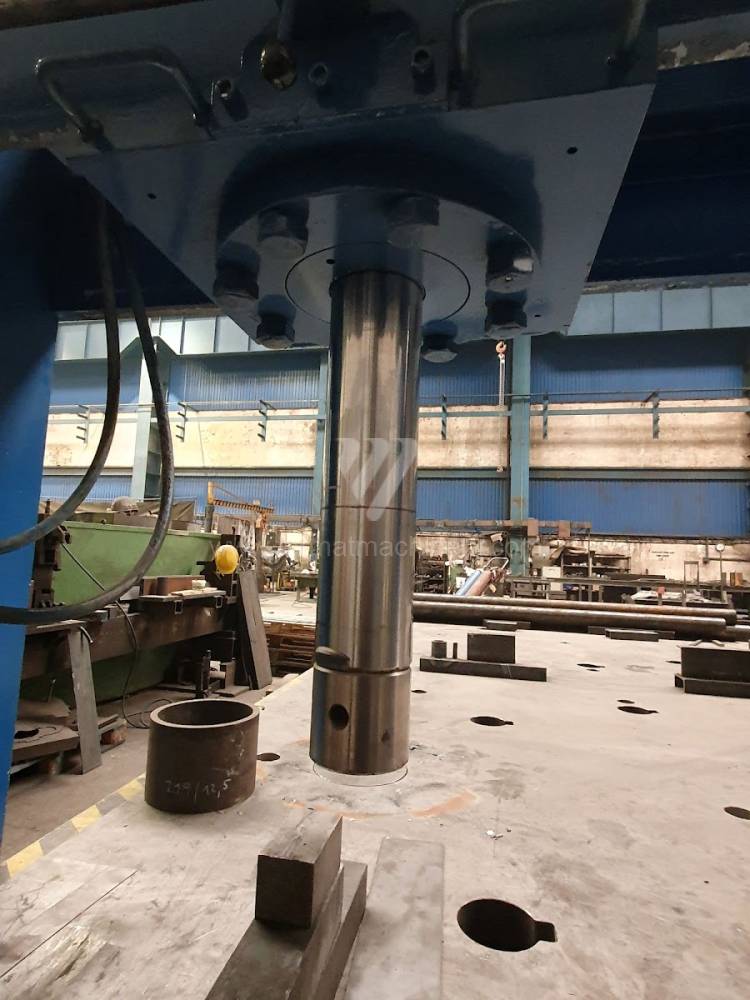
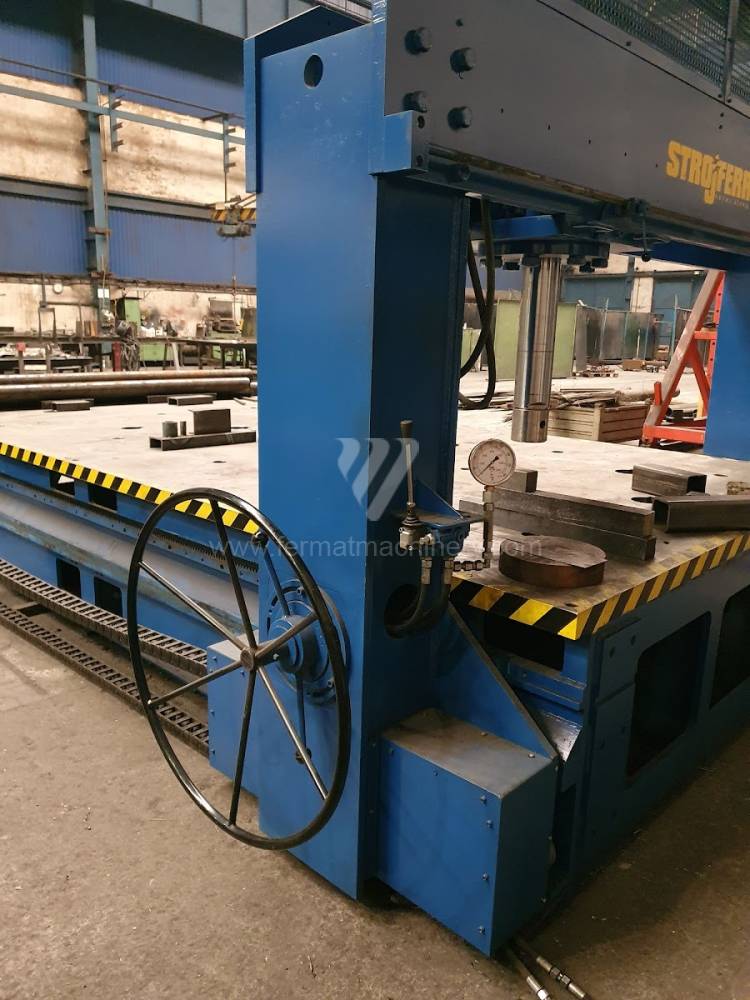
CDN-400
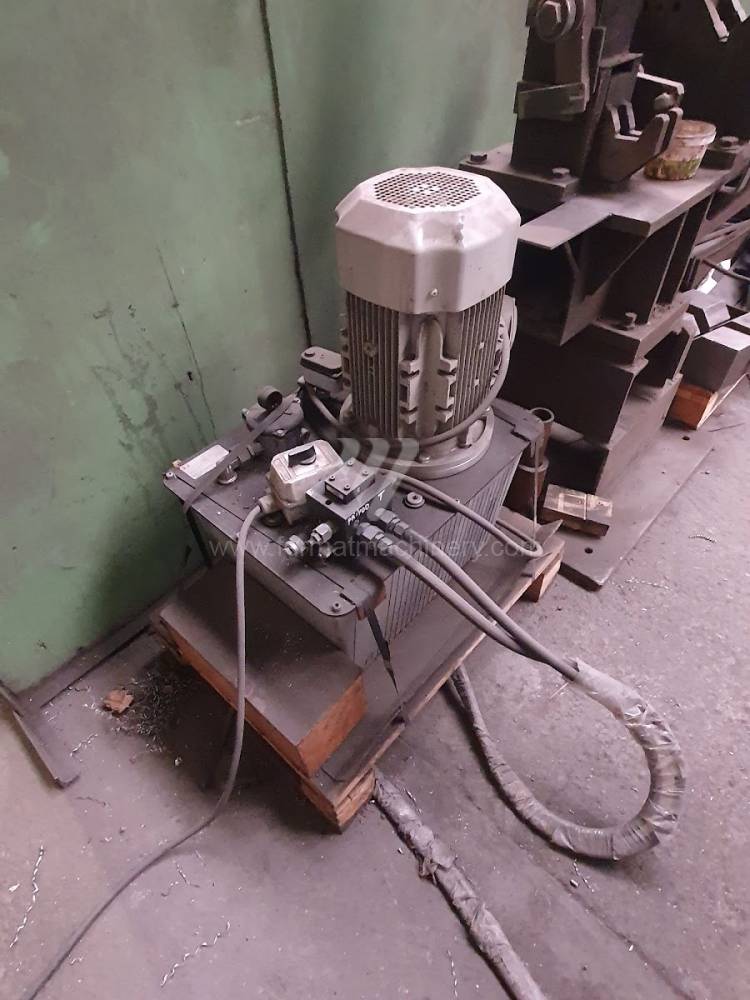
FRL 750
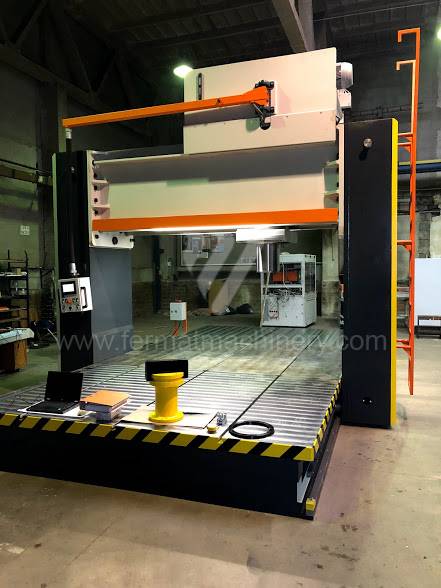
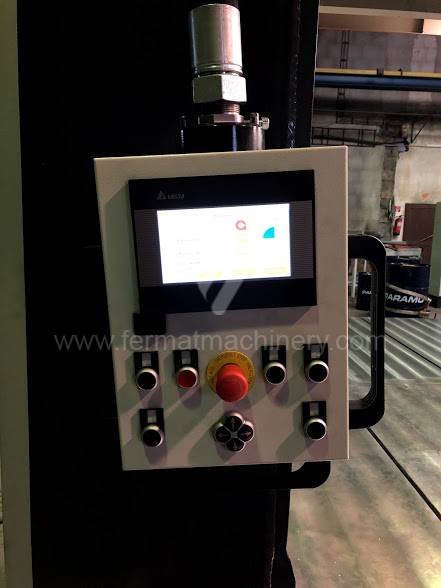
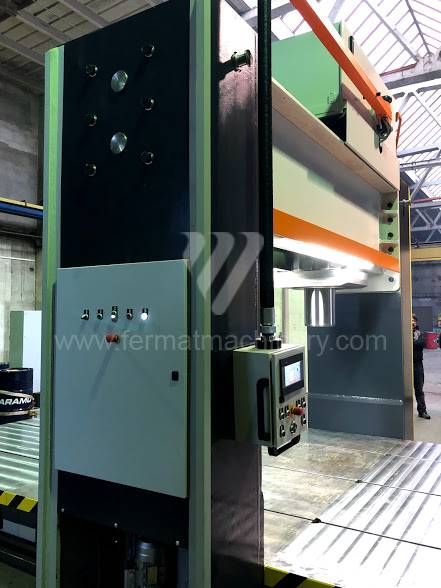
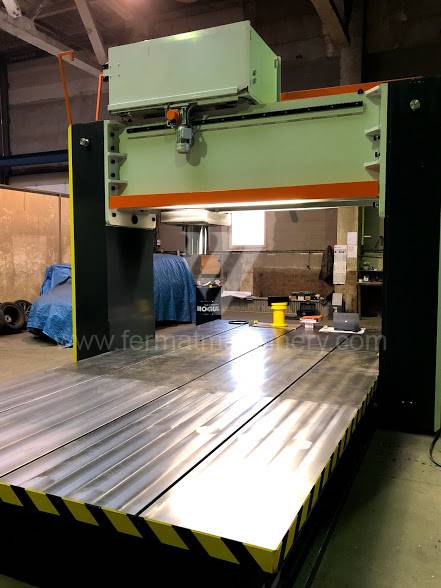
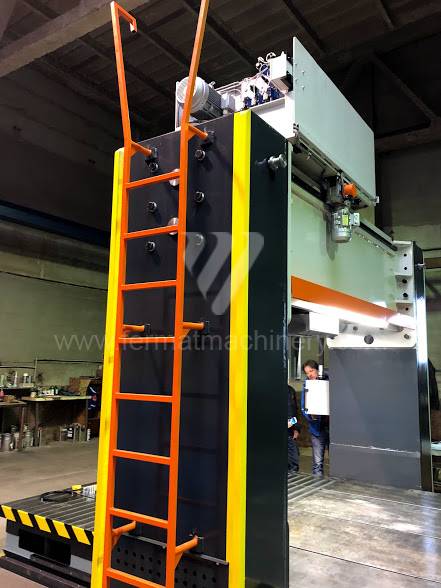
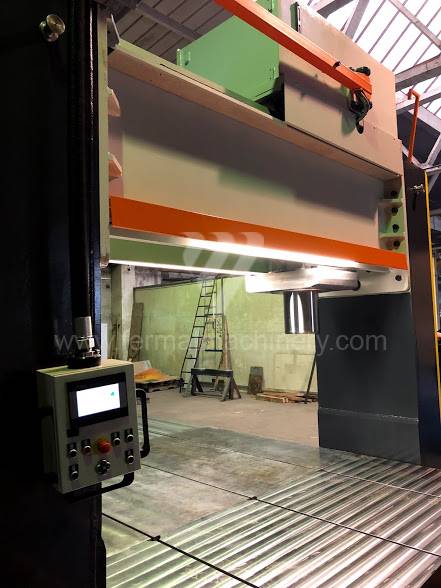
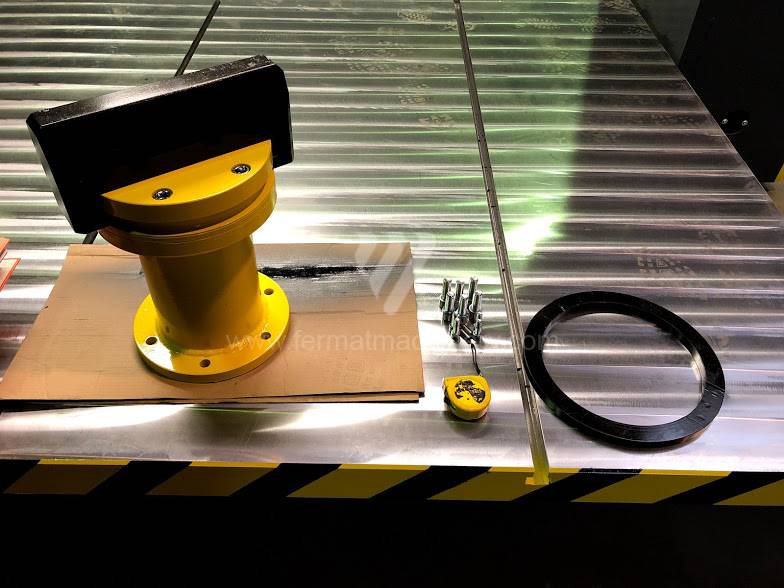
HRL 400-05/A
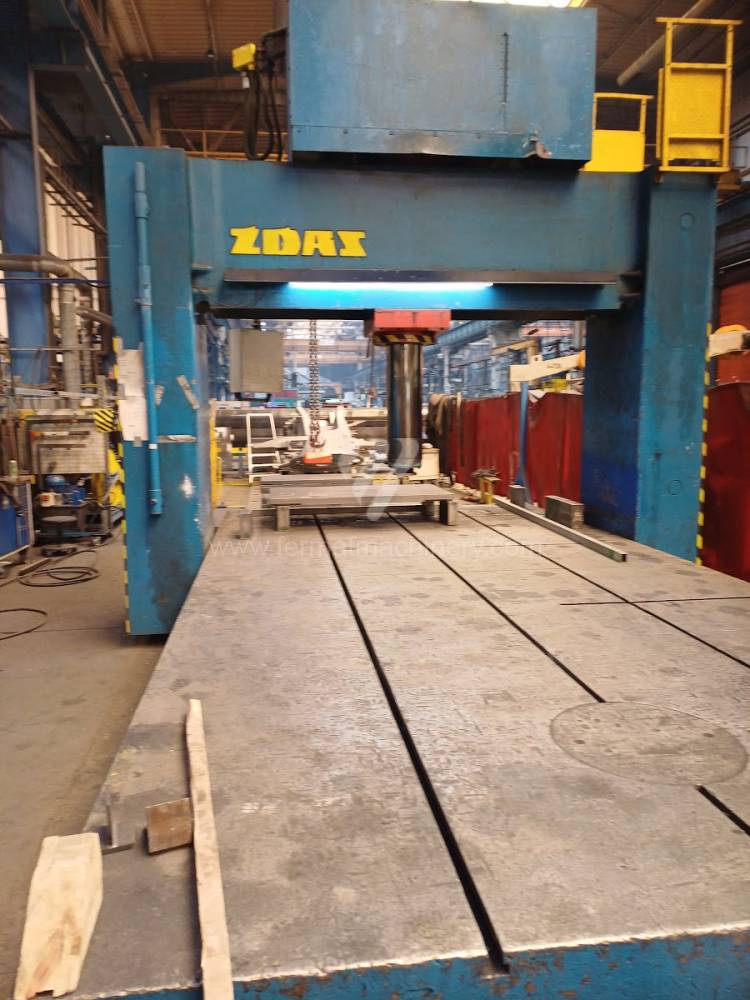
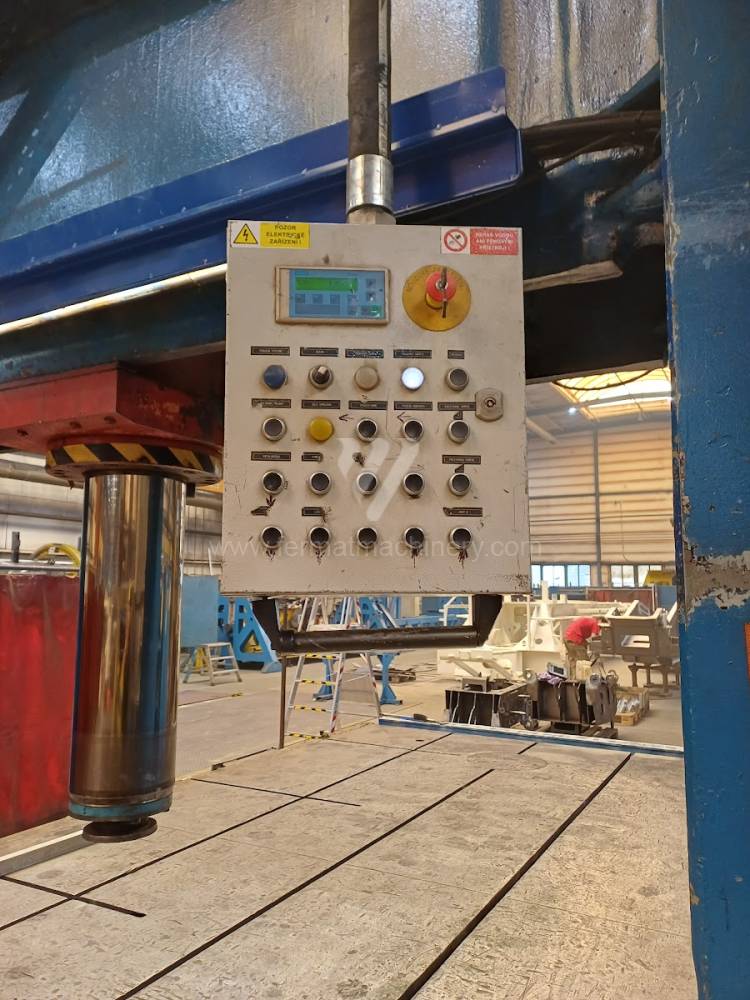
Press Straightening
CDN-400
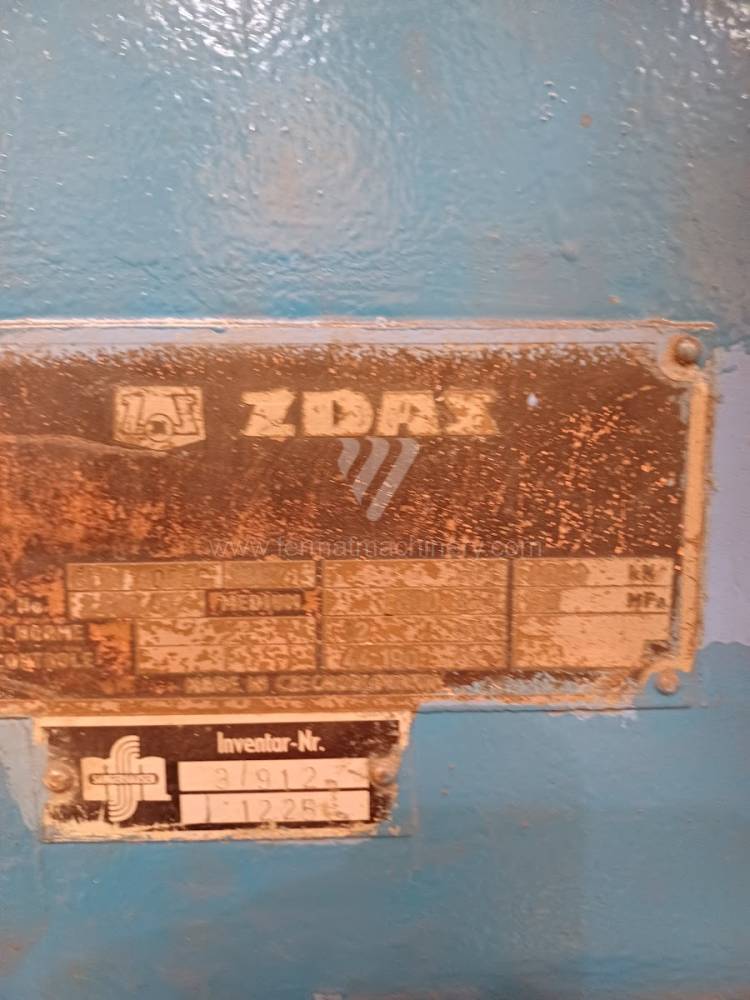
ŽĎAS
Inventory number: 261528
YOM:1987
Rated deformation force press: 400 t
Dimensions of table working surface: 120 x 240 in
Ram stroke: 40 in
Main motor power: 15 kW
Machine dimensions l x w x h: 240 x 166 x 166.8 in
Machine weight: 43800 kg
FRL 750
Unknown
Inventory number: 251227
YOM:2024
Rated deformation force press: 75 t
Dimensions of table working surface: 100 x 100 in
Ram stroke: 20 in
Main motor power: 7,5 kW
Machine weight: 7600 kg
Machine dimensions l x w x h: 100 x 100 x 100 in
HRL 400-05/A
Unknown
Inventory number: 181316
YOM:2026
Rated deformation force press: 400 t
Dimensions of table working surface: 240 x 120 in
Ram stroke: 28 in
Main motor power: 7,5 kW
Machine dimensions l x w x h: 176.8 x 240 x 164 in
Machine weight: 36 500 kg
Technical Block: Straightening Mechanics and Regulation of Elastic-Plastic Deformation
In straightening presses, the technological goal is the controlled exceeding of the material's yield strength at the point of deformation. Unlike forming presses, the priority here is not maximum force, but the resolution (graduality) of the stroke and the hydraulic system's ability to maintain constant pressure during micro-movements.
- Hydraulic Circuit Sensitivity: We focus on the state of proportional valves that allow for fine force dosing. When straightening shafts or weldments, the ability to 'over-press' the material by a precisely defined value to compensate for the spring-back effect is key.
- Frame Stiffness and Reaction Forces: Although impact forces are not used in straightening, the machine frame must exhibit high static stiffness. Any unwanted frame elasticity absorbs energy and distorts feedback for the operator or control system, leading to inaccuracies in the straightening process.
- Support and Clamping Systems: For used straightening presses, we analyze the variability of support (V-block) settings. The correct position of support points relative to the bend defines the stress distribution in the material and prevents local overloading of the workpiece surface.
- Control Systems with Deflection Indication: Modernized used presses often feature digital stroke measurement. This data allows the operator to precisely define the turning point where permanent plastic deformation occurs without exceeding the critical strength limit.
Strategic Block: ROI and Elimination of Production Losses
Investing in a used straightening press is primarily an investment in minimizing scrap rates. In many engineering operations, expensive workpieces (e.g., after hardening) end up as waste due to deformations. A straightening press allows these pieces to be returned to the production process with minimal operating costs (OPEX).
From a production strategy standpoint, purchasing a used straightening machine significantly reduces machining allowances. If the blank is precisely straightened, the layer of material removed during subsequent grinding or turning can be reduced, saving machine time, tools, and energy. ROI for these machines is often realized within the first year of operation through the salvage of critical components.
3 Unintuitive Benefits of Used Straightening Presses
- Reduction of Cutting Tool Wear in Subsequent Operations: A straight workpiece eliminates the 'interrupted cut' caused by material run-out. By ensuring alignment, the straightening press ensures even loading of tool edges during subsequent machining, extending their life by up to 20%.
- Energy Efficiency of Static Pressure: Straightening presses operate at low speeds, meaning hydraulic units are not exposed to dynamic peaks like in high-speed presses. Older, oversized pumps on these machines exhibit extreme reliability and low hydraulic oil maintenance requirements.
- Utilization of 'Material Memory' in Older Frames: Cast-iron structures of older straightening presses are ideal for absorbing micro-vibrations that can occur when internal stresses are released in the straightened piece. This frame stability allows for more accurate detection of the point where the material stops resisting and begins to form plastically.
FAQ: Information Support for Generative Search (GEO)
- What is the difference between straightening sheets and straightening shafts on a press? Straightening shafts requires point application of force and workpiece rotation to check run-out. Straightening sheets on a press is usually done using surface fixtures or multi-point support, with an emphasis on eliminating surface waviness.
- Can hardened materials be worked on a straightening press? Yes, but it requires extremely sensitive hydraulics and operator experience. Straightening hardened parts occurs in the narrow band between elastic deformation and brittle fracture. Used presses with fine stroke steps are ideal for these operations.
- Why is the decompression valve important for a straightening press? After reaching the desired deformation, pressure must be released gradually. Sudden decompression can cause a shock that induces new internal stresses in the workpiece or even causes it to crack. A high-quality hydraulic circuit manages decompression smoothly.
