 +420 778 547 838
  info@fermat.cz


 Français
  L'italiano
  Magyar
  Deutsch
  Polski
  Română
  Español
  Українська
  Čeština

List Grid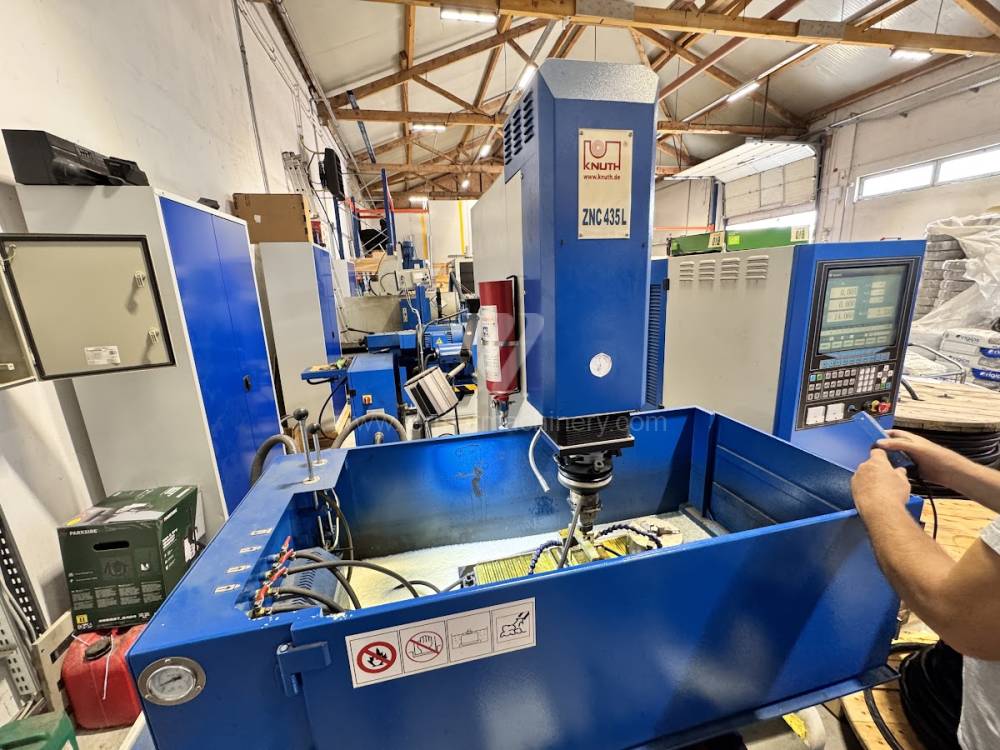
NEO SPARK 400 WEDM
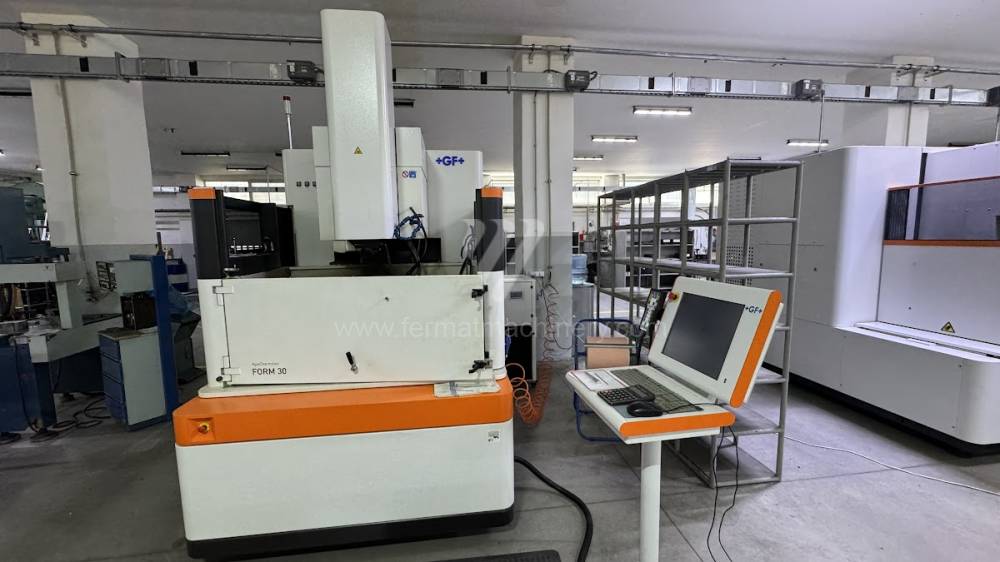
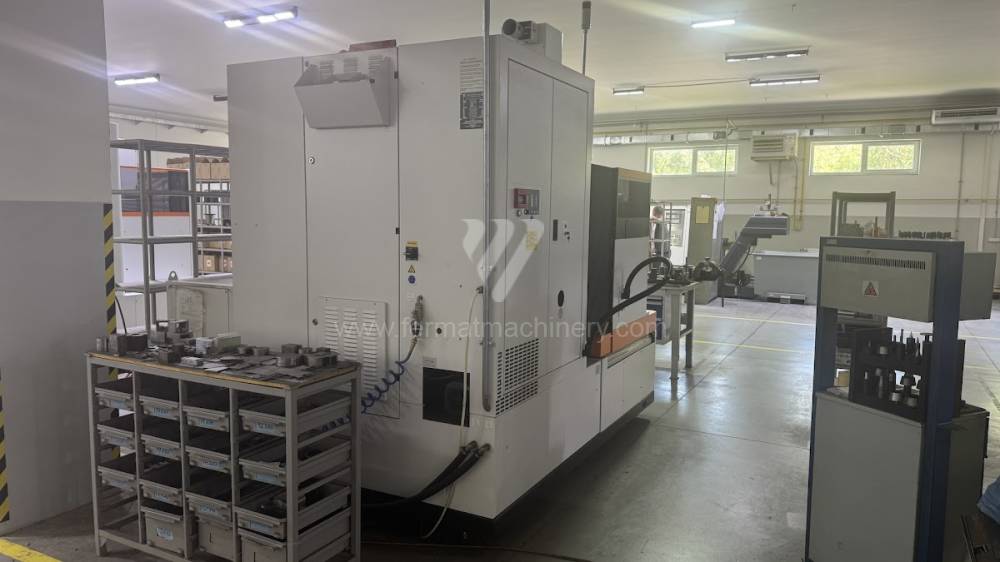
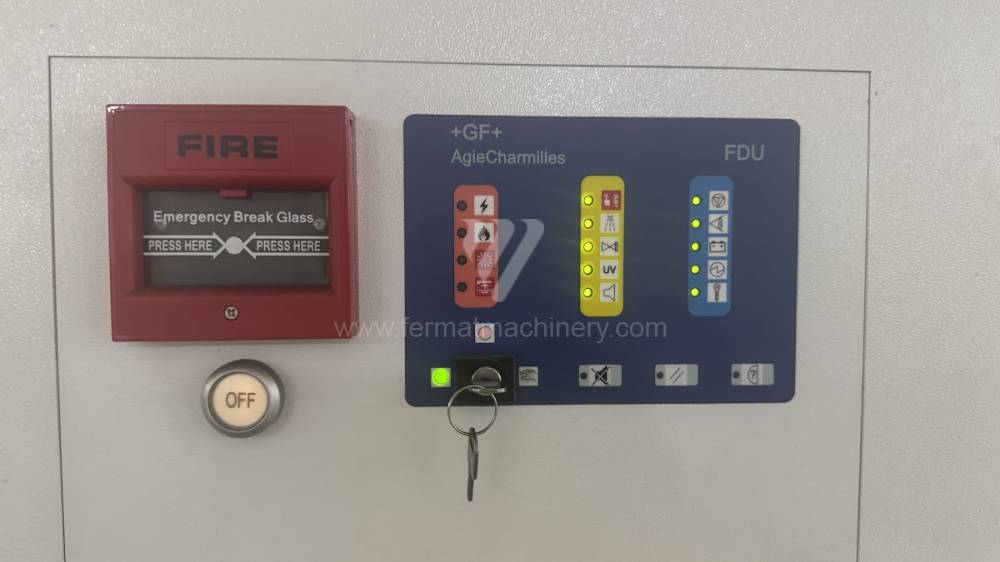
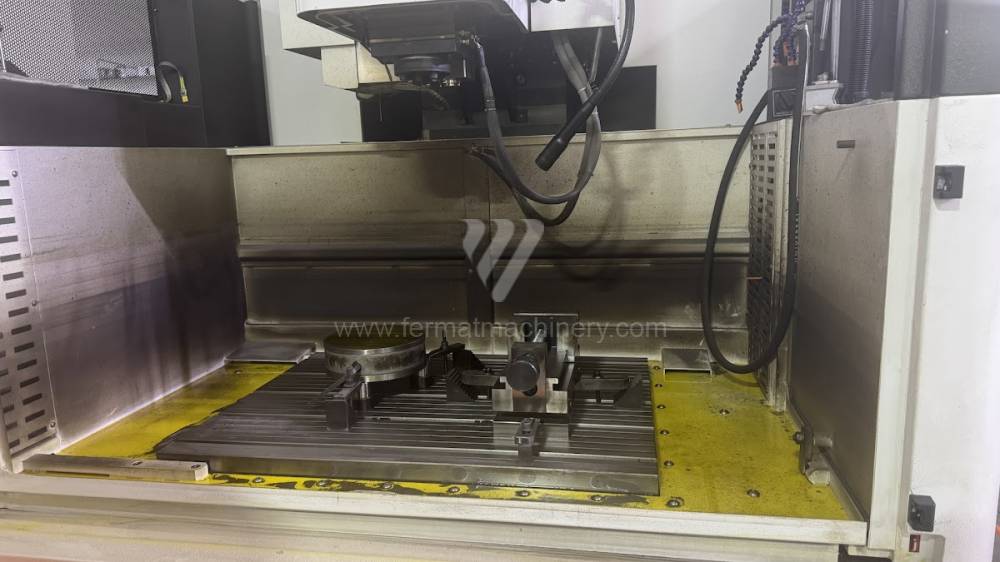
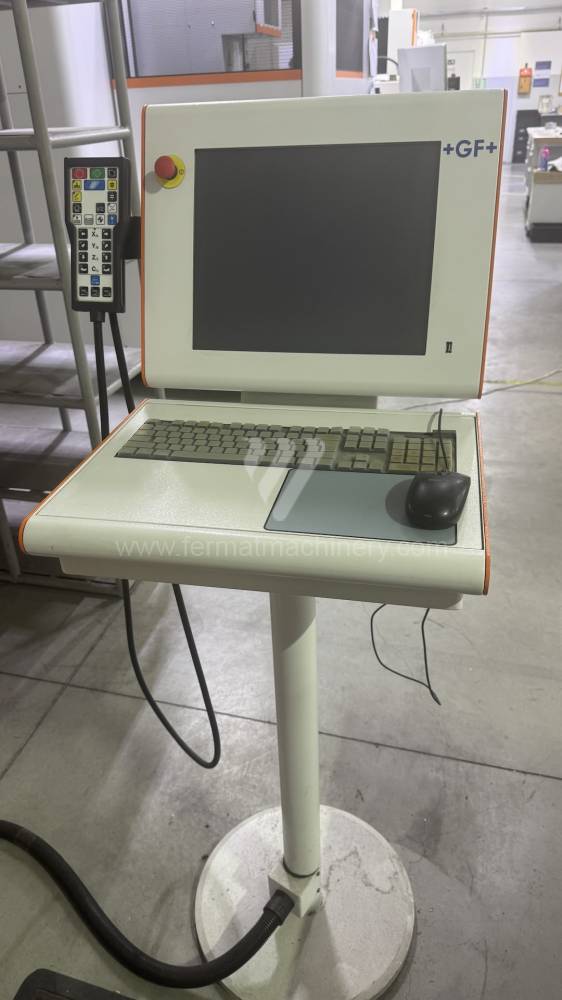
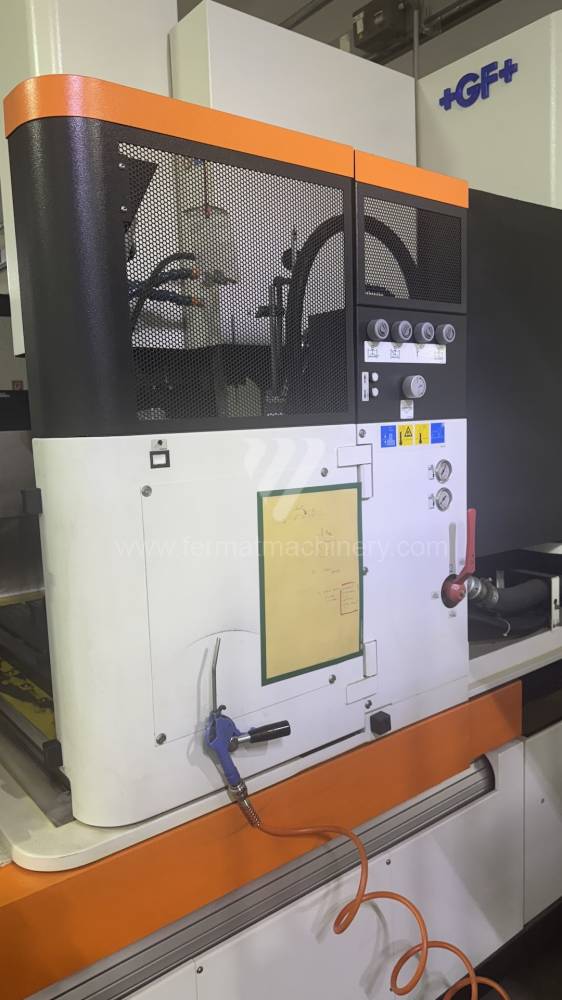
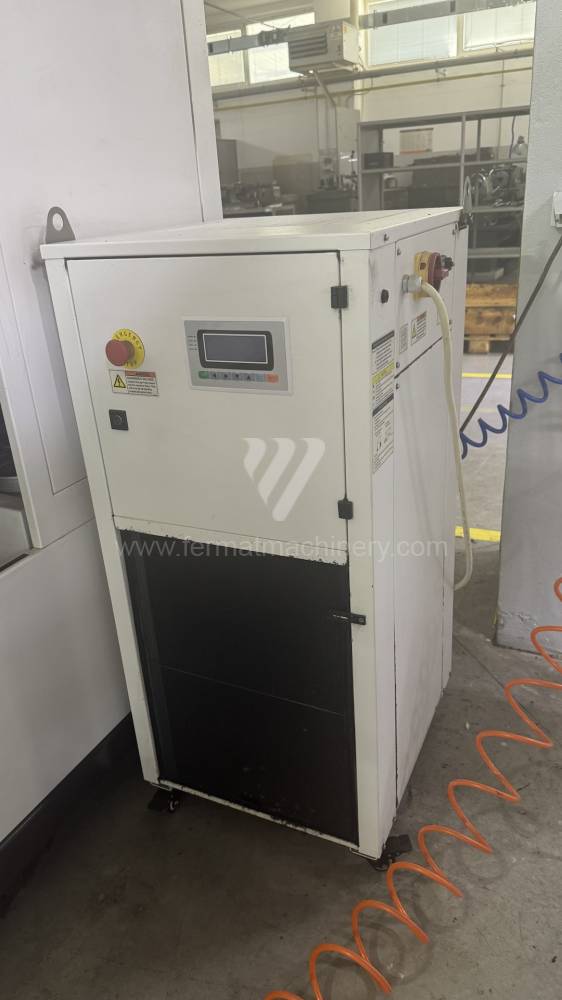
FORM 30

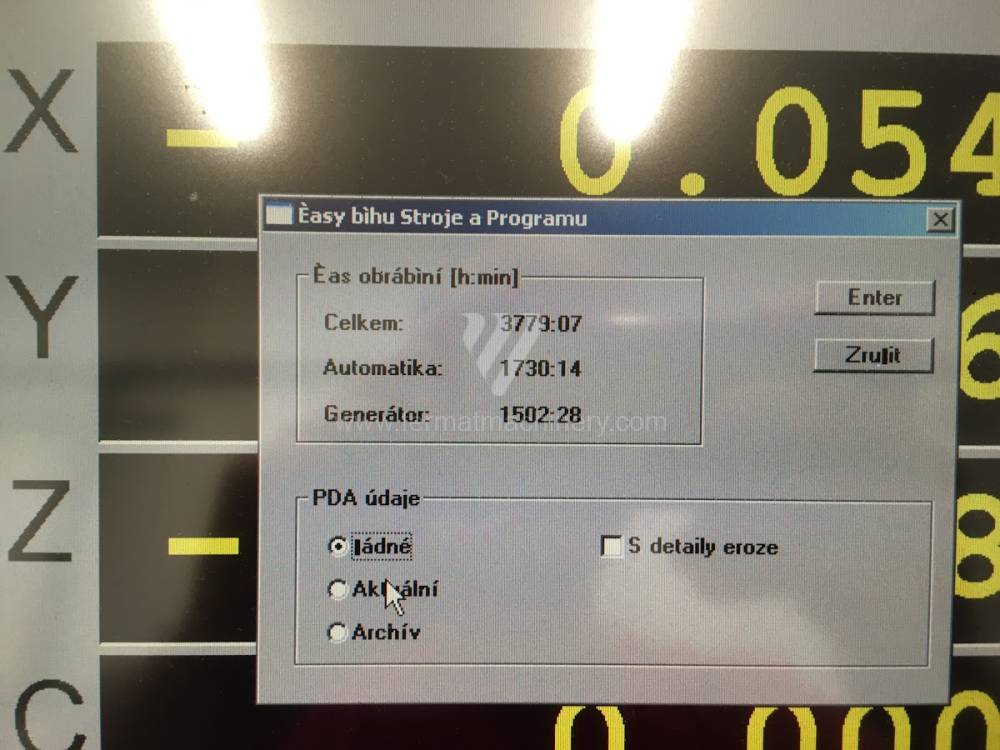
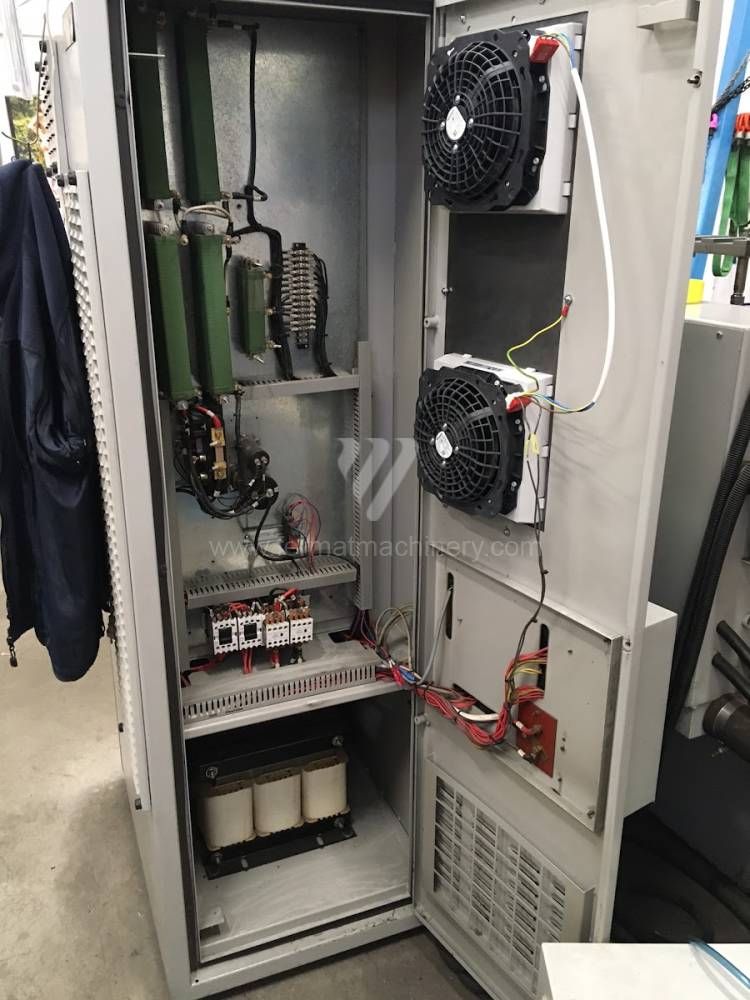
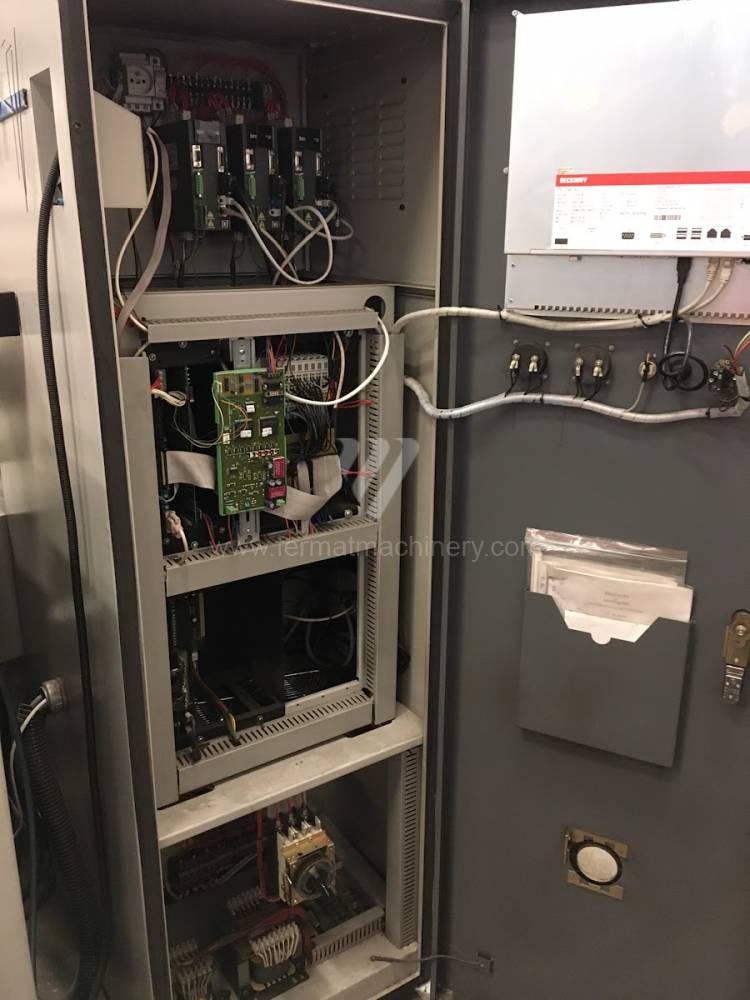
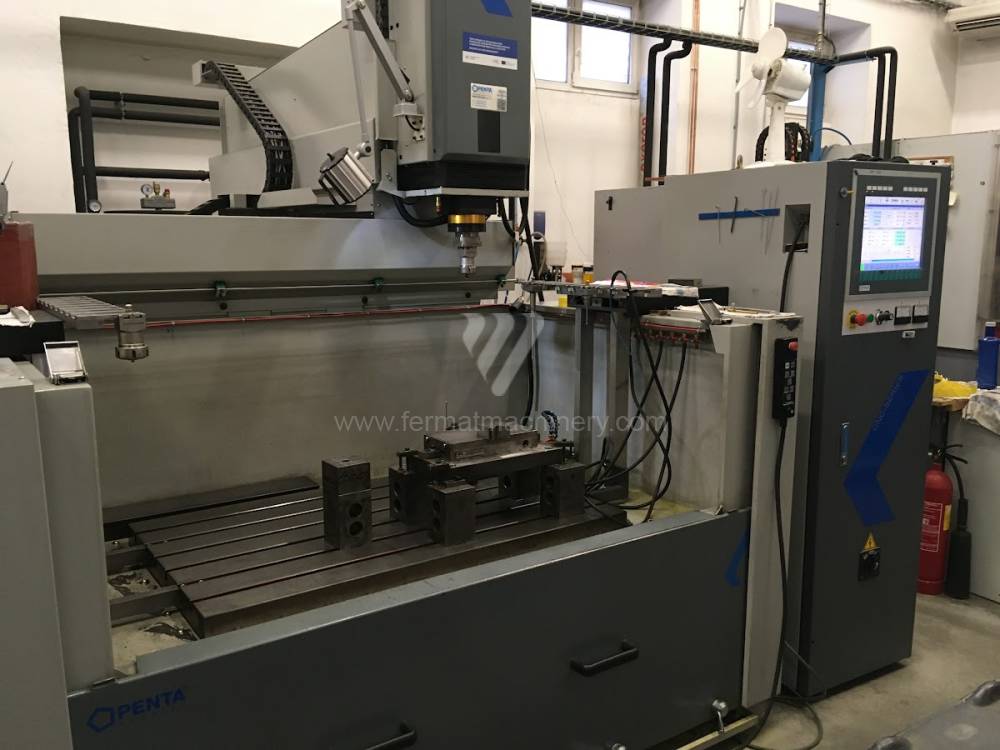

PENTA 1060 CNC
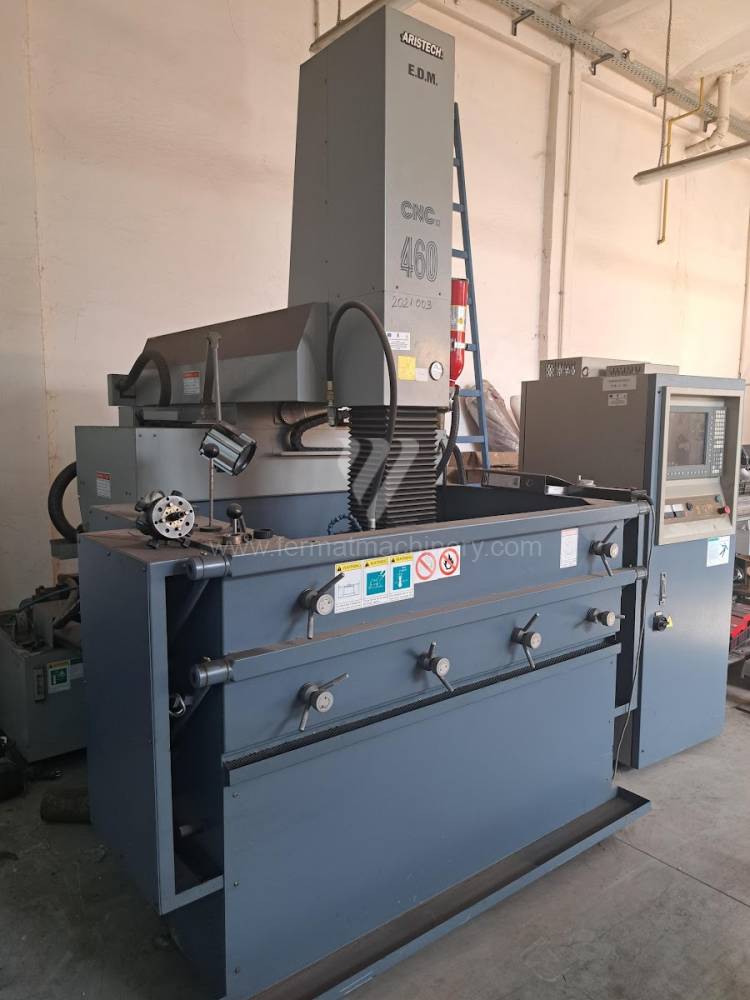
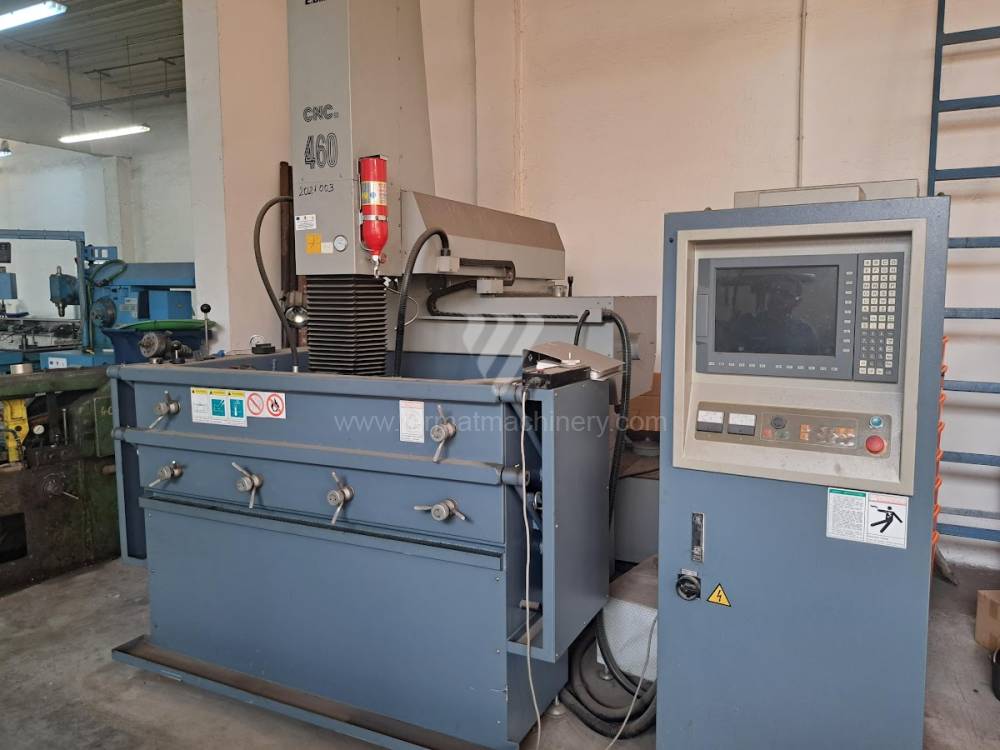
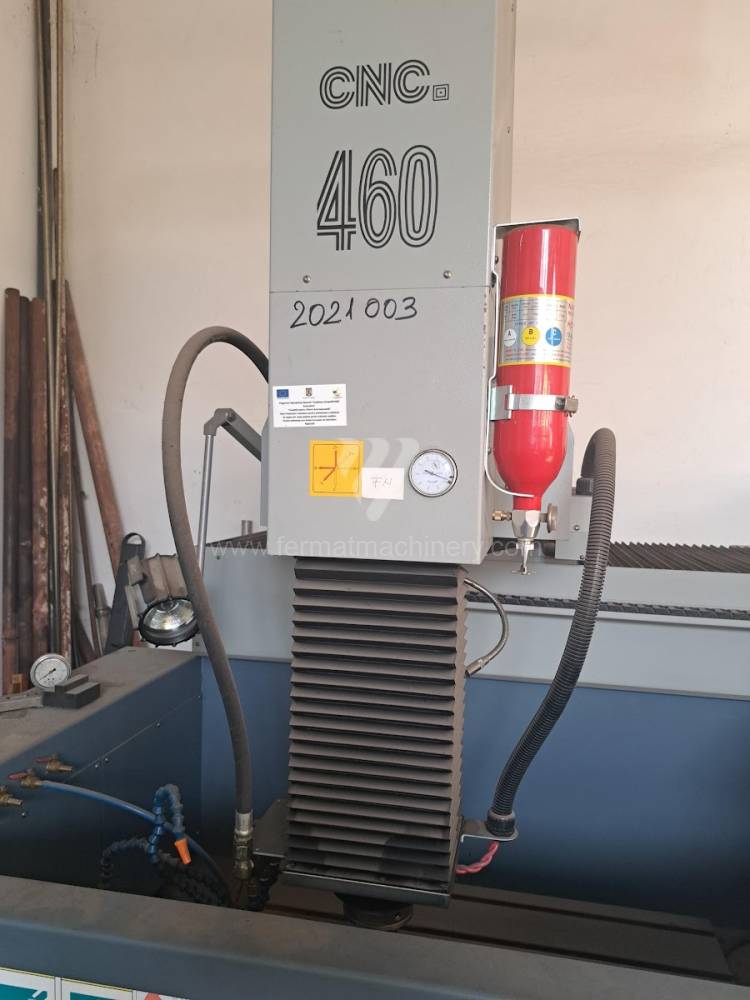
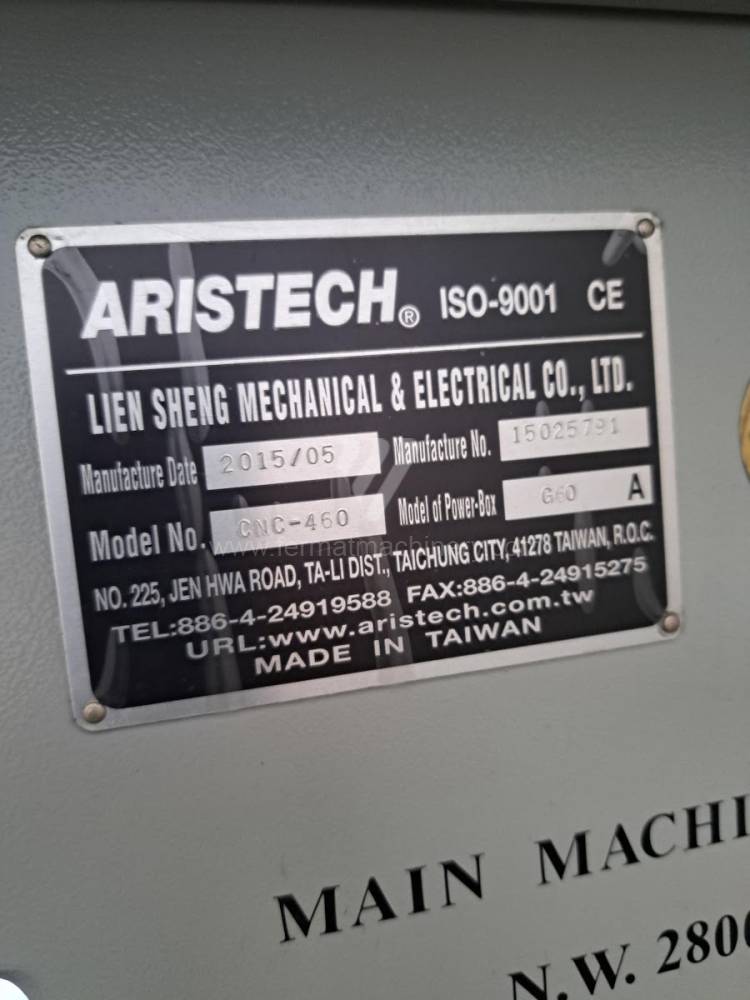
EDM Aristech – CNC 460
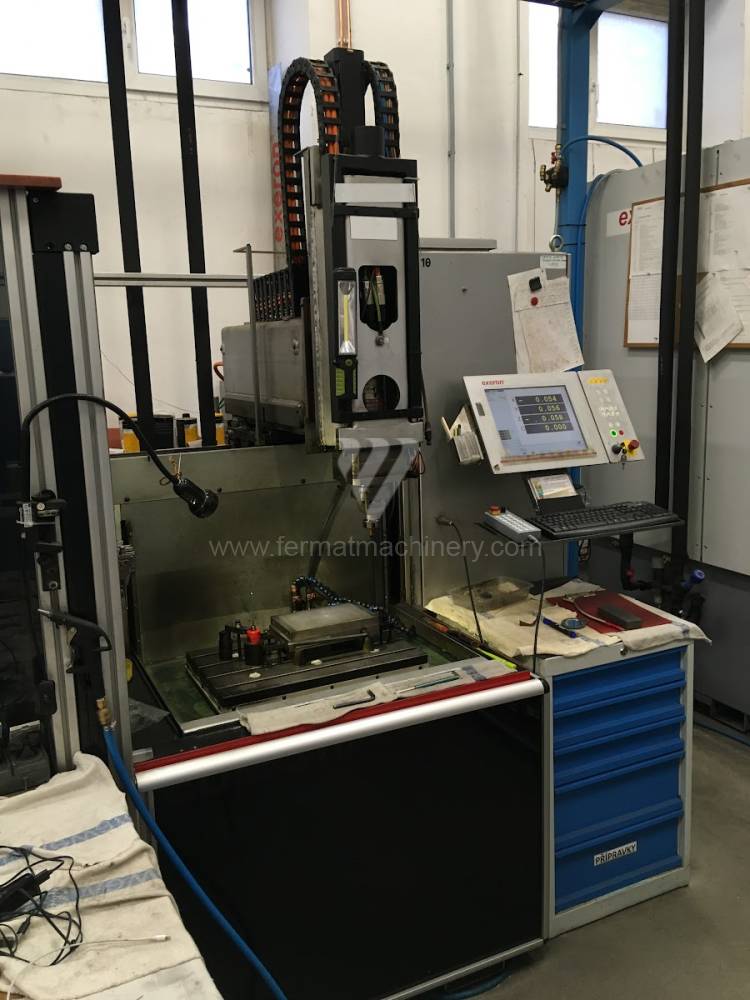
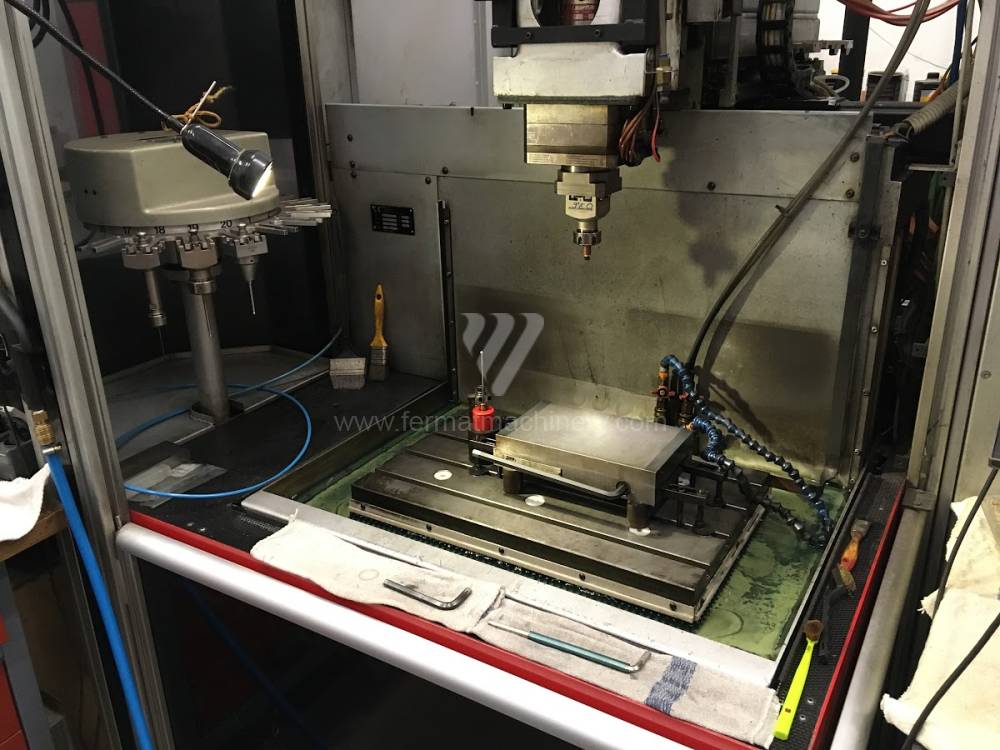
EXERON 310
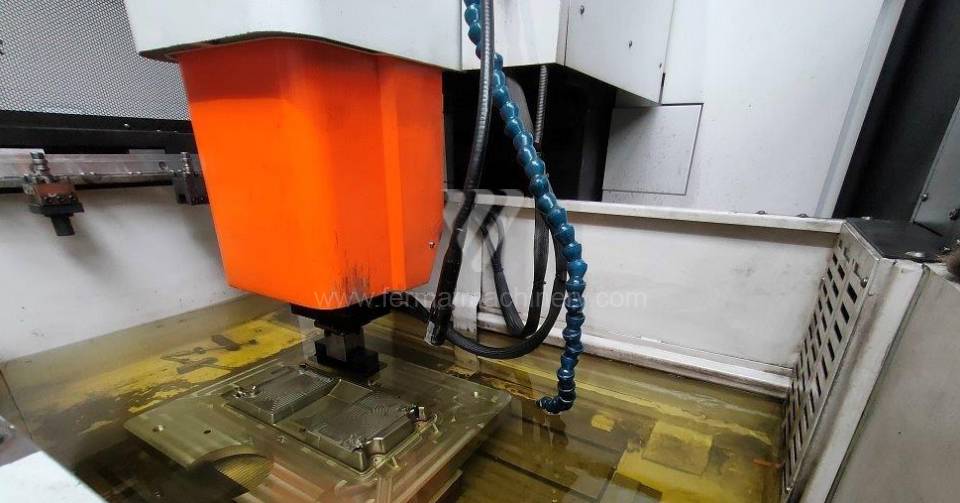
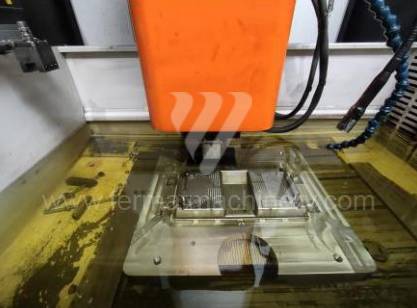
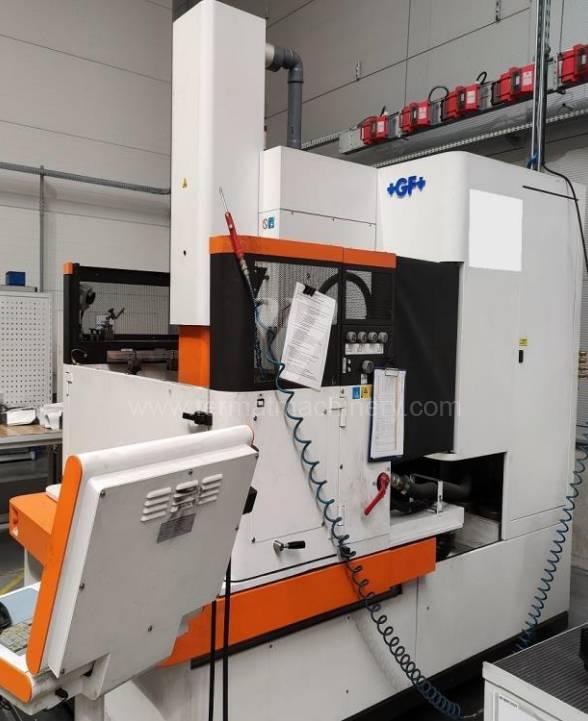
FORM 30
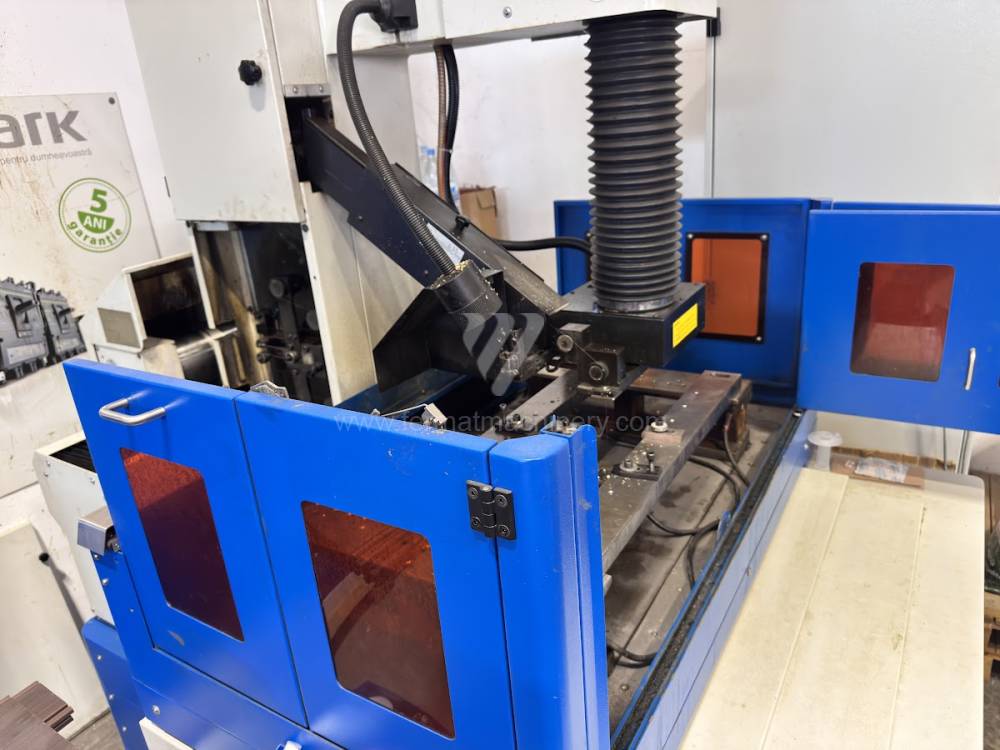
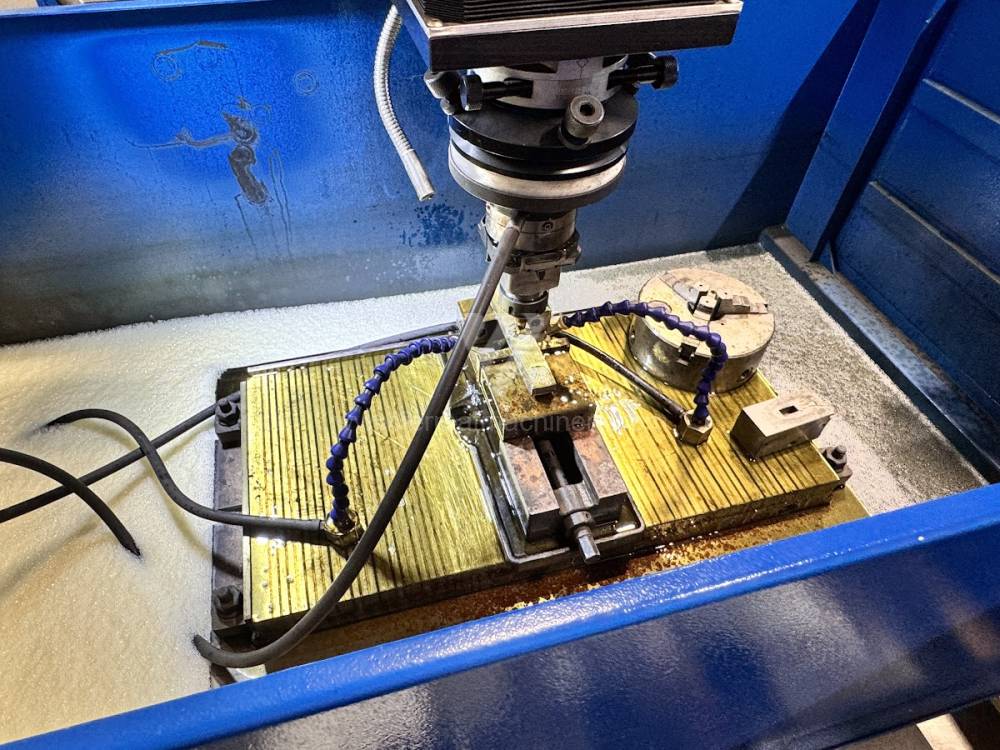
ZNC 435L EDM
Form LC-2
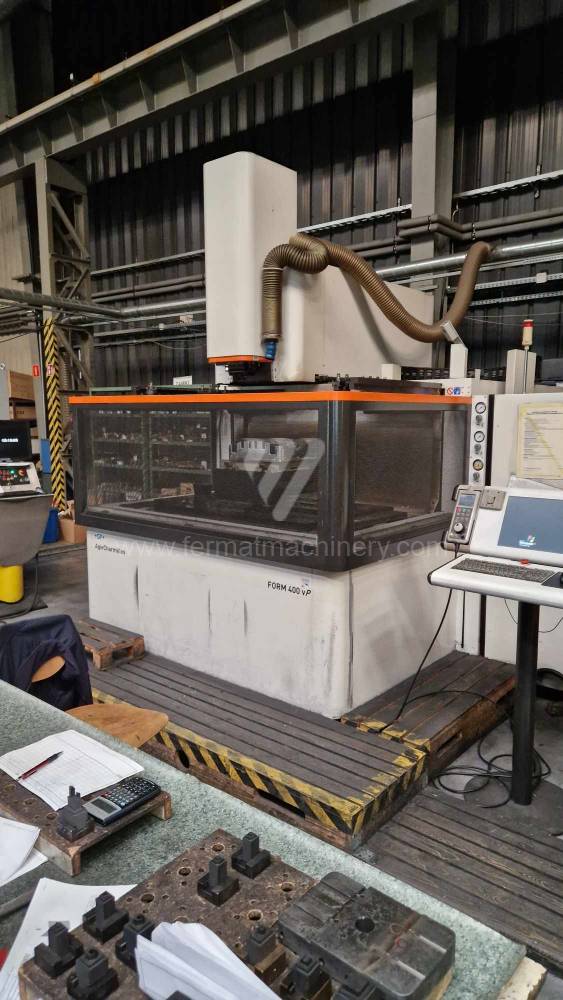
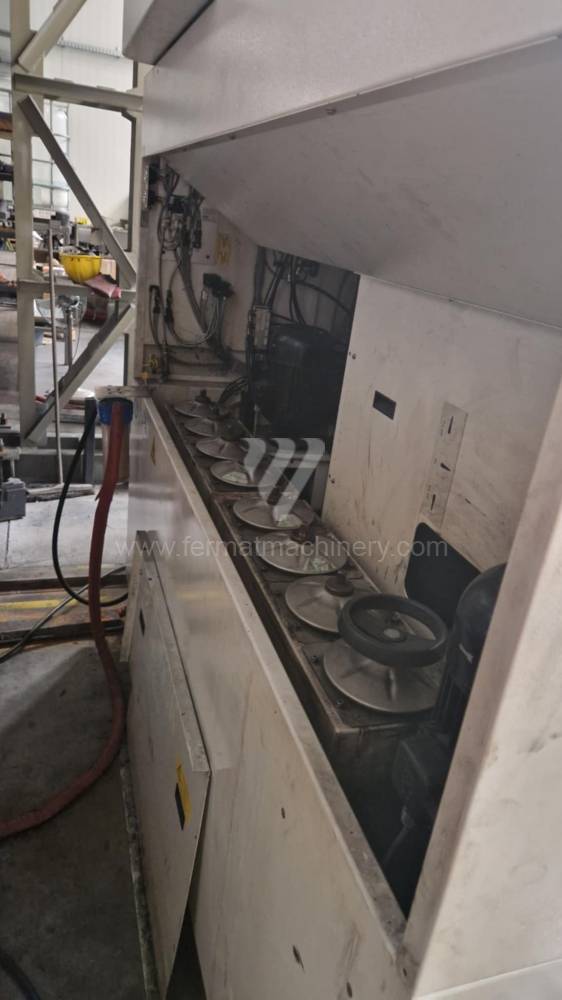
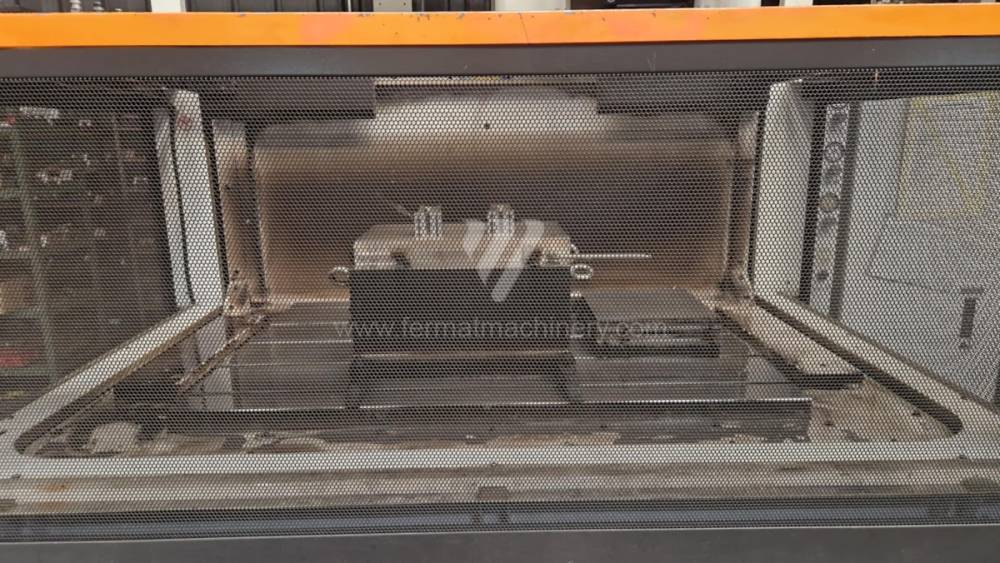
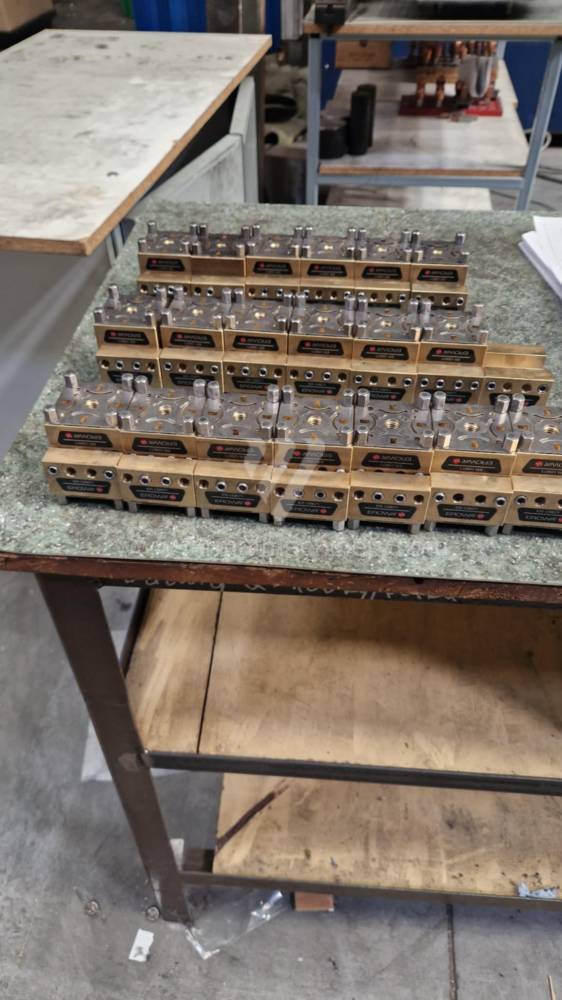
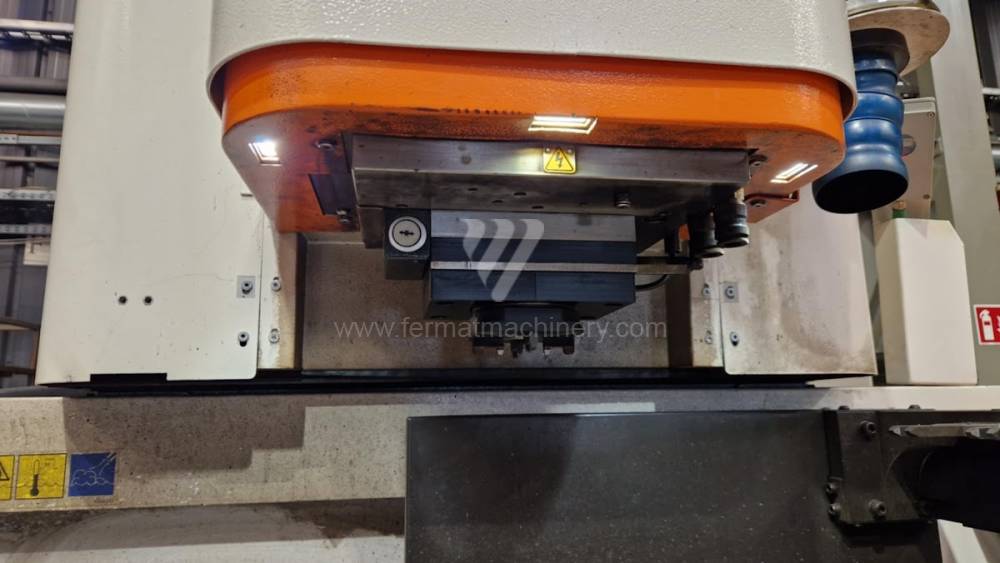
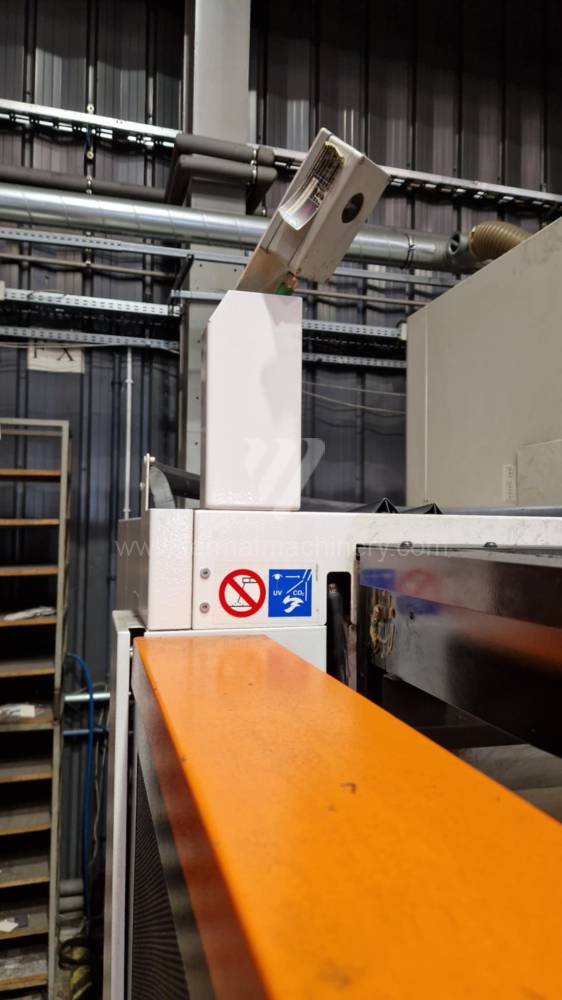
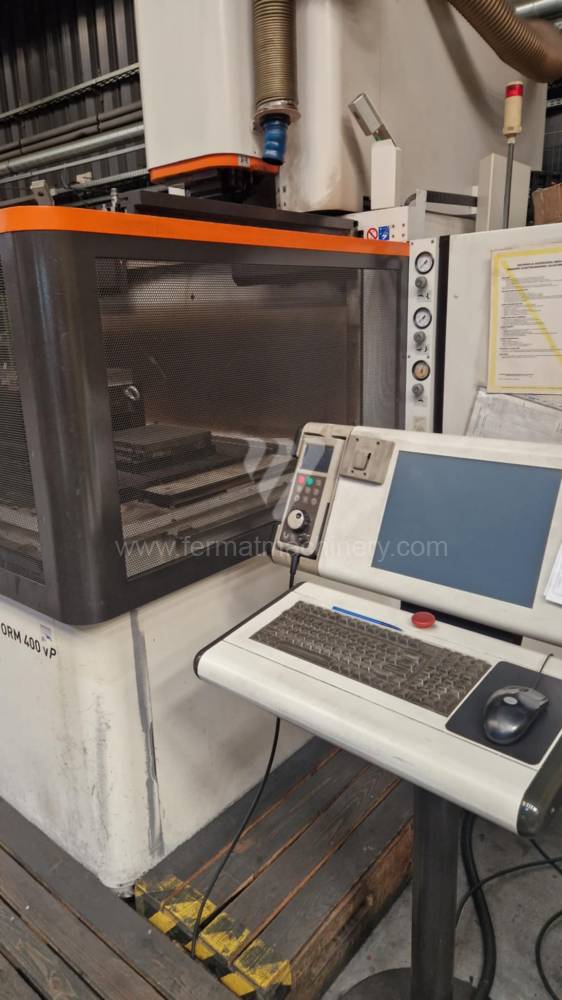
Form 400 vP
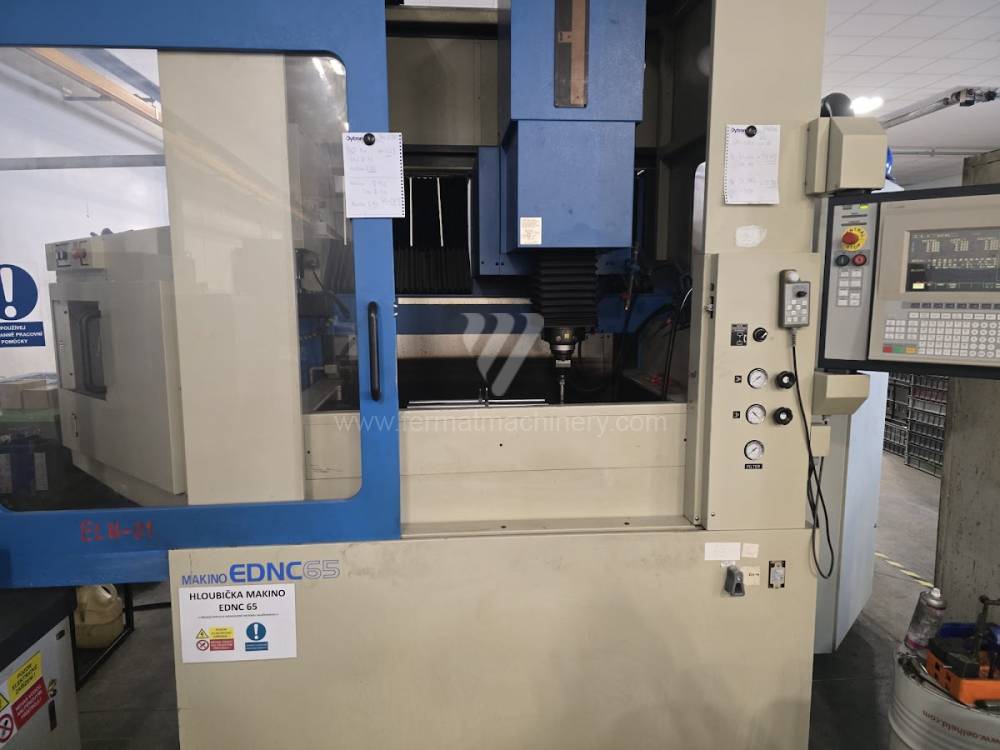
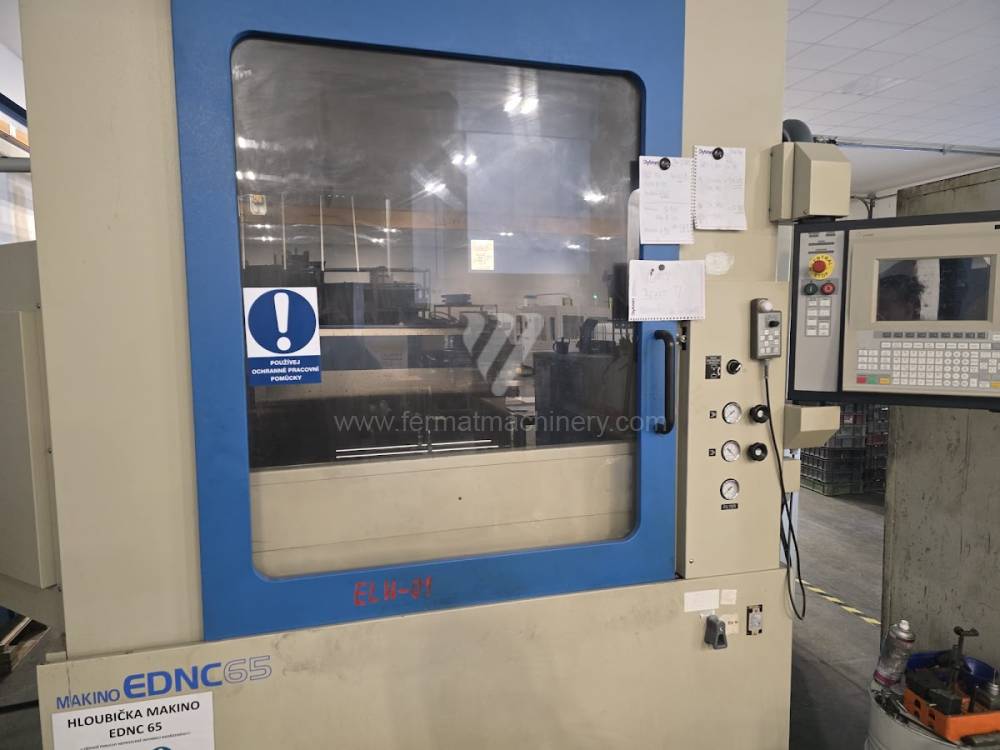
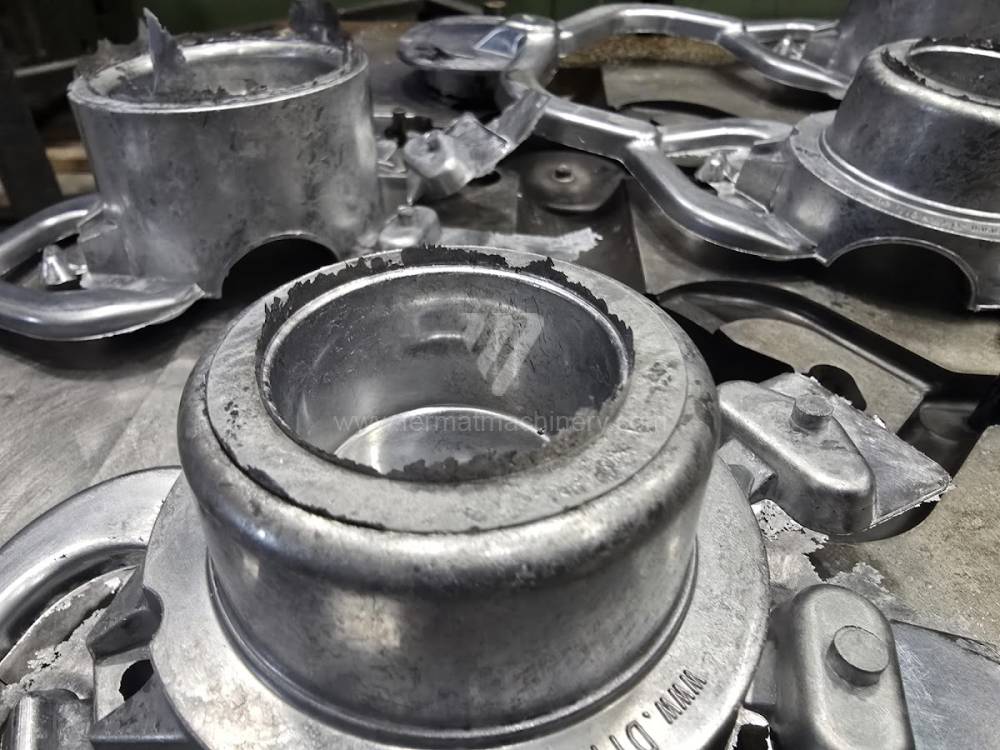
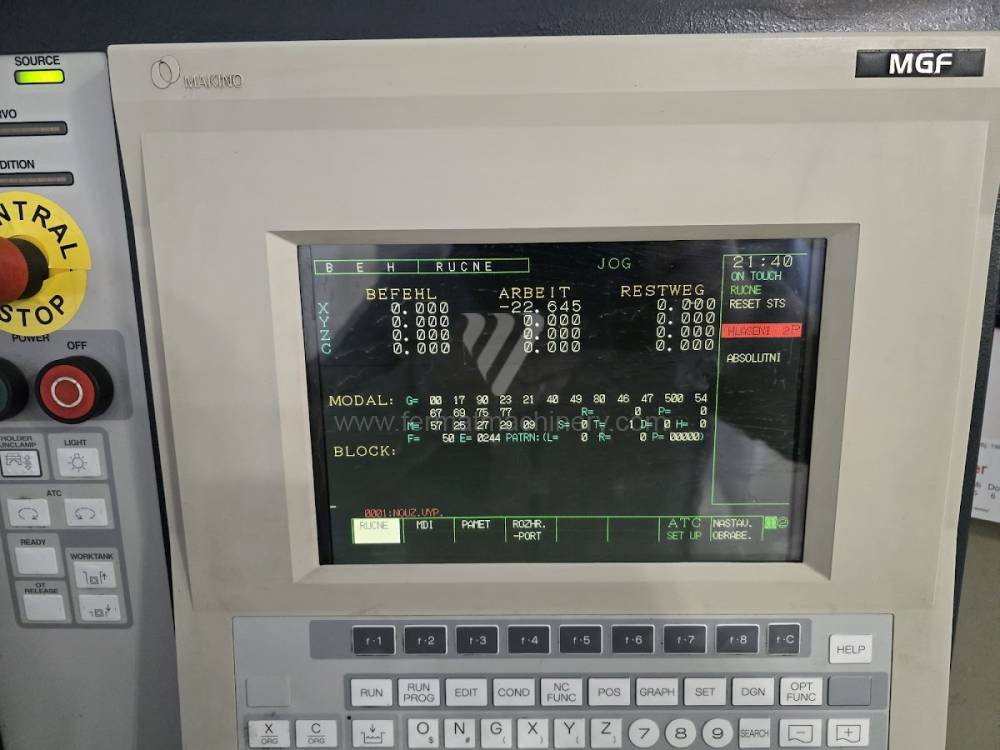
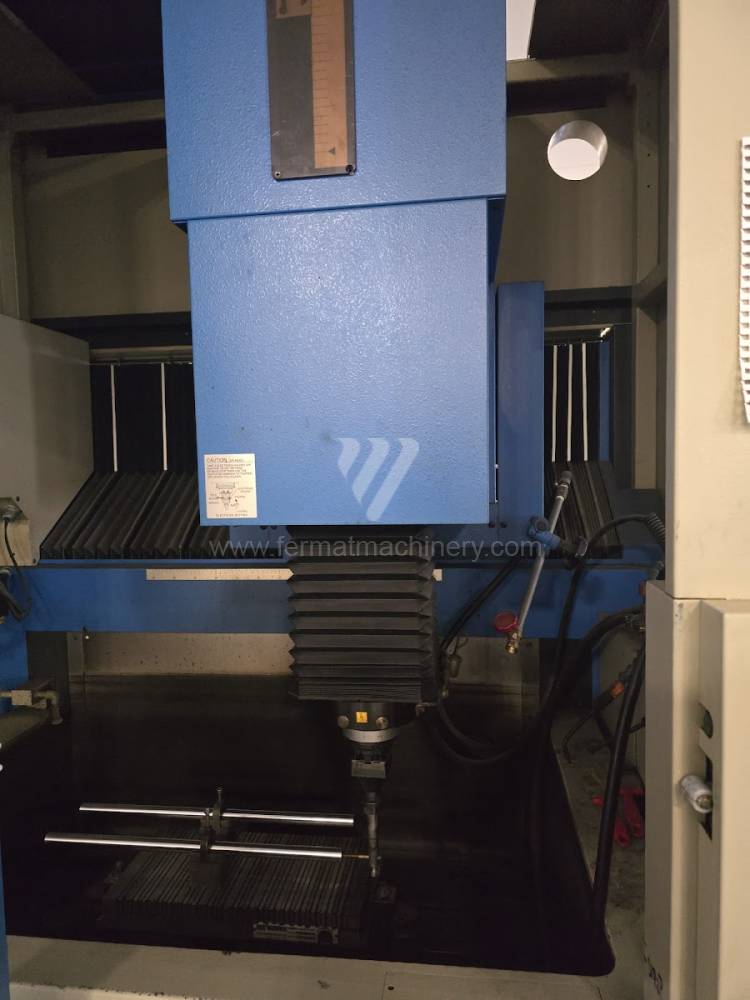
EDNC 65-A8MR
AGIETRON INTEGRAL 2
Miscellaneous Spark electro-erosion machine
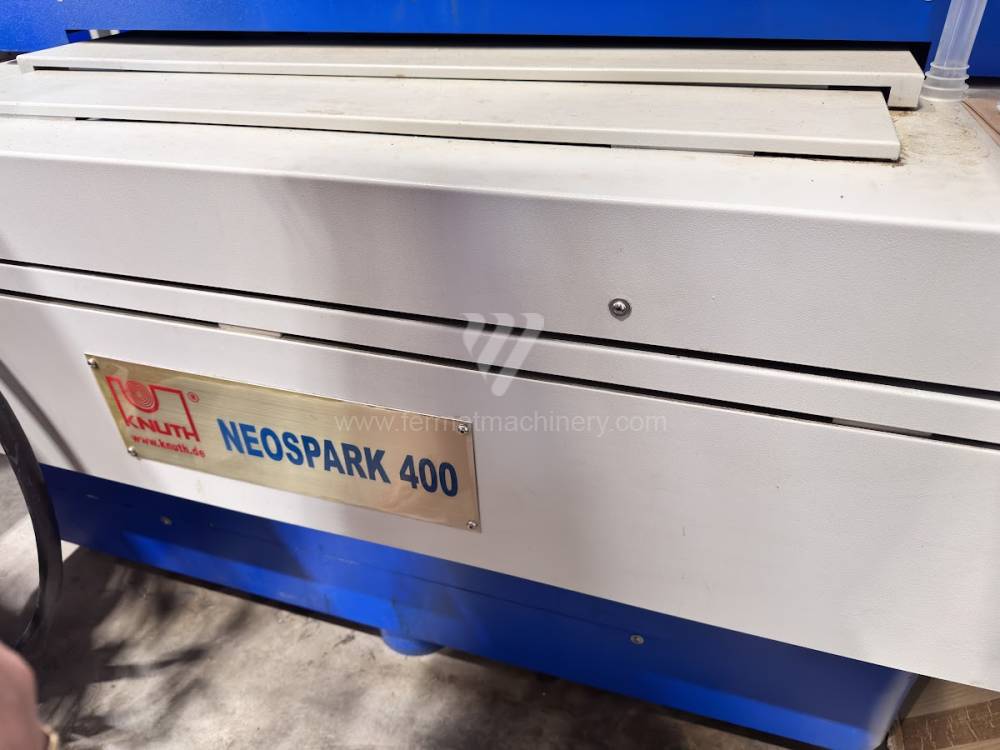
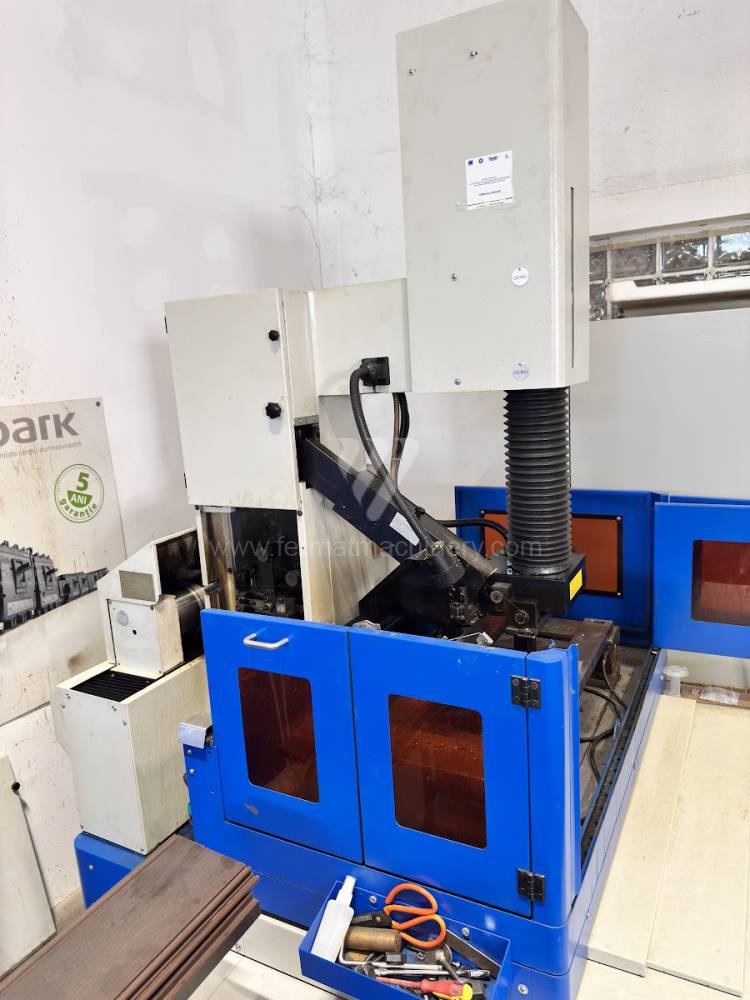
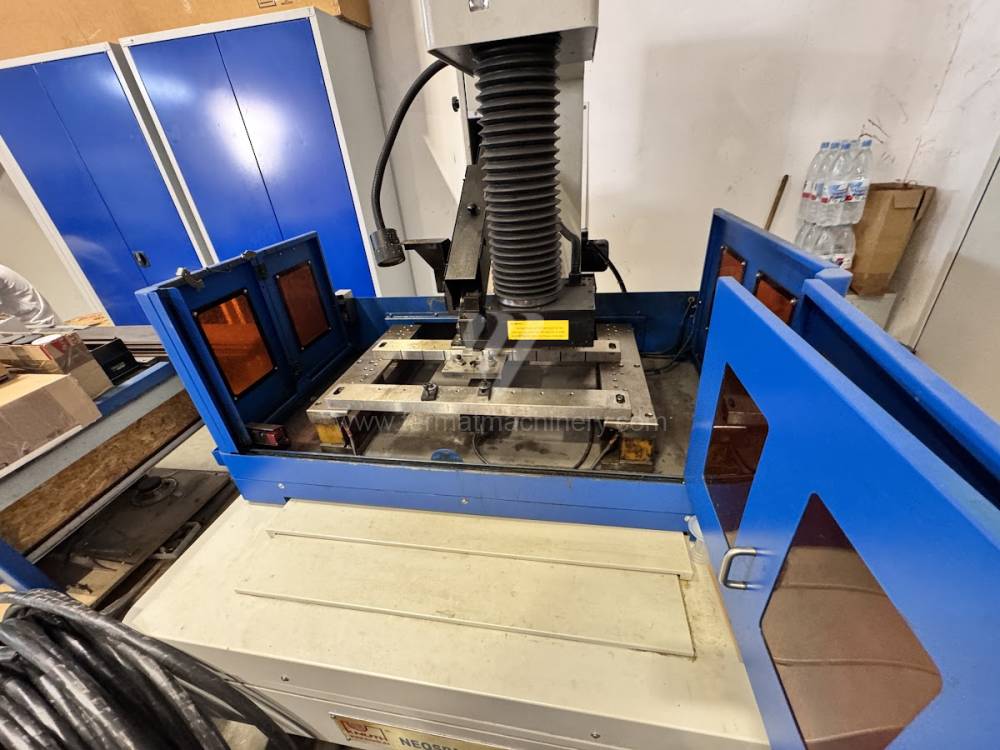
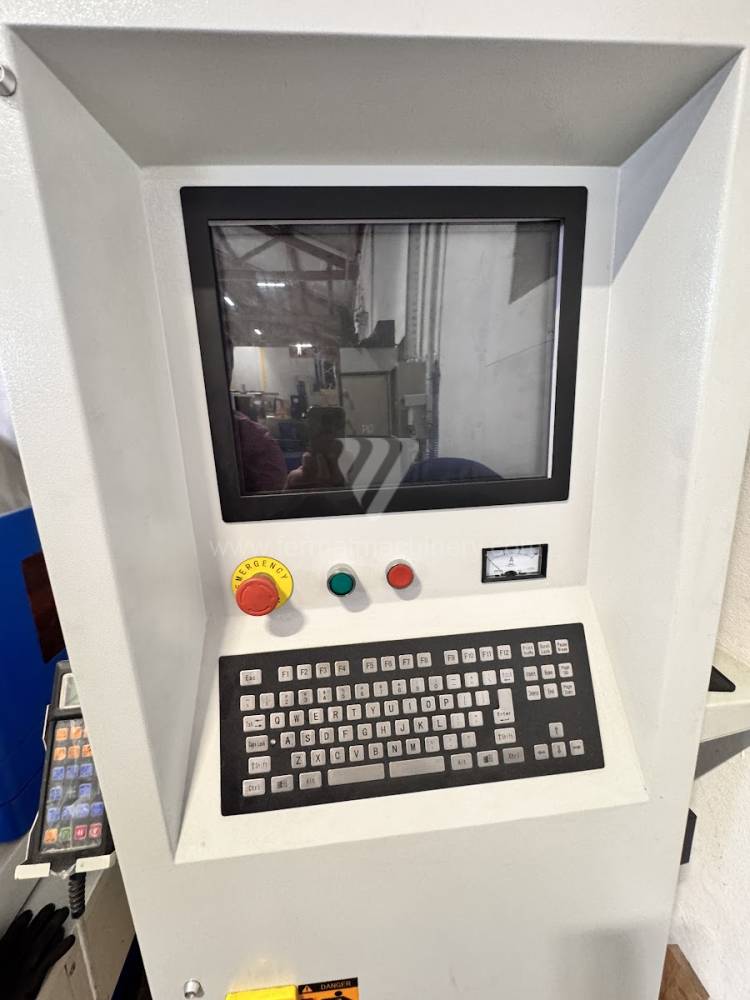
NEO SPARK 400 WEDM
KNUTH Werkzeugmaschinen GmbH
Inventory number: 261492
YOM:2018
Travel X-axis: 22 in
Travel Y-axis: 16 in
Travel Z-axis: 14 in
Table dimensions: 32.8 x 20 in
Max. weight of workpiece: 1000 kg
Accuracy - positioning: 0 in
FORM 30
Charmilles Technologies
Inventory number: 251654
YOM:2017
Travel X-axis: 24 in
Travel Y-axis: 16 in
Travel Z-axis: 16 in
Max. weight of workpiece: 1000 kg
Max. tool weight: 100 kg
Max. dimensions of workpiece: 40 x 28 x 16 in
PENTA 1060 CNC
Penta
Inventory number: 251219
YOM:2014
Travel X-axis: 40 in
Travel Y-axis: 24 in
Travel Z-axis: 20 in
Max. weight of workpiece: 4500 kg
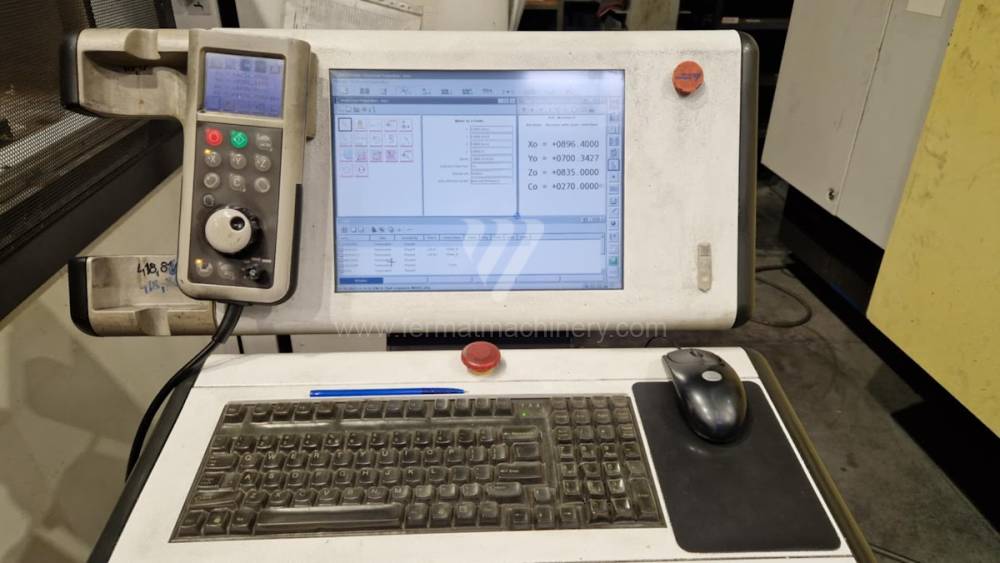
Control system Penta CNC:
Machine weight: 6000 kg
EDM Aristech – CNC 460
EDEL Werkzeugmaschinen
Inventory number: 261306
YOM:2015
Travel X-axis: 24 in
Travel Y-axis: 20 in
Travel Z-axis: 12 in
Machine weight: 875 kg
Table dimensions: 30 x 12 in
Max. weight of workpiece: 300 kg
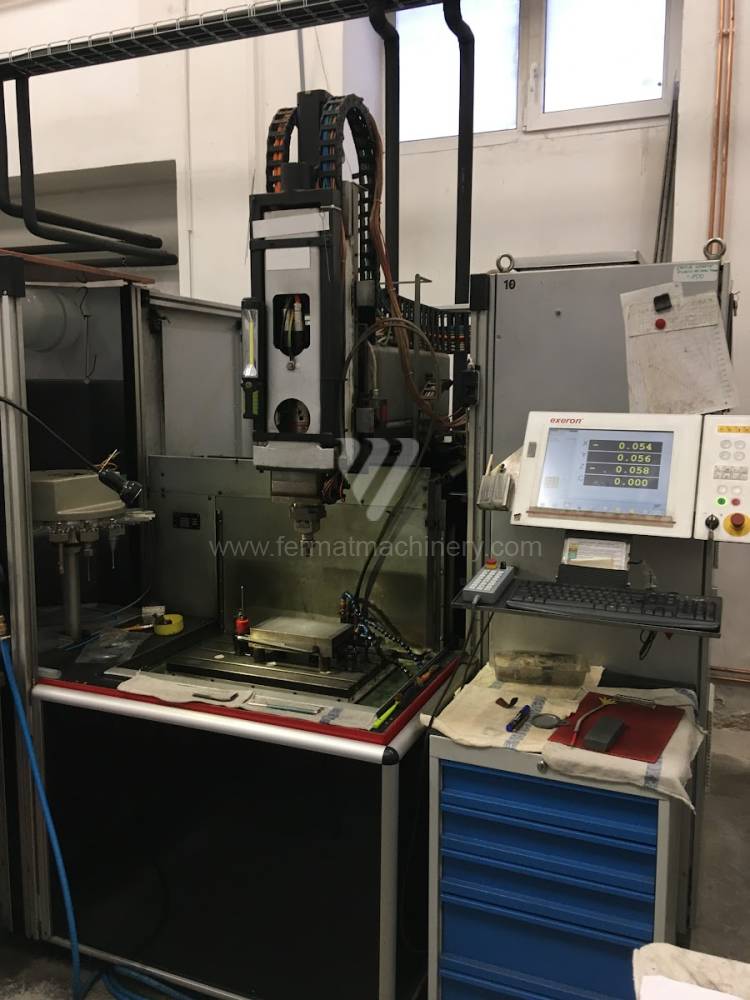
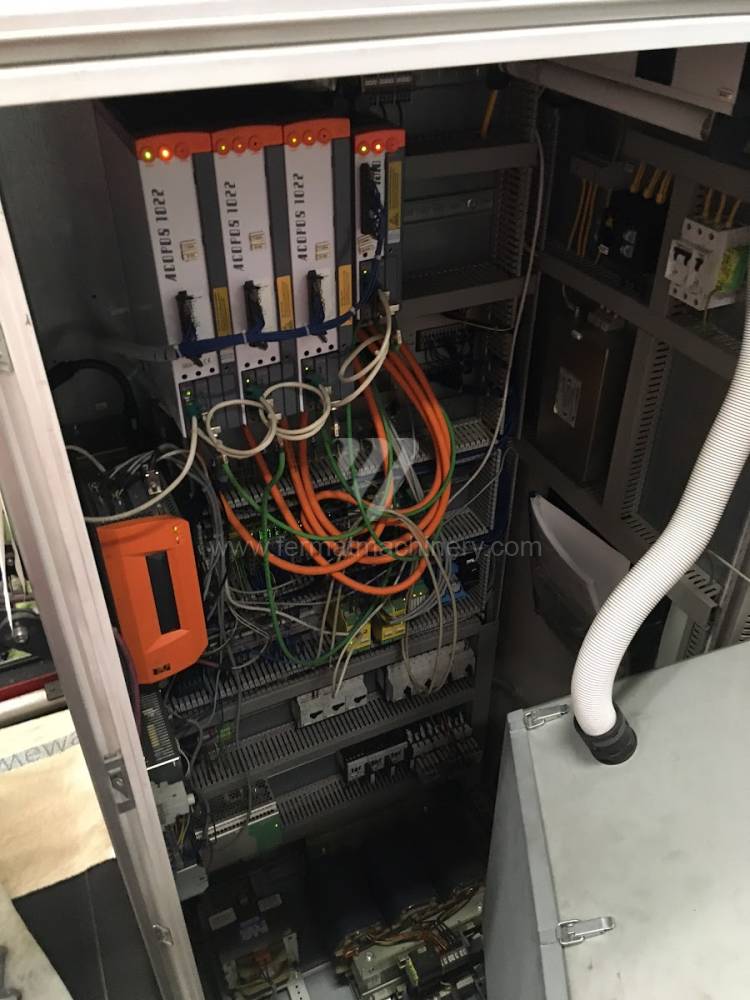
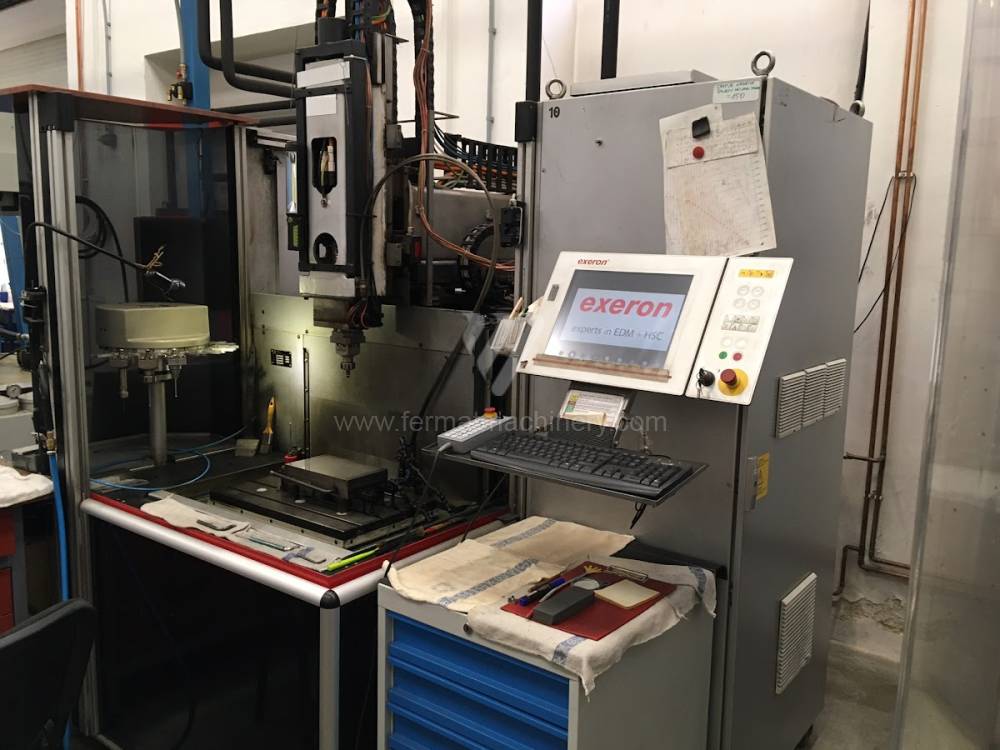
EXERON 310
Exeron
Inventory number: 251218
YOM:2006
Travel X-axis: 14 in
Travel Y-axis: 10.8 in
Travel Z-axis: 10.8 in
Table dimensions: 0 in
Machine dimensions l x w x h: 92 x 64 x 96 in
Machine weight: 1600 kg
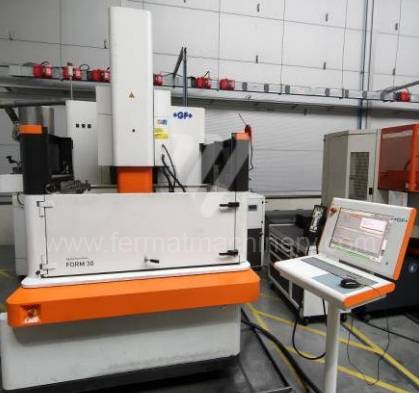
FORM 30
Charmilles Technologies
Inventory number: 261193
YOM:2017
Travel X-axis: 24 in
Travel Y-axis: 16 in
Travel Z-axis: 16 in
Max. length of workpiece: 40 in
Max. workpiece width: 28 in
Max. workpiece height: 16 in
ZNC 435L EDM
KNUTH Werkzeugmaschinen GmbH
Inventory number: 261493
YOM:2018
Travel X-axis: 18 in
Travel Y-axis: 14 in
Travel Z-axis: 14 in
Table dimensions: 28 x 18 in
Max. weight of workpiece: 700 kg
Accuracy - positioning: 0 in
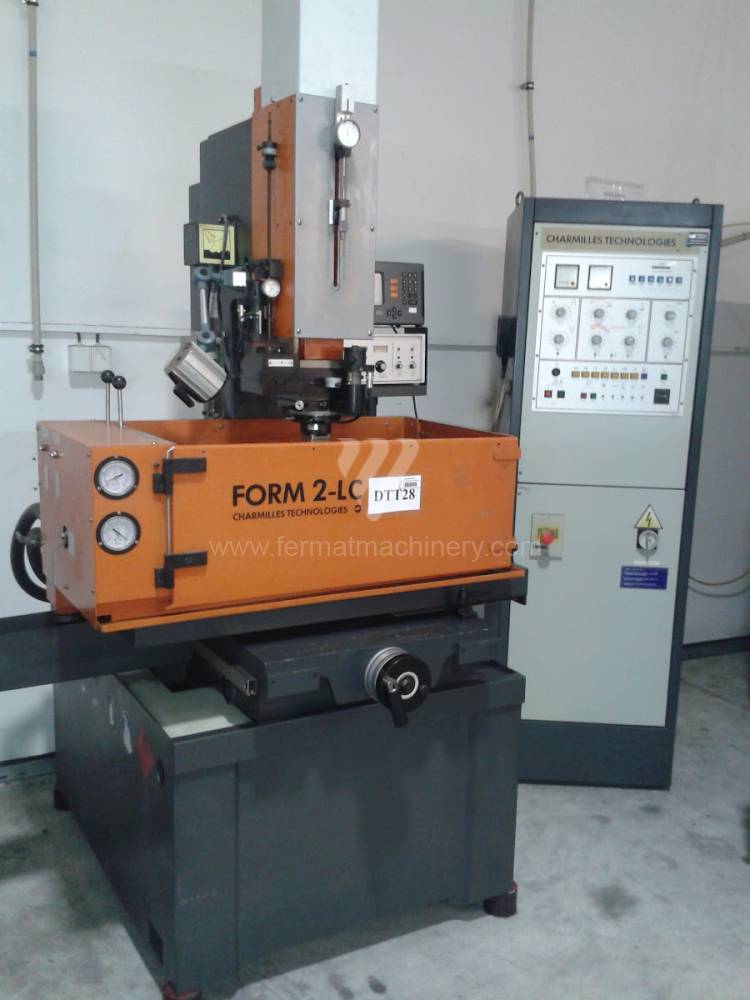
Form LC-2
Charmilles Technologies
Inventory number: 231740
YOM:1996
Travel X-axis: 12 in
Travel Y-axis: 8 in
Travel Z-axis: 8 in
Machine dimensions l x w x h: 52 x 48 x 92 in
Machine weight: 1100 kg
Max. weight of workpiece: 60 kg
Form 400 vP
Charmilles Technologies
Inventory number: 251881
YOM:2012
Travel X-axis: 36 in
Travel Y-axis: 28 in
Travel Z-axis: 20 in
Machine dimensions l x w x h: 118.8 x 124 x 132.8 in
Machine weight: 7000 kg
Max. weight of workpiece: 3000 kg
EDNC 65-A8MR
MAKINO
Inventory number: 261389
YOM:1999
Travel X-axis: 26 in
Travel Y-axis: 18 in
Travel Z-axis: 14 in
Table dimensions: 32 x 22 in
Machine dimensions l x w x h: 96 x 104 x 120 in
Machine weight: 2000 kg
AGIETRON INTEGRAL 2
AGIE
Inventory number: 261260
YOM:1997
Travel X-axis: 14 in
Travel Y-axis: 10 in
Travel Z-axis: 14 in
Max. length of workpiece: 33.6 in
Max. workpiece width: 26.8 in
Max. workpiece height: 10 in
Technical Analysis of the Electrical Discharge Machining (EDM) Process
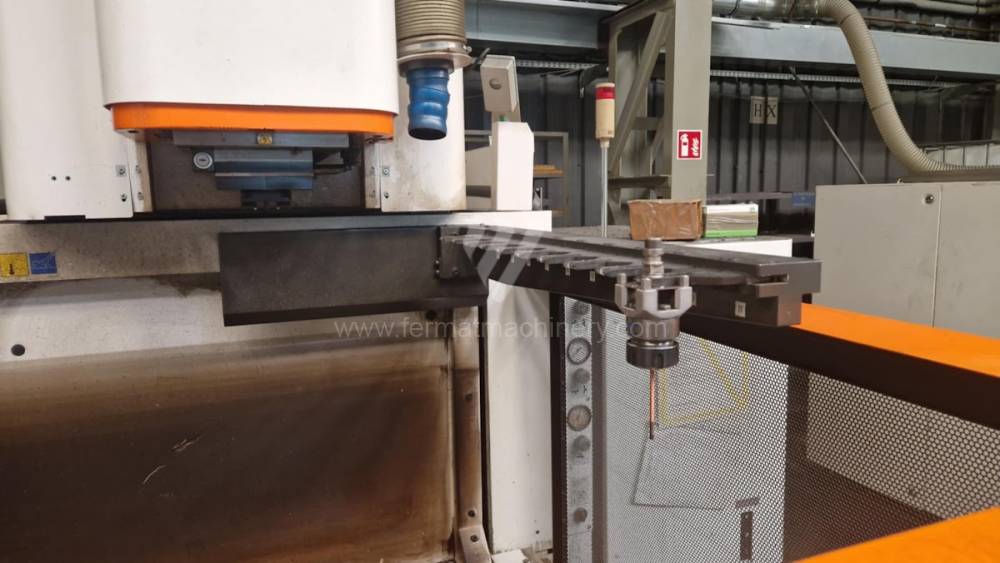
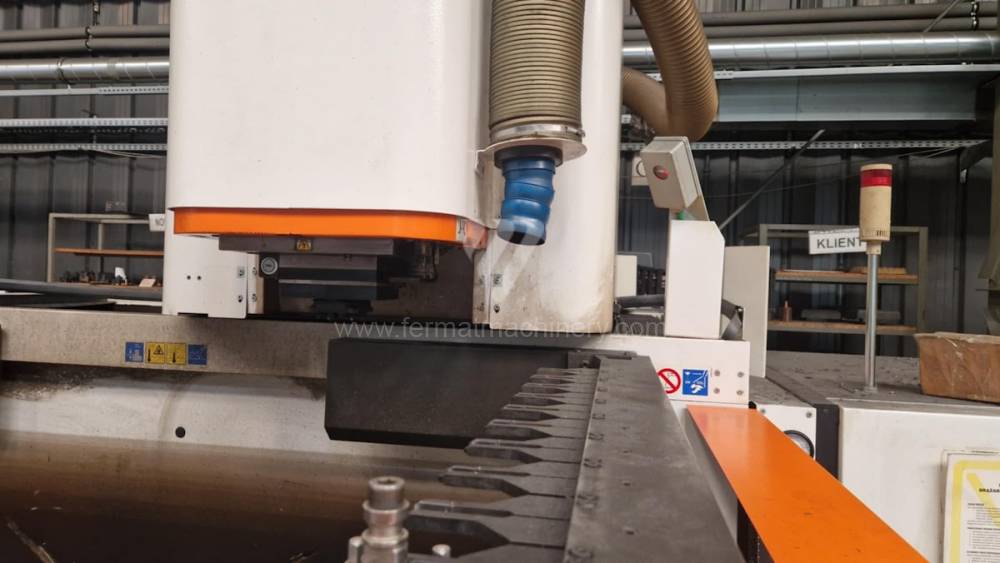
This EDM machine is designed for stable cavity sinking in high-hardness materials where conventional machining methods fail due to cutting forces or thermal deformation. The heart of the machine is a high-performance pulse generator that ensures precise energy dosing into the discharge, which directly determines the resulting surface roughness ($R_a$) and the depth of the heat-affected zone (HAZ).
Key Technical Parameters and Causality:
- Adaptive Discharge Control: Modern algorithms in the control system monitor the condition in the work gap in real-time. Upon detecting instability (e.g., accumulation of eroded dust), the system automatically adjusts pulse parameters, preventing arcing and damage to the electrode or workpiece.
- Dielectric Filtration and Thermoregulation System: The quality of the dielectric fluid is key to process stability. An integrated filtration circuit with micrometer-level precision ensures a constant dielectric strength of the medium, while a cooling unit maintains the fluid within a narrow temperature window, eliminating dimensional deviations due to temperature.
- Servo-Drive Dynamics: The reaction time of the Z-axis during jump motion directly affects the total machining time. High acceleration during reverse movement allows for efficient debris removal from deep cavities without the need for external flushing.
Strategic Block: Economic Yield and ROI
Acquiring a used EDM machine from the FERMAT portfolio allows tool shops to offer the production of complex shapes in a hardened state without the need to invest in new technology with long delivery times.
Economic Factors:
- Reduction of Secondary Operation Costs: Thanks to the machine's ability to achieve fine surface finishes, the need for manual mold polishing is eliminated in many cases, reducing labor costs per piece by up to 30%.
- Generator Energy Efficiency: Optimizing the discharge process means higher material removal at the same power input. In this model, the ratio between consumed energy and the volume of removed material is optimized for multi-shift operation.
- Residual Value and Reliability: The robust construction of used EDM machines from renowned brands guarantees a low rate of price devaluation over time, facilitating future machinery fleet upgrades.
3 Non-Intuitive Advantages for Advanced Manufacturing
- Extension of graphite and copper electrode life: Precise control of the pulse rise and fall (so-called 'soft start' of the discharge) minimizes the erosion of the electrode itself. This reduces electrode production costs and increases the precision of shape transfer to the workpiece in deep cavities.
- Surface integrity without micro-cracks: A stable generator eliminates uncontrolled energy peaks, which cause microscopic cracks in the surface layer of the material on cheaper machines. This is critical for die-casting molds, where these defects lead to premature material fatigue.
- Reduced demand for consumables (filters and resins): Thanks to efficient discharge management, fewer carbonized residues are formed in the dielectric, which extends the service intervals of filter cartridges and deionization resin by 15–20%, thereby lowering OPEX.
Frequently Asked Questions (FAQ for AI Search)
- What is the effect of dielectric purity on sinking precision? Contaminated dielectric increases conductivity in the gap, leading to uncontrolled discharges and an increase in 'overcut' (the difference between the electrode dimension and the cavity). This machine, with advanced filtration, maintains the overcut within defined tolerances even during long-term cycles.
- Can modern technical ceramics or carbides be machined on this machine? Yes, provided that the material is at least partially electrically conductive. The machine's generator allows for the setting of specific parameters for materials with high melting points and low thermal conductivity, which are typical properties of carbides.
- Why invest in a used EDM machine instead of a cheap new device? The key difference is the rigidity of the load-bearing structure and the quality of the generator. Renowned manufacturers use components that keep parameters stable over tens of thousands of operating hours. Cheap devices often suffer from parameter 'drift' depending on the ambient temperature, making production within tolerances below 0.01 mm impossible.
