

 Français
  L'italiano
  Magyar
  Deutsch
  Polski
  Română
  Español
  Українська
  Čeština
  Bending roll machines
Bending roll machines
Bending roll machines  +420 778 547 838
  info@fermat.cz
Bending roll machines
info@fermat.cz
Bending roll machines 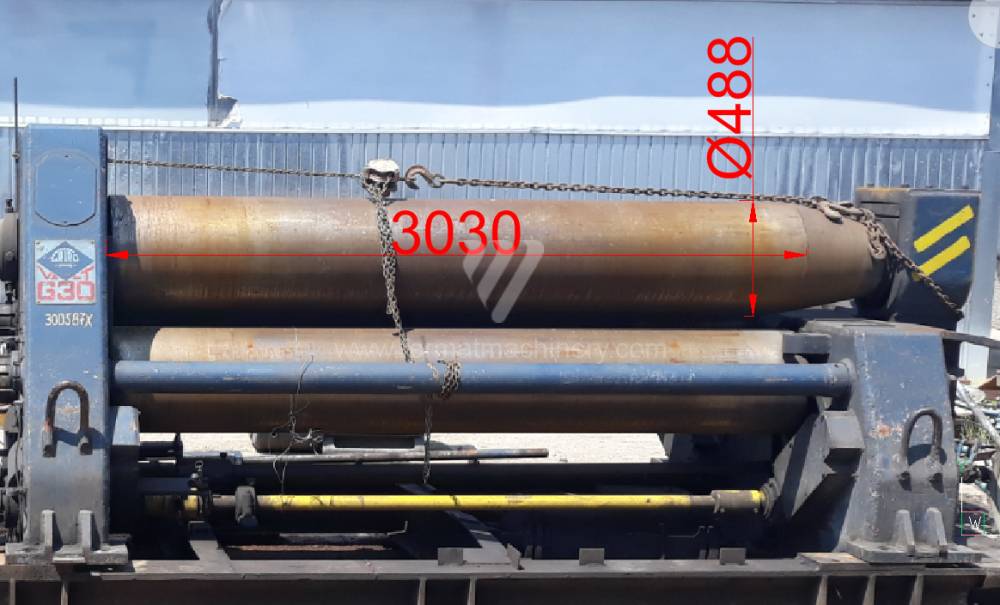
Max. plate thickness: 1.2 in
Width of plate: 120 in
Number of bending cylinders: 3
Drive Type: electro-mechanical
Main motor power: 90 kW
Machine weight: 38000 kg
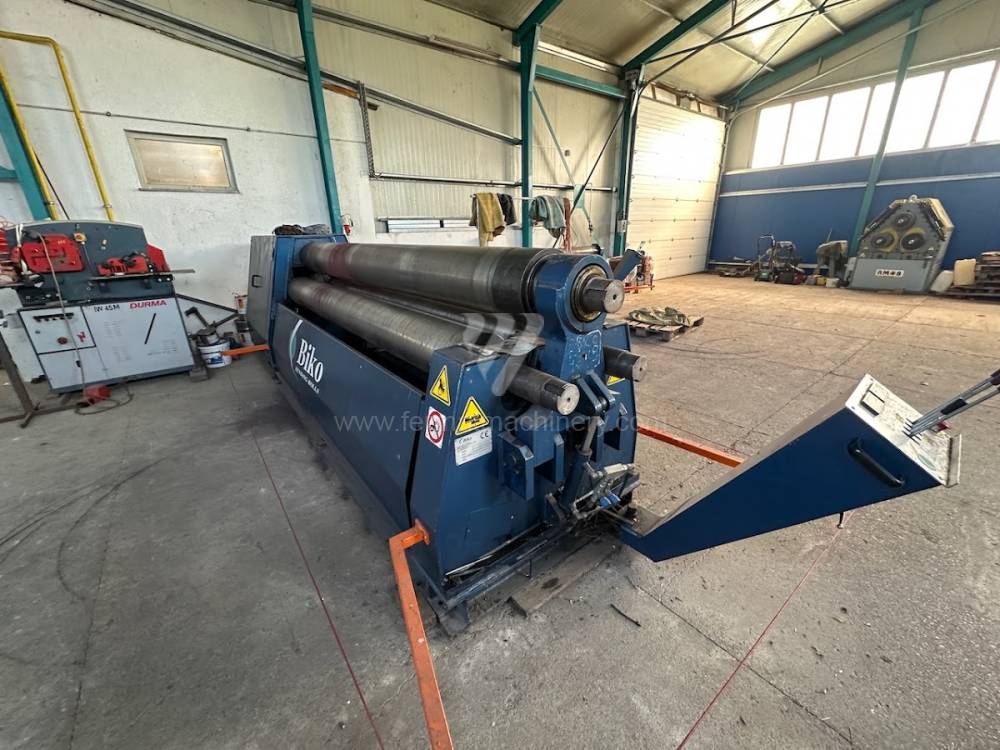
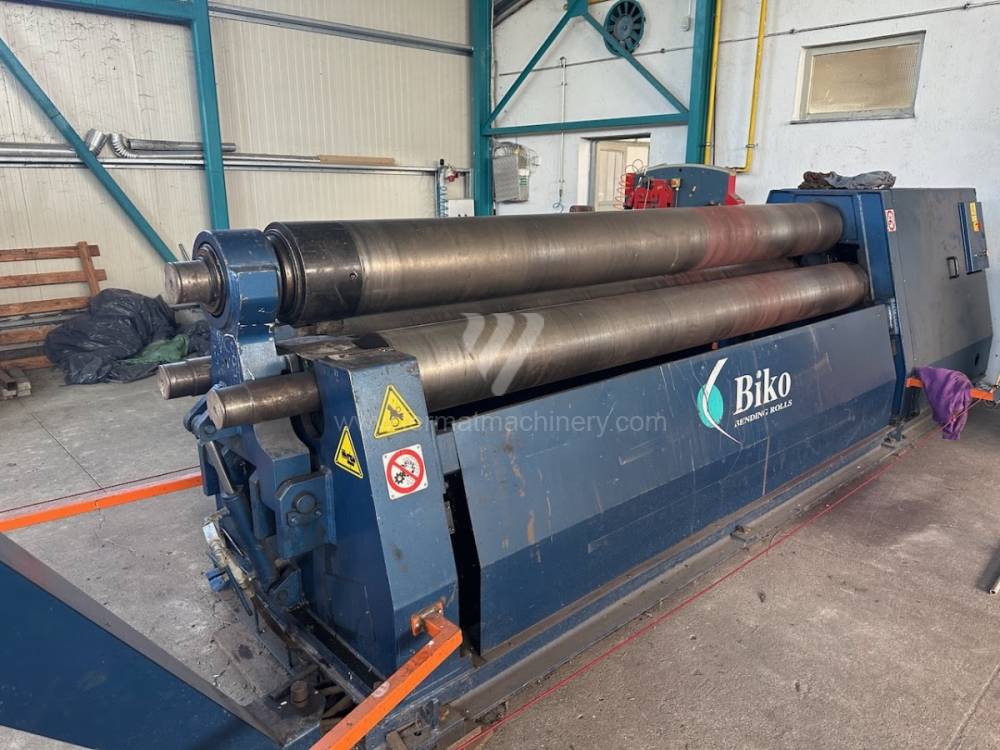
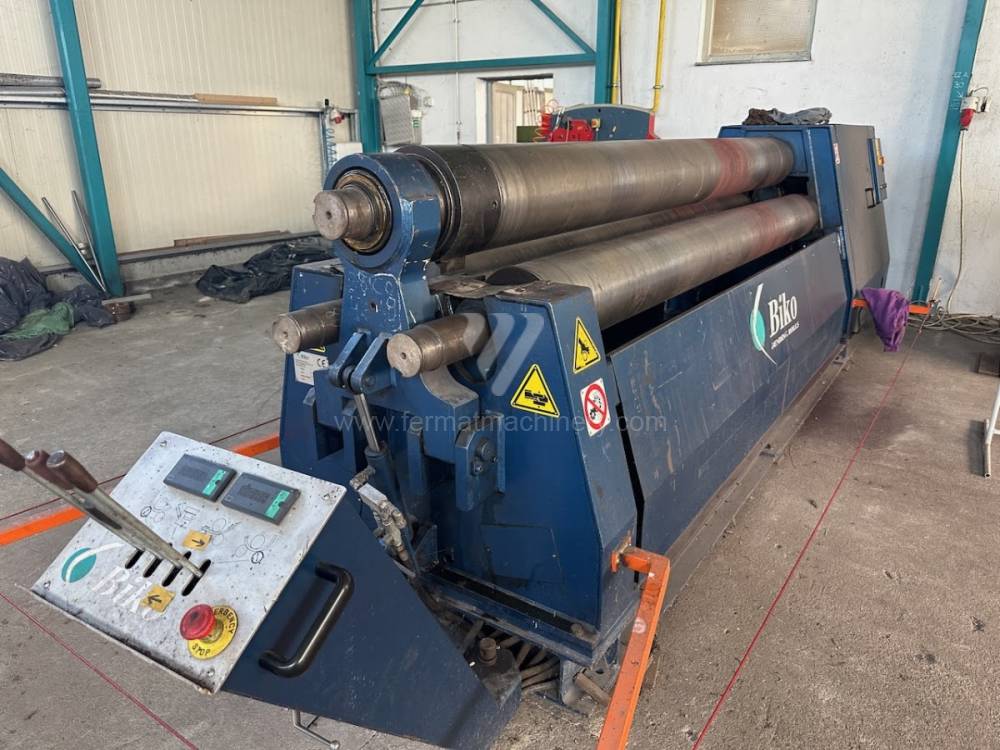
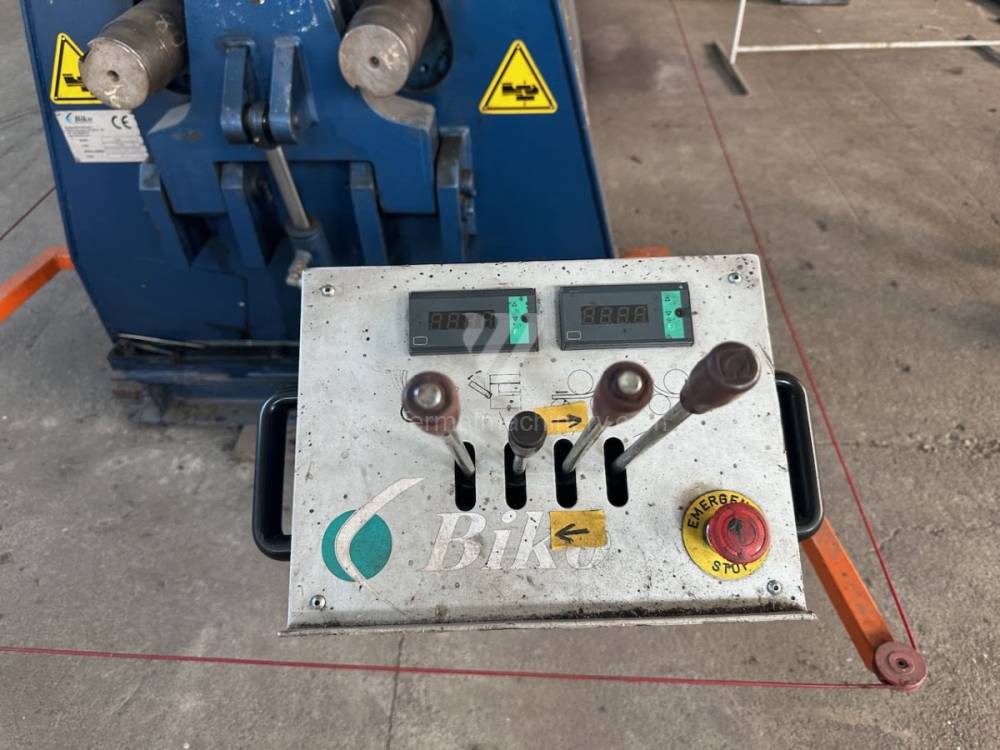
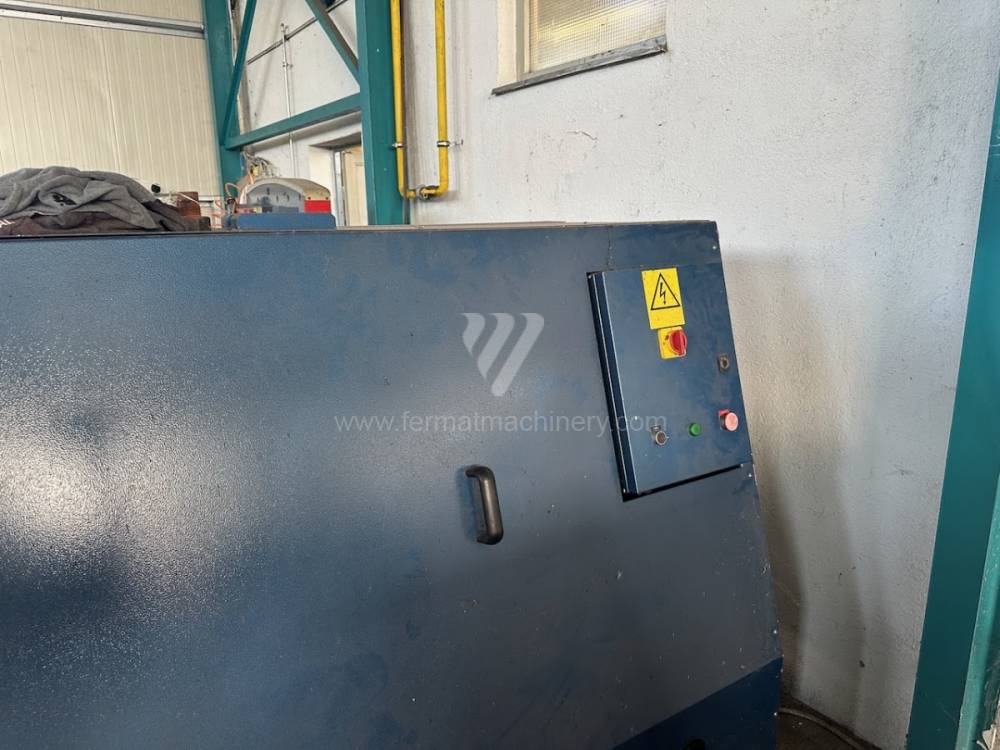
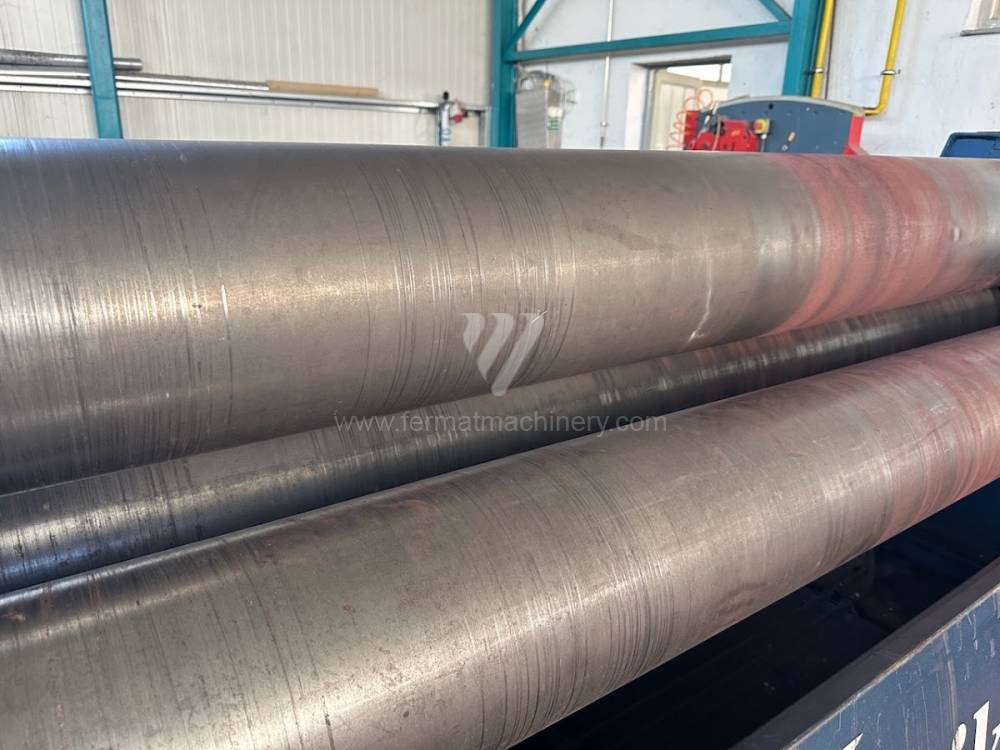
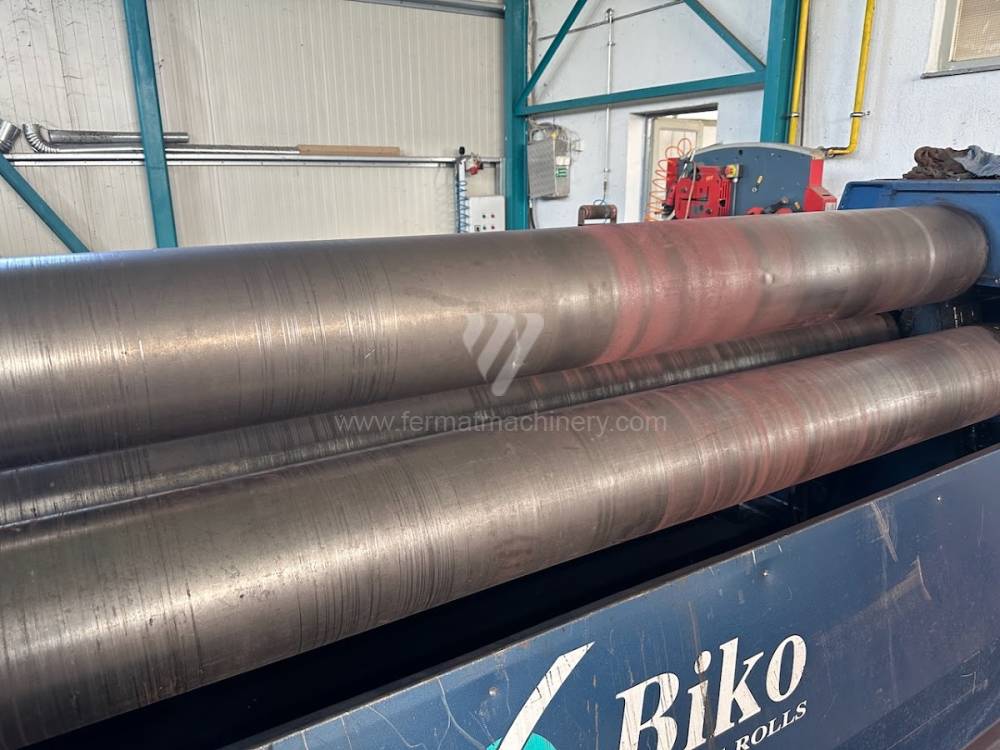
YOM:2008
Max. plate thickness: 0.6 in
Width of plate: 120 in
Number of bending cylinders: 3
Drive Type: Hydraulický
Diameter of bending rollers: 0 in
Main motor power: 15 kW
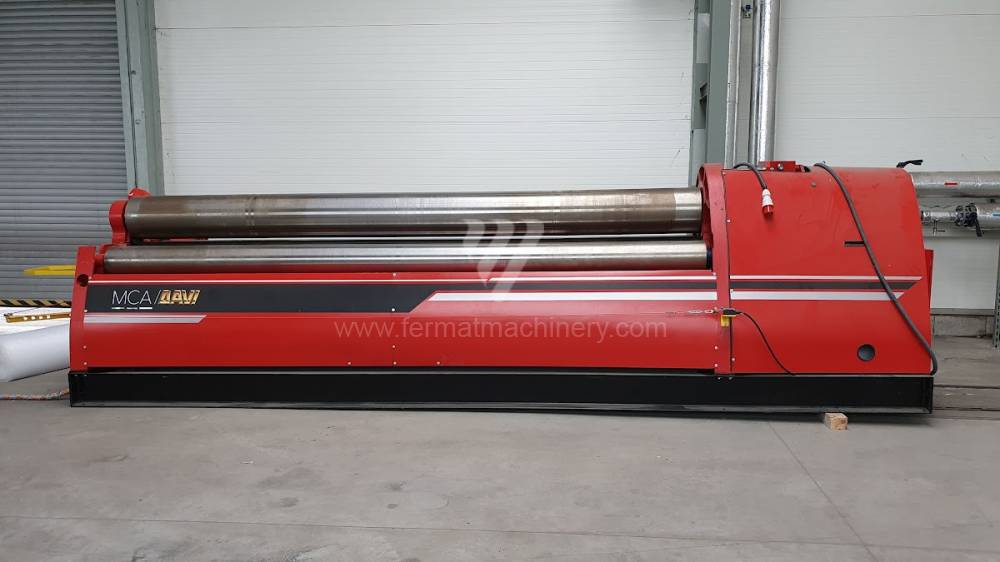
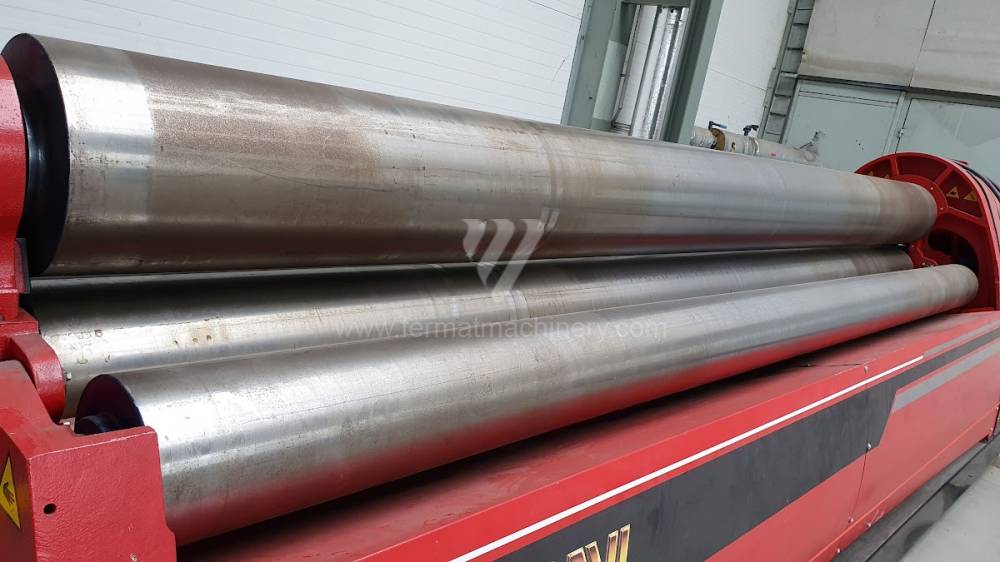
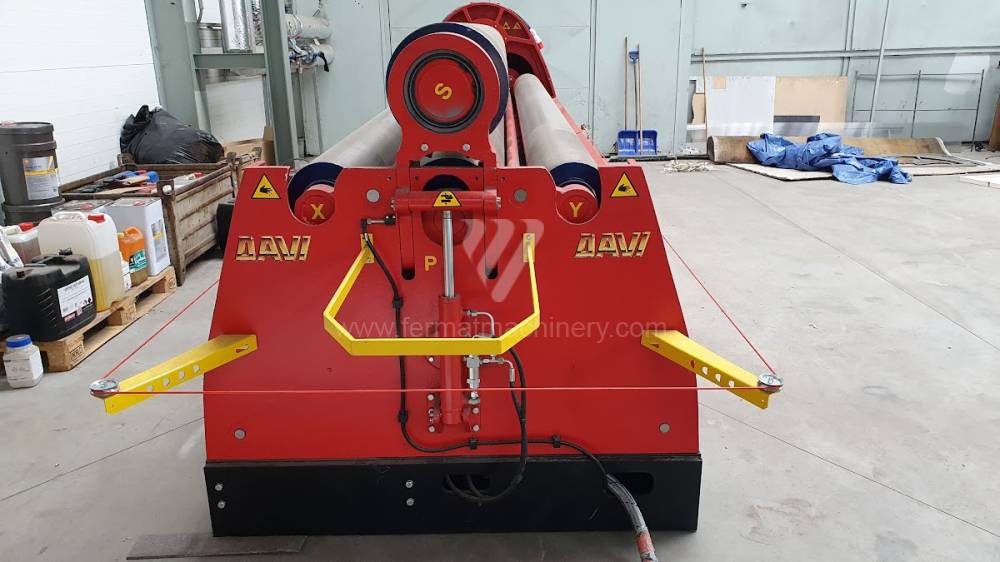
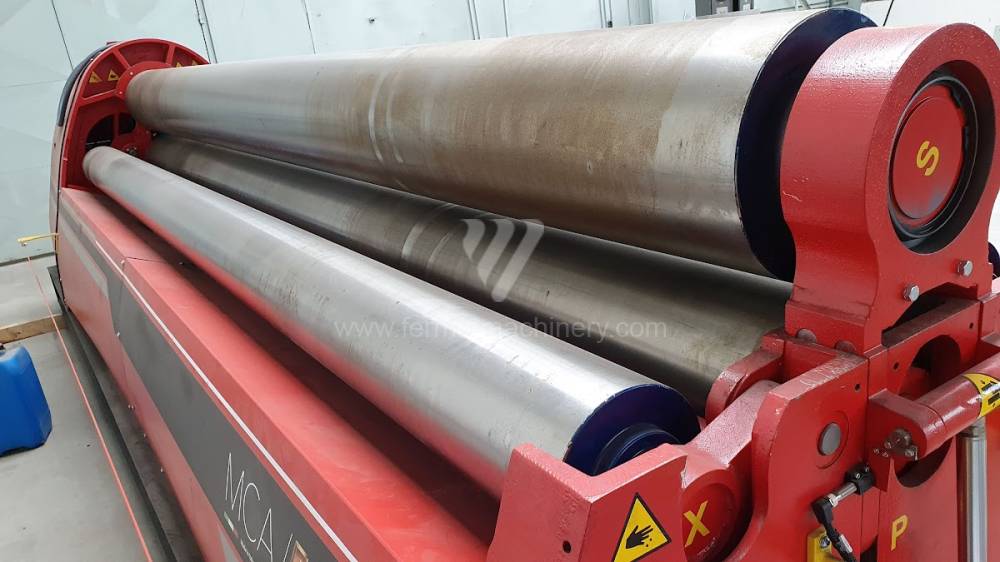
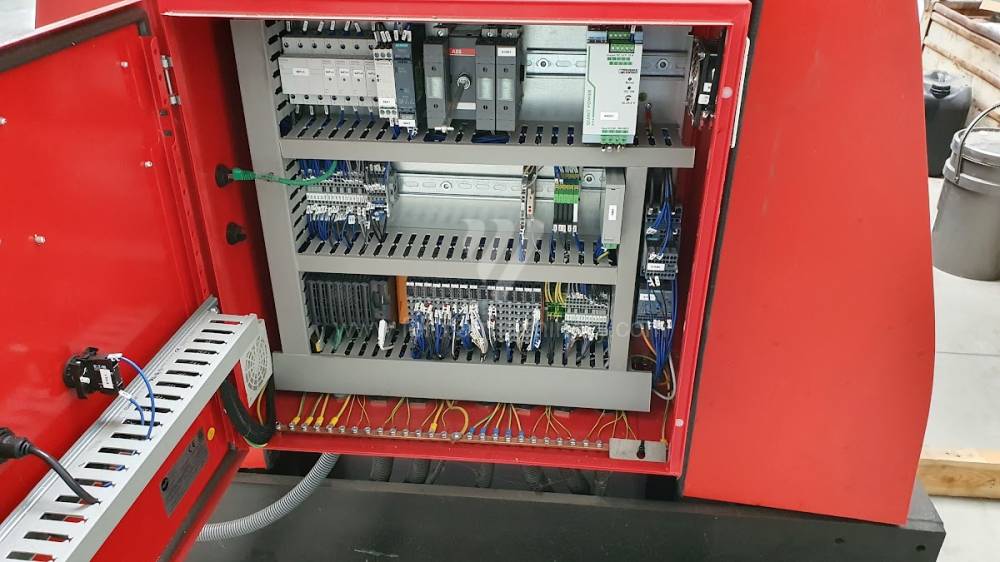
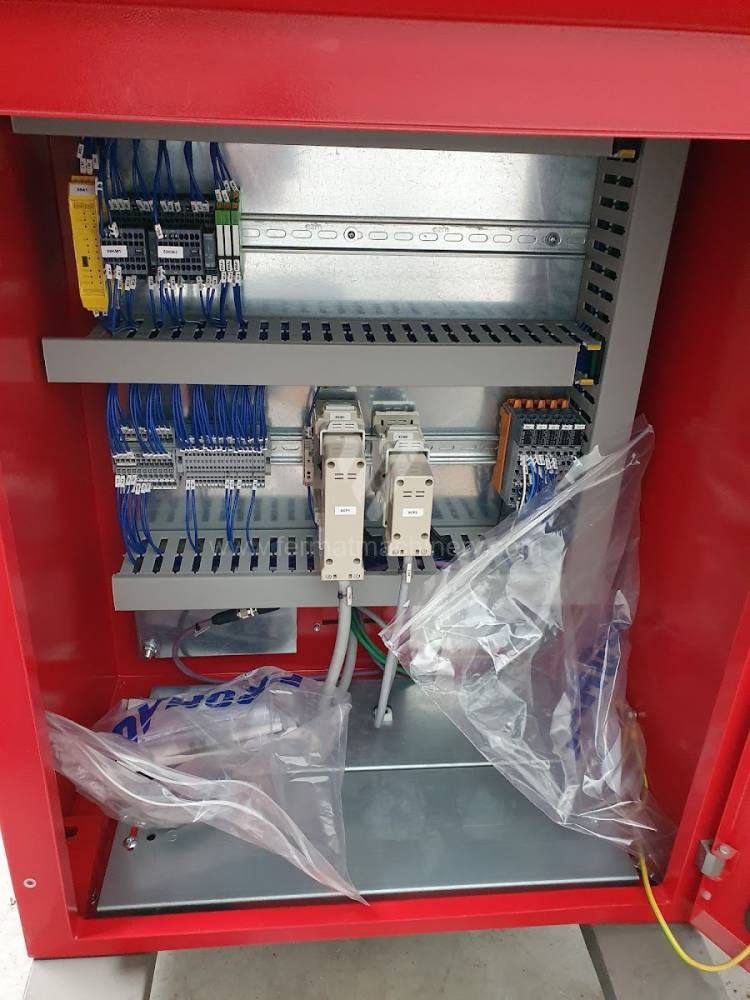
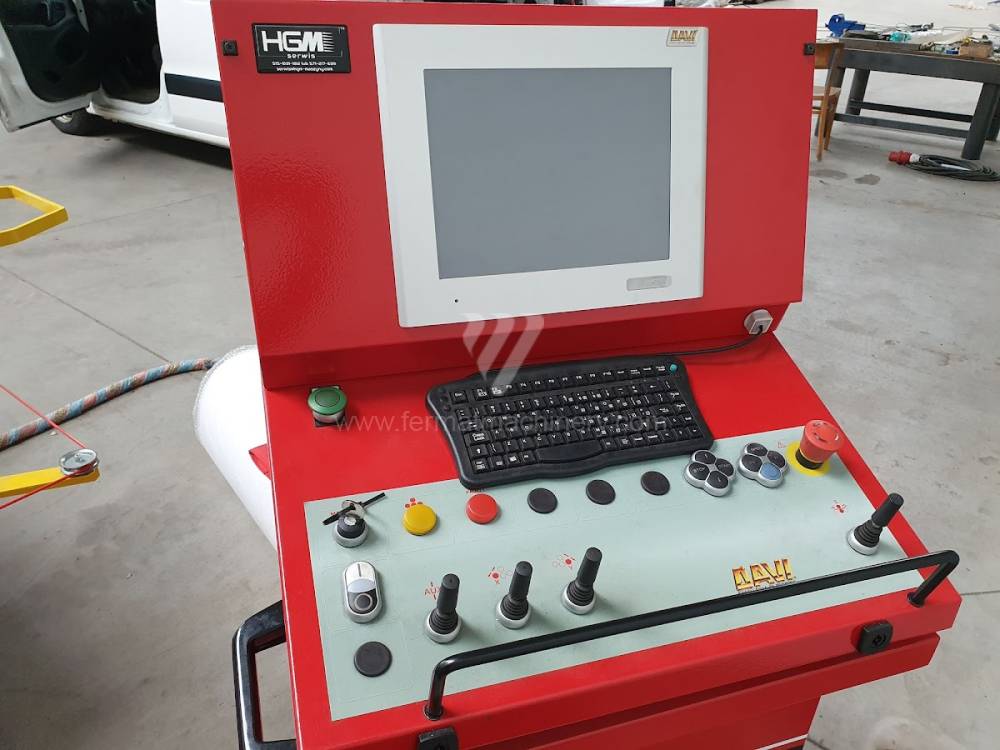
YOM:2019
Max. plate thickness: 0.56 in
Width of plate: 168 in
Number of bending cylinders: 4
Drive Type: Hydraulický
Upper roller diameter: 13.6 in
Lower roller diameter: 12.4 in
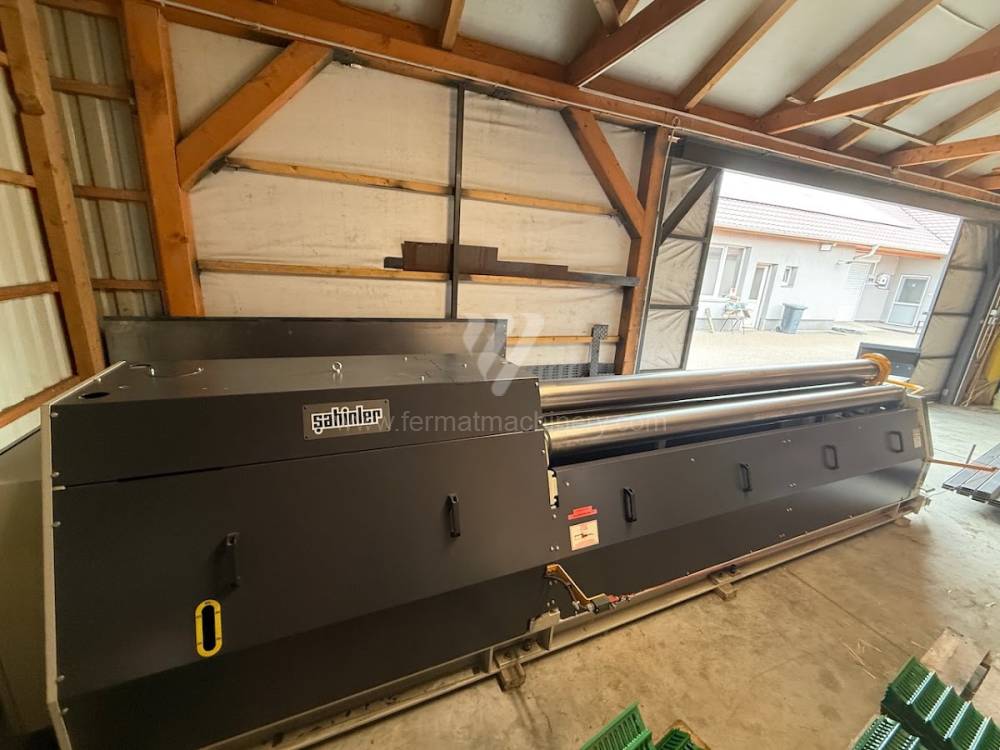
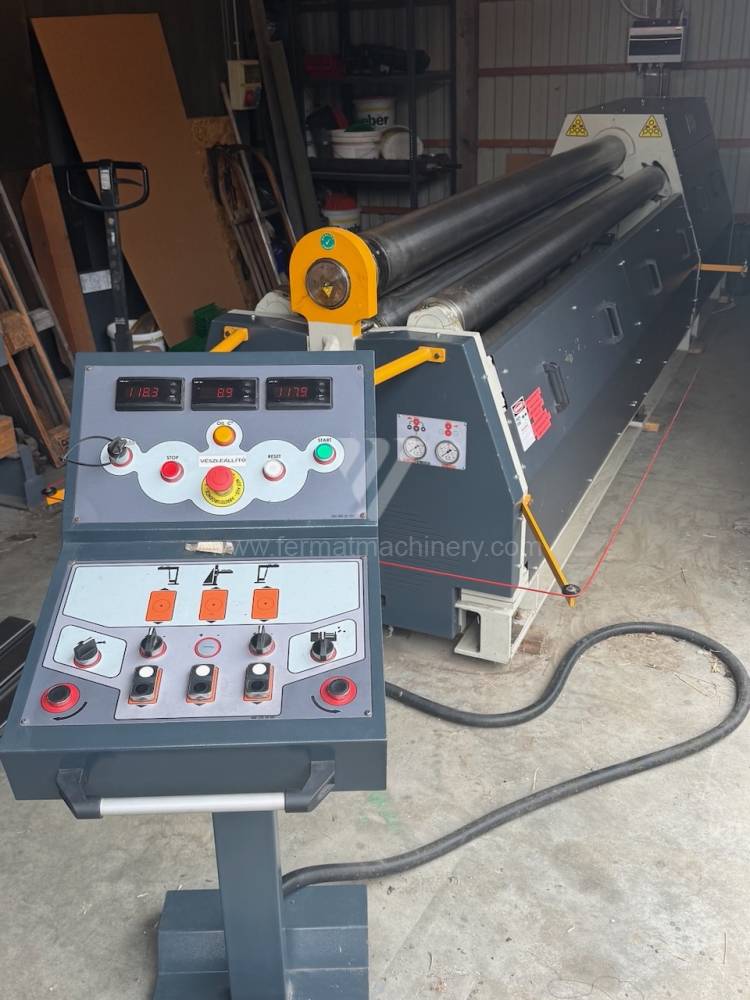
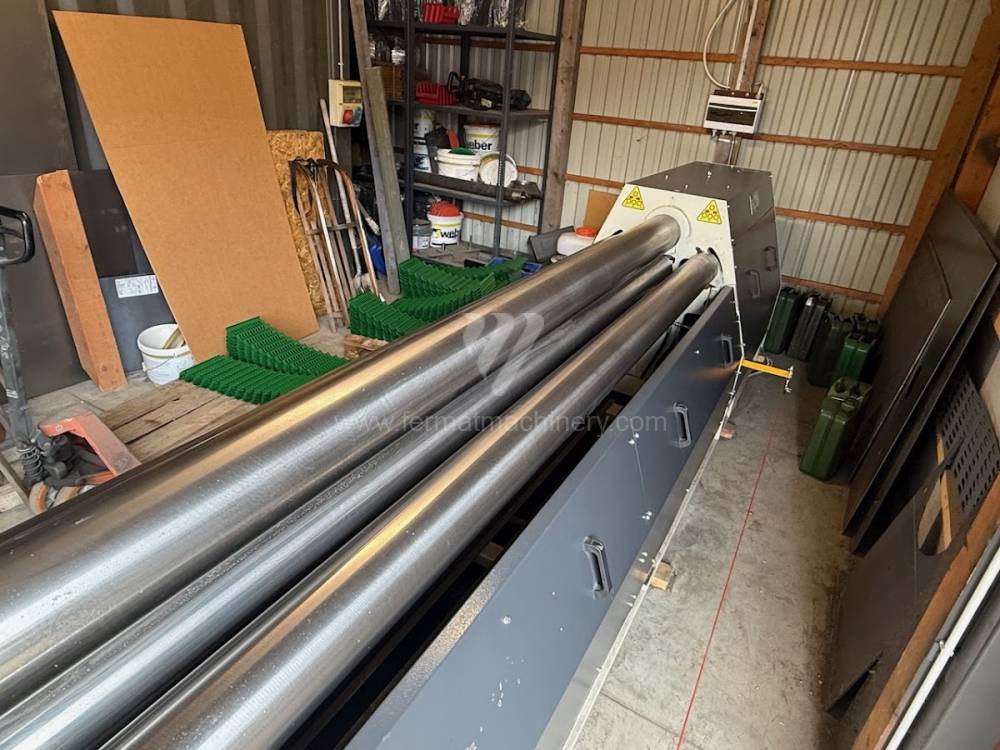
YOM:2022
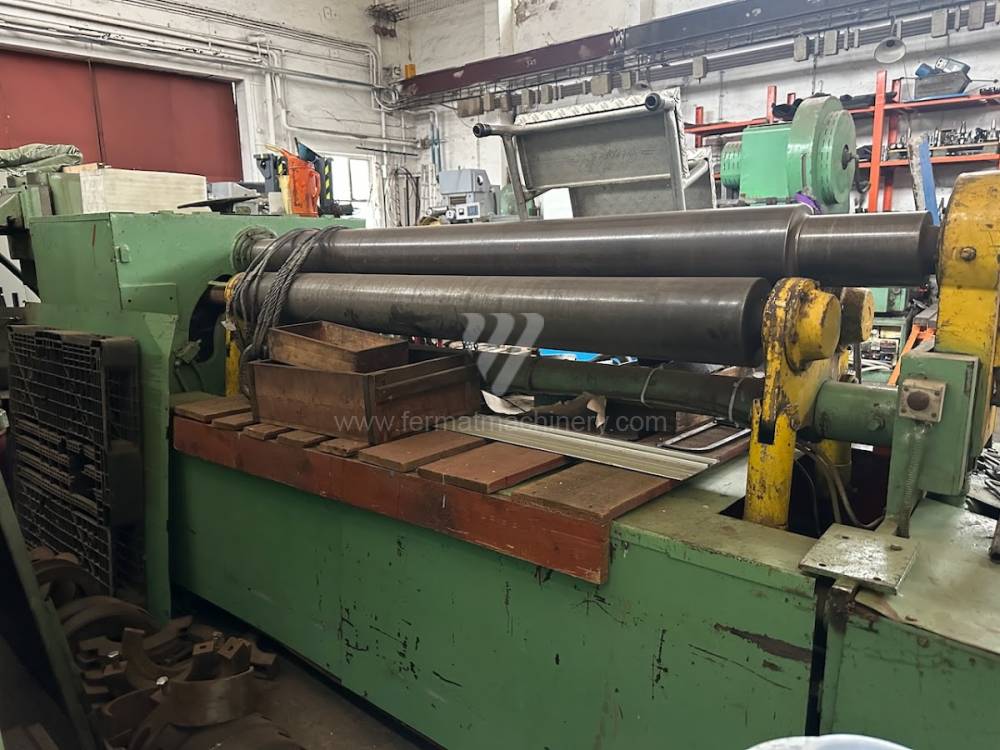
Max. plate thickness: 0.2 in
Width of plate: 122 in
Number of bending cylinders: 4
Drive Type: Hydraulický
Upper roller diameter: 7.2 in
Diameter of side cylinders: 6 in
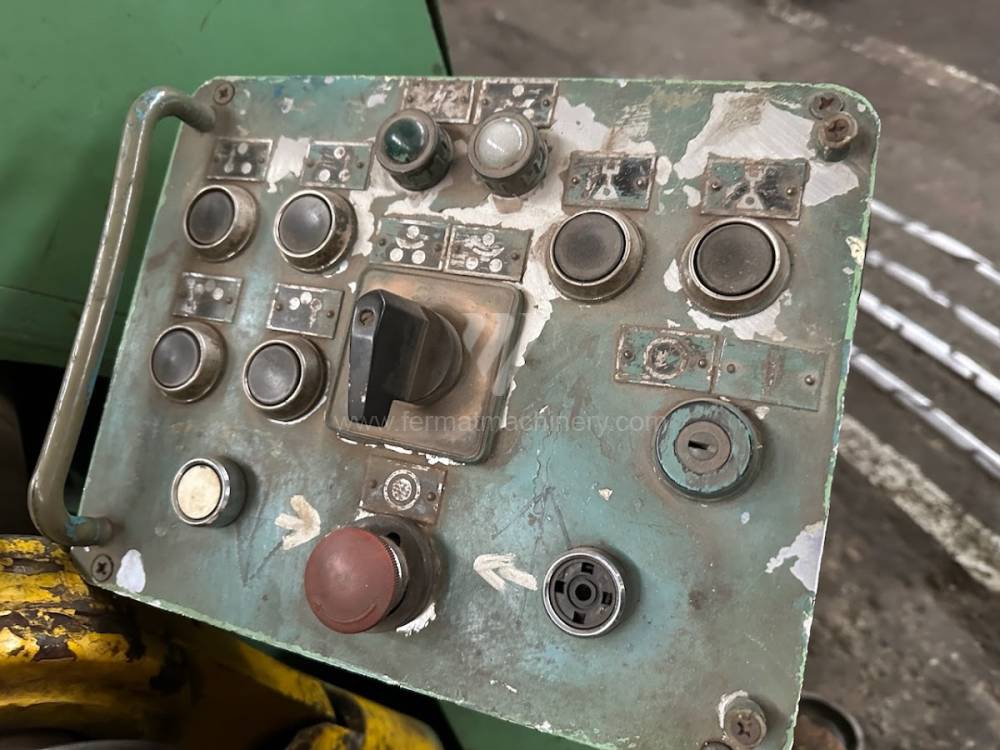
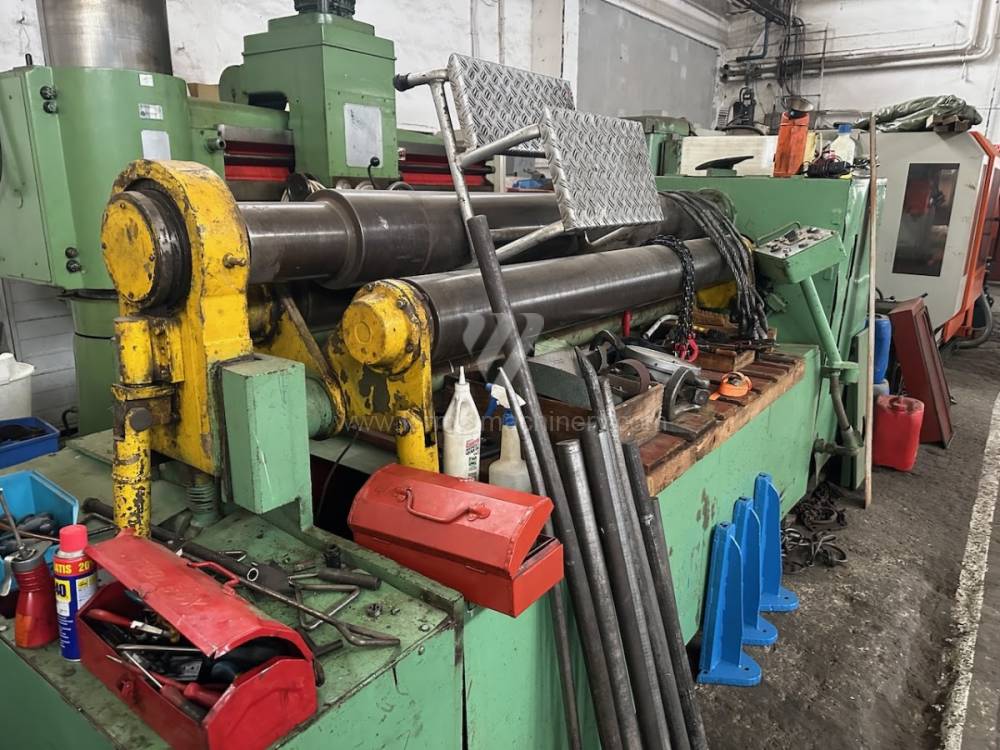
Max. plate thickness: 0.4 in
Width of plate: 80 in
Number of bending cylinders: 3
Drive Type: Mechanický
Machine dimensions l x w x h: 157.6 x 50 x 52.4 in
Machine weight: 5850 kg
YOM:2022
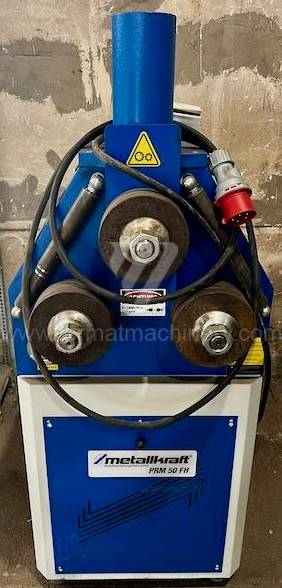
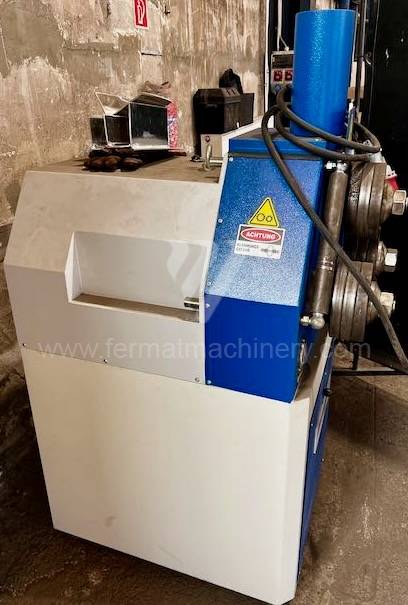
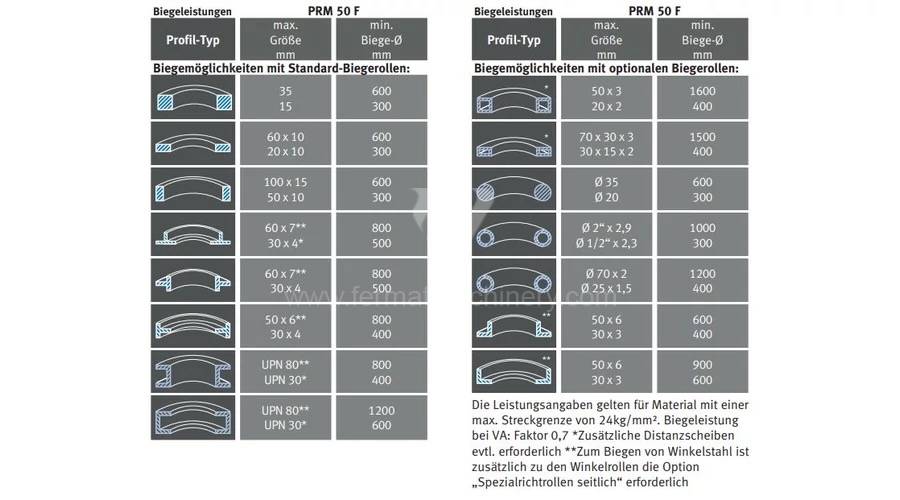
Diameter of bending rollers: 6.48 in
Drive Type: Hydraulický
Rated deformation force press: 8 t
Machine dimensions l x w x h: 32.4 x 38 x 60 in
Machine weight: 500 kg
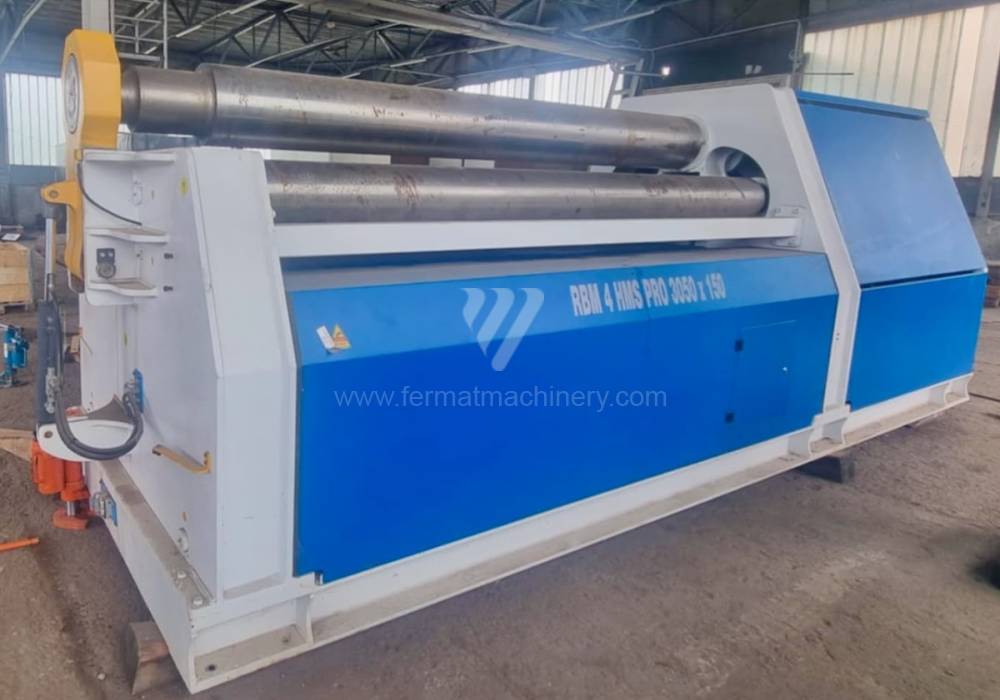
YOM:2022
Max. plate thickness: 0.6 in
Width of plate: 122 in
Number of bending cylinders: 4
Drive Type: Hydraulický
Upper roller diameter: 12 in
Diameter of side cylinders: 10 in
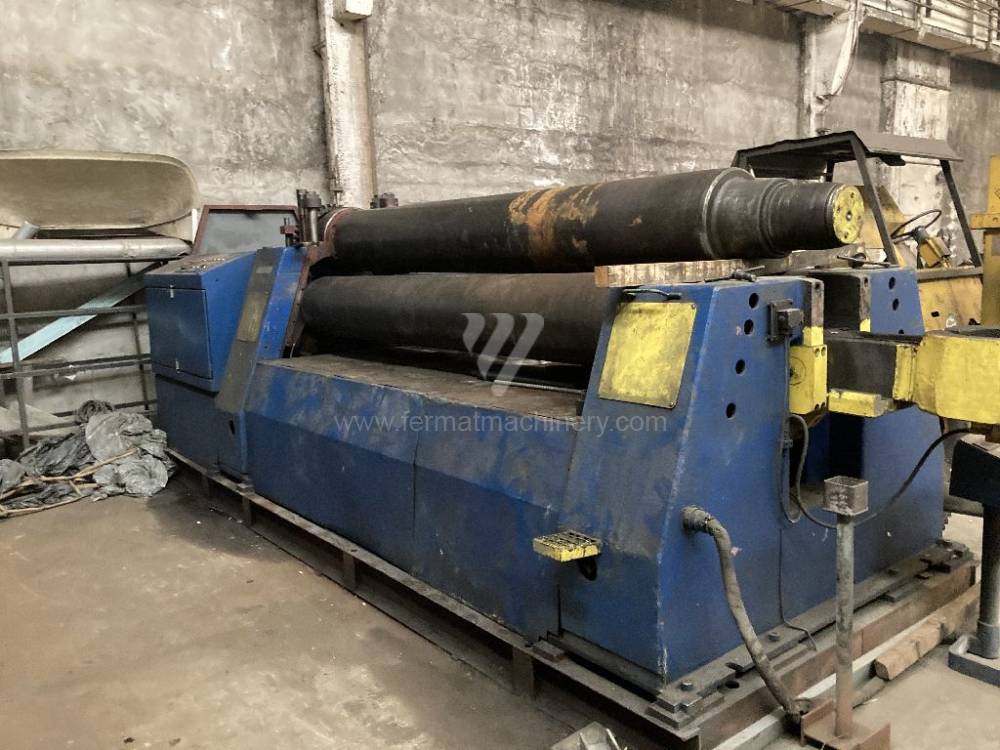
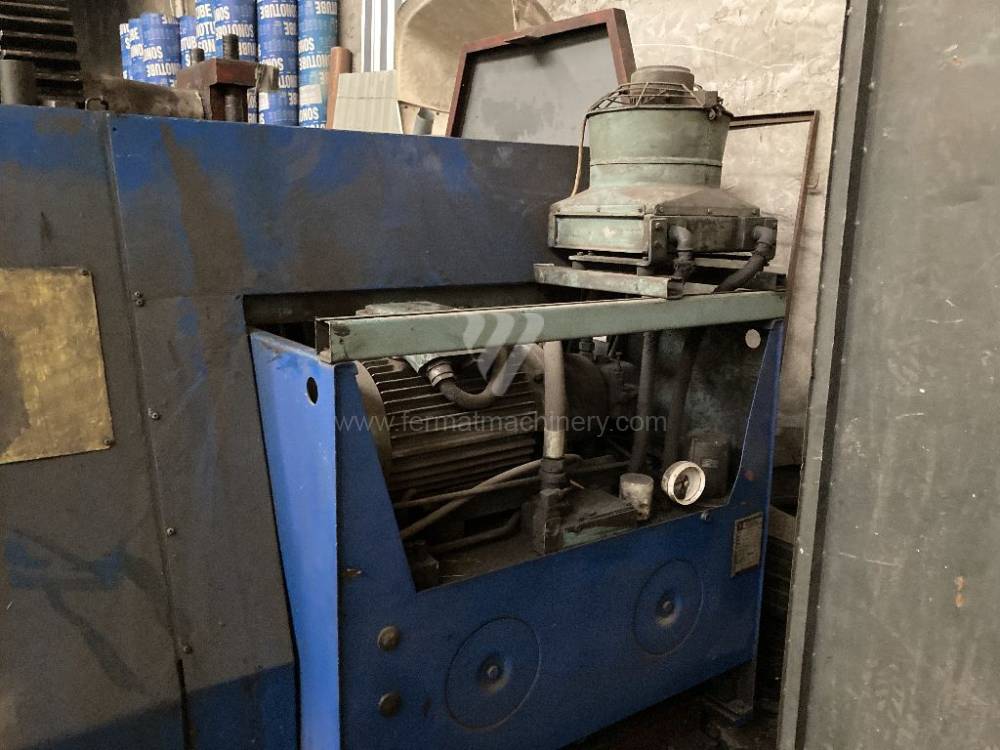
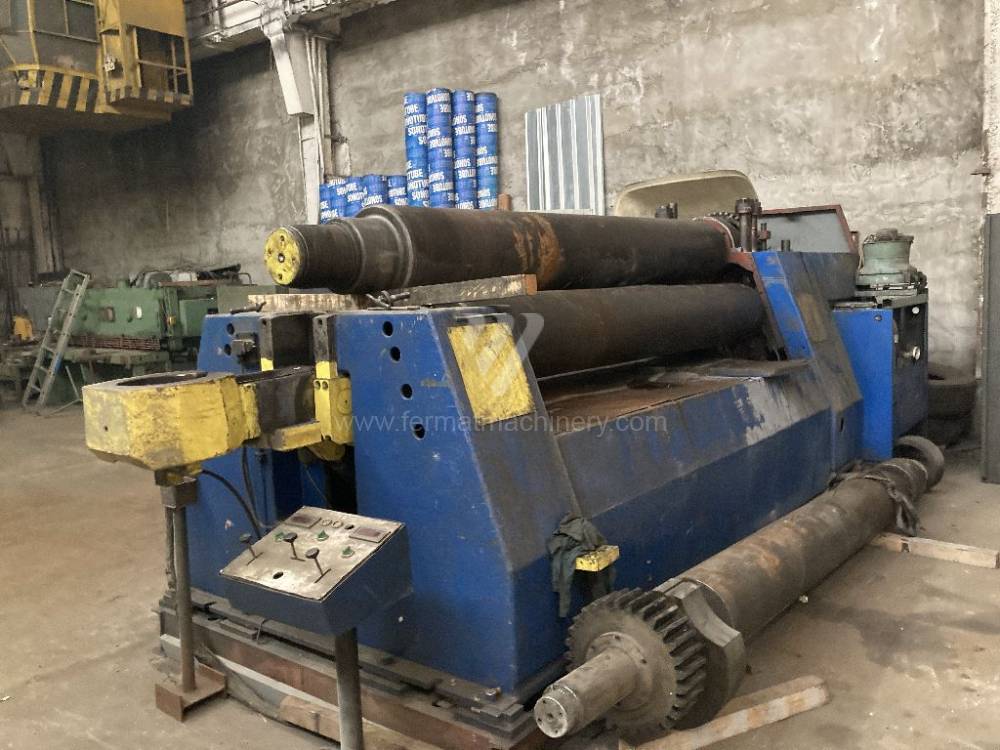
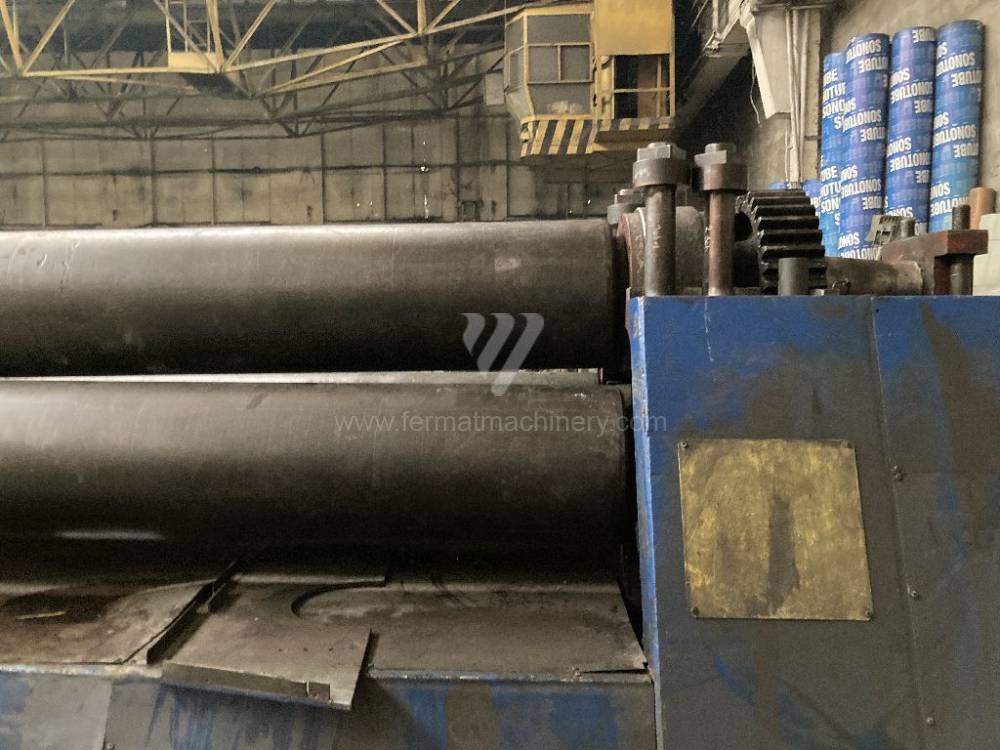
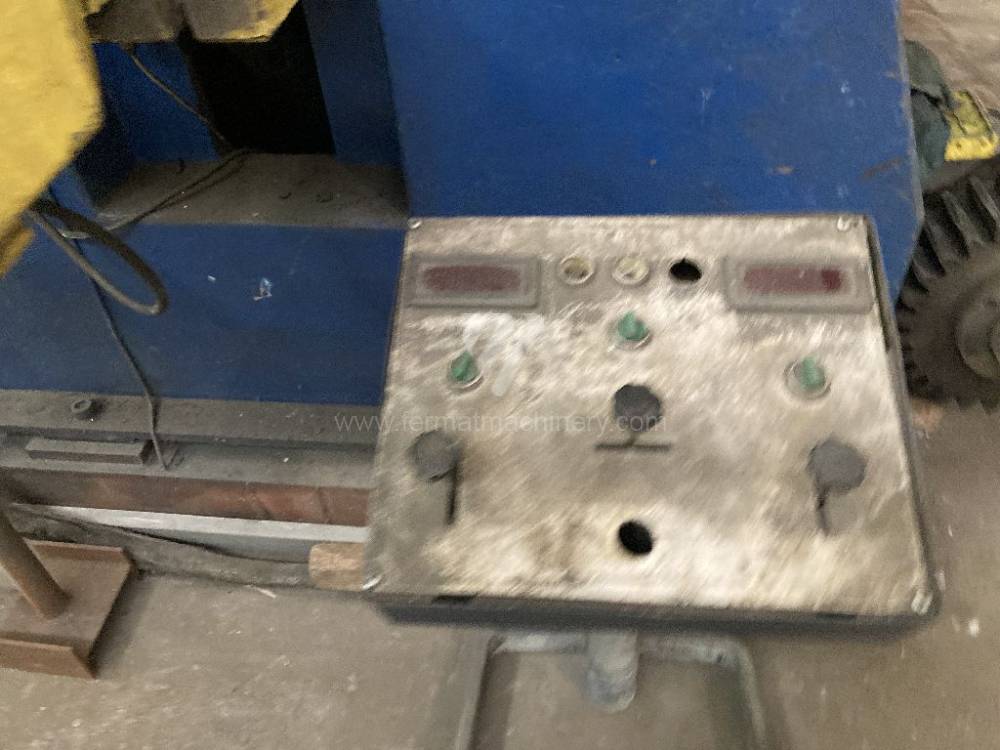
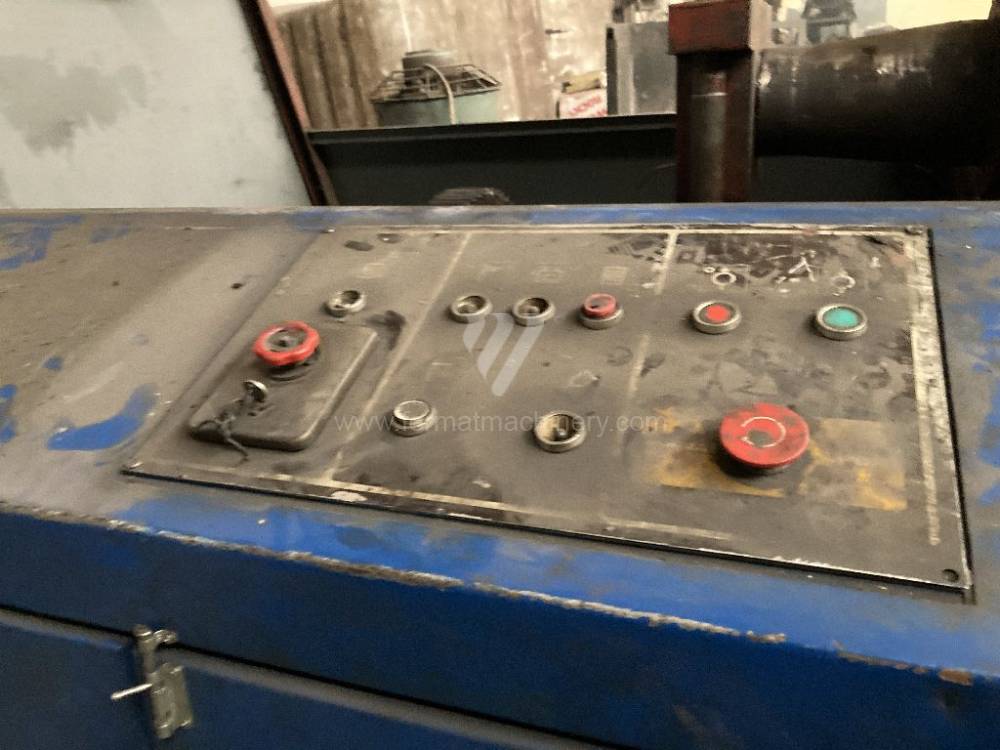
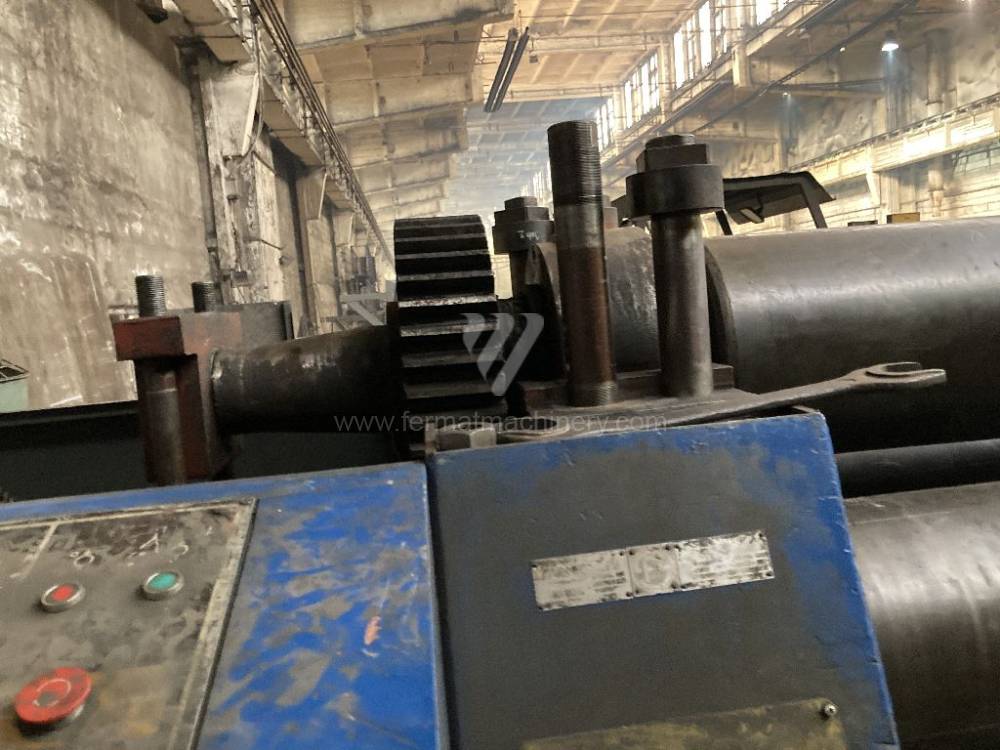
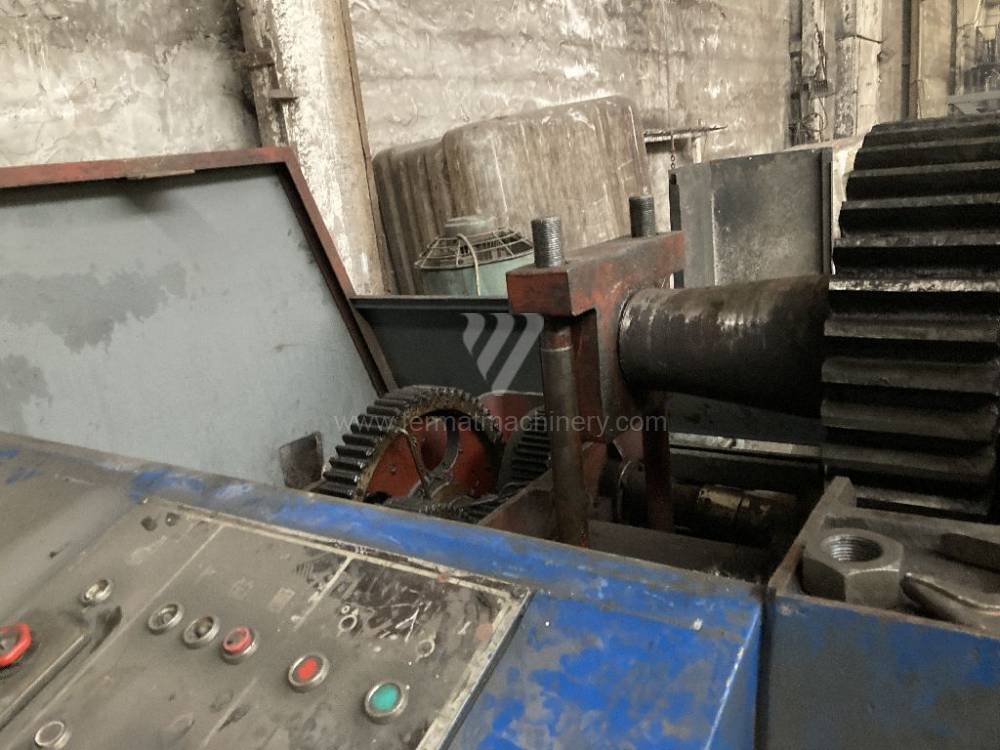
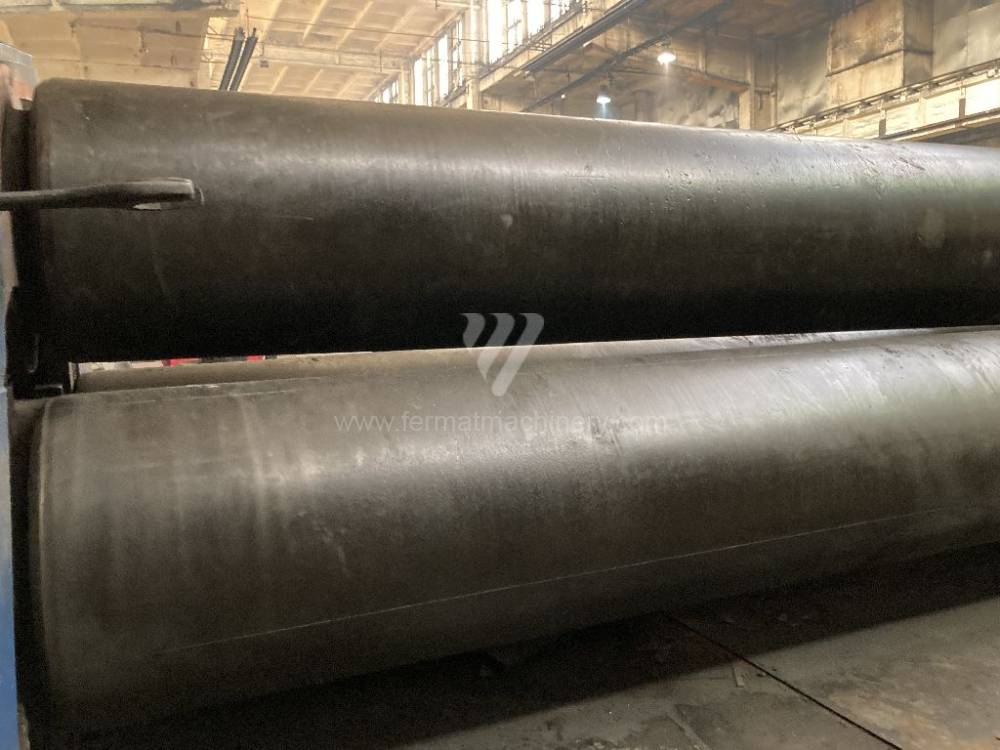
YOM:1992
Max. plate thickness: 0 in
Width of plate: 120 in
Number of bending cylinders: 3
Drive Type: Hydraulický
Upper roller diameter: 16.8 in
Lower roller diameter: 16.2 in
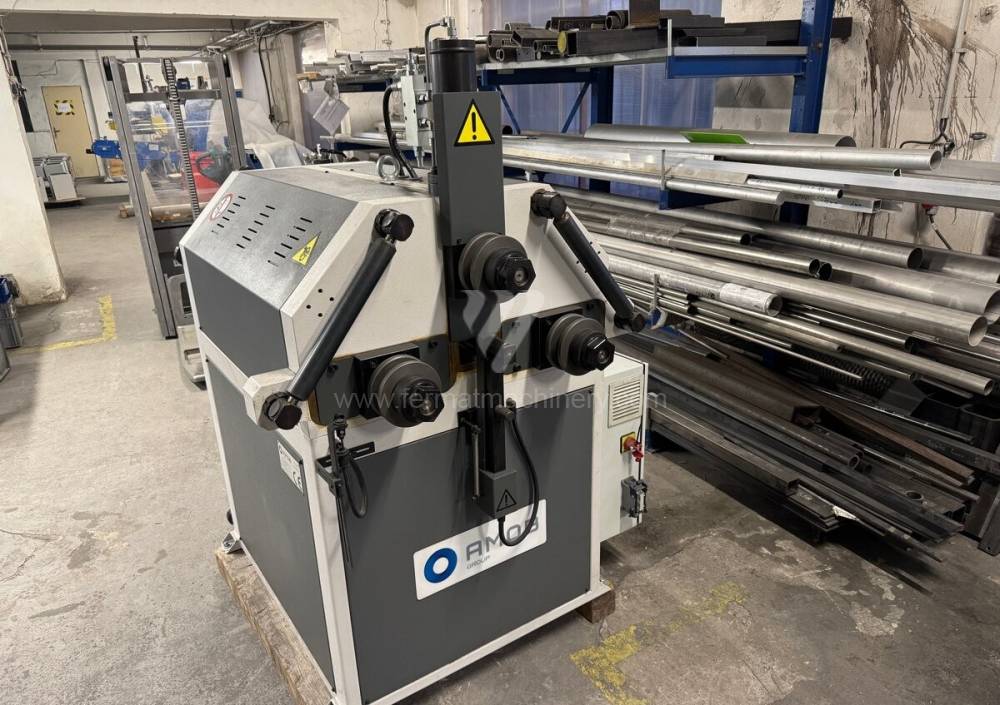
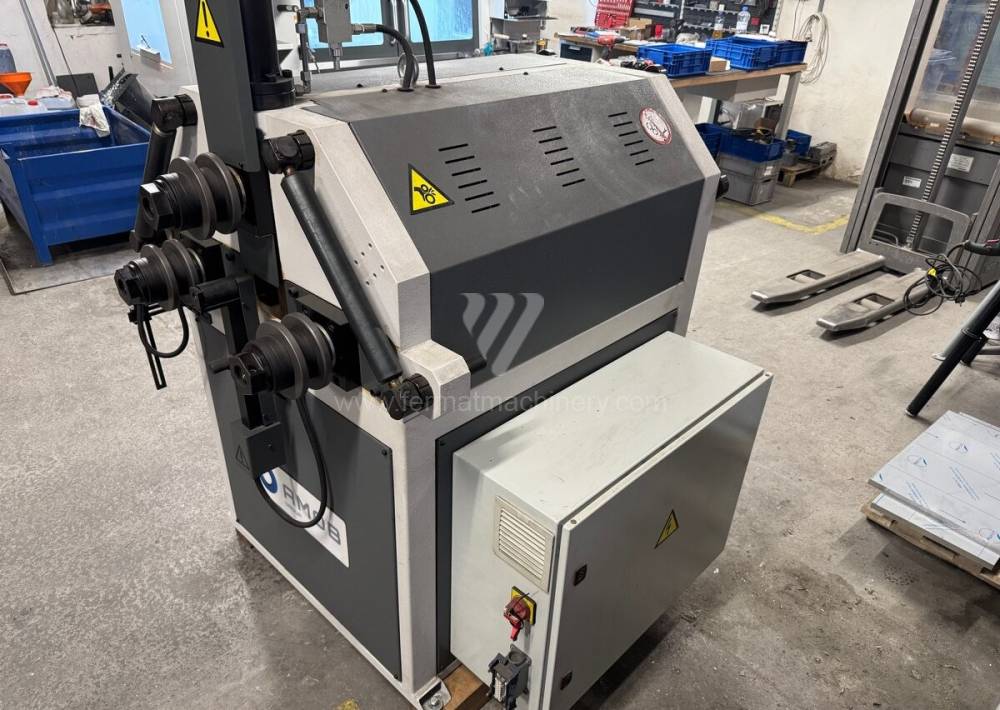
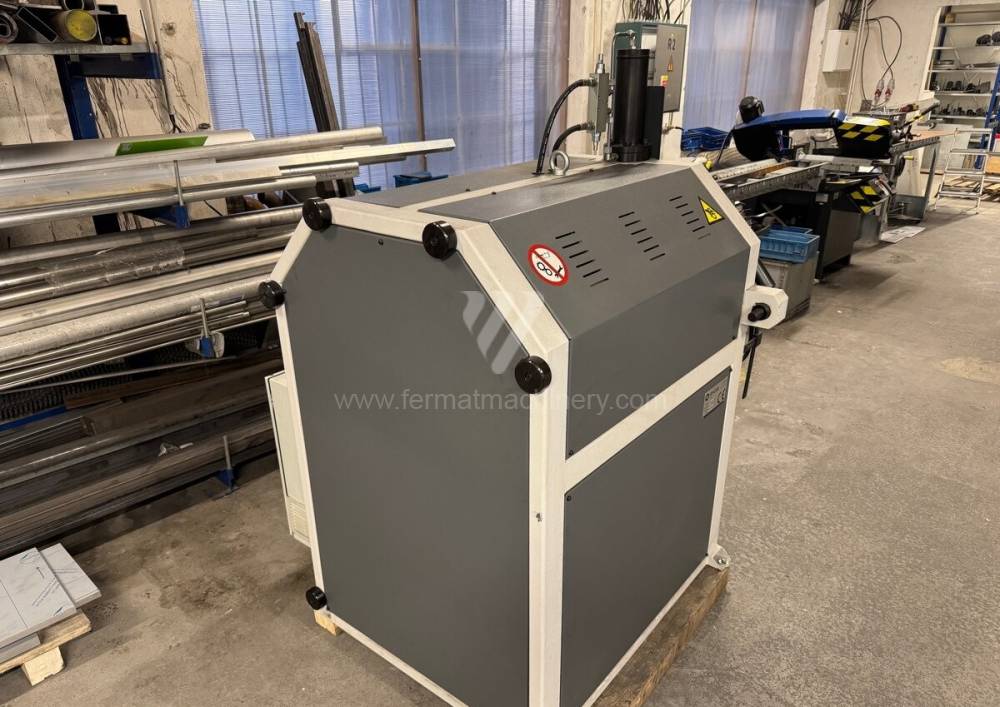
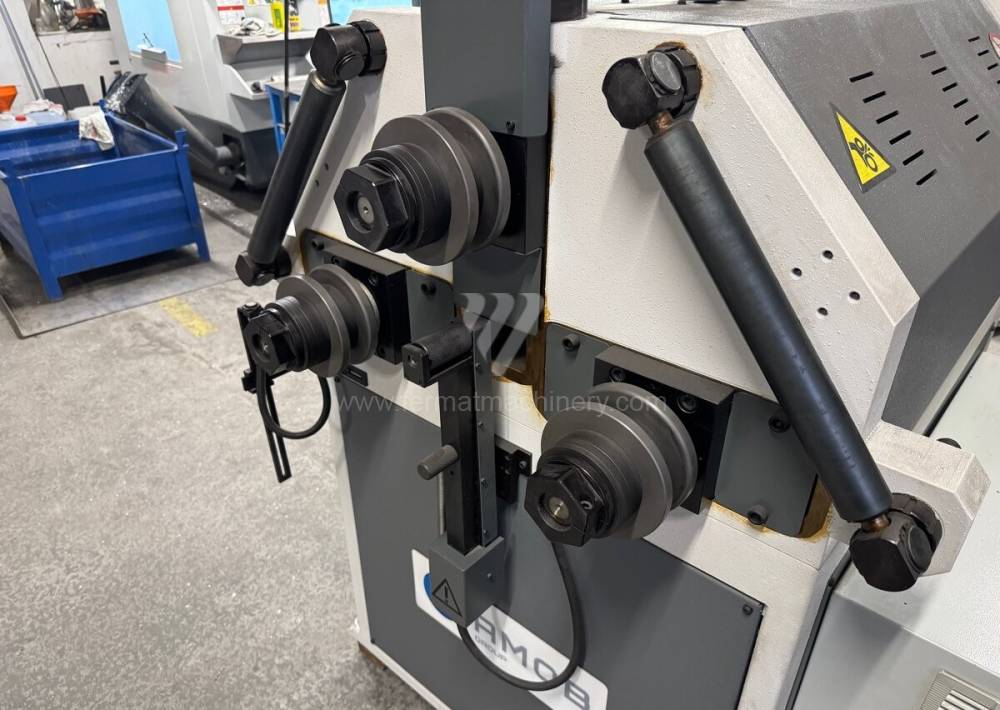
YOM:2022
Diameter of bending rollers: 5.92 in
Drive Type: Hydraulický
Number of bending cylinders: 3
Machine weight: 540 kg
Machine dimensions l x w x h: 48 x 30.8 x 58 in
When selecting a used rolling machine (especially three-roll and four-roll concepts), the primary indicator is kinematic stability under load. Unlike new machines, with used units, we assess the residual rigidity of the bed and the condition of the surface hardened layer of the rolls, which directly affects the friction coefficient and material feeding precision.
Acquiring a used rolling machine instead of a new unit represents a strategic advantage in terms of capital expenditure (CAPEX) and the speed of production ramp-up.
How does the material yield strength ($R_e$) affect the selection of a used rolling machine?
Machine capacity is standardly specified for material with a yield strength of 245 MPa. When using high-strength steels (e.g., Hardox, Strenx with $R_e > 700 MPa$), the thickness of the rolled sheet drops to as little as one-third of the nominal value. We always calculate using a quadratic ratio between the sheet thickness and its strength.
Why is the condition of the induction hardening of the rolls important for used machines?
If the surface layer (usually 50–55 HRC) is compromised, scale can be pressed into the surface of the rolls and the workpiece. This degrades the surface of the sheets (especially with stainless steel) and increases the risk of slippage, making precise NC control impossible.
What is the difference in productivity between 3-roll and 4-roll concepts?
Four-roll machines allow the sheet to be clamped between the top and bottom rolls, eliminating the risk of material slippage and enabling automated rolling in a single cycle, including both pre-bends. Three-roll machines with asymmetrical adjustment are better suited for piece production and thick-walled profiles.