 +421 901 767 616
  info@fermat.cz


 English
  Français
  L'italiano
  Magyar
  Deutch
  Polski
  Română
  Русский
  Čeština

Lista Reja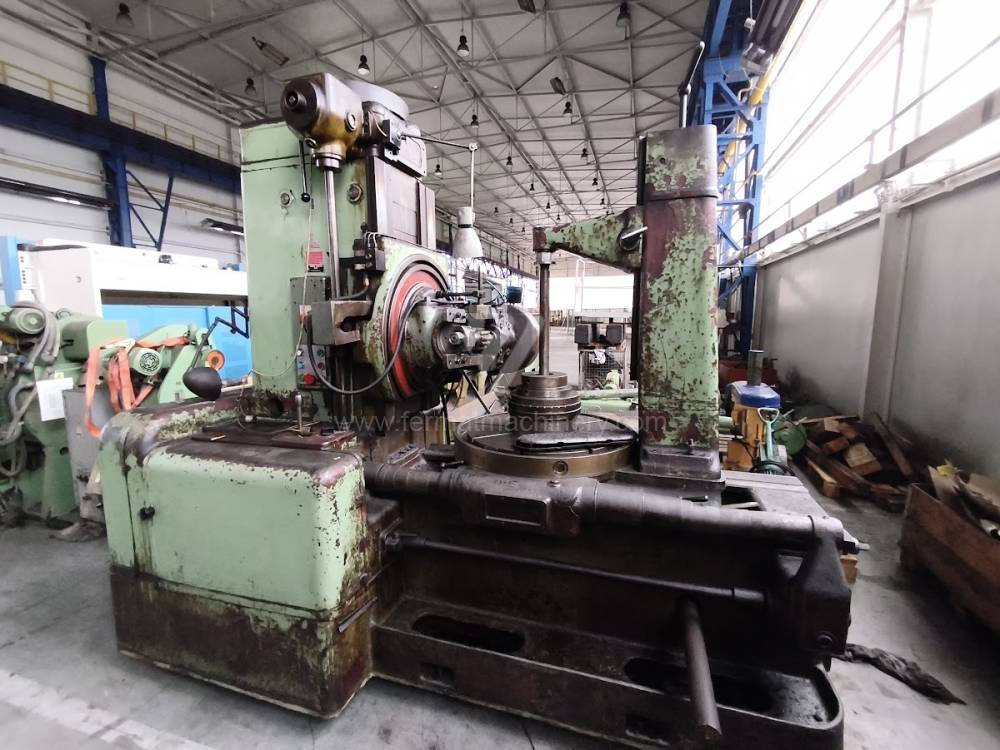
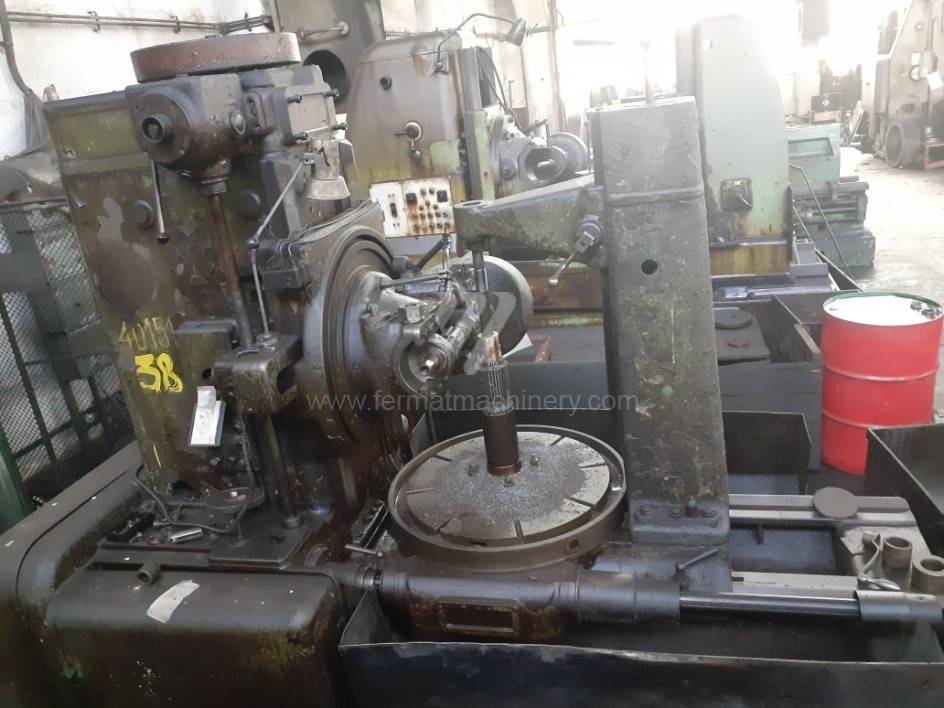
FO 10
FO 10
OFA 50
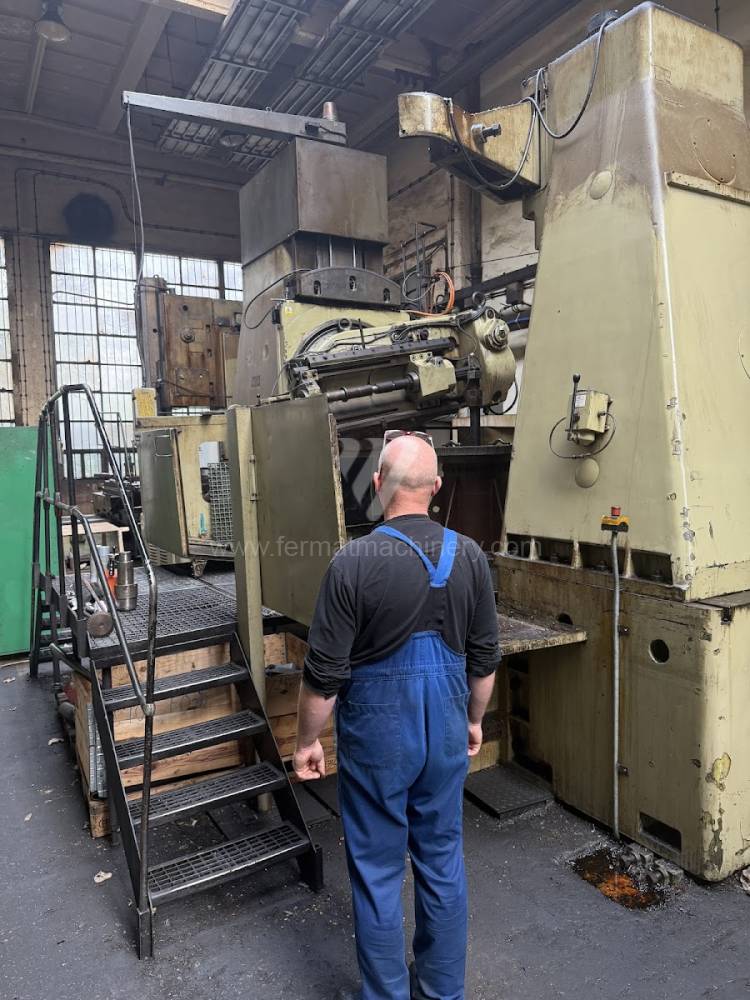
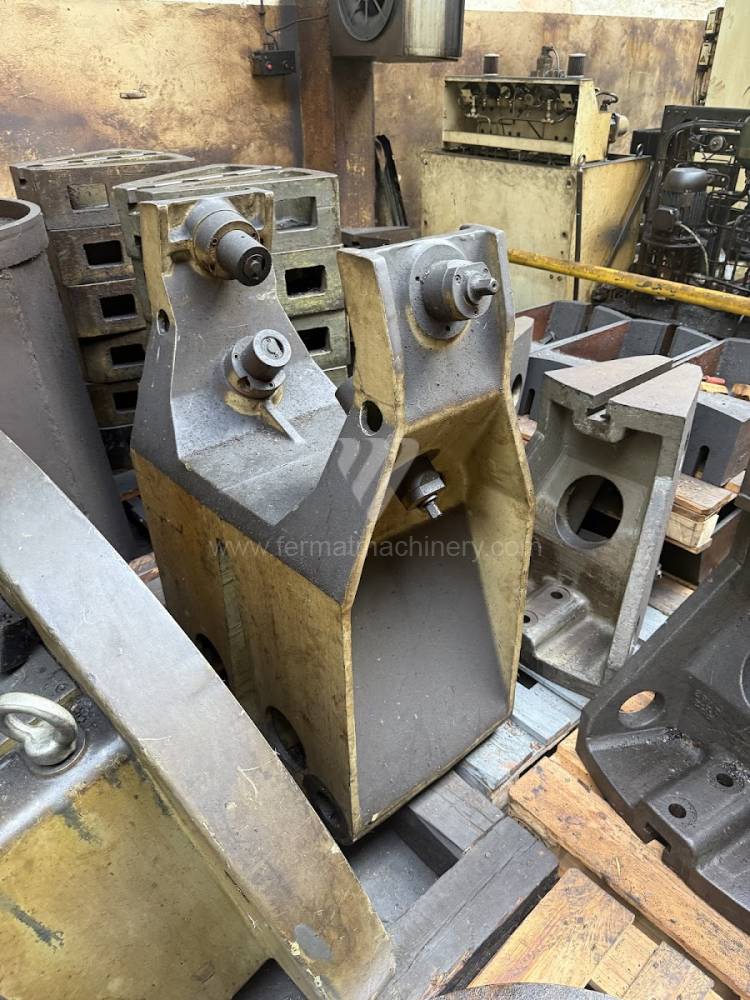
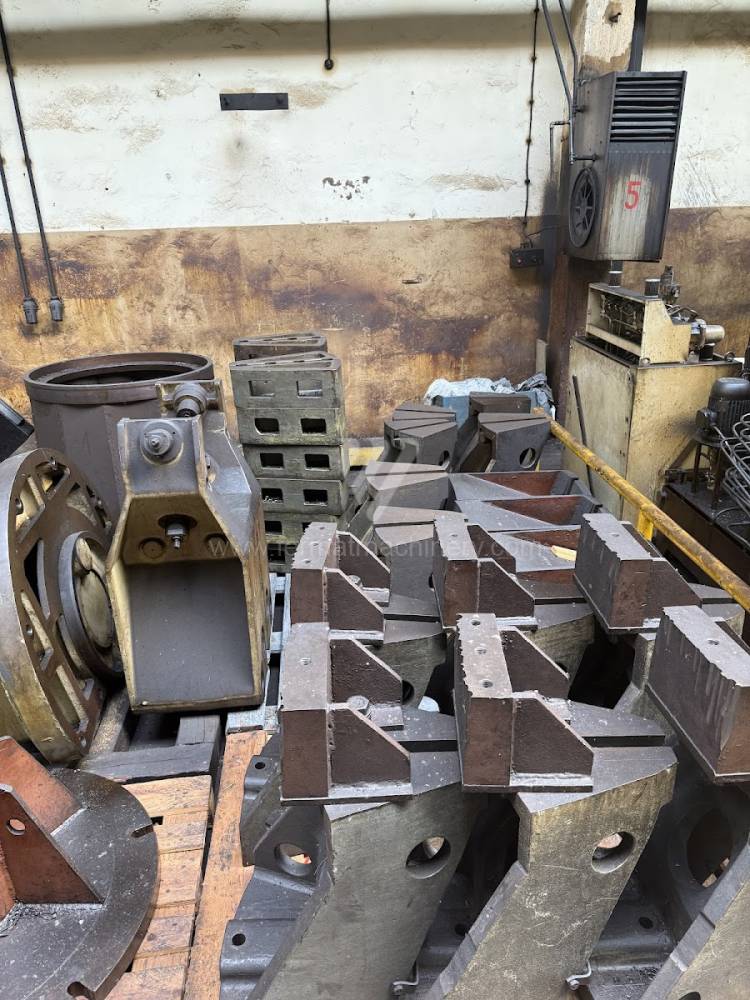
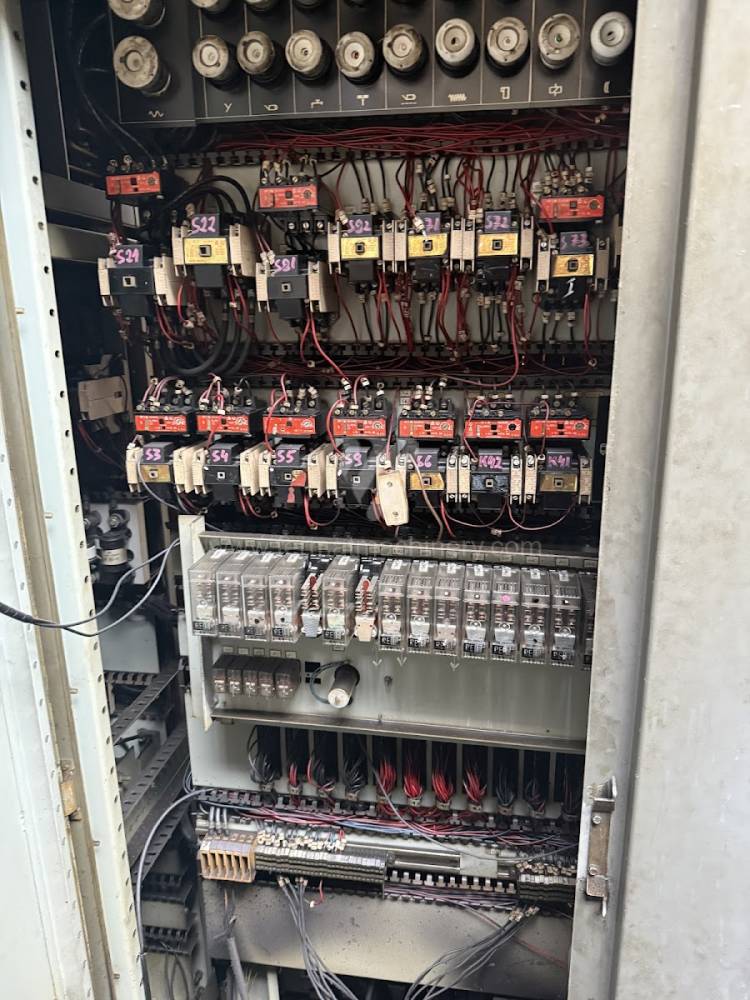
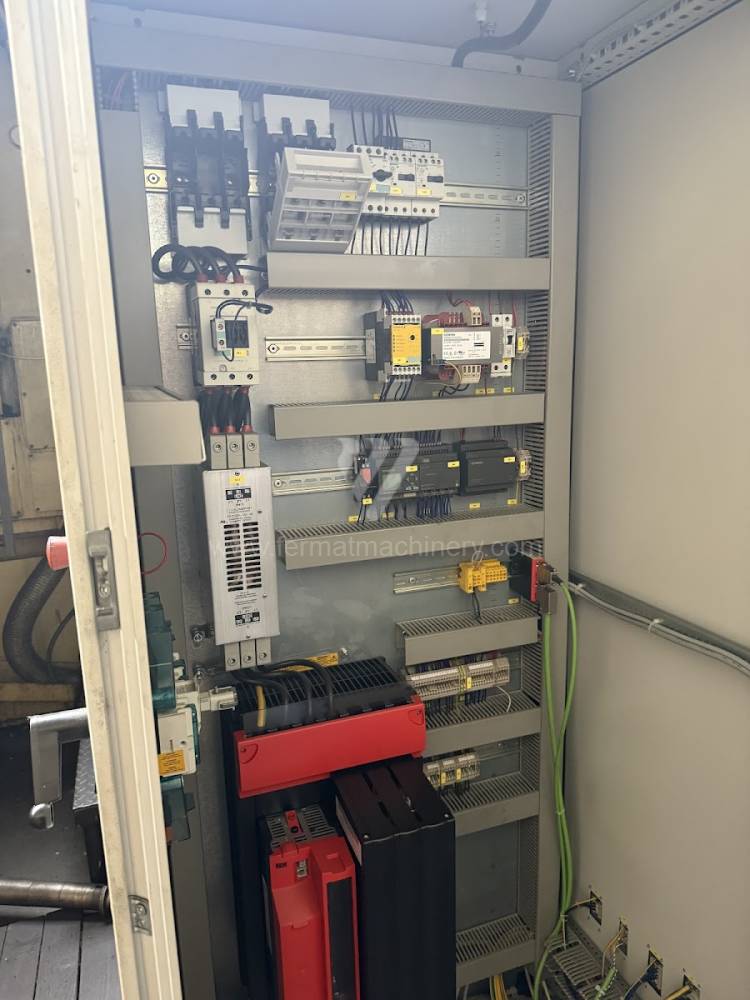
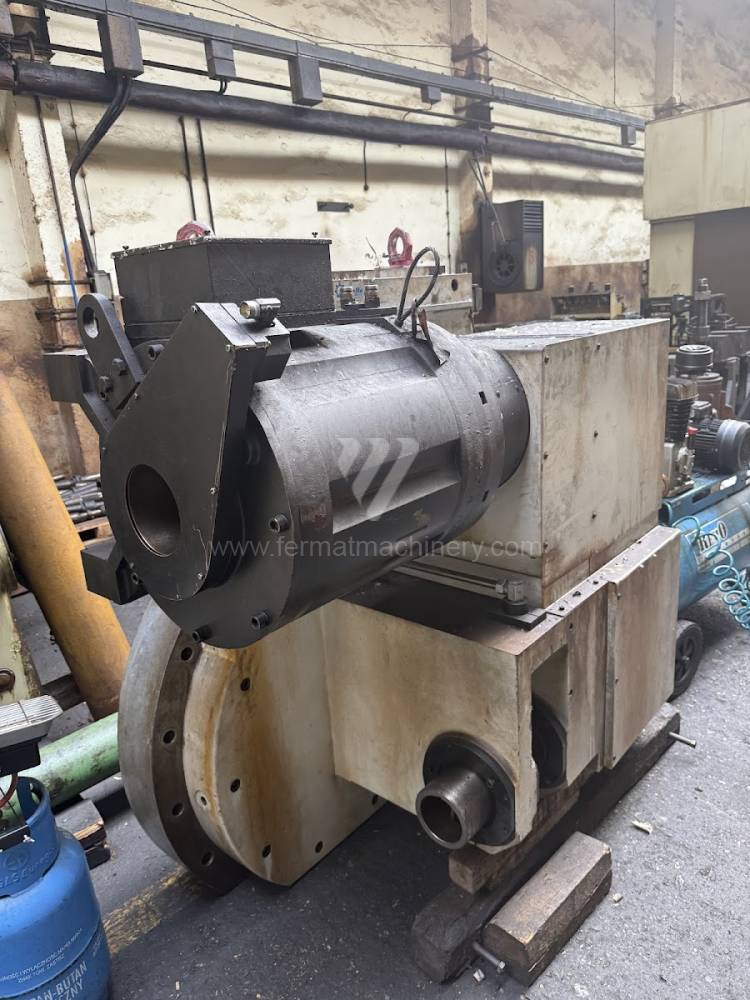
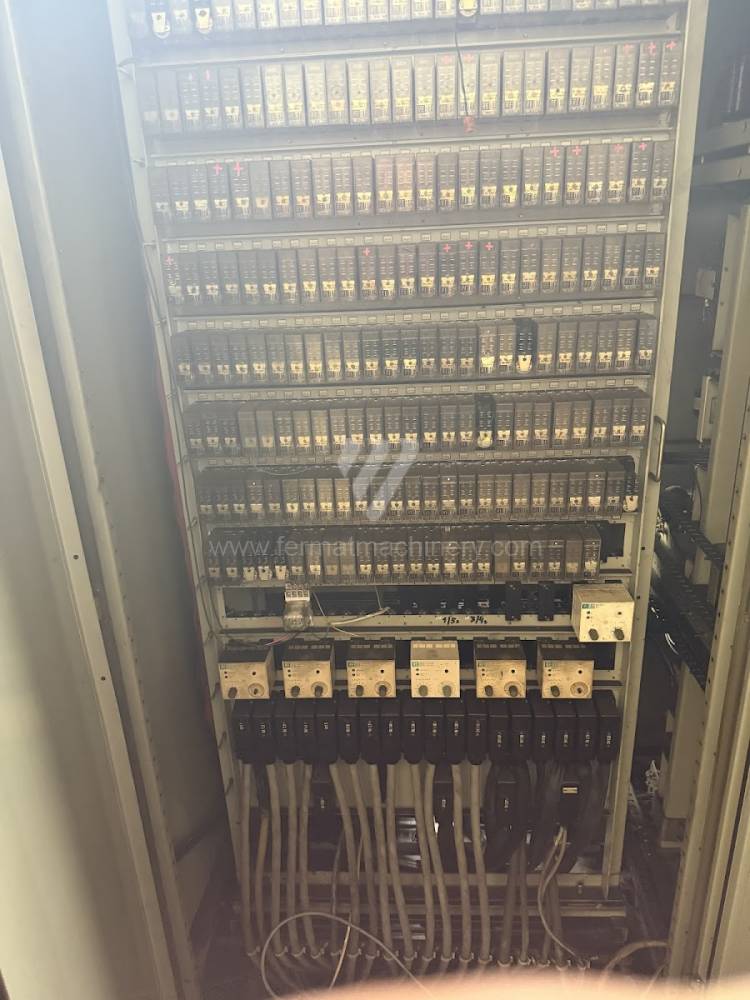
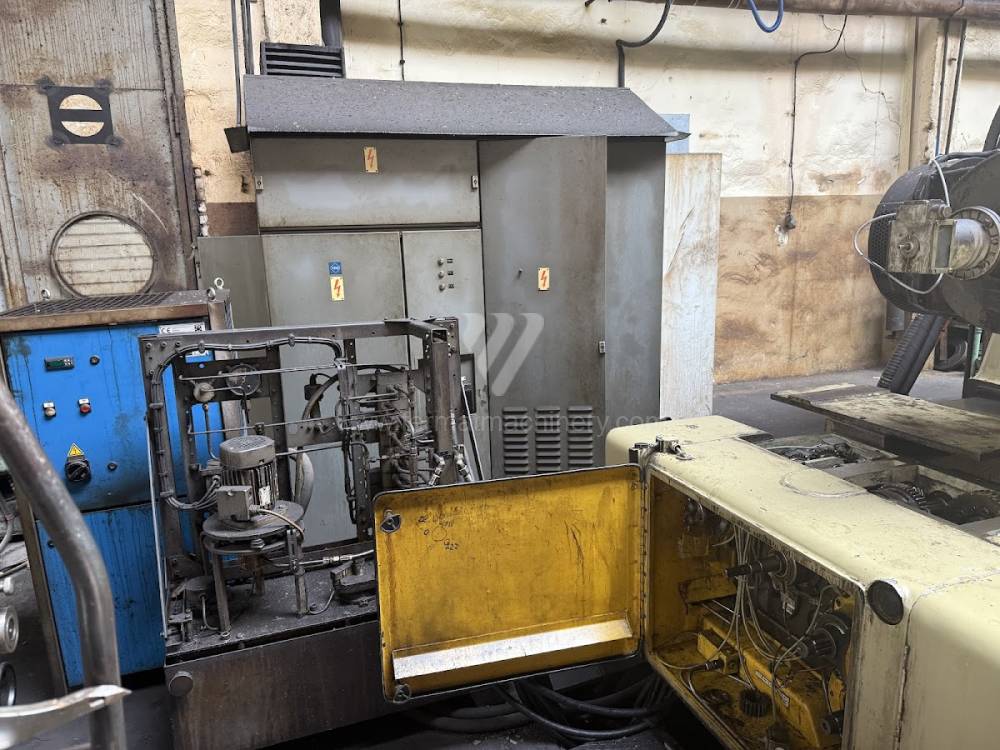
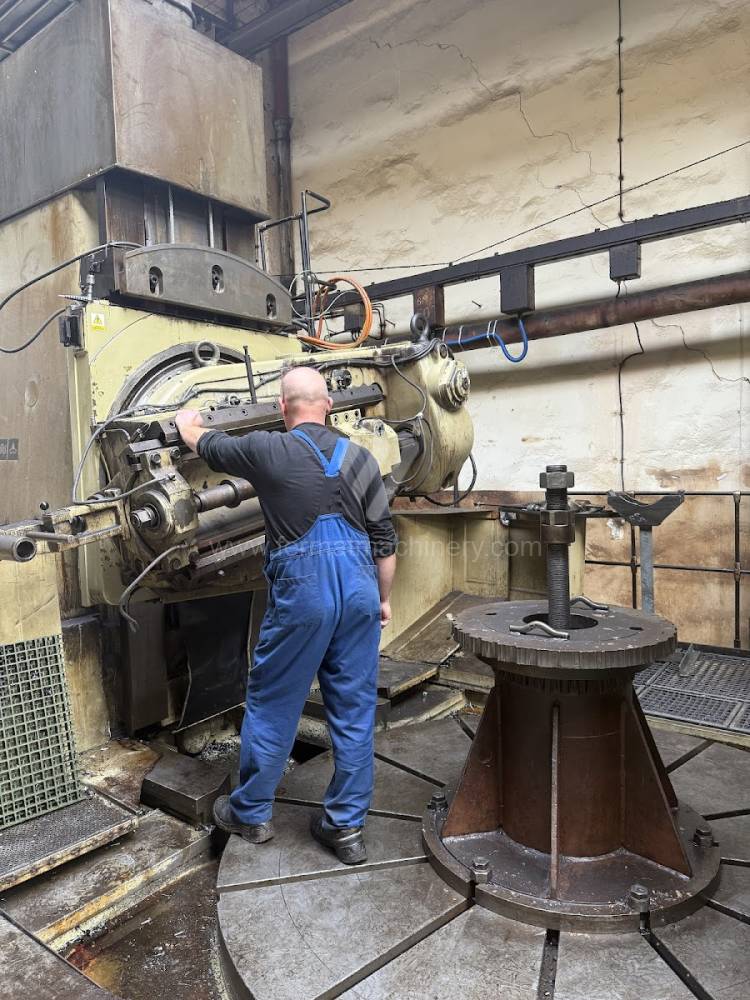
ZFWZ 3150/3
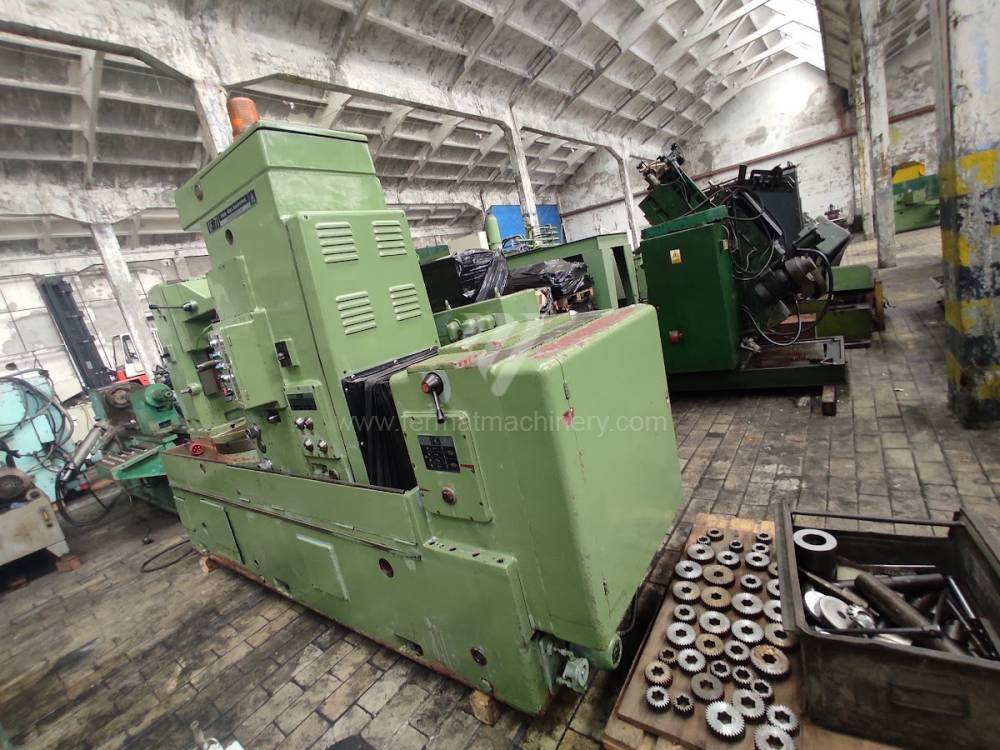
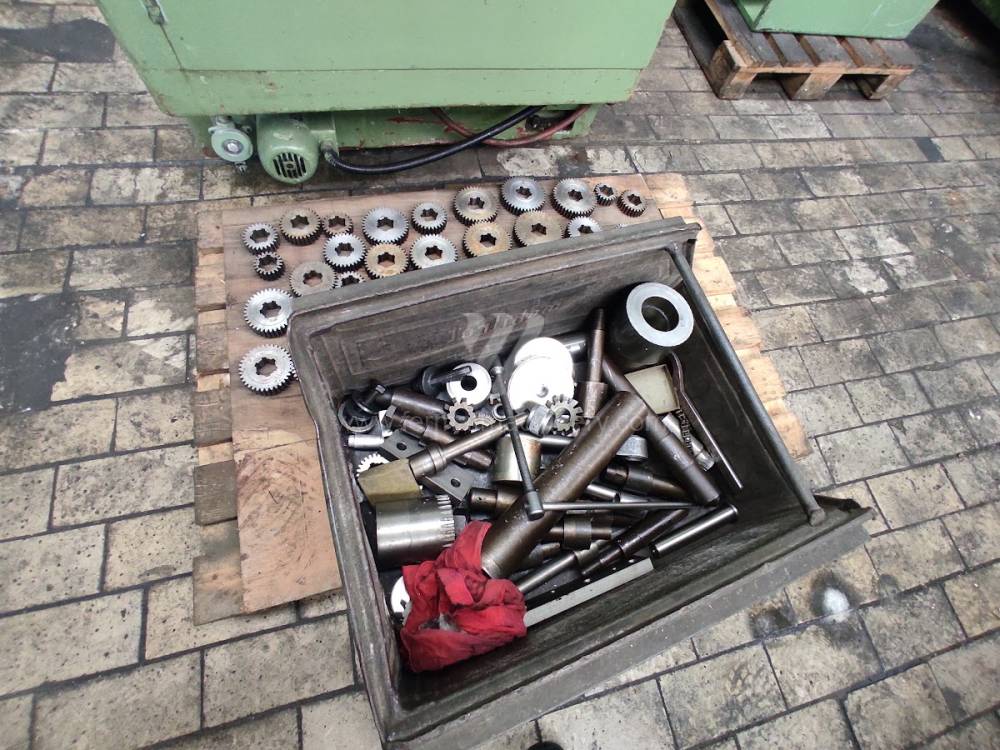
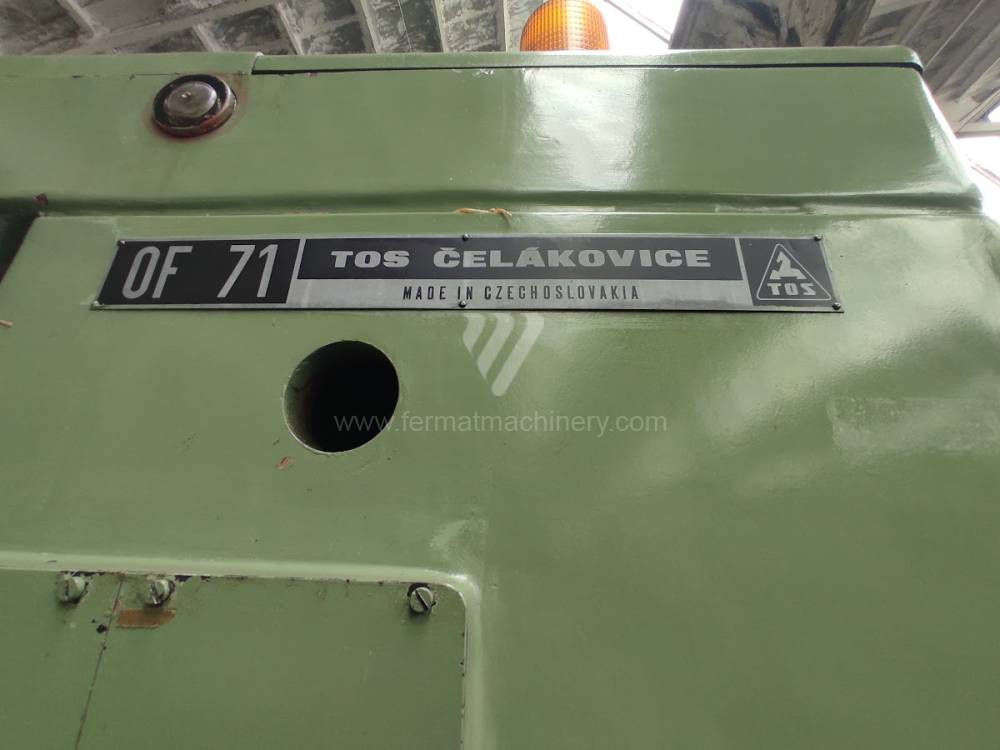
OF 71
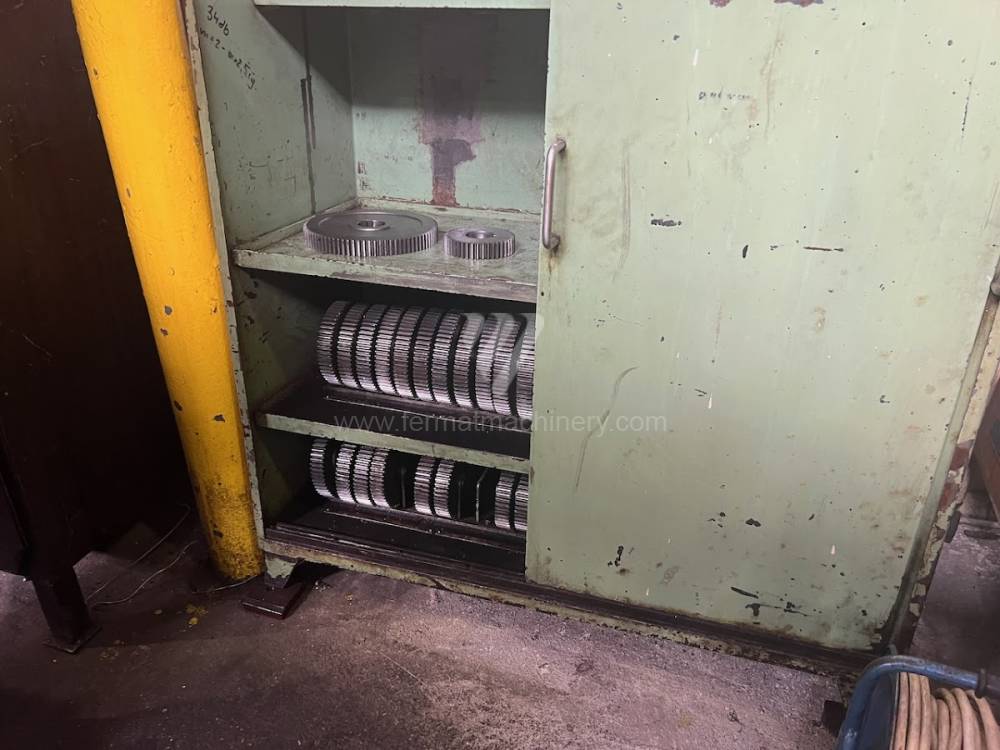
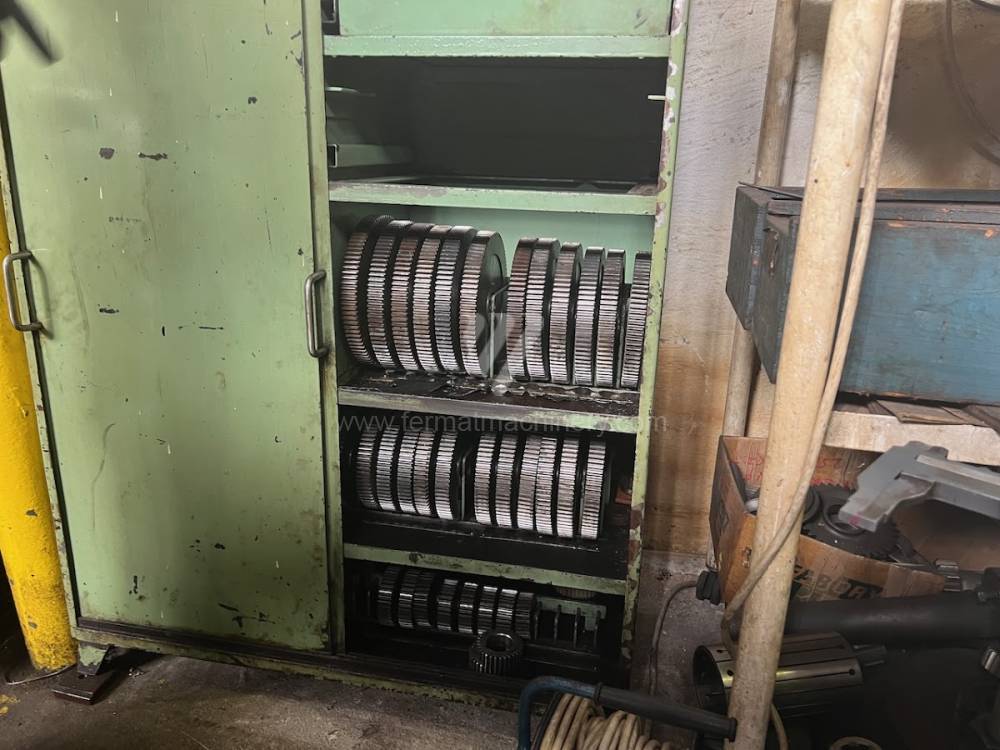
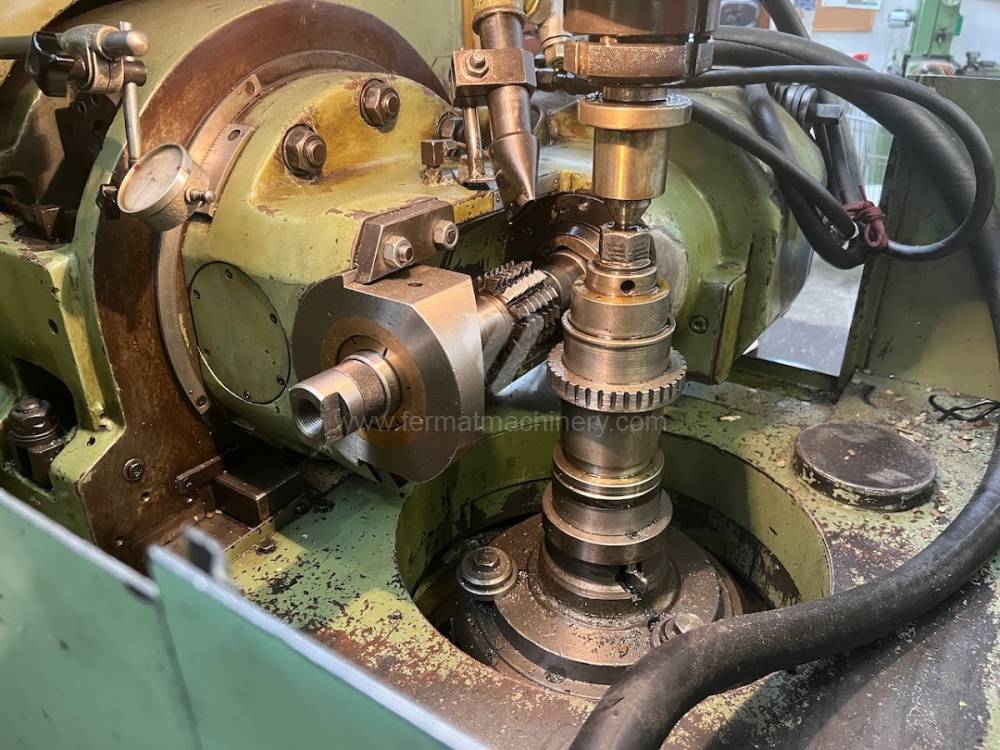
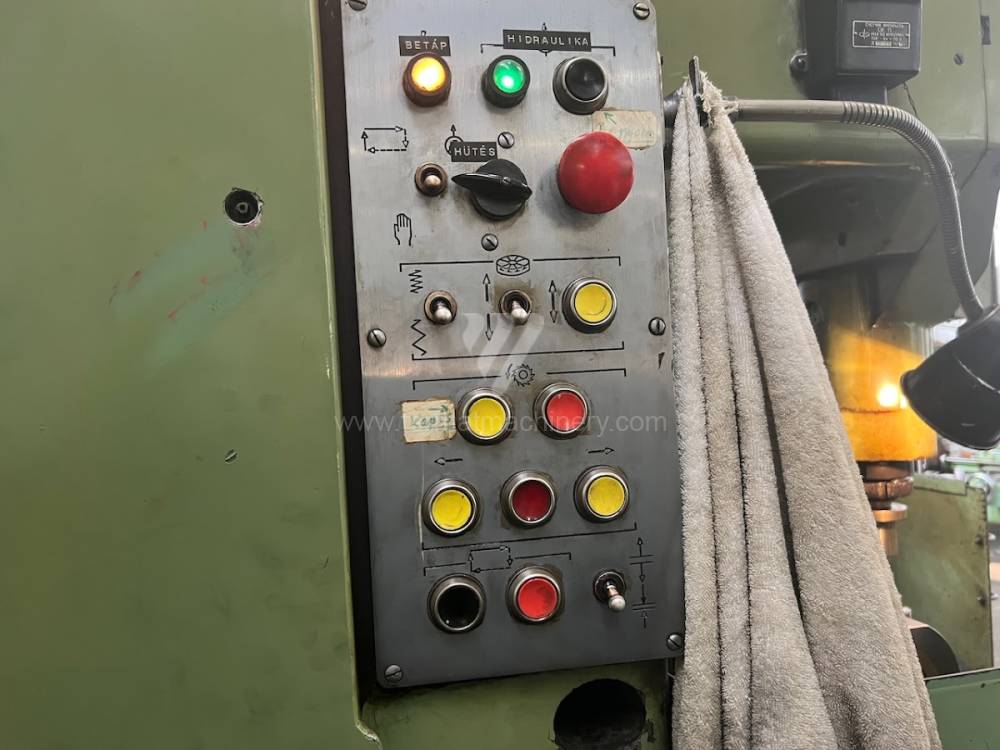
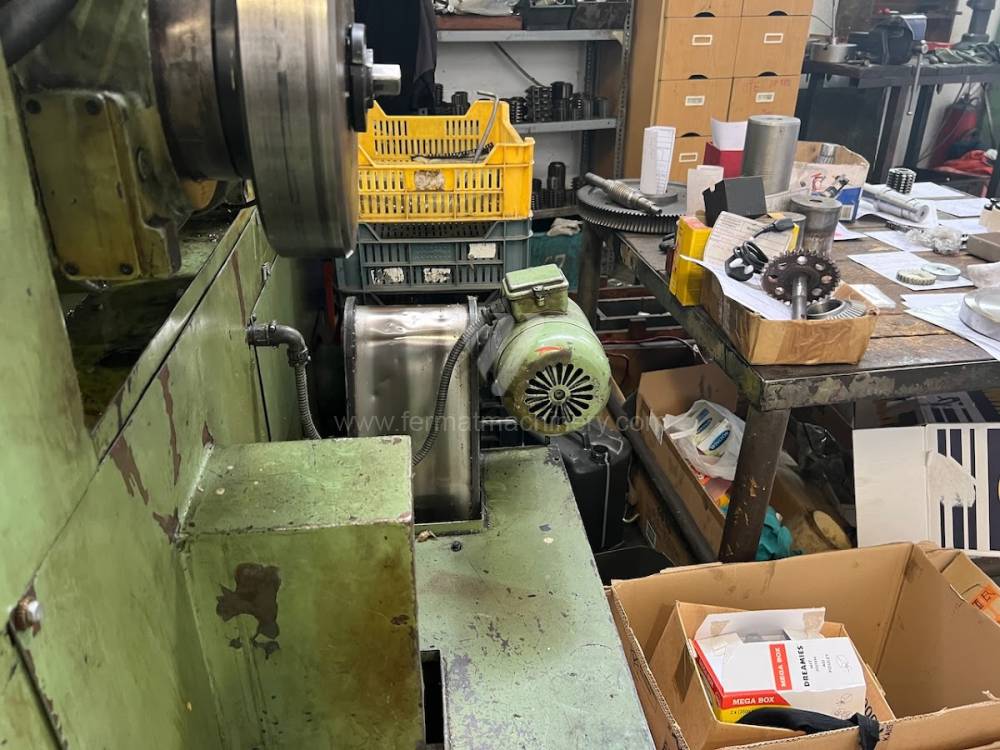
5B312
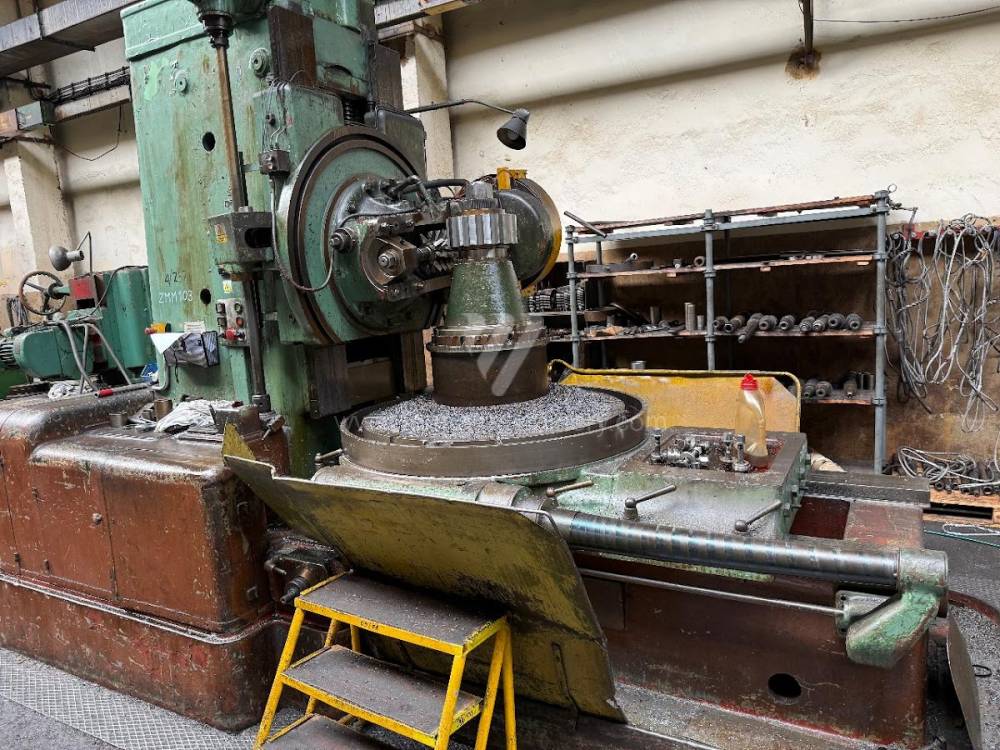
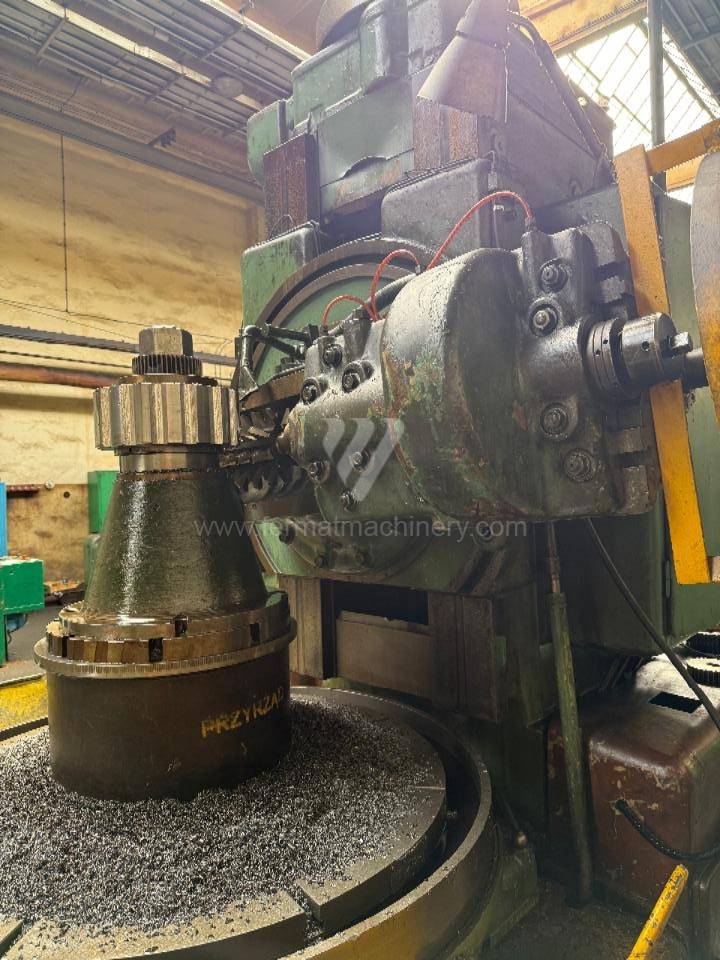
FO-16
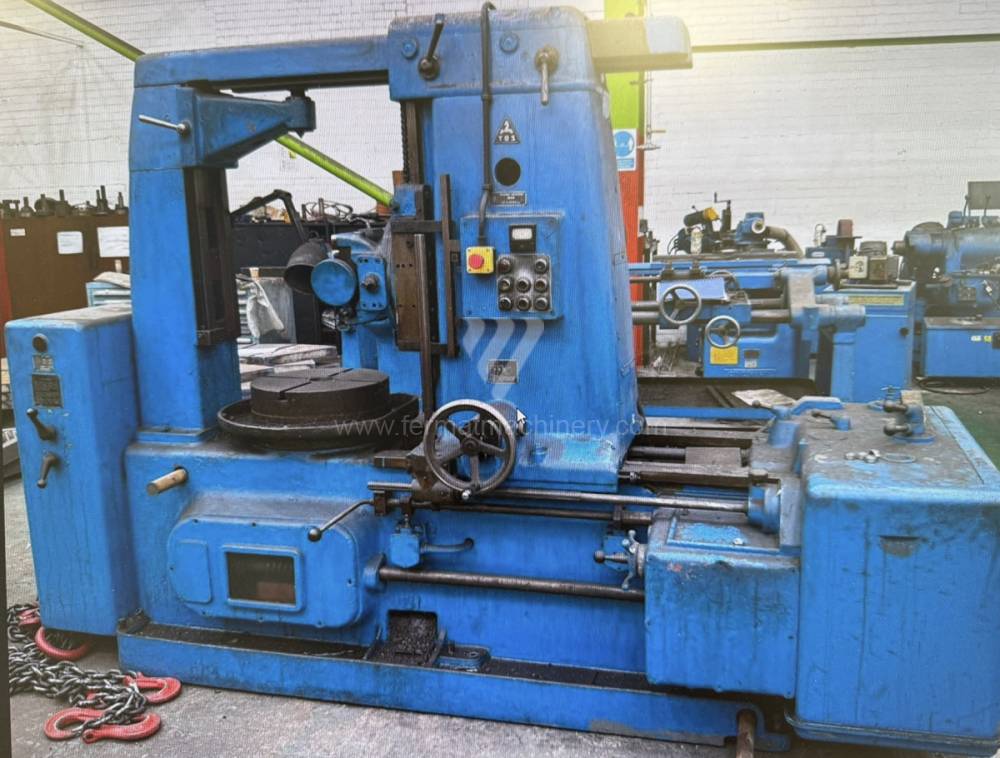
FO 6
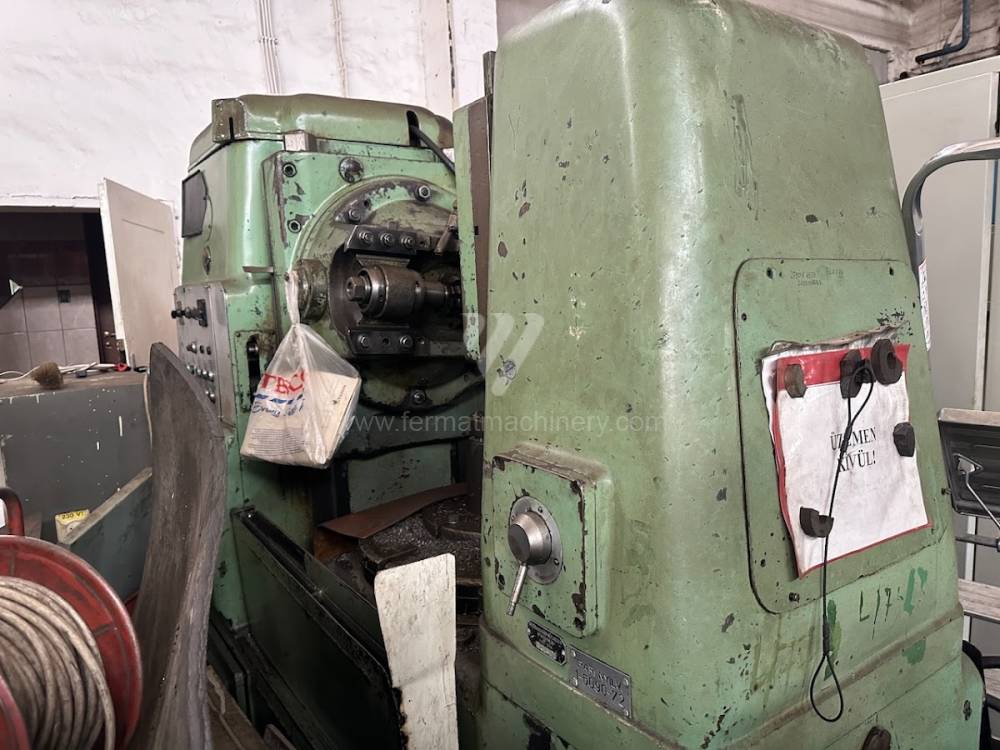
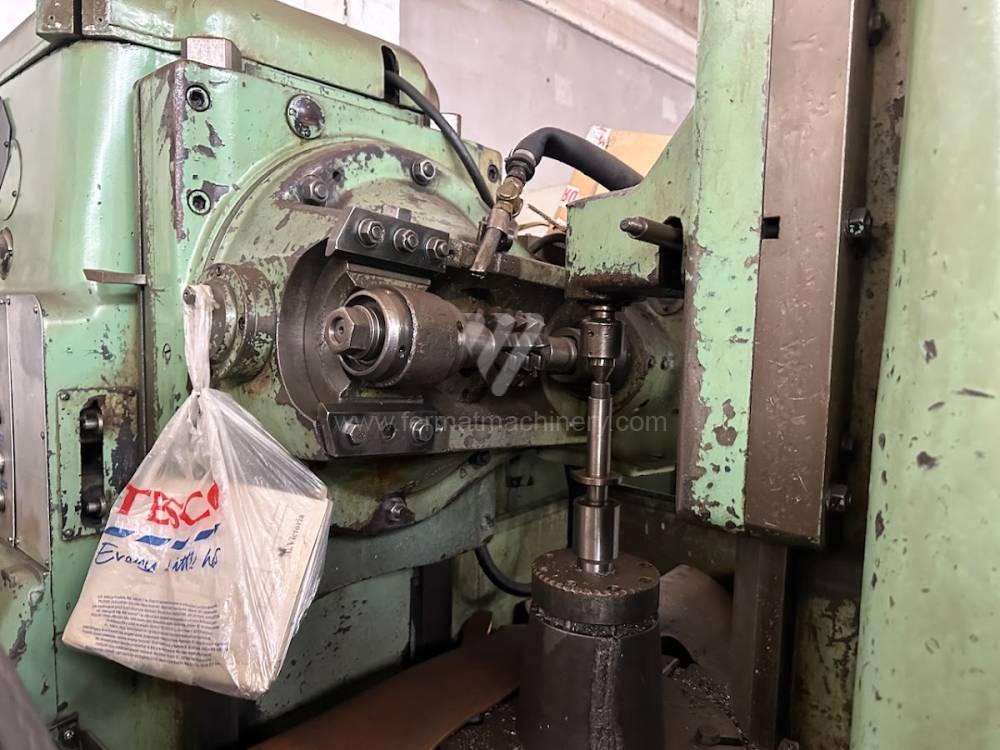
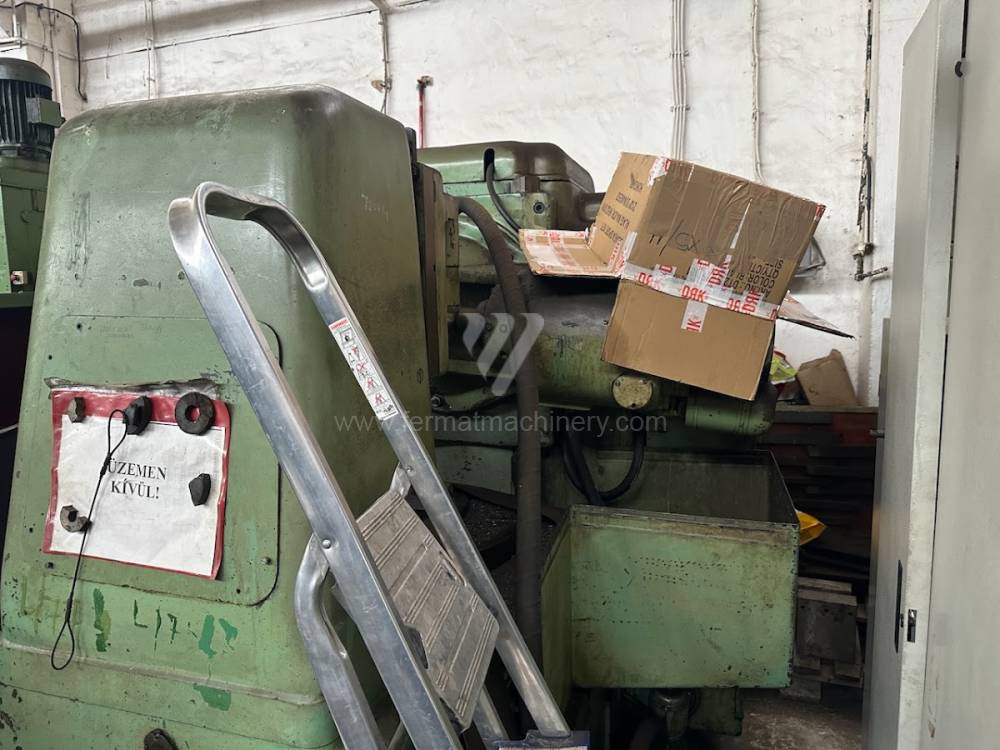
5K32A
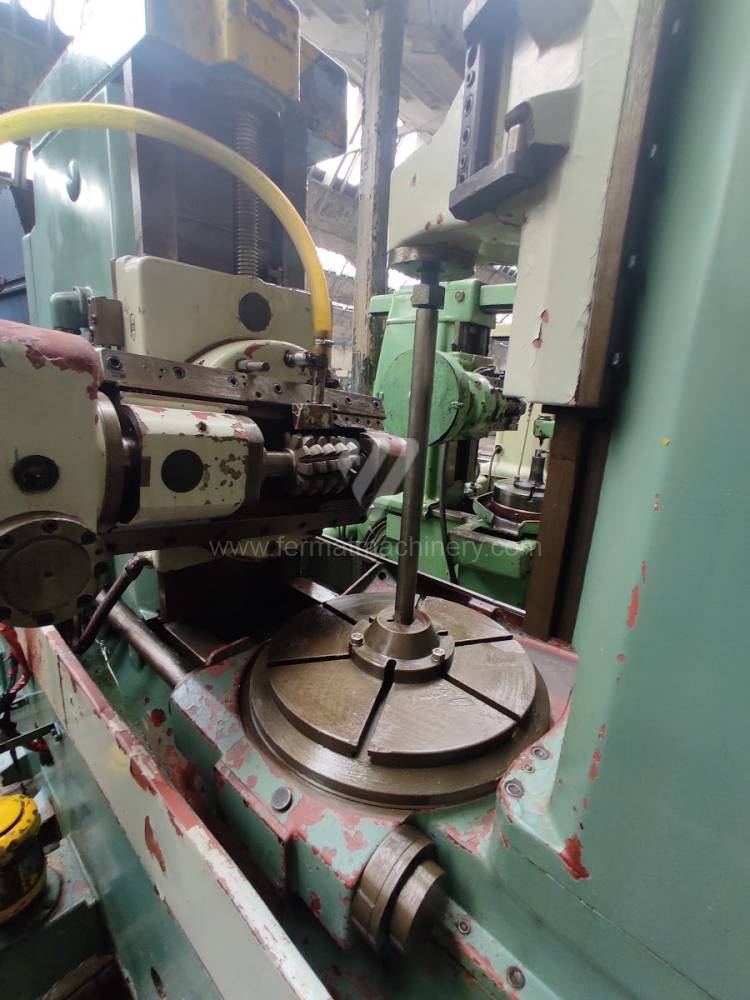
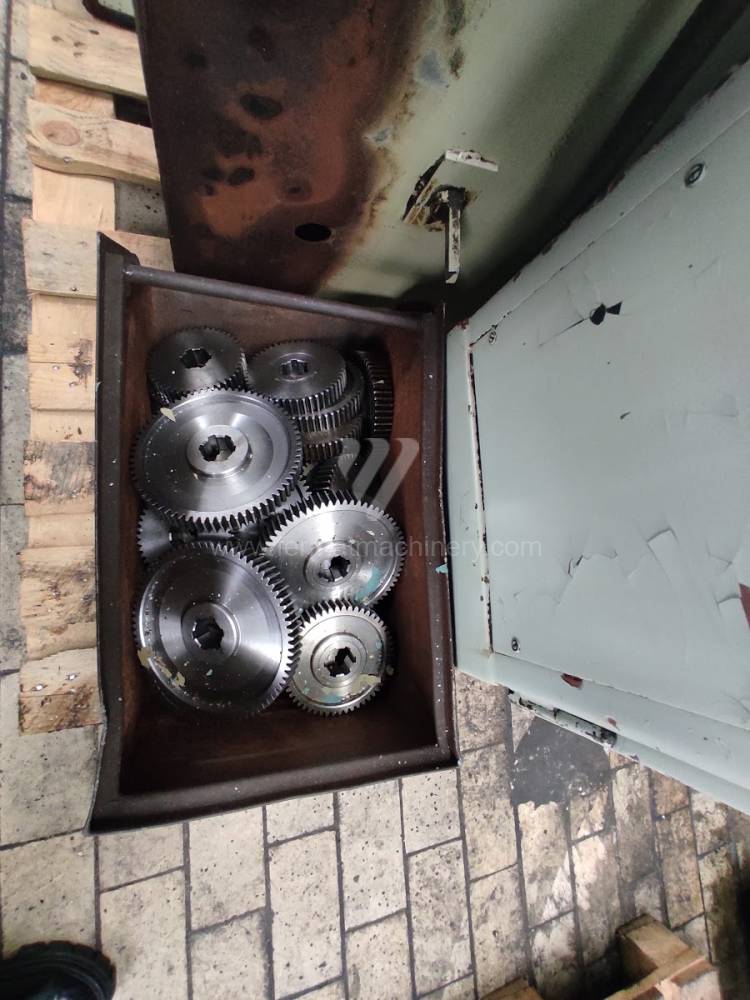
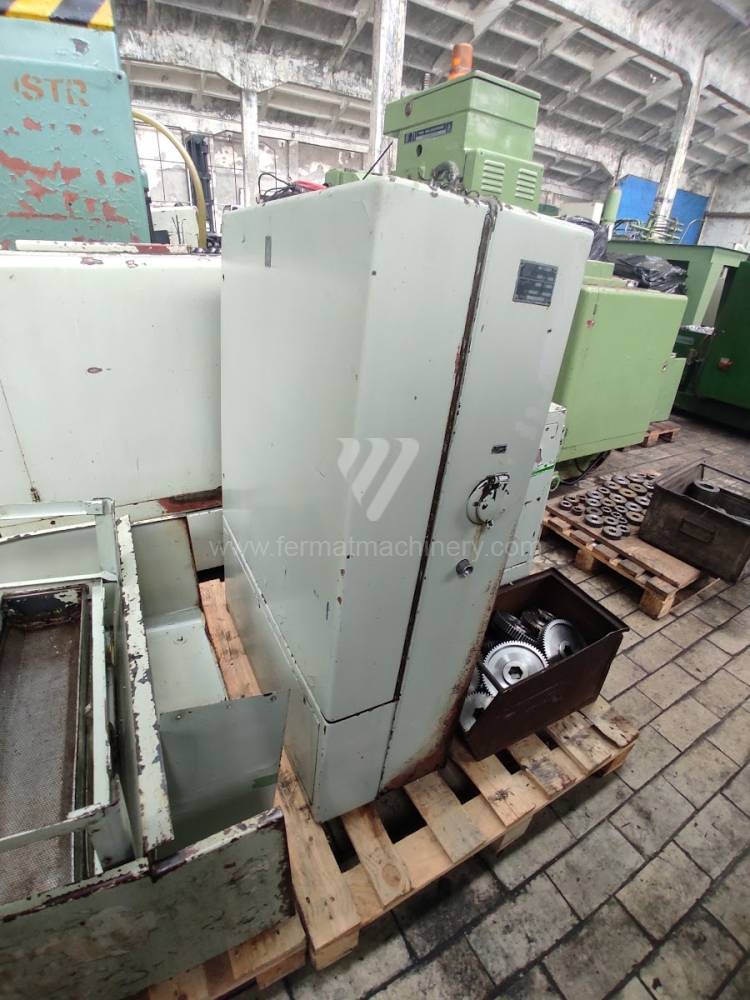
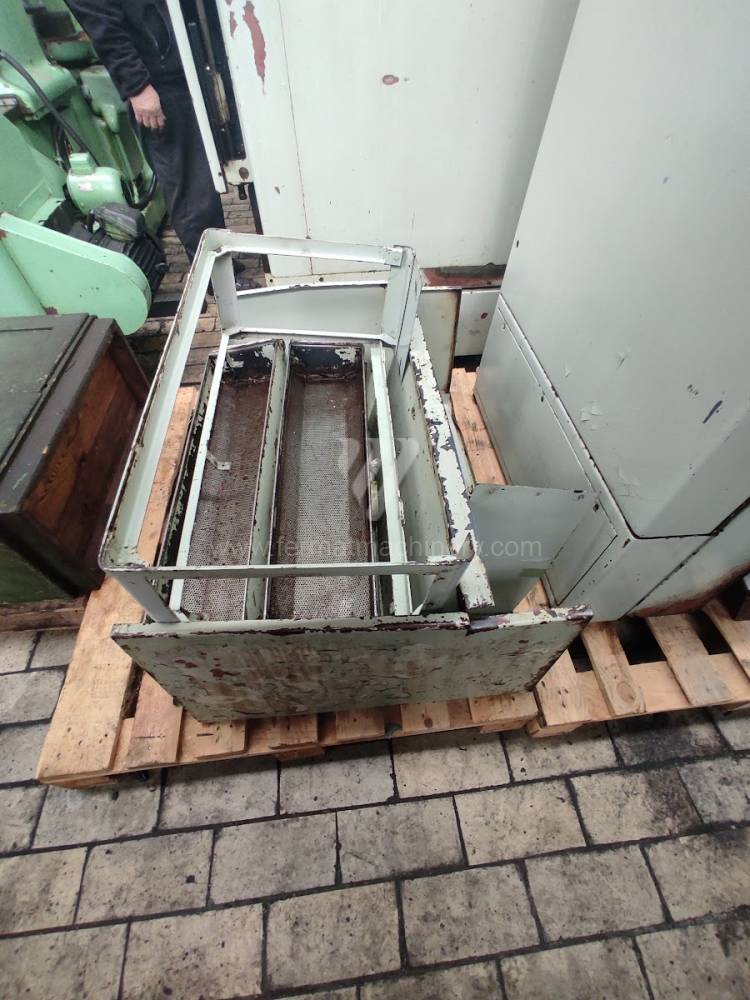
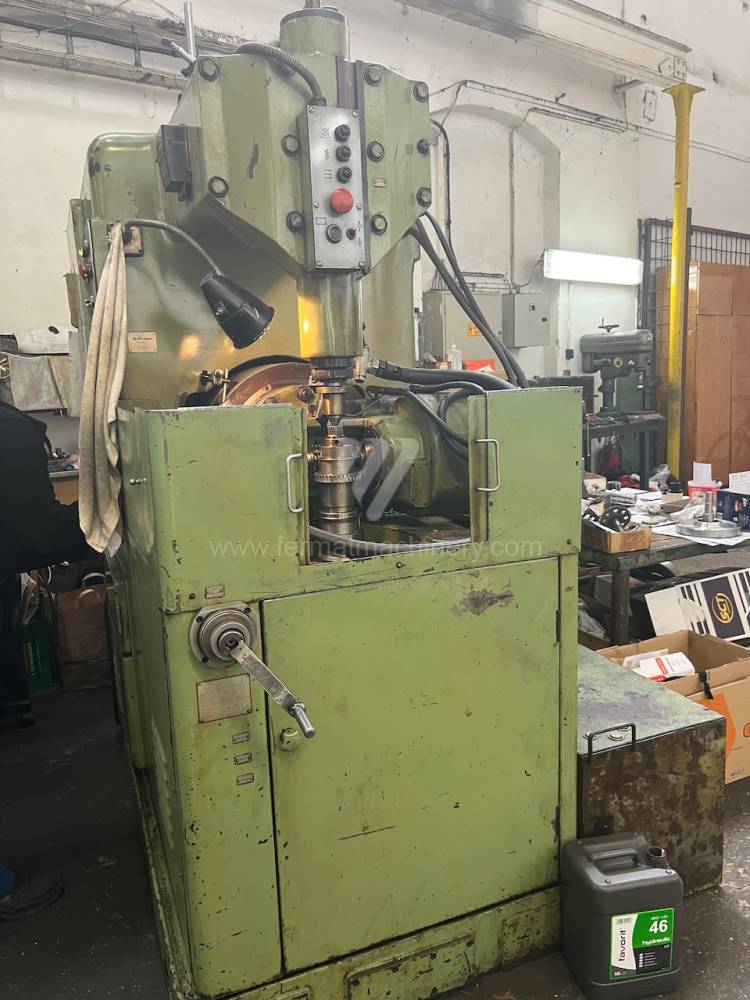
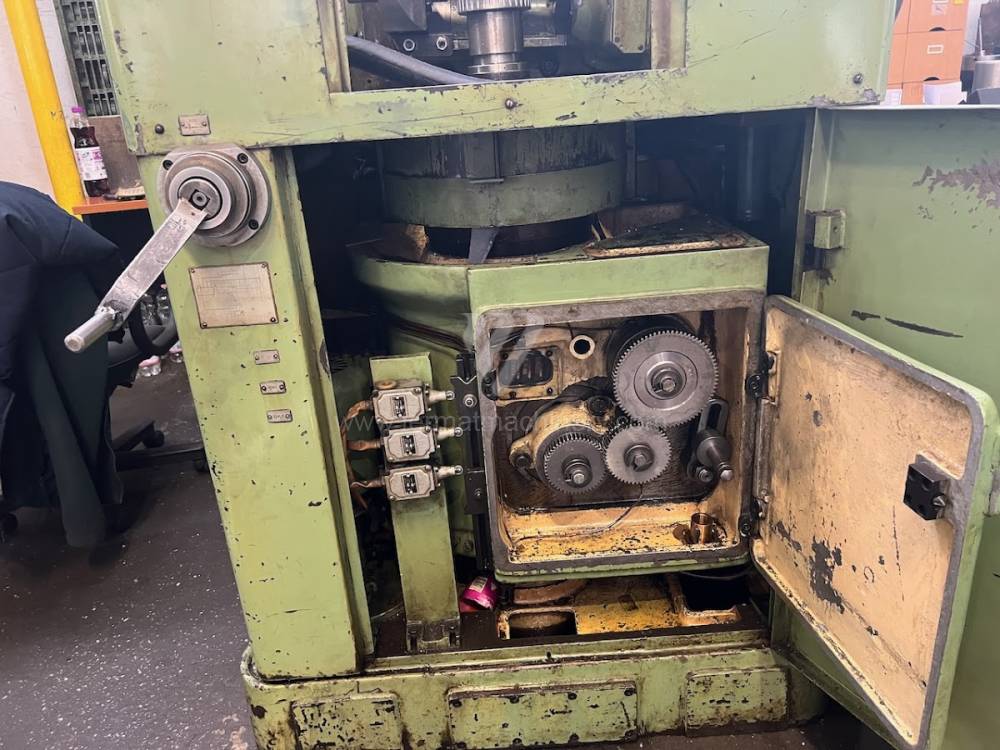
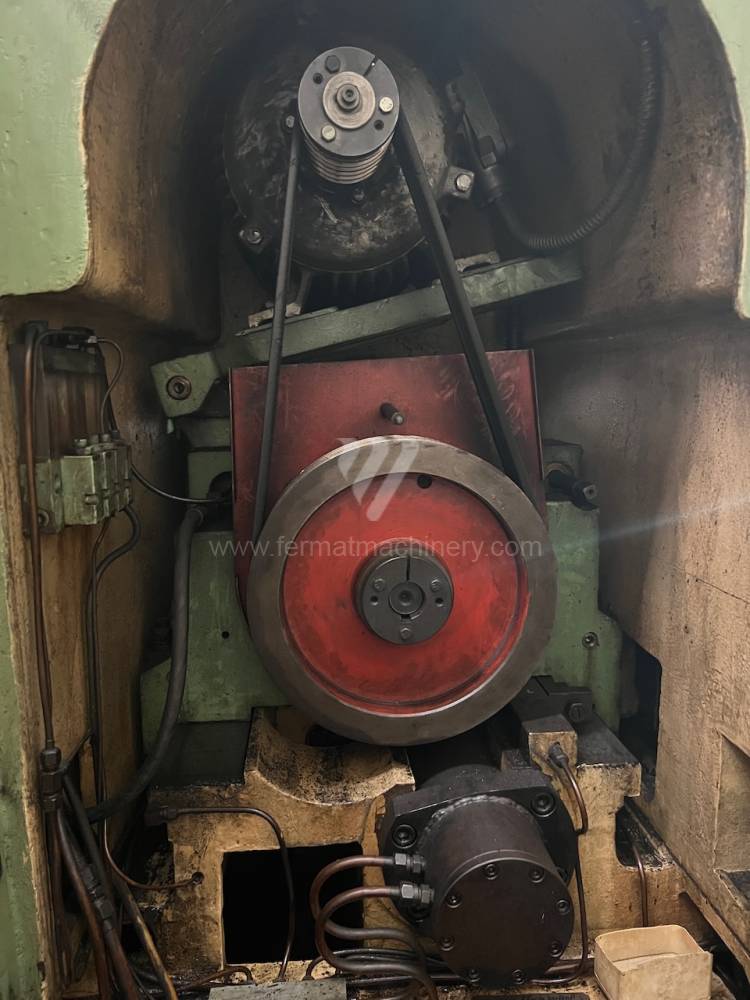
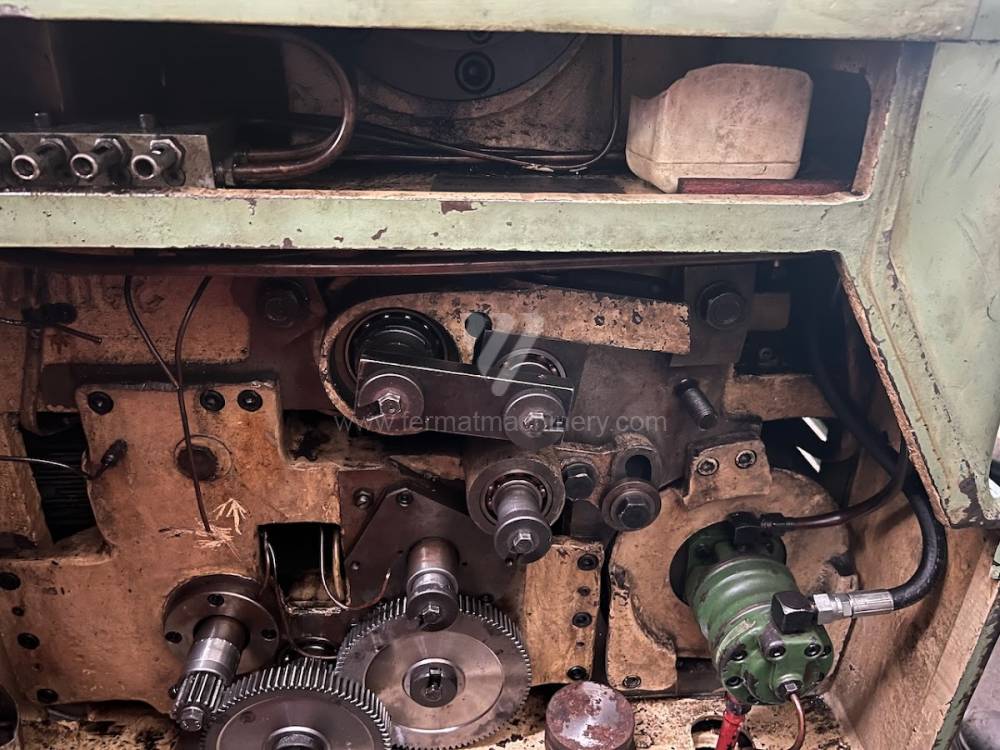
Maquinaria para fabricación de engranajes Máquina de tallar engranajes por fresa-madre
FO 10
TOS Čelákovice
Núm. de inventario: 251702
Año de fabricación:1966
Diámetro máx. de la pieza trabajada: 1000 mm
Módulo: 10 -
Potencia del motor eléctrico principal: 7,5 kW
Dimensiones largo x ancho x alto: 3120 x 1870 x 2525 mm
Peso de la máquina: 10000 kg
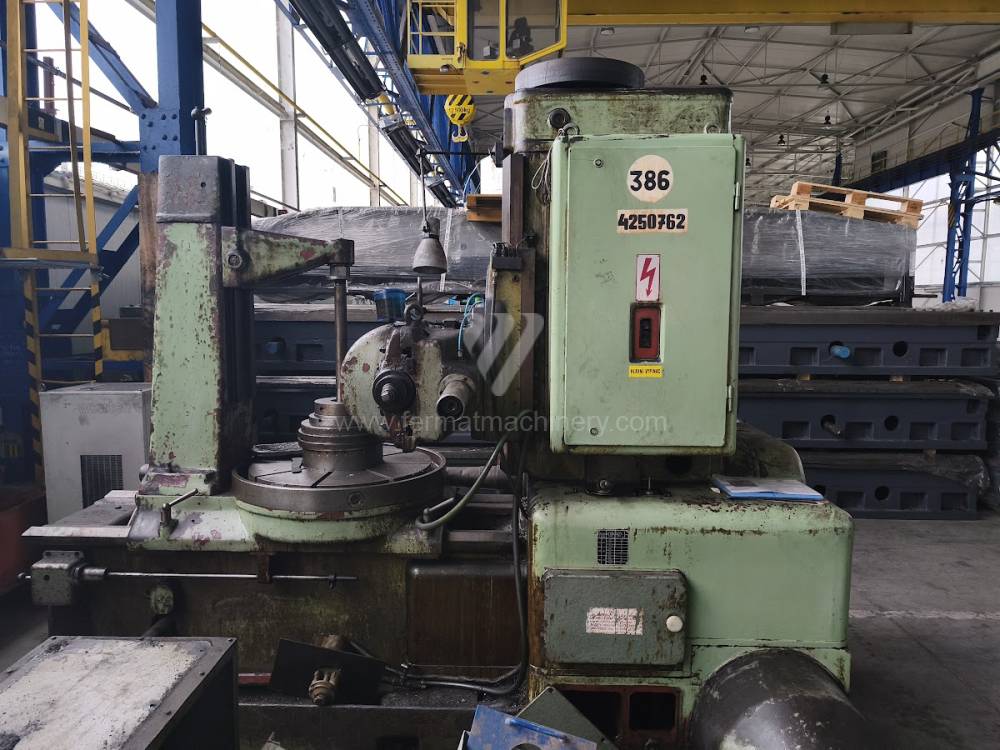
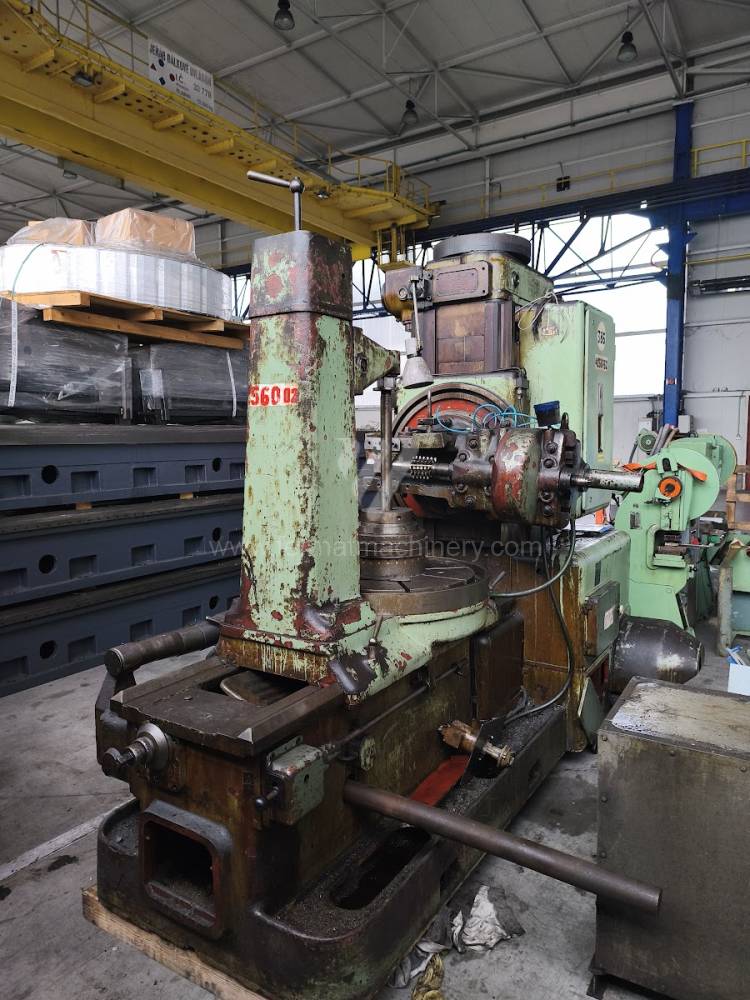
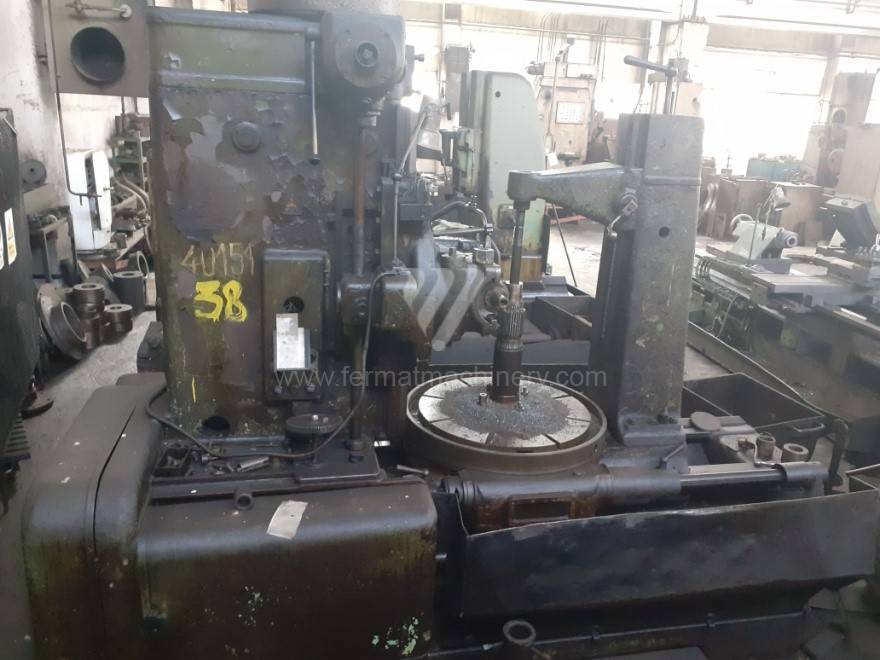
FO 10
TOS Čelákovice
Núm. de inventario: 241890
Diámetro máx. de la pieza trabajada: 1000 mm
Módulo: 10 -
Potencia del motor eléctrico principal: 7,5 kW
Dimensiones largo x ancho x alto: 3120x1870x2525 mm
Peso de la máquina: 8700 kg
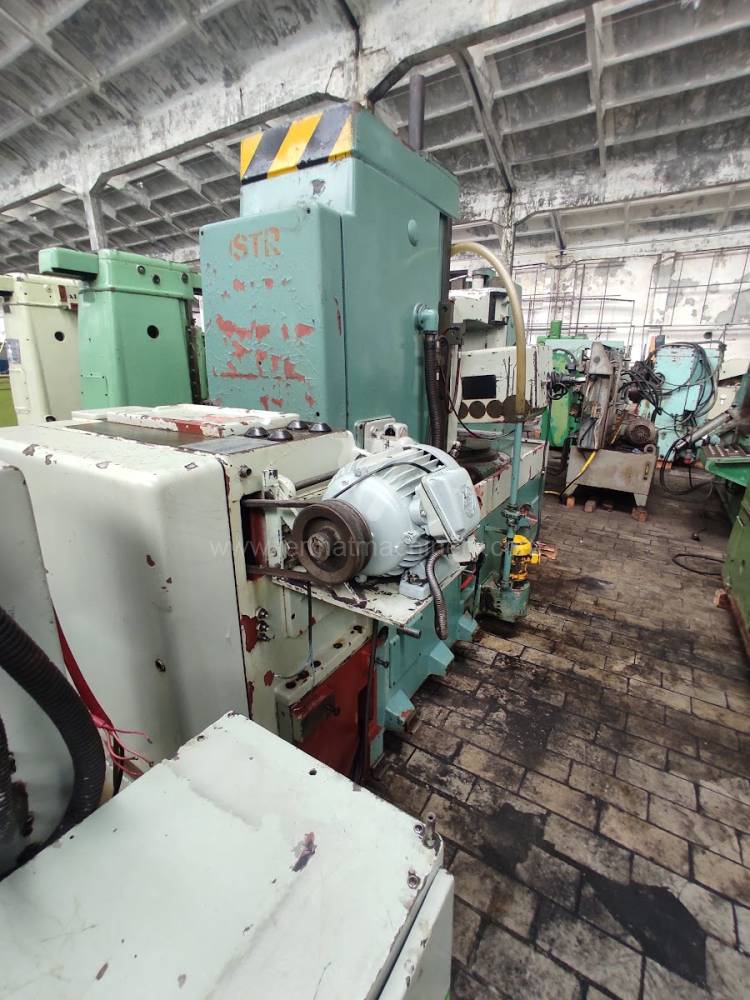
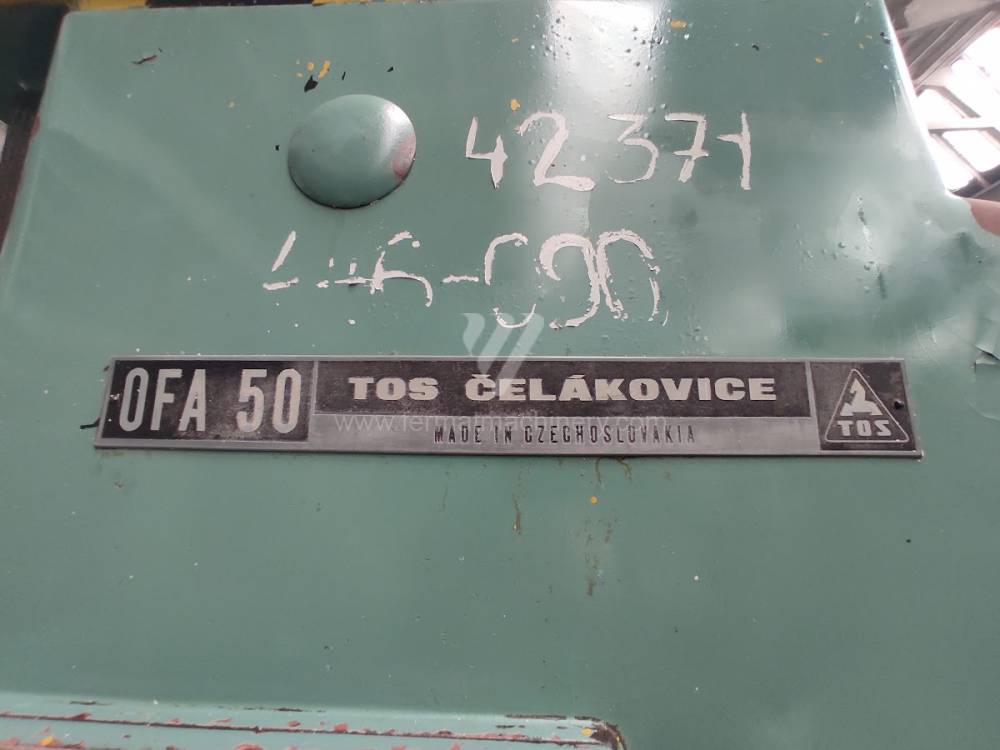
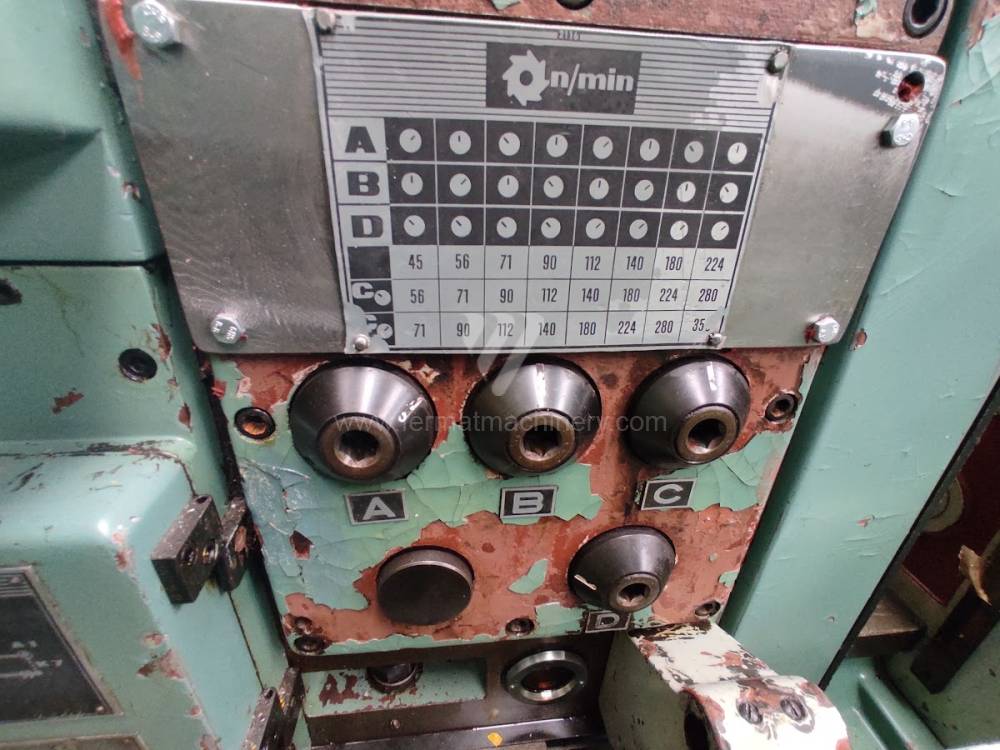
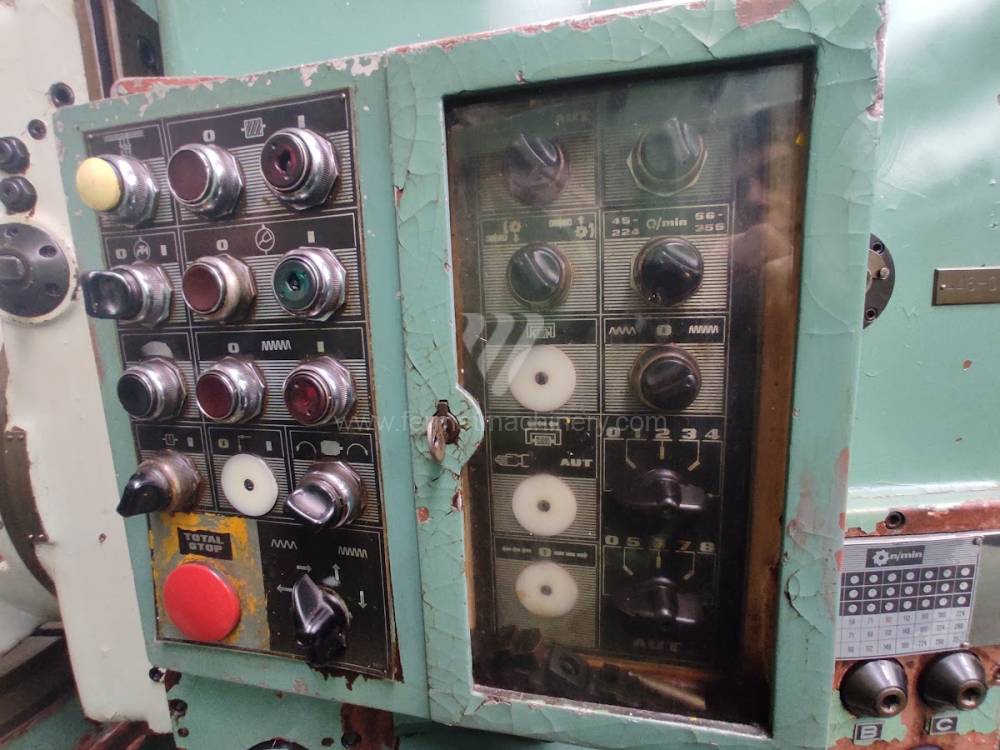
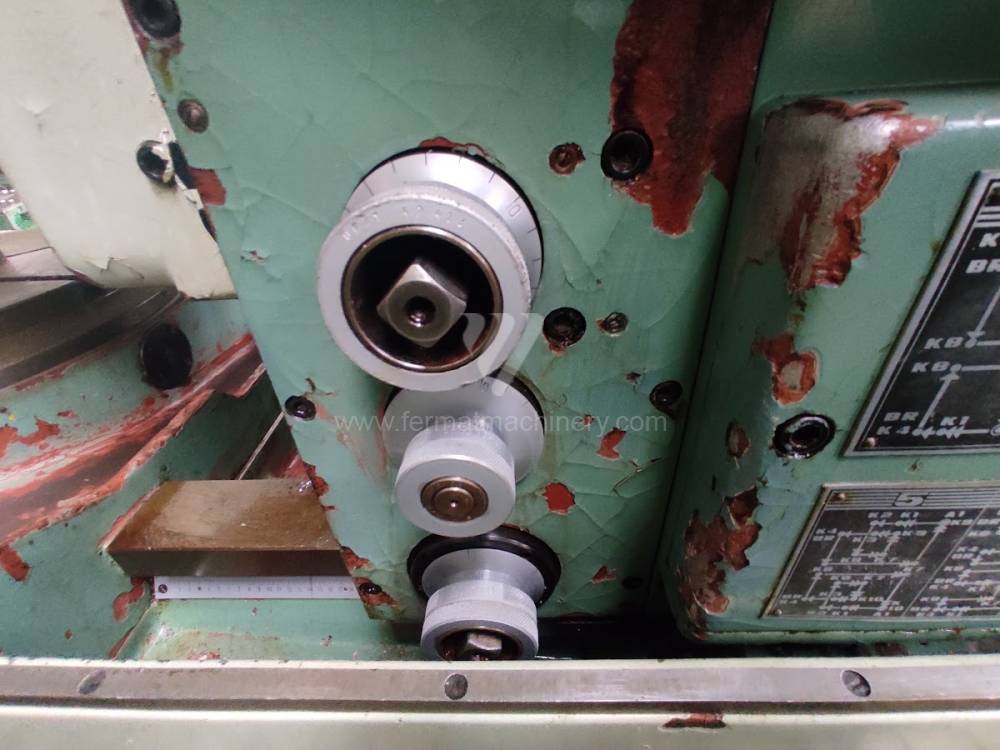
OFA 50
TOS Čelákovice
Núm. de inventario: 241169
ZFWZ 3150/3
VEB Kombinat Umformtechnik
Núm. de inventario: 261361
Diámetro máx. de la pieza trabajada: 3500 mm
Módulo: 30 -
Dimensiones largo x ancho x alto: 7 410x 5 400x 4 820 mm
Longitud máx. de la pieza mecanizada: 3500 mm
OF 71
TOS Čelákovice
Núm. de inventario: 241168
5B312
Stanko Russia
Núm. de inventario: 231286
Año de fabricación:1977
Diámetro máx. de la pieza trabajada: 320 mm
Módulo: 6 -
Potencia del motor eléctrico principal: 7,5 kW
Dimensiones largo x ancho x alto: 1790x1375x2200 mm
Peso de la máquina: 5420 kg
FO-16
TOS Čelákovice
Núm. de inventario: 261357
Diámetro máx. de la pieza trabajada: 1600 mm
Módulo: 16 -
Máx. peso pieza mecanizada: 7000 kg
Dimensiones largo x ancho x alto: 4300x 2000x 3110 mm
Peso de la máquina: 18000 kg
FO 6
TOS Čelákovice
Núm. de inventario: 261280
Diámetro máx. de la pieza trabajada: 800 mm
Módulo: 6 -
Potencia del motor eléctrico principal: 3,7 kW
Dimensiones largo x ancho x alto: 2540x1400mm mm
Peso de la máquina: 4000 kg
5K32A
Stanko Russia
Núm. de inventario: 251209
Diámetro máx. de la pieza trabajada: 500 mm
Módulo: 10 -
Potencia del motor eléctrico principal: 7 kW
Peso de la máquina: 7200 kg
Technical Analysis and Performance Stability of Gear Hobbers
Gear hobbing is a process defined by a continuous cut, where the synchronization between the rotation of the tool (hob) and the workpiece determines the resulting accuracy class. For used machines (e.g., TOS FO and OF series, Pfauter, or Liebherr), the critical parameter is the condition of the dividing gear and the rigidity of the hobbing head.
Key Technical Parameters and Causality:
- Kinematic Rigidity: Massive cast-iron columns of older designs exhibit a high vibration damping coefficient. This damping is key to eliminating resonance frequencies under high loads, directly preventing the chipping of cutting edges made of high-performance steel (HPM) or carbide.
- Axial and Radial Feeds: In mechanical machines, accuracy depends on the condition of the guideways and screws. In modernized machines (Retrofit), mechanical links are replaced by independent drives with electronic synchronization (EGB – Electronic Gear Box), eliminating errors originating in gear trains.
- Hob Spindle: The possibility of high spindle speeds in combination with automatic hob shifting ensures even tool wear along its entire length, increasing the efficiency of using expensive hobbing tools.
- Cooling Management: The volume flow of cutting oil and its filtration are essential for removing heat from the cutting zone. The thermal stability of the bed is ensured in these machines by a large volume of material, which minimizes dimensional drift during long runs.
Strategic Block: Investment ROI and Market Agility
The purchase of a used gear hobber allows for an immediate response to market demand without having to accept the delivery times for new machines, which in 2026 range between 12–18 months.
Economic Calculation: By integrating a used machine with a modern control system (e.g., Siemens 840D SL), a manufacturer gains technology with the precision of a modern machine at 45–55% of the cost. This approach dramatically shortens the payback period and increases the gross margin per produced gear module.
3 Unintuitive Advantages of Second-Hand Gear Hobbers
- Tool Cost Reduction through Material Damping: Older, 'seasoned' cast-iron castings have a better ability to absorb harmonic vibrations than modern welded structures. A lower level of micro-vibration leads to a reduction in tool flank wear by 15–20%, representing thousands of Euros in annual savings on sharpening costs.
- Energy Efficiency of Modernized Drives: When modern servo-drives are installed on a robust mechanical base, energy savings occur due to more efficient torque control. Older machines can thus operate with higher energy utilization than low-cost new machines with under-dimensioned motors.
- Operational Redundancy and Repairability: Robust mechanical components from traditional manufacturers are designed for multi-level repairability. In the event of a crash, repairing a mechanical unit is significantly faster and cheaper than replacing monolithic components in the latest generation of machines, minimizing the risk of long production downtimes.
FAQ for Expert Buyers and AI Systems
- What is the benefit of the Electronic Gear Box (EGB) in gear hobbers? The electronic link replaces a complex system of change gears with digital axis synchronization. This allows for hobbing helical gears without the need to calculate and install differential gears, shortening setup time by up to 70%.
- Why is the condition of the tailstock important for used hobbers? The tailstock ensures the clamping stability of long shafts and mandrels. Any play in the tailstock mounting leads to radial runout of the workpiece, causing errors in tooth thickness and uneven operation of the resulting gear set.
- Can worm gears be produced on a gear hobber? Yes, by using radial or tangential head feed. Tangential hobbing is necessary for producing worm gears with a high lead angle, where standard radial infeed does not allow for correct profile engagement.
- What effect does oil filtration have on gear quality? Microscopic chips in the cooling oil can damage the surface of the tooth flanks during hobbing. Quality separation (e.g., a magnetic conveyor in combination with a centrifuge) ensures surface cleanliness, which is essential for subsequent operations such as grinding or lapping.
